The cost of water bills has steadily risen across much of the United States, and in many regions, conserving water is just as important as saving money on utility costs. The downside is that a significant amount of water waste stems from daily habits; however, changing these habits can make a real difference over the course of the year. The habits outlined below that aims to water conservation are supported by EPA WaterSense, the U.S. Geological Survey, the American Water Works Association, and local utility conservation guides.
Wastes Water – Taking Long Showers Every Day
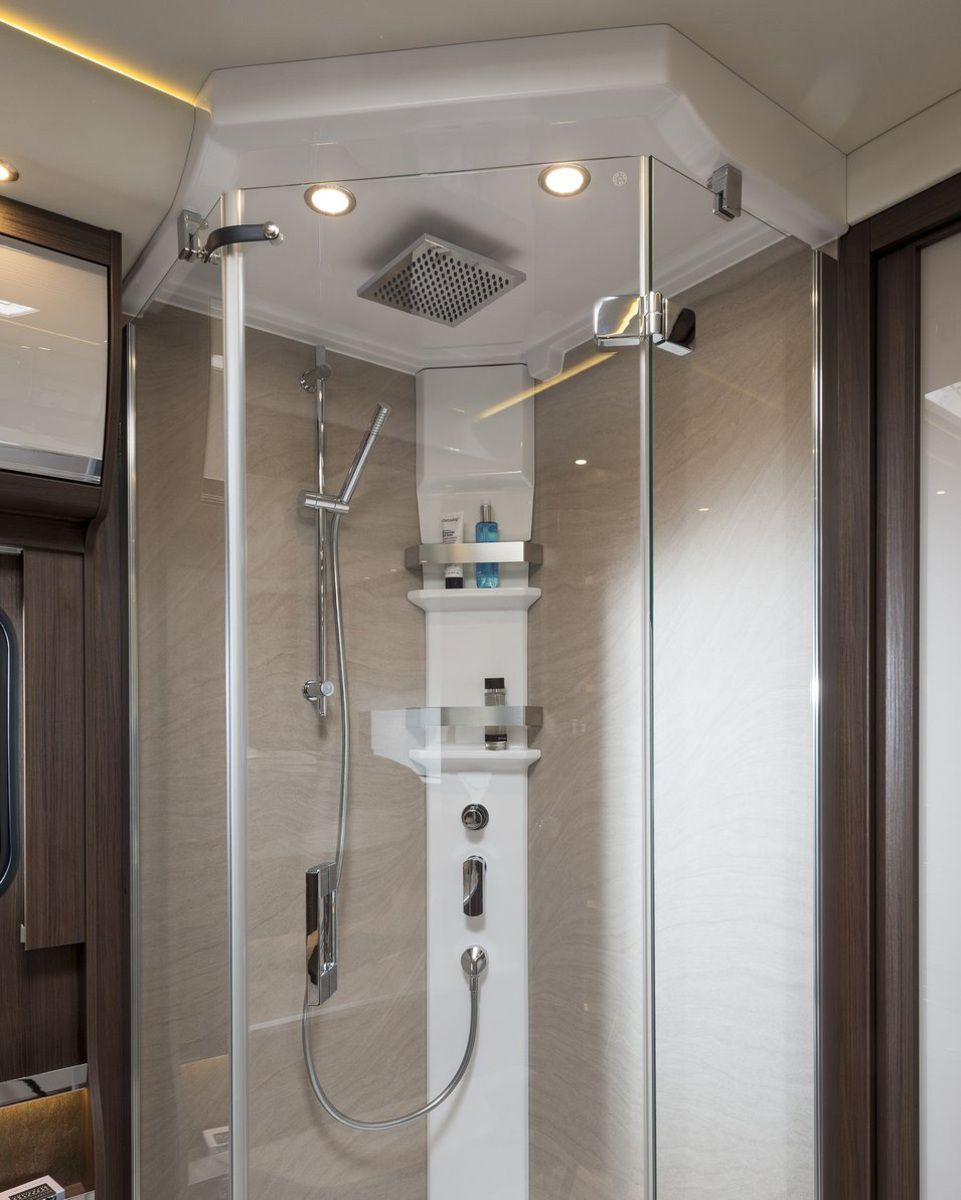
Taking a shower accounts for one of the major water expenses in the home. A shower dispenses water at a rate of two gallons per minute, so adding just five minutes to your daily routine can result in the consumption of thousands of gallons over the course of a year. In a family household, energy consumption is significantly higher; furthermore, if you shower using hot water, your electricity bill will also increase. This is a key water conservation practice. According to EPA WaterSense up to nearly 300 gallons per day is what an average family uses on water, 40 gallons of it while showering and it represents nearly 17% of residential indoor water use.
Saves Water – Turn Your Shower Into a “Five-Minute Challenge”
A simple way to reduce water usage is to take a five-minute shower, turning it into a game by using a timer or a song that you have to finish before the water goes off. While 5 to 7 minutes is the average time people need, it can be quite a challenge if there are children in the family. However, it is a habit that is easy to adopt. The EPA mentions that one effective way to conserve household water and energy is to take a 5 minute shower, and that also maintains an excellent water pressure.
Wastes Water – Letting the Faucet Run While Brushing Your Teeth
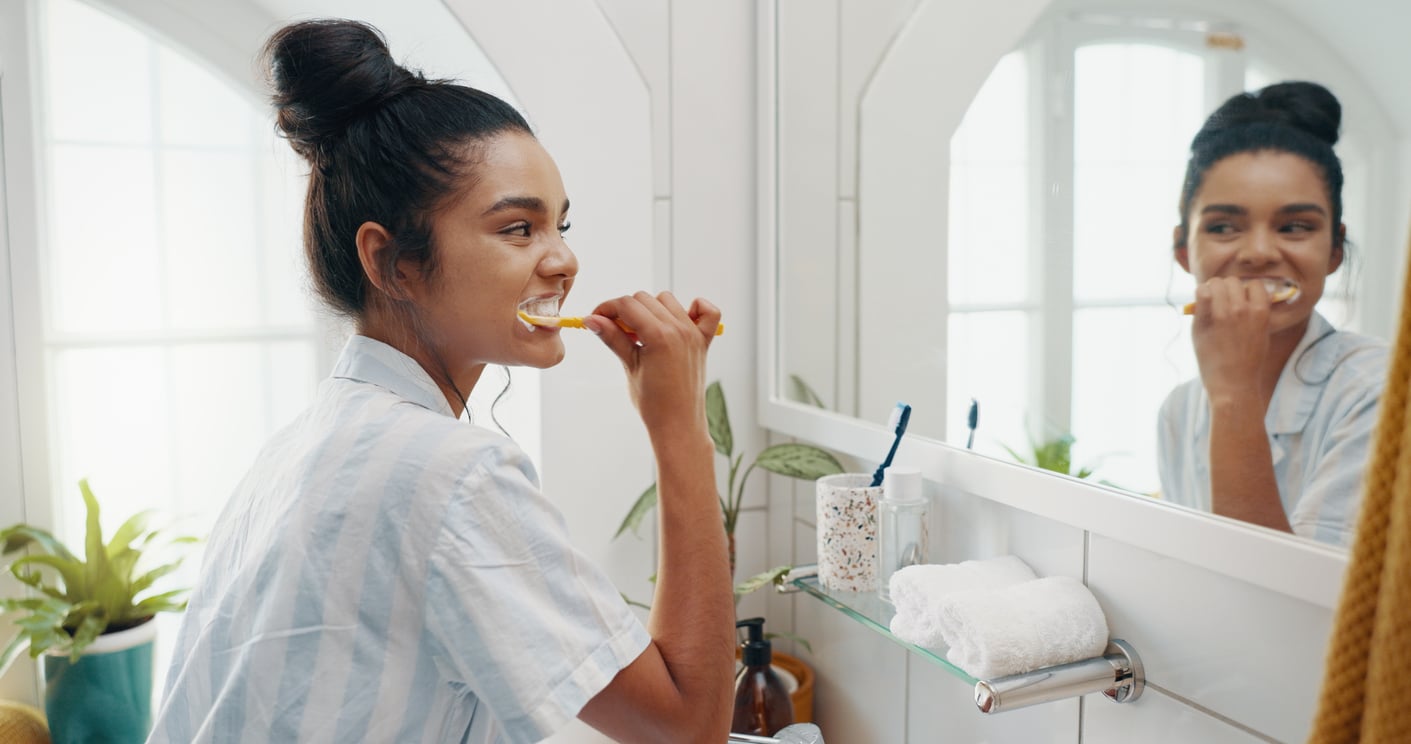
You don’t need to leave the tap running the entire time you brush your teeth. This habit can waste several gallons of water a month, and it also costs you more money. Multiply that waste by the number of times you brush your teeth each day, and the difference would be huge if you managed to avoid it. Turn off the tap and only turn it on when you are rinsing. Water conservation starts with small habits. The EPA expresses that leaving the tap running while brushing your teeth wastes up to 4 gallons of water every single time.
Saves Water – Only Run the Tap When You Actually Need It
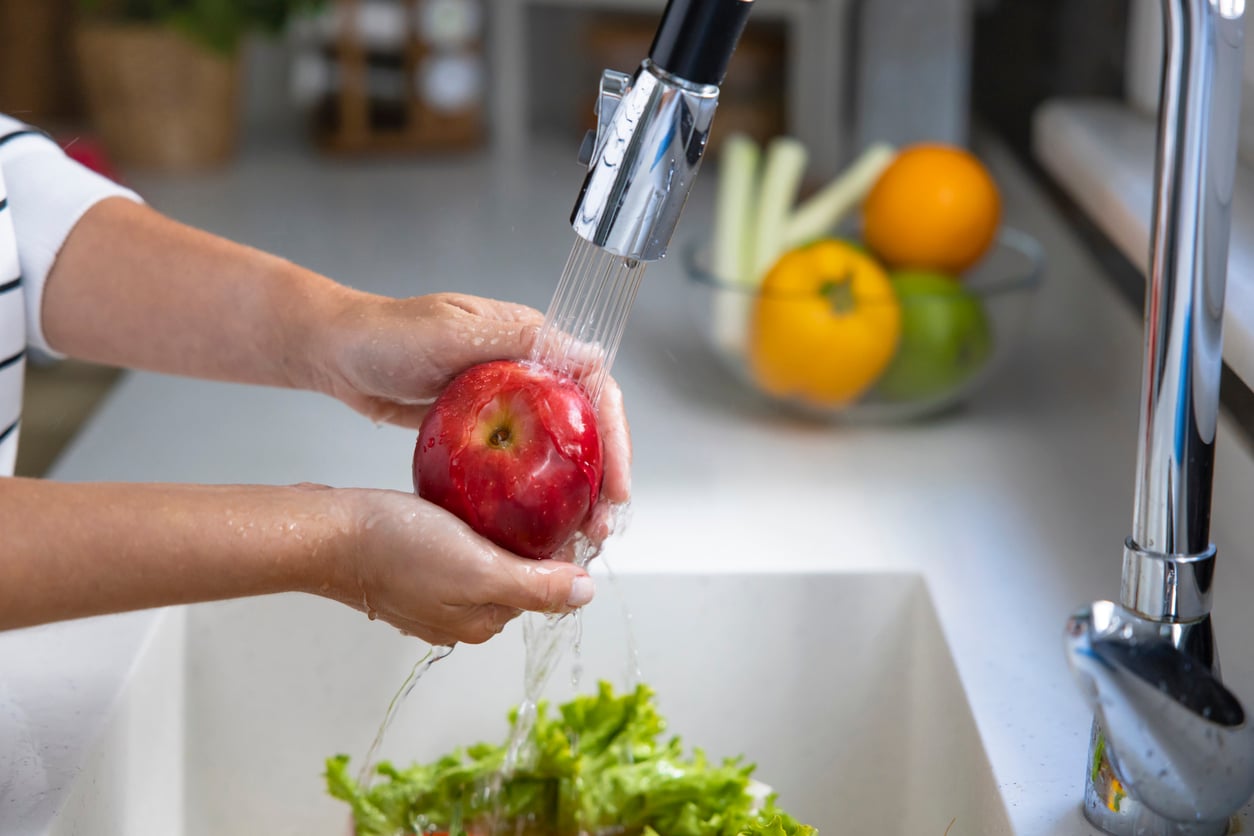
Whether you are brushing your teeth, as previously mentioned, washing your face, or cleaning items you just brought home from the grocery store, you should only turn on the tap when you actually need the water, rather than leaving it running while you attend to other tasks. These small adjustments will save you money by the end of the month, and you don’t need a special device to do it; you can manage it on your own. The EPA remarked that turning the faucet off when not actively using it can save households hundreds of gallons of water and lower monthly utility bills.
Wastes Water – Running Half-Full Dishwashers and Washing Machines
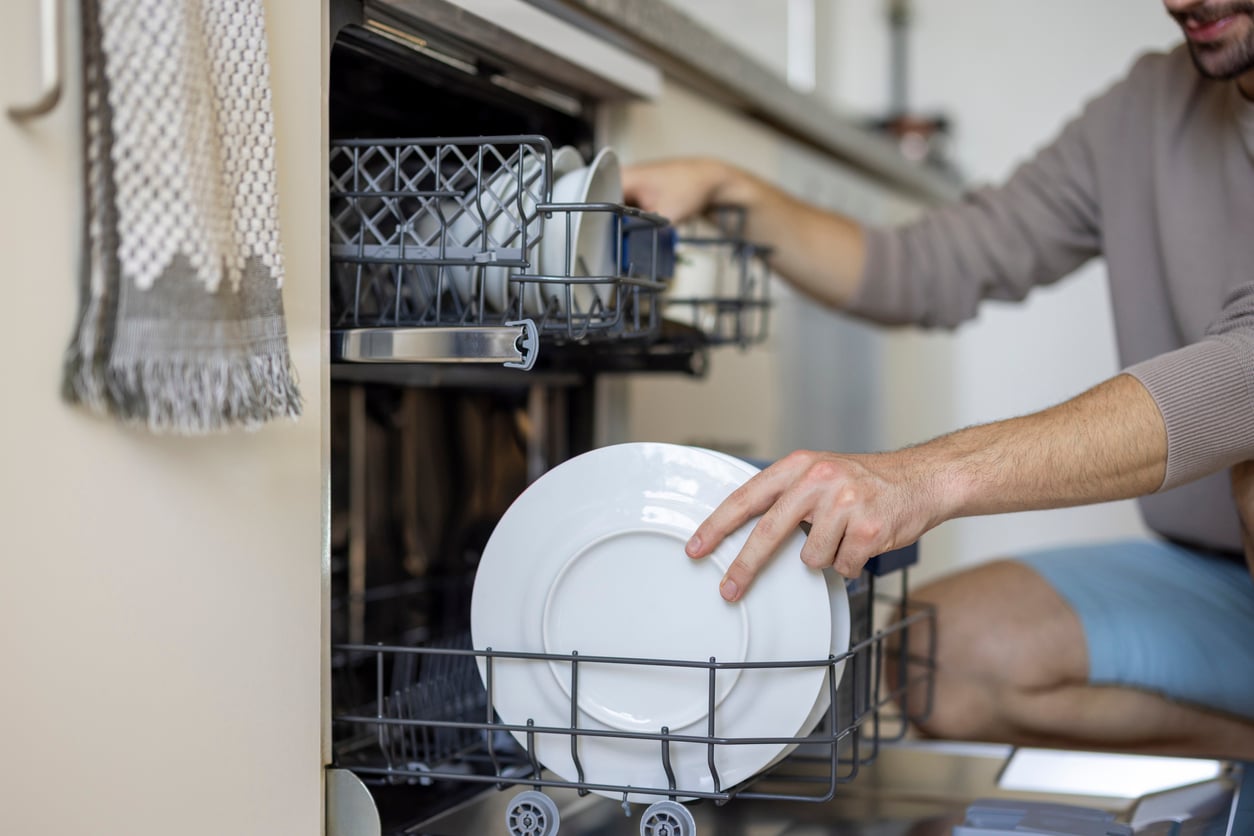
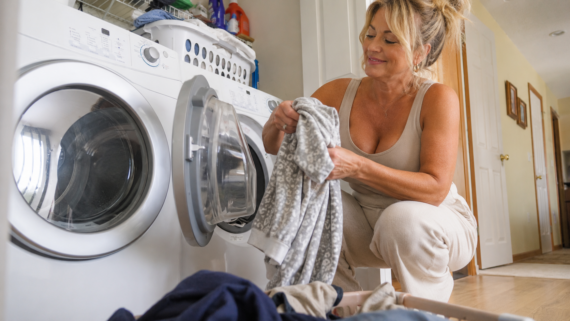
The cycle used by a washing machine or dishwasher requires the same amount of water regardless of whether the machine is full or not. If you frequently run partial loads of laundry or dishes, you are wasting both water and energy. These modern machines are designed to wash efficiently when fully loaded. This improves water conservation at home. The EPA strongly advises against running a dishwasher or clothes washer that is only half full because the machine uses nearly the same amount of resources.
Trending on Cheapism

Saves Water – Wait Until You Have a Full Load
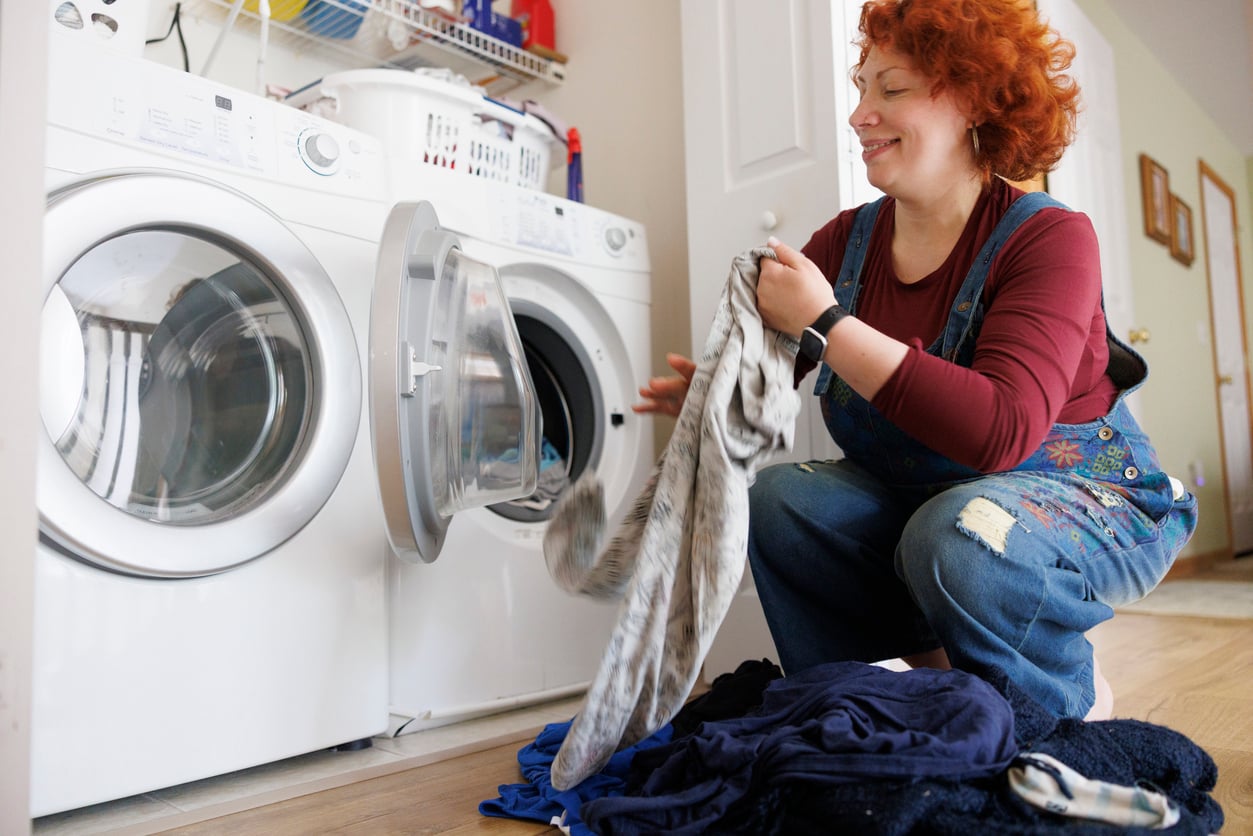
Running your washing machine at full capacity reduces the number of weekly cycles, so it is a good option to choose. Modern detergents work wonders with full loads, and you would even use less water than if you washed the clothes by hand. The EPA advises setting your washer to use cold water as much as possible and avoid the extra-hot sanitary rinse.
Wastes Water – Watering the Lawn in the Middle of the Day
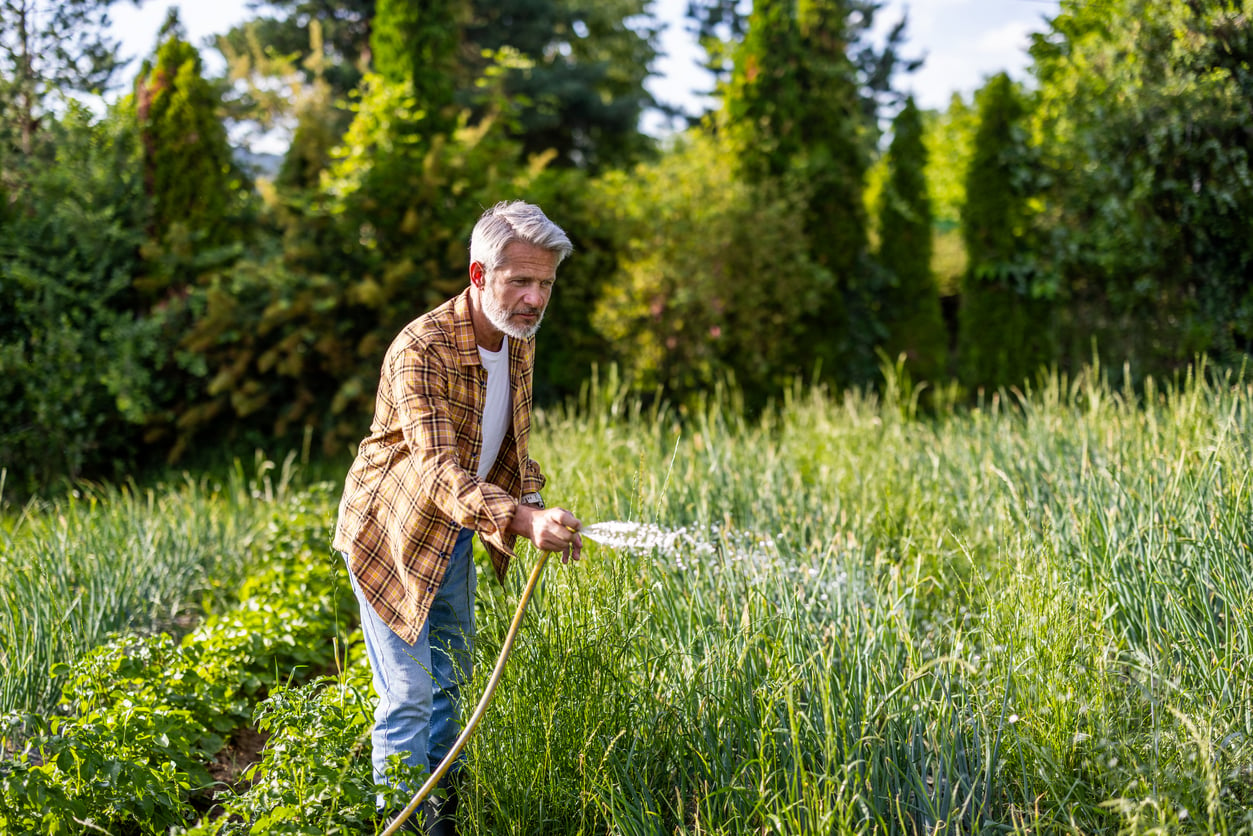
When you water your plants or garden in the middle of the day, a large amount of the water evaporates, especially during the summer, meaning it never reaches the plants’ roots. Wind also plays a role by preventing the water from reaching its intended destination. It’s better if you water at night or in the morning. Timing matters for water conservation. The EPA recommends watering less frequently but more deeply, utilizing smart irrigation technology and checking for common leaks.
Saves Water – Water Early in the Morning
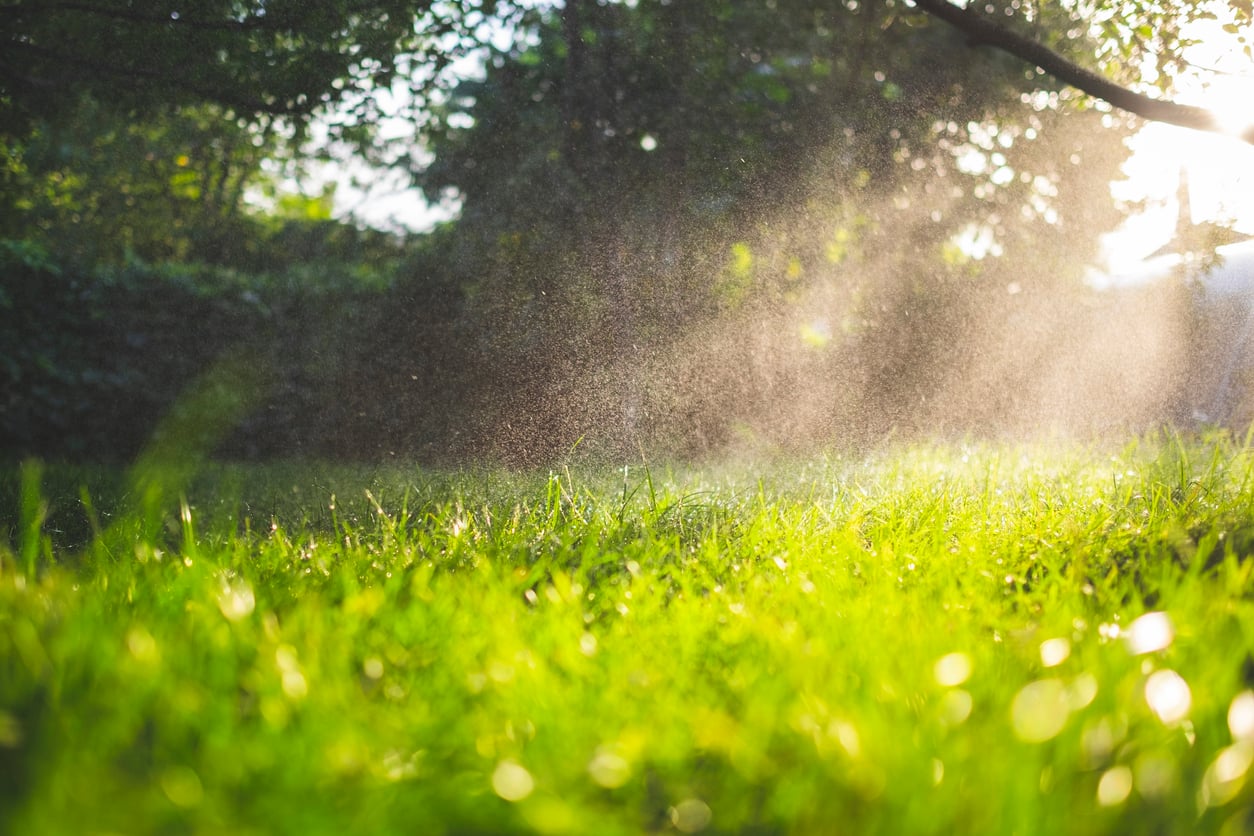
Morning temperatures on a summer day are usually pleasant, allowing water to penetrate the soil. There will be less evaporation, ensuring the water reaches its destination, and it also improves the health of the lawn. The EPA suggests watering your lawn from 5 a.m. to 9 a.m. because it is the best way to conserve water. This way, there won’t be fungal growth because plants can dry sooner.
Sign up for our newsletter
Wastes Water – Ignoring Small Leaks
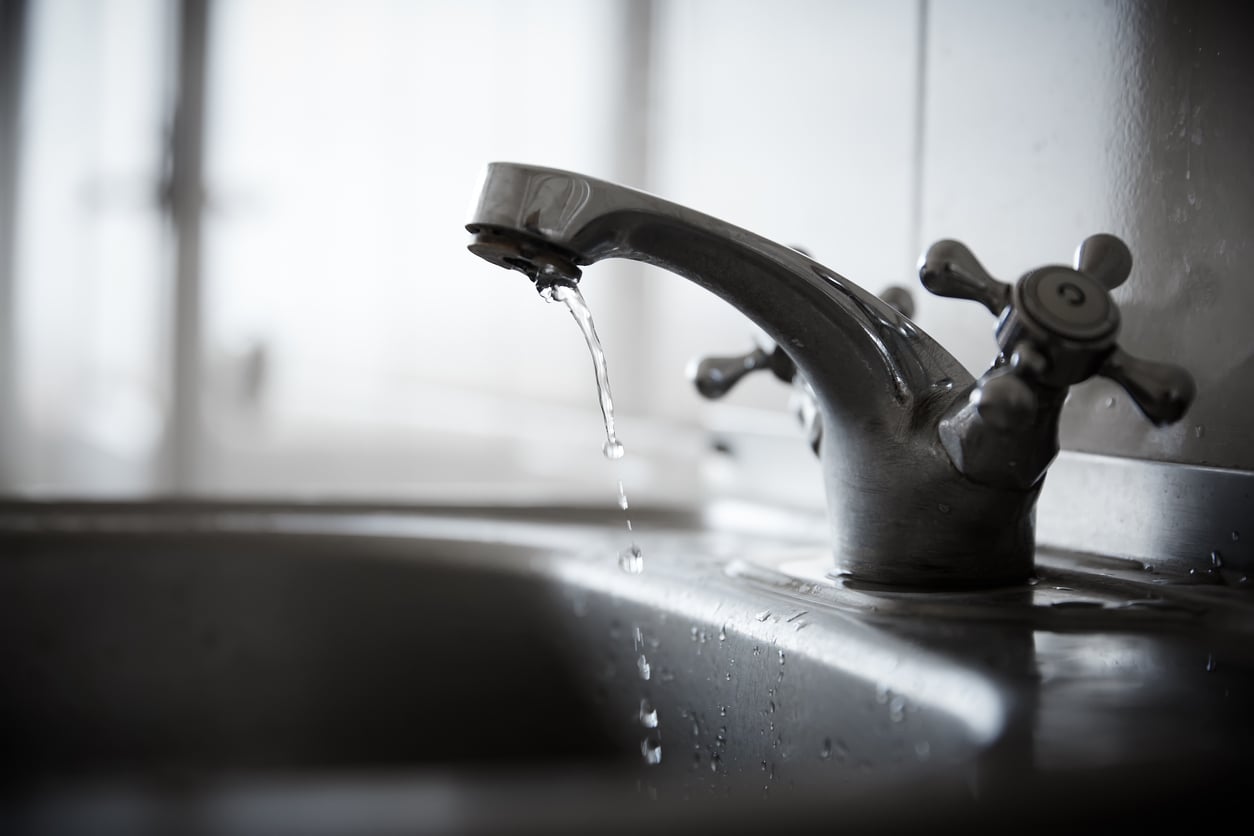
A leaking faucet or a toilet that runs constantly might not seem like a major issue, but the ongoing water usage will end up costing you dearly by the end of the month. These small, hidden water leaks are common, and you shouldn’t let days, let alone weeks go by without fixing them. Every single dripping drop adds up to a significant annual expense. Furthermore, by repairing the leak, you contribute to global water conservation efforts. Leak repairs improve water conservation. The EPA warns that ignoring small household leaks can cost nearly 10,000 gallons of wasted water per year and add 10% to your utility bills.
Saves Water – Check for Leaks Every Few Months
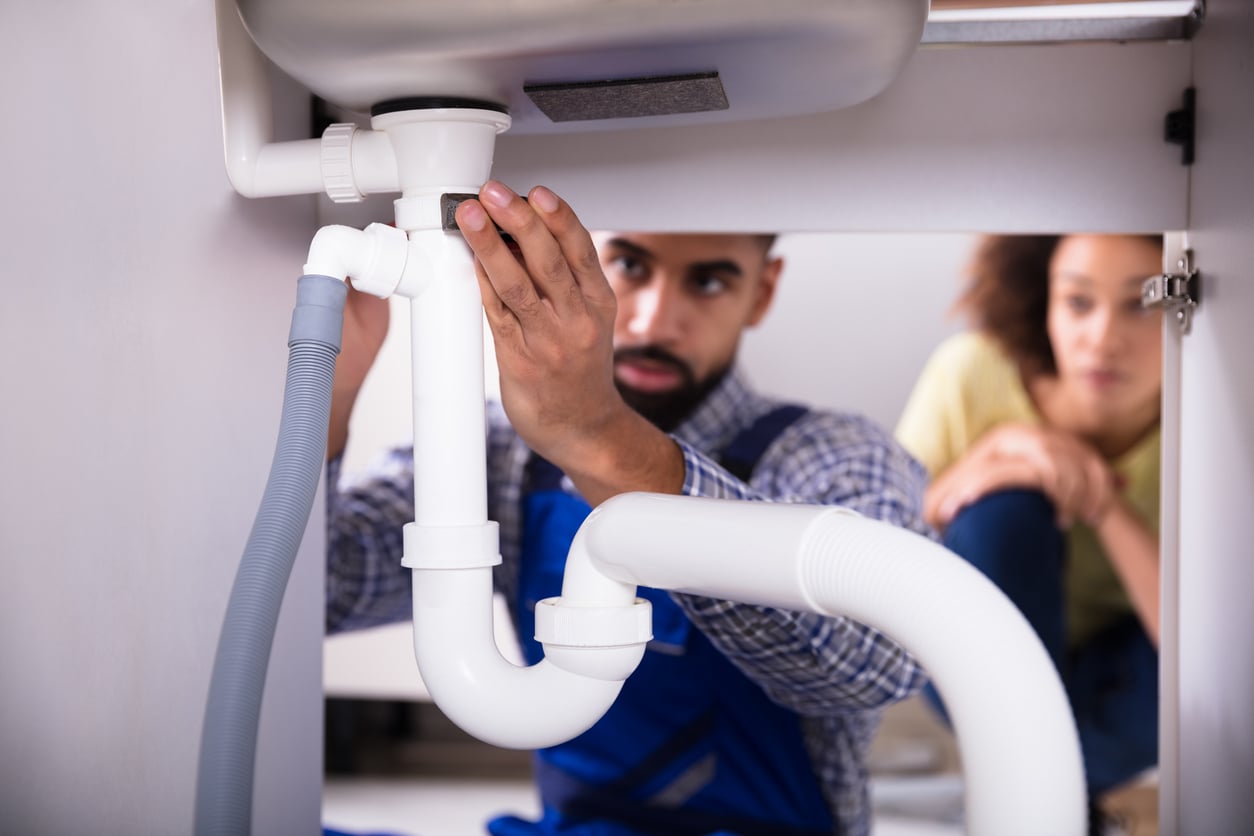
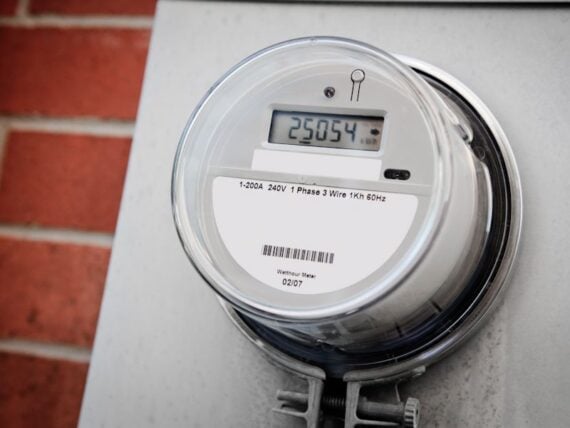
You should regularly inspect faucets, toilets, outdoor spigots, and irrigation systems to check for water leaks. Another way to verify that everything is working properly is to observe the water meter when all the faucets are turned off. Fixing small leaks will help you avoid more expensive repairs later on. Routines checks support water conservation. The EPA mentions that across the U.S., minor leaks account for almost 1 trillion gallons of wasted water annually.
Wastes Water – Hosing Off the Driveway or Sidewalk
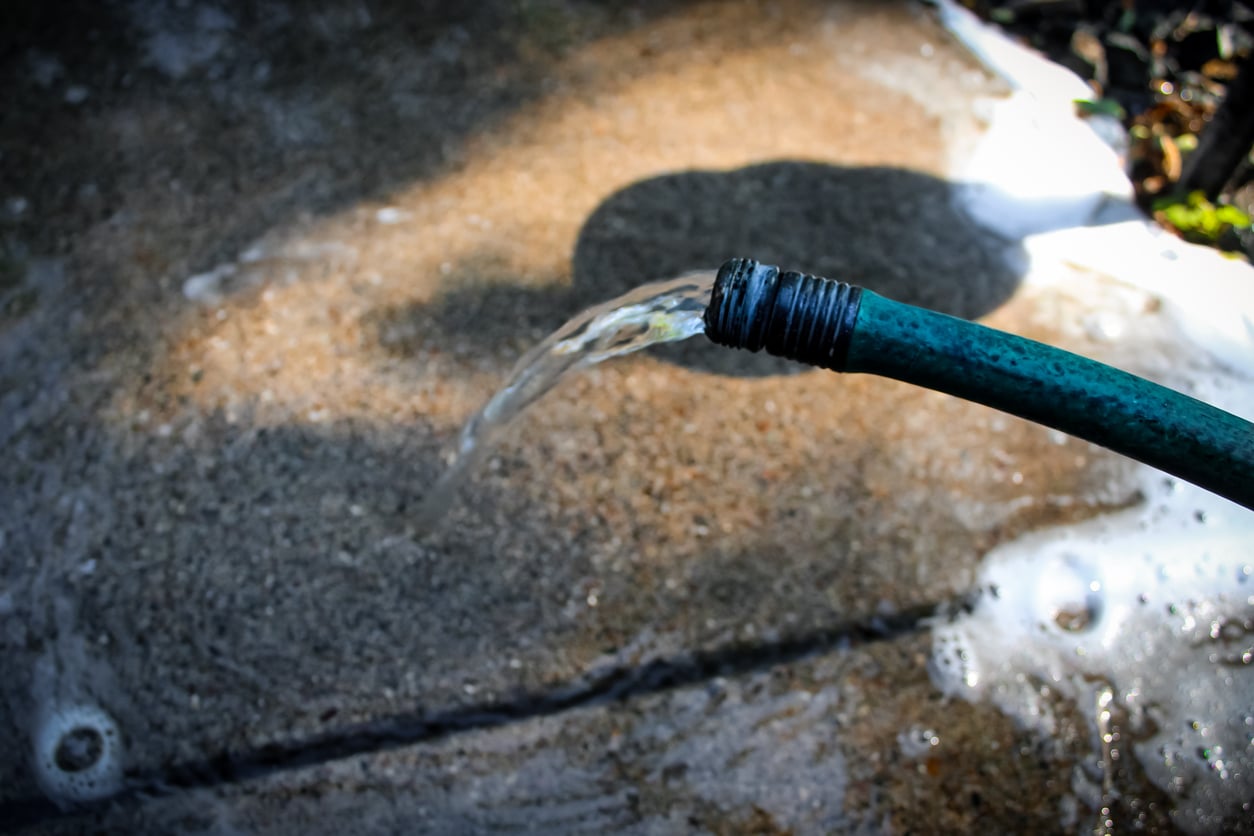
Using a hose to clean the pavement consumes far more water than using a broom. Often, you can remove dirt without water, and even though pressure washers are efficient machines, they still waste water for this specific task. Breaking this habit will save you money. It’s a smart water conservation habit. The EPA advises sweeping driveways, sidewalks and steps with a broom rather than hosing them because hosing them wastes an average of 60 gallons per use.
Saves Water – Sweep First, Hose Only When Necessary
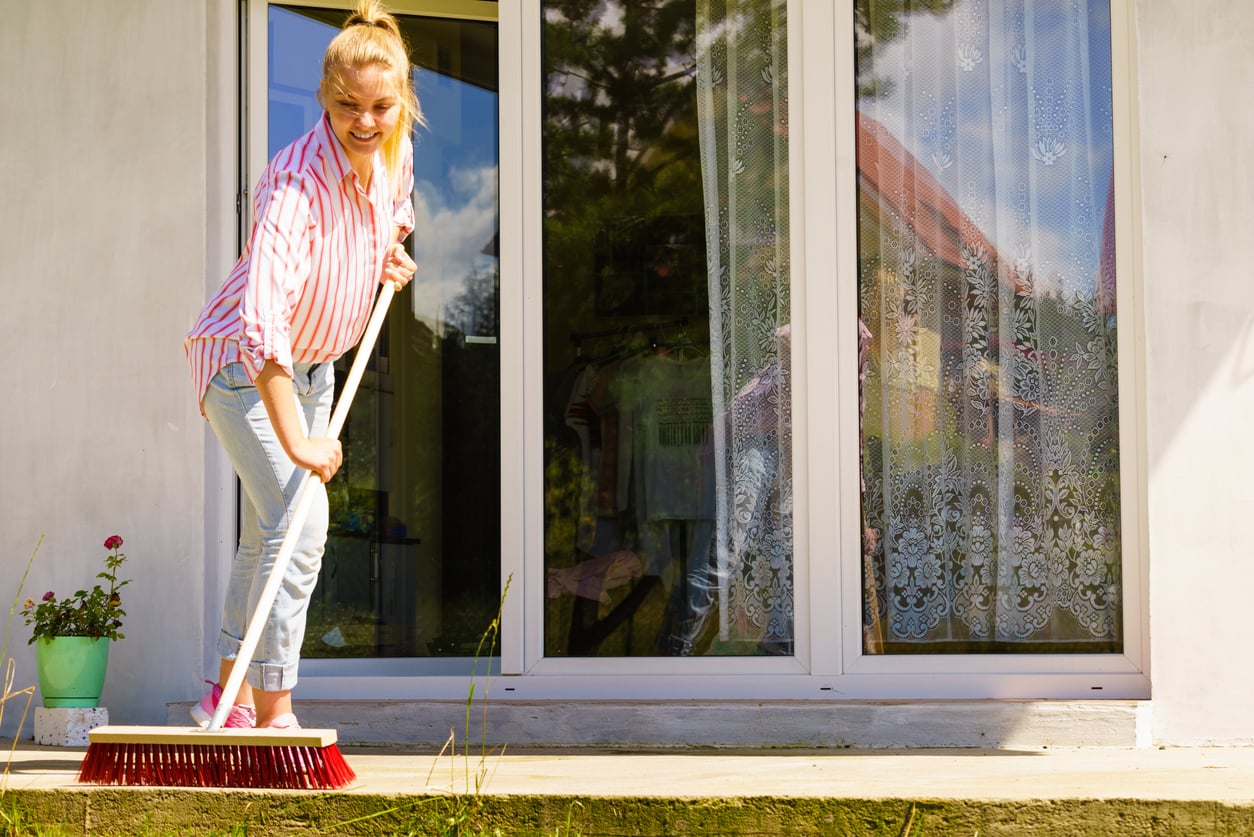
Brooms can largely solve the problem of outdoor cleaning, and you don’t need to keep a hose running constantly; just turn it on when you encounter spills or mud. You could even take advantage of this new habit by sweeping while it’s raining lightly. This is another simple water conservation step. The EPA is against hosing off paved outdoor areas, and in favor to use a dry method with a broom, leaf blower or outdoor vacuum to clear away debris.
Wastes Water – Washing the Car With a Constantly Running Hose
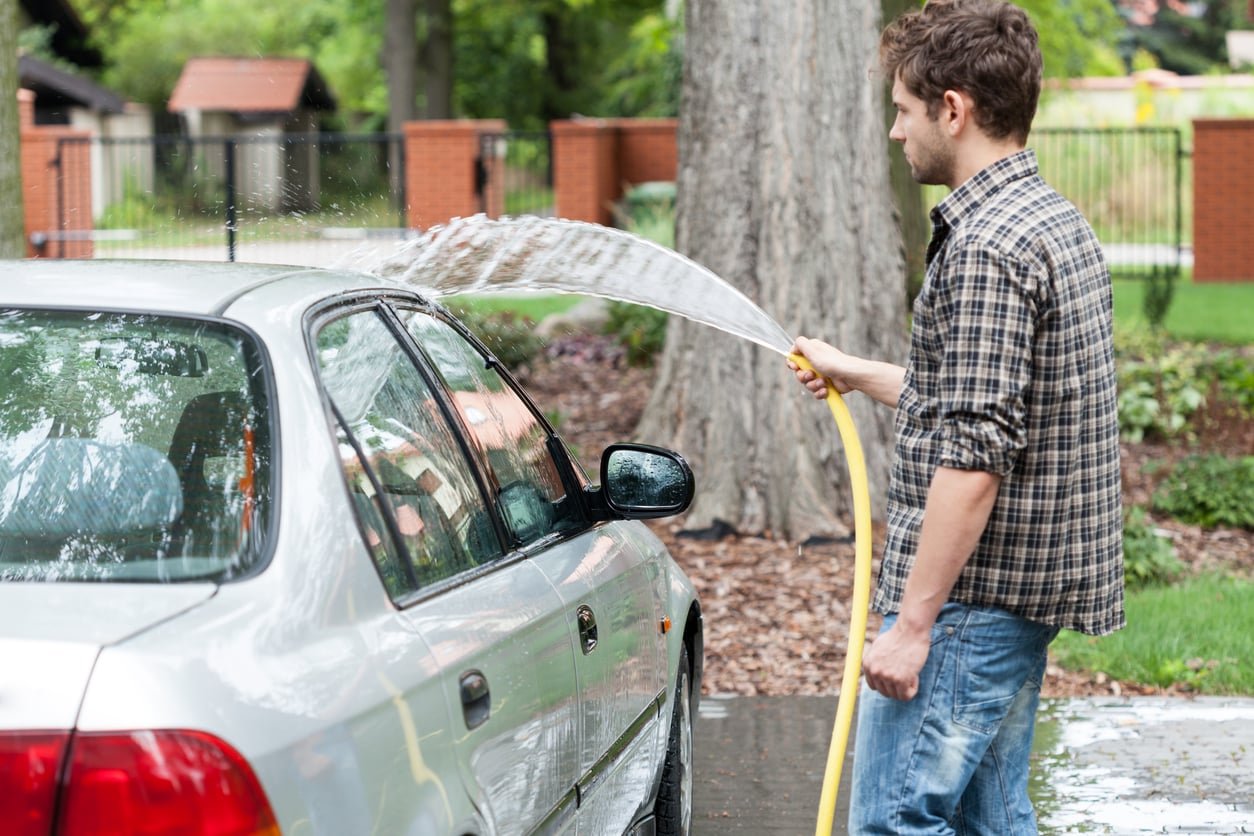
Using a hose that runs continuously to wash a vehicle wastes far more water than is actually necessary. A large portion of that water ends up in the street, and the process can easily consume over 100 gallons. This is literally throwing money away. This promotes water conservation. The EPA advises against running a hose while washing a car at home because it wastes up to 6 gallons per minute. A better alternative is using a bucket and a sponge.
Saves Water – Use a Shutoff Nozzle or Commercial Car Wash
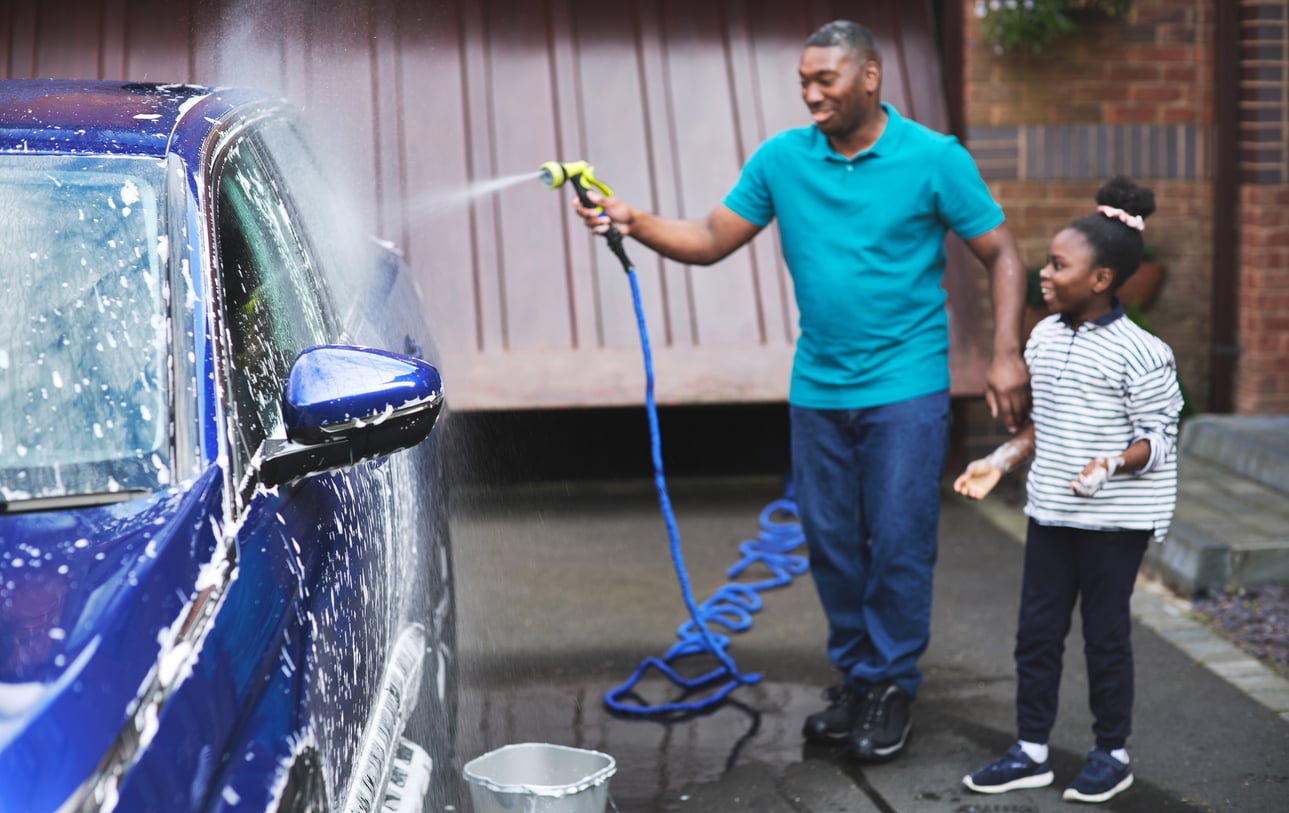
Shut-off nozzles stop the flow of water when you aren’t using it while washing your car. Without one, the water would go to waste as it dries on the pavement. Car washes are different because they recycle a large portion of the water they use. You should opt for these efficient methods to save water. The EPA recommends using a spring-loaded shut-off nozzle, a useful tool for water conservation, on any handheld garden hose because it provides immediate control over water flow, stopping the stream when moving between plants or surfaces, preventing hundreds of gallons of wasted water over time.
Wastes Water – Thawing Food Under Running Water
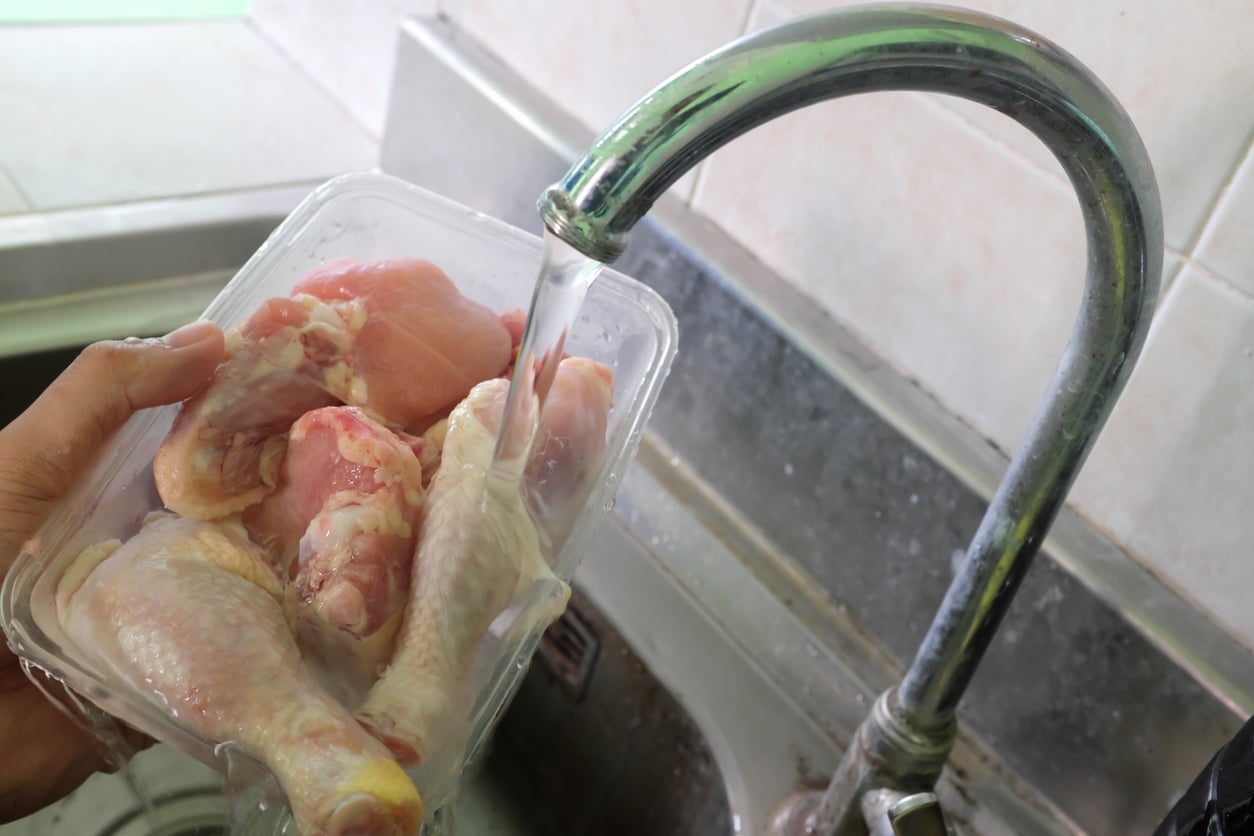
Running tap water over frozen food wastes both water and your money. Safe refrigerator thawing requires no extra water, and using a container of water is better than leaving the tap running. This habit reduces water waste and is easy to adopt. Water conservation also applies in the kitchen. The EPA indicates planning ahead and defrosting food overnight in the refrigerator, which is the most water-efficient and safe method to prevent bacterial growth.
Saves Water – Plan Meals So Food Can Thaw Naturally
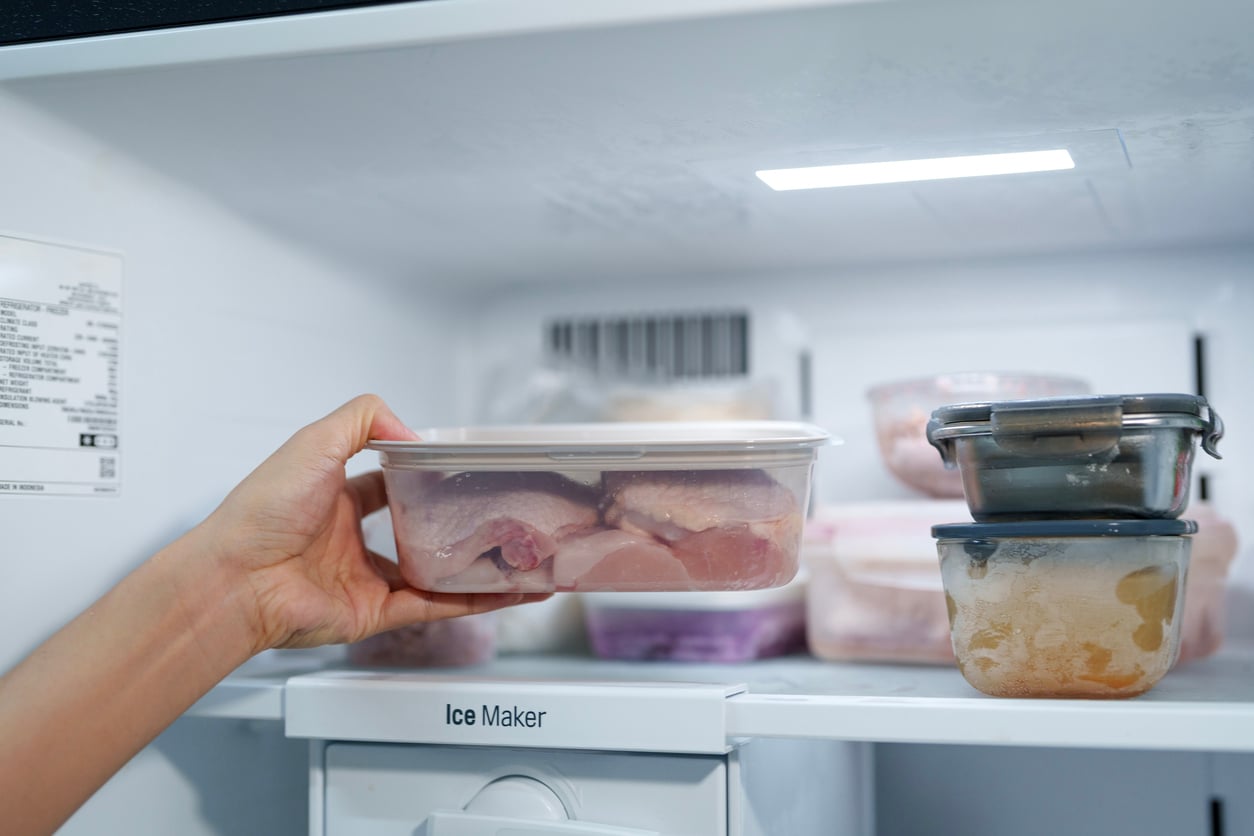
Moving frozen food from the freezer to the less cold part of the refrigerator the night before you plan to eat it will reduce the need to use tap water later. You should plan your meals in advance, but this will save you money in the future, and it’s also a safer way to keep your food fresh. The EPA advises defrosting meals safely in the refrigerator, in cold water, or in the microwave.
Wastes Water – Watering the Lawn Right Before Rain
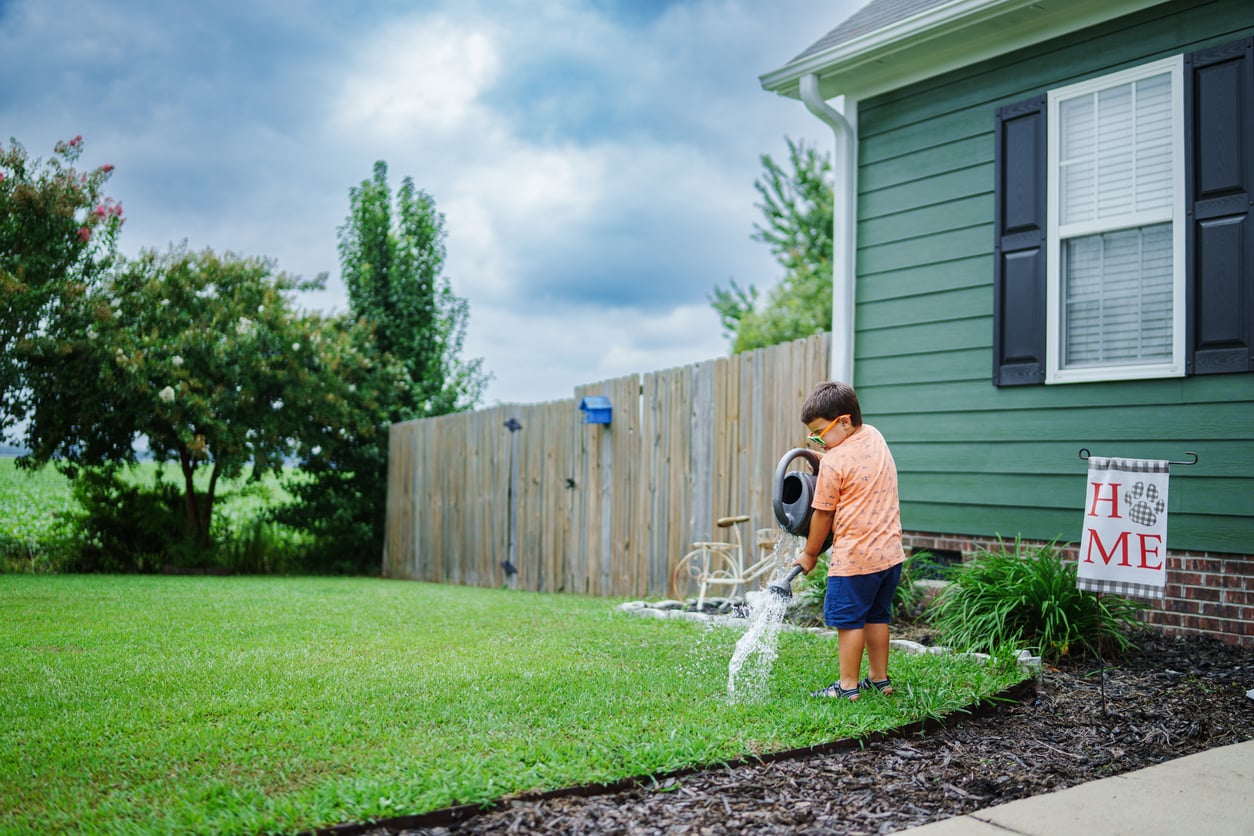
Many sprinkler systems activate according to their programmed schedule without taking local weather forecasts into account. Automatic irrigation systems will keep running unless manually adjusted, but wasting water right before it rains makes no sense. Smart controllers are available that can automatically monitor rainfall, preventing the waste of both water and money. Smart irrigation improves water conservation. The EPA recommends using rain barrels or cisterns that can be used to harvest rainwater for irrigation and other outdoor water uses.
Saves Water – Let Nature Do the Watering When It Can
Healthy gardens require very little water, far less than homeowners realize. It is not enough to simply have a smart shut-off valve on your hose; you also need to consider when to use it. Pay attention to the weather to save money. Good planning supports water conservation. The EPA advises to divert rooftop downspouts so the rainwater is utilized instead of being sent to the drains.
Bigger Picture / Why It Matters
Most people do not waste water recklessly, yet they do make mistakes that end up costing them money at the end of the month. The key point is that these are simple habits to break, ranging from the time spent in the shower to the time dedicated to watering the garden. People should value water conservation. It is not just about lowering your bill, but also about supporting national and global water systems that are under strain.