For the 2026 tax season, the average tax refund, as of early March, is about $3,676, according to Internal Revenue Service data — a sizable sum to receive all at once. Deciding what to do with a tax refund in 2026 can still be daunting. While many Americans say they prefer to use their refund in a practical way, what “practical” looks like varies widely depending on individual financial goals, from paying down debt to saving, investing, or covering everyday expenses.
Either way, there are many financially sound approaches to making the most of a tax refund. Read on for some smart ways to make your refund work for you.
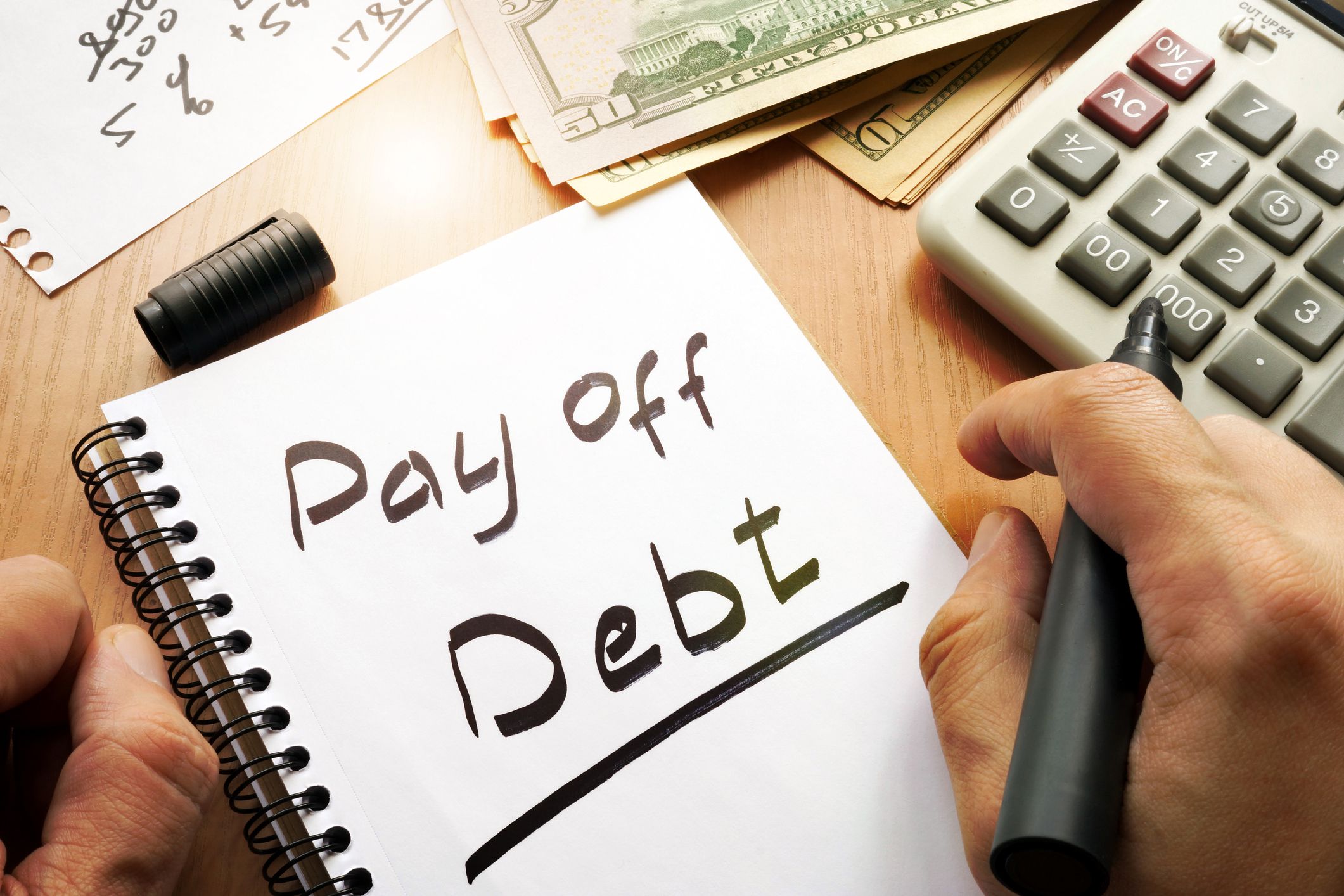
Pay Down High Interest Debt First

One of the best investments is paying down high-interest debt. For example, the average annual percentage rate for credit card interest is about 16 percent, so paying down credit card debt is essentially like getting a risk-free 16 percent return on an investment.
Top Off a ‘Rainy Day’ Fund

Having money set aside in case of an injury, car accident, or job loss helps keep everyday emergencies from turning into financial emergencies. Many financial advisers recommend socking away at least three to six months’ worth of expenses in an easily accessible savings or high-yield checking account. A tax refund can help build this emergency fund.
Max Out 401(k) Matching

Some companies match a portion of a worker’s contribution to an employer-sponsored retirement plan such as a 401(k). Employees who do not already contribute enough to get the maximum employer portion could consider contributing more. The rules do not allow lump-sum investments into a 401(k) — the contribution must be deducted from a paycheck — so use the tax refund money to make up the difference in take-home pay after increasing the amount withheld from a paycheck.
Max Out 401(k) Contributions

In 2026, the 401(k) contribution limit rises to $24,500 — or $32,500 for workers age 50 and older with catch-up contributions. Use a retirement calculator or speak with a financial adviser to determine how much to put aside each year.
Invest With an IRA
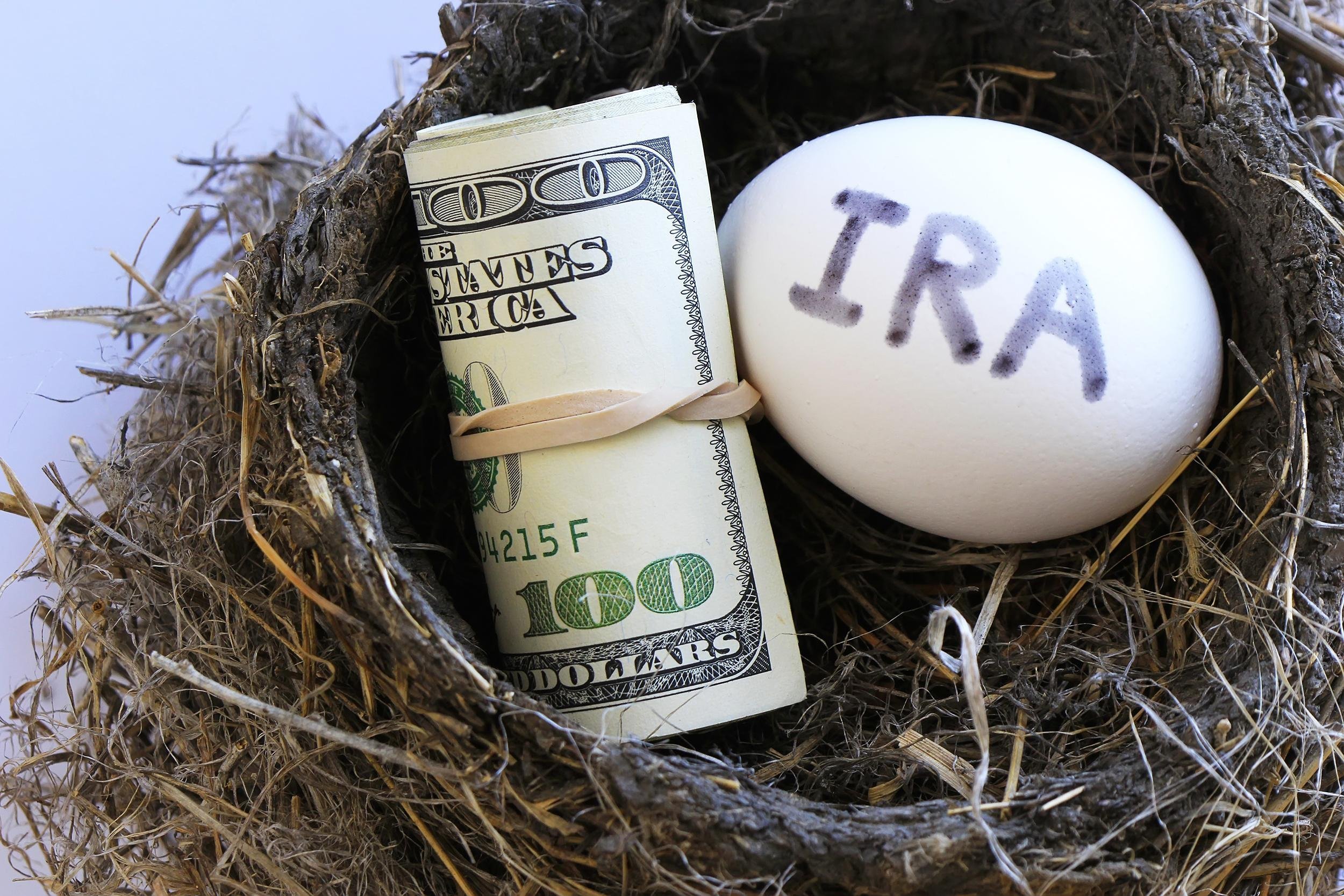
People without high-interest debt who already get the maximum allowed match from employer-sponsored retirement plans could use their tax refund money to establish or contribute to an Individual Retirement Arrangement. An IRA offers tax advantages and greater flexibility with investment options than a 401(k) plan. A traditional IRA lets account holders defer paying taxes on the money they contribute (in practice, that means taking a tax deduction equal to the amount put in the account) until money is withdrawn. With a Roth IRA, income taxes are paid on the contributions, but the principal and earnings can be withdrawn later tax-free.
Trending on Cheapism

Save For Short-Term Goals

Saving for retirement usually means looking decades ahead. For short-term goals such as buying a car or house, getting married, growing a family, or continuing education in the next few years, put some money into low-risk investments. They won’t earn a high return, but the money will be there when it’s needed.
Pay Down Low-Interest Debt
Debt is not inherently bad, and in some cases it may make more sense to invest than to pay off debts early. For instance, if an investment offers an expected return of 5 percent and the interest on a loan is 3 percent, investing represents a net gain. But there is more risk involved, and some people may feel more secure without any debt than they would with the potential for a small return on their money.
Create an Opportunity Fund

Unlike an emergency fund, an opportunity fund allows for timely purchases without worry — such as buying a TV or computer when it goes on sale for a short time. This could also mean having the “opportunity” to donate when a friend or family member needs financial help.
Sign up for our newsletter
Make Small Purchases That Pay for Themselves

For taxpayers with a little money left over from a refund, investing in physical products may make just as much financial sense as investing in financial products. Consider buying things that pay for themselves over time by cutting other expenses. Some ideas include LED light bulbs, rechargeable batteries, or a water filter in lieu of bottled water.
Start a 529 Plan

Folks looking to help finance a child’s education can also get a tax break for themselves with 529 savings plans. While these tax-advantaged accounts were once limited to college costs, they’ve become far more flexible in recent years. As of 2026, families can withdraw up to $20,000 per year for K–12 education expenses — up from the previous $10,000 limit — and the money can now cover more than just tuition, including books, tutoring, test fees, and other qualified costs at public, private, or religious schools. Using a tax refund can be an easy way to kickstart a 529 plan and take advantage of these expanded benefits.
Time Necessary Purchases With Sales

The money for a major purchase may be in the bank now, but this isn’t necessarily the best time to buy. In April, cars and home improvement supplies typically are discounted. For other big-ticket items, it may be best to wait for a deal.
Save for What You Really Want

Saving is not always fun, but it can buy something fun. If the practical things such as debts, emergency fund, short-term goals, and retirement accounts are covered, designate the windfall for something more exciting, such as a big vacation.
Use Your Refund To Buy I Bonds (Inflation-Protected Savings)

Another smart option is to use your refund to purchase Series I savings bonds, which are designed to keep pace with inflation and help protect your money’s purchasing power over time. Because they’re backed by the U.S. government, they’re considered very low risk, making them a solid choice for savers who want a safer place to park cash while still keeping up with rising prices.
More From Cheapism
- If You Live in One of These States, Your Tax Refund Might Be Delayed — Taxpayers in several states could face longer waits this year as state agencies deal with tax-law changes, software problems, budget cuts, and processing backlogs.
- ‘Guess It’s Time to Shop Offline’: USPS Adding 8% Fuel Surcharge Starting April 26 — USPS is planning a temporary 8% surcharge on some package services, which could make shipping and online returns more expensive for consumers.
- 28 Ways Your Tax Return Could Trigger an IRS Audit — From unusual deductions to simple filing mistakes, a wide range of red flags can increase the odds that the IRS takes a closer look at your return.