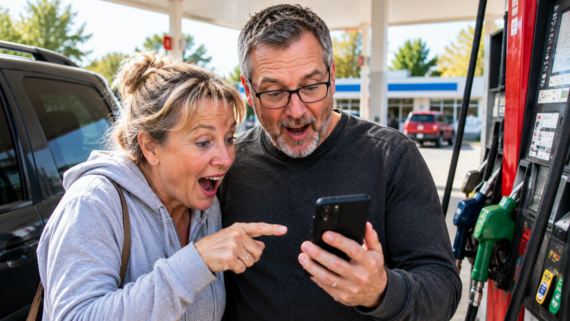
Fuel points and fuel rewards used to feel like one of those programs people signed up for, forgot about, and only remembered when the cashier asked for a phone number. In 2026, that has changed. With gas still taking a painful bite out of commuting, school runs, errands, and road trips, more drivers are paying attention to grocery fuel points, warehouse-club gas, gas-price apps, and cash-back offers. None of these tricks makes fuel cheap again, but stacked together, they can make a full tank feel a little less brutal.
Grocery Fuel Points Can Knock Real Money Off a Fill-Up

Grocery fuel points are one of the easiest discounts for regular shoppers to miss. At Kroger, shoppers generally earn fuel points on everyday purchases and can redeem them in 100-point chunks for money off at the pump, with bigger balances leading to bigger per-gallon savings. Safeway’s for U program also lets members turn points into gas rewards, including savings of up to $1 per gallon at participating stations. For families already buying groceries every week, those points can turn ordinary spending into a cheaper tank.
Costco Memberships Became Fuel Memberships
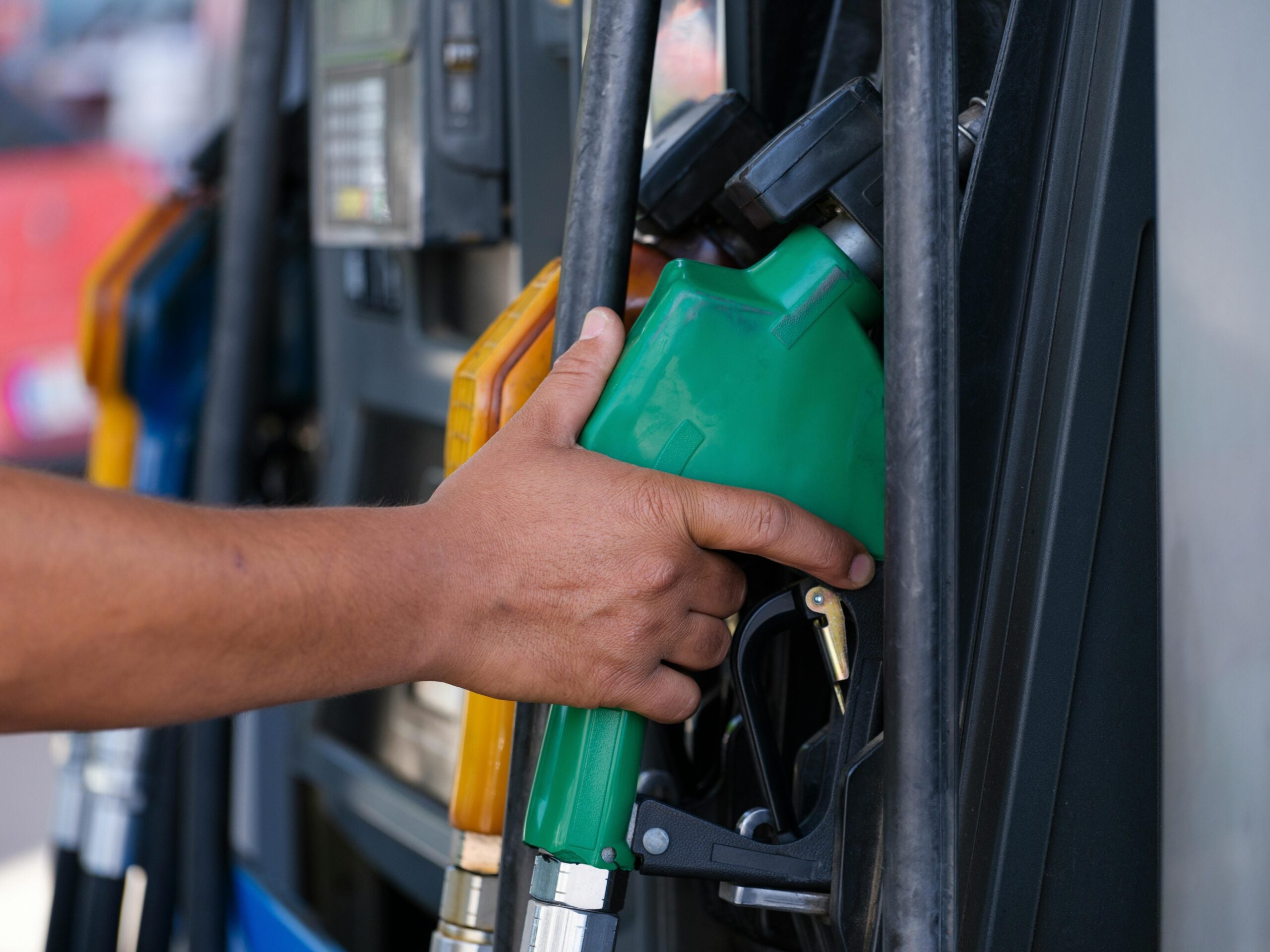
For some drivers, the Costco membership math now starts at the pump. Costco says its Kirkland Signature fuel meets TOP TIER performance standards, and many members like that they can pair that quality with prices that often beat nearby stations. The savings vary by market, time of day, and local competition, so it is safer to say Costco is frequently cheaper rather than always the cheapest. Still, the long lines at many Costco gas stations tell the story: plenty of drivers are willing to wait when the per-gallon difference feels worth it.
People Are Finally Downloading GasBuddy
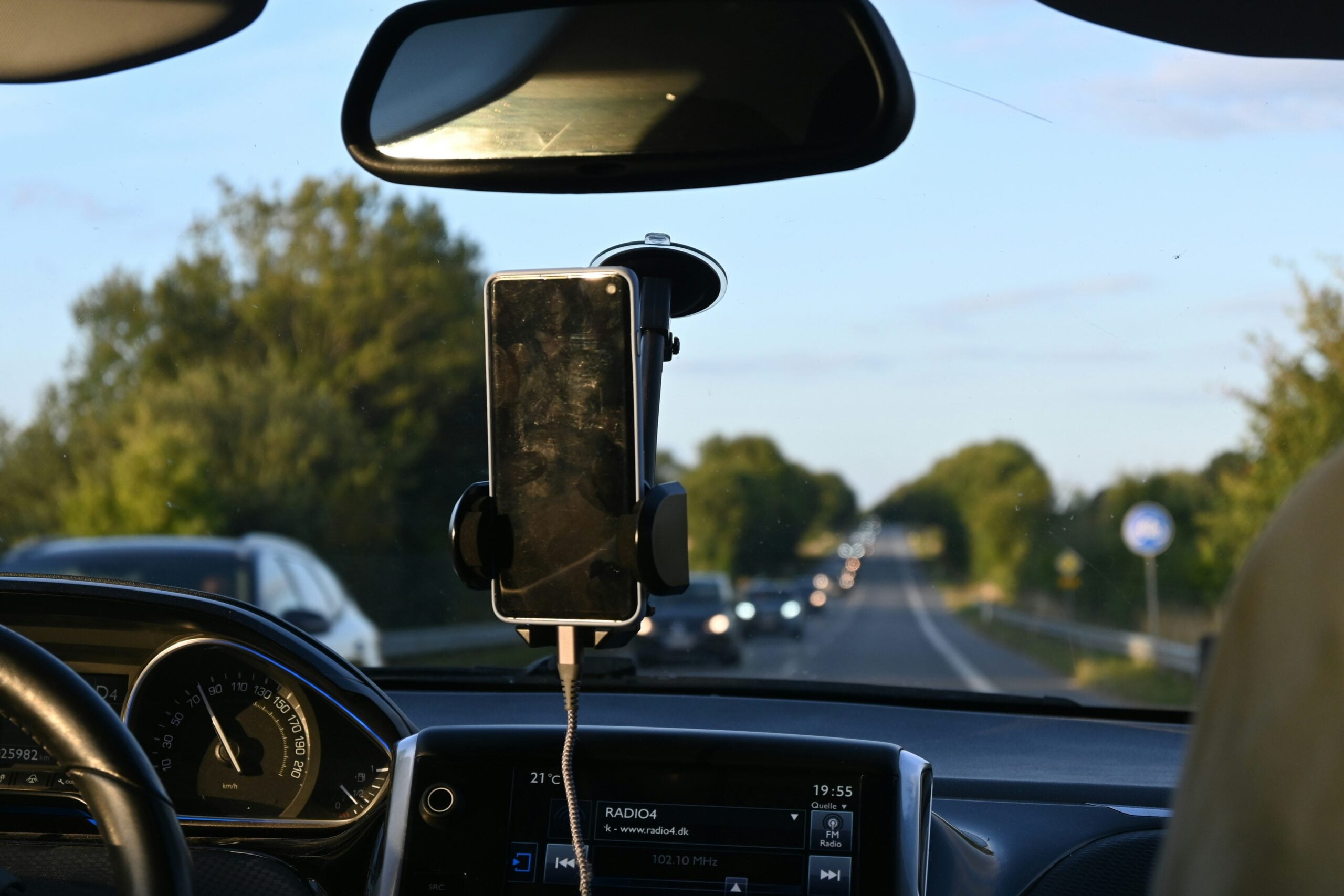
GasBuddy has become the app many people download after one too many painful fill-ups. The company markets it as a way to find cheaper gas nearby, and that basic comparison tool is exactly what frustrated drivers want. A station that looks convenient from the highway can cost more than another one a few blocks away, especially in busy corridors. Checking an app before stopping does not guarantee the lowest price, but it helps drivers avoid guessing, which is half the battle when prices are moving quickly.
Fuel Rewards Are Quietly Becoming Part of Household Budgeting

Fuel rewards used to feel like a small perk. Now many households are working them into the monthly budget alongside groceries, insurance, rent, and utilities. The strategy is simple: use grocery points when they are available, pay with a cash-back card when it makes sense, and check a fuel app before choosing a station. The savings may look small one fill-up at a time, but commuters and families with multiple cars can feel the difference over a month. Gas has become too expensive for people to ignore easy discounts.
Drivers Are Learning Fuel Prices Change by Neighborhood

One of the biggest fuel-price lessons is that the “average” price is not what every driver pays. AAA publishes national and state averages, but anyone who compares prices locally knows the same metro area can have big differences by neighborhood. Stations near airports, tourist zones, downtown areas, and isolated highway exits often cost more because drivers have fewer convenient choices. That is why more people are driving an extra mile or two, checking maps, and learning which parts of town usually price fuel more aggressively.
Trending on Cheapism


Grocery Stores Love Fuel Rewards Because They Keep People Loyal
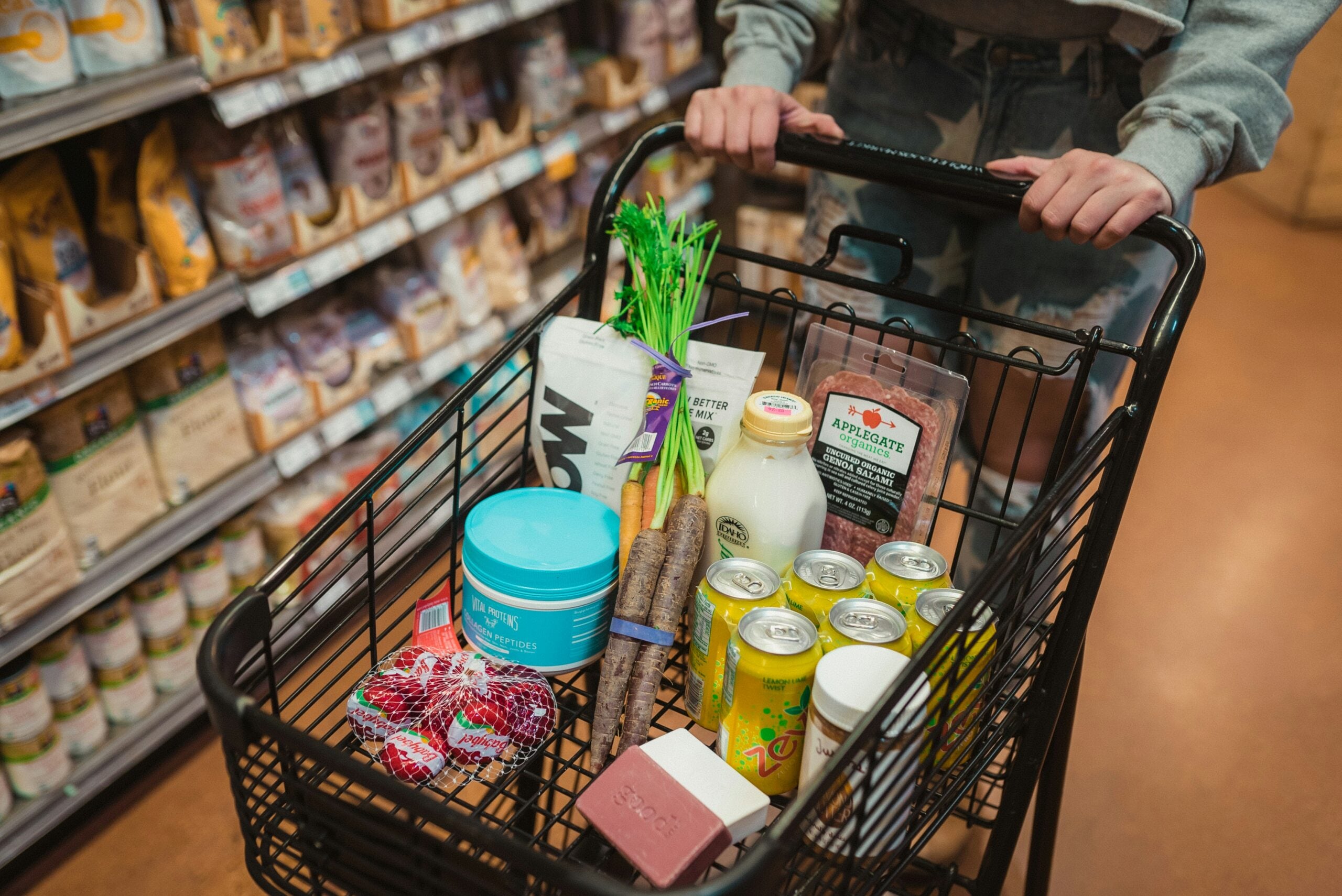
Fuel rewards are not just helpful for shoppers; they are powerful for grocery chains too. If a customer knows a certain store helps them earn gas discounts, that store has a better chance of winning the weekly grocery trip. Kroger, Safeway, and other chains tie rewards to shopper accounts, digital offers, and repeat visits, which can make people more loyal over time. During inflation, that loyalty matters even more. A family might choose one supermarket over another not because every item is cheaper, but because the fuel discount makes the whole weekly errand feel more valuable.
People Are Timing Fill-Ups Around Reward Multipliers
Fuel points become more useful when shoppers learn about bonus events. Some grocery programs offer extra points on gift cards, prescriptions, or select purchases, which can make planned spending work a little harder. The key is not to overspend just to chase points. The real savings come when families time normal grocery runs or gift-card purchases around promotions they were already going to use. That is how fuel rewards move from a forgotten perk to a small budgeting strategy.
Cashback Credit Cards Suddenly Matter More
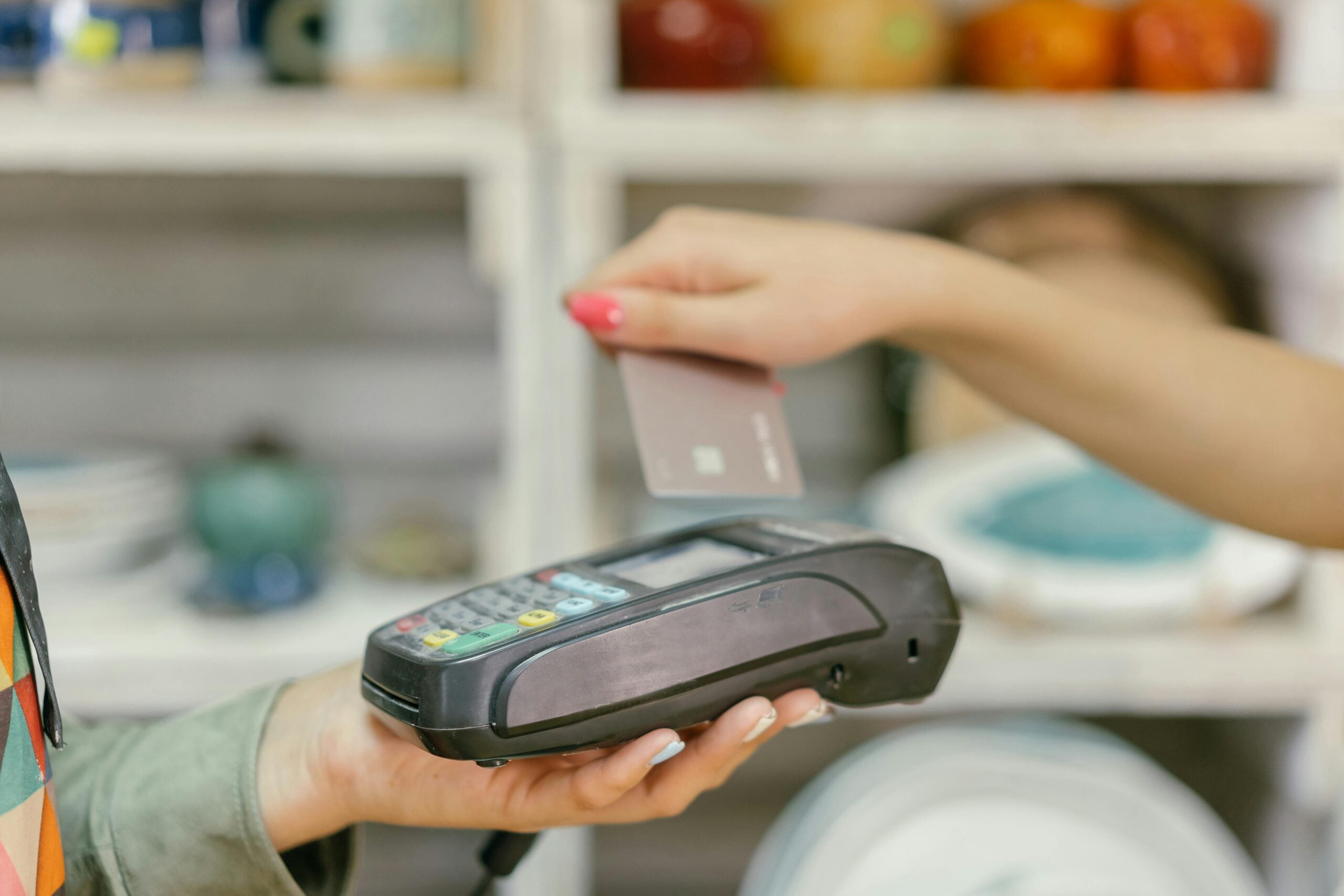
Gas cash-back cards are getting more attention because fuel is one of those purchases people cannot always avoid. Some cards offer higher rewards on gas, often around 3% to 5%, though spending caps, rotating categories, annual fees, and station rules can change the real value. The safest approach is to use a card that already fits the household budget and pay it off in full. When the card reward stacks with a station discount or grocery fuel points, the savings can feel more meaningful without adding another errand.
Sign up for our newsletter
Truck Stop Apps Became Mainstream
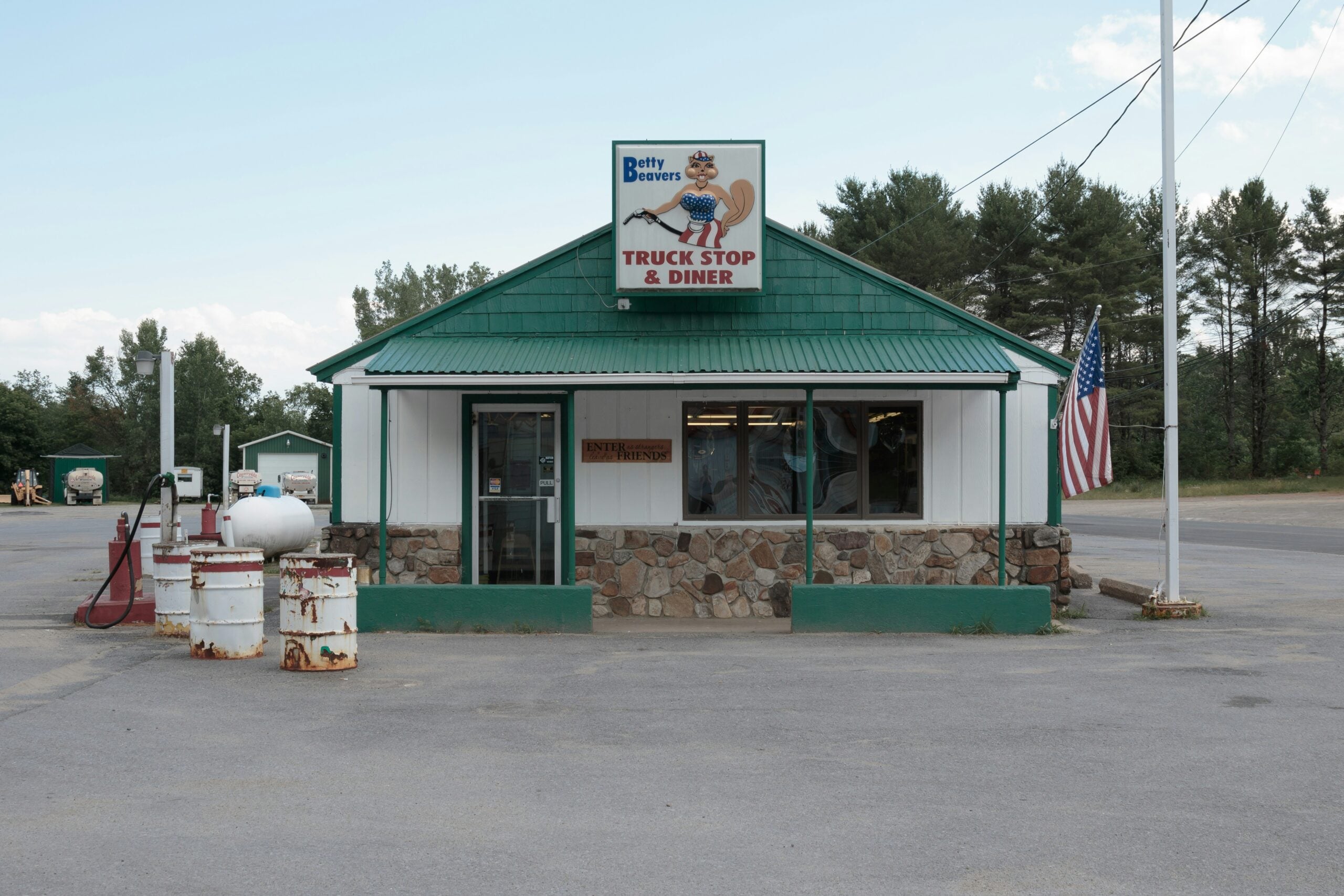
Truck-stop apps are no longer just for professional drivers. Pilot Flying J, Love’s, and other travel-center chains now have rewards programs that can also appeal to road-trippers who want fuel, bathrooms, snacks, and food in one stop. Long-distance drivers are also more likely to compare prices between exits before pulling in. The savings are not always dramatic, but the convenience matters. When a family can fuel up, use clean restrooms, grab coffee, and avoid a second stop, the trip feels cheaper and easier.
People Are Crossing State Lines Just To Fill Up
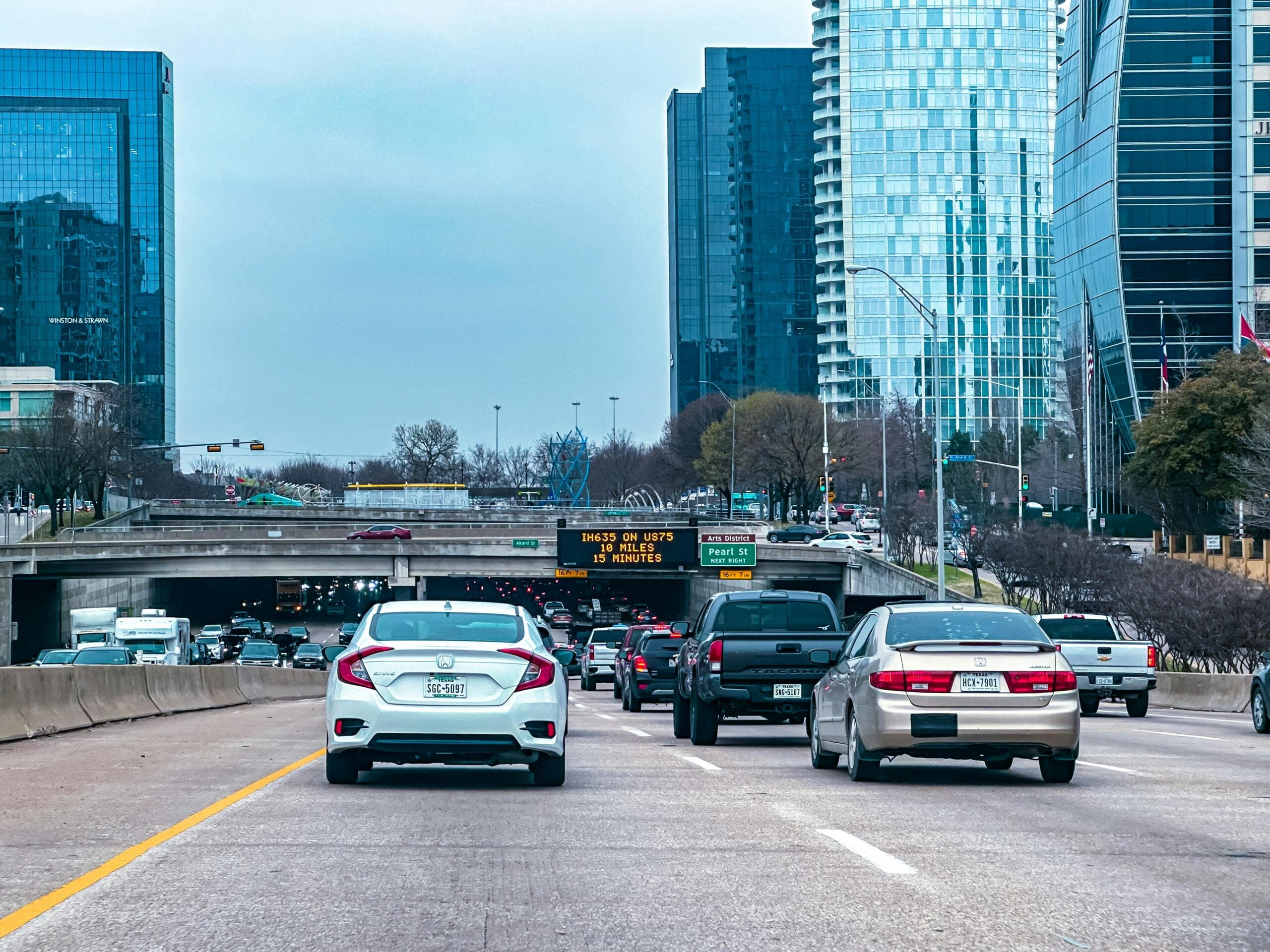
Drivers who live near state borders know the cheapest pump is not always on their side of the line. State gas taxes vary widely, and those differences can show up in the final price. Still, taxes are only part of the story. Competition, supply costs, and local markups matter too. That is why the smartest border strategy is not automatically crossing into another state, but checking prices first and filling up where the total actually makes sense.
People Are Finally Understanding “Per Gallon” Savings Add Up Fast
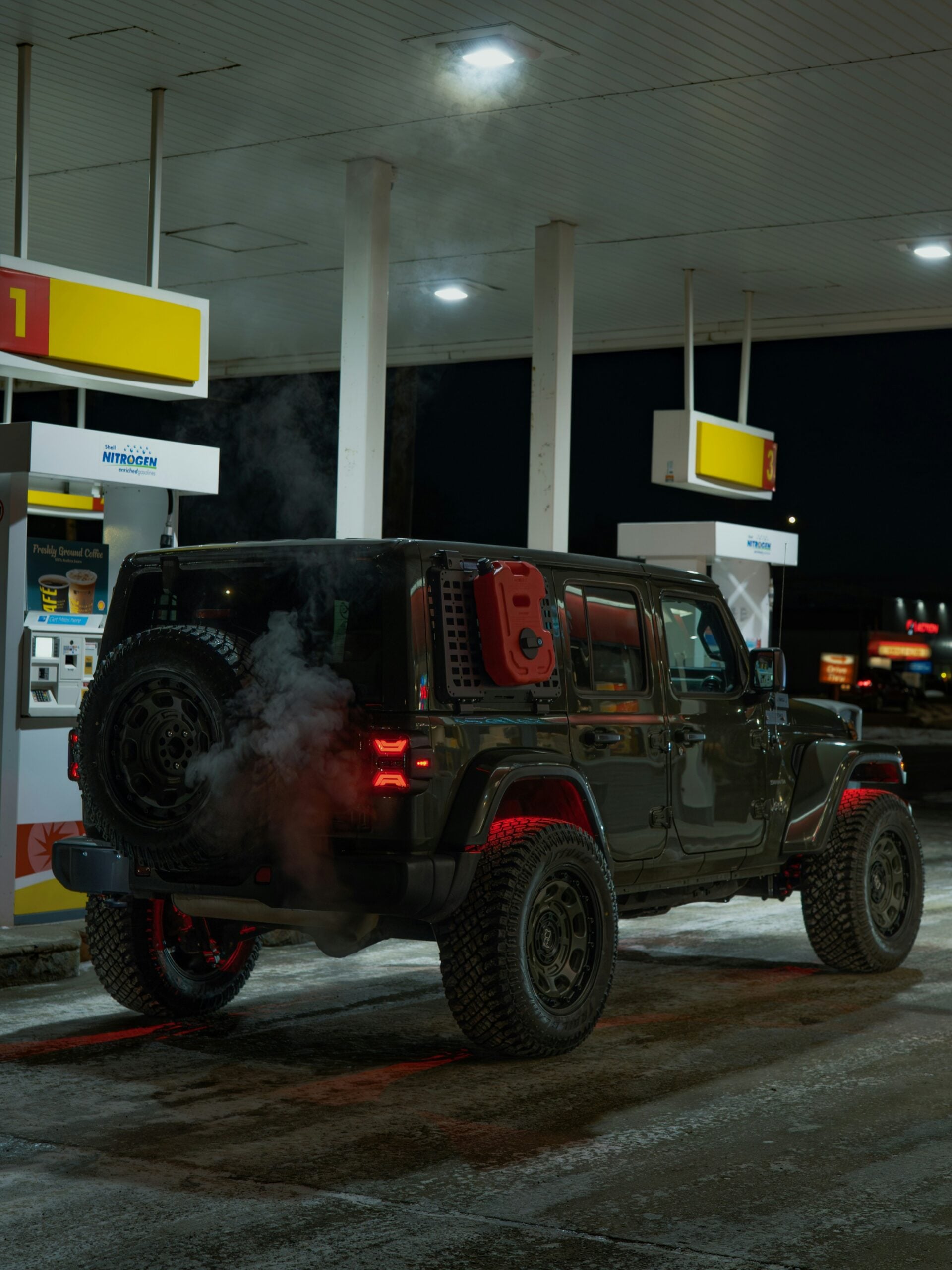
A 20-cent-per-gallon discount may sound tiny until someone fills a 15-gallon tank and saves about $3. Do that a few times a month, across two cars, and it starts to feel like real money. Bigger vehicles, longer commutes, and road trips make the savings even easier to notice. That is why fuel points are finally getting attention from people who used to ignore them. Drivers are not just looking at one receipt anymore; they are thinking about what gas costs over the whole month.
Fuel Rewards Quietly Changed Road Trips

Road trips used to be planned around attractions, hotels, and restaurants. Now more travelers are planning around fuel too. A hotel near a warehouse club, a cluster of competing gas stations, or a reliable truck stop can feel more useful than a prettier exit where every pump is overpriced. Gas-price apps, AAA averages, and store rewards have turned fuel stops into part of the itinerary. It is not glamorous, but for families trying to keep vacations affordable, a smart fuel plan can help protect the rest of the travel budget.
People Are Joining Warehouse Clubs Specifically for Gas

Warehouse clubs have become part grocery store, part bulk-snack stop, and part fuel strategy. Costco and Sam’s Club both operate member fuel centers, and many drivers now think about annual fees in terms of possible gas savings. That does not mean a membership pays off for everyone. Someone who drives very little or lives far from a club may not save enough to justify it. But for commuters who pass a location regularly, warehouse gas can be one of the simplest recurring discounts available.
Apps Like Upside Became Surprisingly Popular

Cashback apps like Upside gained attention because they promise savings on purchases people are already making. Upside lets users earn cash back on gas, groceries, and dining, with offers that vary by location and participating station. These apps work best when the station is already on a normal route and the price is competitive to begin with. Driving far out of the way for a small cashback offer can erase the benefit fast. But when the app lines up with a regular commute or road trip stop, it gives drivers one more way to soften the cost of gas.
People Now Talk About Gas Like Grocery Prices
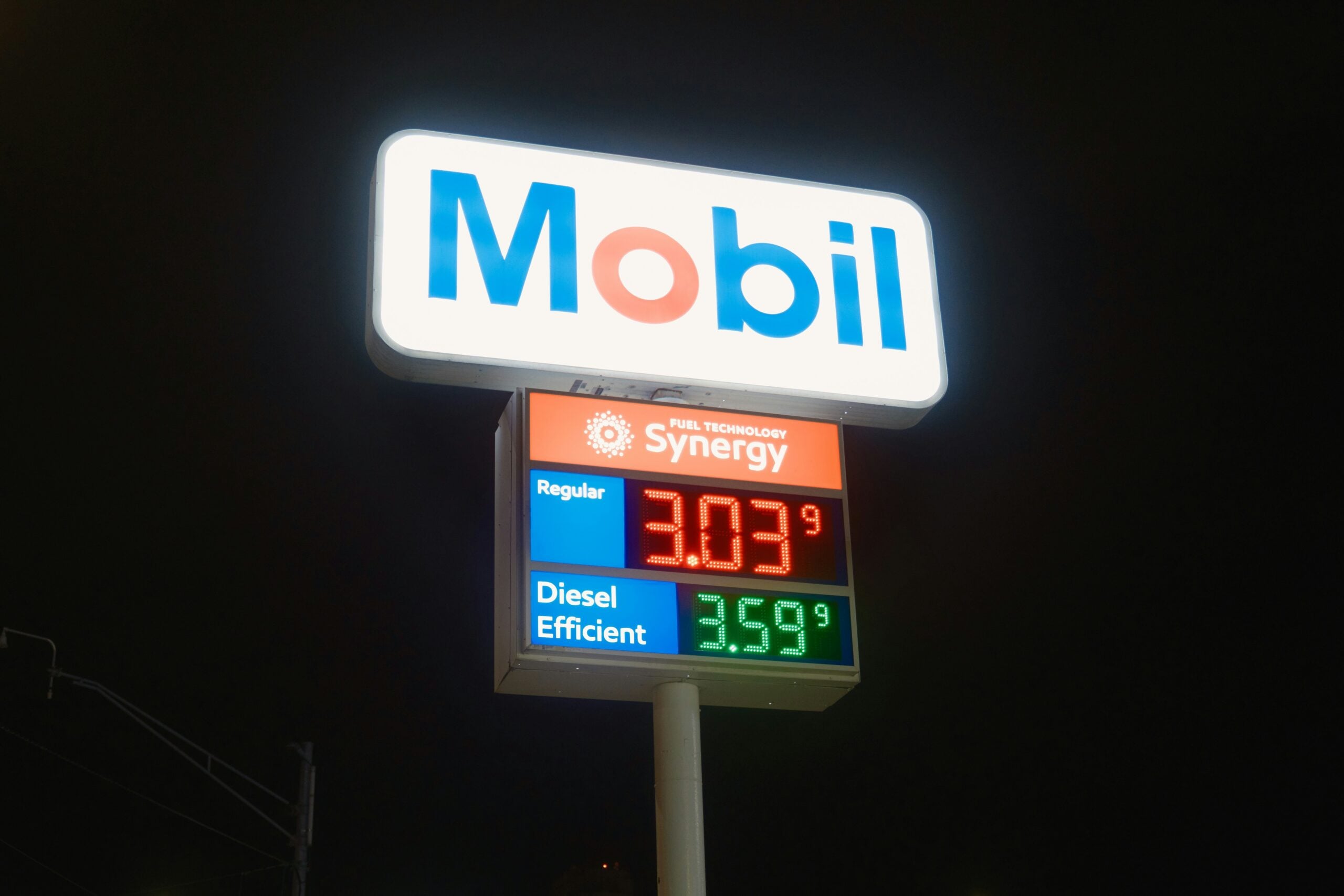
Gas has become one of those everyday prices people compare out loud, the same way they complain about eggs, cereal, or coffee. AAA’s daily price pages make it easy to track national and state averages, but most drivers feel the cost most when they pass their local station or fill up on the way to work. A few cents can change where they stop. A sudden jump can change weekend plans. Fuel prices are posted on giant signs, tied to commutes and family routines, and frustrating because most people cannot simply stop driving.
The Fuel Crisis Changed Everyday Consumer Behavior
The biggest change is not that people found one perfect discount. It is that fuel savings have become part of everyday decision-making. Drivers now compare apps, grocery points, credit-card rewards, warehouse memberships, and station locations before filling up. Grocery stores use fuel points to keep shoppers coming back. Travel centers use apps to attract road-trippers. Warehouse clubs turn cheaper gas into a membership perk. In 2026, fuel rewards are no longer background noise. They are one of the small ways Americans try to feel a little more in control of a painful recurring expense.
Fuel points are not magic, and they are not worth overspending for. But the reason people are finally paying attention is obvious: gas is one of those expenses that follows them everywhere. Grocery points, warehouse clubs, fuel apps, cash-back cards, and smarter route planning all work best when they fit habits people already have. Higher prices have made drivers more careful, but also more informed. A few cents per gallon may not sound like much, but in 2026, Americans have learned that small fuel savings can add up faster than they expected.
More from Cheapism:
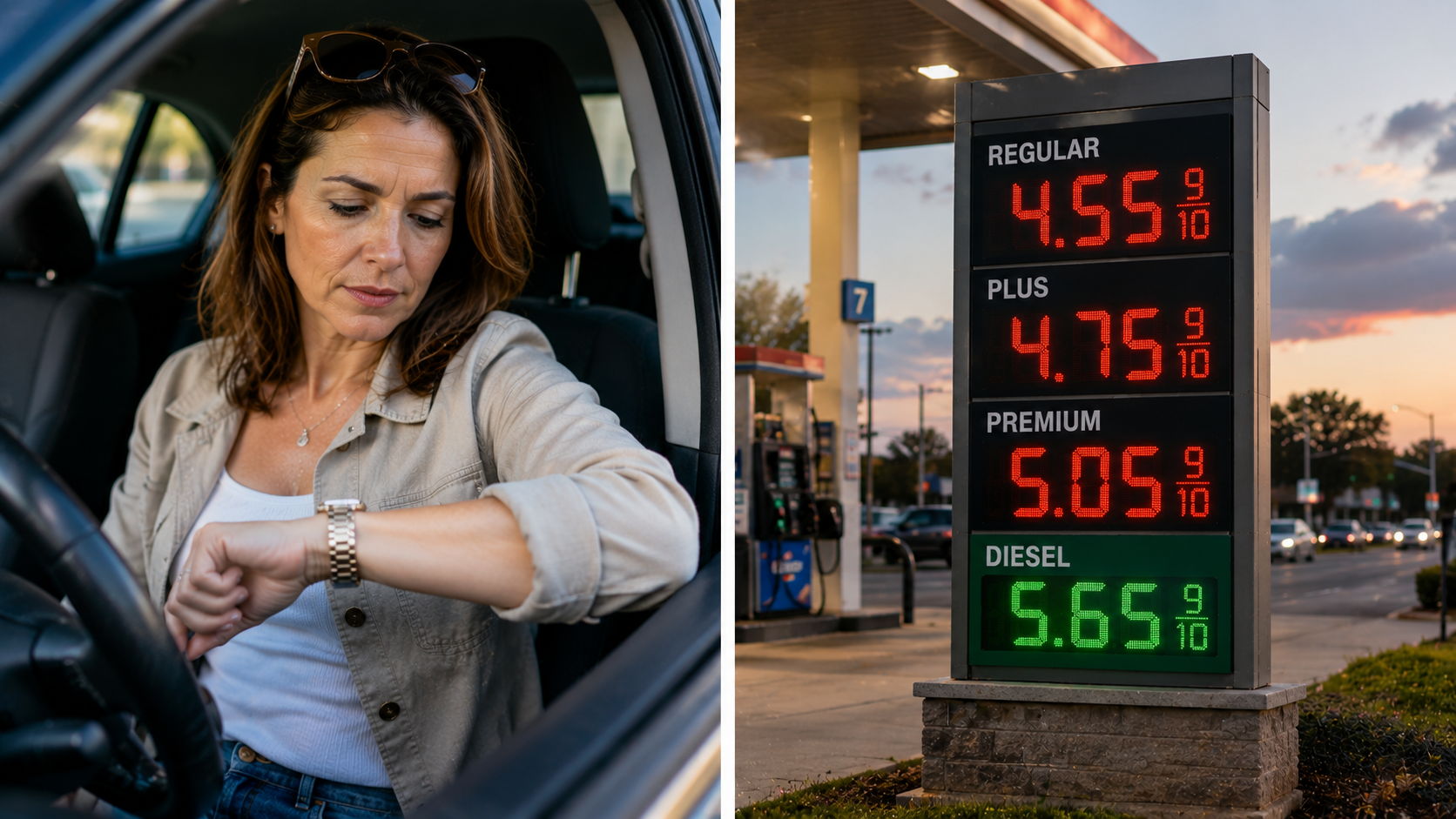
- Americans Are Finally Realizing Which Days of the Week Gas Prices Spike the Worst — If you’re filling up on the wrong day, you could be paying far more than necessary at the pump — and a growing number of drivers are learning exactly when gas prices hit their weekly peak.
- Oil Change Prices Are Going Up — Here’s Why — Your next routine oil change could cost a lot more than expected as global supply issues drive up prices on one of the most common car maintenance services.
- What to Know Before Buying a Cheap Car — That bargain-priced vehicle might look like a steal, but hidden repairs, maintenance headaches, and surprise costs can quickly turn a cheap car into an expensive mistake.