Some of the most familiar parts of an American vacation weren’t originally meant to be fun. Boardwalks kept sand out of hotels, roadside motels made life easier for drivers, and scenic overlooks gave motorists somewhere safe to stop. As the Library of Congress explains in its history of Atlantic City’s boardwalk, even a simple wooden walkway can become a beloved vacation destination. These 12 American travel traditions started as practical solutions to everyday problems, but eventually became part of the travel experience itself.
Walking Along Beach Boardwalks Began as a Way to Keep Sand Out
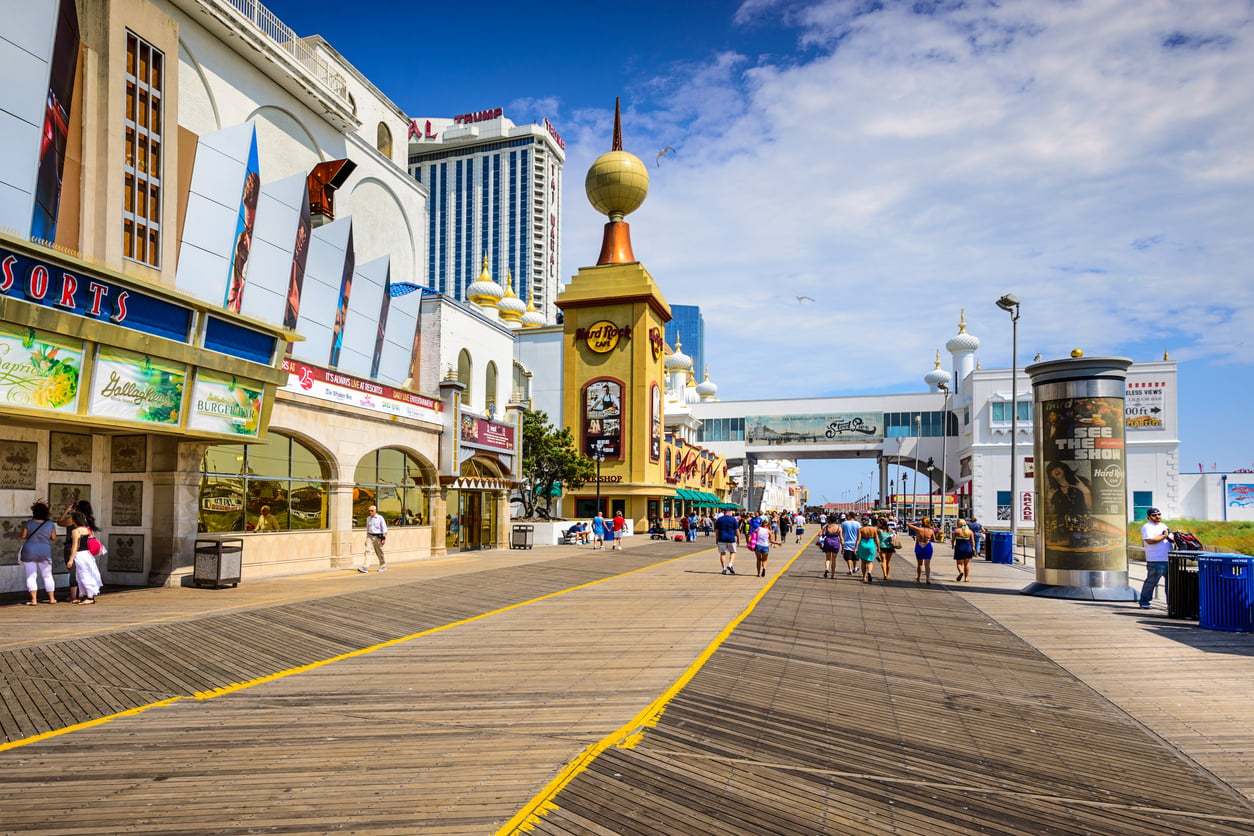
Strolling along the boardwalk is practically a requirement on an old-fashioned beach vacation, but Atlantic City’s original walkway had a much less glamorous purpose. Built in 1870, it was designed to keep beach sand from being tracked into hotels and railroad cars. The first wooden structure could even be taken apart during the off-season. Over time, shops, restaurants, and amusement attractions turned the walkway into a destination of its own. Today, walking the boardwalk remains one of the simplest ways to enjoy a beach town without spending much.
Staying in Roadside Motels Began With the Need to Park Near Your Room
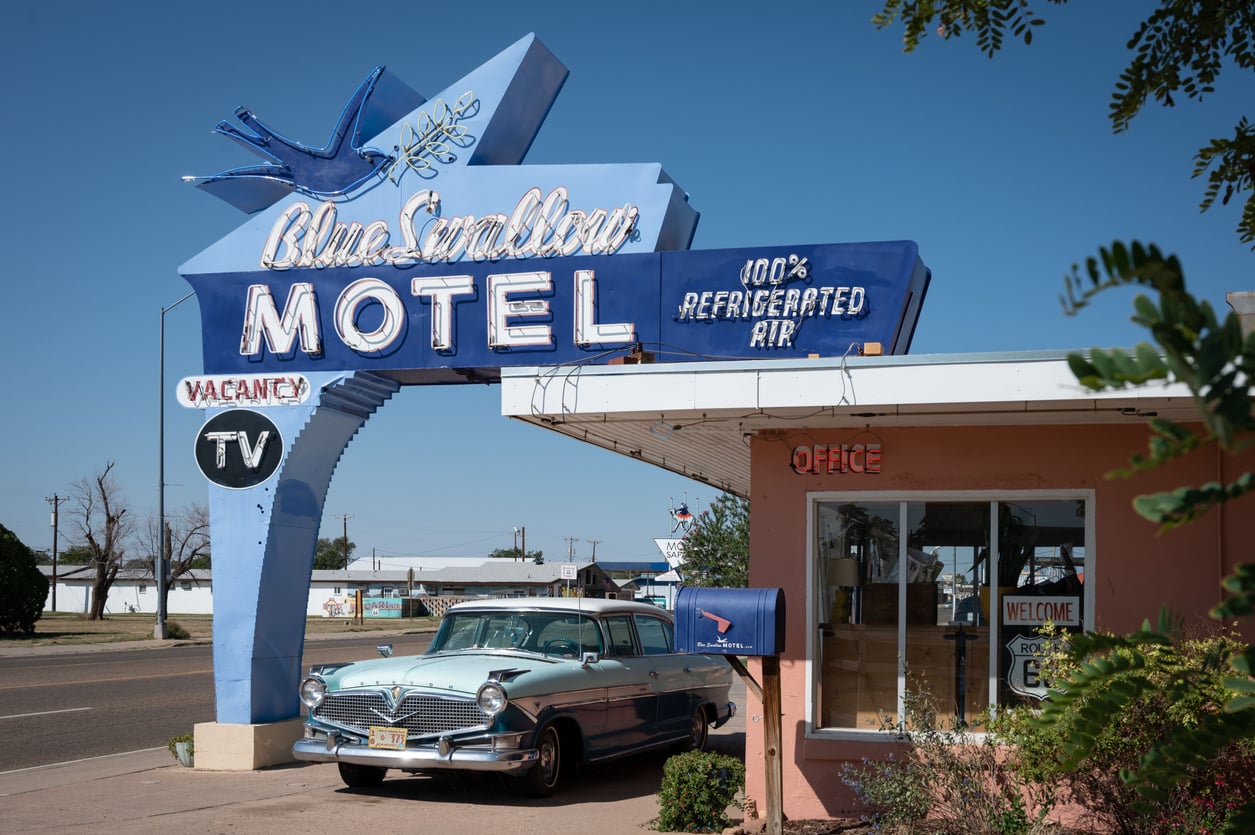
Before motels became a fixture of American road trips, motorists often had to rely on downtown hotels designed for travelers arriving by train. Finding parking and hauling luggage through a busy city wasn’t exactly convenient. Roadside motor courts offered a better solution: rooms with parking spaces just outside the door. By the mid-20th century, this practical arrangement had become a defining feature of American highway travel. Some historic motels still preserve that nostalgic layout, although modern travelers should check reviews for cleanliness, noise, and updated amenities.
Stopping at Scenic Overlooks Became Part of Highway Design
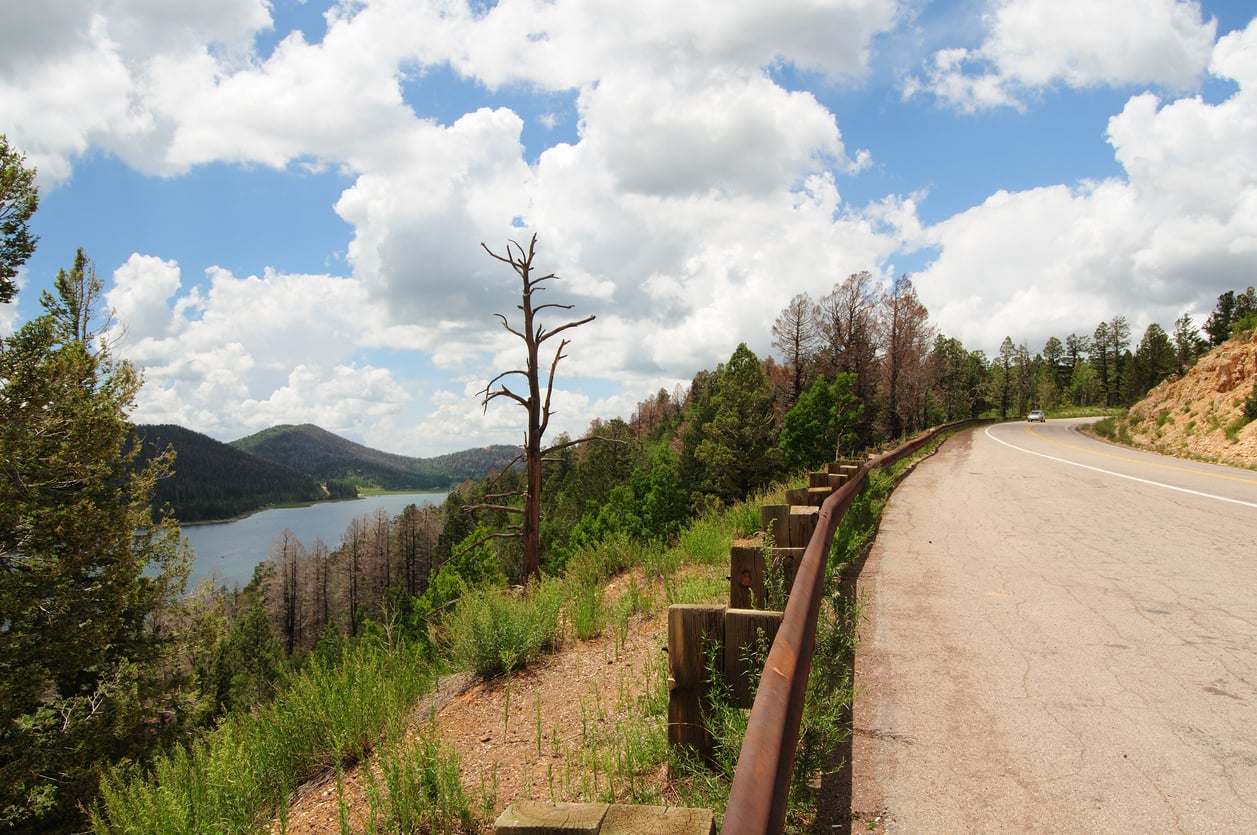
Pulling over to admire a mountain view feels like a natural part of a road trip, but scenic overlooks were also designed to make sightseeing safer. As roads began crossing national parks and other beautiful landscapes, planners recognized that drivers needed designated places to stop without blocking traffic. Scenic parkways incorporated pullouts, parking areas, and viewpoints that encouraged motorists to enjoy the scenery. Many were developed during the 1930s, when public works projects also provided jobs. Today, overlooks offer some of the most affordable sightseeing opportunities, often requiring little more than a short walk from the car.
Taking Guided Tours of National Parks Began Because Travel Was So Difficult
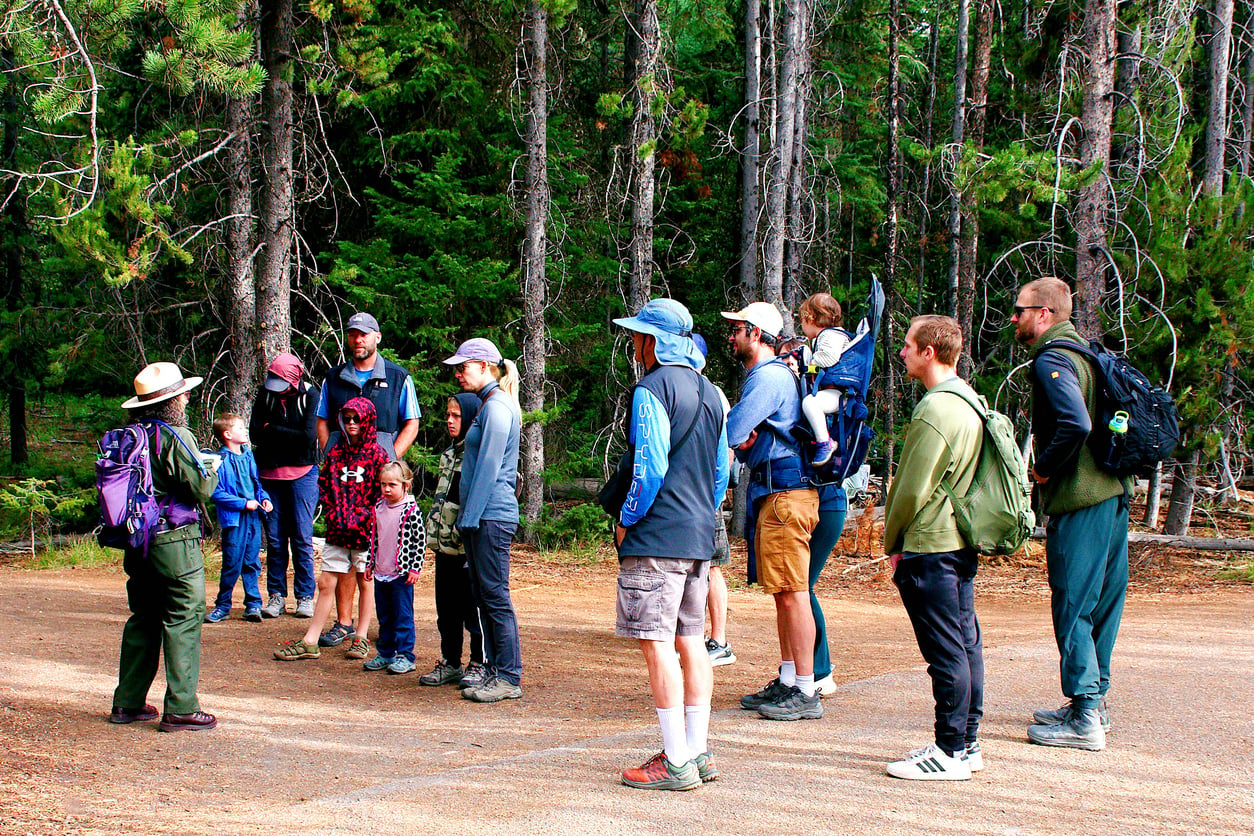
Exploring Yellowstone wasn’t always as simple as driving between geysers and waterfalls. Early visitors often arrived by railroad and relied on stagecoaches to travel through the enormous park. Organized tours helped people reach major attractions without navigating unfamiliar wilderness on their own. Travelers could spend several days moving between hotels and sightseeing stops, following routes arranged around transportation and lodging. Today’s guided park tours are more about convenience and interpretation than necessity, but they still appeal to visitors who prefer someone else to handle the driving and planning.
Taking Mule Rides Into the Grand Canyon Grew From the Need to Navigate Steep Trails
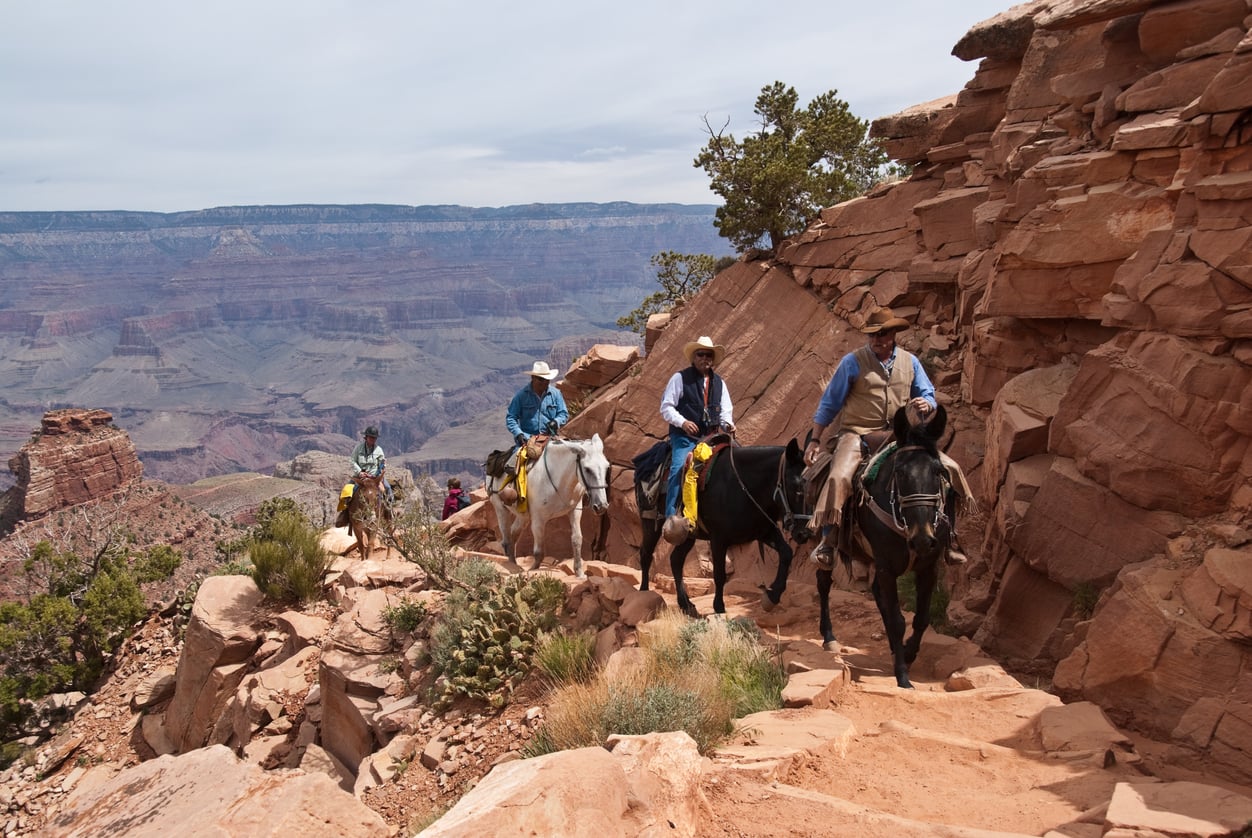
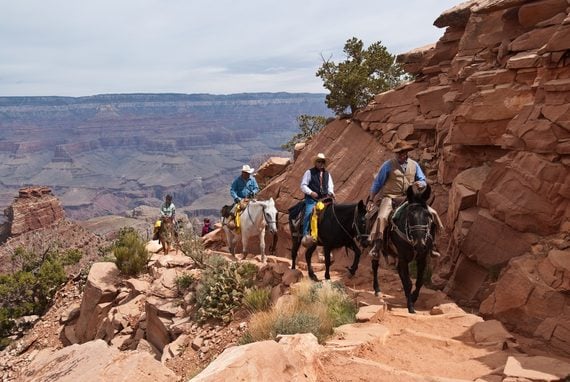
Long before mule rides became a memorable Grand Canyon vacation activity, pack animals were essential for moving people and supplies along the canyon’s difficult trails. Steep terrain and limited access made them especially useful for reaching places far below the rim. Over time, organized mule excursions became part of the park’s tourism traditions. Visitors can still experience the canyon on muleback, although trips require advance planning and come with age, height, weight, and other safety restrictions. They’re also considerably more expensive than enjoying the canyon from its many overlooks.
Trending on Cheapism


Using Travel Guidebooks Became Essential for Finding Safe Places to Stop
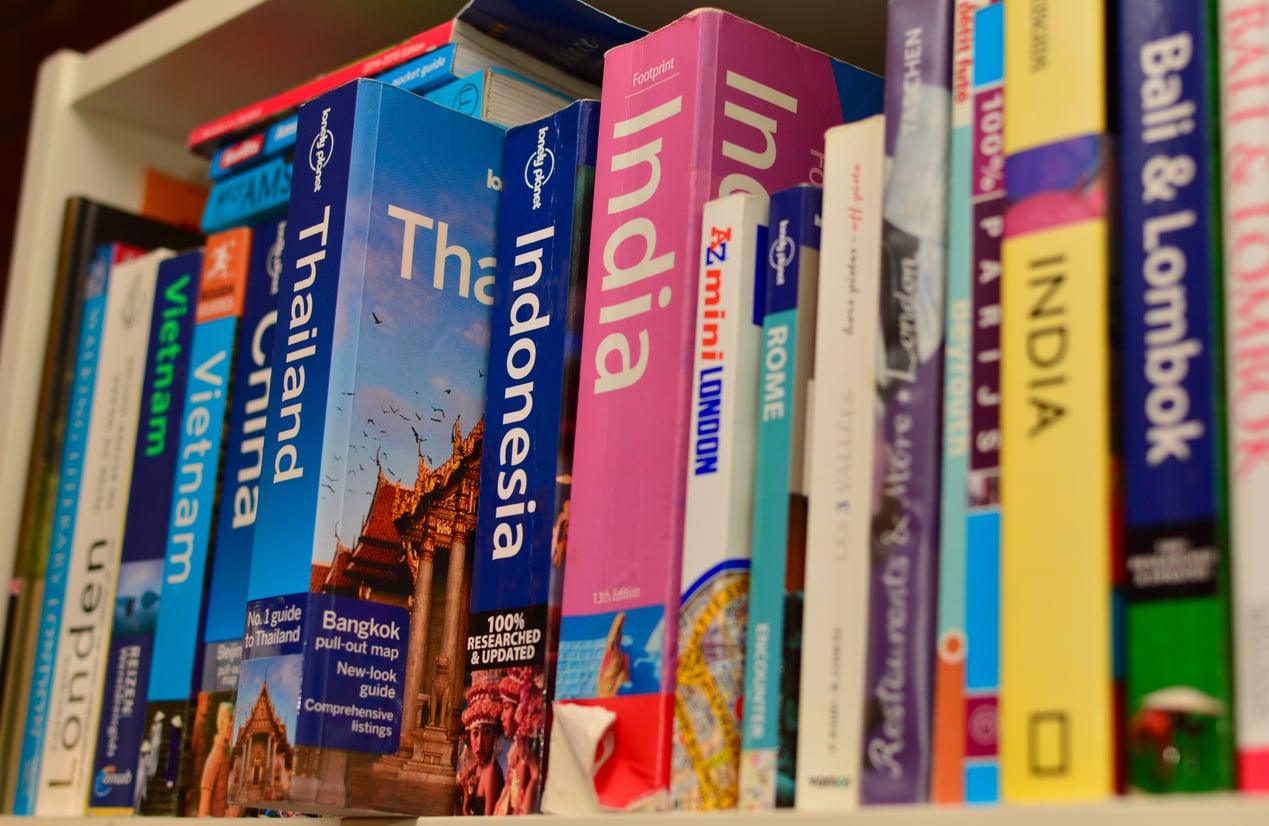
Travel guidebooks once did far more than recommend restaurants and interesting detours. For Black Americans traveling during segregation, finding businesses willing to provide service could be a matter of safety. First published in 1936, “The Negro Motorist Green Book” listed hotels, restaurants, gas stations, and other establishments where Black travelers could expect to be welcomed. The guide continued until 1967, reflecting the discrimination families faced on ordinary road trips. Today, historical copies offer a powerful reminder that the freedom to travel was not equally available to everyone.
Staying in Tourist Cabins Helped Ordinary Families Afford Road Trips
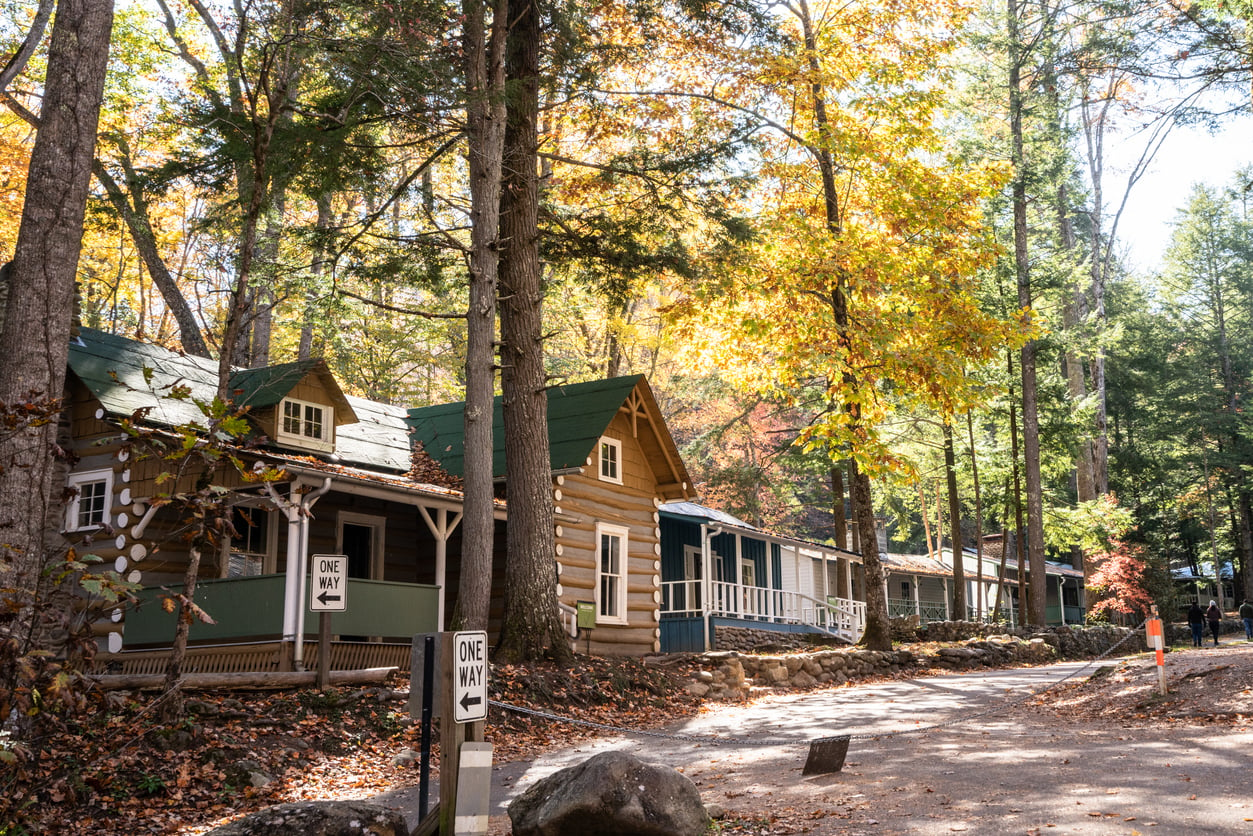
Not every early road-tripping family could afford a comfortable hotel, and many travelers simply needed somewhere inexpensive to sleep before continuing their journey. Tourist cabins provided a practical alternative, offering basic shelter close to major highways. Some were little more than small cottages with beds and parking, while others eventually added bathrooms and other conveniences. These cabin camps helped pave the way for the modern motel. A few historic examples survive along Route 66, offering travelers a nostalgic overnight stay, though their amenities can vary considerably.
Taking Scenic Drives Through National Parks Was Once a Major Engineering Challenge
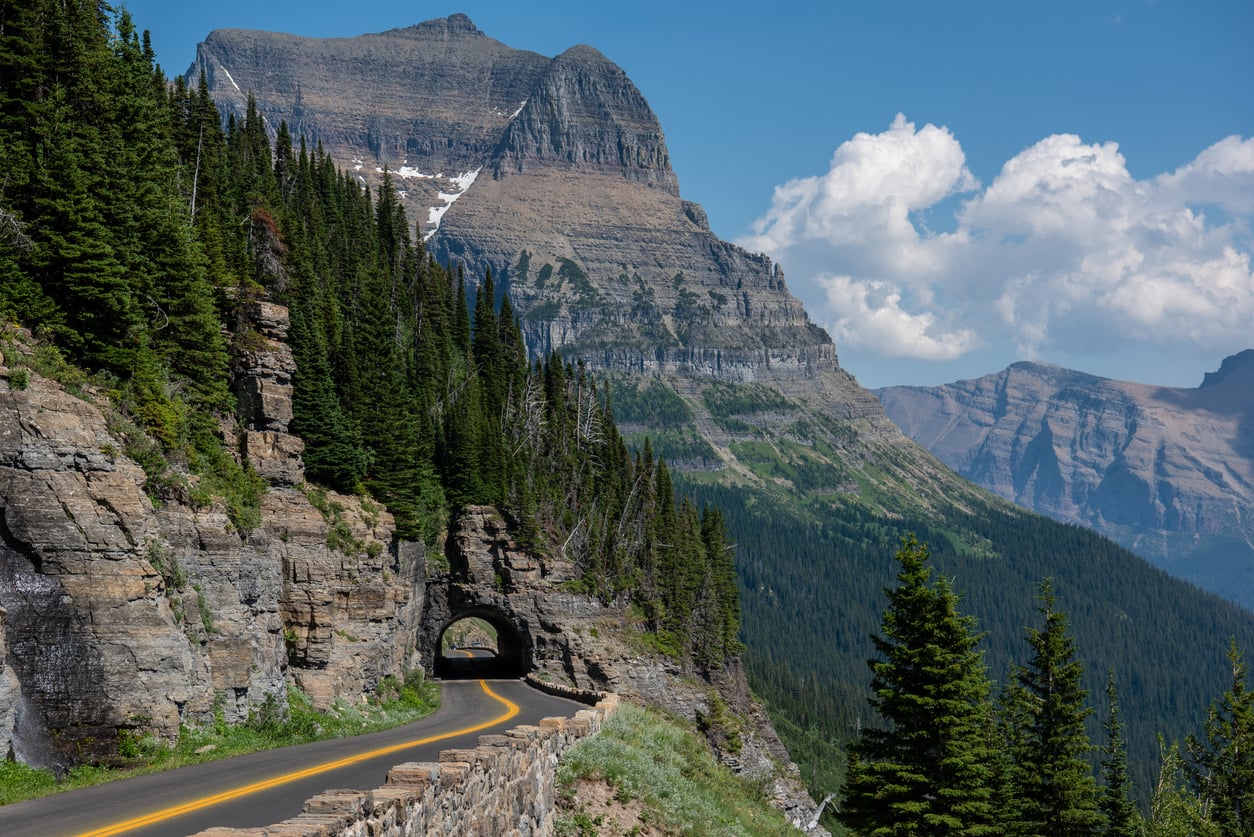
Driving through spectacular mountain scenery is one of the pleasures of visiting national parks, but creating those roads was anything but easy. Glacier National Park’s Going-to-the-Sun Road, dedicated in 1933, required engineers and construction crews to build a route across steep, rugged terrain. The project made dramatic landscapes accessible to visitors who couldn’t explore them on foot or horseback. Today, the road is an attraction in its own right, with mountain views and opportunities to stop along the way. Its high-elevation sections are seasonal, and vehicle restrictions or reservation requirements may apply.
Sign up for our newsletter
Roadside Attractions Helped Small Businesses Compete for Passing Drivers
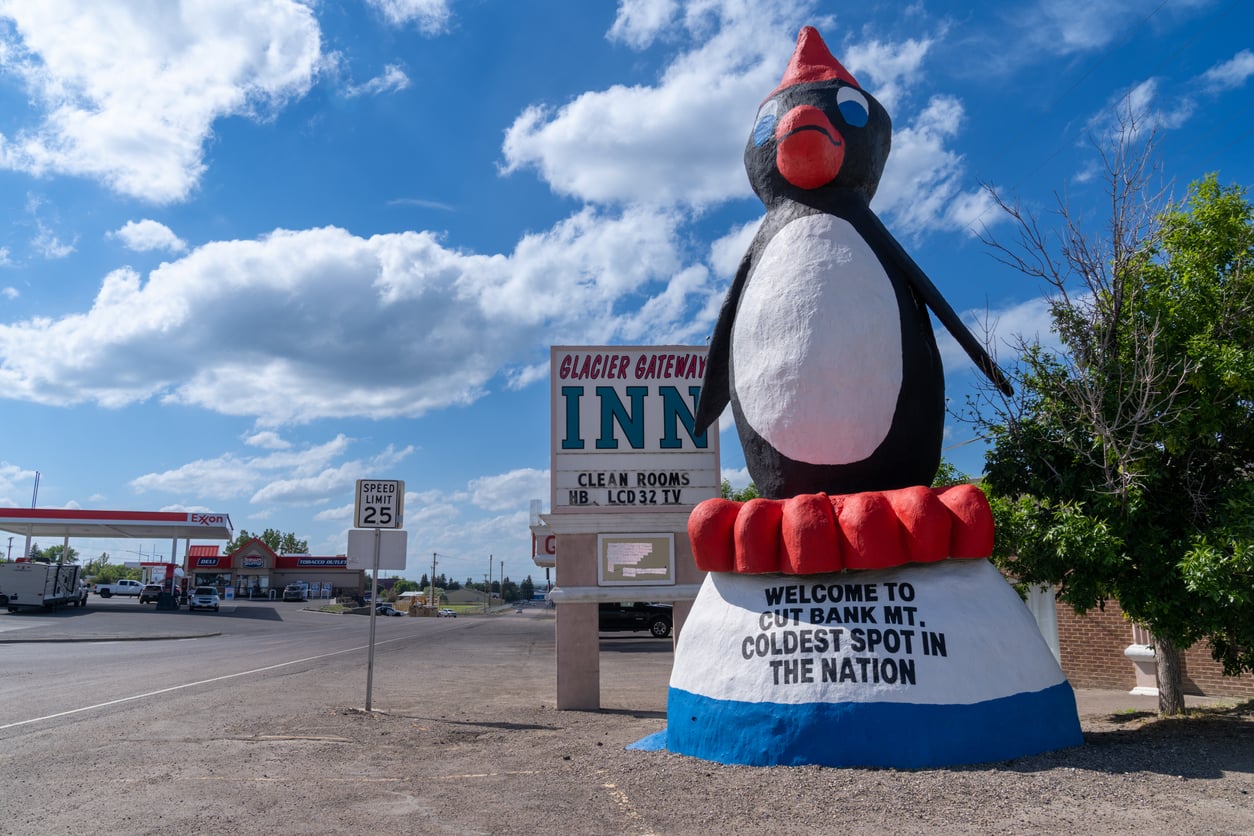
Giant statues, unusual buildings, and oversized roadside signs weren’t always created just to amuse tourists. As automobile travel expanded, businesses needed ways to convince motorists to stop rather than continue down the highway. A memorable building or enormous advertisement could help a restaurant, gas station, or souvenir shop stand out from its competitors. Over time, these attention-grabbing displays became attractions themselves. Travelers still seek out giant objects and quirky roadside landmarks, often for a quick photograph. Many are free to see, although the businesses behind them naturally hope visitors will spend money.
Taking Breaks at Roadside Camps Came From the Limitations of Early Cars
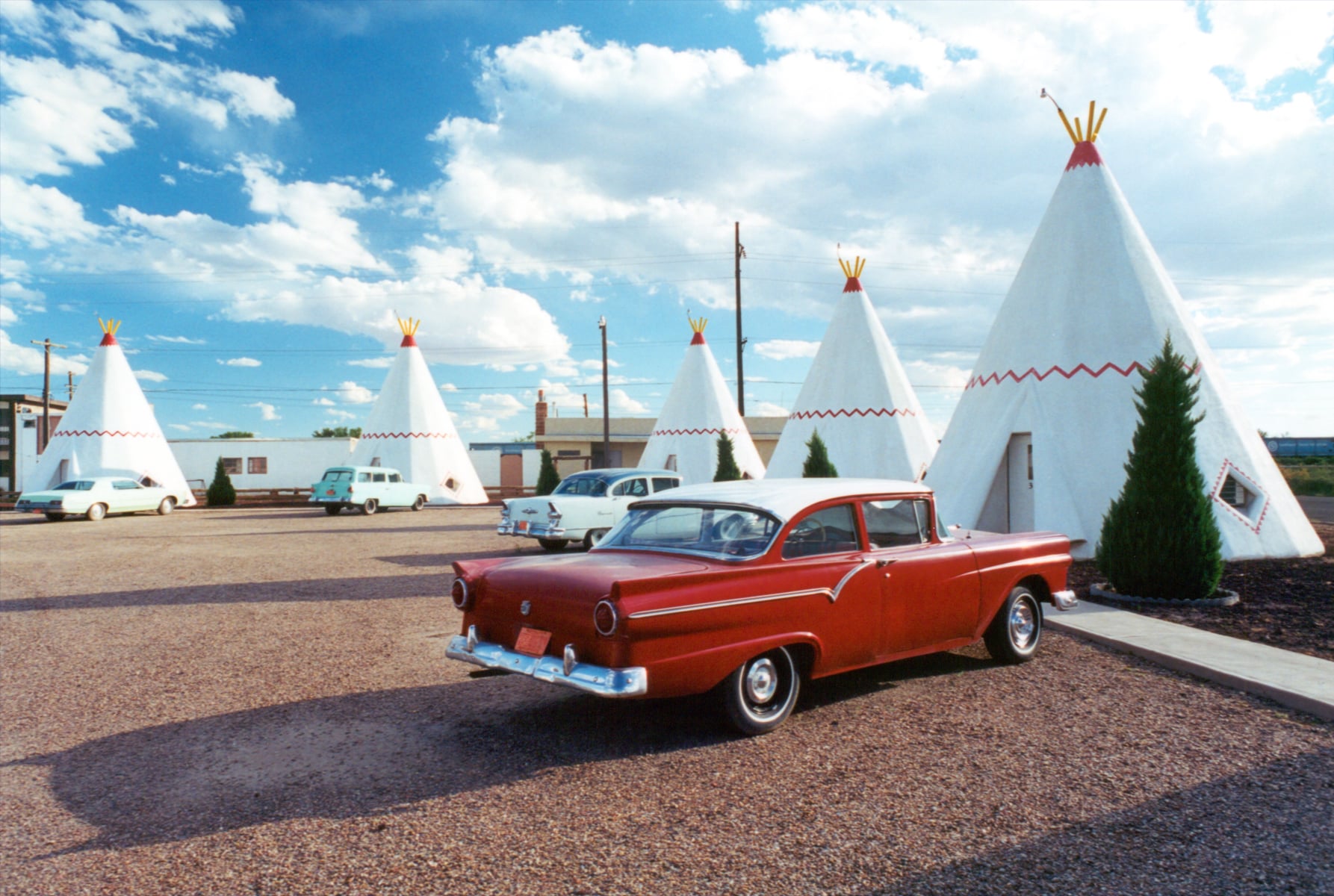
Early automobile trips required more patience than today’s highway drives. Roads could be rough, vehicles were less reliable, and services weren’t always easy to find. Motorists needed places to rest, obtain water, and sometimes camp overnight. Communities responded by establishing automobile camps with basic facilities such as toilets, washing areas, and designated spaces for travelers. Some even provided services free of charge to encourage visitors to stop. These camps helped establish the tradition of taking regular breaks during long drives, long before modern rest areas and highway service plazas became common.
Taking Rolling-Chair Rides Along the Boardwalk Began With Mobility Needs
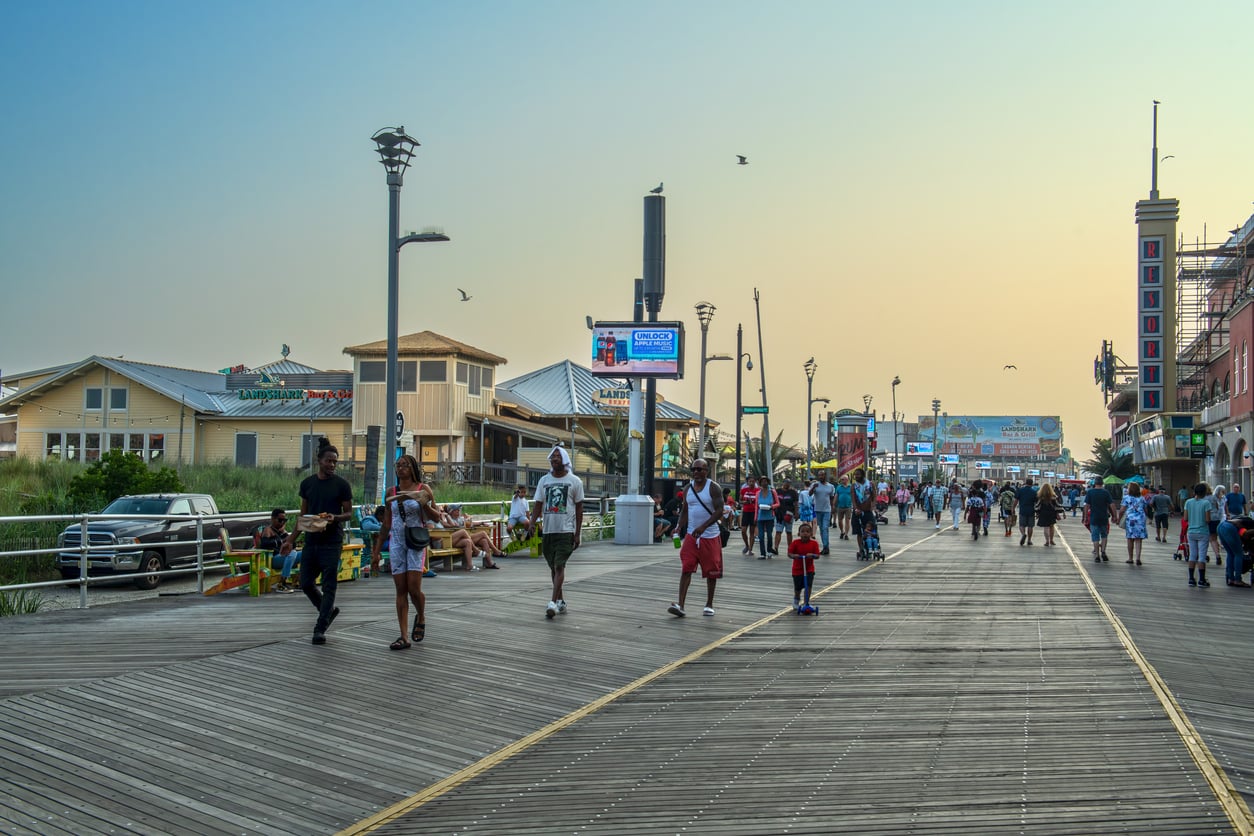
Atlantic City’s rolling chairs became a familiar sight along the boardwalk, but their early popularity was tied partly to a practical problem: not everyone could comfortably walk long distances along the waterfront. Similar wheeled chairs were already used elsewhere, and by the 1880s, attendants were pushing rented chairs along Atlantic City’s boardwalk. The city began licensing them in 1891. Eventually, riding in one became a leisure activity rather than simply a mobility aid. The tradition survives today, although fares vary and visitors should confirm the price before setting off.
Storing Food in Bear-Proof Containers Became a National Park Camping Essential
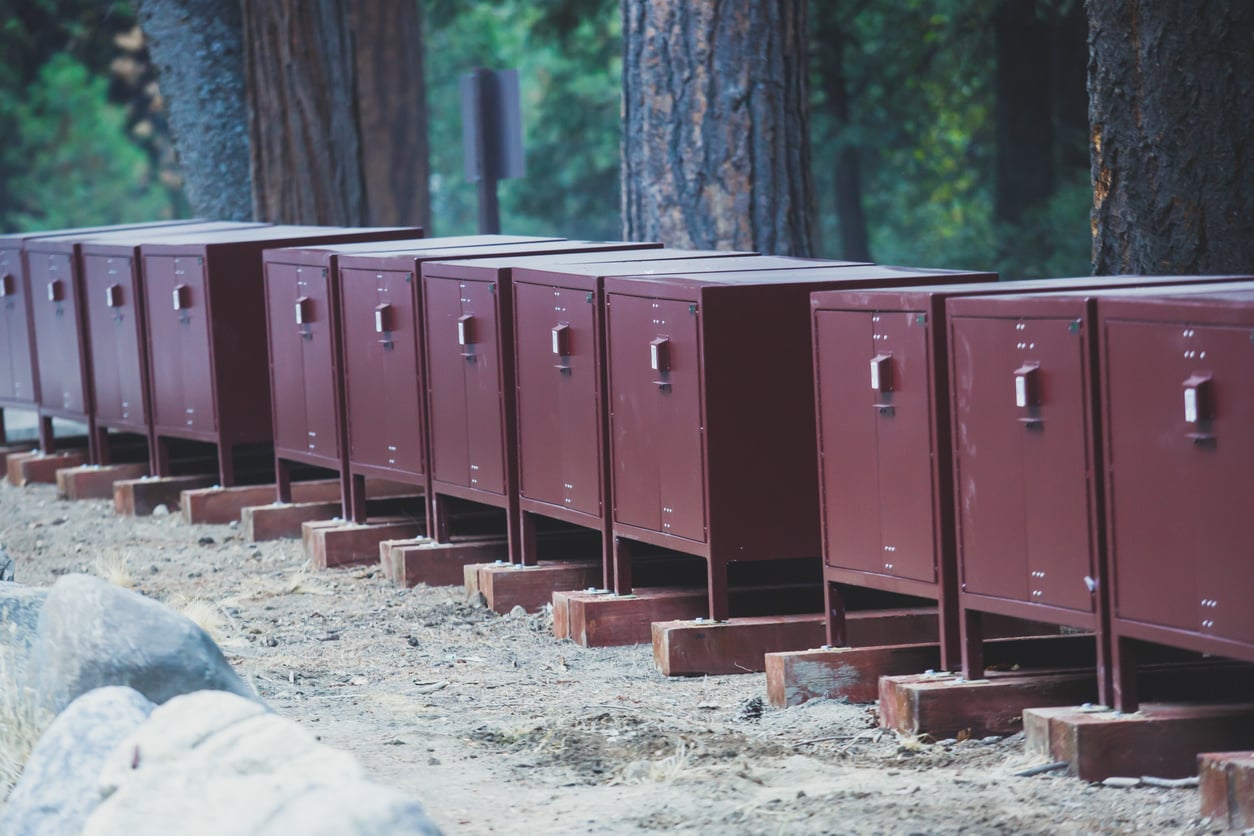
Keeping food away from bears seems obvious today, but early national park tourism took a surprisingly different approach. At Yellowstone, visitors once gathered to watch bears feed on garbage, an activity that encouraged dangerous interactions between wildlife and people. As park officials recognized the risks, wildlife management shifted toward preventing animals from obtaining human food. Bear-resistant containers, food lockers, and stricter storage rules became essential parts of camping in bear country. These precautions protect both visitors and animals, and campers should always check the specific food-storage requirements of the park they’re visiting.