Homeowners are constantly looking for ways to simplify routine tasks, from cleaning and landscaping to replacing worn-out materials and tackling repairs, to keep their properties in good condition and avoid costly problems. Drawing on information from EPA’s WaterSense program, the U.S. Department of Energy, and other sources, we’ll reveal what homeowners are doing to make home maintenance easier!
Installing Water Leak Sensors Before a Small Problem Becomes a Disaster
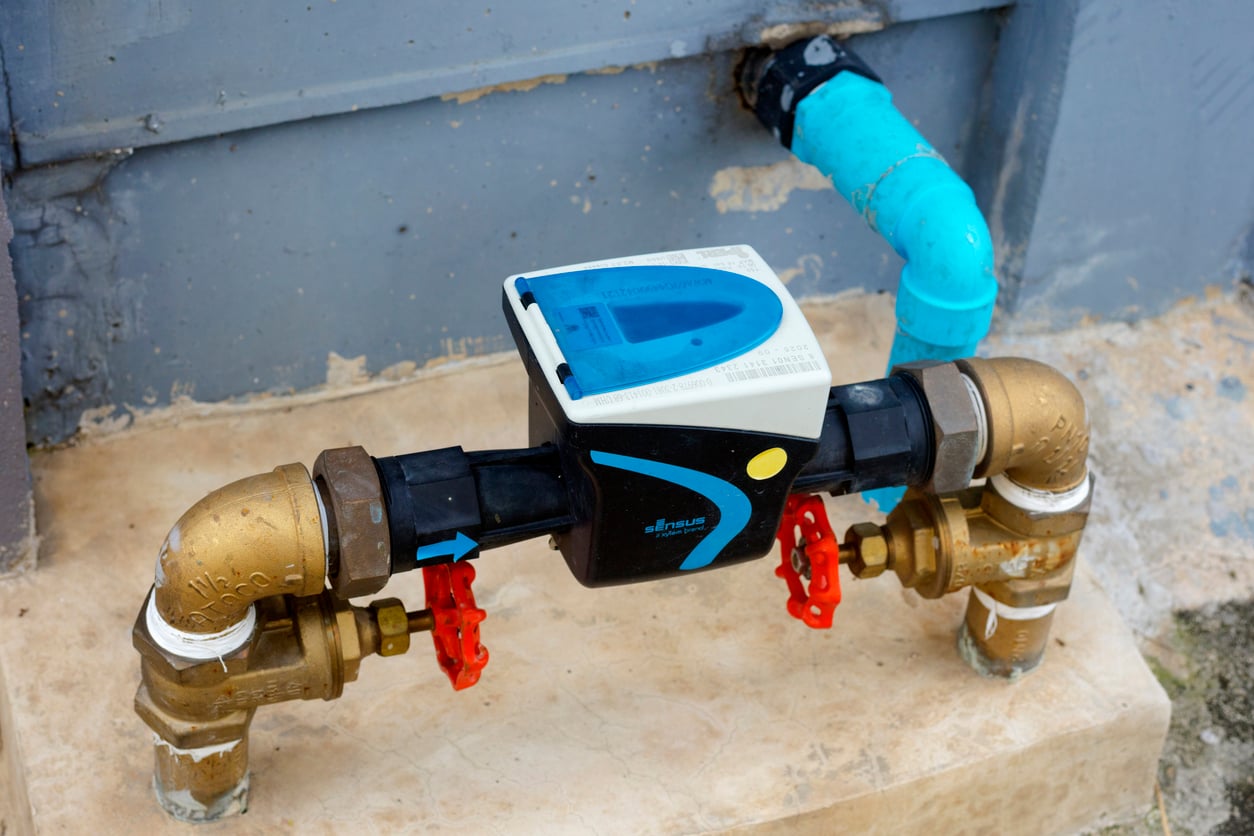
Homeowners are increasingly turning to more advanced systems that can monitor water flow and automatically shut off the main supply when an unusual level of consumption suggests a plumbing problem, making home maintenance more efficient. This is achieved through inexpensive moisture sensors placed under sinks or behind washing machines. Detecting such issues early makes repairs simpler and less costly.
Replacing High-Maintenance Lawns with Native Plants

Green lawns typically require mowing, watering, fertilizing, and weed control, especially in warm climates, demanding significant effort to maintain. According to the EPA’s WaterSense program, you can incorporate native plants, shrubs, and perennial landscaping to reduce the need for ongoing irrigation, which in turn means fewer weekly home maintenance tasks.
Using Smart Irrigation Controllers Instead of Constantly Adjusting Sprinklers

Traditional sprinkler systems use timers that continue to operate even after rainfall or during cooler periods, when plants require less moisture. For this reason, many homeowners have purchased weather-responsive irrigation controllers, which adjust automatically based on weather conditions and do not require manual adjustments by a person.
Choosing Durable Exterior Siding Instead of Constantly Repainting Wood
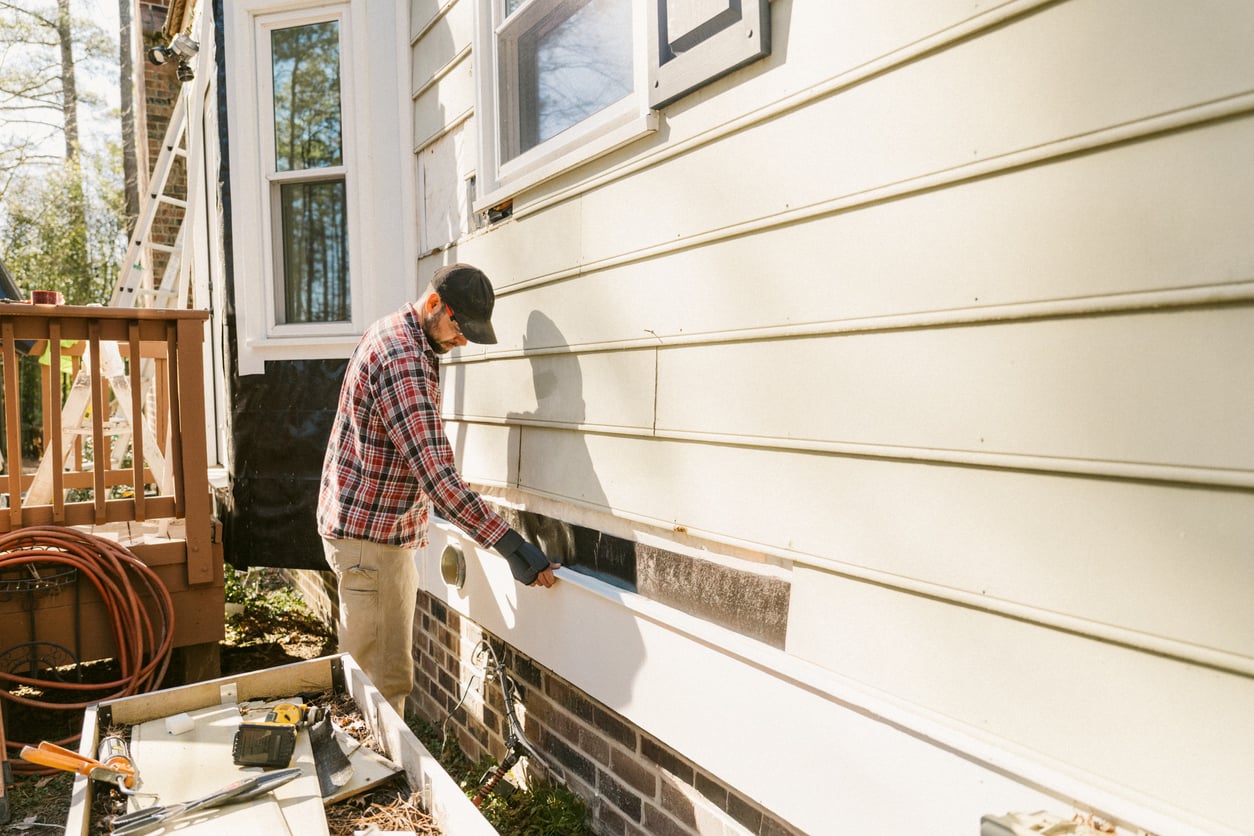
Replacing a home’s exterior siding with fiber-cement, vinyl, or other similar products can be a wise decision. These materials require less frequent care and are easier to clean. They offer excellent resistance to moisture and maintain an attractive appearance with significantly less maintenance than wood would require. According to the U.S. Department of Energy, durable siding can reduce the recurring work needed on a home’s exterior.
Installing Easy-to-Clean Shower Walls with Fewer Grout Lines
Traditional tiled showers feature grout, caulk, and joints where moisture can accumulate and soap residue can collect. Consequently, many homeowners have opted to install large-format tiles or solid-surface panels to reduce the number of grout lines that require regular scrubbing or eventual repair, thereby simplifying home maintenance.
Trending on Cheapism


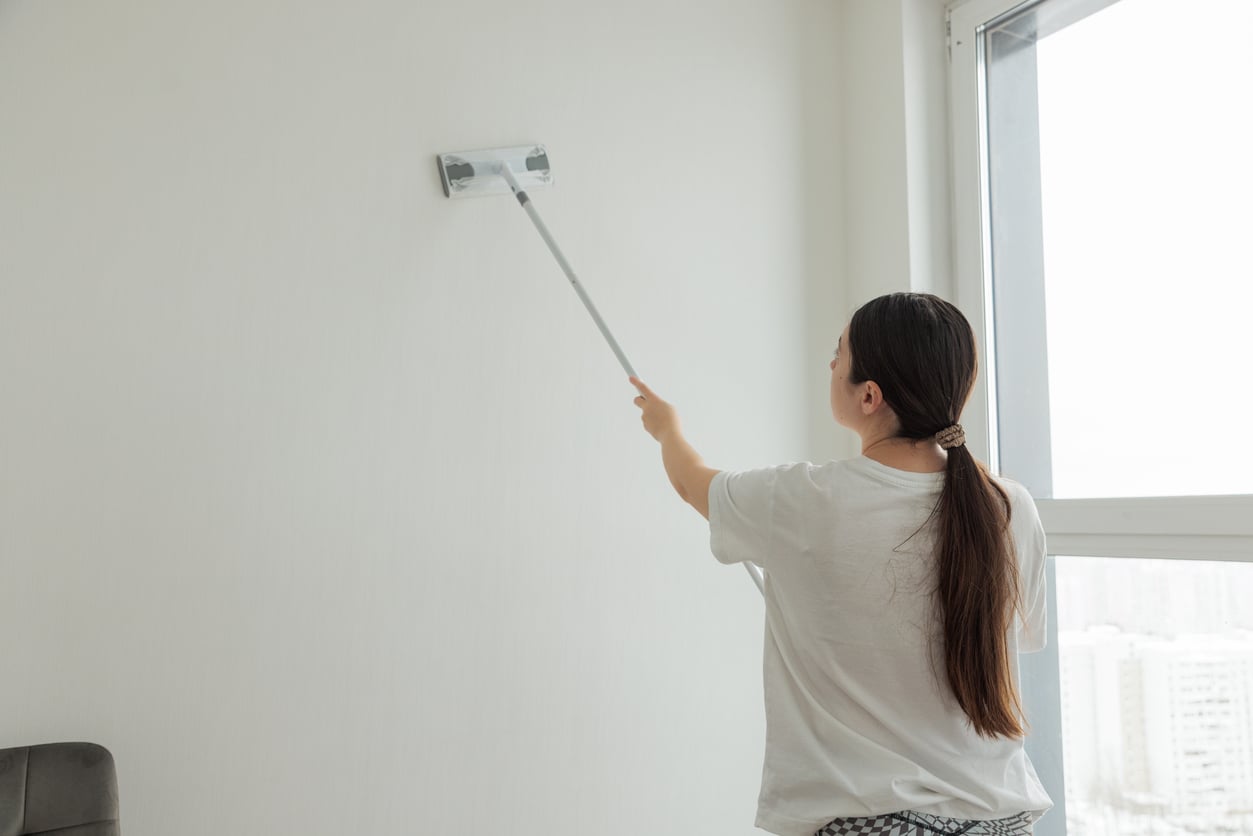
Switching to Washable Interior Paint In High-Traffic Rooms

Walls in the kitchen, hallways, and bedrooms can accumulate stains, fingerprints, and splashes, which may require repainting, as part of routine home maintenance. However, durable, washable finishes allow homeowners to clean off these marks without having to repaint entire sections of the rooms.
Replacing Difficult Flooring with Waterproof or Water-Resistant Alternatives
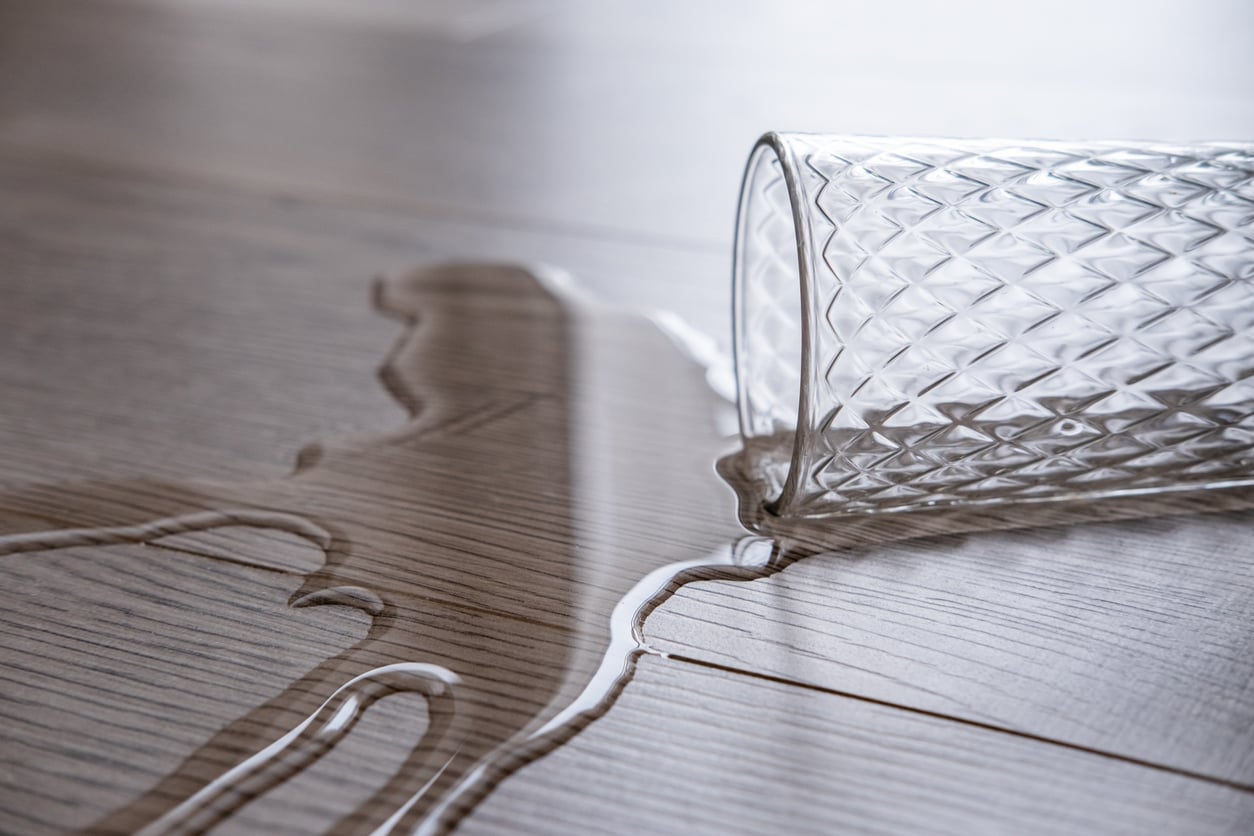
Waterproof or water-resistant flooring options are far more advantageous than carpeting or other moisture-prone flooring, which require maintenance and cleaning to address stains. Whether it’s ceramic tile or luxury vinyl, if spills or dirt end up on these materials, they are much easier to clean, thanks to the smooth nature of the chosen surface.
Installing Gutter Guards to Reduce Frequent Debris Removal
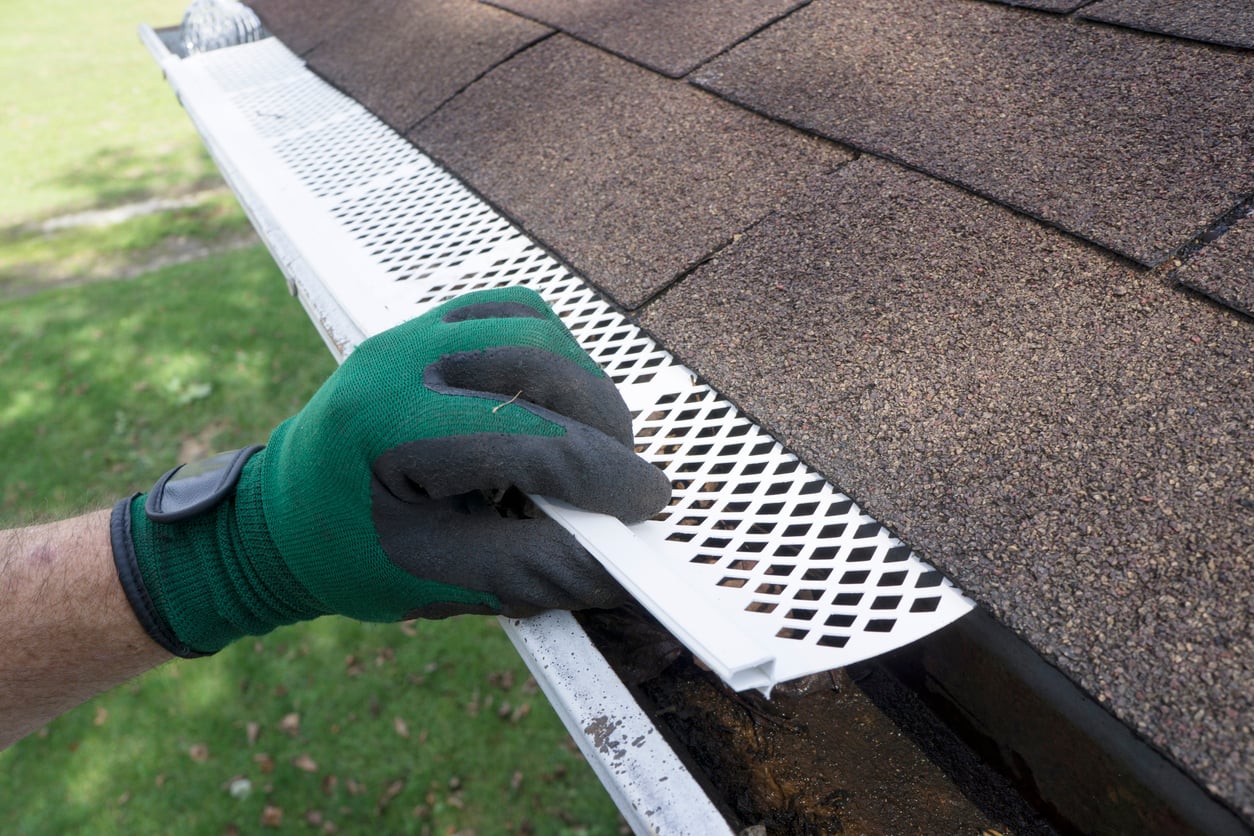
Elements such as leaves, twigs, and debris can clog gutters, preventing rainwater from flowing away from a home’s roof and foundation. Gutter guards, which many homeowners are installing, reduce the amount of material that enters the gutter system. They can be particularly useful for properties surrounded by trees. While this does not eliminate the need for gutter maintenance, it does significantly reduce the amount of debris homeowners need to remove.
Sign up for our newsletter
Replacing Old Plumbing Fixtures with WaterSense-Labeled Models
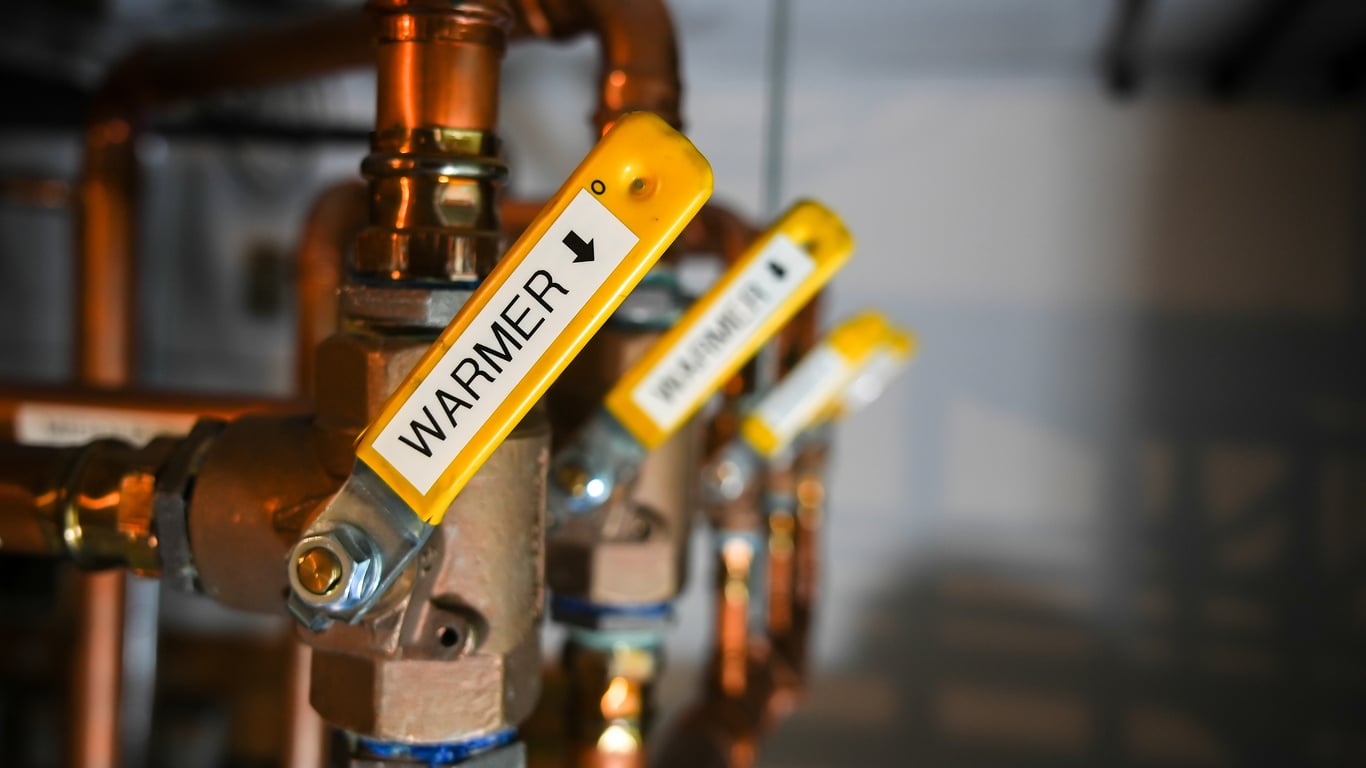
WaterSense-labeled plumbing products are designed to meet efficiency and performance criteria, helping homeowners improve water efficiency as part of their home maintenance efforts. Choosing efficient fixtures can reduce water consumption, although their impact on wear and tear, leaks, and repair needs depend on the product and installation.
Adding Mulch to Reduce Weeding and Watering
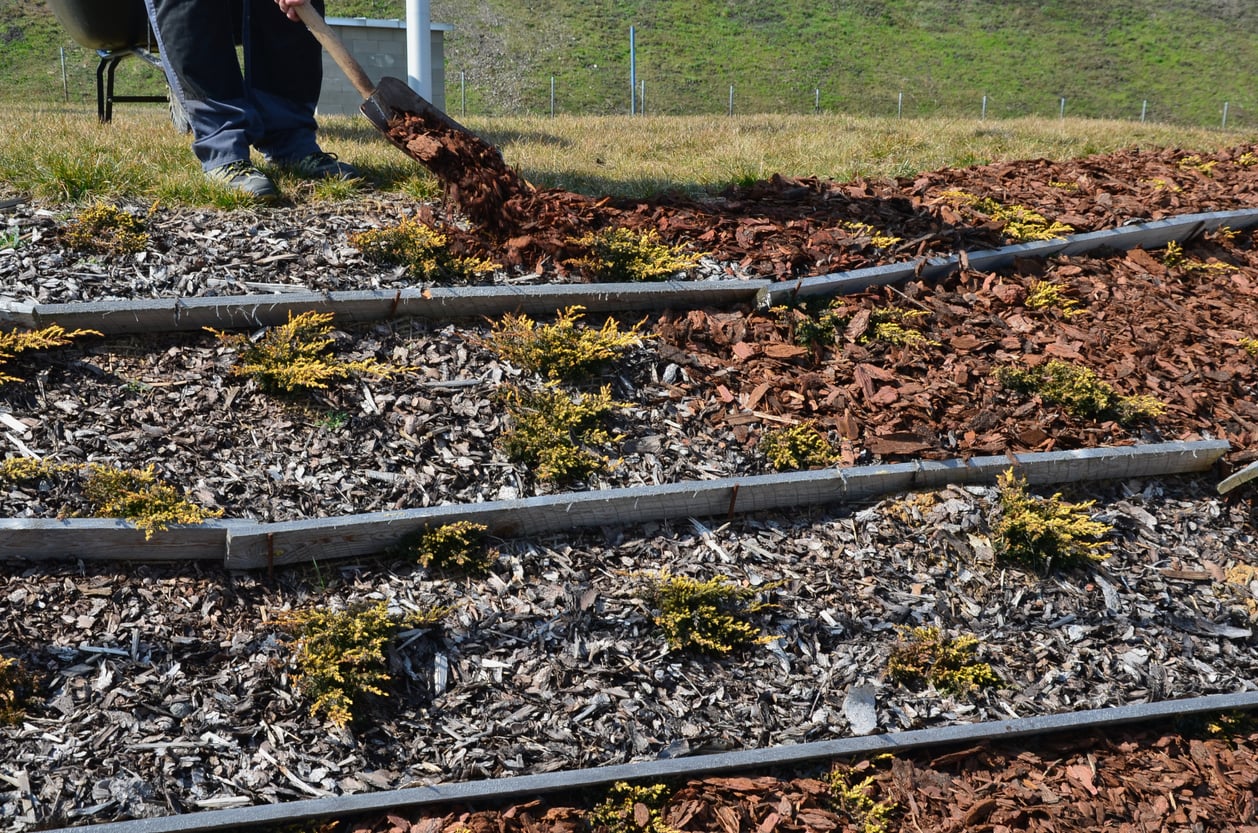
The areas around garden beds and shrubs can be problematic because they collect moisture, which may affect a home’s foundation. Consequently, many homeowners turn to mulch as part of their home maintenance and landscaping routine, since it helps regulate soil temperature and can limit weed growth. However, mulch should be kept away from the foundation to avoid trapping moisture against the house.
Creating Accessible Shutoffs and Service Areas Before Something Breaks
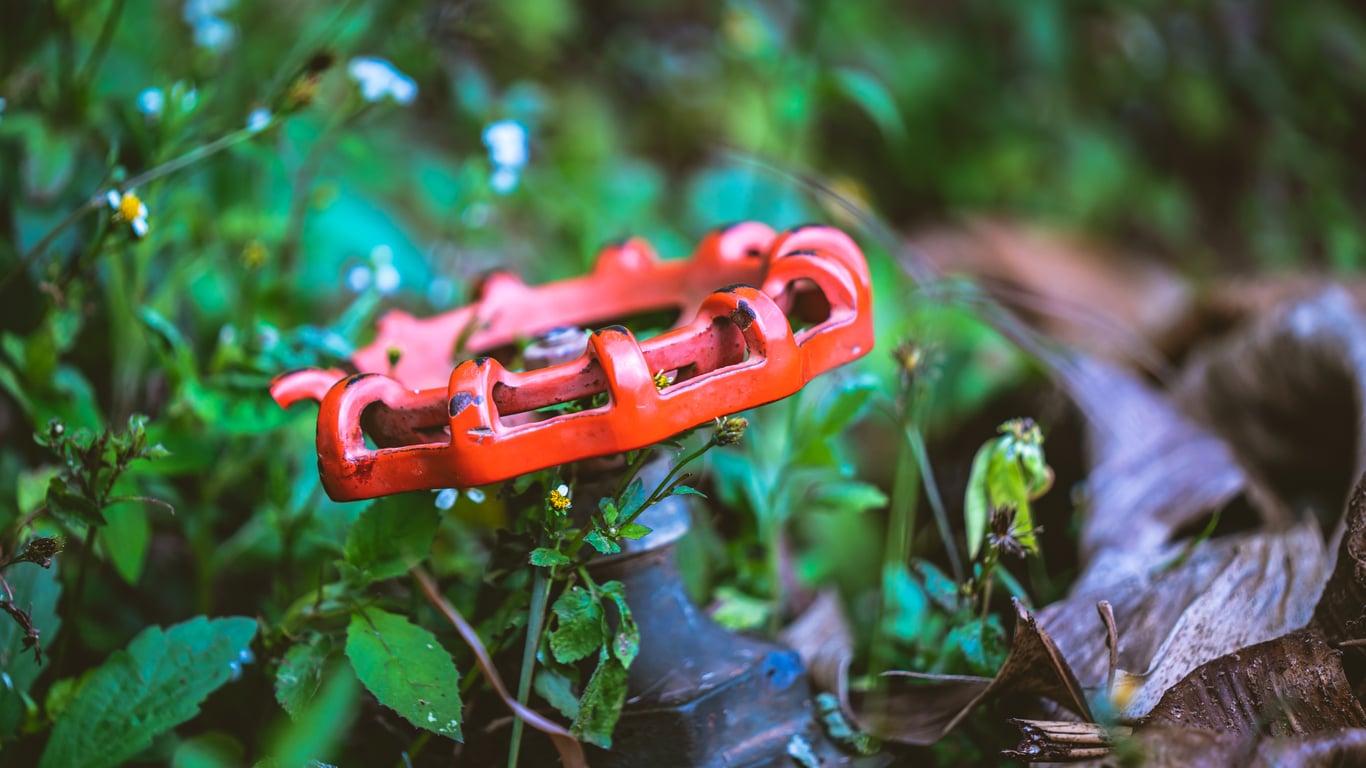
Household systems that are complex to inspect and repair, such as plumbing valves, filters, and heating equipment, require accessible shut-off points and service areas to allow for maintenance. During renovations, these systems may be placed in areas that are difficult to access. However, access can be improved by strategically positioning shut-off valves, electrical panels, or water heaters.
Building a Simple Home Maintenance Schedule Instead of Relying on Memory

Another practice that homeowners are adopting to simplify home maintenance is creating a schedule, rather than relying solely on their memory. Sometimes, home repairs become very costly because people neglect to check items like filters, seals, gutters, and plumbing. By setting up digital reminders or using maintenance apps, homeowners can receive alerts to identify minor issues before they become expensive to fix.
Conclusion
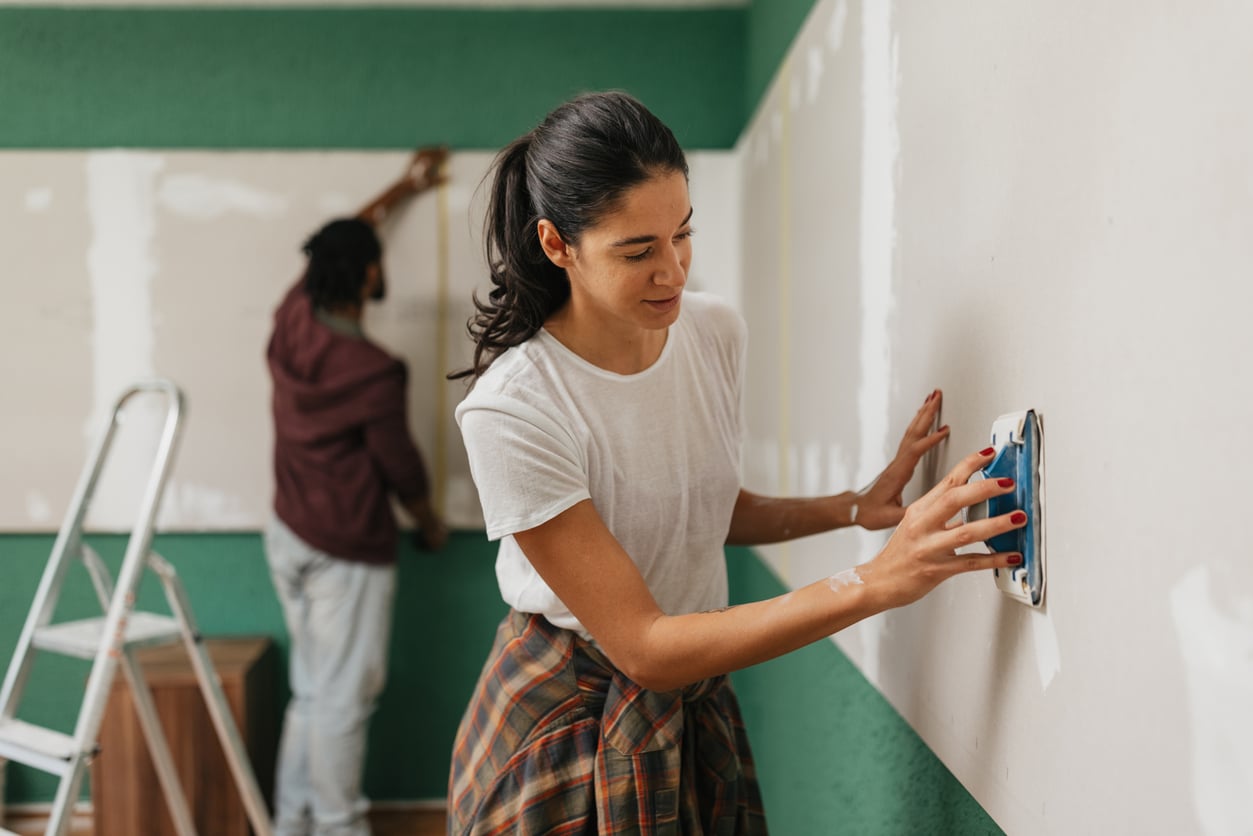
Making a home easy to maintain involves reducing repetitive tasks, using durable materials, and identifying issues as early as possible, all of which contribute to more manageable home maintenance. The most practical improvements are often small steps, such as installing leak sensors or making it easier to access the equipment you already have. Finally, it is important to understand that no home is entirely free from the need for regular maintenance.