When you’re fixing up your home, it’s easy to focus on what looks good or makes everyday life more comfortable. But once resale value enters the picture, even simple choices can become surprisingly complicated. Will that colorful kitchen appeal to future buyers? Is a swimming pool worth the investment? According to the National Association of Realtors’ 2025 Remodeling Impact Report, not every home improvement pays for itself when it’s time to sell. Here are 12 household decisions that might make you think twice before renovating.
Choosing a Bold Kitchen Color Instead of Something Neutral
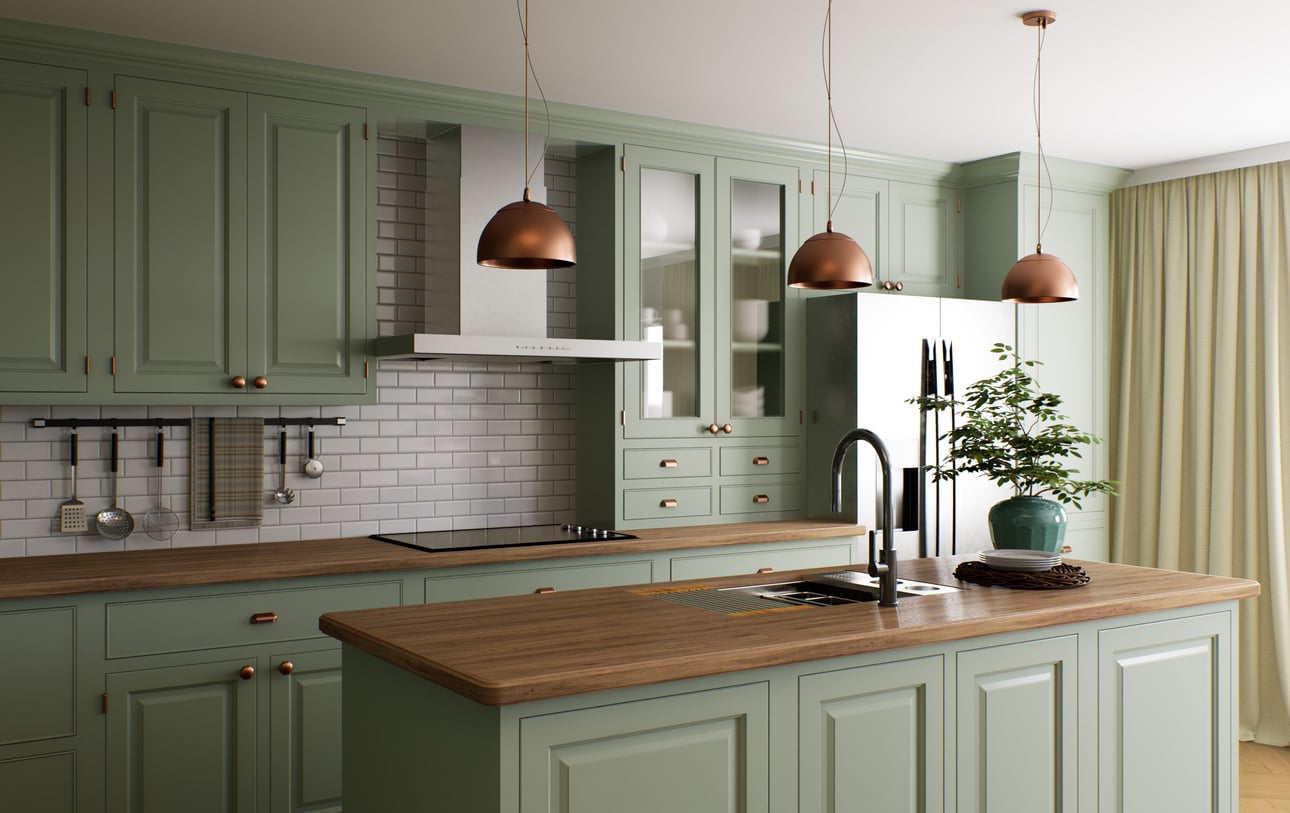
That deep green cabinet paint or colorful backsplash might make your kitchen feel more inviting, but future buyers may have different tastes. Neutral finishes can be easier for people to imagine living with, particularly when they’re already budgeting for moving expenses. Still, a distinctive kitchen isn’t automatically a liability, especially when the colors complement the home’s style. If you’re considering selling soon, try adding personality through artwork, stools, or accessories instead of replacing expensive permanent finishes. There’s no reason to sacrifice a kitchen you love for a hypothetical buyer years away.
Turning a Bedroom Into a Permanent Home Office
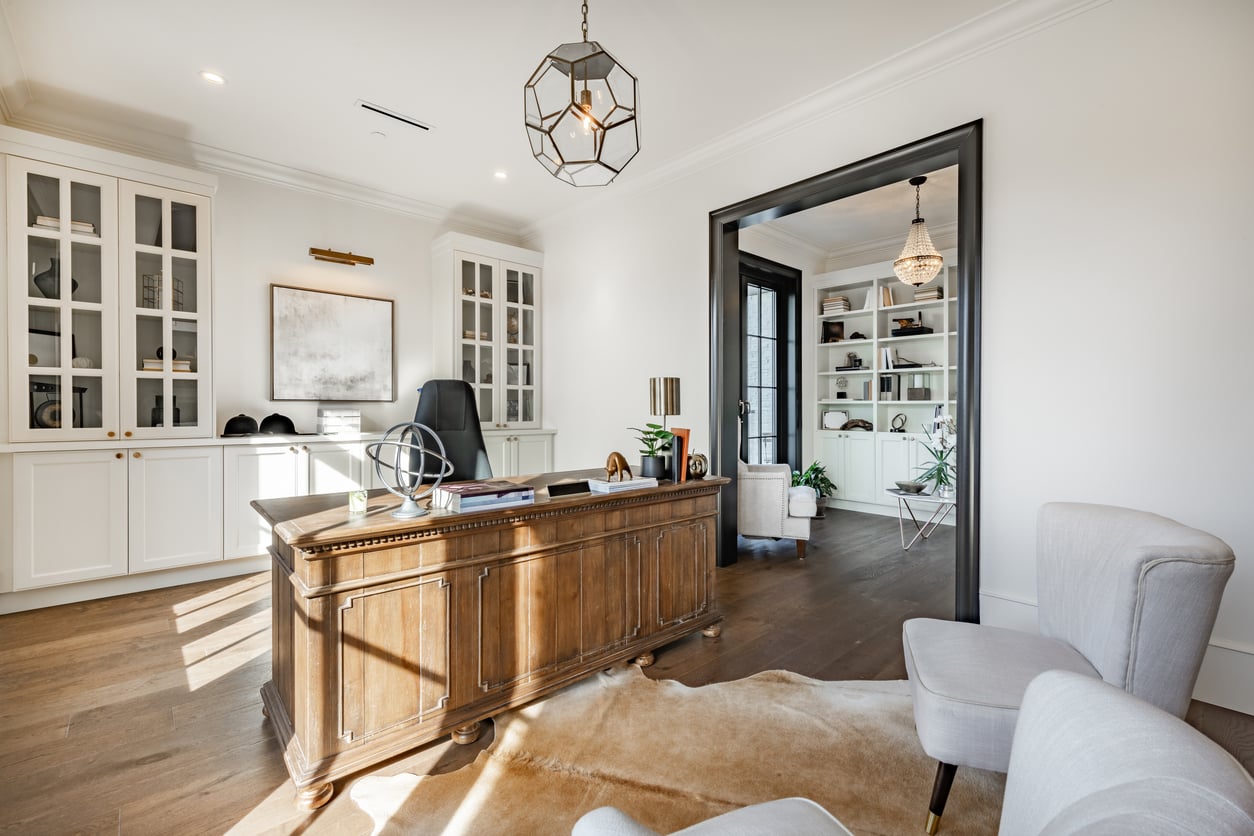
A dedicated home office sounds wonderful until you start wondering whether buyers will miss that extra bedroom. Converting a spare room with a desk and bookshelves is usually straightforward, but removing closets or making permanent structural changes can limit its flexibility. Bedroom count matters in many housing markets, particularly to families looking for additional sleeping space. Before renovating, consider furniture that can be removed when it’s time to sell. A room that works as an office today and a bedroom tomorrow gives future owners more options without sacrificing your current needs.
Converting the Garage Into Living Space
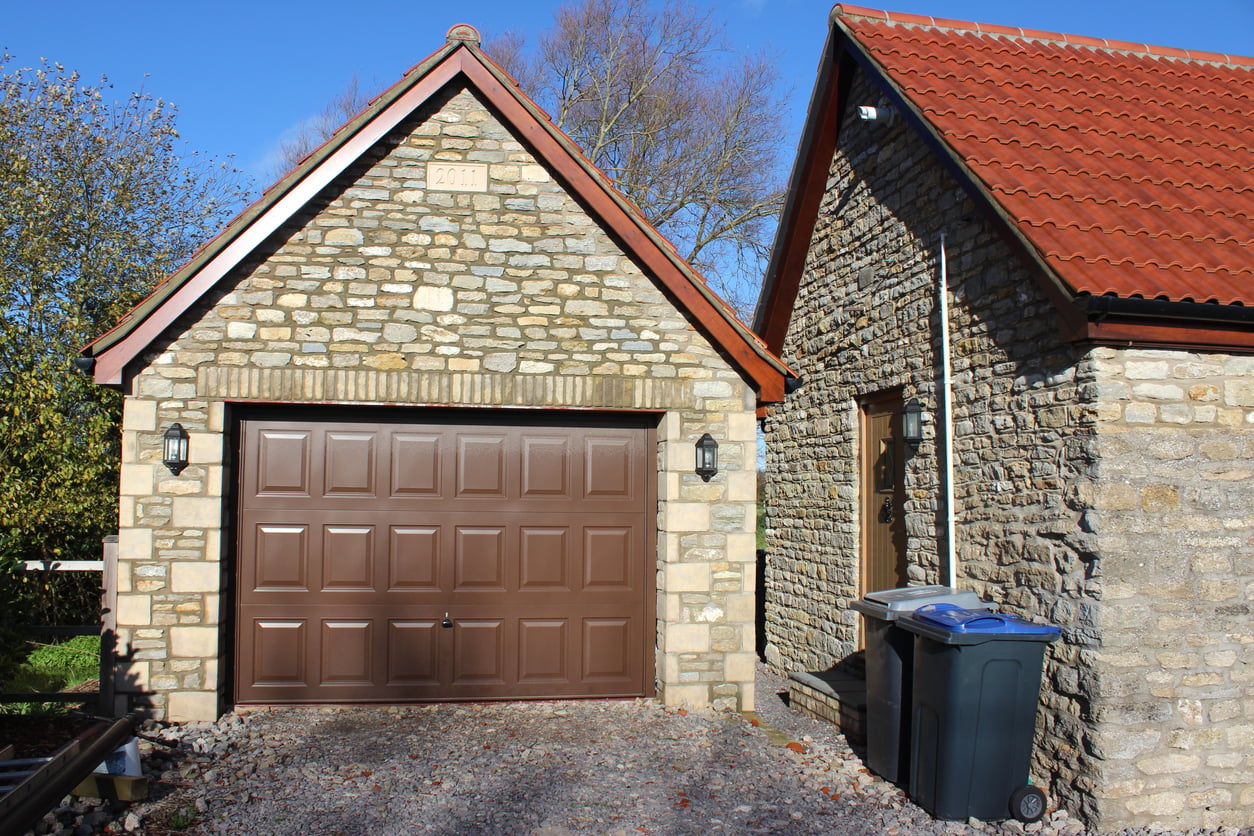
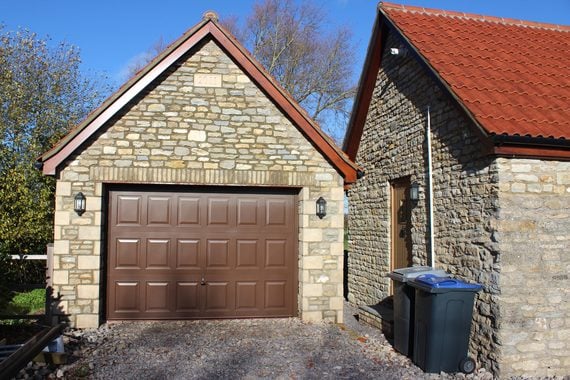
Turning an unused garage into a guest room, gym, or family room can create valuable living space without building an addition. But the tradeoff is losing covered parking and storage, which some buyers consider essential. In neighborhoods where garages are common, that missing feature may stand out. There’s also the question of permits, insulation, heating, and whether the converted area legally qualifies as living space. Before starting, compare nearby homes with similar conversions. A comfortable new room won’t necessarily increase the home’s value by the amount spent creating it.
Replacing a Bathtub With a Walk-In Shower
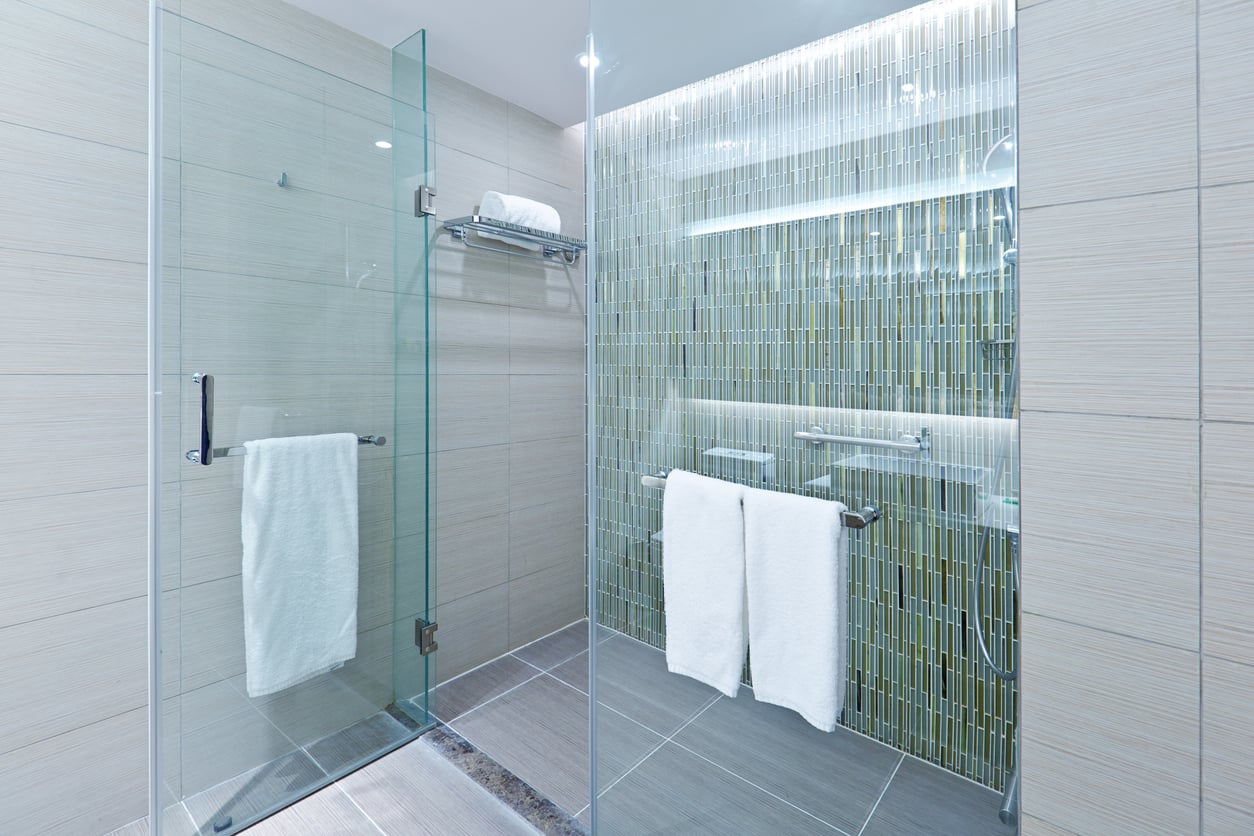
A spacious walk-in shower can make everyday life easier, particularly for homeowners who want fewer obstacles as they get older. But removing the home’s only bathtub may complicate things when it’s time to sell. Some families prefer a tub for bathing young children, while other buyers appreciate the accessibility of a low-threshold shower. If your house has multiple bathrooms, keeping one bathtub can offer a reasonable compromise. Ultimately, the right choice depends on how long you plan to stay and whether the renovation improves your daily comfort.
Installing a Backyard Swimming Pool

A backyard swimming pool can turn an ordinary summer afternoon into a vacation at home. Unfortunately, it also brings cleaning, repairs, insurance considerations, and ongoing maintenance costs. In warm climates where pools are common, buyers may see one as a desirable feature. In colder regions or neighborhoods with smaller yards, it could be less appealing. Before spending thousands on installation, look at comparable homes nearby and estimate the annual upkeep. A pool may be worth every penny for your family without necessarily returning its full cost when you sell.
Trending on Cheapism


Choosing Wall-to-Wall Carpet Instead of Hard Flooring
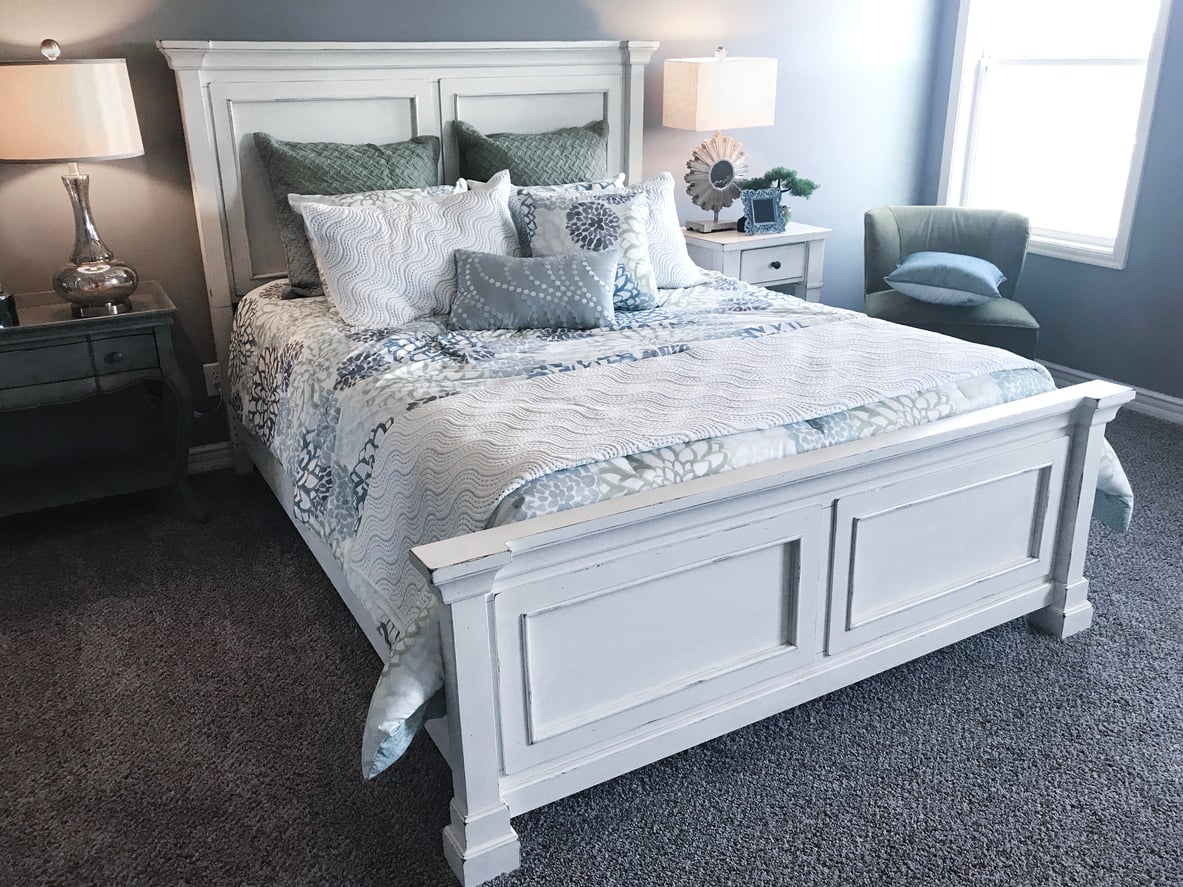
There’s something comforting about stepping onto a soft carpet first thing in the morning, especially in a chilly bedroom. But when resale enters the picture, flooring becomes a more complicated decision. Some buyers prefer hardwood or other hard surfaces because they’re easier to clean and don’t hold odors the way carpet can. That doesn’t mean carpeting is always a mistake. It’s often practical in bedrooms and rooms where noise reduction matters. If you’re replacing flooring shortly before selling, consider the home’s style, existing materials, and what buyers expect locally.
Finishing the Basement Into a Family Room
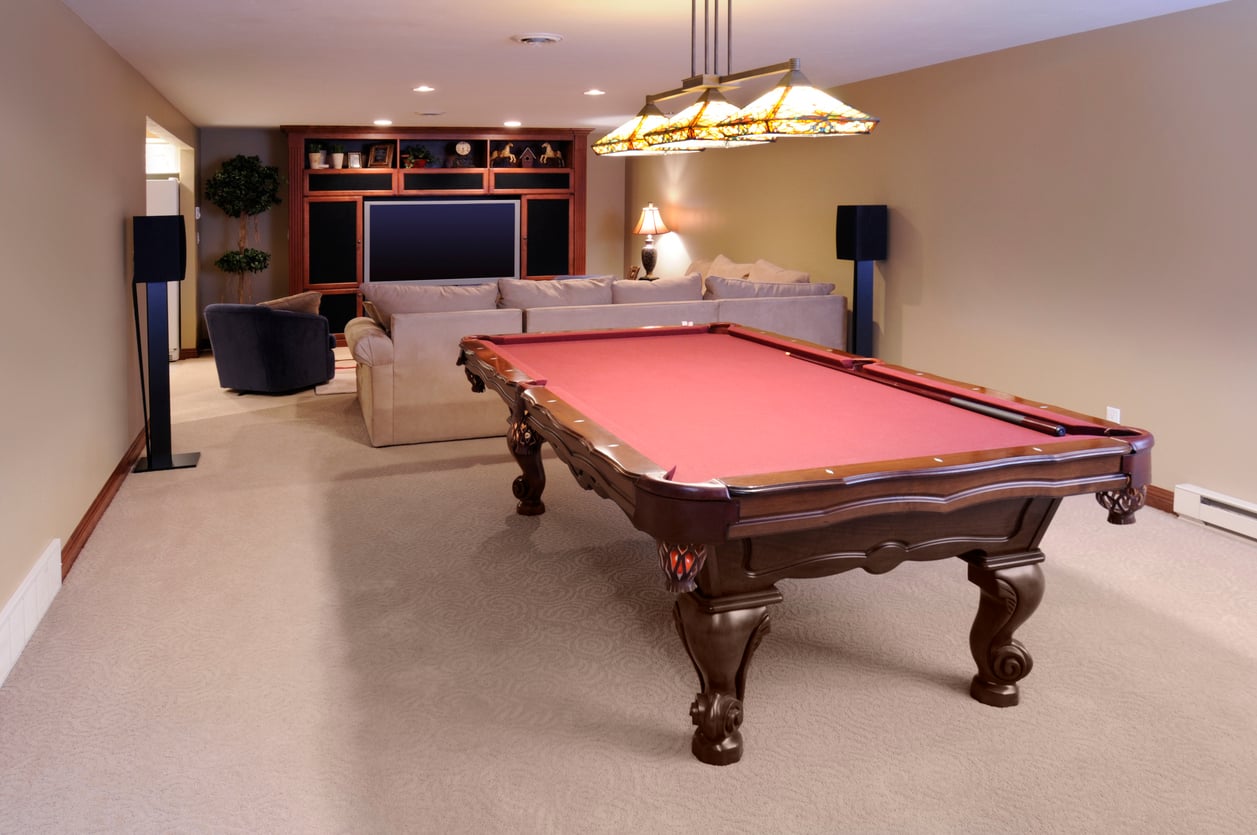
An unfinished basement can look like an opportunity for a family room, guest space, or home theater. The challenge is deciding whether the extra living space justifies the renovation cost. The National Association of Realtors’ 2025 research estimated that basement conversions recovered about 71% of their cost at resale. Actual results depend on the property, and basement square footage may be valued differently from above-ground space. Before adding drywall and flooring, address moisture, ceiling height, permits, and emergency exits. A beautiful basement won’t be much of an asset if water problems remain.
Choosing an Unusual Exterior Paint Color

Painting your house a striking shade of blue, yellow, or green might make it stand out on the street, but standing out isn’t always what future buyers want. Exterior color creates an immediate impression, and a highly personalized choice may not suit the neighborhood or architectural style. On the other hand, older homes and certain regional styles can look wonderful in distinctive colors. Before committing, test large samples in different lighting and check any homeowners association restrictions. If selling is on the horizon, a well-maintained, cohesive exterior matters more than following every design trend.
Sign up for our newsletter
Building a Large, Highly Specialized Outdoor Kitchen
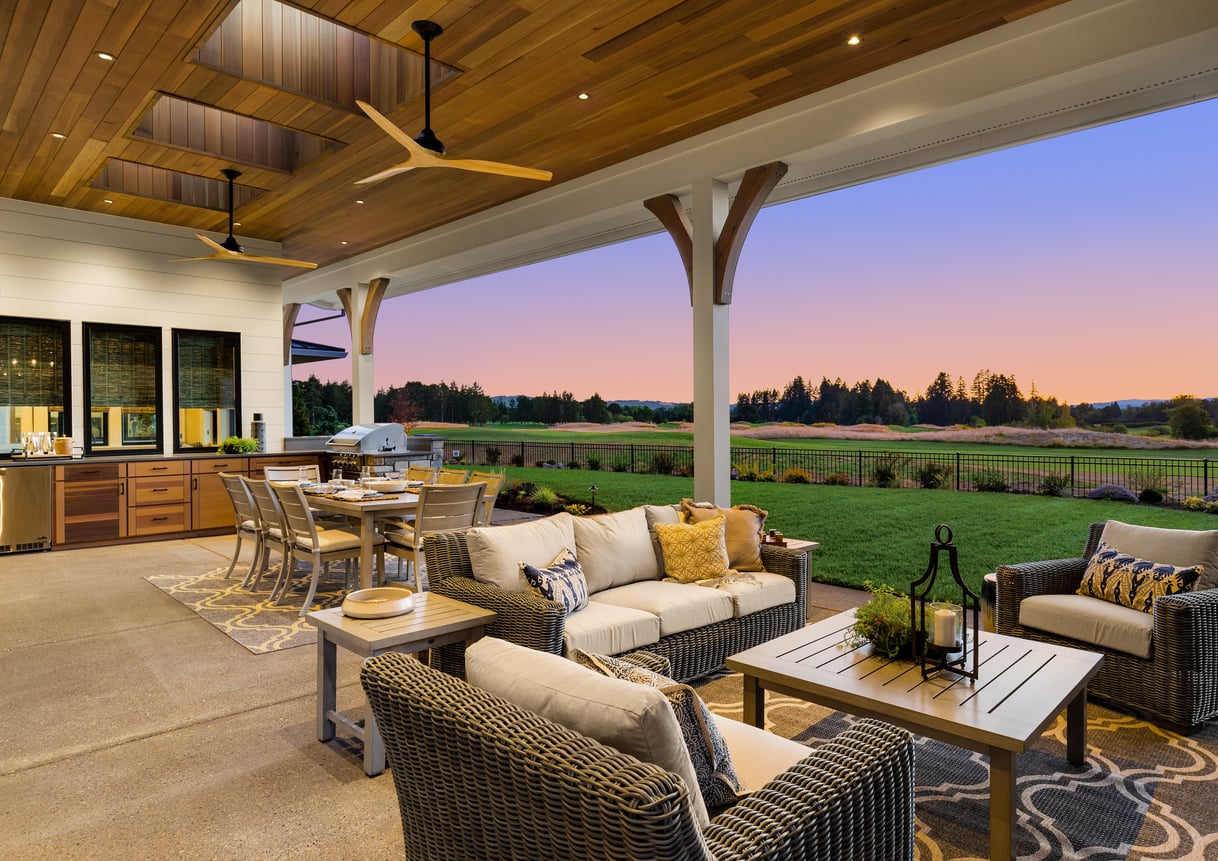
An outdoor kitchen with a built-in grill, refrigerator, sink, and generous counter space sounds perfect for entertaining. But those features can become expensive once plumbing, electrical work, weatherproofing, and installation are included. Buyers who love outdoor cooking may appreciate the setup, while others might see equipment they’ll rarely use or need to maintain. In regions with short outdoor seasons, the value can be harder to justify. Before building an elaborate kitchen, consider whether a durable grill, comfortable seating, and a simpler patio arrangement would meet your needs for considerably less.
Installing Built-In Entertainment Systems
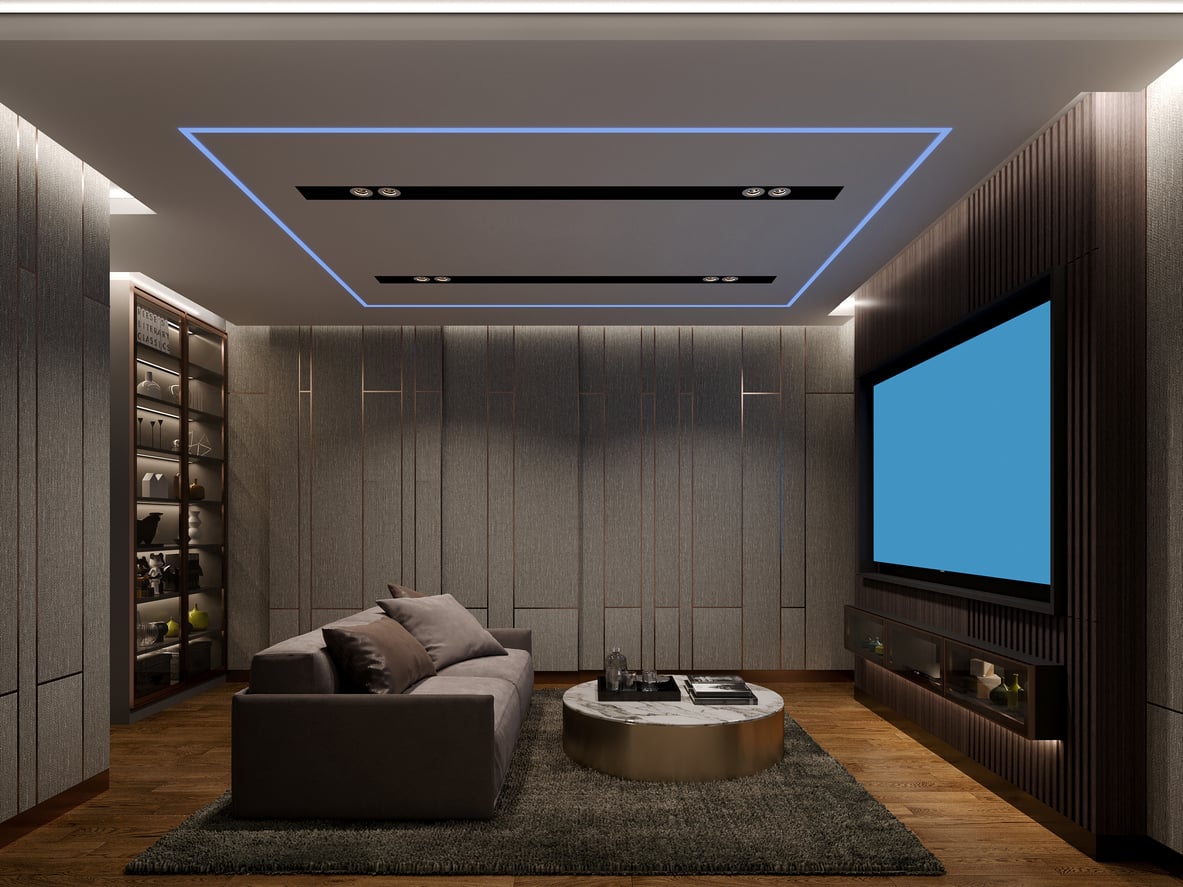
A custom entertainment wall with fitted shelving, hidden wiring, and integrated speakers can make a living room look polished. The problem is that technology changes faster than most homes do. A cabinet designed around today’s television may not accommodate a larger replacement, while built-in speakers and complicated wiring can be inconvenient for future owners. Some buyers will appreciate the setup, but others may prefer a flexible room they can arrange themselves. If you’re planning built-ins, choose adaptable dimensions and accessible connections so the space can evolve without another expensive renovation.
Choosing Between a Minor Kitchen Update and a Full Renovation
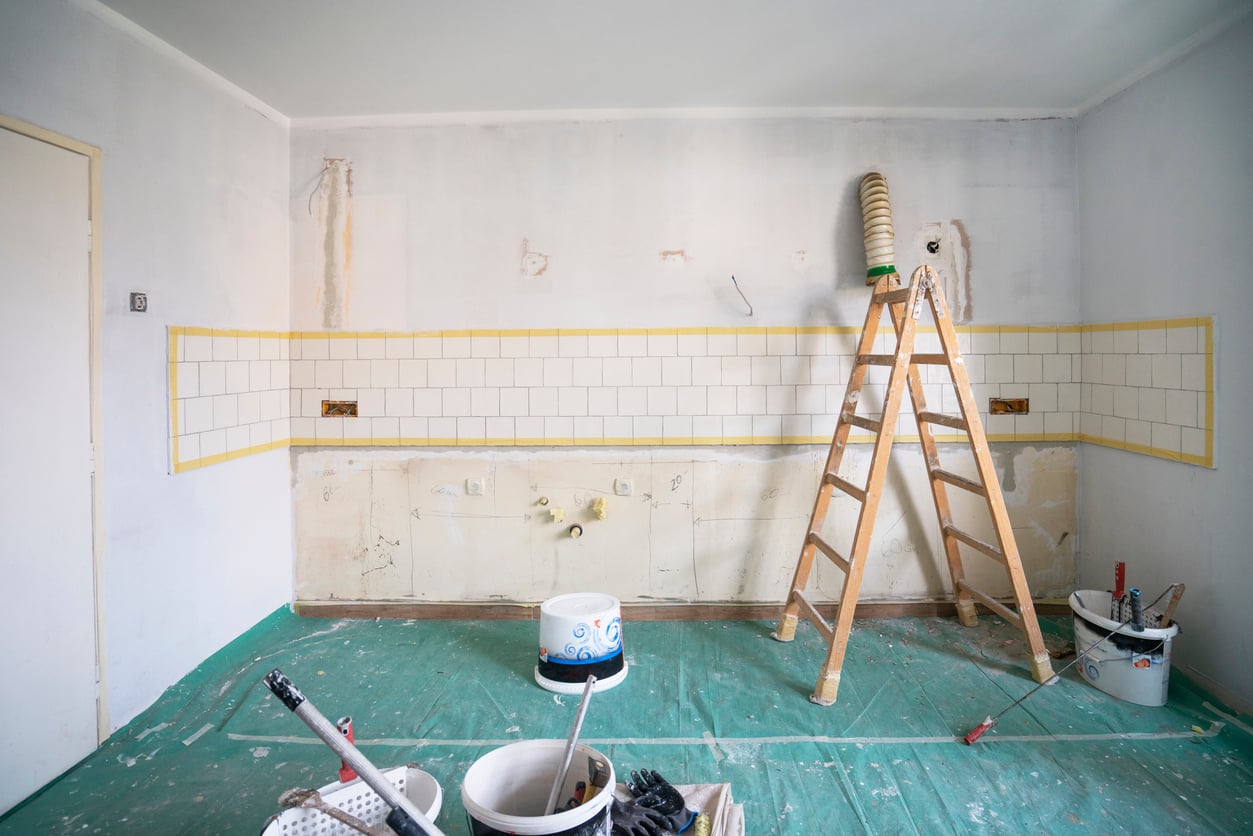
When a kitchen starts looking tired, it’s tempting to replace everything at once. But new cabinets, countertops, flooring, and appliances can quickly turn a manageable update into a major expense. The National Association of Realtors’ 2025 Remodeling Impact Report estimated about 60% cost recovery for both minor kitchen upgrades and complete kitchen renovations. That doesn’t mean the projects cost the same or deliver identical results. If the layout works and the cabinets are sound, targeted improvements may be sufficient. Save the full renovation for problems that smaller changes genuinely cannot solve.
Replacing a Front Door That Still Works
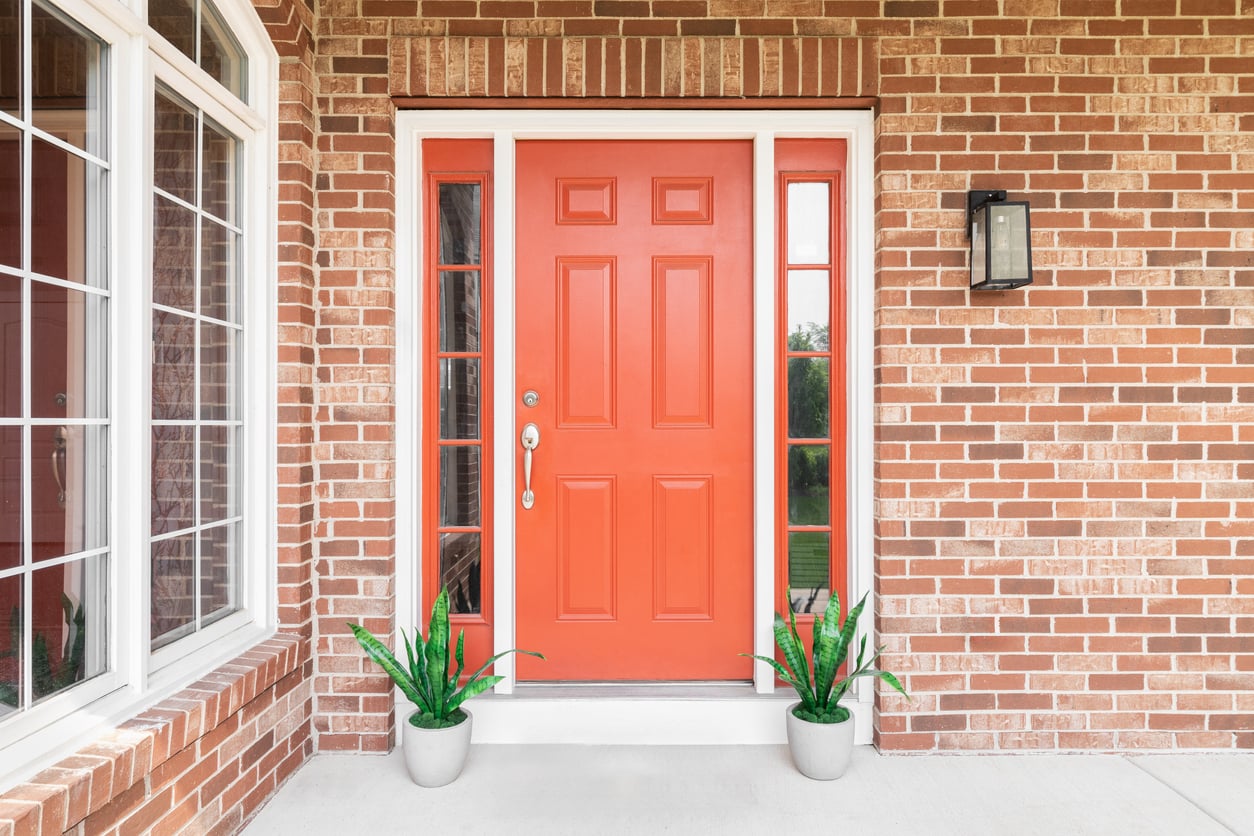
A new front door can make a surprisingly big difference to a home’s appearance, especially when the existing one looks worn or outdated. The National Association of Realtors’ 2025 report estimated that installing a new steel front door could recover around 100% of its cost at resale. But that doesn’t mean replacing a perfectly functional door is automatically worthwhile. Fresh paint, updated hardware, or weatherstripping may solve the problem for much less. Before buying a replacement, consider whether the current door needs a complete overhaul or simply a little attention.