
Even as inflation has cooled from its earlier highs, some everyday expenses are still climbing fast enough to strain retirement budgets. According to the Bureau of Labor Statistics, costs for gasoline, airfare, utilities, medical care, and other essentials have risen sharply in 2026. These price increases impacting boomers can be especially noticeable for people living on fixed or slowly growing incomes, particularly when several higher bills hit at the same time.
Gasoline

Drivers have been hit with one of 2026’s biggest price jumps. Gasoline prices were 24.6% higher in July than a year earlier, according to the Bureau of Labor Statistics, despite falling 2.9% from June to July. For retirees who regularly drive to appointments, visit family, or take road trips, that annual increase can quickly swallow part of the year’s Social Security adjustment. Hypothetically, fuel that previously cost $45 for a fill-up would cost about $56 after a 24.6% increase.
Home Heating Oil
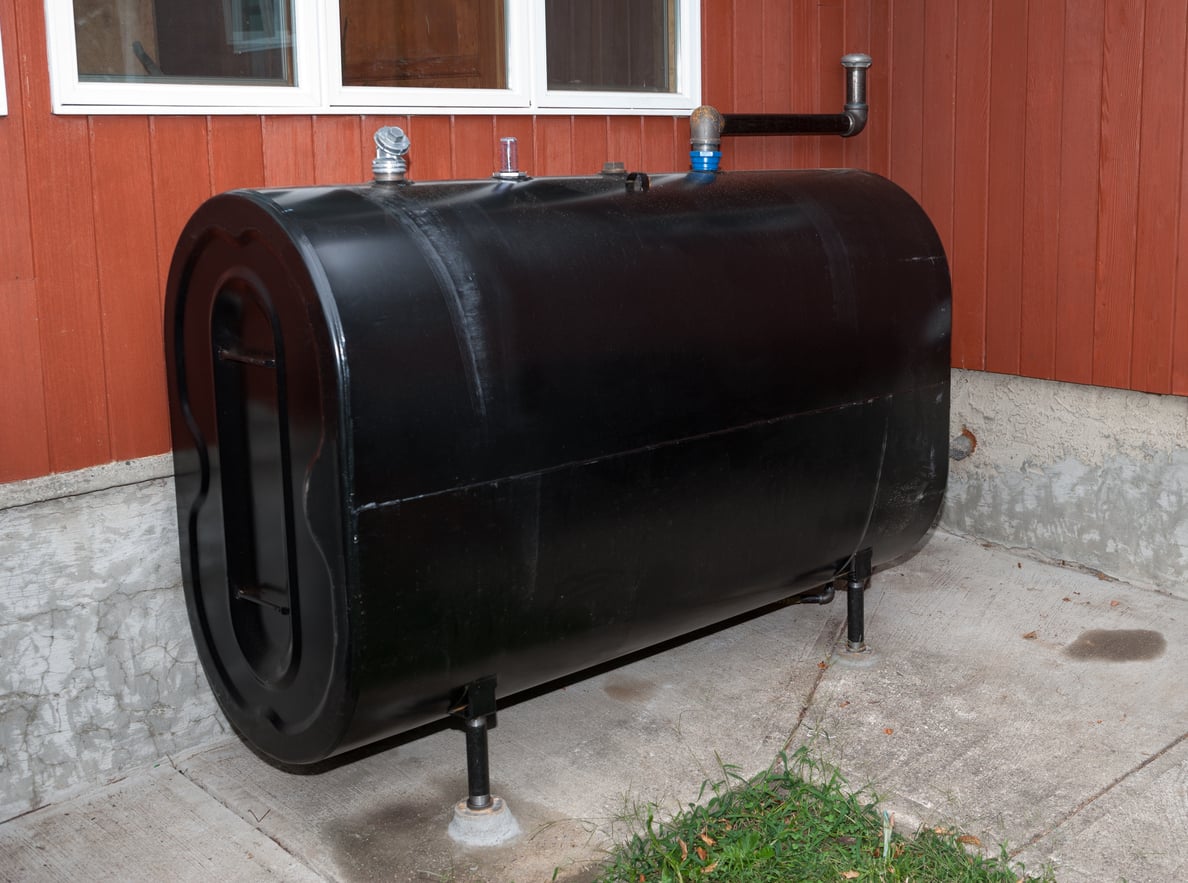
Heating oil posted an even steeper increase, rising 39.1% over the 12 months ending in July. This increase is highly regional: the Energy Information Administration says roughly 82% of U.S. households that primarily heat with oil are in the Northeast. But for households that do depend on it, switching fuels is hardly an overnight money-saving move. The price also fell in July, so the year-over-year number reflects how dramatically costs climbed earlier in 2026.
Homeowners Insurance

Home insurance remains one of the hardest household expenses to generalize because rates vary dramatically by location. Bankrate currently cites an average of $2,424 a year for $300,000 in dwelling coverage, based on sample rates refreshed in late 2025. More importantly, prices are still expected to climb: Cotality forecasts an approximately 8% increase nationally in 2026, while Swiss Re’s forecast is closer to 3%. That wide gap is a reminder that homeowners in wildfire, hurricane, hail, and other high-risk areas may experience something very different from the national average.
Airline Tickets

Anyone planning a retirement getaway or a flight to visit family has probably noticed the change. Airline fares were 25.5% higher in July than a year earlier, one of the largest increases among major consumer services. They also rose another 2.2% from June to July. If a comparable round-trip ticket had previously cost $400, a 25.5% increase would put it at roughly $502. Flexible travel dates can help, but travelers tied to holidays or family events may have fewer opportunities to shop around.
Medicare Part B Premiums
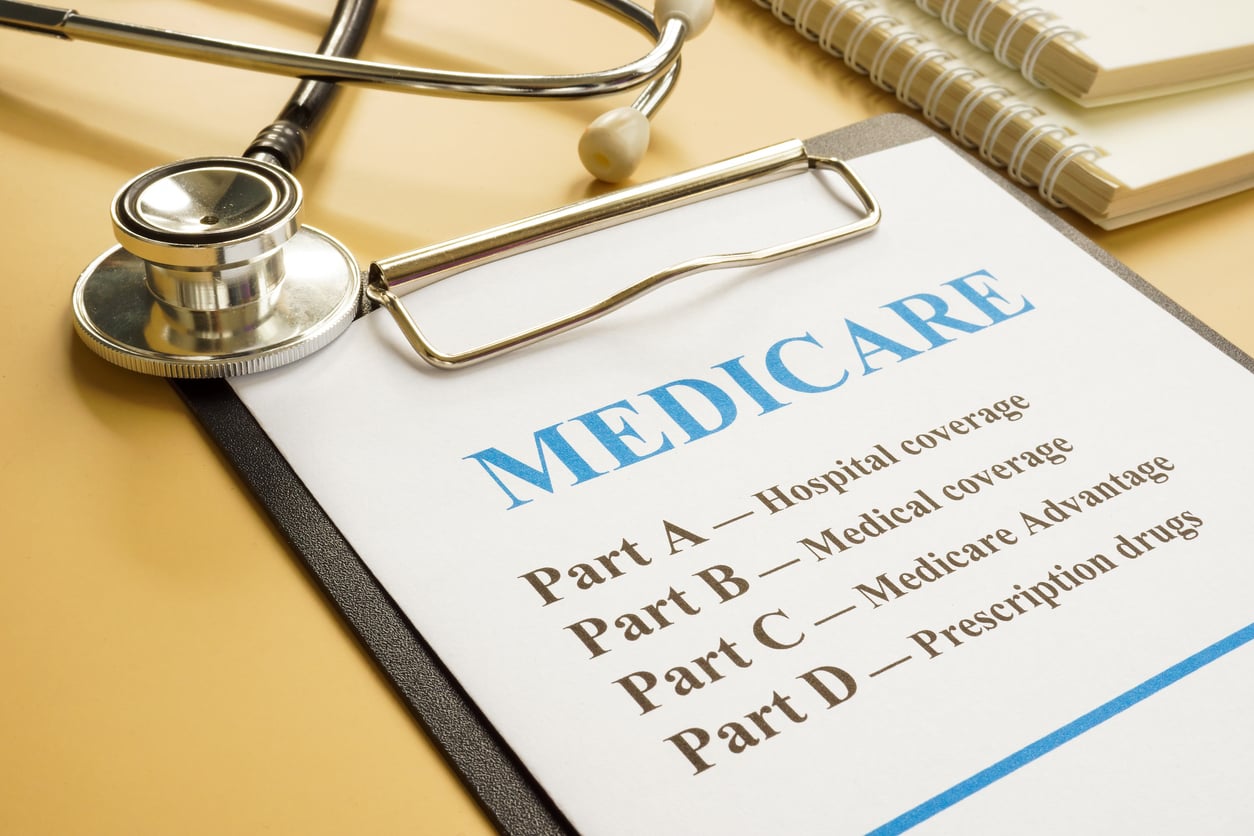
This increase is especially difficult to ignore because it lands directly in many retirees’ monthly budgets. The standard Medicare Part B premium climbed from $185 in 2025 to $202.90 in 2026, an increase of about 9.7%, or $214.80 over a full year. The annual Part B deductible also increased from $257 to $283. By comparison, Social Security benefits received only a 2.8% COLA this year, although an individual’s net benefit depends on their own Medicare and Social Security circumstances.
Trending on Cheapism


Hospital Services

Hospital-service prices rose 5.2% over the year ending in July, considerably faster than overall inflation. That does not mean every insured patient automatically pays 5.2% more, since actual out-of-pocket costs depend on coverage, deductibles, coinsurance, and the care received. Still, medical inflation matters more as healthcare use increases. Medicare costs moved higher too: the Part A inpatient hospital deductible is $1,736 in 2026, up $60 from last year, with additional coinsurance applying to longer hospital stays.
Car Maintenance and Repairs

Keeping an older vehicle on the road is getting more expensive. Motor-vehicle maintenance and repair prices increased 6.6% from July 2025 to July 2026, nearly twice the overall inflation rate. That’s the kind of expense that can be frustrating on a retirement budget because many repairs are not realistically optional. Delaying routine maintenance can also create larger bills later. The good news for drivers is that not every automotive expense is moving upward: used-vehicle prices were actually 1.9% lower than a year earlier.
Fresh Produce

Grocery inflation looks fairly manageable until you start breaking down the shopping cart. Food-at-home prices were up 2.7% over the year, but fruits and vegetables increased 5.1%, while fresh vegetables jumped 6.3%. Lettuce was 7.5% higher and tomatoes were up 12.8%. Prices can swing sharply from month to month – lettuce actually plunged 16.4% in July alone – so shoppers may get better value by buying what’s in season or substituting frozen vegetables, which were up only about 1.2% year over year.
Sign up for our newsletter
Electricity

Electricity prices were 4.2% higher in July than a year earlier, exceeding both the 3.4% overall inflation rate and Social Security’s 2.8% COLA. A 4.2% increase may not sound dramatic beside gasoline’s jump, but utilities recur every month. On a $200 electricity bill, that percentage amounts to another $8.40. Retirees who spend much of the day at home can have fewer opportunities to reduce heating or air-conditioning use, particularly during stretches of very hot or cold weather.
Natural Gas
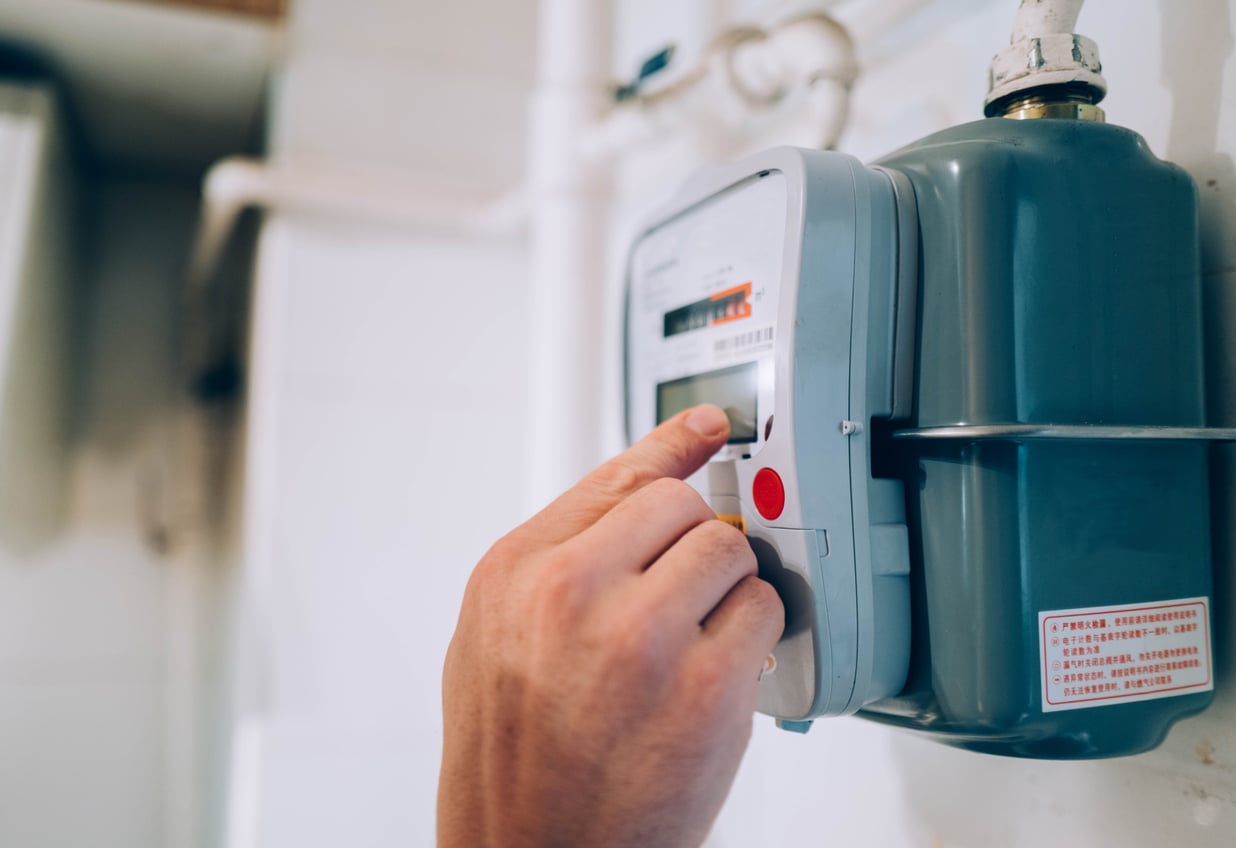
Utility-piped natural gas was 4.3% more expensive in July than a year earlier. That is a much smaller increase than heating oil’s 39.1%, but natural gas is used for heating, hot water, cooking, and other everyday household needs. The financial effect is also highly seasonal: a 4.3% increase on a $150 winter gas bill works out to about $6.45. Unlike restaurant meals or entertainment, however, there is only so far most households can comfortably cut back on home heating.
Rent and Other Shelter Costs

Housing hasn’t produced the year’s flashiest inflation number, but it can hurt precisely because the starting bill is so large. Shelter costs rose 3.2% year over year in July, while rent of a primary residence increased 2.9%. Those figures are near the overall inflation rate, yet a 3% increase on a four-figure monthly housing payment adds up quickly. This entry matters mainly to renters and homeowners still carrying substantial housing costs; boomers who own their homes outright are affected very differently.
Property Taxes

Owning a home outright does not mean housing costs stop rising. ATTOM’s latest nationwide property-tax study, released in April 2026, found that the average tax bill on a single-family home reached $4,427 in 2025, up 3% from 2024. Total property taxes levied rose 3.7%, while the average effective rate increased from 0.86% to 0.90%. Because these are 2025 tax figures published in 2026, they should not be treated as a measurement of how much property taxes have risen during 2026 itself.