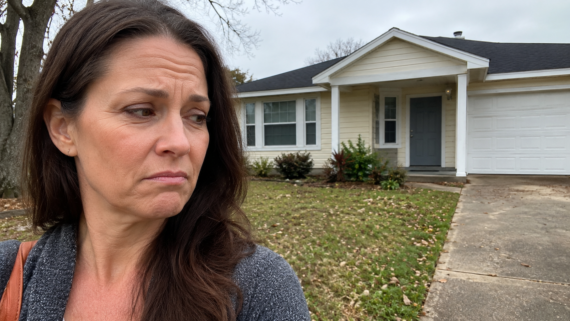
For generations, owning a home was a key life goal, but in recent decades, many young people do not view it quite the same way. Property owners face homeownership costs that tenants do not, according to the Tax Foundation and the Consumer Financial Protection Bureau, such as supplemental insurance, repairs, maintenance, and other expenses. We’ll reveal what those are.
Property Taxes That Keep Rising

Many people take out a mortgage to afford a home, but that does not eliminate property taxes. These are recurring homeownership costs that can rise as property assessments, local taxes rates, and public budgets change. In contrast, a renter does not receive a separate annual property tax bill, although these taxes indirectly influence rent prices, as landlords must cover those costs using rental income. The Tax Foundation found that the average single-family property tax bill rose about 3% to $4,427 in 2025.
Homeowners Insurance That Can Jump Even When the Mortgage Does Not
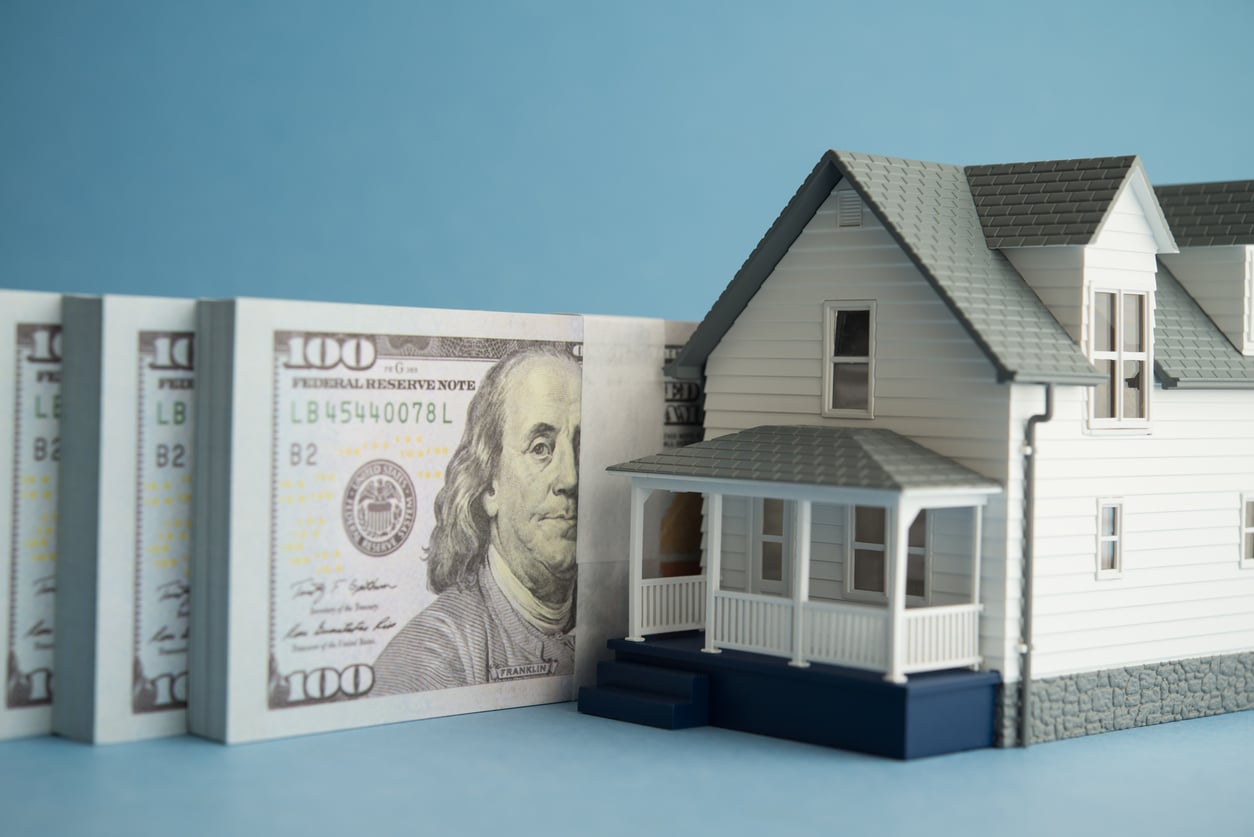
When you take out a mortgage, the fixed rate remains stable, making any interest costs predictable. However, insurance and property taxes are often collected through escrow, so these homeownership costs may rise. This contrasts with renters insurance, which is generally more limited in scope because it covers personal belongings and liability but not the cost of rebuilding the entire structure. The Tax Foundation also noted that standard homeowners insurance premiums are not tax deductible on federal income taxes if the property is your primary residence but can differ in situations such as qualifying home-office use.
Flood, Wind, and other Coverage the Basic Policy May Not Include
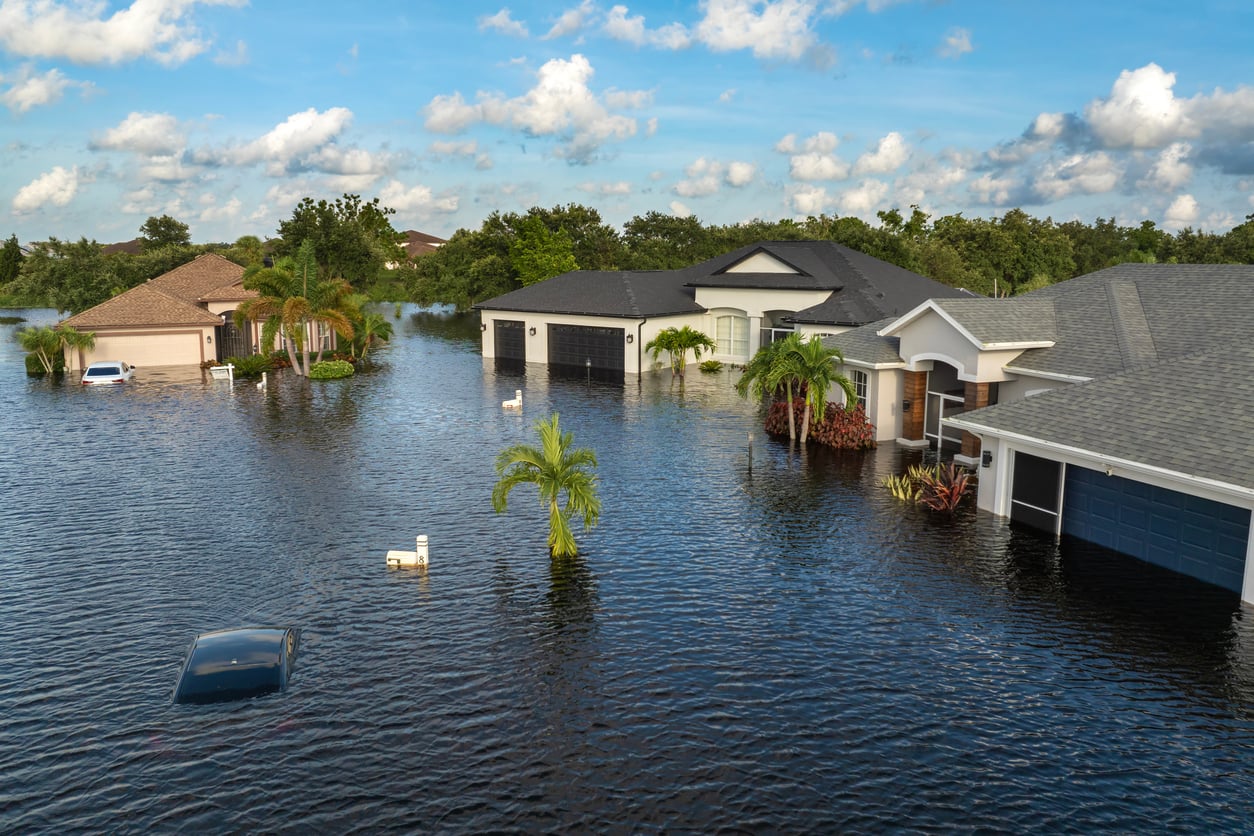
Standard homeowners’ insurance policies do not cover major disasters, such as flooding, that can affect a home, and homeowners may even have to pay extra for protection against wind, earthquakes, and other hazards depending on the property’s location. Renters, on the other hand, may prefer properties where they do not have to deal with exorbitant or complex homeownership costs. The Consumer Financial Protection Bureau noted that standard policies typically cover the dwelling, other structures, personal belongings and personal liability.
HOA Fees That Do Not Stay Frozen

The homeowners association (HOA) is a private organization, and its fees are not fixed. Consequently, this is another homeownership costs that can fluctuate when you own a home. Since these fees are tied to services such as water, trash collection, pest control, and the like, the amount will vary. In contrast, renters in managed communities have these expenses included in their rent.
Special Assessments That Can Arrive with Little Warning
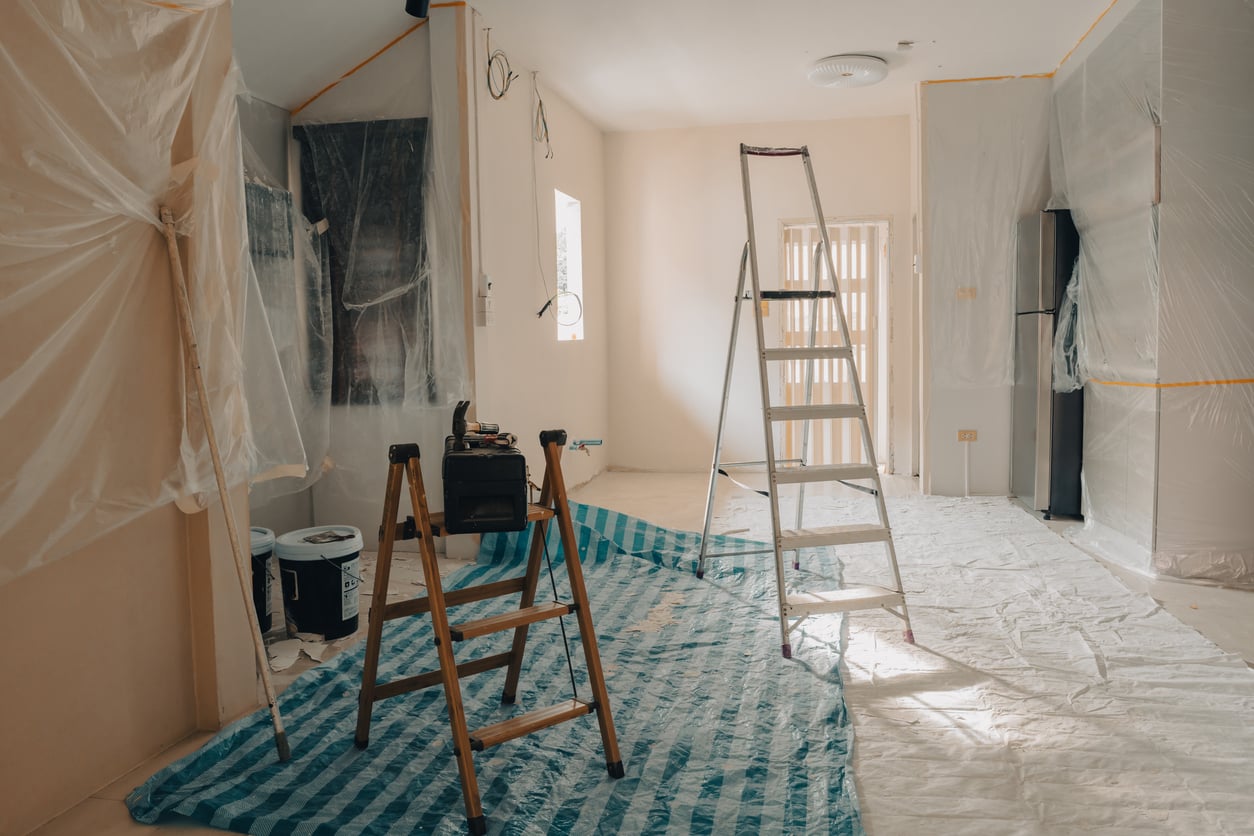
In addition to HOA fees, many homeowners must face special assessments when the association needs funds for major repairs or lacks adequate financial reserves. If the roof, elevators, structural elements, plumbing, or other components require repair, standard expenses will not cover the cost. These special assessments can therefore become significant homeownership costs, although their treatment in local tax-burden calculations depends on the methodology being used.
Trending on Cheapism


Routine Maintenance That Never Really Ends
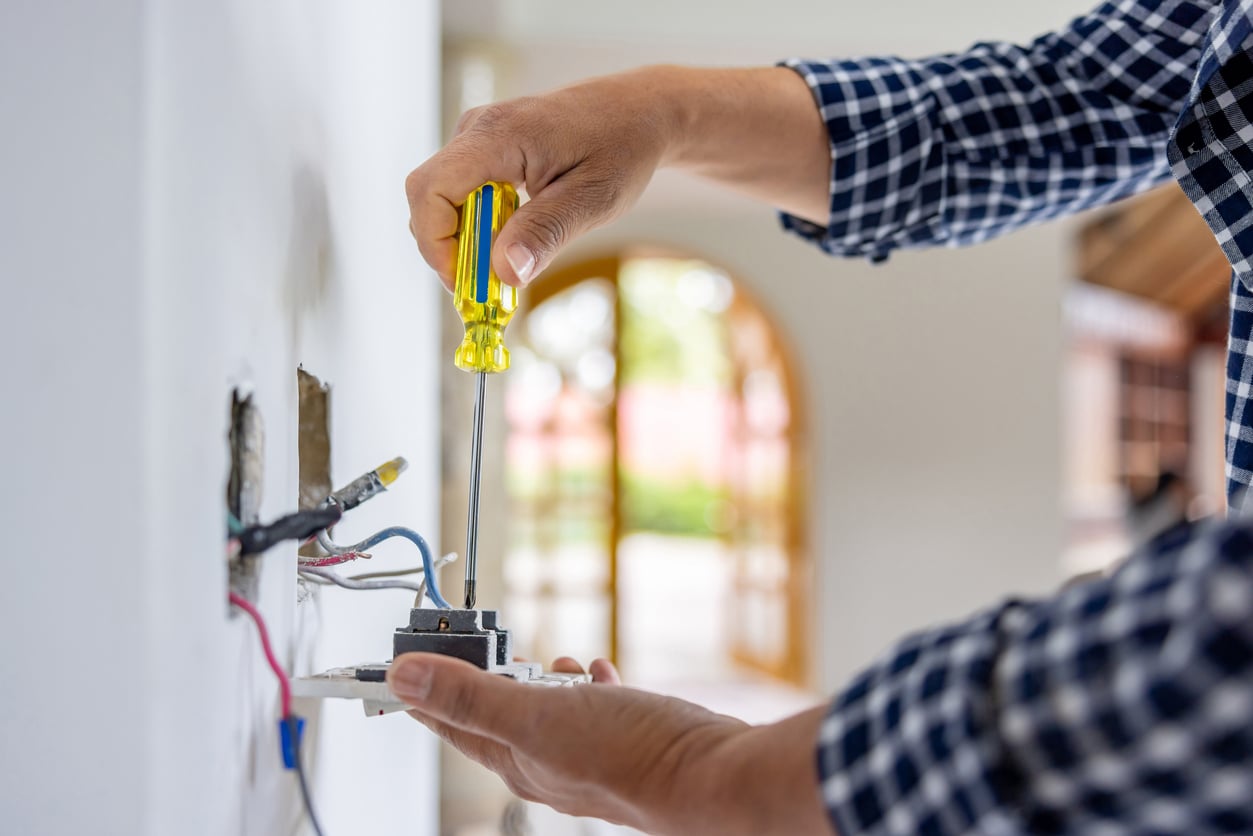
A property must be kept functional and damage to its components is prevented; this responsibility falls on the homeowners and entails investing money in the property. Whether the owners make repairs themselves or hire someone else to do so, they will have to dedicate both time and money to the task. A tenant’s responsibility in this regard is much simpler: Notifying the landlord that the property requires servicing. The CFPB advises homeowners to budget 1% of a home’s purchase price each year for routine maintenance.
Major Repairs and Replacements
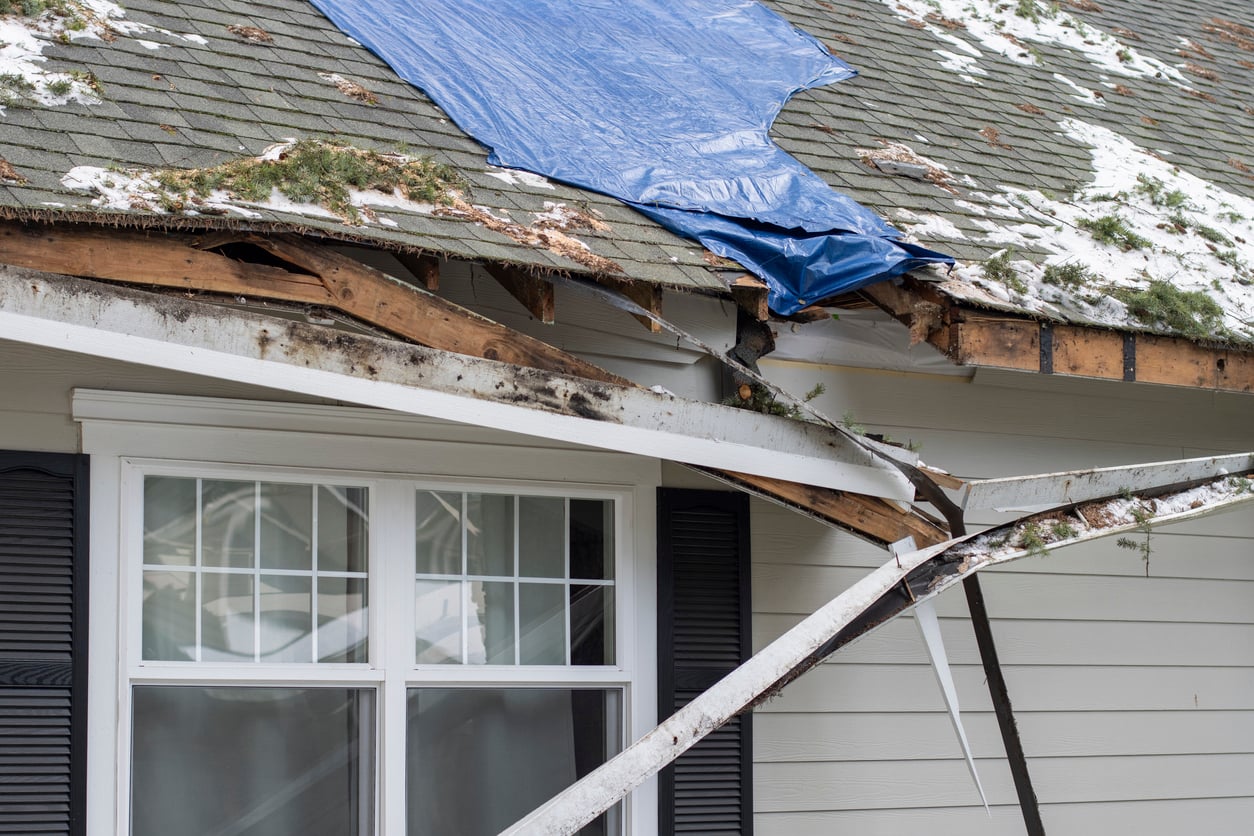
Major repairs or replacements needed to keep the property functional can cost thousands of dollars. Costs can run even higher when the work goes beyond routine maintenance or repairs to HVAC systems and water heaters. Unlike monthly utility bills, these homeownership costs are unpredictable and can arise unexpectedly. The CFPB recommends setting aside an emergency fund specifically for unplanned large property fixes.
Higher Utility Bills Than the Apartment You Left

When moving from an apartment to a house, you can expect to pay more for utilities, such as heating, cooling, electricity, and water, because a house typically has more space to cover. The CFPB recommends factoring in these utility costs, as they can vary based on the climate, local rates, property size, and energy efficiency. However, some rentals include these expenses in the monthly payment made to the landlord. Utilities can therefore become another significant category of homeownership costs.
Sign up for our newsletter
Lawn Care, Snow Removal, Pest Control, and Exterior Upkeep

The expenses associated with a home are not limited to its interior; outdoor areas also add to the cost. Lawn care, snow removal, pest control, and other maintenance tasks can become seasonal homeownership costs. Even if homeowners wish to handle these matters themselves, they would need to purchase tools and materials and dedicate time to the work.
Private Mortgage Insurance when the Down Payment Is Small

Buyers who are unable or unwilling to make a substantial down payment might face mortgage insurance costs in addition to interest, taxes, and insurance. The CFPB notes that mortgage insurance is required when borrowers make a down payment of less than 20% for many conventional loans, depending on the loan type and circumstances. Mortgage insurance can therefore add to homeownership costs. Renters do not pay private mortgage insurance because there is no mortgage to insure.
Closing Costs Before You Even Get the Keys

The CFPB estimates that closing costs typically range from 2% to 5% of the purchase price, excluding the down payment. This is why lender origination charges, appraisal fees, title services, insurance, government recording charges, and other fees add up to such a significant amount. Renters also face expenses such as application fees, broker fees, and moving costs, but these do not involve the same magnitude of cost as the home-buying transaction.
The Cost of Selling When you want To Move
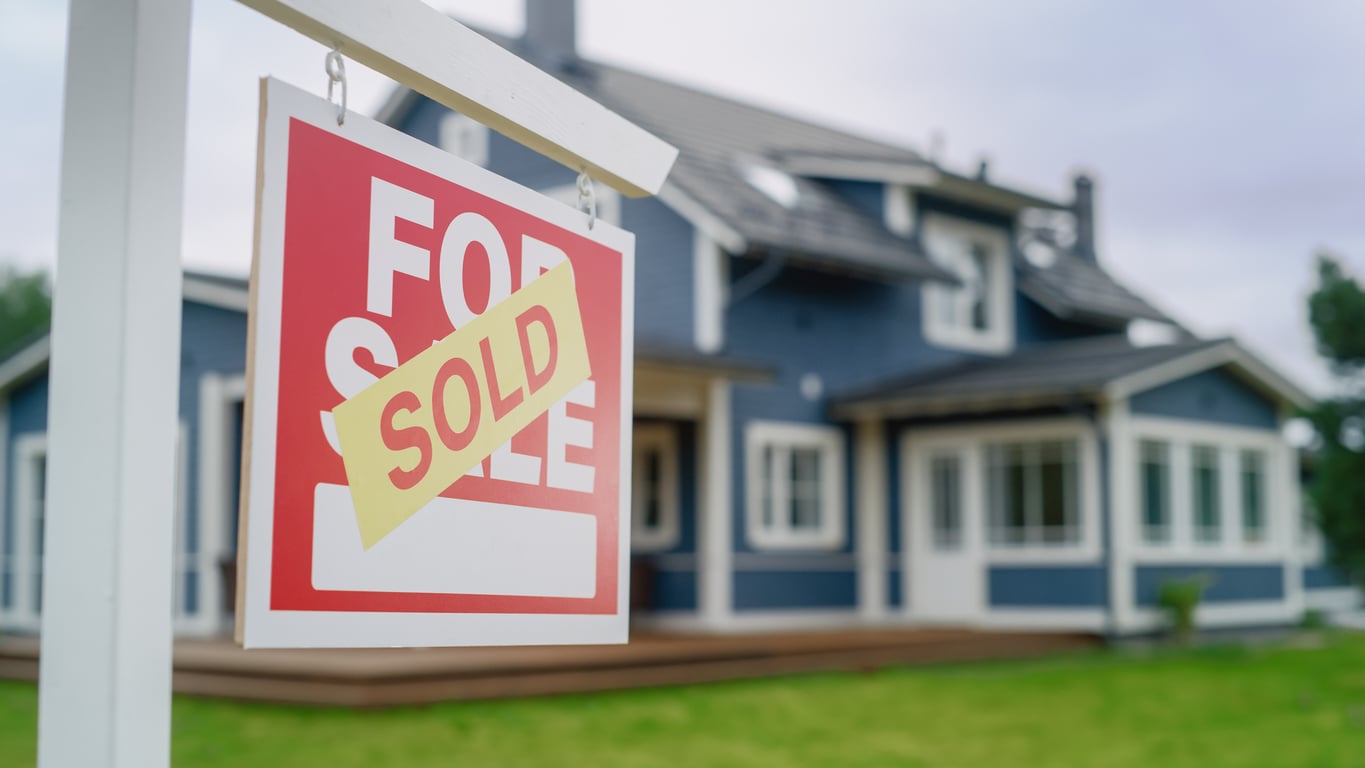
Buying a home requires money, but so does selling one, because homeownership involves transaction costs. When you sell a property, you may have to prepare it for the market, carry out repairs, cover moving expenses, and pay legal fees, can add up to your overall homeownership costs. Renters, on the other hand, enjoy greater flexibility, as long as they honor their lease, can relocate to a different city or property.
Conclusion

Being a renter does not make housing costs disappear, because landlords can factor taxes, insurance, maintenance, and other expenses into the rent, effectively passing those costs on to renters. The crucial difference between owning and renting lies in financial responsibility and cost predictability: A renter does not have to immediately cover a repair costing thousands of dollars, whereas a homeowner does. These differences help explain why homeownership costs can be substantially more variable.