
Money habits that drain retirement savings rarely involve one spectacularly bad financial decision. More often, it’s the smaller habits repeated year after year — spending a little too freely, carrying expensive debt, overlooking taxes, or assuming certain costs will somehow take care of themselves.
That’s particularly important when retirement could last 20 years or longer. Healthcare alone can take a sizable bite out of savings: Fidelity estimates that a 65-year-old retiring in 2026 may need about $185,500 for healthcare and medical expenses throughout retirement, and that doesn’t include most long-term care.
The answer isn’t to stop enjoying the money you spent decades saving. But avoiding these 15 habits can help keep unnecessary expenses from quietly eating away at your retirement nest egg.
Spending Like Every Year Is a Vacation Year

The first few years of retirement can feel like one long Saturday, which makes it tempting to finally take the big trips, tackle home projects, eat out more often, and dive into expensive hobbies. There’s nothing wrong with enjoying retirement, but turning that initial spending spree into your permanent lifestyle can put pressure on savings surprisingly quickly. An extra $10,000 in annual spending adds up to $200,000 over 20 years before even considering potential investment growth. Separating essential expenses from “fun money” gives you something you can scale back when necessary.
Carrying Credit Card Balances Month After Month

High-interest credit card debt is expensive at any age, but it can become especially troublesome after your paycheck disappears. Every dollar going toward interest is a dollar that can’t cover groceries, healthcare, travel, or other retirement expenses. The Consumer Financial Protection Bureau has also warned about the financial challenges posed by older Americans entering retirement with debt. If you’re routinely carrying balances, prioritizing your highest-interest debt can prevent interest charges from becoming another permanent line item in your retirement budget.
Increasing Your Lifestyle Every Time Investments Rise

A booming stock market can make your retirement account look considerably healthier almost overnight, but that doesn’t necessarily mean you’ve received a permanent raise. Markets fluctuate, and increasing your recurring spending every time your portfolio has a good year can leave you scrambling when the next downturn arrives. Instead of treating temporary investment gains as permission to permanently upgrade your lifestyle, periodically review spending against your overall retirement plan, expected longevity, inflation, and current portfolio value.
Refusing to Cut Spending During a Market Downturn

One of the nastier risks retirees face is having to sell investments after they’ve fallen substantially in value. This is part of what’s known as sequence-of-returns risk: Poor market returns early in retirement can be particularly damaging because you’re withdrawing money while your portfolio is already down. Having some discretionary expenses you can temporarily reduce — whether that’s travel, restaurant meals, or a major purchase — can give investments more breathing room rather than forcing you to maintain exactly the same spending during every market environment.
Treating a Paid-Off Home Like Free Housing

Making your final mortgage payment is a major financial milestone, but unfortunately, the house doesn’t stop sending bills afterward. Property taxes, homeowners insurance, utilities, appliances, plumbing, roofs, HVAC systems, and ordinary maintenance can all continue eating into your budget. An older home may also eventually require accessibility modifications. Rather than treating a mortgage-free house as a zero-cost place to live, build home maintenance and repairs into your retirement budget — especially if you’re staying in a larger house than you actually need.
Trending on Cheapism


Supporting Adult Children Without Setting Limits

Helping your kids through a difficult stretch is one thing. Quietly becoming responsible for their rent, car payments, debt, vacations, or other bills indefinitely is something else. Even seemingly manageable assistance can become expensive over time: $500 a month amounts to $60,000 over 10 years. Retirees also have less opportunity to replace depleted savings through future earnings than their adult children generally do. Decide how much help you can comfortably provide before temporary assistance turns into a permanent household expense.
Claiming Social Security Without Comparing Your Options
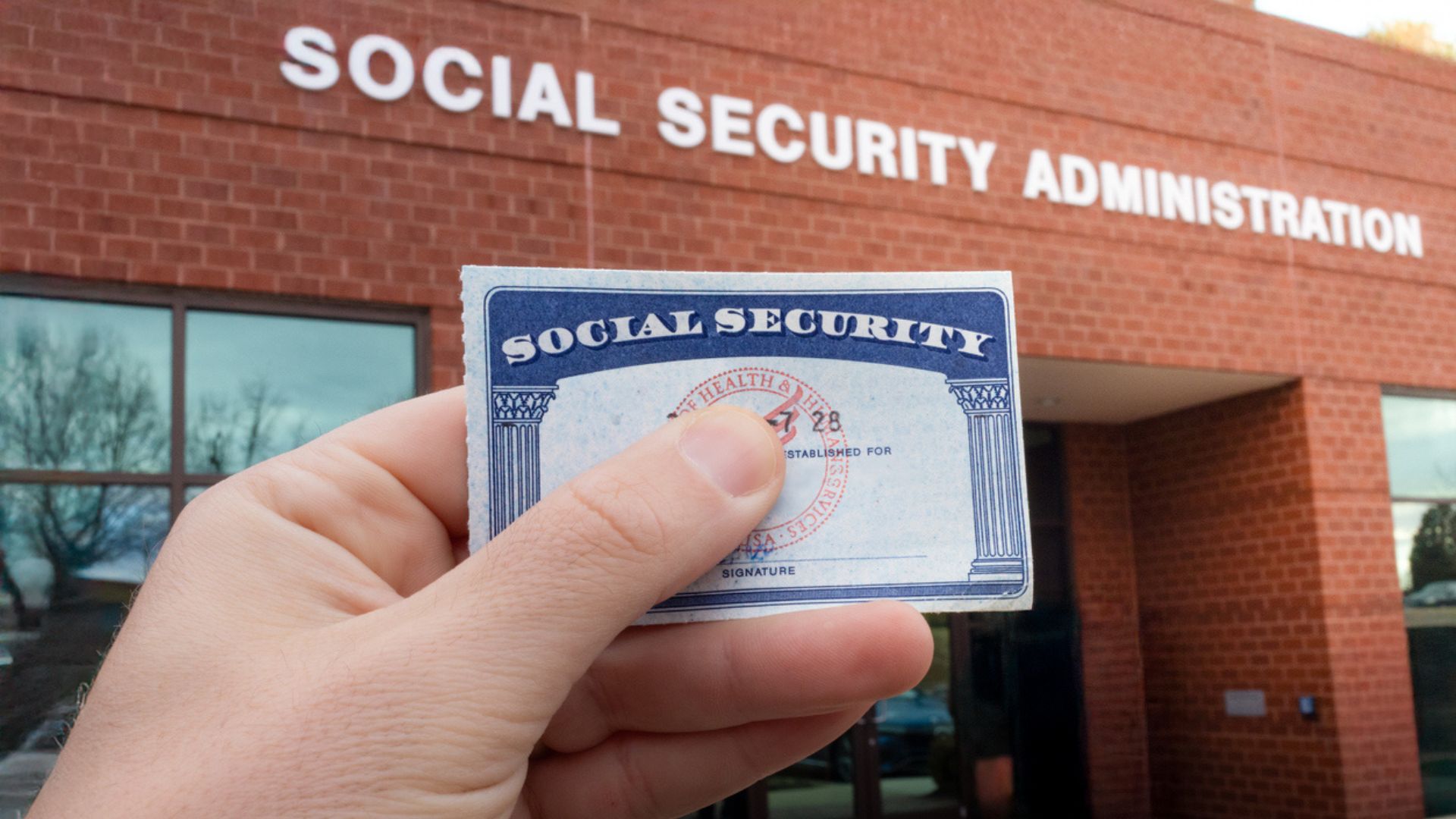
There’s no universally perfect age to claim Social Security, but automatically filing as soon as you’re eligible can leave money on the table over the long term. For people born in 1960 or later, full retirement age is 67. Someone in that group who waits until 70 can receive 124% of their full-retirement-age benefit, according to the Social Security Administration. That doesn’t mean everyone should wait — health, marital circumstances, other savings, and immediate income needs all matter — but it’s worth comparing the long-term numbers before making an irreversible decision.
Making Big Retirement Withdrawals Without Thinking About Taxes

That $50,000 car might require withdrawing considerably more than $50,000 from a traditional IRA or 401(k). Distributions from traditional retirement accounts are generally taxable income, meaning a large withdrawal for a vehicle, renovation, vacation, or other purchase can generate an additional tax bill. It may even have consequences beyond federal income taxes, including higher Medicare premiums. Before tapping a retirement account for a major expense, calculate what the purchase will actually cost after taxes rather than focusing only on the sticker price.
Sign up for our newsletter
Ignoring Medicare’s Income Surcharges
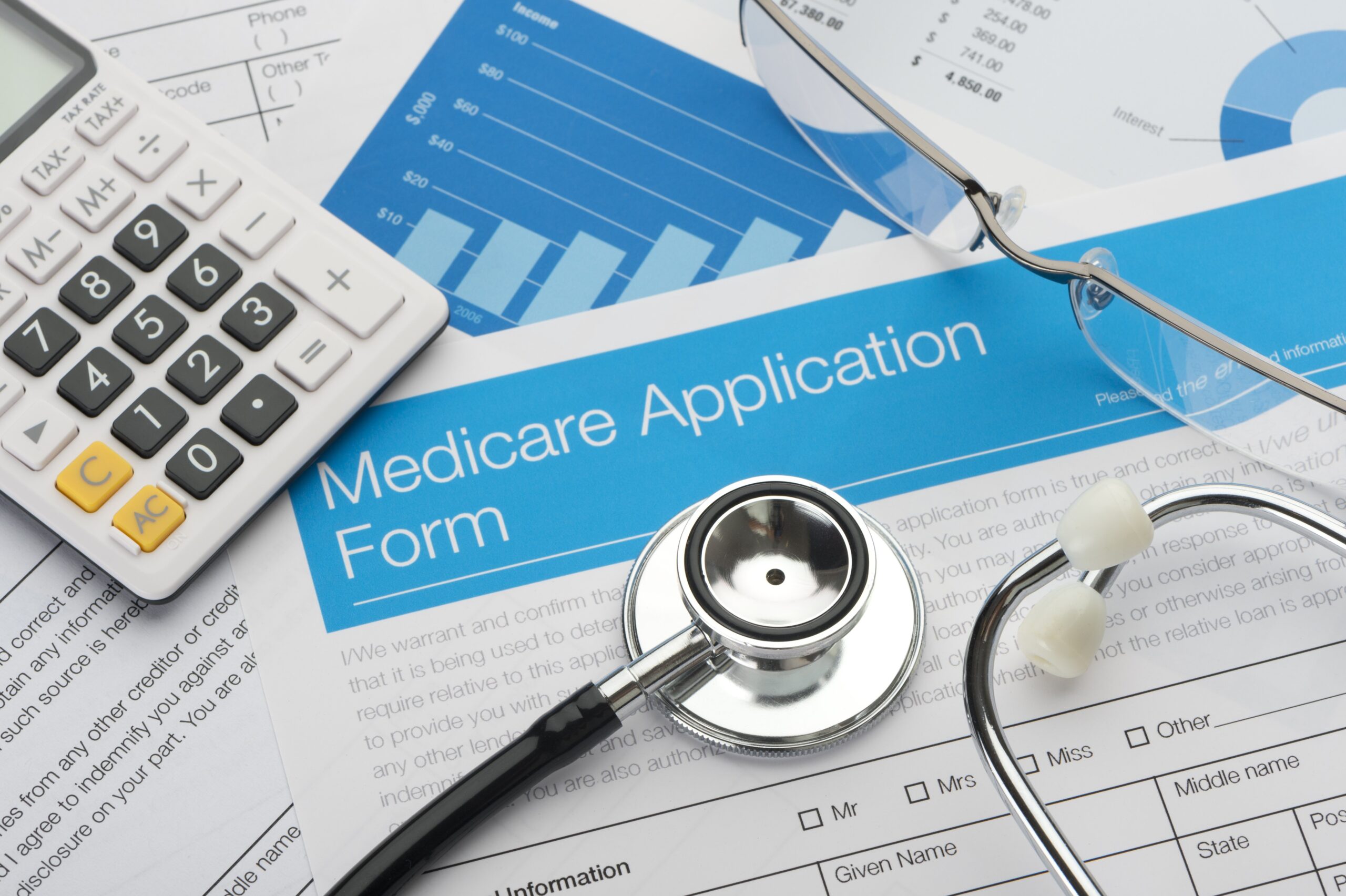
Medicare Part B doesn’t cost everyone the same amount. In 2026, the standard monthly Part B premium is $202.90, but higher-income beneficiaries pay an Income-Related Monthly Adjustment Amount, or IRMAA. At the highest income tier, Part B alone can reach $689.90 per month per person. That’s why a large taxable retirement withdrawal or significant realized investment gain can have consequences you weren’t expecting. When planning major financial moves, consider whether the extra income could affect future Medicare premiums along with your immediate tax bill.
Forgetting About Required Minimum Distributions

You generally can’t leave money sitting untouched in traditional retirement accounts forever. Under current rules, most traditional IRA owners must begin taking required minimum distributions, or RMDs, at age 73. There’s another potential surprise during the first year: Delaying that first distribution until the following year’s April 1 deadline can result in taking two taxable RMDs during the same calendar year. Planning ahead can give you more time to understand how mandatory distributions could affect your taxable income instead of discovering the consequences when they arrive.
Assuming Medicare Covers Every Healthcare Expense

Getting Medicare doesn’t mean healthcare suddenly becomes free. Retirees can still face premiums, deductibles, copays, prescription costs, dental care, vision expenses, and services Medicare doesn’t fully cover. Fidelity estimates that a 65-year-old retiring in 2026 could need about $185,500 for healthcare and medical expenses over retirement — excluding most long-term care. Rather than treating medical bills as unpredictable emergencies, give healthcare its own place in your retirement budget from the beginning.
Pretending Long-Term Care Will Sort Itself Out

Long-term care is easy to ignore when you’re healthy, but waiting until care is actually needed can leave families with fewer choices. CareScout puts the 2025 national median cost of assisted living at $74,400 annually, while a private room in a nursing home had a median cost of $129,575 a year. Actual expenses vary considerably depending on where you live and the level of care required, but they’re potentially large enough to derail an otherwise solid retirement plan. Consider savings, insurance, aging-in-place expenses, housing, and family support before care becomes an immediate necessity.
Keeping Every Dollar in Cash Because Investing Feels Too Risky
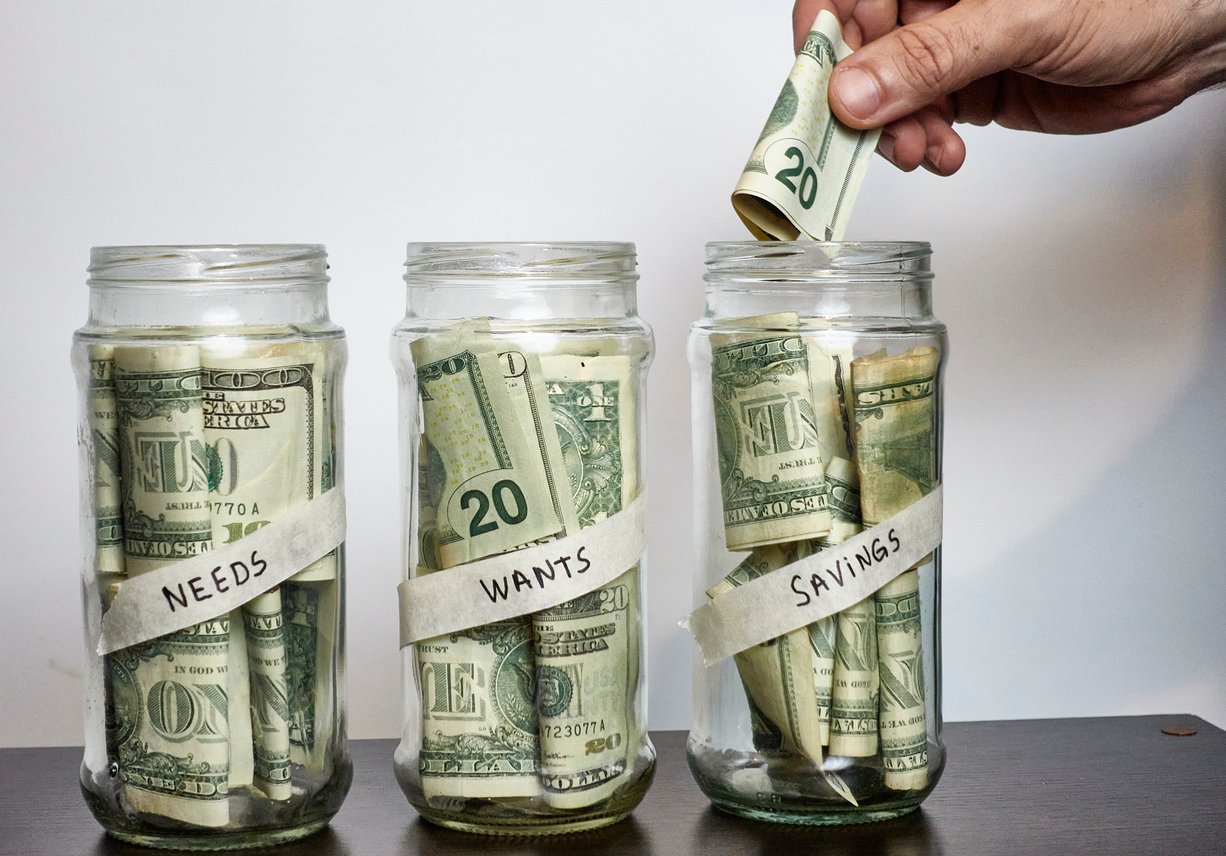
Watching your retirement savings bounce around with the stock market can be uncomfortable, so moving everything into cash might seem like the safest option. But eliminating investment risk introduces another problem: inflation. Even modest inflation steadily reduces what the same amount of cash can buy, which matters when your money may need to last another 20 or 30 years. Keeping an appropriate short-term reserve can help with immediate expenses, but your longer-term strategy may still need some growth potential based on your risk tolerance and financial circumstances.
Making Huge Impulse Purchases Because You’ve Earned It

After decades of working and saving, it’s understandable to want the boat, RV, luxury car, second home, or dream renovation you’ve been putting off. The problem is that the price tag may only be the beginning. Insurance, maintenance, storage, fuel, taxes, utilities, repairs, and financing can turn a one-time splurge into years of additional expenses. And if you fund the purchase with a large taxable retirement-account withdrawal, there may be a tax bill on top of everything else. Before buying, calculate what it could cost to own for the next five years.
Moving Money Because a Stranger Says It’s an Emergency
A frightening call about a compromised bank account can make anyone act before thinking, and scammers know it. The Federal Trade Commission says older adults reported more than $3 billion in fraud losses during 2025, with some victims persuaded to move savings after being told their money was in danger. No legitimate emergency requires blindly following instructions from an unsolicited caller, text, email, or pop-up. If someone claims there’s a problem with your bank, brokerage account, government benefits, or a family member, stop and independently contact the organization or person using information you already trust.
Small Habits Can Create Big Retirement Expenses

The expenses most likely to hurt a retirement plan aren’t necessarily extravagant vacations or luxury cars. Recurring costs, high-interest debt, avoidable taxes, poorly timed withdrawals, and expenses you never planned for can quietly do plenty of damage on their own.
Retirement spending also doesn’t have to stay exactly the same every year. Building some flexibility into your budget can make it easier to respond to market downturns, healthcare expenses, inflation, and other changes without constantly raiding savings.
The goal isn’t to spend retirement worrying about every dollar. It’s to recognize which financial habits are quietly consuming money so you can spend more of your savings on the parts of retirement you actually care about.