
Where you live can make a huge difference in how much of your retirement budget a Social Security check can cover. Housing, groceries, transportation, healthcare, utilities, and taxes all vary considerably from state to state, which means the same monthly benefit can feel much more generous in one part of the country than another.
AARP’s 2026 analysis found that Social Security tends to stretch furthest in states where relatively low basic living expenses overlap with solid average benefit amounts. A separate FinanceBuzz analysis, which uses a broader measure of spending among Americans 65 and older, came to a somewhat different ranking but also favored several affordable states in the Midwest and South.
That doesn’t necessarily make these the best states for every retiree. Healthcare access, insurance, weather, taxes, and proximity to family all matter. But if stretching a fixed income is a priority, these 12 states deserve a closer look.
Indiana
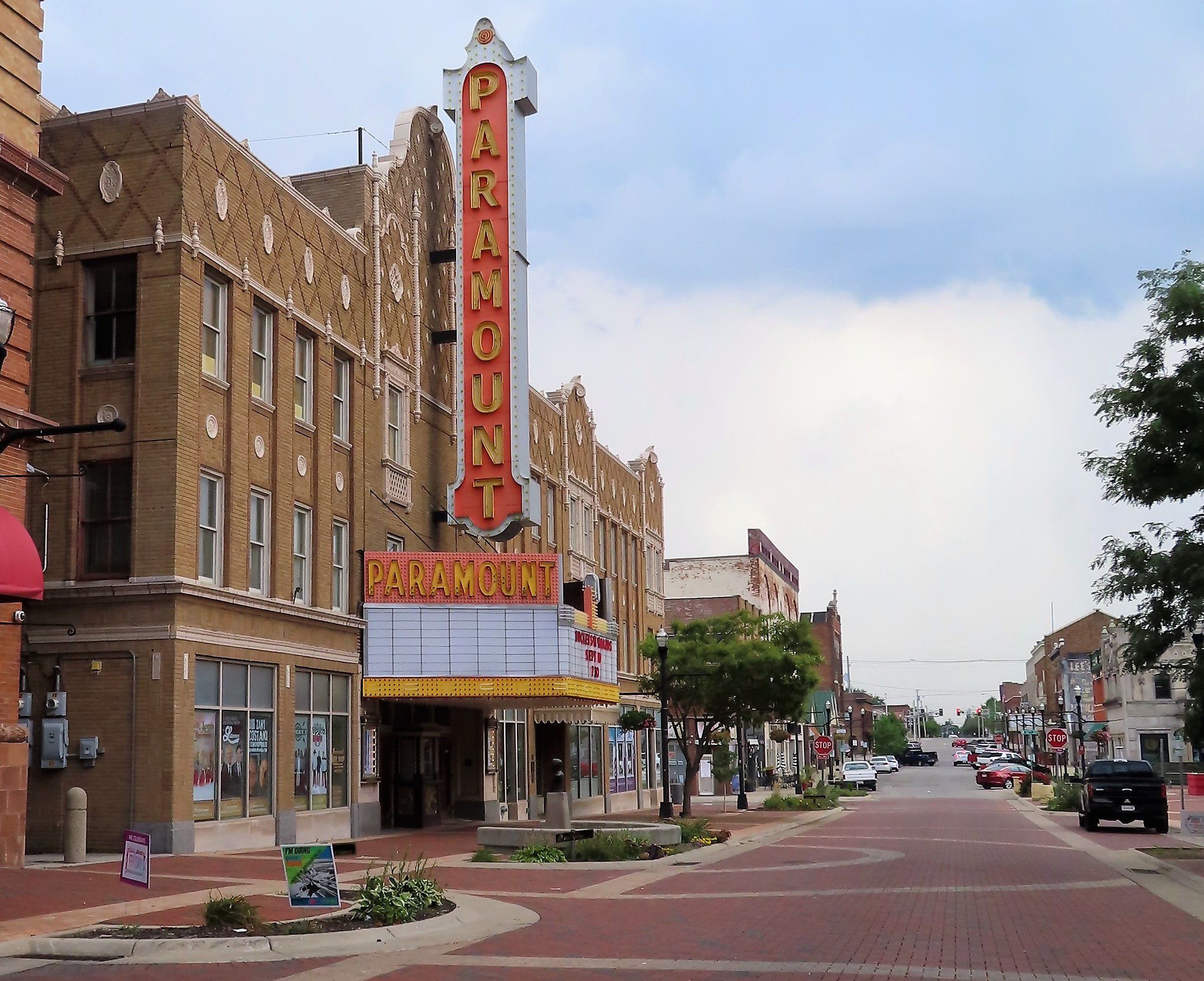
Indiana stands out when it comes to making a Social Security check last. AARP found that the state’s average monthly benefit of about $2,034 covered roughly 87.2% of estimated basic expenses, one of the strongest showings in the country. FinanceBuzz also ranked Indiana highly, estimating that benefits cover about 43.5% of its broader measure of annual spending among residents 65 and older. Indiana doesn’t tax Social Security benefits at the state level, either, and its individual income tax rate dropped to 2.95% in 2026. Just don’t assume every part of the state is equally inexpensive — Indianapolis and some of its suburbs can cost considerably more than smaller communities.
West Virginia
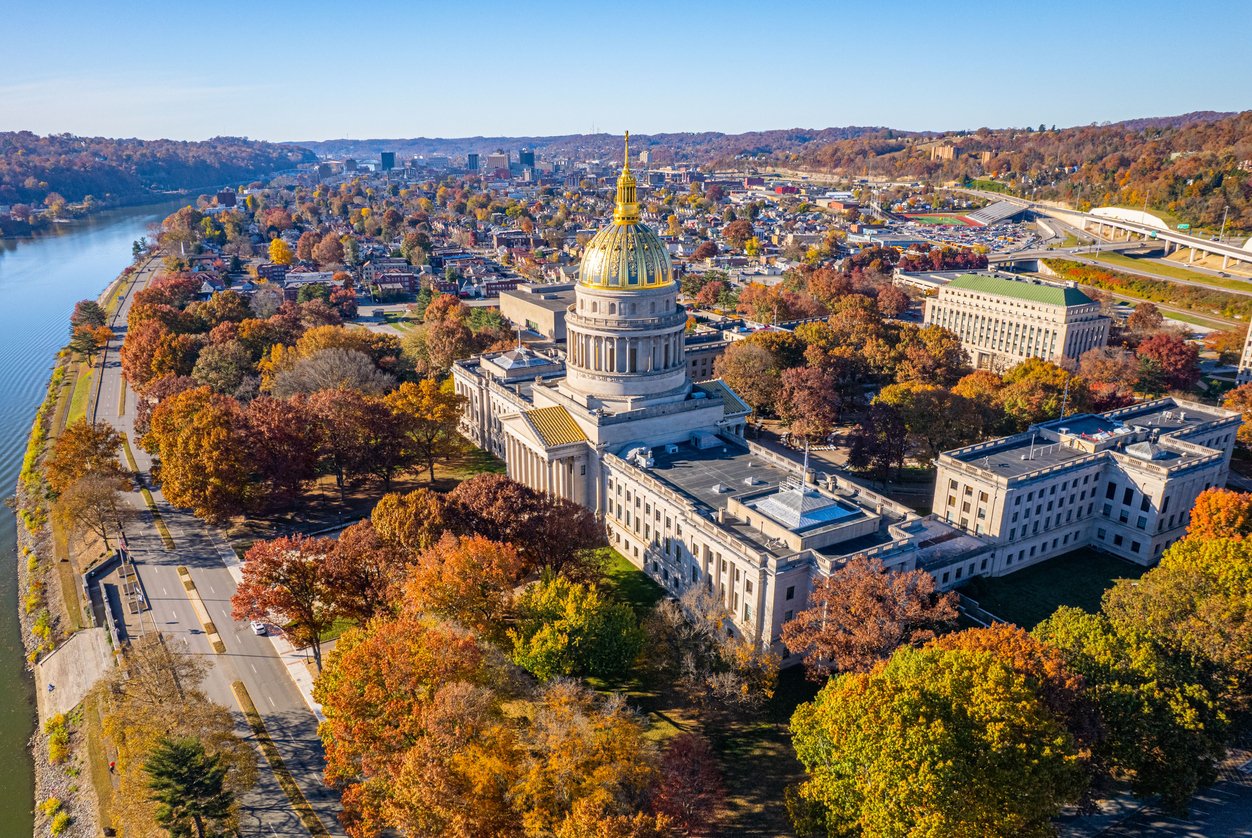
Cheap housing is one of the biggest reasons Social Security can go relatively far in West Virginia. AARP identified the state as another standout for retirees trying to cover basic necessities with their monthly benefits. That’s especially appealing for homeowners who have already paid off their mortgages. There is a trade-off, however: Some of the state’s least expensive communities are rural, so retirees may need to budget more for transportation and consider how easily they can reach hospitals, specialists, and other healthcare services.
Alabama

Alabama combines relatively low living costs with tax treatment that can be friendly to Social Security recipients. AARP included it among the states where benefits stretch especially far, while FinanceBuzz estimated annual expenses of about $54,343 for residents 65 and older and average annual Social Security benefits of roughly $22,962. The state also excludes Social Security benefits from taxable income. Housing can be particularly affordable compared with pricier parts of the country, although homeowners shouldn’t forget expenses such as air conditioning and property insurance when figuring out their actual monthly budget.
Michigan
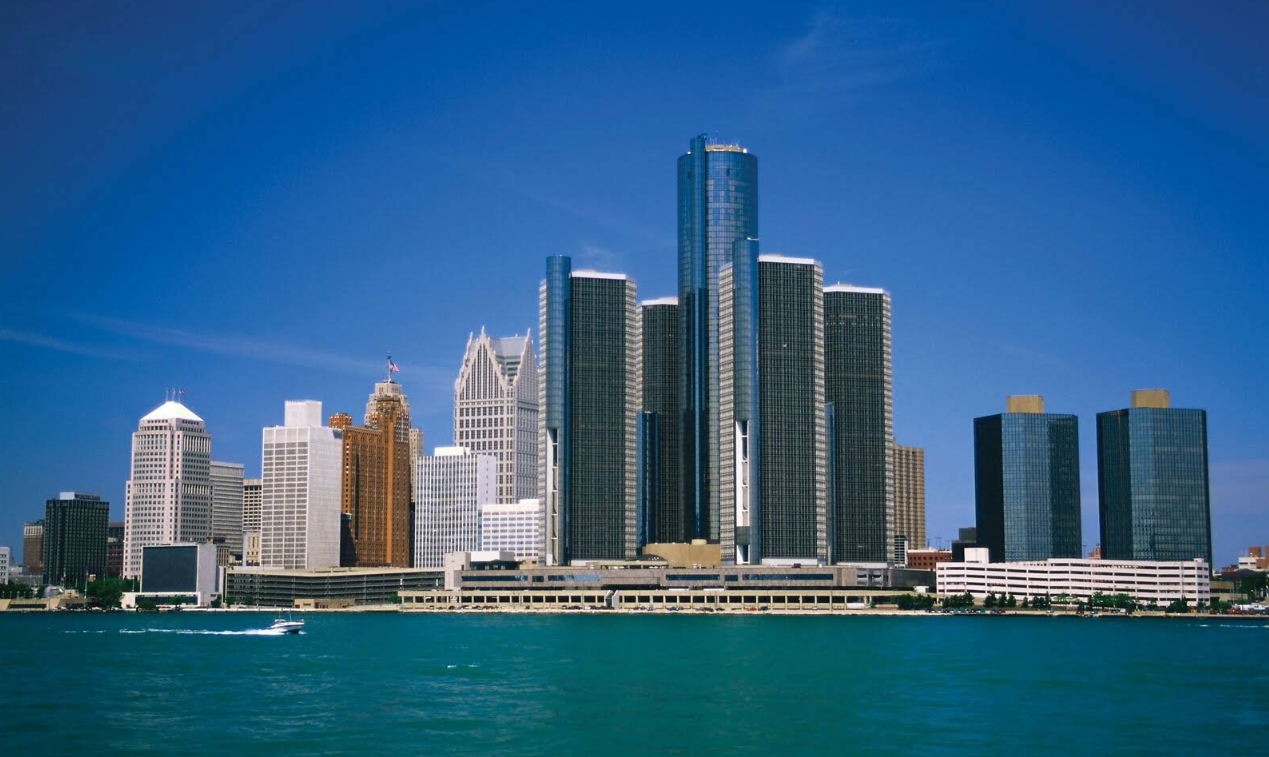
Michigan offers something retirees won’t find in many popular retirement destinations: relatively affordable homes in plenty of communities, including smaller cities outside the state’s most expensive areas. FinanceBuzz estimates that the average annual Social Security benefit of roughly $24,705 covers about 42.2% of its estimated spending for residents 65 and older, and Michigan also appeared among AARP’s standout states. But a cheap home doesn’t automatically equal cheap living. Property taxes can vary substantially, and anyone accustomed to warmer weather should account for winter heating bills.
Kansas

Under FinanceBuzz’s methodology, Kansas comes out especially strong. The analysis estimates that an average annual Social Security benefit of about $24,603 covers roughly 44.8% of annual expenses for residents 65 and older. Housing and other necessities remain relatively manageable across many of the state’s smaller cities, giving retirees options beyond expensive major metros. Homeowners should pay attention to property taxes, though. A low purchase price can become less impressive once the ongoing costs of owning the house are added to the equation.
Trending on Cheapism


Oklahoma

Oklahoma is another state where relatively inexpensive everyday living helps Social Security stretch further. FinanceBuzz estimates annual expenses for older residents at about $52,179, with an average Social Security benefit of roughly $23,020 covering 44.1% of that amount. Oklahoma’s top individual income tax rate also fell to 4.5% in 2026. Housing costs can be attractive in and around Oklahoma City, Tulsa, and smaller communities, but retirees considering buying a home should investigate insurance costs and the financial risks associated with severe weather rather than looking at home prices alone.
Iowa

Iowa doesn’t have the retirement-destination reputation of Florida or Arizona, but that can work in a budget-conscious retiree’s favor. FinanceBuzz estimates that average annual Social Security benefits of around $23,867 cover roughly 42.8% of its estimated $55,827 in annual expenses for residents 65 and older. Smaller Iowa cities can offer housing costs well below those in many coastal retirement hotspots. Property taxes and winter expenses can complicate the picture, however, so retirees should calculate the full cost of owning a home rather than focusing only on an affordable listing price.
Nebraska

Nebraska offers another example of how relatively manageable Midwestern living costs can help a fixed income go further. FinanceBuzz estimates average Social Security payments of about $24,053 a year against approximately $56,630 in annual expenses, meaning benefits cover around 42.5%. Nebraska’s top individual income tax rate also dropped from 5.2% to 4.55% in 2026. Omaha and Lincoln will offer a different financial picture from the state’s smaller communities, and homeowners should pay close attention to property taxes when calculating whether a move would actually save them money.
Sign up for our newsletter
Missouri

Missouri gives retirees a wide range of choices, from rural towns and inexpensive smaller cities to major metros such as Kansas City and St. Louis. FinanceBuzz estimates that Social Security covers about 42.2% of annual expenses for older residents. Housing can remain particularly affordable away from the most desirable neighborhoods of the two biggest metros, while cities such as Springfield offer another lower-cost alternative. The advantage of having so many options is also why statewide averages need some context: A retiree’s budget in rural Missouri could look dramatically different from one in a popular Kansas City suburb.
Tennessee

Tennessee has become a popular destination for retirees, but affordability depends heavily on where you settle. FinanceBuzz estimates that average Social Security benefits cover about 42% of annual expenses for residents 65 and older. The state also has no individual income tax, which can simplify the tax picture for retirees with income beyond Social Security. Nashville’s rapid growth means its housing costs can look nothing like statewide averages, though. Retirees prioritizing affordability may find their money goes considerably further in places such as Knoxville, Chattanooga, or smaller communities.
South Carolina

South Carolina can offer retirees lower costs than many other popular warm-weather destinations, particularly if they’re willing to look beyond the coast. FinanceBuzz estimates average annual Social Security benefits of roughly $23,975 against about $57,187 in annual spending for older residents, meaning benefits cover around 41.9%. The biggest caveat is location. Charleston and popular beach communities can be dramatically more expensive than inland parts of the state, and homeowners insurance can add another sizable expense in coastal areas.
Mississippi

Mississippi had the lowest estimated annual expenses for residents 65 and older in FinanceBuzz’s state-by-state analysis, at about $52,859. Its average Social Security benefit was also lower, at approximately $21,809 annually, but that was still enough to cover roughly 41.3% of estimated spending. The state doesn’t include Social Security benefits in taxable income, and its individual income tax rate fell to 4% in 2026. Low housing costs can make Mississippi particularly appealing on paper, but healthcare access and homeowners insurance deserve a closer look, especially in rural communities and along the Gulf Coast.
Where You Live Is Only Part of the Equation

Moving somewhere inexpensive can certainly help a Social Security check last longer, but the state you choose isn’t necessarily the biggest factor. Housing can make an enormous difference. AARP found that average Social Security benefits still aren’t enough to fully cover basic expenses for renters or homeowners with a mortgage anywhere in the country.
That means someone with a paid-off house may be in a very different financial position from a renter receiving the same monthly benefit — even if they live in the same state. Before packing up for somewhere cheaper, calculate property taxes, homeowners insurance, utilities, transportation, healthcare, and other recurring costs alongside housing.
And don’t put too much faith in statewide averages. Living in rural Indiana or Tennessee can produce a very different retirement budget from living near Indianapolis or Nashville. Social Security can go a long way in the right circumstances, but it’s still best viewed as one part of a retirement budget rather than a guarantee that every expense will be covered.