

These retirement facts 2026 may come as a surprise, and not all of them involve figuring out investments or stretching your savings. Some have to do with healthcare and Social Security, while others are about the much more ordinary question of what happens when work no longer organizes five days of your week.
There are also some long-standing retirement assumptions that no longer hold up. Turning 65, for example, can make you eligible for Medicare, but that doesn’t necessarily mean you’ve reached full Social Security retirement age. And while leaving work can eliminate certain expenses, it can introduce entirely new ones.
Whether retirement is right around the corner or still a few years away, here are 15 things worth knowing before your last day on the job.
Turning 65 Doesn’t Mean You’ve Reached Full Social Security Retirement Age

For decades, 65 has been treated as the retirement age, but that number now means different things depending on which benefit you’re talking about. Medicare eligibility generally begins around 65, while the Social Security full retirement age is 67 for people born in 1960 or later. You can still start collecting Social Security earlier, but doing so generally means accepting a reduced monthly benefit. In other words, Medicare enrollment and claiming Social Security should be treated as two separate decisions.
You Can Keep Working After You Start Social Security

Starting Social Security doesn’t require handing in your resignation. Retirees can continue working while receiving benefits, and once you’ve reached full retirement age, earnings from a job no longer reduce your Social Security benefit. Things get more complicated if you claim before full retirement age and earn more than certain limits. Still, anyone imagining a gradual transition into retirement should know that collecting Social Security and having a paycheck aren’t mutually exclusive.
Medicare Doesn’t Cover Nearly as Much as You Might Think

Getting Medicare doesn’t mean saying goodbye to healthcare bills. Original Medicare generally doesn’t cover routine dental care, hearing aids, routine eye exams for glasses, or long-term custodial care. Depending on what you need, those gaps can become significant expenses later in retirement. Some Medicare Advantage plans and other coverage may offer additional benefits, but retirees shouldn’t build a healthcare budget around the assumption that Medicare will pick up virtually every bill.
Missing Your Medicare Sign-Up Window Can Follow You for Years
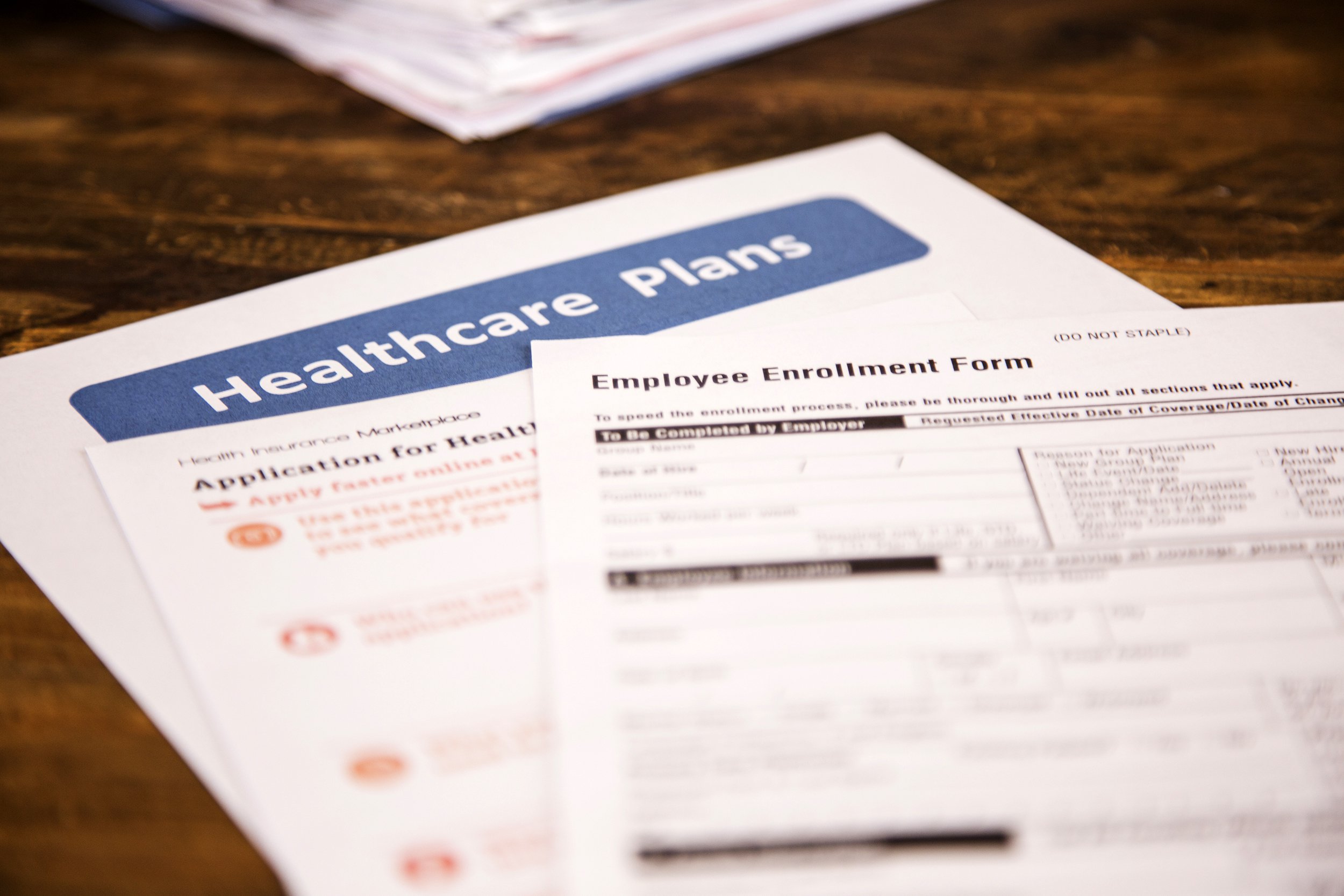
Medicare isn’t something you necessarily want to leave until your 65th birthday to figure out. Most people get a seven-month initial enrollment period centered around the month they turn 65. Missing that window without qualifying for an exception can result in delayed coverage and, depending on the part of Medicare involved, late-enrollment penalties that can stick around. Putting the enrollment period on your calendar several months ahead of time is a lot easier than dealing with the consequences later.
Medicare Usually Won’t Pay for Long-Term Help With Everyday Living

One particularly expensive Medicare misconception involves long-term care. Medicare generally doesn’t cover ongoing custodial care when someone needs help with activities such as bathing, dressing, or eating. That’s different from certain short-term skilled nursing or rehabilitation services following a qualifying medical event. Since extended home care or nursing-home care can become a major retirement expense, it’s worth thinking about how you’d handle it before you actually need it.
Trending on Cheapism


Retirement Doesn’t Automatically Mean You’ll Spend Much Less

Sure, you may stop buying work clothes and filling the gas tank for a daily commute. But other expenses can quickly fill the gap. More travel, hobbies, lunches out, home improvement projects, and simply spending more time at home can all cost money. Even utility and grocery bills can change when you’re home throughout the day. A realistic retirement budget should reflect how you expect to live after leaving work rather than simply subtracting job-related expenses from your current budget.
Your First Years of Retirement May Be Your Most Expensive

The beginning of retirement isn’t necessarily when everyone suddenly becomes a homebody. For many people, those early years are when there’s finally time for the bucket-list vacation, cross-country trip, major home project, or expensive hobby that work kept getting in the way of. That can make the first few years surprisingly active — and potentially expensive. Planning for those purchases ahead of time can help keep an exciting start to retirement from wrecking the budget.
Weekdays Suddenly Become Much More Useful

Retirement comes with one perk that’s easy to underestimate: You don’t have to do everything when everyone else is off work. Grocery stores, restaurants, doctors’ offices, recreation centers, and attractions can be quieter during traditional working hours. Retirees can also travel midweek or eat at off-peak times, which may sometimes mean lower prices as well as smaller crowds. After decades of arranging life around a work schedule, simply deciding when you want to do something can feel like a luxury.
Sign up for our newsletter
You May Not Need Two Cars Anymore

A two-car household makes perfect sense when two people are commuting in opposite directions every morning. Once both are retired, that second vehicle might spend most of its time in the driveway. Going down to one car can potentially eliminate an entire set of insurance, registration, maintenance, fuel, and repair expenses. It won’t work for every couple or every community, but it’s one household expense worth reevaluating instead of automatically carrying into retirement.
Your Current House Might Not Be a Great Retirement House

Paying off the mortgage doesn’t automatically make a home perfect for retirement. Stairs, a huge yard, a long driveway, high utility bills, and a lengthy trip to the nearest hospital can become much more important as you get older. There’s also all that cleaning and maintenance to consider. Before deciding to age in place, think beyond whether you can afford the house today and consider whether you’ll still want — and be able — to manage it 10 or 20 years from now. Downsizing isn’t automatically cheaper, though, especially in an expensive housing market.
Moving Somewhere Cheap Can Create Expensive New Problems

Finding a town with cheap houses doesn’t necessarily mean you’ve found an affordable place to retire. A rural community might require long drives for healthcare and groceries, while a bargain coastal home could come with hefty flood or storm-insurance costs. Mountain towns can bring their own expenses, including snow removal and winter transportation. Before relocating, spending several weeks in a destination can reveal inconveniences and hidden expenses that aren’t obvious during a weekend vacation.
Being Able to Claim Social Security at 62 Doesn’t Make 62 the Standard Retirement Age

Social Security retirement benefits can generally start at 62, but that’s not the same thing as saying everyone should claim them at 62. For people born in 1960 or later, claiming that early can substantially reduce the monthly benefit compared with waiting until full retirement age. Delaying beyond full retirement age, up to age 70, can increase the monthly amount. When to claim depends on individual circumstances, including health, savings, work plans, and family needs.
You Might Actually Get Bored

Dreaming about retirement usually involves everything you’ll finally have time to do. What’s easier to overlook is everything a job quietly provides besides money: routine, coworkers, goals, conversation, and a reason to get out of the house. Losing all of that at once can take some adjustment. Having regular activities already lined up — whether that’s volunteering, exercise, classes, part-time work, hobbies, or standing plans with friends — can give retirement some structure without making it feel like another job.
Retirement Doesn’t Mean You’re Done Finding Tax Breaks

Getting older can open the door to tax benefits that weren’t previously available. People age 65 and older may qualify for an additional federal tax deduction under rules in effect for 2026, depending on eligibility and income. State and local governments may offer additional senior or property-tax programs. The catch is that some benefits aren’t automatic, so it’s worth checking what’s available each year rather than assuming every discount or exemption will simply show up on its own.
You Can Practice Retirement Before You Actually Retire

Not every retirement decision has to be tested for the first time after your final paycheck. Thinking about downsizing to one car? Try living with one for a while. Planning to move across the country? Rent there for a month before buying a house. Not sure whether your retirement budget is realistic? Spend a few months trying to live on it while you’re still employed. A retirement test run can expose annoying or expensive problems while you still have plenty of time to change the plan.
Retirement Comes With More Surprises Than You Think

Some of the most useful things to know about retirement aren’t complicated financial strategies. They’re the everyday details that can be surprisingly easy to overlook.
Medicare and Social Security don’t operate on the same timeline. Medicare can leave retirees responsible for significant healthcare expenses. A cheap house doesn’t necessarily mean a cheap retirement, and leaving work doesn’t guarantee your monthly spending will immediately plummet. At the same time, retirement can bring opportunities that working life rarely allows, whether that’s traveling on a Tuesday afternoon or realizing your household doesn’t need two cars anymore.
Knowing what might change before you retire won’t eliminate every surprise. But it can make the transition from working life to retirement a lot easier to plan for.