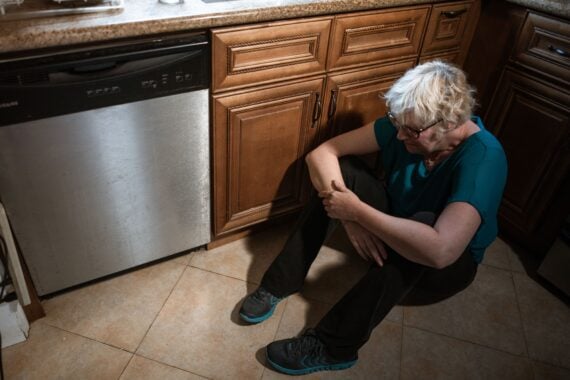
Using coupons while grocery shopping is one way to pay less, but there are other money-saving skills that can lead to greater savings than a whole year of couponing. From repairing clothing to recreating your favorite restaurant dishes at home, we’ll reveal these skills, drawing on information from the USDA, the EPA, and other sources!
Learning to Cook Five Reliable Takeout Replacements
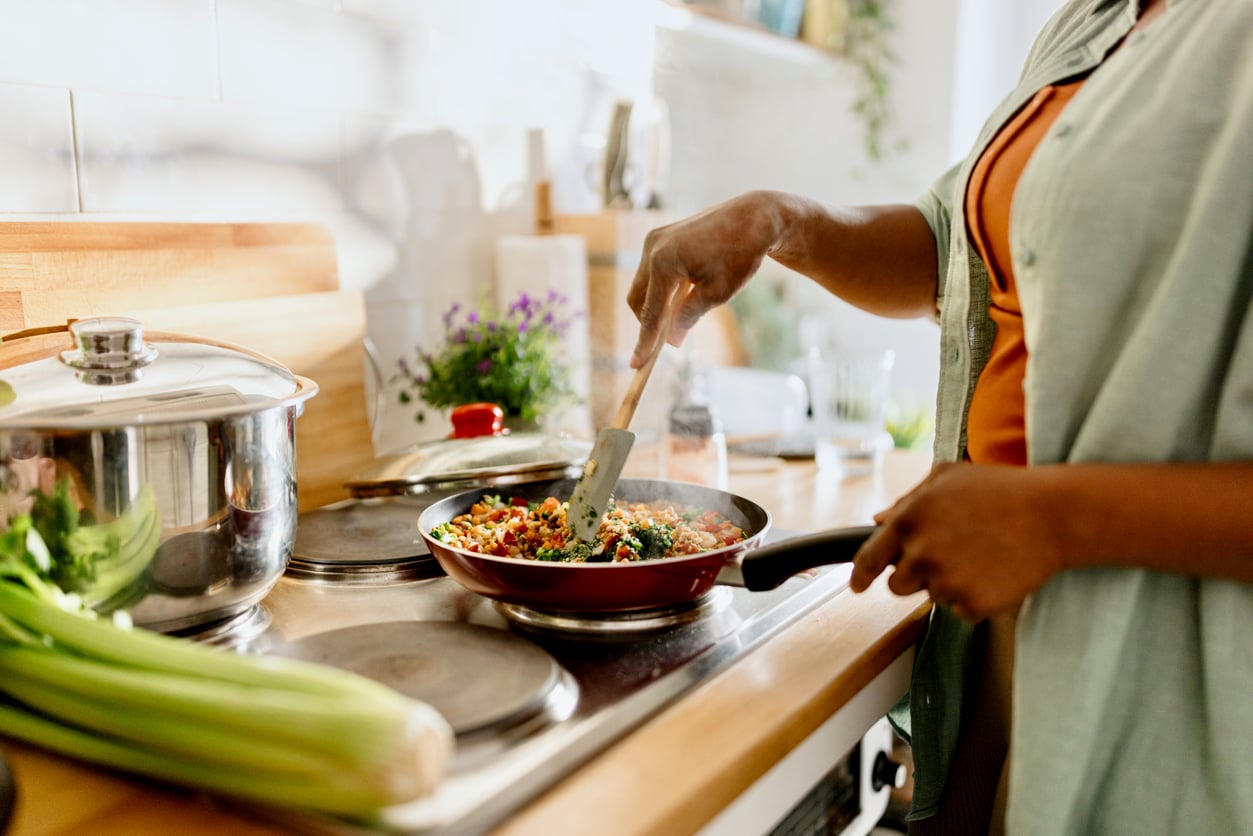
Learning to cook some of the dishes you usually order for takeout will save you money on delivery fees, tips, and restaurant markups, as well as on the ingredients themselves, since restaurants typically charge more than what it costs to prepare the same meals at home. You can master dishes like burrito bowls, pizza, pasta, or fried rice one by one, and gradually add more recipes to your repertoire.
Learning to Mend Small Clothing Problems
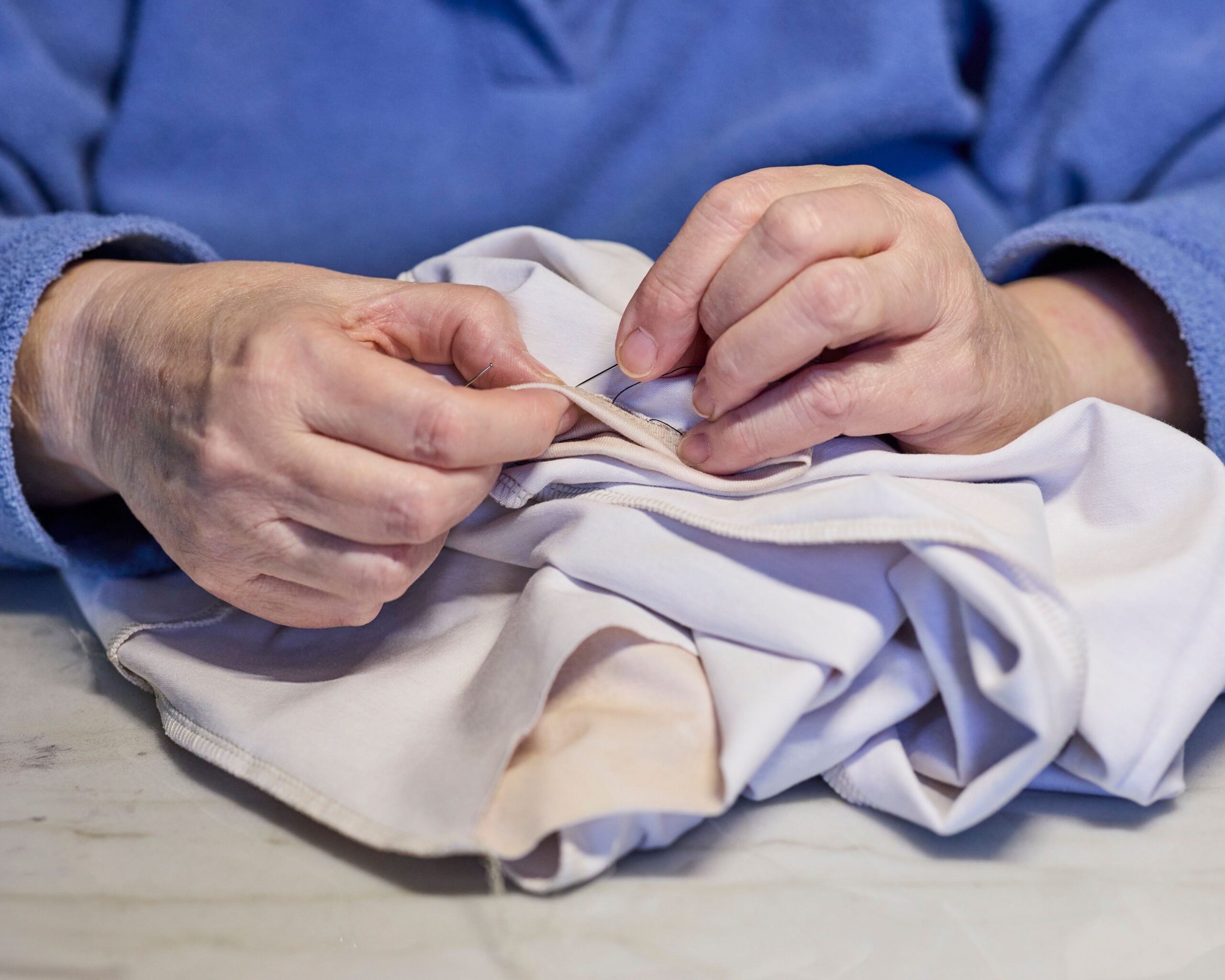
Learning how to reattach a button, fix a split seam, or mend a torn pocket can save you a lot of money compared to taking the item to a shop for repairs. These money-saving skills start with learning the basics of sewing, such as the running stitch, backstitch, button attachment, and simple patching, to build a solid foundation.
Learning to Spot and Fix Simple Plumbing Leaks
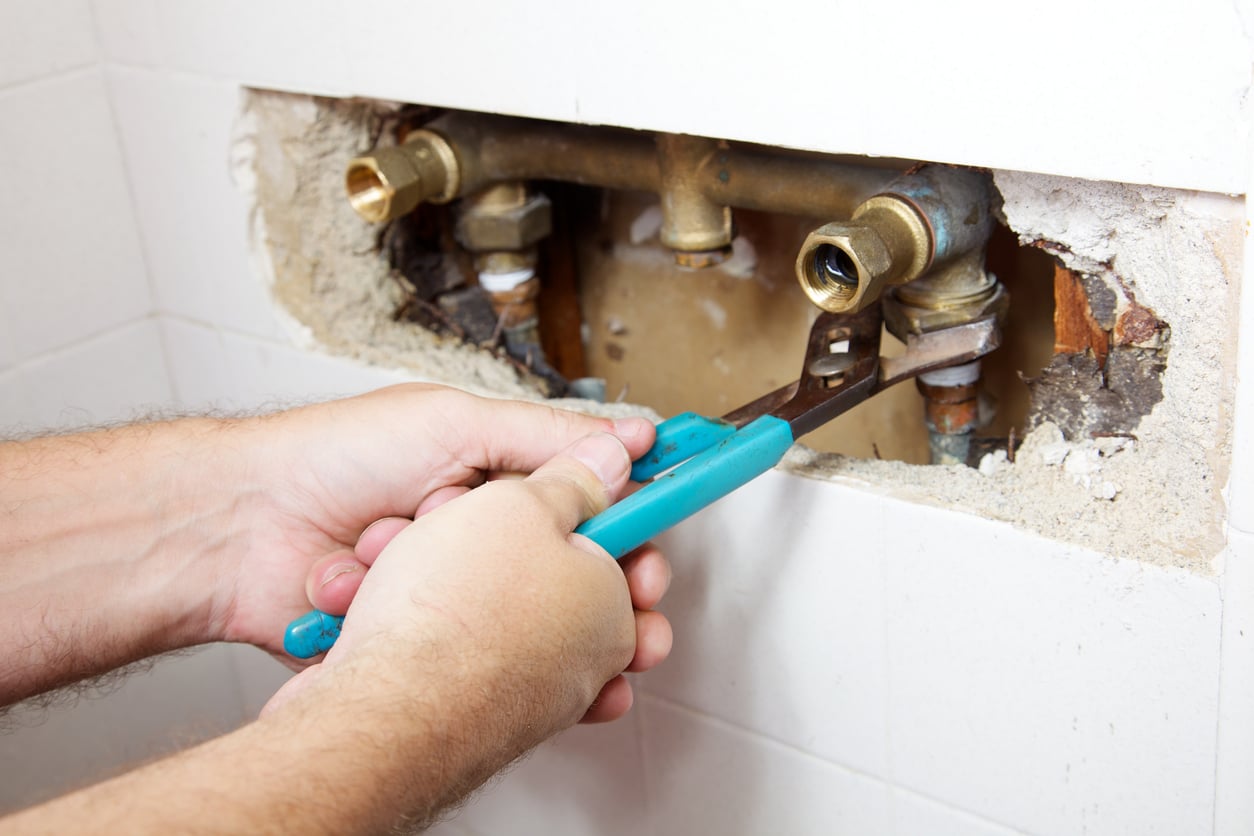
A worn-out faucet washer, a leaking toilet flapper or a dripping fixture can be quite costly, as it increases household water consumption, and consequently, your utility bill, not to mention the expense of hiring a professional to fix the issue. However, learning these money-saving skills allows you to identify common leaks yourself, shut off the water supply to the fixture, and replace the faulty component with one approved by the manufacturer, following their provided instructions.
Learning Basic Car Maintenance

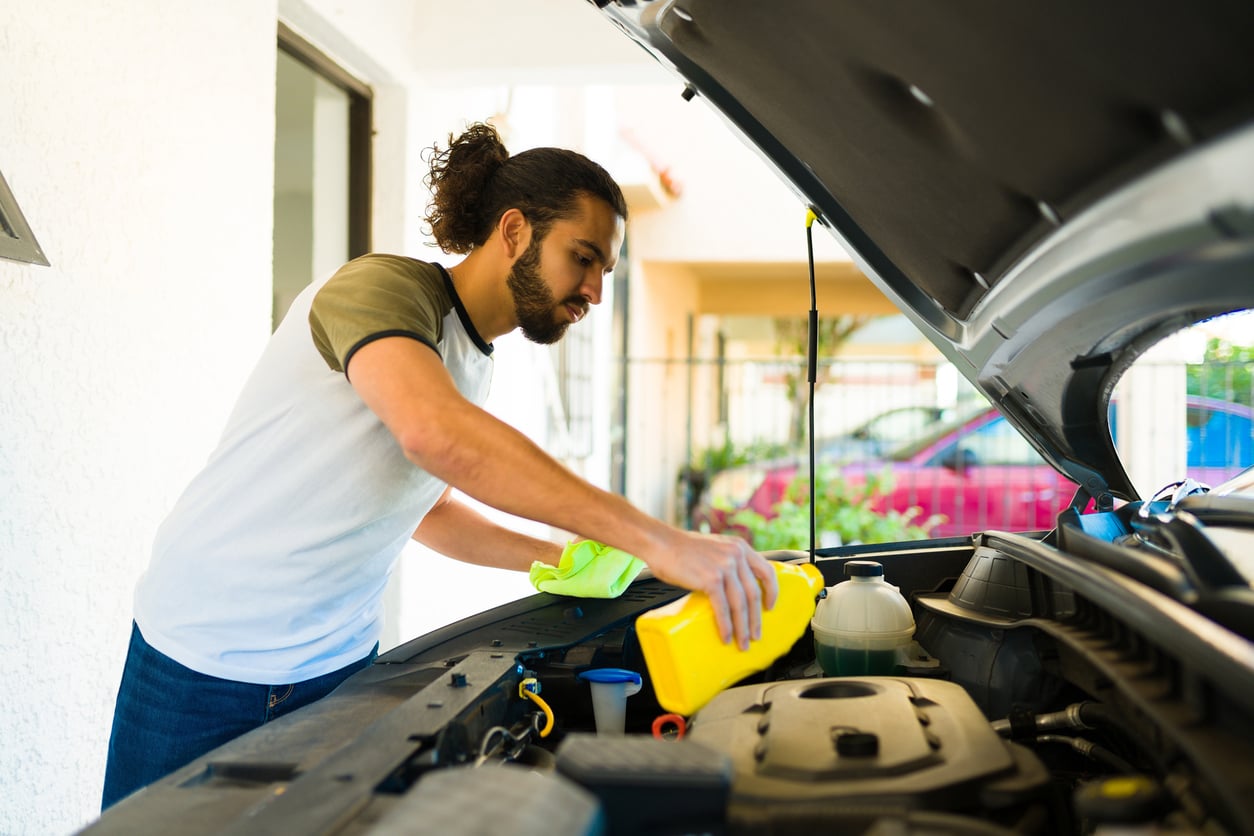
Performing maintenance on your car, such as checking tire pressure, monitoring fluid levels, and replacing compatible cabin air filters, will reduce the risk of major issues arising in the near future that could lead to significant expenses. You can follow the vehicle manufacturer’s instructions and adhere to the recommended service intervals. The U.S. Department of Energy also offers fuel economy tips that can help you maintain your vehicle efficiently.
Learning to Cut Simple Hairstyles at Home

Getting a haircut is something people do throughout their lives. Learning to perform basic clipper cuts or minor trims is one of those money-saving skills that can reduce the number of times you have to pay a professional. Start by learning how to use clipper guard sizes and techniques for gradual trimming, and avoid complex hairstyles until you have further developed your skills.
Trending on Cheapism


Learning to Freeze and Preserve Seasonal Produce
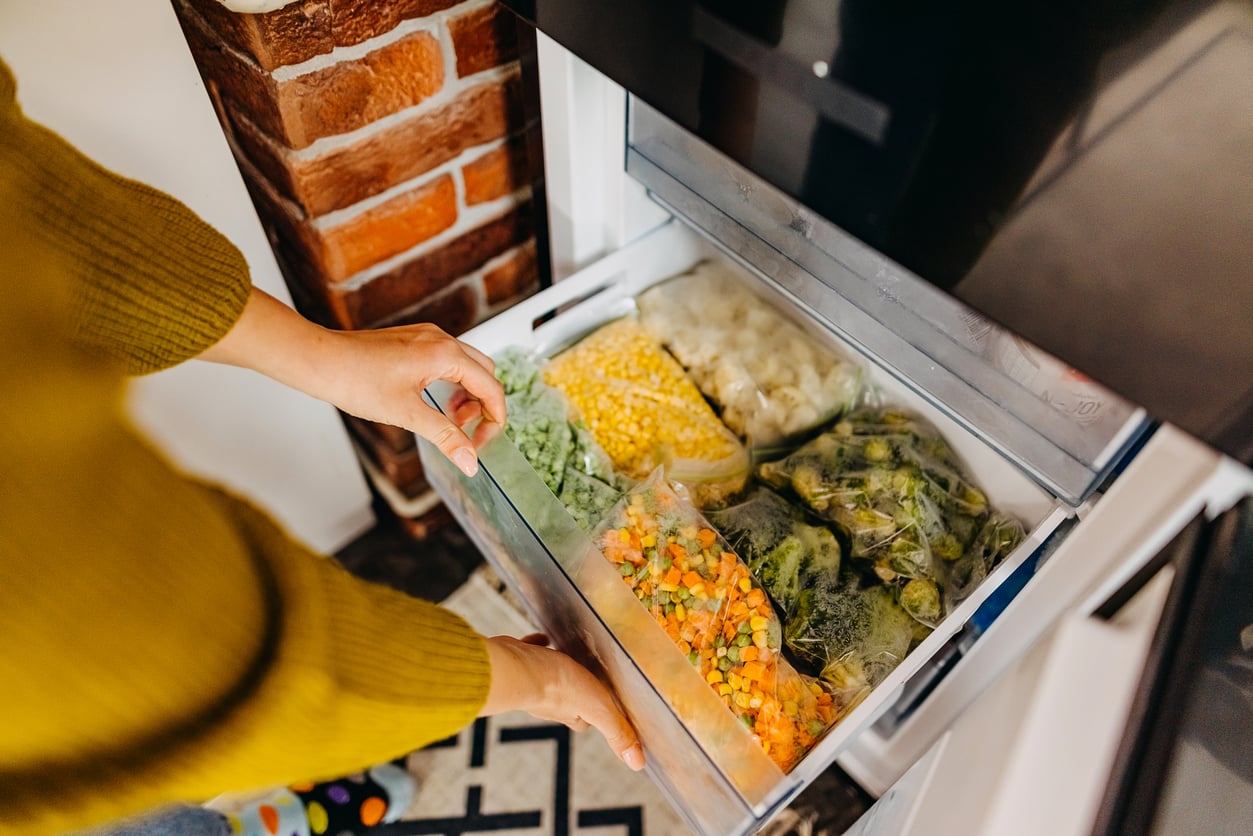
Knowing the correct way to freeze vegetables, fruits, herbs, and prepared meals allows you to have food available for several extra days, rather than having to throw it away. These money-saving skills include learning techniques such as blanching, proper freezer packaging, and other food preservation methods as recommended by the National Center for Home Food Preservation. You’ll save money by avoiding unnecessary food waste.
Learning to Troubleshoot Household Appliances
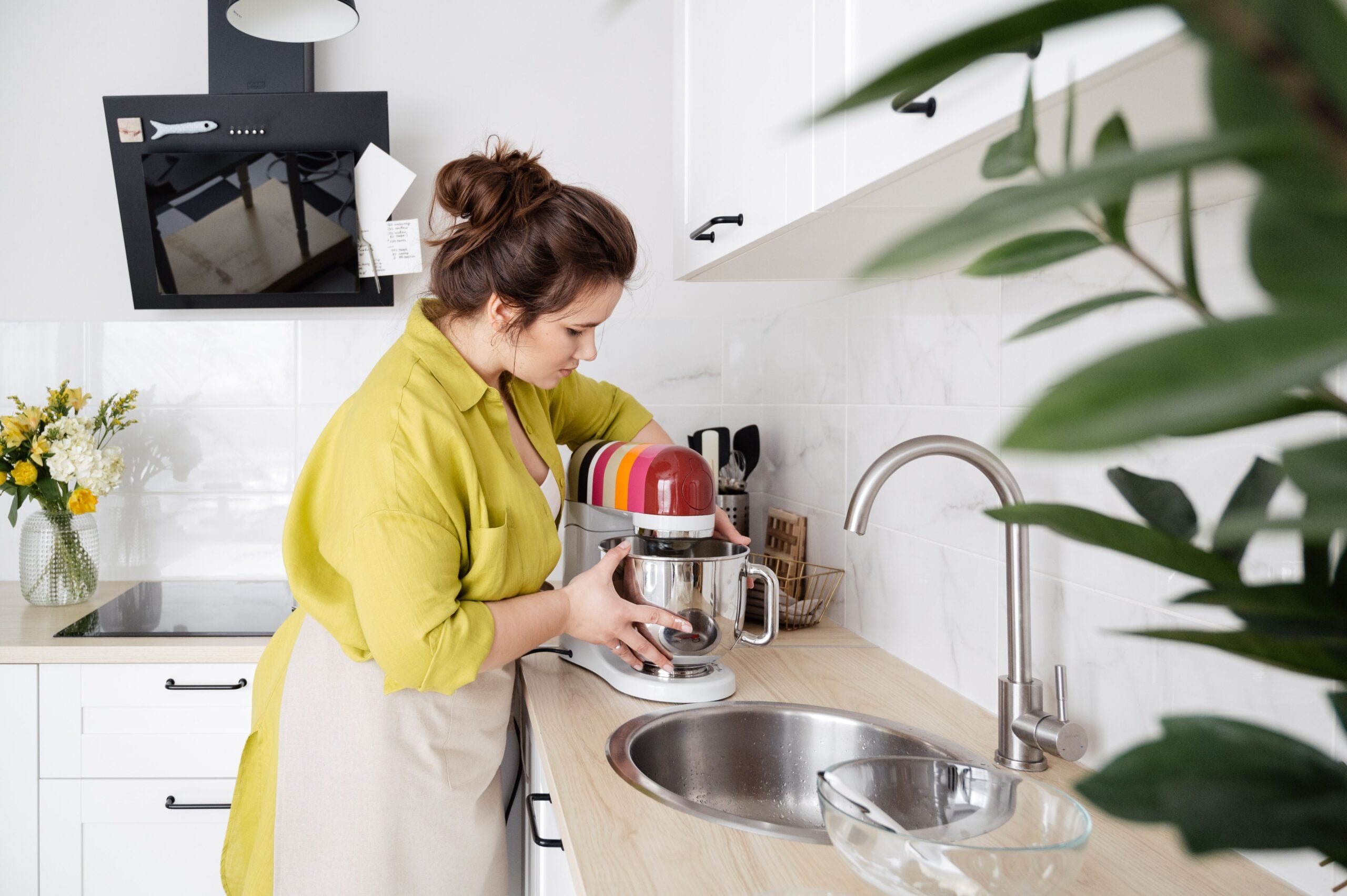
Household appliances may develop minor issues, such as clogged filters, accumulated debris, or a need for basic maintenance, that could eventually lead to more significant problems. However, learning a few money-saving skills can help you address these minor issues yourself, such as cleaning a dishwasher filter or maintaining a vacuum cleaner according to the manufacturer’s instructions. While specific appliances may vary, they all require some form of maintenance to prevent premature repairs.
Learning How to Grow Herbs You Actually Cook With

People often buy small packages of basil, parsley, or chives. While these may cost very little, the expense adds up over the course of a year. Growing your own herbs is one of several money-saving skills worth developing, starting with varieties that thrive in the amount of light your garden receives and require little water. This makes it a simple and affordable way to get started.
Sign up for our newsletter
Learning to Make Coffeehouse Drinks at Home

One growing trend is that people frequently buy coffee drinks, ranging from iced coffee and cold brew to flavored lattes or chai. Learning how to prepare these beverages at home is among the easiest money-saving skills to develop. If you learn how to use ordinary brewing equipment and keep some milk and basic flavorings on hand, you can make these drinks yourself instead of spending money at coffee shops. The CFPB also offers some budgeting tools that can help you track the savings.
Learning Simple Home Weatherproofing
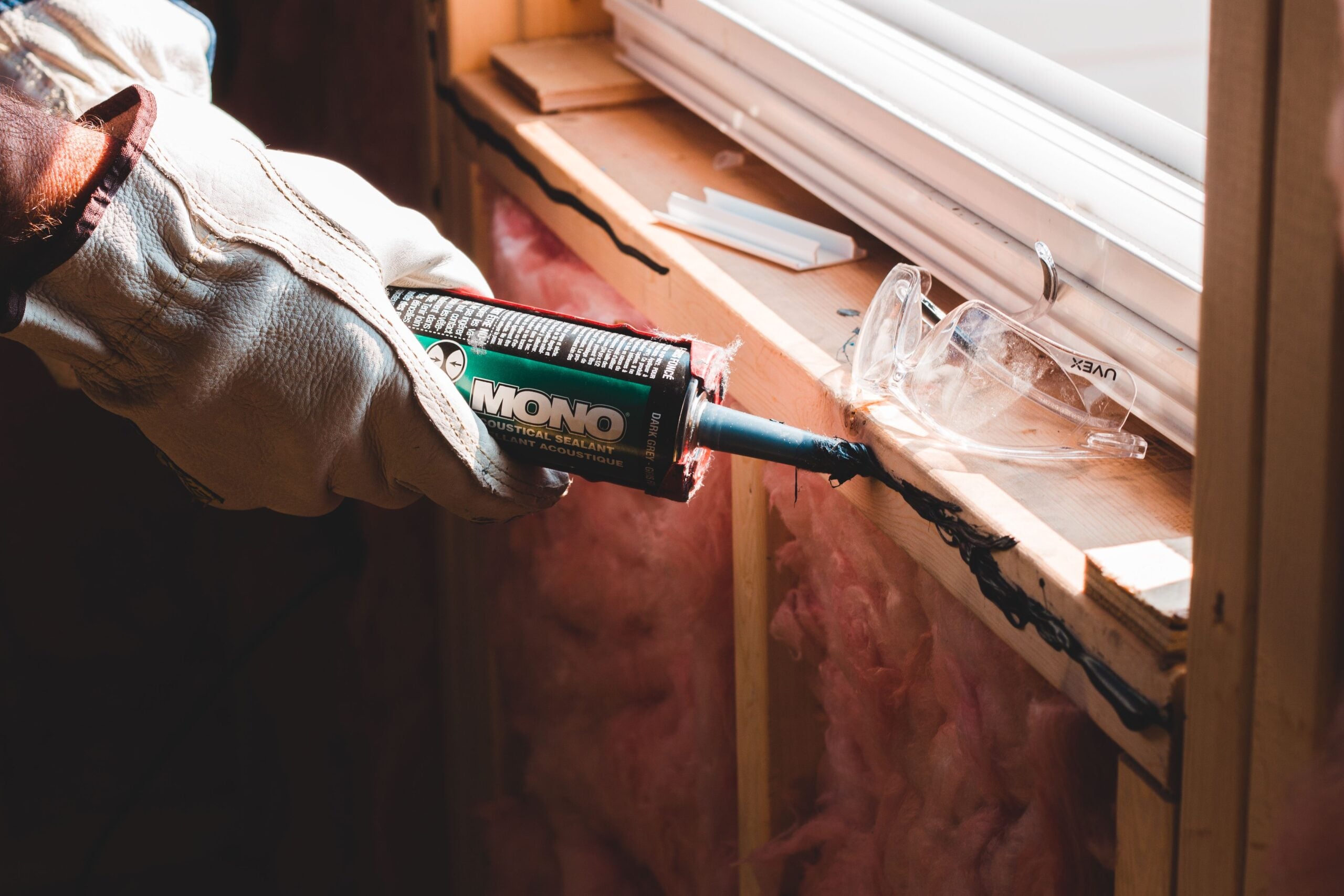
Learning how to seal air leaks or improve weatherstripping can reduce the amount of heat or cold lost from your home while your HVAC systems are running. These money-saving skills include identifying drafty doors and windows and sealing them by following the appropriate instructions. This can prevent your HVAC equipment from overworking and driving up your electricity consumption.
Learning Basic Bicycle Repairs
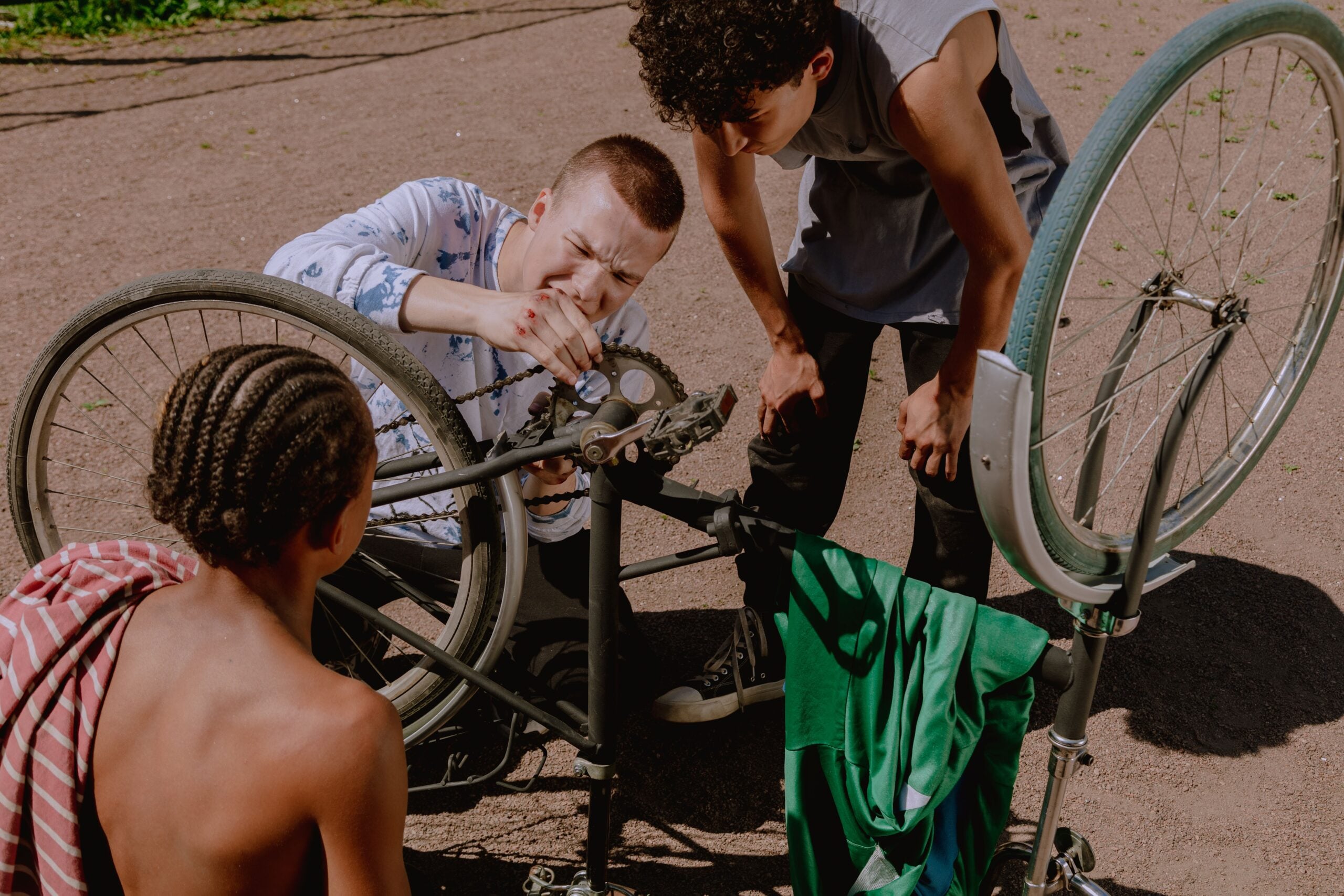
Knowing how to adjust an inner tube, tighten a loose component, or clean a bicycle chain can save you from having to visit a professional bike shop for simple maintenance tasks and wasting your money on repairs you could handle yourself. These money-saving skills begin with identifying the various parts of a bicycle, learning the correct tire pressure for your bike, and practicing how to resolve issues ranging from simple to more complex.
Learning to Compare Insurance Policies Properly
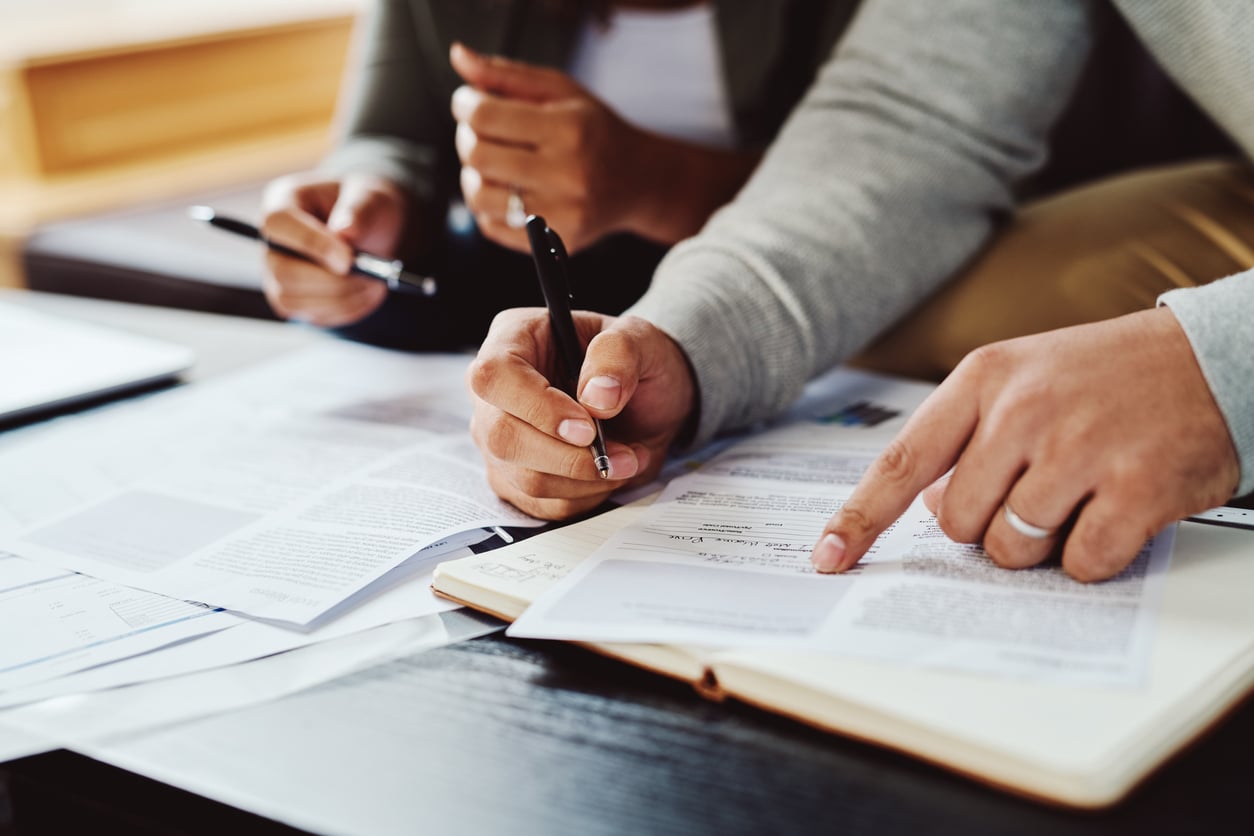
When you are presented with an insurance policy, you should understand what your policy covers and which expenses you can claim, be aware of the coverage limits, and know the renewal prices so that you know exactly what you are paying for. Do not choose a policy with a lower premium if it means accepting inadequate coverage. Read the policy details and compare the equivalent coverage across different policies.
Conclusion
As you acquire money-saving skills that help reduce the recurring bills you receive at home, you will benefit financially, because you will know how to solve the problems yourself. From cooking and general repairs to energy-saving improvements, these practical solutions come from learning to perform tasks that are commonly needed and relatively easy to learn.