Las Vegas has never been shy about replacing the old with something bigger, brighter, and more expensive. The Neon Museum preserves hundreds of signs and artifacts from the city’s past, offering a reminder of just how much Vegas has changed over the decades. From coin-filled slot buckets and bargain buffets to elaborate showgirl revues, these old Las Vegas traditions were once a familiar part of visiting Sin City but have now largely faded away.
Carrying Buckets of Coins Around the Casino
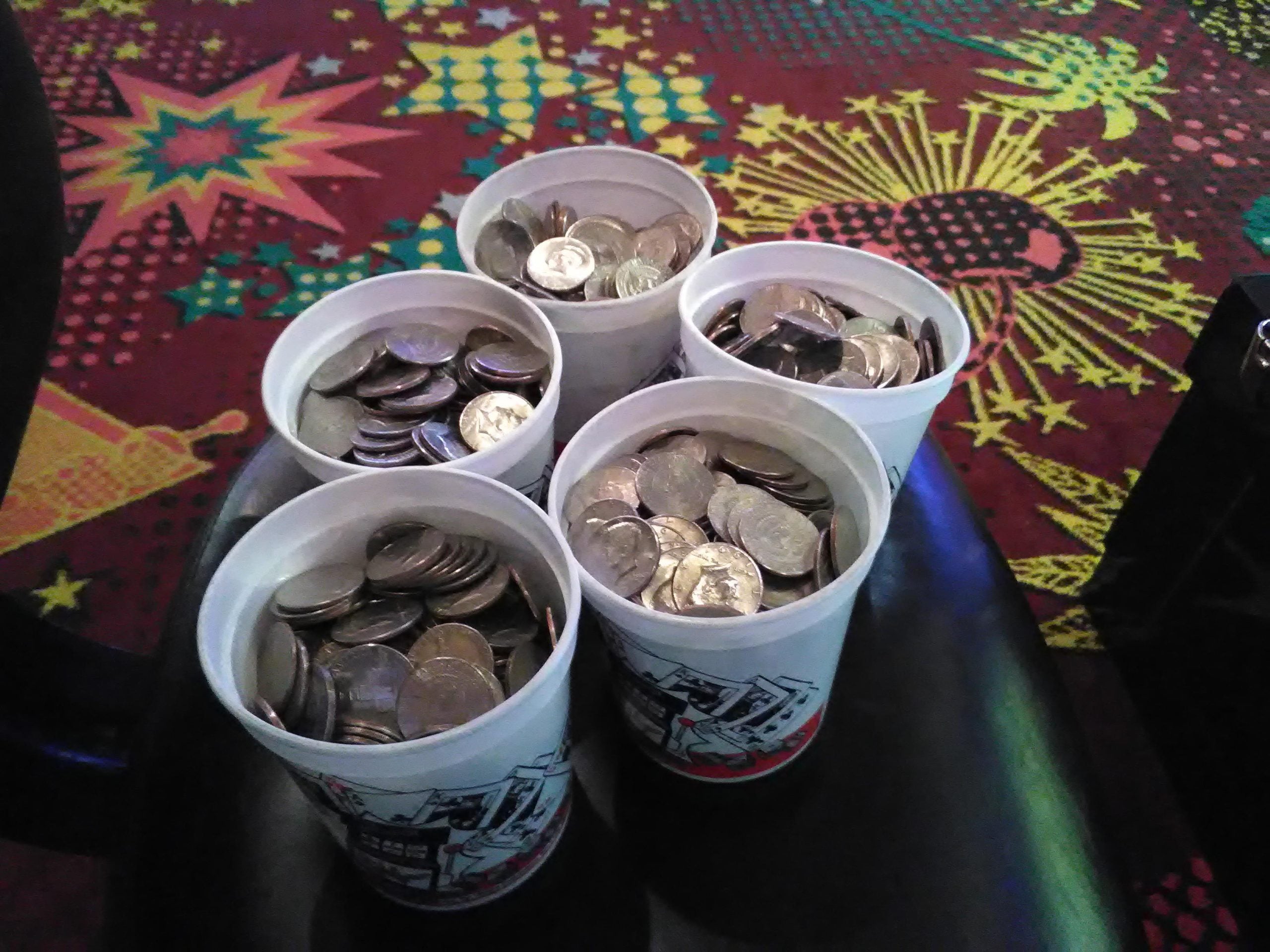
There was a time when a slot-machine win actually sounded like one. Coins crashed into metal trays, players carried plastic buckets from machine to machine, and casino employees circulated to make change. Ticket-in, ticket-out technology gradually replaced that ritual, allowing players to cash out with a printed voucher instead. The newer system is cleaner, faster, and much easier for casinos to manage. Still, anyone who remembers lugging around a heavy bucket of quarters knows modern slots lost one of old Vegas’ most unmistakable sounds.
Cheap Buffets Designed to Get You in the Door
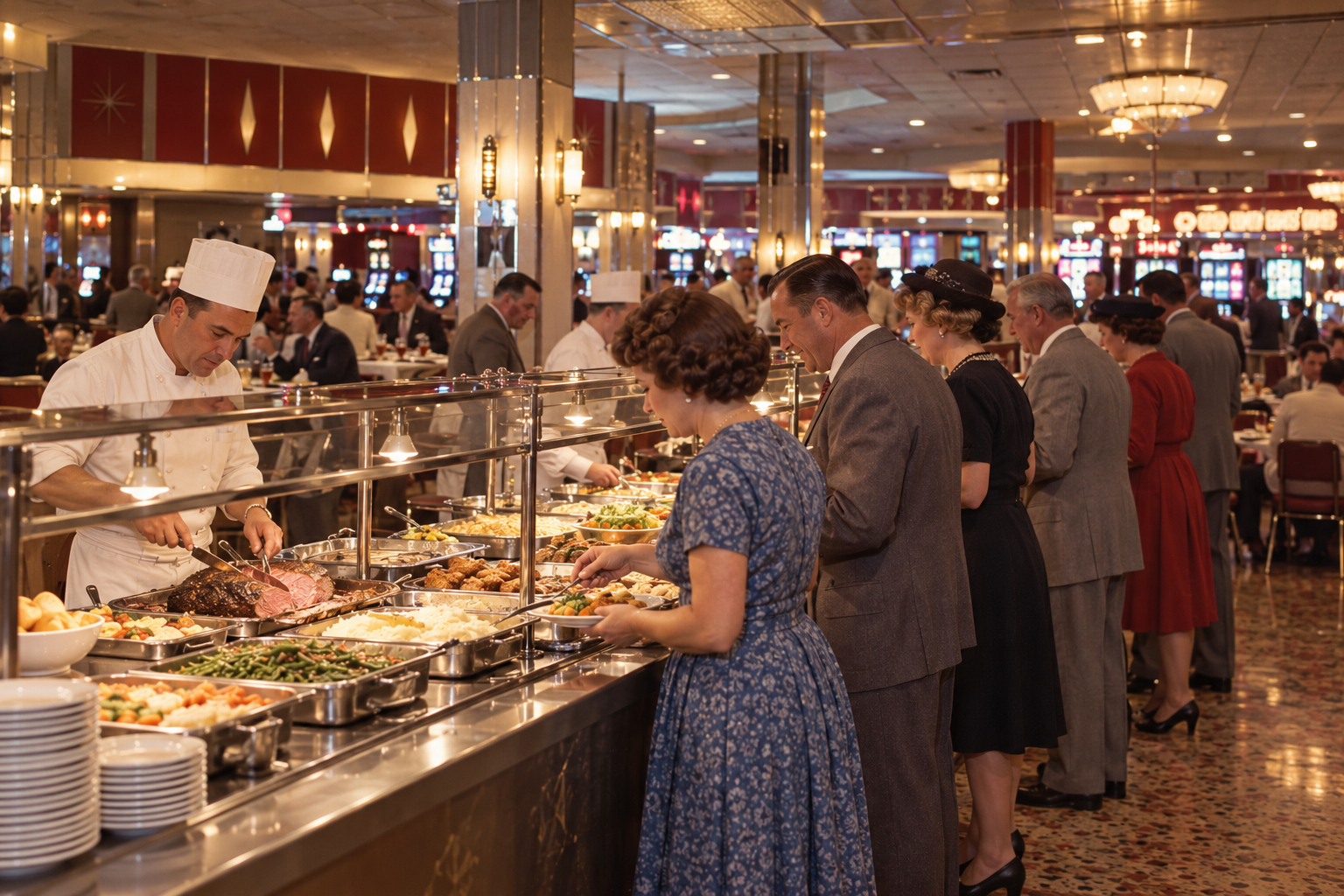
The Vegas buffet wasn’t originally supposed to be a luxury experience with a luxury price. Early versions, often called chuck wagons, offered enormous quantities of food for remarkably little money because casinos expected to make their profits once diners started gambling. By the 1940s and 1950s, a spread could cost around $1.50. Today’s surviving buffets can be elaborate attractions in their own right, but the old bargain buffet has nearly disappeared. By 2026, only about half a dozen traditional buffets remained on the Strip.
The Classic Las Vegas Showgirl Revue
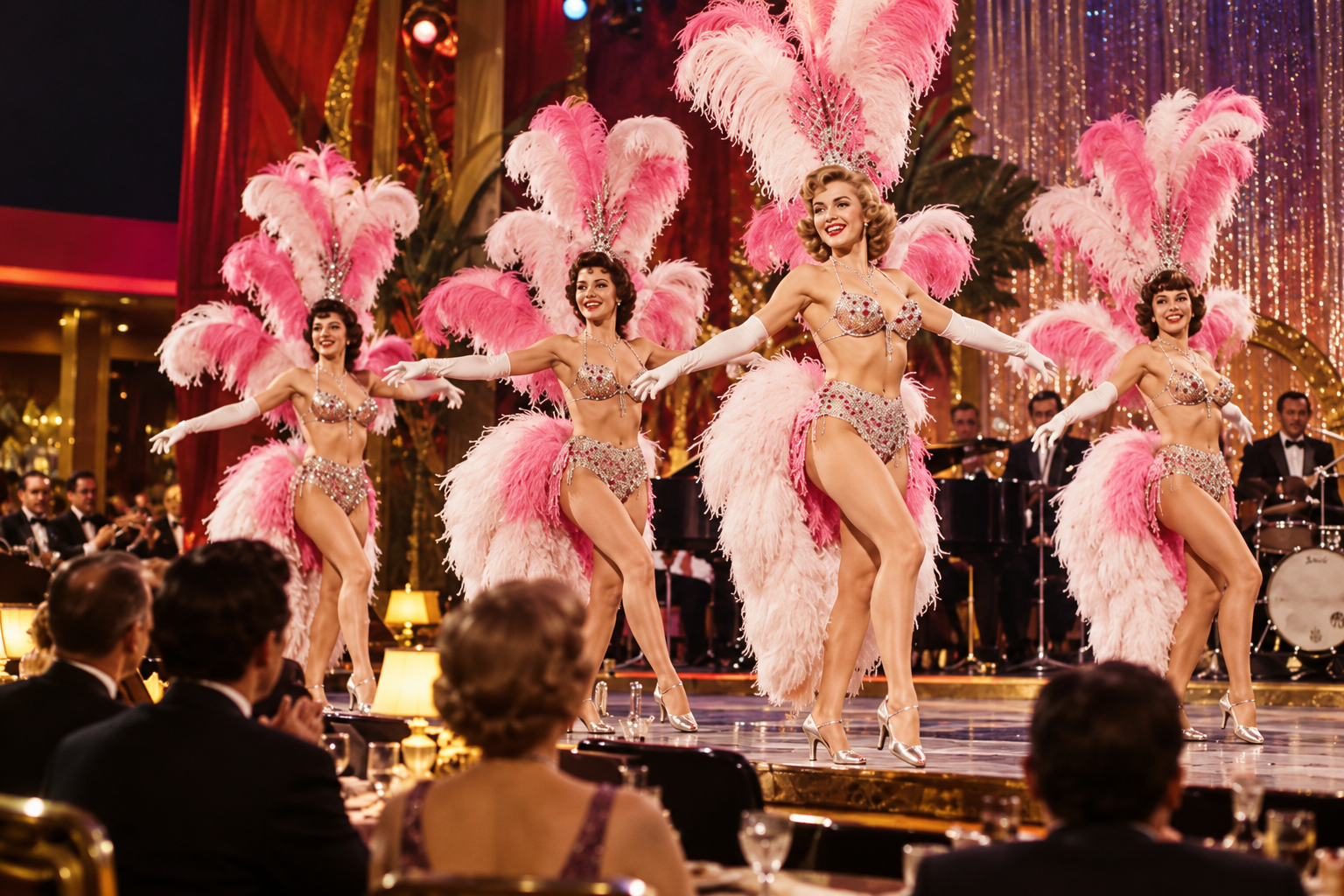
Feathers, rhinestones, towering headdresses, elaborate sets, and huge casts once made showgirls practically shorthand for Las Vegas entertainment. The Tropicana’s “Folies Bergere” lasted 49 years before closing in 2009, while “Jubilee!” at Bally’s carried the traditional production-show format into 2016. Las Vegas still has dancers and plenty of flashy entertainment, but the enormous old-fashioned showgirl revue is essentially gone. Modern Strip stages lean toward concerts, residencies, Cirque productions, comedy, magic, and technologically elaborate spectacles instead.
Practically Giving Away Shrimp Cocktail
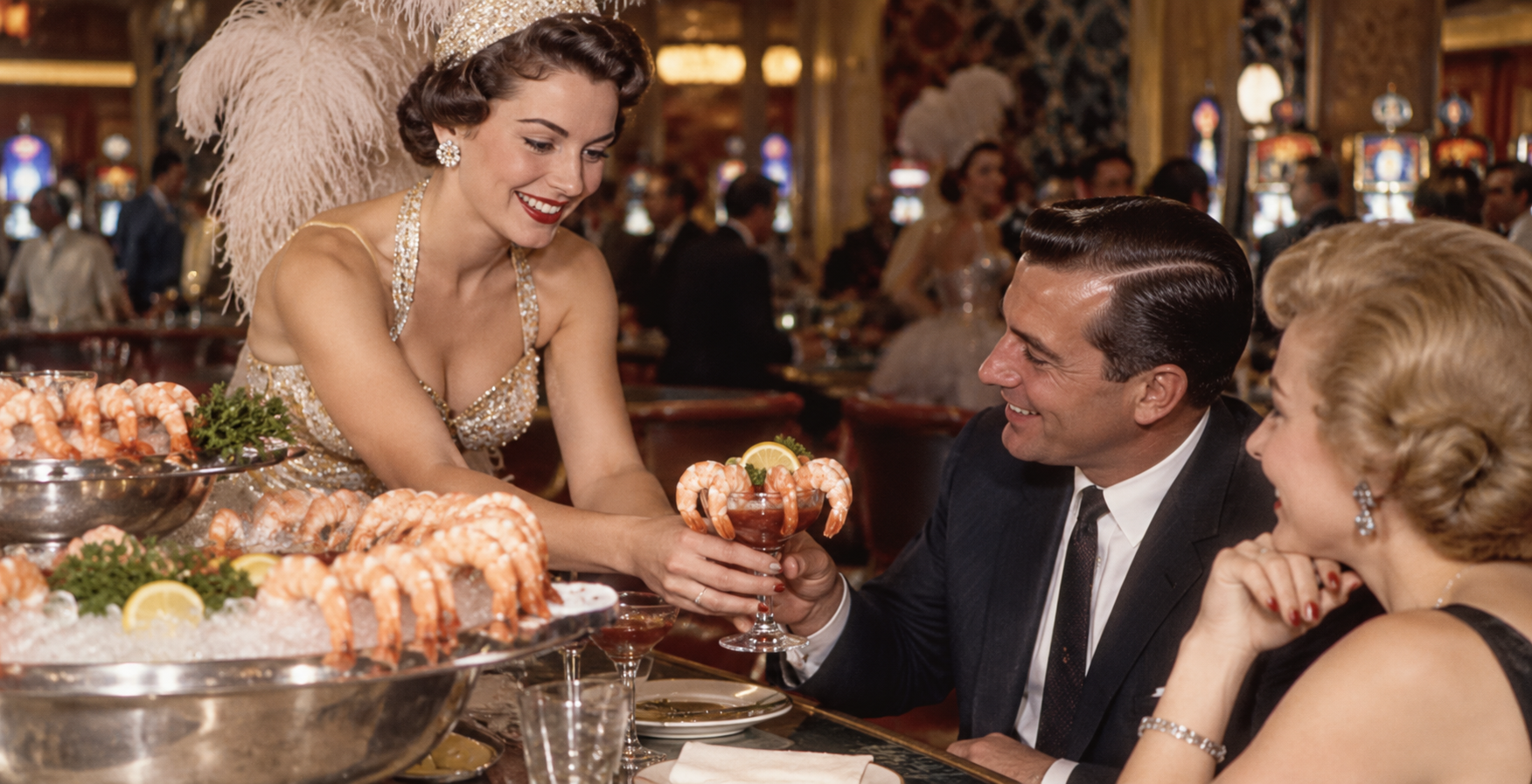
For decades, inexpensive shrimp cocktail was almost as closely associated with downtown Vegas as slot machines. Golden Gate introduced its version for 50 cents in 1959, serving shrimp and cocktail sauce in a tulip-shaped glass. The price eventually became 99 cents, and millions were sold as competitors copied the idea. The original Golden Gate tradition ended after its restaurant closed in 2017. Cheap versions have occasionally resurfaced as promotions, but finding a permanent sub-dollar shrimp cocktail today is nothing like it was when bargain seafood was a Vegas calling card.
Free Parking at Nearly Every Casino
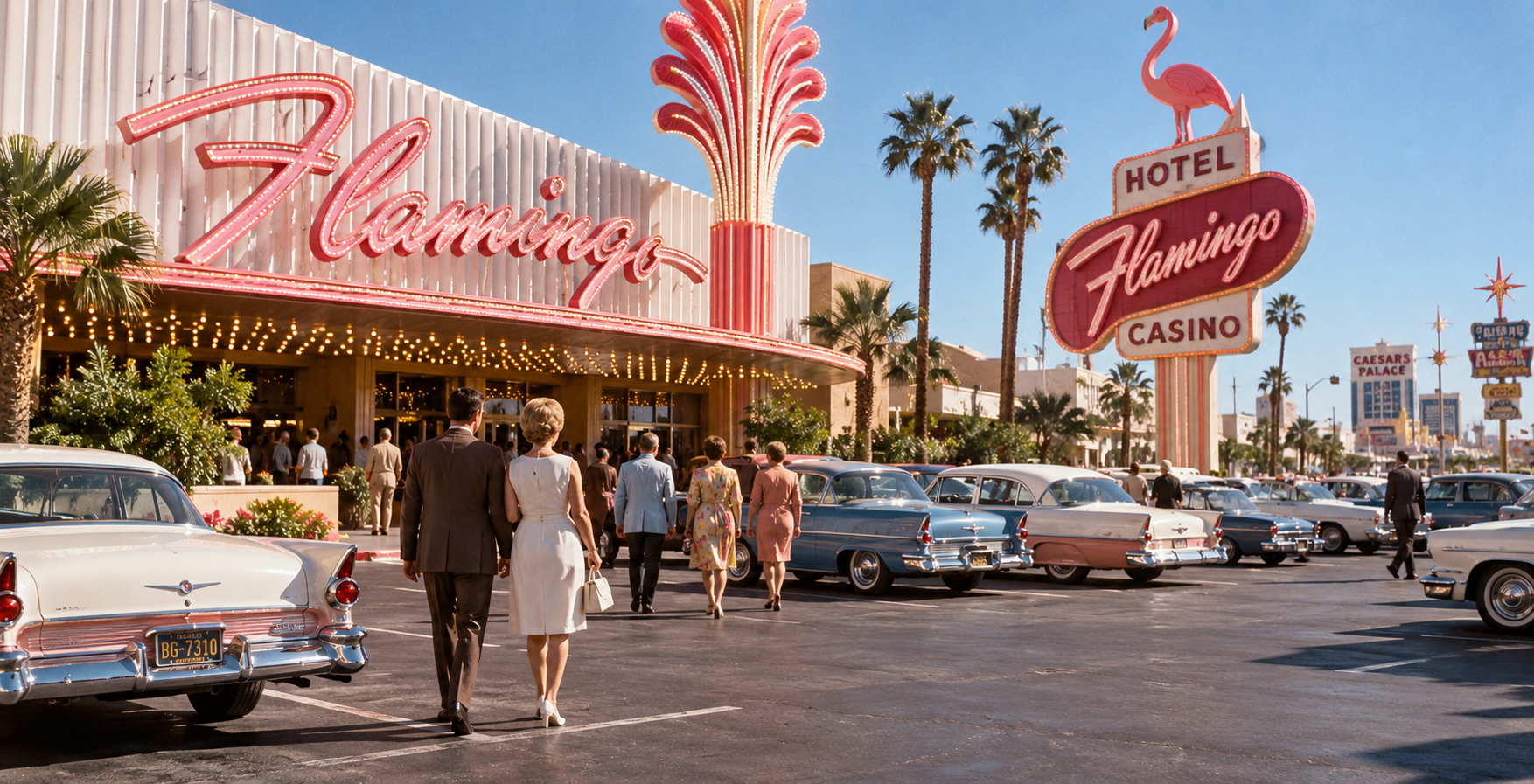
Paying to leave your car at a Strip casino would have sounded strange to generations of Vegas visitors. Free parking was simply another amenity designed to get people through the doors. That began changing dramatically in 2016 when MGM Resorts introduced parking fees, followed by other major operators. Free options haven’t completely vanished, particularly downtown and at a handful of Strip properties, and loyalty status can sometimes waive charges. But for many visitors, parking has gone from an invisible part of the vacation to another expense that needs to be budgeted.
Trending on Cheapism

Sitting Down at a 24-Hour Casino Coffee Shop
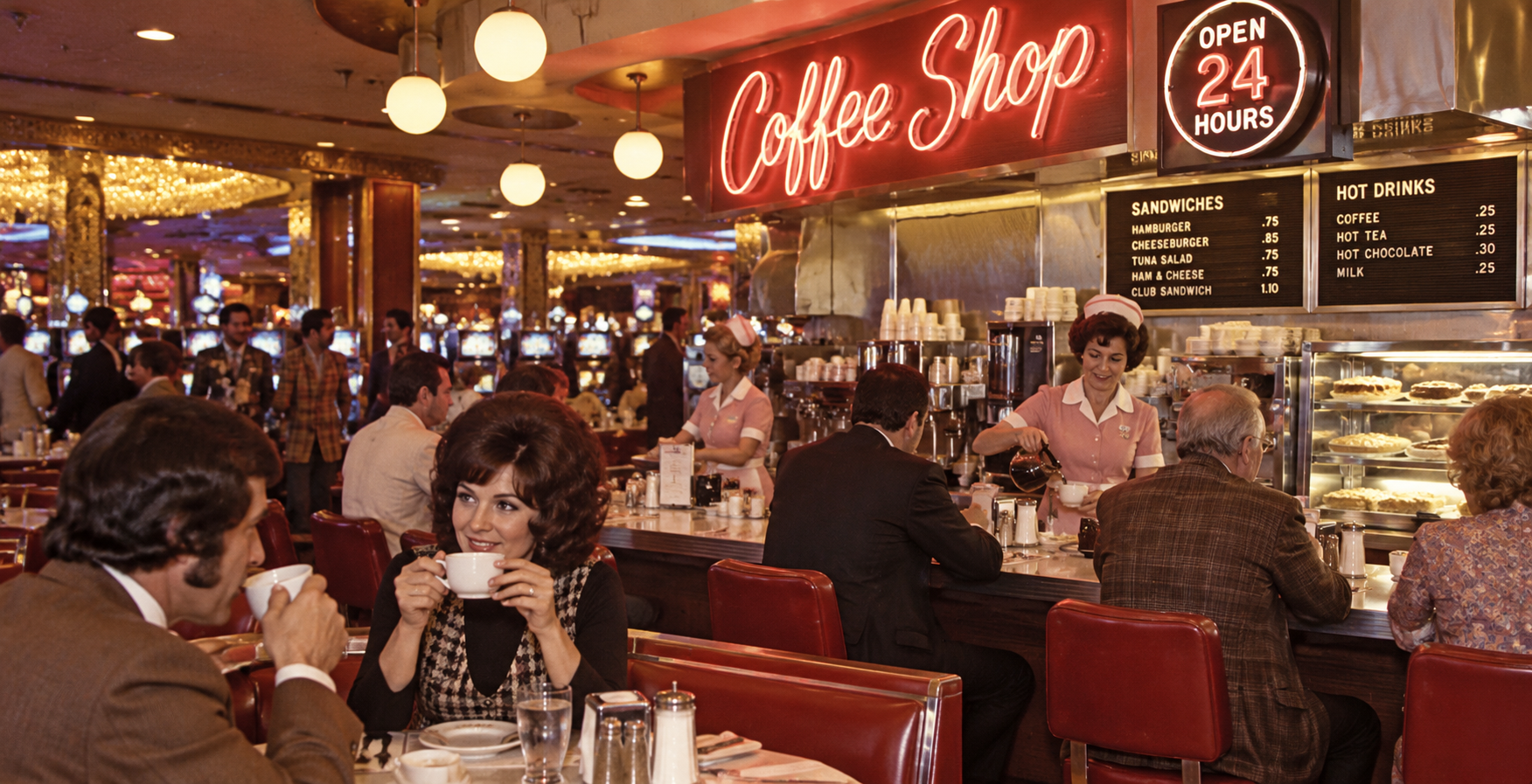
Before celebrity-chef restaurants seemed to occupy every casino, the humble coffee shop was one of Vegas’ essential institutions. These weren’t merely places for coffee. Old casino coffee shops had enormous menus covering breakfast, sandwiches, soups, meat-and-potatoes dinners, desserts, and late-night meals, often at bargain prices. Many stayed open around the clock, serving gamblers whose schedules had nothing to do with normal mealtimes. Casino cafes still exist, but the sprawling, inexpensive, 24-hour coffee shop that once anchored so many resorts has become much harder to find.
Watching Lounge Acts Without Buying a Big Show Ticket
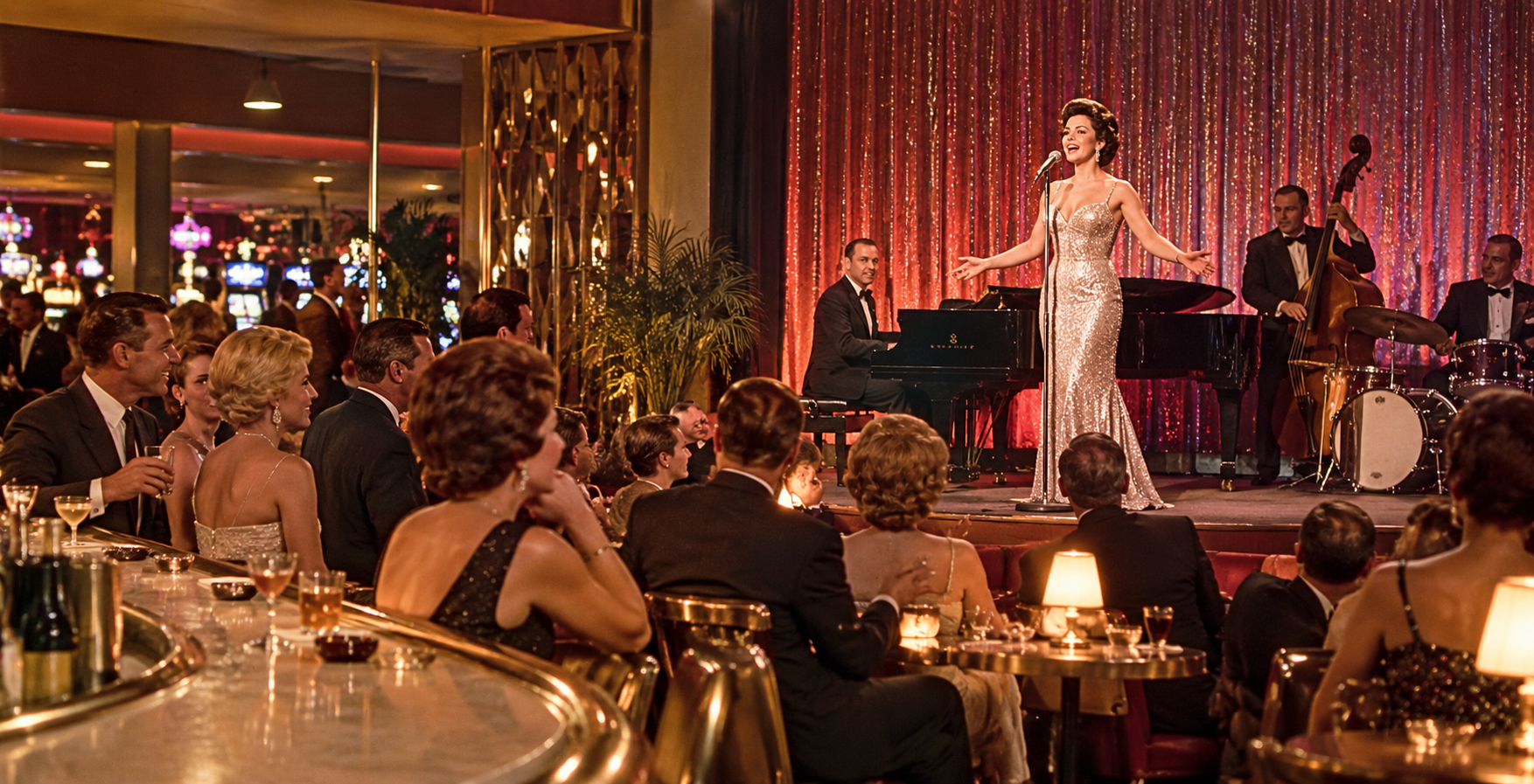
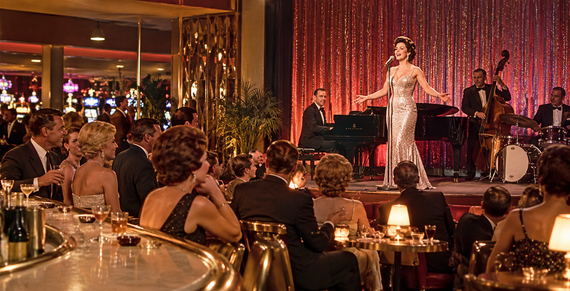
Not every memorable Vegas performance required theater tickets. Casino lounges once offered singers, comedians, jazz groups, impersonators, and other entertainers, often allowing gamblers and drinkers to drift in without planning an entire evening around a show. Some performers who later became major names worked these smaller rooms. Live music certainly hasn’t disappeared from Las Vegas, but the old casino-lounge circuit has changed dramatically as resorts shifted toward ticketed productions, nightclubs, residencies, and purpose-built entertainment venues. The spontaneous “let’s see who’s playing in the lounge” experience is much rarer.
Playing Live Keno in a Dedicated Lounge
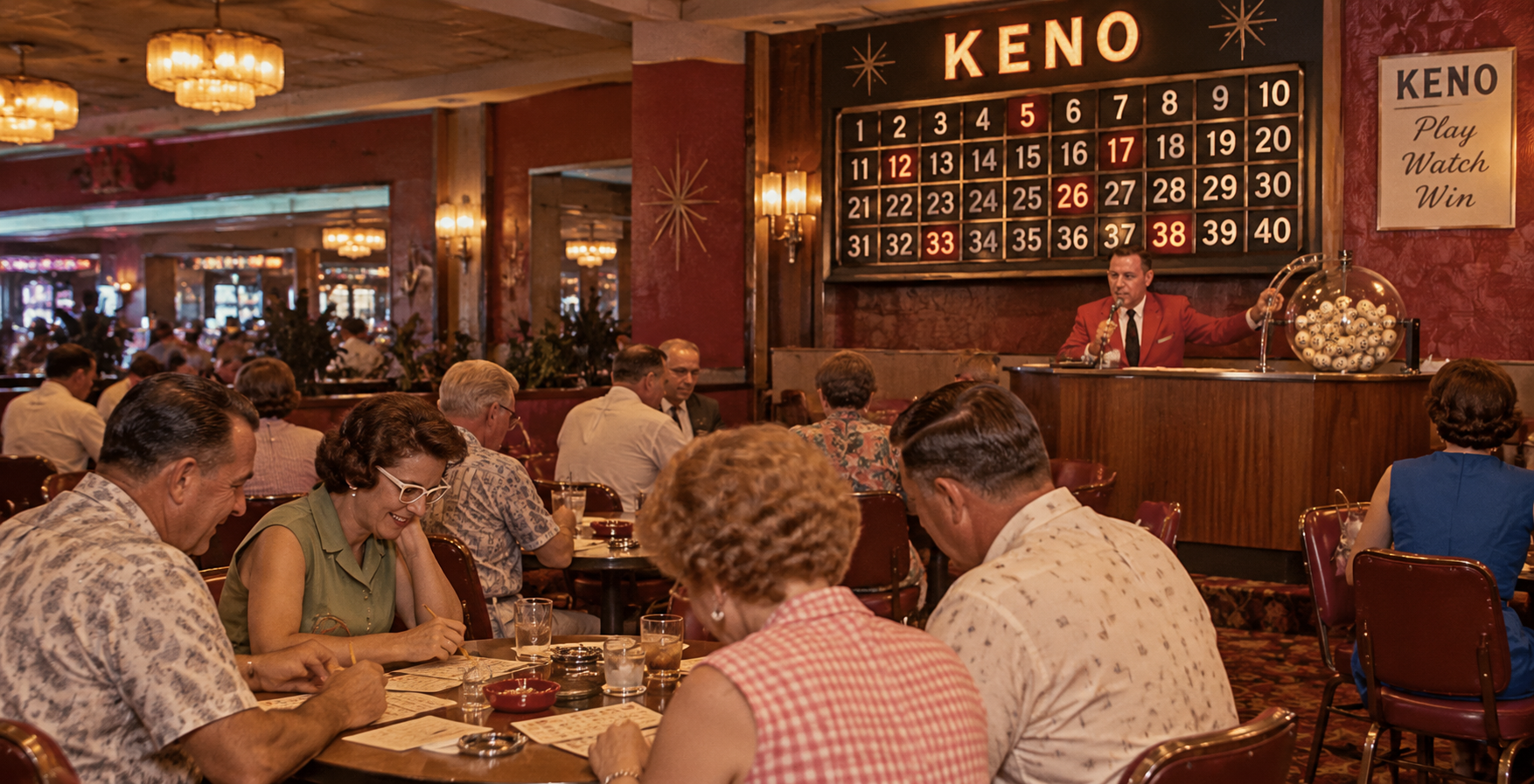
Keno once had enough of a following that casinos devoted entire lounges to it. Players filled out paper tickets, watched numbered balls appear, and could send bets through runners while eating or relaxing elsewhere in the casino. Those dedicated spaces have been disappearing quickly as casinos devote floor space to more profitable uses and electronic versions of the game. The decline has been dramatic: live keno locations in Clark County fell sharply over just five years. A few traditional lounges survive, but they’re increasingly relics rather than standard casino fixtures.
Sign up for our newsletter
Seeing Handmade Neon Dominate the Night
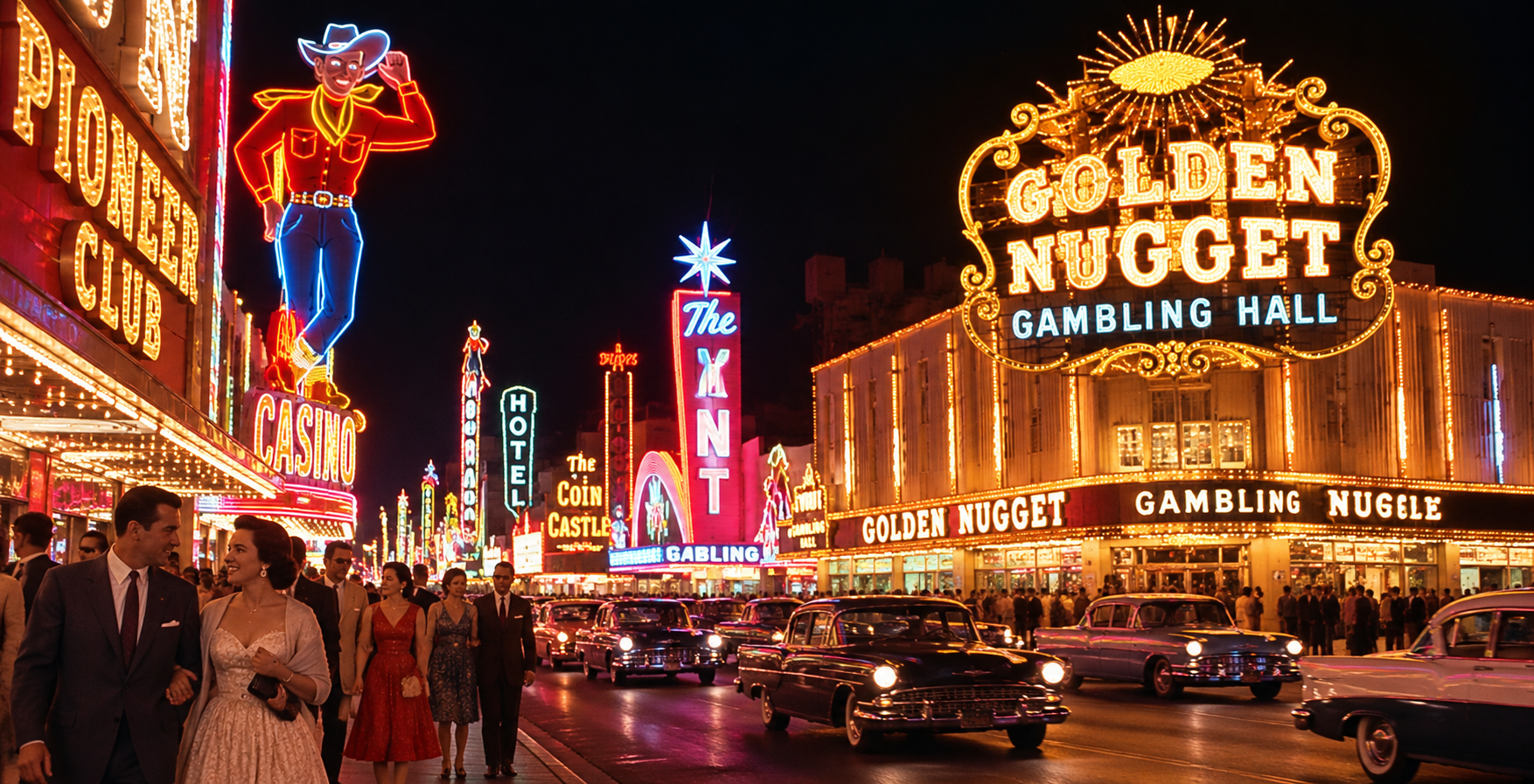
Vegas still glows, but much of that glow comes from enormous LED screens and digital displays rather than the glass neon tubing that helped create the city’s visual identity. Historic casinos competed with elaborate signs covered in neon, bulbs, animated figures, and flashing patterns. Many classics disappeared along with the properties they advertised, while others now live at the Neon Museum. Genuine neon hasn’t vanished entirely, Fremont Street and several older businesses still preserve it, but the era when handmade neon signage dominated the Strip and downtown has largely passed.
Eating Casino Food That Was Deliberately Dirt Cheap
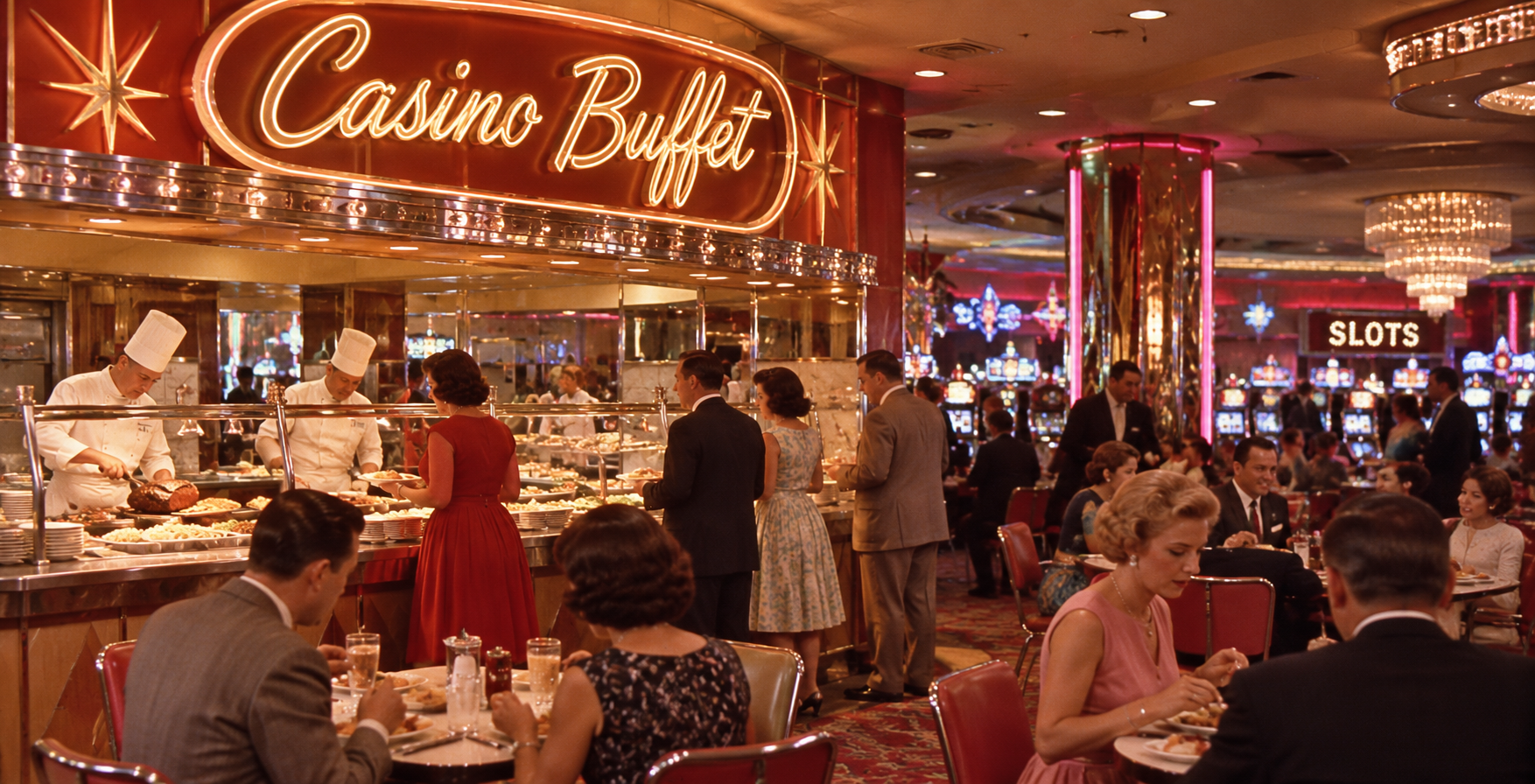
The cheap buffet and shrimp cocktail were part of a much bigger Vegas philosophy: food didn’t necessarily need to make money. Casinos could sell inexpensive steak dinners, breakfasts, burgers, and other meals as loss leaders because the real goal was getting customers inside and keeping them there. Old menus preserved by UNLV show just how central affordable food once was to the casino model. Bargains still exist if you know where to look, particularly downtown and off-Strip, but today’s major resorts increasingly treat restaurants as revenue-generating attractions themselves.
Getting Comps Without Being a High Roller
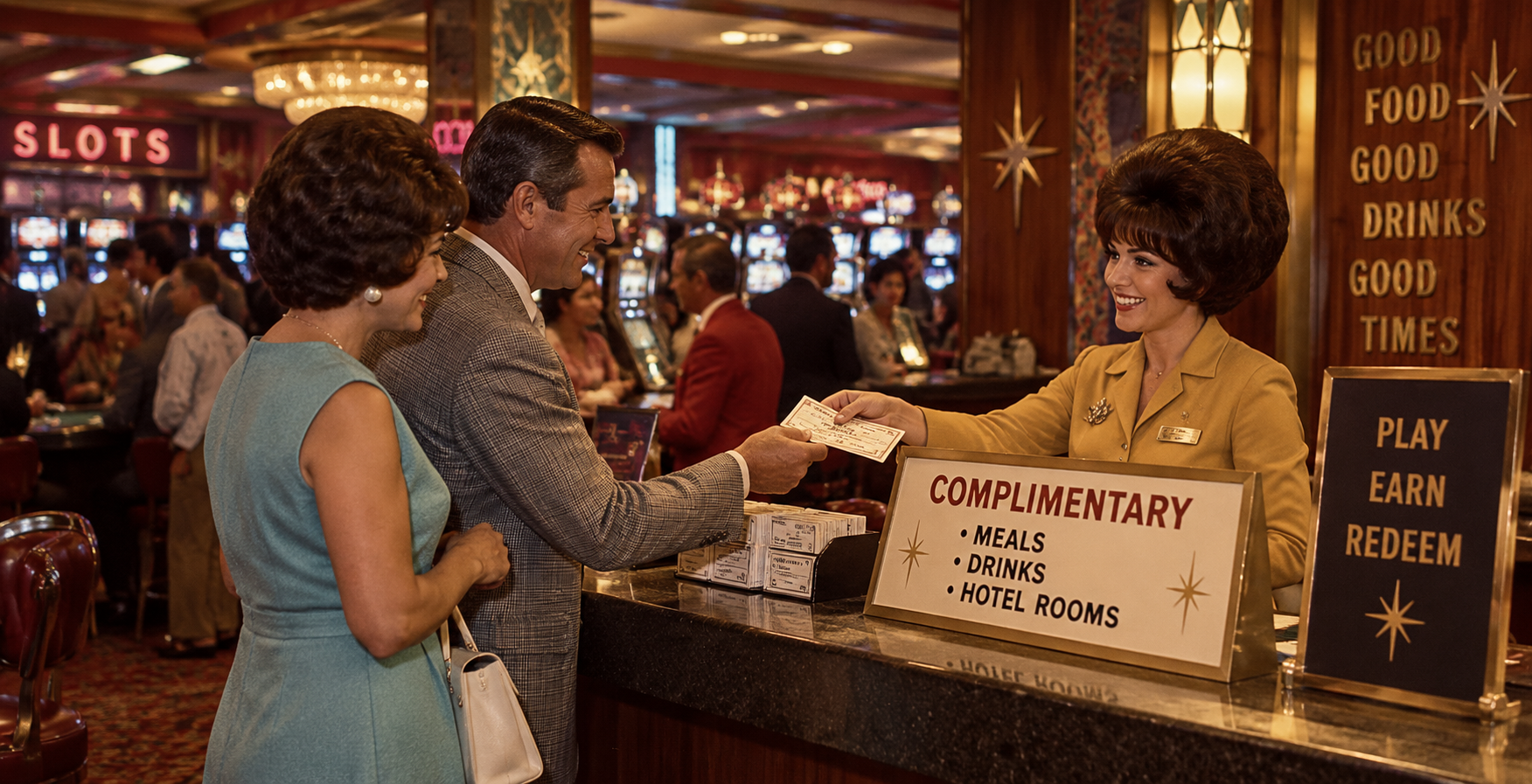
Casinos haven’t stopped giving things away, but the experience has become considerably more calculated. Old Vegas operators became famous for using free meals, drinks, rooms, and other perks to make ordinary gamblers feel valued. Benny Binion, for example, built a reputation for being generous with comps even to smaller players. Modern rewards programs still hand out benefits, but play is now meticulously tracked through loyalty cards and algorithms. The casual relationship with a pit boss or casino host hasn’t completely vanished, but computerized tracking increasingly decides what your gambling is worth.
Watching an Old Casino Get Blown Up
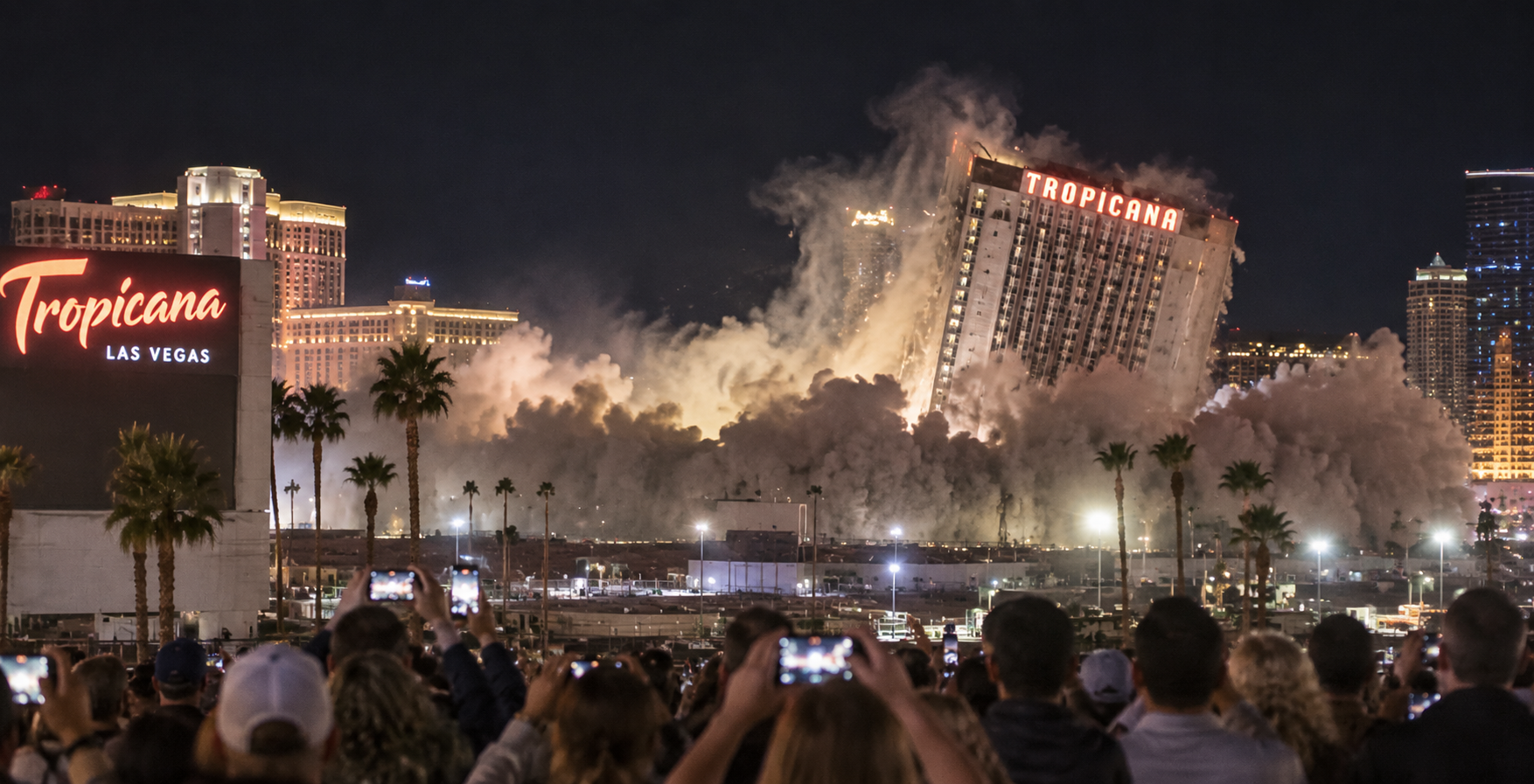
For a while, even destroying Las Vegas history became a spectacle. The Dunes, Landmark, Sands, Hacienda, and other resorts came down in dramatic implosions as newer developments replaced them. Crowds gathered, television cameras rolled, and demolition became part of the city’s reputation for constantly reinventing itself. The Tropicana’s October 2024 implosion revived that strange tradition, complete with fireworks and drones, but officials said another major Strip implosion was unlikely anytime soon. Future resorts may simply be dismantled conventionally, making even Vegas’ most dramatic way of saying goodbye increasingly nostalgic.