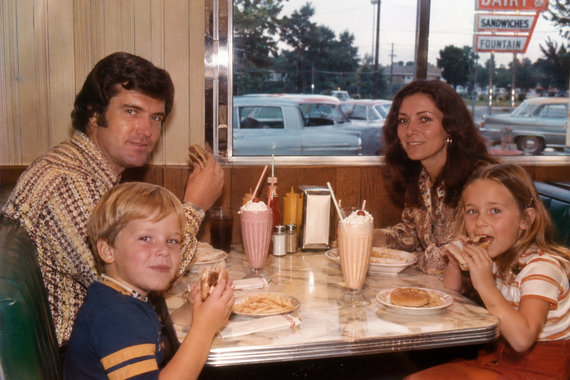
Remember when everyone sat down for dinner at the same time and weekends meant catching up around the house? Once everyone has their own schedule, those familiar routines can become harder to maintain. Between work shifts, school activities, appointments, and everyday errands, families often need a little more flexibility. Fortunately, staying organized doesn’t have to mean spending money on complicated apps or services. As the USDA explains, planning meals and using what you already have can also help reduce food waste and grocery spending.
They Stop Expecting Everyone to Eat Dinner at the Same Time

Getting everyone around the dinner table at six o’clock sounds nice until someone has a late shift, another has soccer practice, and somebody else is stuck in traffic. Rather than waiting for everyone, some families prepare meals that can be eaten at different times. A pot of chili, baked pasta, or roasted chicken makes that easier. Nobody has to cook an entirely separate dinner or order takeout because they missed mealtime. Families can still enjoy a shared Sunday lunch or another meal when schedules allow.
They Use a Shared Calendar for Everything

When one person has a doctor’s appointment, another needs the car, and someone else has an evening commitment, keeping everything straight gets complicated. A shared calendar gives the household one place to check what’s coming up. It might be a digital calendar everyone can update or an old-fashioned paper version hanging on the refrigerator. The important part is keeping it current. A quick review at the beginning of each week can prevent forgotten appointments, overlapping plans, and those frustrating last-minute surprises.
They Prepare Individual Meal Portions Instead of One Large Dinner

Instead of leaving an entire casserole in the refrigerator and hoping everyone figures out dinner, families can divide cooked meals into individual containers. That way, someone arriving home at nine can heat up a portion without disturbing the rest of the household. Soups, pasta dishes, and casseroles are especially convenient for this. Just remember that food safety still matters. Refrigerate perishable leftovers promptly, label containers with the date, and generally use refrigerated leftovers within three to four days or freeze them for later.
They Assign Chores Based on Who Has Time

The old routine of assigning the same chores to the same people every week doesn’t always work when schedules constantly change. Someone working from home might start a load of laundry, while a teenager with a free afternoon could empty the dishwasher. A simple weekly checklist helps everyone see what needs doing without endless reminders. The trick is keeping responsibilities fair rather than expecting whoever happens to be home to do everything. Even younger children can help with age-appropriate tasks, making the workload easier to share.
They Keep a Grocery List Everyone Can Update

There’s nothing quite like coming home from the grocery store and discovering that three people bought milk but nobody remembered the bread. A shared shopping list helps prevent those mix-ups, especially when different family members shop on different days. A notepad on the refrigerator works just as well as a phone app, provided everyone remembers to use it. Before heading to the store, check the pantry and refrigerator to avoid buying duplicates. It’s a small habit that can save money and keep perfectly good food from going to waste.
Trending on Cheapism


They Give Everyday Essentials a Designated Spot

When everyone leaves the house at a different time, misplaced keys, backpacks, and phone chargers can create unnecessary chaos. Some families solve this by giving frequently used items a permanent home. A basket near the front door can hold keys and wallets, while hooks keep bags and jackets off the floor. A designated charging area can also prevent arguments over missing cables. There’s no need to buy expensive organizers, either. Repurposed containers and a few inexpensive hooks can make mornings considerably less stressful.
They Plan Rides and Errands Before the Week Begins

When several people share a car or depend on family members for rides, transportation can become a daily puzzle. Planning pickups, appointments, and errands a few days ahead makes it easier to see where schedules overlap. Someone heading to the pharmacy might also pick up groceries, saving another trip across town. Carpooling can help when destinations and schedules line up, although it isn’t always practical. A little coordination can reduce unnecessary driving and the cost of last-minute transportation, especially in households with teenagers or older relatives.
They Buy Ingredients That Can Become Several Meals
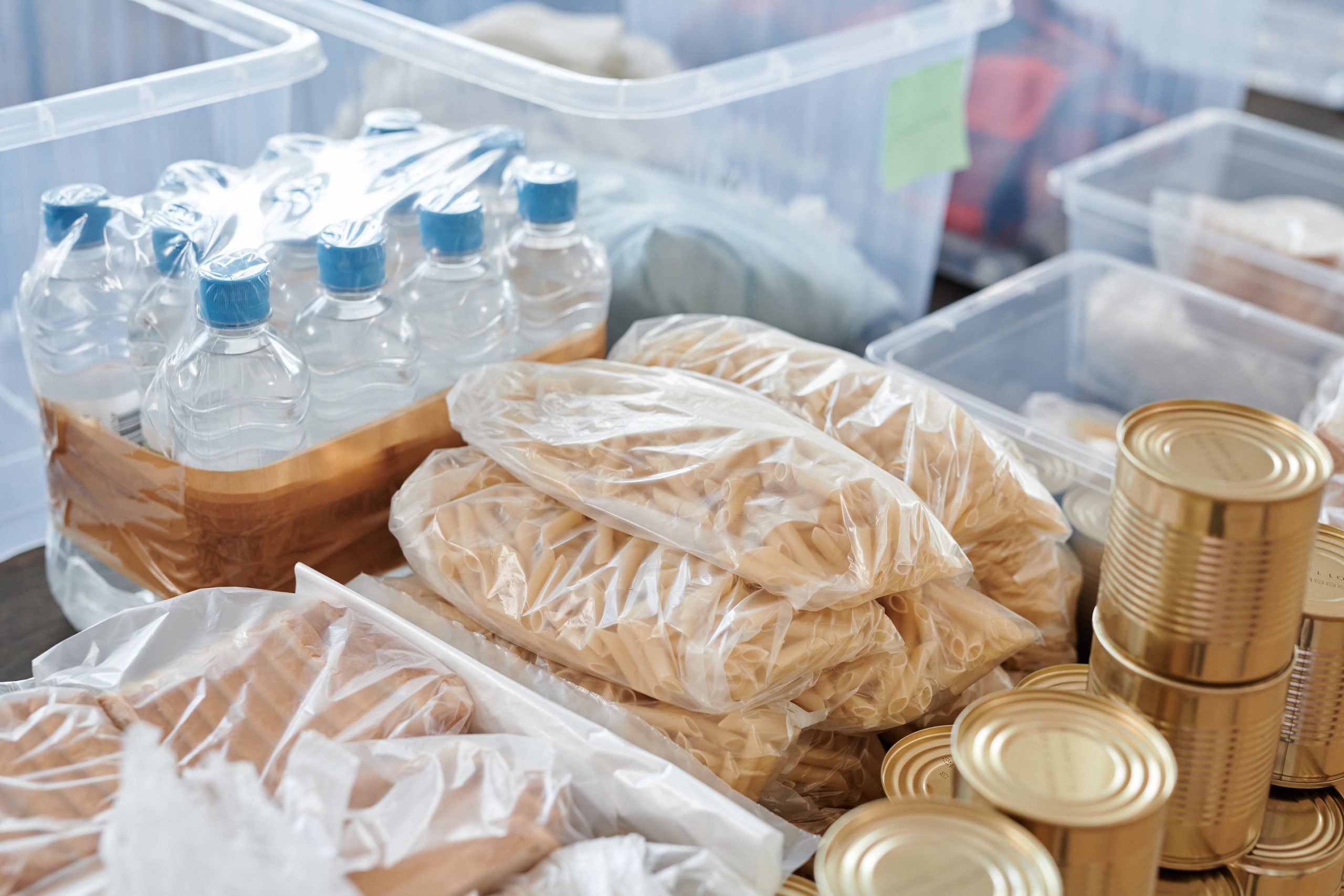
Cooking a completely different dinner for every family member isn’t practical when everyone eats at different times. Instead, some households keep versatile ingredients that can be used in several ways. Cooked chicken might become sandwiches one day and rice bowls the next, while beans and vegetables work in soups, salads, or wraps. This approach offers more flexibility without requiring an entirely new grocery list for every meal. The key is choosing ingredients people actually enjoy and using refrigerated leftovers safely before they spoil.
Sign up for our newsletter
They Make Breakfast a Help-Yourself Routine

In a busy household, breakfast might happen at six in the morning for one person and closer to nine for another. Rather than preparing several separate meals, families can keep simple breakfast options within easy reach. Overnight oats, yogurt, fruit, hard-boiled eggs, and prepared breakfast sandwiches are convenient choices. Older children and adults can handle their own meals, while younger kids may still need help. Preparing a few ingredients the night before can also make mornings less rushed, especially when everyone needs to leave at different times.
They Put Family Time on the Calendar

When everyone’s schedule fills up with work, school, and personal commitments, spending time together doesn’t always happen naturally. Some families find it easier to choose one regular activity, whether that’s Sunday breakfast, a weekend walk, or a Friday movie night. It doesn’t need to involve an expensive outing or elaborate plans. Even a shared meal once a week can provide a chance to catch up. The goal isn’t to turn family time into another obligation, but to protect a little space for being together.
They Set Rules for Shared Appliances and Spaces
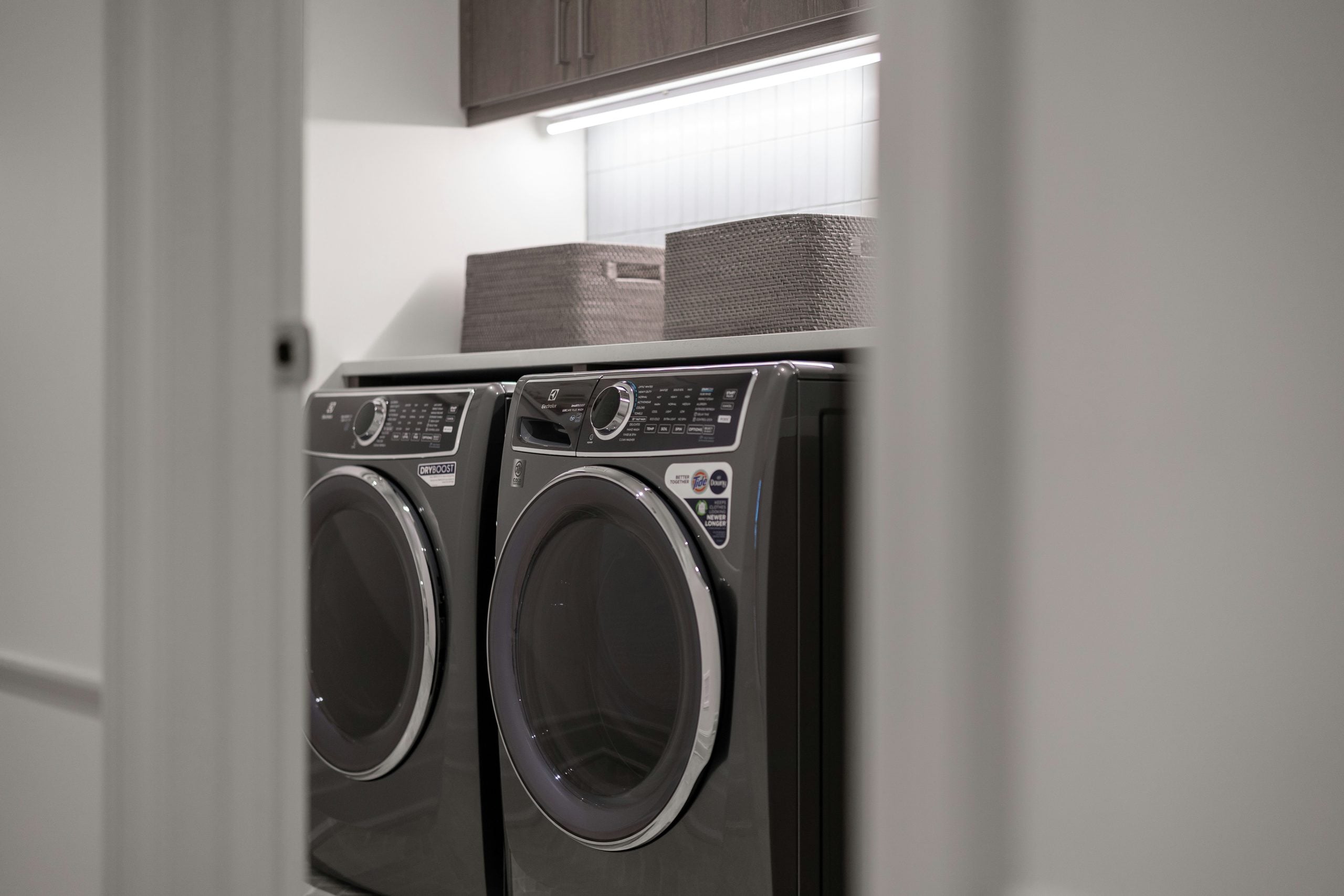
Different schedules can create unexpected household disagreements, especially when someone wants to run the washing machine while another person is trying to sleep. Shared bathrooms, kitchens, laundry machines, and workspaces may need a little coordination. Some households establish quiet hours or agree on when noisy chores should happen. Others use a simple laundry schedule to prevent piles of clothes from taking over the machines. These arrangements don’t have to be complicated, but discussing them ahead of time can prevent small annoyances from becoming regular arguments.
They Leave Notes Instead of Constantly Checking In

Not every household update requires a phone call or a long conversation. When family members are coming and going at different hours, a quick note can communicate what’s important without interrupting anyone’s day. A kitchen whiteboard might say there’s soup in the refrigerator, while a text message can remind someone to bring in a package. This works particularly well when people have different work or sleep schedules. Just make sure urgent matters are communicated directly, and avoid leaving sensitive personal information where visitors might see it.