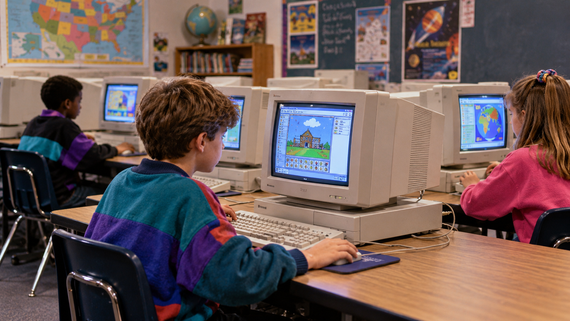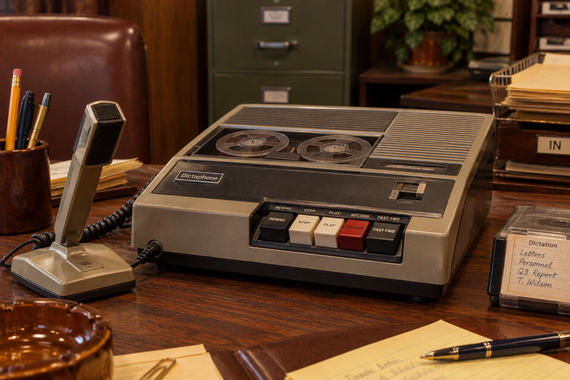

The products people use throughout their lives have changed in recent decades. While years ago items were used until they stopped working, today’s product lifespans are shorter, and product replacement happens much sooner due to cheaper manufacturing, changing technology, and other factors. We’ve gathered information from EPA and Consumer Reports, to reveal the items families tend to replace most frequently these days!
Televisions
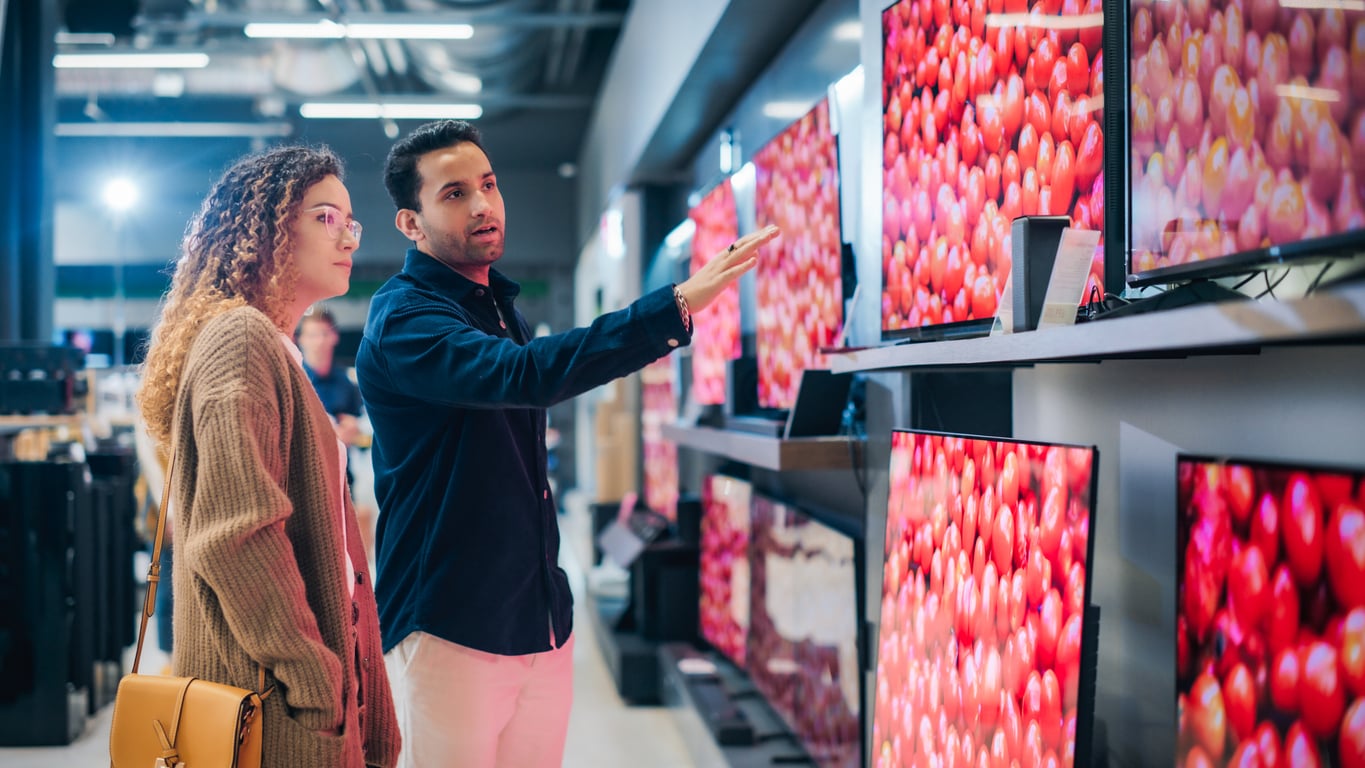
In the past, a television was a major household investment, and people tended to repair them rather than replace them immediately. Nowadays, however, televisions are relatively inexpensive, and product replacement can be influenced by changes in screen sizes, resolutions, streaming capabilities, and advancing technology, where their prices drop instantly when a new model hits the market, according to EPA. Televisions might feel obsolete not only because of its smaller screen size but also because it lacks the latest display technology.
Telephones
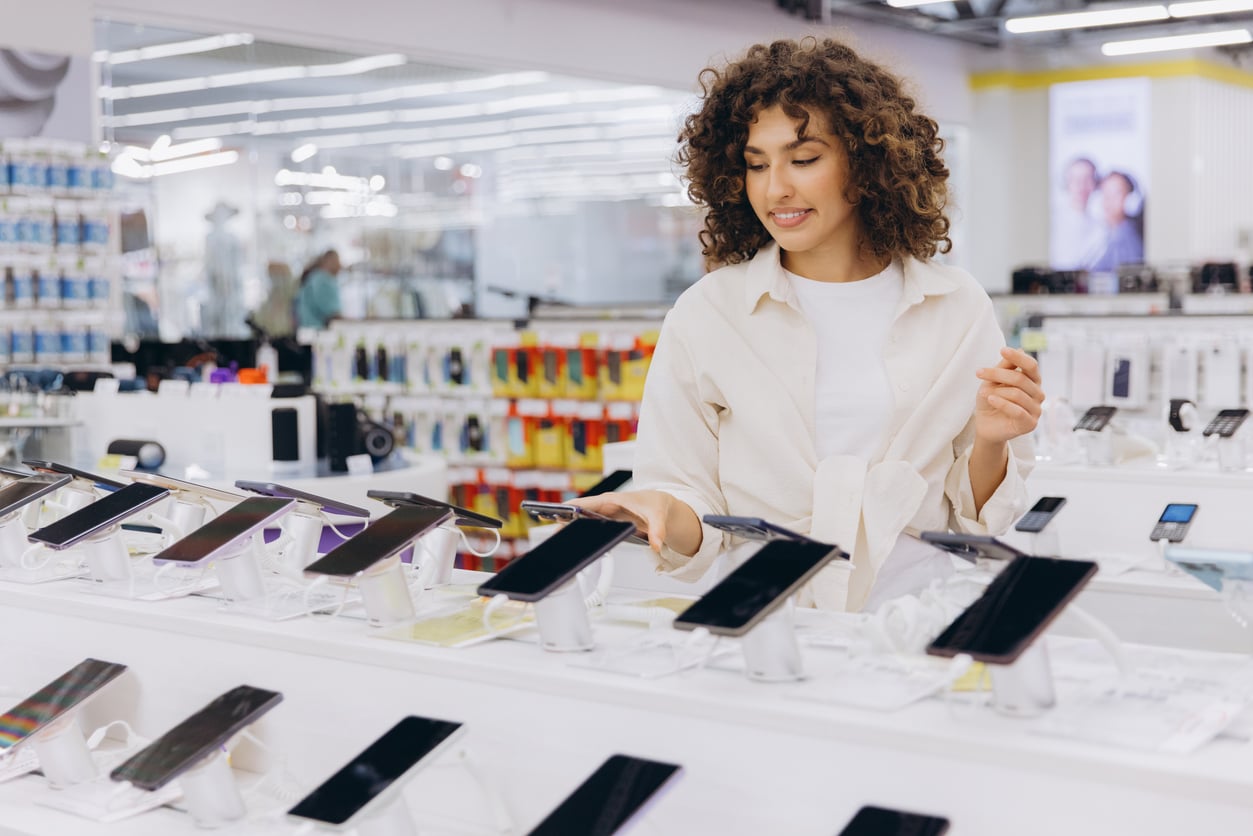
The journey from landline telephones to today’s smartphones has completely transformed how we use this device. It has evolved from a simple tool for voice communication within the home into a compact computer that can even be used on an airplane. A smartphone that is a few years old can remain fully functional, even though the annual upgrades offered by newer models may be tempting. The EPA noted that whenever you discard a smartphone, it’s better to donate or recycle it instead of simply throwing it to the garbage, making responsible product replacement easier.
Major Kitchen Appliances
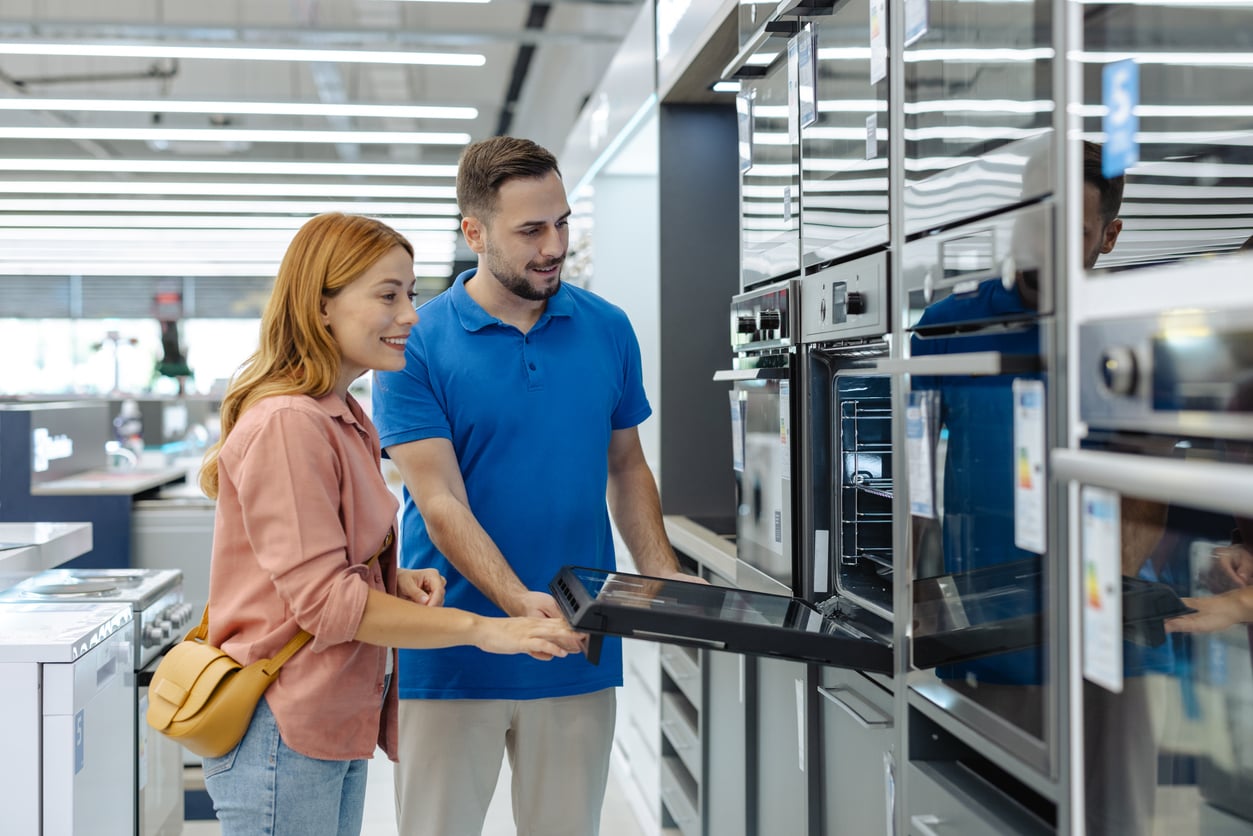
Since major kitchen appliances, such as refrigerators, washing machines, and other units were expensive in the past, families also expected them to last a long time. While modern appliances offer greater convenience today, they rely more heavily on electronics, making repairs more costly. Consequently, families now weigh repair costs against the cost of complete replacement when considering product replacement.
Furniture
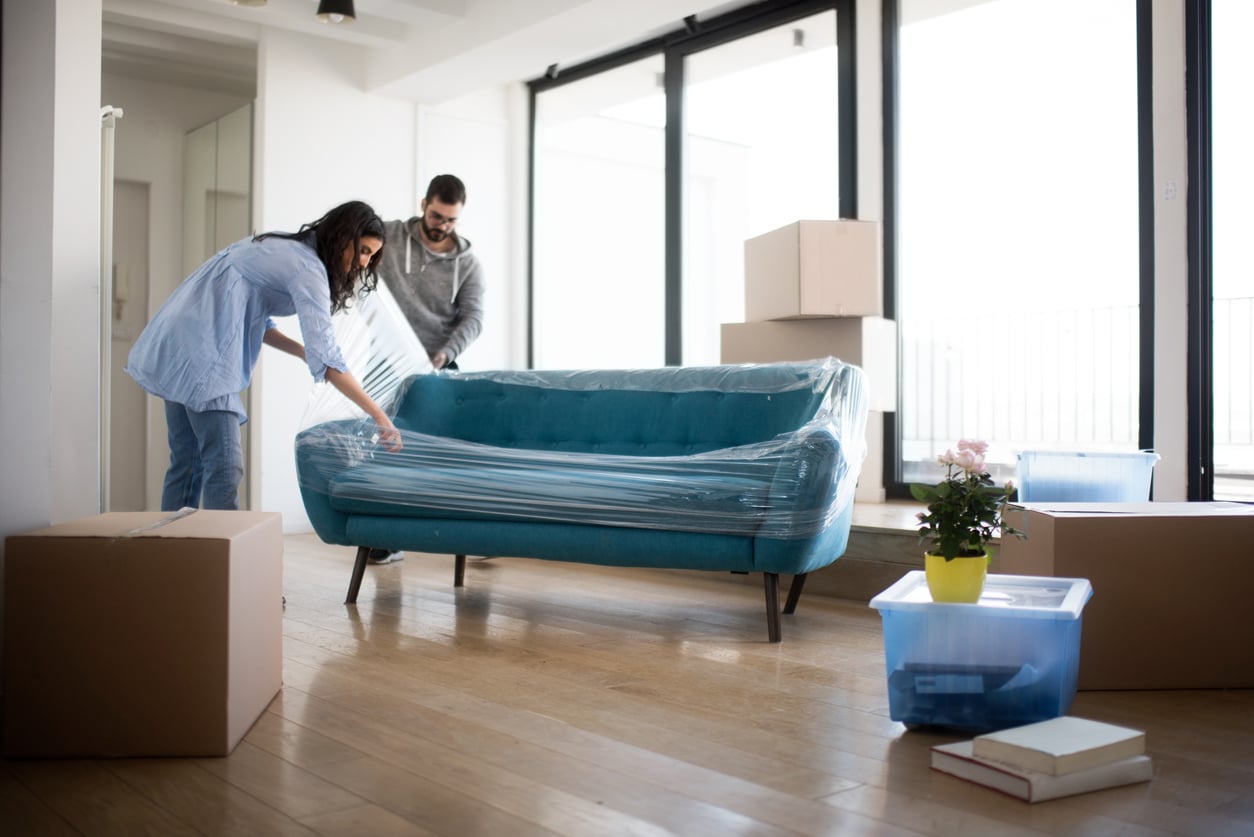
Furniture, such as dining tables, dressers, and bedroom sets, used to be crafted from hard, solid, and durable materials, and families expected these pieces to last for generations. However, the advent of inexpensive, flat-pack, and trend-driven furniture has led to pieces being replaced rather than repaired. While this furniture offers a low upfront price, convenience, and style, it has lost the quality of longevity associated with old furniture, making product replacement more common.
Shoes

In the past, if you wore the same pair of shoes for a long time, you could take them to a repair shop to have the soles and heels replaced or damaged leather stitched, thereby extending their lifespan. That situation has changed because mass production has made shoes cheaper. Consequently, repairing them often makes little sense, since for just a little more money, you can simply buy a new pair, accelerating product replacement.
Trending on Cheapism

Clothing

The EPA notes that discarded clothing is the main source of textiles in municipal solid waste, with smaller sources including footwear, furniture, and carpets. This indicates that clothing is discarded far more frequently than in the past, with people opting to buy new items instead. Not so long ago, worn-out clothing was routinely mended rather than thrown away. Garments have now become more disposable, making product replacement more common than keeping items for years.
Mattresses

Mattresses used to migrate from the parents’ bedroom to the children’s room or the guest room. However, for several years now, new materials have tended to deteriorate faster, or a trend has emerged that changed people’s sleeping needs, or even when mattresses become old or saggy, leading to earlier replacement. Nowadays, a common reason for replacing a mattress is that it has become less comfortable or offers less support, rather than because of an actual physical defect in the materials according to Consumer Reports.
Small Kitchen Appliances

Appliances such as toasters, mixers, and coffee makers used to be mechanical devices capable of functioning for decades. However, mass-produced models, featuring modern designs, digital displays, and special functions but lacking the durability of their predecessors, now dominate the market. This leads consumers to wonder whether an appliance costing around $30 is worth repairing or if it is better to simply buy a new one, a common product replacement decision.
Sign up for our newsletter
Computers

In the United States, households used to share a single computer among the entire family because the device was quite expensive at the time. Today, modern computers remain functional for years, although their operating systems may require more maintenance, such as security updates or even battery replacements. The obsolescence of these machines is now digital rather than physical, which can contribute to product replacement.
Children’s Toys

Toys used to be passed down from generation to generation, from older siblings to younger ones, and then to cousins. Nowadays, children own toys made of electronic components or that are part of collectible trends. As children grow older, the entertainment that was once trendy loses its appeal, and young people shift toward a different model. These changing interests can contribute to more frequent product replacement.
Cars

Automobiles are not replaced as immediately as many of the other items we have discussed. However, owning one for a few years can make it feel old and ready for replacement, as information systems, cameras, sensors, and software become outdated before the engine begins to fail. According to S&P Global Mobility, the average age of U.S. light vehicles reached a record 12.8 years in 2025, showing that vehicle product replacement is not necessarily happening quickly.
Everyday Household Goods
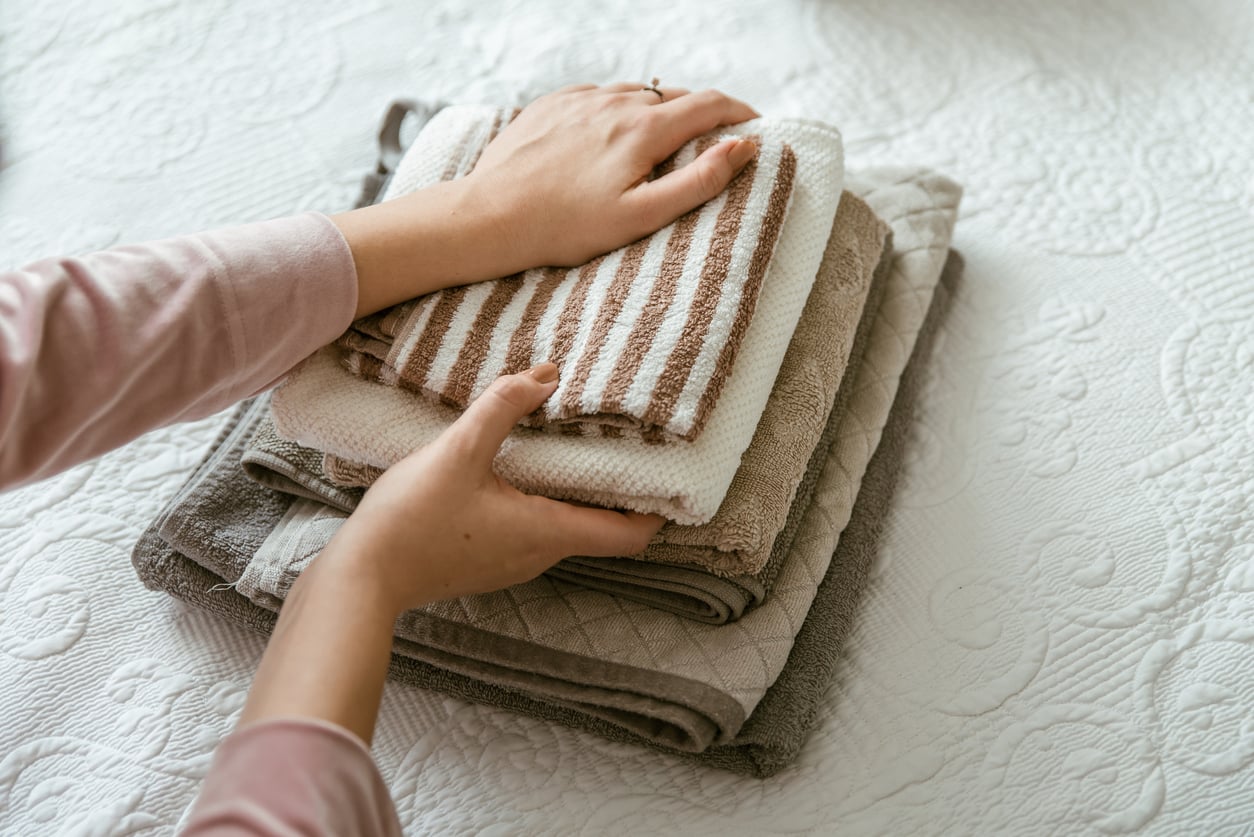
The EPA recommends reducing and reusing basic goods to avoid generating the massive amounts of waste currently seen in the United States and around the world. However, the reality is that everyday items, such as dishes, towels, sheets, and lamps, are replaced as soon as they break or show visible signs of wear. People no longer consider the value of an item or the personal attachment they might have to it. In the past, households tended to keep the same bath towels, casserole dishes, and lamps because these objects were part of family identity.
Conclusion
These various items, appliances, and products are not replaced simply because they are inferior to newer models hitting the market. Often, replacing them is easier than repairing them, and it can also be more cost-effective. Societal habits have shifted as well. The mindset that an item should be repaired if possible has given way to finding even a smaller reason to replace it entirely, making product replacement an increasingly common part of everyday consumer behavior.