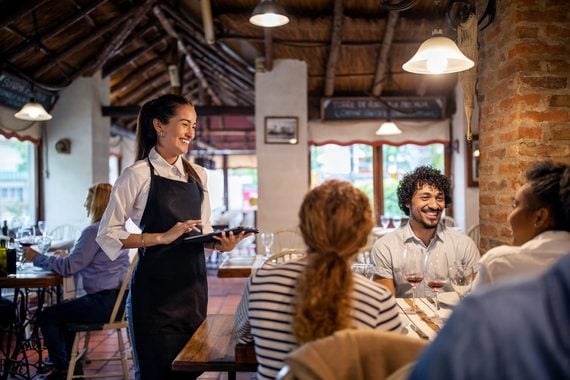
Going out to eat might seem straightforward: You browse the menu, place your order, and wait for your food to arrive. But behind the scenes, there’s a surprising amount of coordination involved in getting everyone at the table exactly what they ordered. From servers communicating special requests to cooks juggling multiple dishes at once, there’s a lot happening that customers never get to see.
And while most diners aren’t intentionally making anyone’s job more difficult, seemingly minor misunderstandings about ingredients, substitutions, portion sizes, and cooking times can complicate the ordering process. Fortunately, a little communication can go a long way toward preventing those problems.
That doesn’t mean you should feel uncomfortable asking questions, requesting changes, or sending back a dish that wasn’t prepared correctly. It’s simply about understanding how restaurants operate. Here are 12 things restaurant workers wish customers knew before ordering, based on restaurant industry guidance, food safety research, and dining etiquette.
Food Allergies Need to Be Mentioned Before You Order

Removing cheese from a salad or asking for a dish without nuts isn’t necessarily enough to make a meal safe for someone with a food allergy. Sauces, marinades, and shared cooking equipment can all present risks that aren’t immediately obvious.
According to CDC research, more than half of the restaurant employees interviewed had never received food allergy training. Always communicate genuine allergies before ordering and confirm that the kitchen can safely accommodate your needs.
Substitutions Aren’t Always as Simple as They Sound
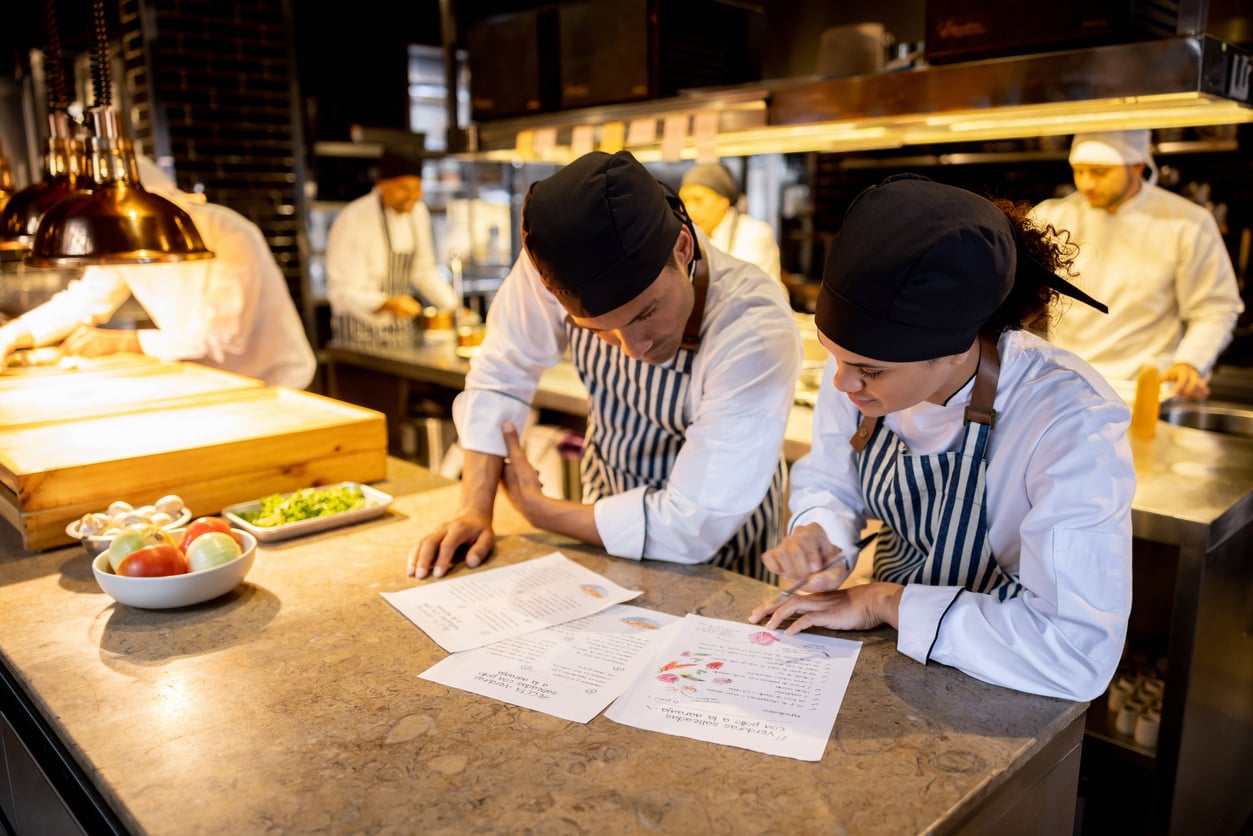
Swapping mashed potatoes for fries might be relatively straightforward, but other substitutions can be more complicated. Some ingredients are prepared together ahead of time, while certain sauces and marinades can’t simply be removed from a dish.
Rather than assuming every modification is possible, ask your server what the kitchen can accommodate. It’s also worth checking whether substitutions come with additional charges before placing your order.
Your Server May Need to Communicate With Several People
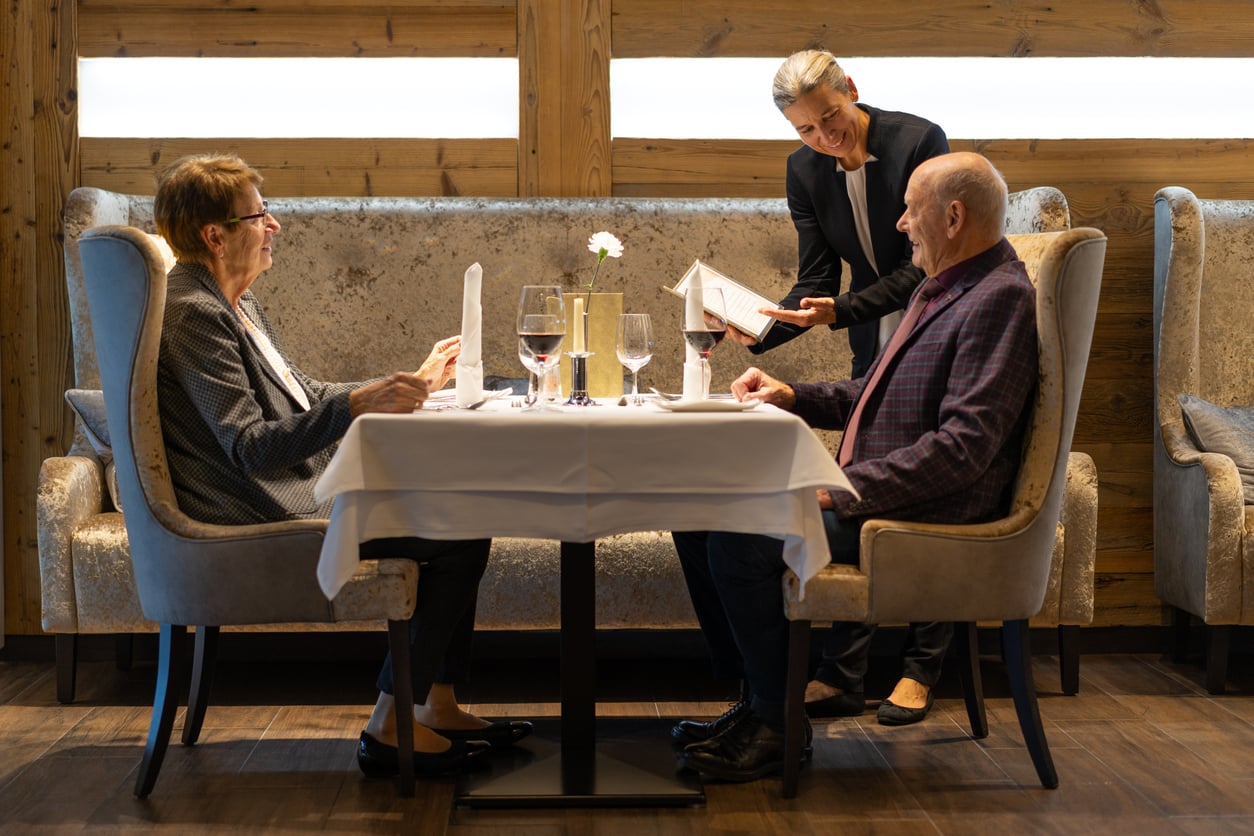
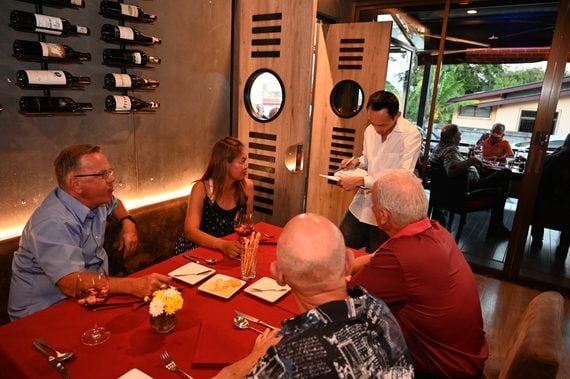
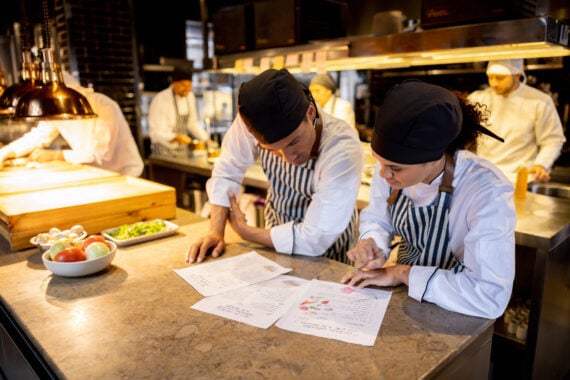
The person taking your order isn’t necessarily the person preparing your food or bringing it to your table. Depending on the restaurant, your request may pass between servers, cooks, kitchen expediters, and food runners before your meal arrives.
If you have several special requests, try to communicate them together when ordering. Adding modifications one at a time can make it more difficult for everyone involved to keep track of what you want.
Ordering a Well-Done Steak Can Affect How Long Dinner Takes
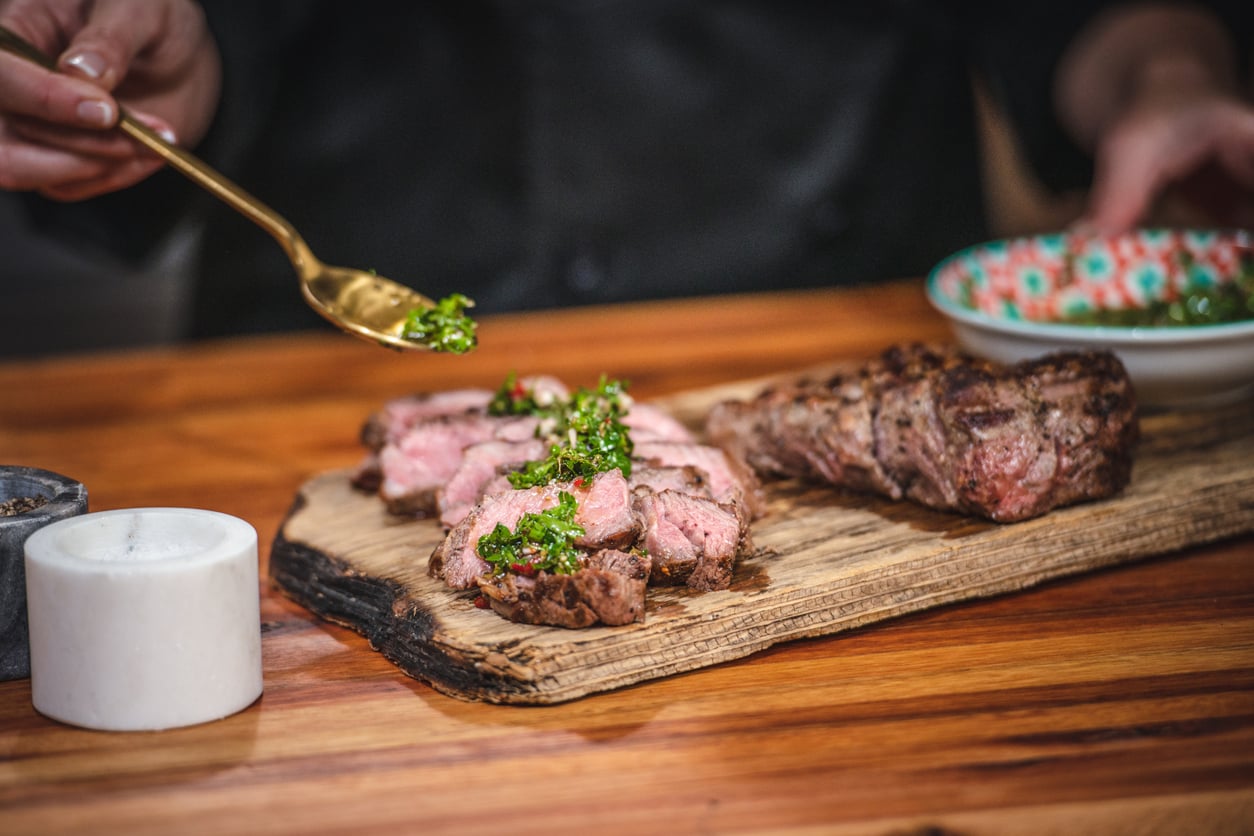
Not everything on a restaurant menu takes the same amount of time to prepare. A thick, well-done steak, for example, generally requires more cooking time than a medium-rare steak of the same cut.
Because kitchens typically try to coordinate entrées so everyone at the table can eat together, one dish with a longer cooking time may affect when the other meals arrive. If you’re in a hurry, ask your server which dishes can be prepared relatively quickly.
Asking About Ingredients Is Better Than Guessing
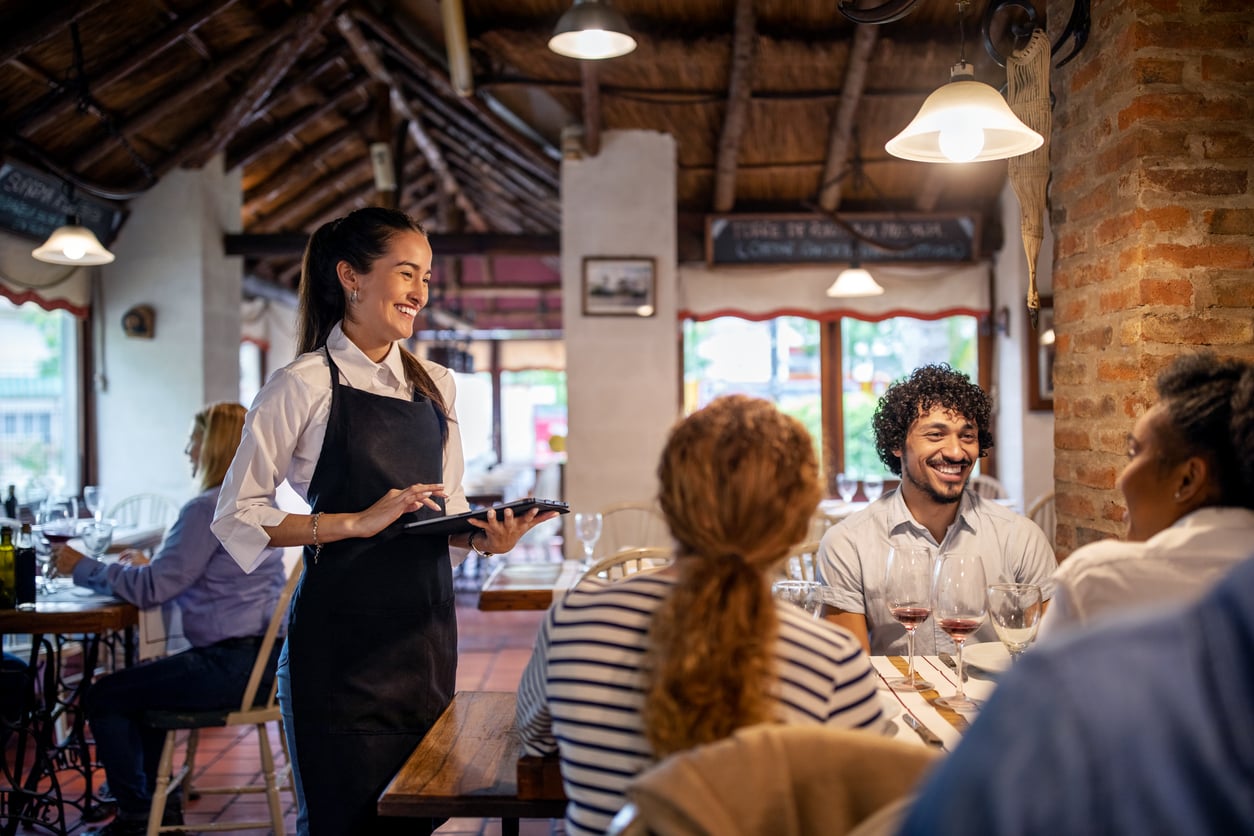
Menu descriptions don’t necessarily include every ingredient in a dish. A seemingly vegetarian soup might contain chicken stock, while a salad dressing could contain anchovies or dairy products.
If there’s something you can’t or don’t want to eat, ask about it before placing your order. And don’t be discouraged if your server needs to check with the kitchen. Getting an accurate answer is much better than receiving a confident but incorrect one.
Trending on Cheapism
Changing Your Order After It Reaches the Kitchen Can Be Complicated
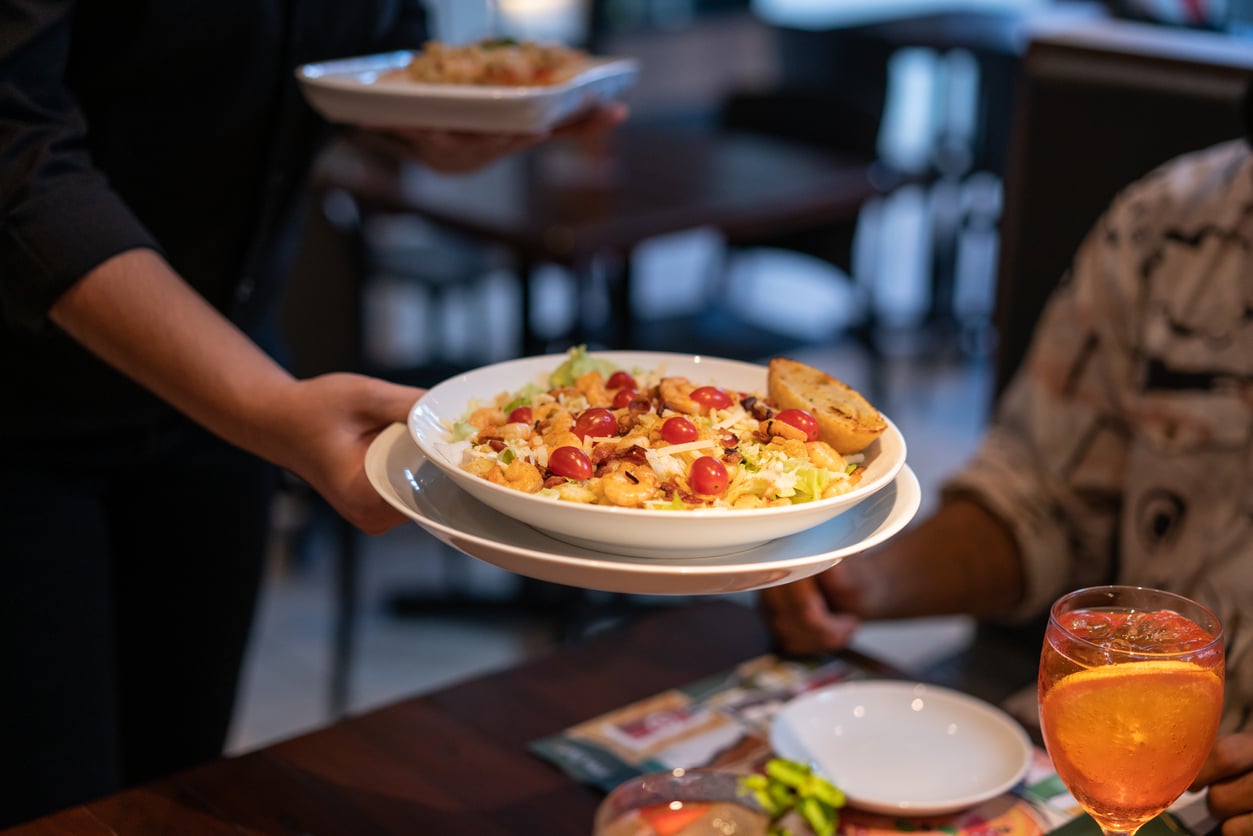
You might change your mind about what you want to eat shortly after handing the menu back, but the kitchen may already have started preparing your meal. Even a change made just a few minutes later could mean starting an entire dish from scratch.
If you do need to change something, let your server know as soon as possible. The restaurant may still be able to accommodate your request, depending on how far along the preparation process is.
Menu Prices Don’t Always Reflect Portion Sizes
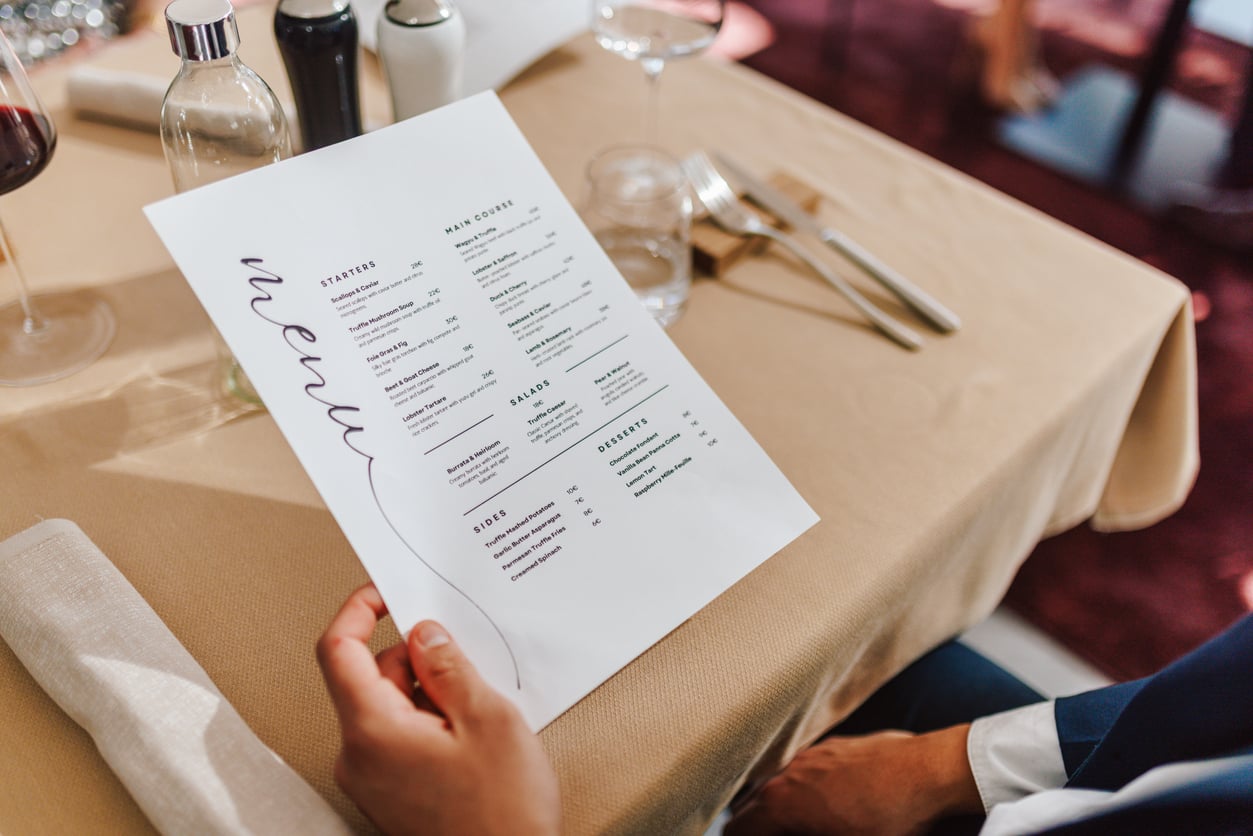
It’s easy to assume that a $35 entrée will be more filling than a $20 one, but restaurant prices reflect much more than the quantity of food on your plate. Ingredient costs, preparation methods, and labor all play a role.
An expensive seafood entrée might be considerably smaller than a more affordable pasta dish. If you’re particularly hungry or hoping to split something with another person, ask your server about portion sizes before ordering.
An Empty Dining Room Doesn’t Necessarily Mean the Kitchen Is Quiet
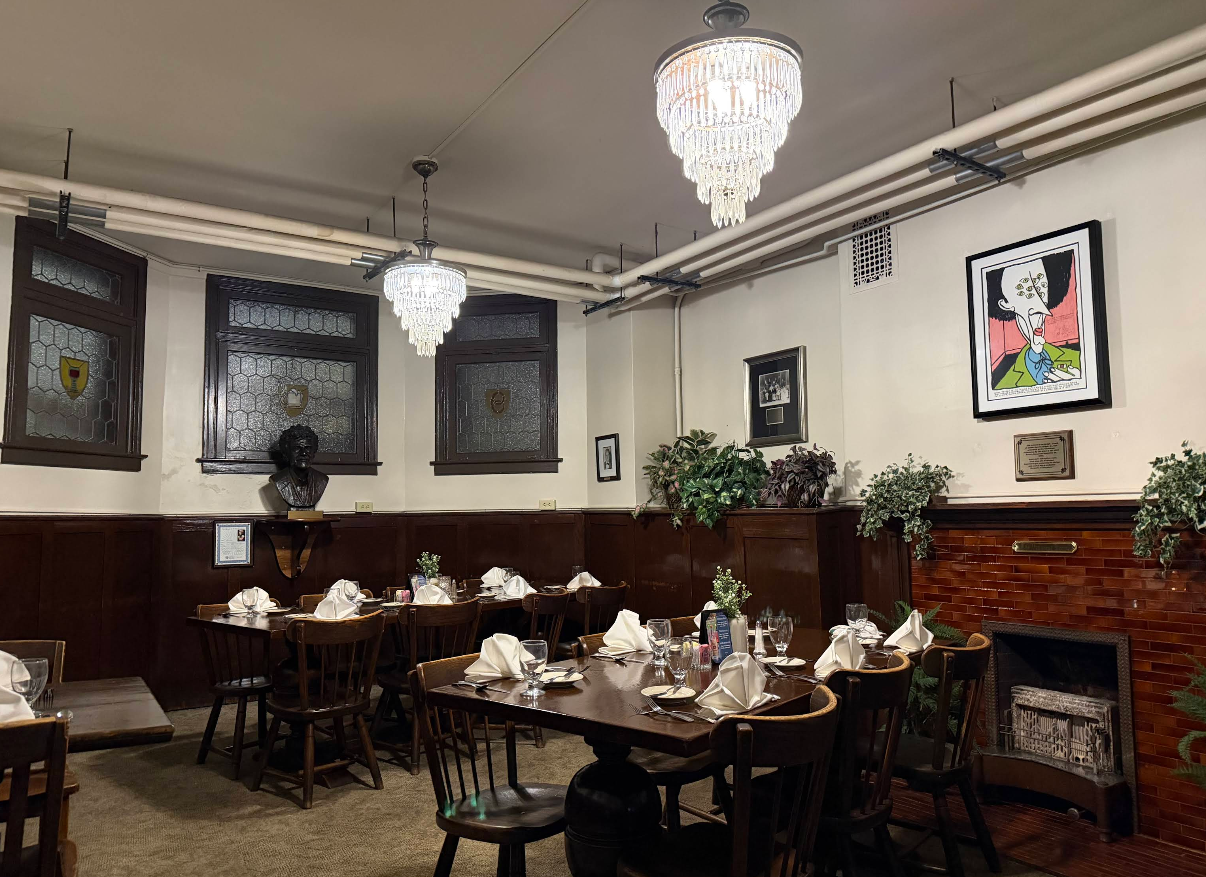
You might look around a restaurant, notice several empty tables, and assume your food should arrive within minutes. But what you can’t see is how many takeout and delivery orders the kitchen is simultaneously preparing.
Depending on the restaurant, cooks may be handling dozens of orders that never make it into the dining room. If you’re working with a tight schedule, ask about the estimated wait before committing to a meal.
Sign up for our newsletter
It’s Perfectly Reasonable to Send Back an Incorrect Order
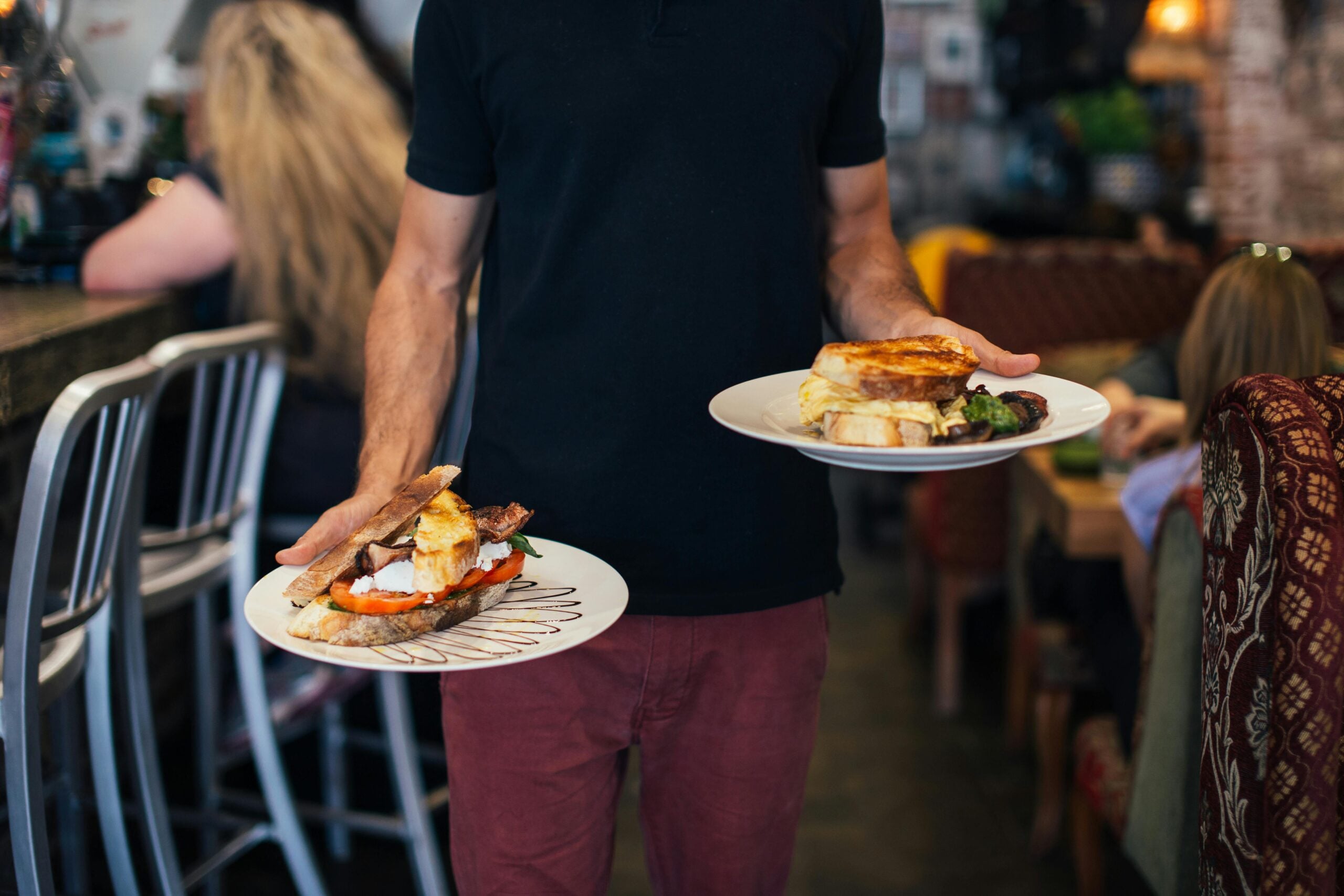
Some diners would rather eat something they didn’t order than risk making an awkward complaint. But if your meal arrives with the wrong ingredients, an incorrect side dish, or a preparation that doesn’t match your request, you’re entitled to point it out.
A YouGov survey found that Americans generally consider sending back incorrectly prepared food acceptable. Politely explain what’s wrong as soon as you notice it, rather than waiting until you’ve nearly finished your meal. YouGov
Food Preferences and Food Allergies Require Different Precautions
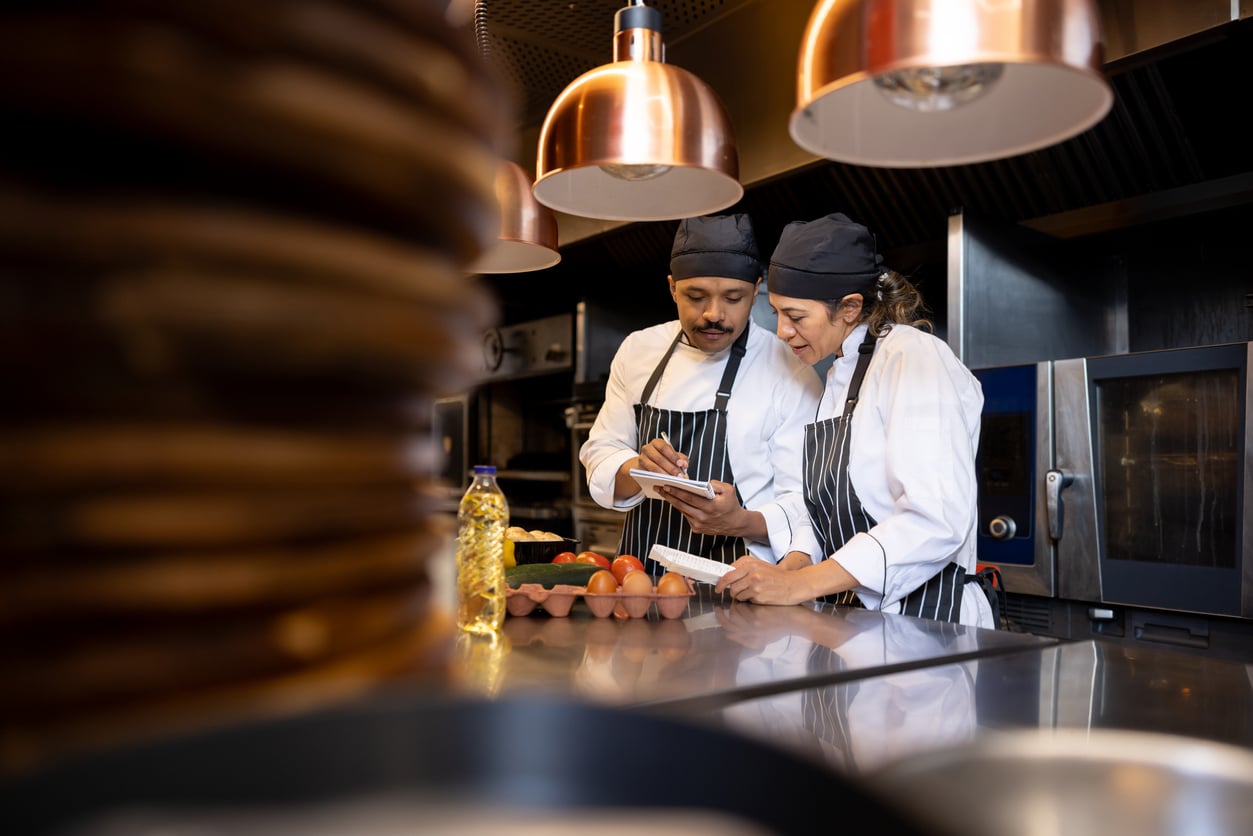
There’s nothing wrong with asking for a burger without cheese simply because you don’t like it. But telling the kitchen you have a dairy allergy when you don’t can trigger additional preparation and sanitation procedures.
Even microscopic traces of an allergen can cause serious reactions in some people, according to the National Restaurant Association. Clearly explain whether you’re communicating a preference, an intolerance, an allergy, or another medical dietary restriction so staff can take the appropriate precautions. National Restaurant Association
Some Food Simply Can’t Be Rushed
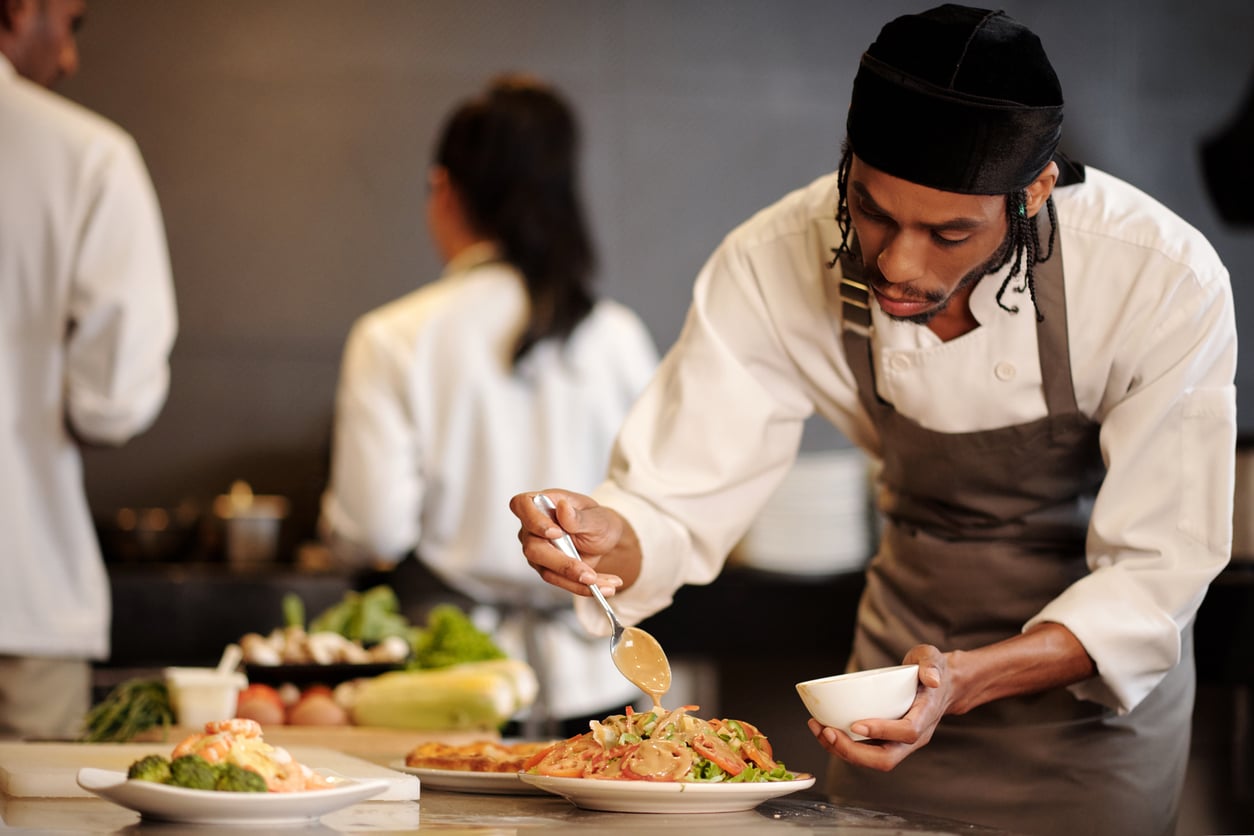
Whether you’re trying to catch a movie or squeeze lunch into a busy workday, waiting longer than expected for your food can be frustrating. However, certain preparation steps can’t safely be skipped just because a customer is in a hurry.
The CDC emphasizes the importance of thorough cooking and appropriate food temperatures to prevent foodborne illness. If you need to leave by a particular time, mention it before ordering so your server can recommend realistic options.
The Best Menu Recommendations Start With What You Actually Like
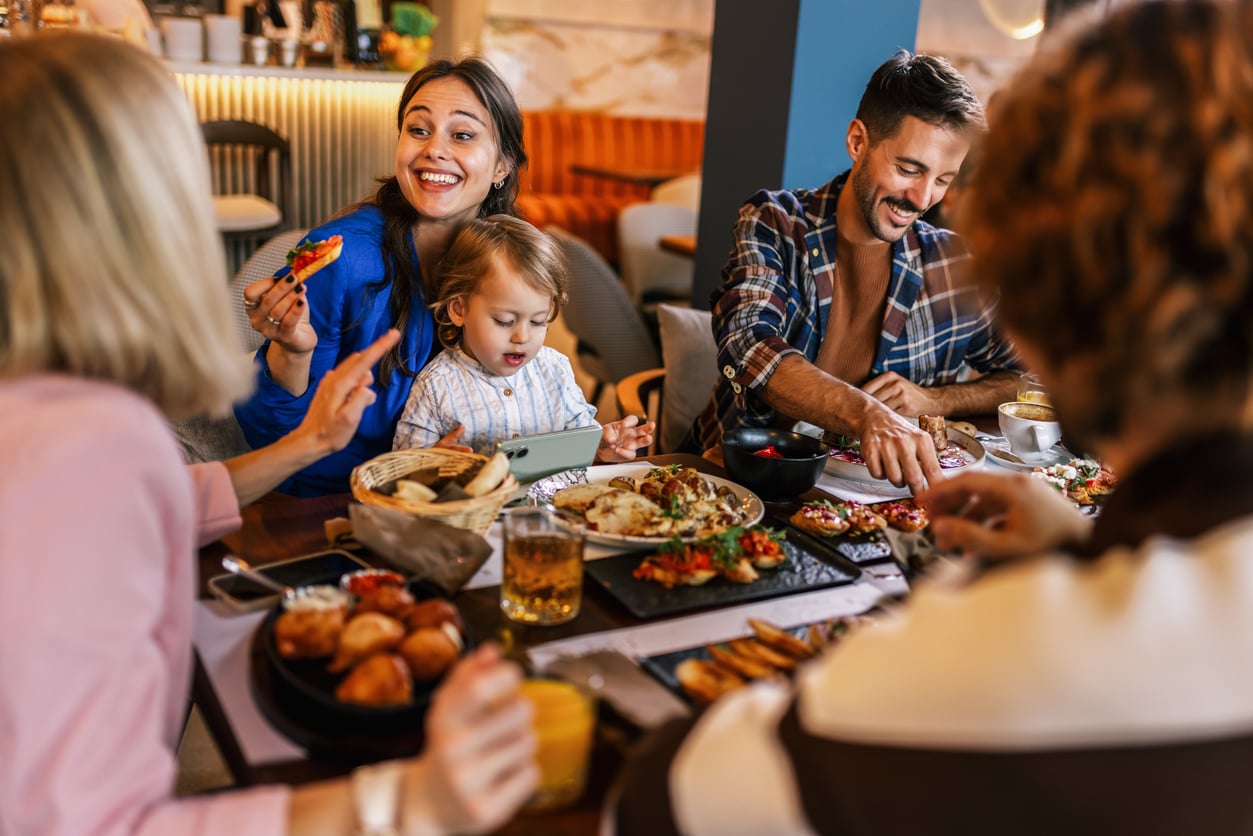
Asking your server what the best thing on the menu is might seem like an easy way to decide what to order. But their favorite dish could be something particularly spicy, rich, or adventurous that doesn’t appeal to you at all.
Instead, give your server a little direction. Mention your favorite ingredients, how hungry you are, your spice tolerance, or how much you’re comfortable spending. You’re much more likely to receive a recommendation you’ll actually enjoy.
A Little Communication Can Go a Long Way
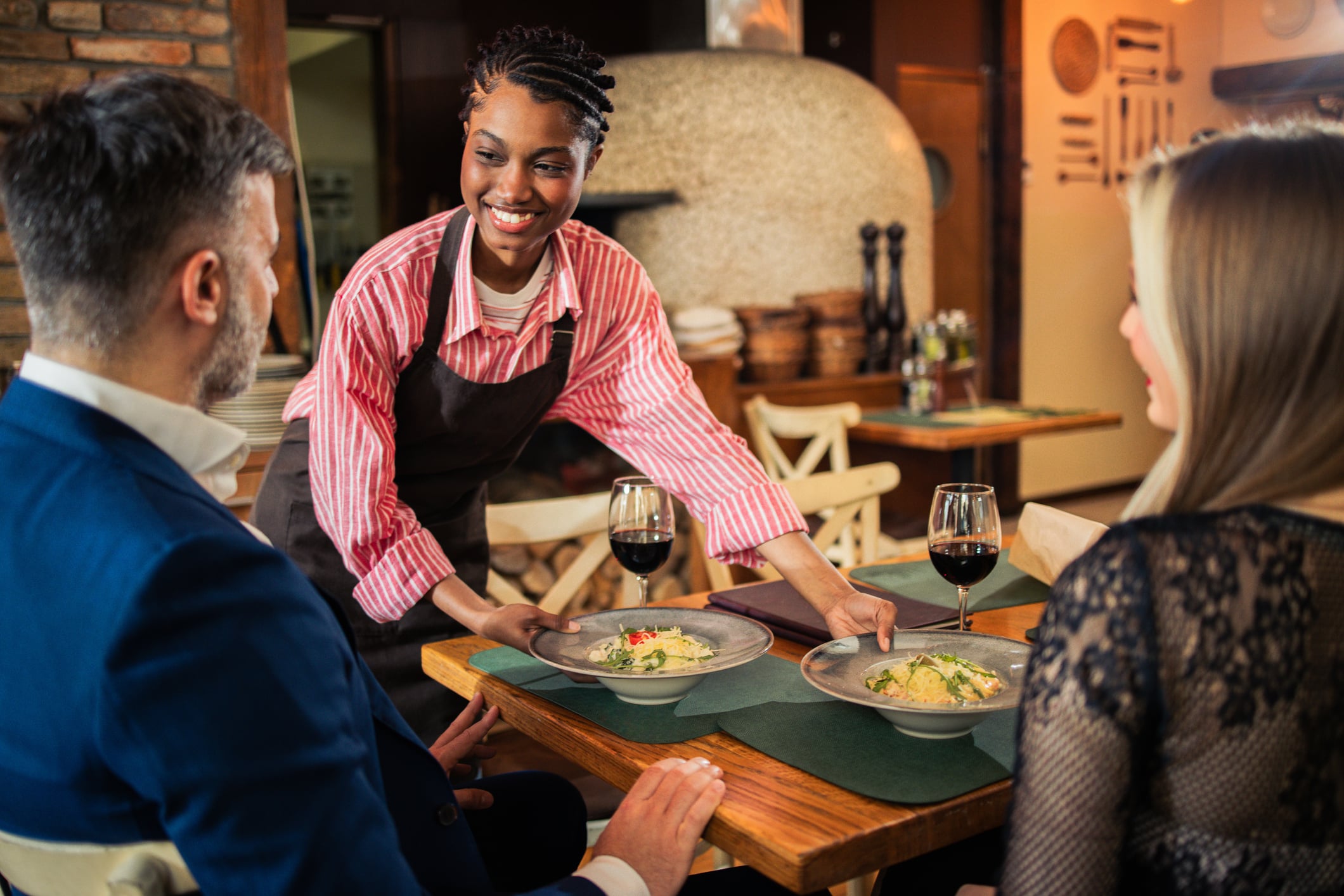
Dining out should be an enjoyable experience, not a complicated exercise in restaurant etiquette. But understanding what happens behind the scenes can help you avoid unnecessary expenses, disappointing meals, and frustrating misunderstandings.
Don’t hesitate to ask questions, clarify menu descriptions, request reasonable modifications, or speak up when something isn’t right. Being clear about what you want before your order reaches the kitchen can make the entire experience smoother for everyone involved.