A restaurant menu can make even the simplest dish sound like something from a fancy five-star establishment. With the right words, ordinary ingredients suddenly become artisanal, chef-curated, or inspired by family traditions. Research on descriptive menu labels suggests that the way food is described can influence what customers order and how they perceive it. But fancy wording doesn’t always mean better ingredients or bigger portions. These 12 things restaurants do to make certain menu items sound more expensive are worth knowing before your next meal out.
Calling Ordinary Ingredients Artisanal
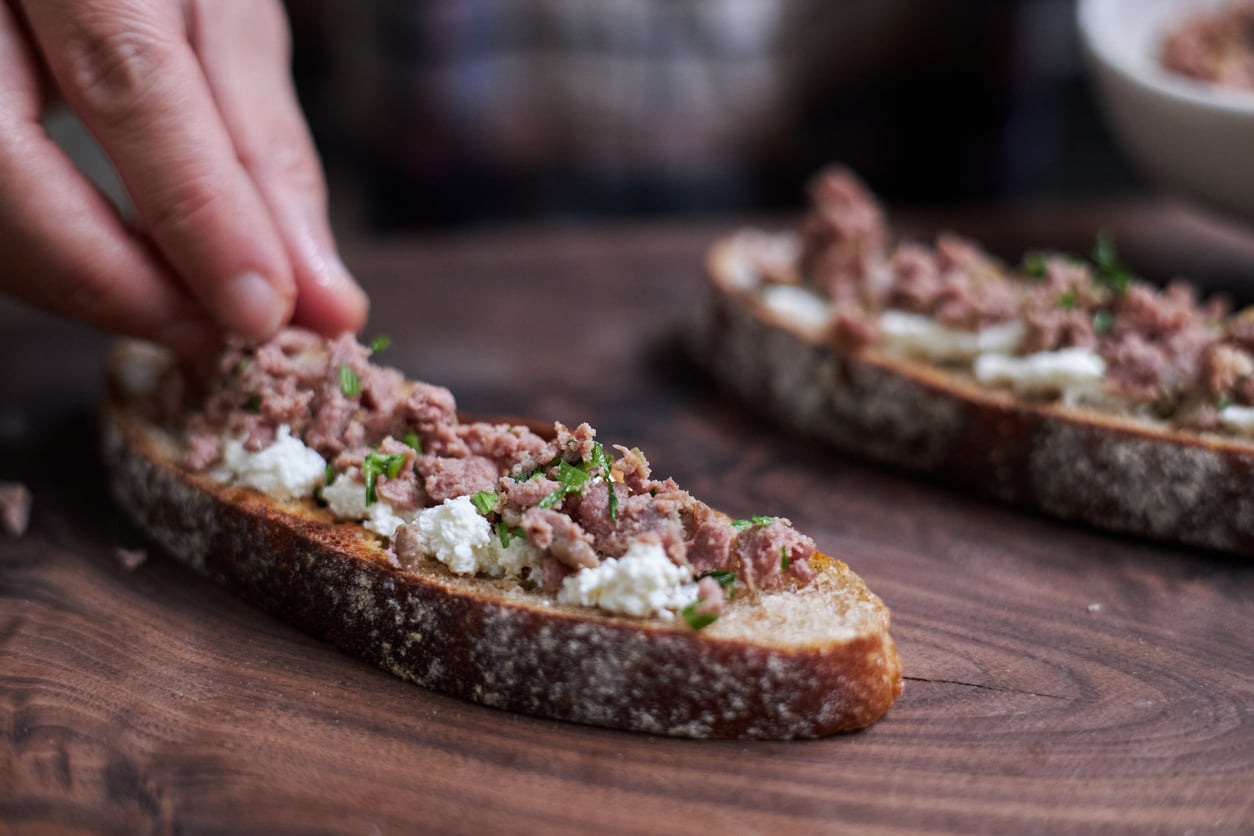
A grilled cheese sandwich sounds pretty ordinary until the menu describes it as artisanal farmhouse cheese on hand-crafted sourdough. Suddenly, lunch feels like a specialty worth paying extra for. The word “artisanal” suggests traditional methods and careful craftsmanship, but it doesn’t always tell you much about the actual product. Sometimes the description reflects genuinely good bread or cheese. Other times, it’s simply an attractive label. Look for details about the ingredients or preparation rather than assuming that artisanal automatically means higher quality.
Mentioning a Specific Farm or Producer

A roast chicken becomes more interesting when the menu identifies the farm that raised it. Naming a local dairy, orchard, or family-owned producer can make ingredients feel carefully selected and exclusive. That information can be valuable, especially when it reflects genuine sourcing practices. However, a farm’s name doesn’t automatically guarantee better flavor or a more expensive ingredient. If you’re considering a pricier dish, pay attention to the actual cut, preparation, and accompaniments rather than relying entirely on the story behind its source.
Using French Words for Familiar Cooking Techniques
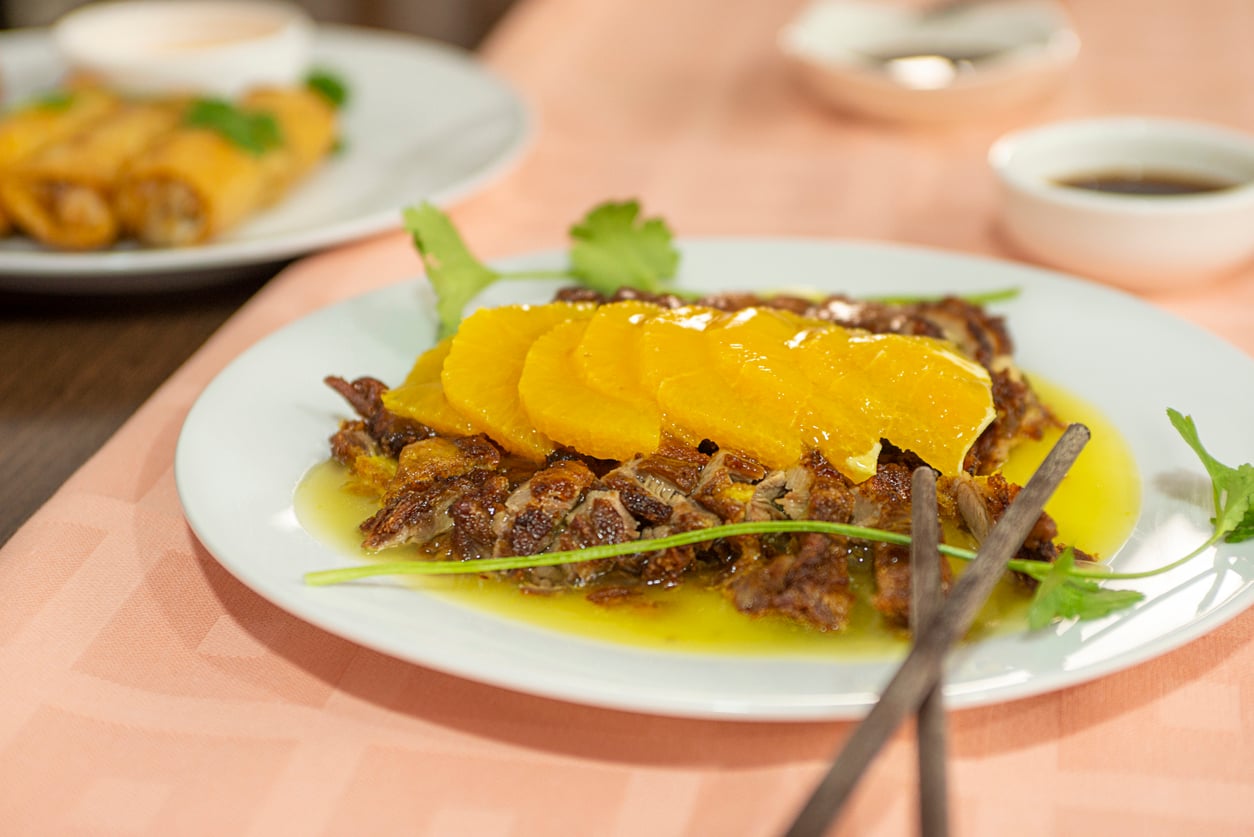
French culinary terms can make an ordinary dish sound like something from an upscale restaurant. Roast chicken with pan juices becomes chicken with natural jus, while a simple sauce might be described as a veloute. These aren’t necessarily meaningless expressions. Many refer to established cooking methods, and some preparations require considerable skill. Still, unfamiliar vocabulary can make food seem more elaborate than it really is. If you don’t recognize a term, ask your server what it means before deciding whether the dish is worth the price.
Calling a Basic Side Dish a Signature Creation
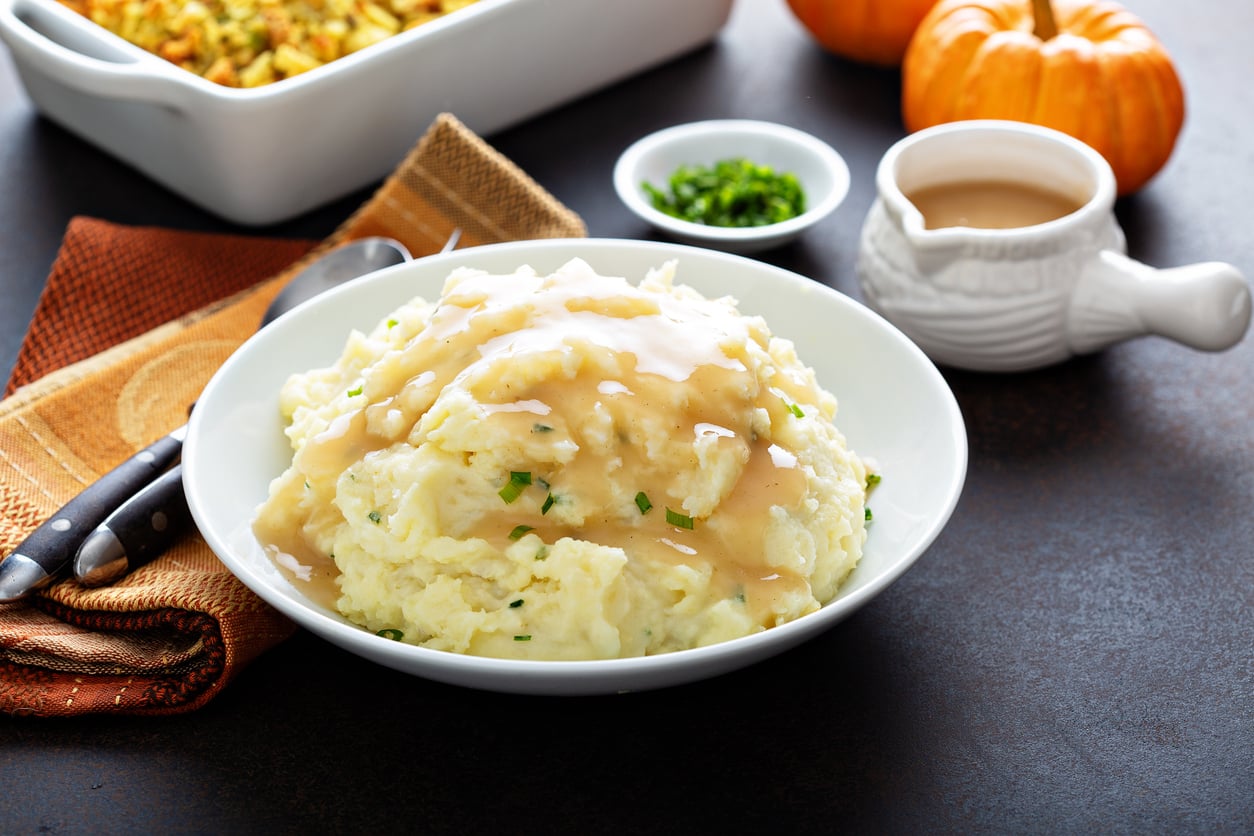
Mashed potatoes might not attract much attention on their own, but “chef’s signature whipped potatoes” sound like something worth trying. Restaurants use words such as signature, house specialty, and chef’s creation to distinguish dishes from standard menu offerings. Sometimes those labels are deserved, especially when a recipe involves unusual ingredients or a distinctive preparation. But a signature dish isn’t automatically more complicated or better than the regular version. Look for what actually makes it different before paying a premium for the name.
Highlighting One Luxury Ingredient
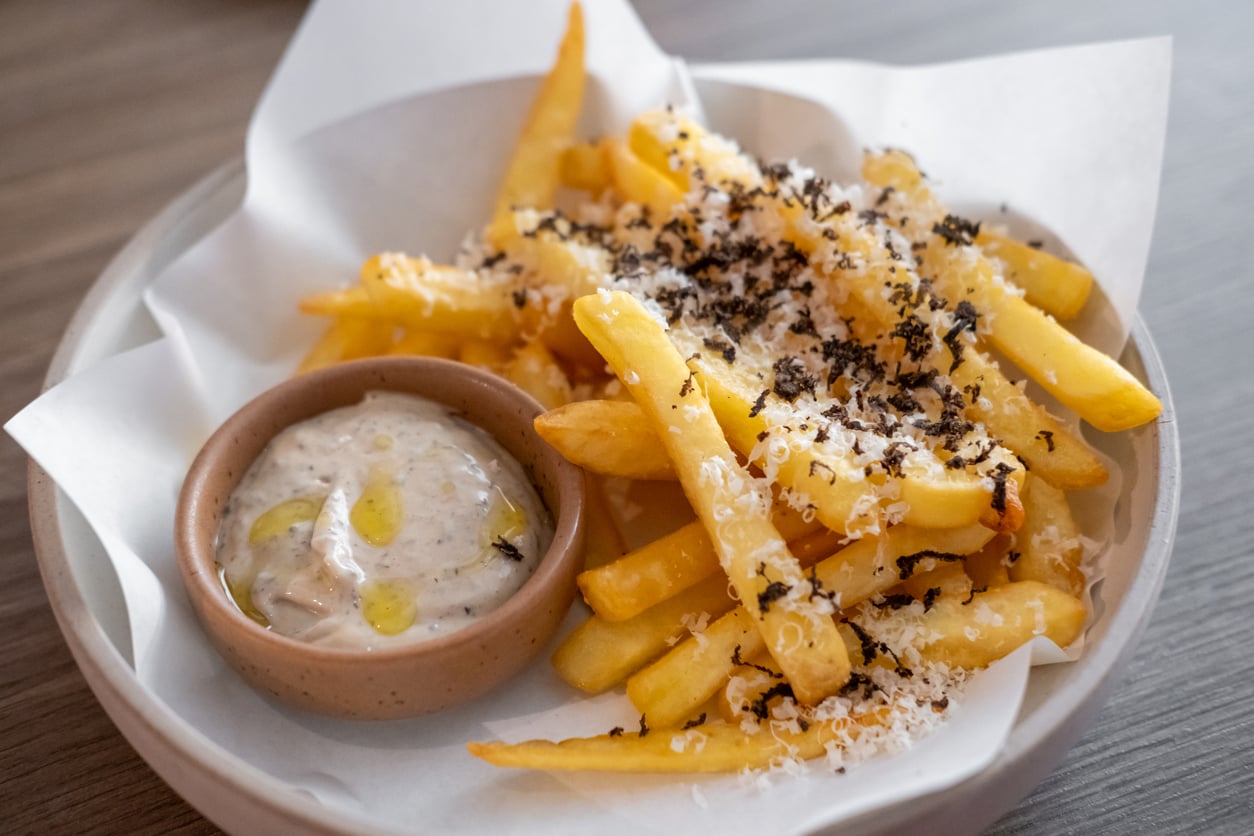
Adding the word “truffle” to a menu description can make an ordinary plate of fries sound considerably more sophisticated. The same goes for saffron, lobster, caviar, and other ingredients associated with expensive dining. Sometimes those ingredients genuinely account for a higher price, but they may also appear in tiny amounts or as flavored oils and garnishes. Truffle-scented fries, for example, aren’t necessarily covered in freshly shaved truffles. Check how the ingredient is used before assuming the dish contains a generous serving of something luxurious.
Trending on Cheapism

Giving a Dish a Nostalgic Family Name
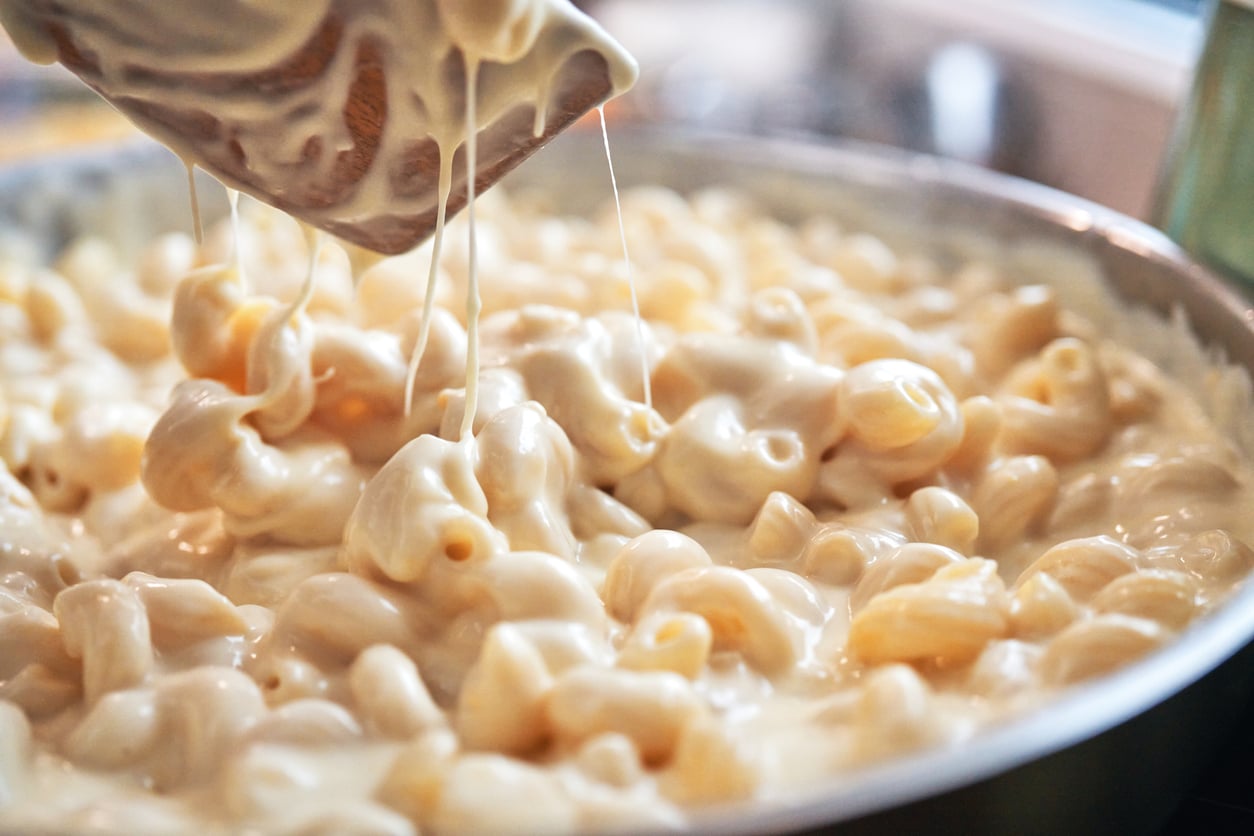
There’s something comforting about seeing “Grandma’s Sunday Supper Macaroni and Cheese” instead of plain macaroni and cheese. Names referencing grandparents, family recipes, and childhood traditions can make familiar dishes feel more personal and special. Research has found that family-related menu labels can influence customers’ choices, which helps explain their appeal. Of course, some restaurants genuinely serve recipes passed down through generations. Others simply use nostalgic language to create a welcoming impression. Either way, the name alone doesn’t tell you whether the food is worth more.
Describing Every Bite With Indulgent Words
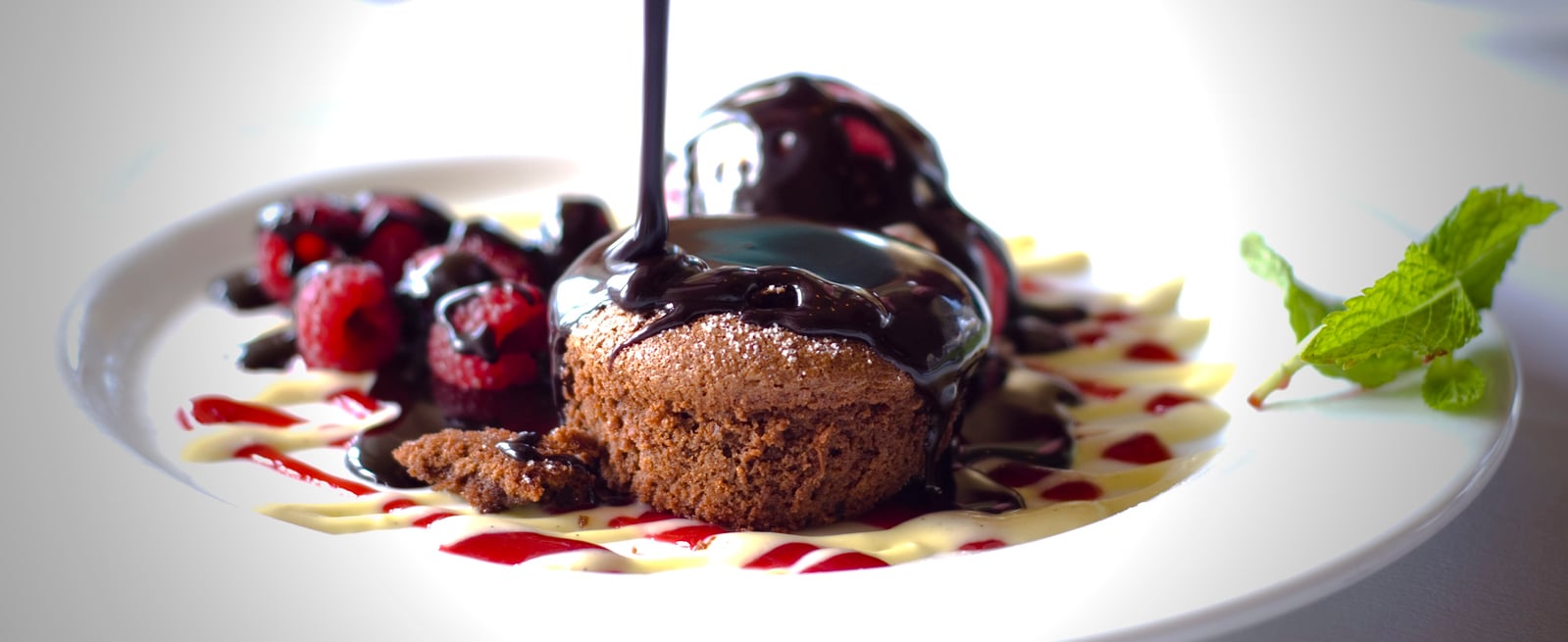
Chocolate pudding sounds like a straightforward dessert. Silky dark-chocolate custard with a delicate cream topping sounds like something you’d order for a special occasion. Words such as velvety, buttery, succulent, and crispy encourage diners to imagine how a dish will taste and feel before it arrives. Those descriptions can be helpful when they’re accurate, but they also build expectations that the food must meet. A longer list of tempting adjectives doesn’t necessarily mean the dessert contains better chocolate or takes more effort to prepare.
Emphasizing Where the Ingredients Come From
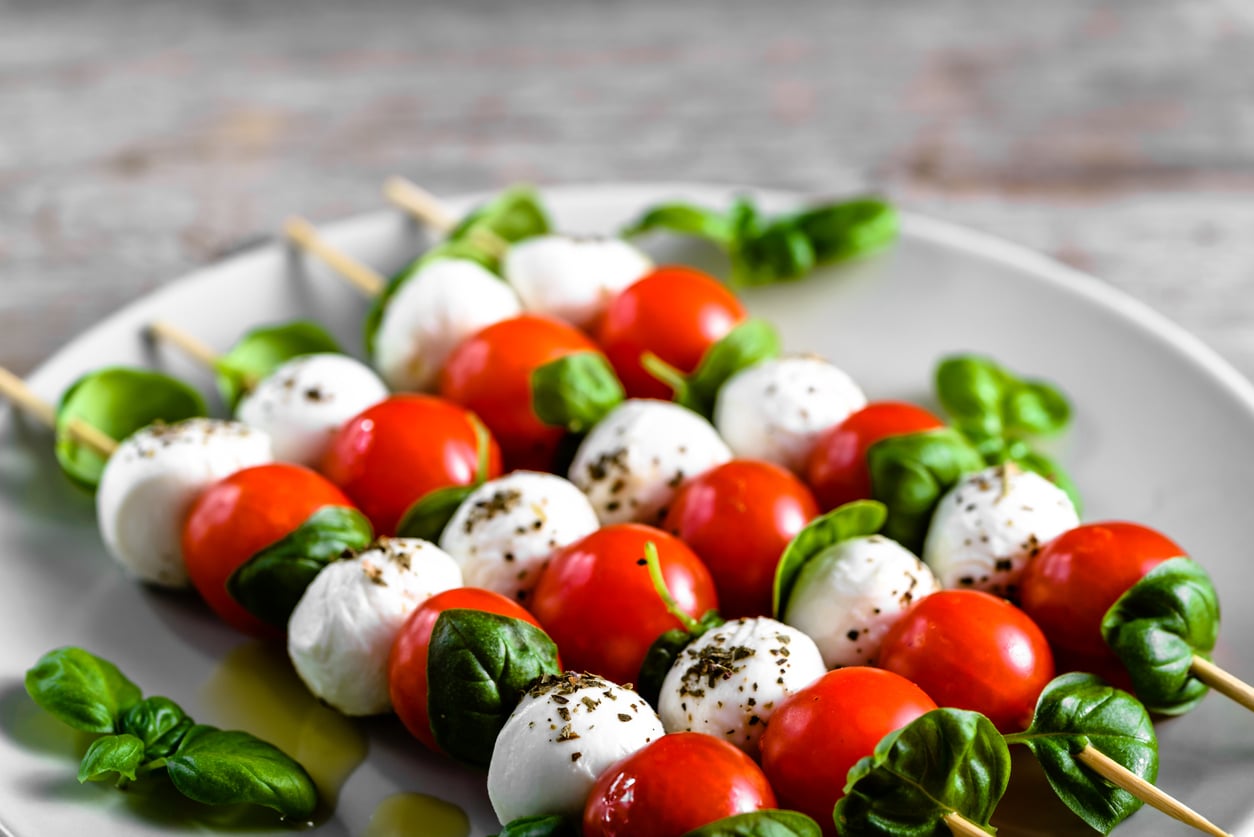
A tomato and mozzarella salad can sound much more impressive when it’s described as Mediterranean-style tomatoes with Italian mozzarella. Geographic references suggest regional traditions, imported ingredients, and sometimes a higher level of authenticity. In certain cases, the origin really matters, particularly when a product comes from a region known for a specific preparation. But broad terms such as Mediterranean or European don’t necessarily reveal where anything was grown or produced. Look for specific, meaningful details rather than assuming a foreign-sounding description guarantees superior quality.
Sign up for our newsletter
Turning Small Portions Into Curated Tastings
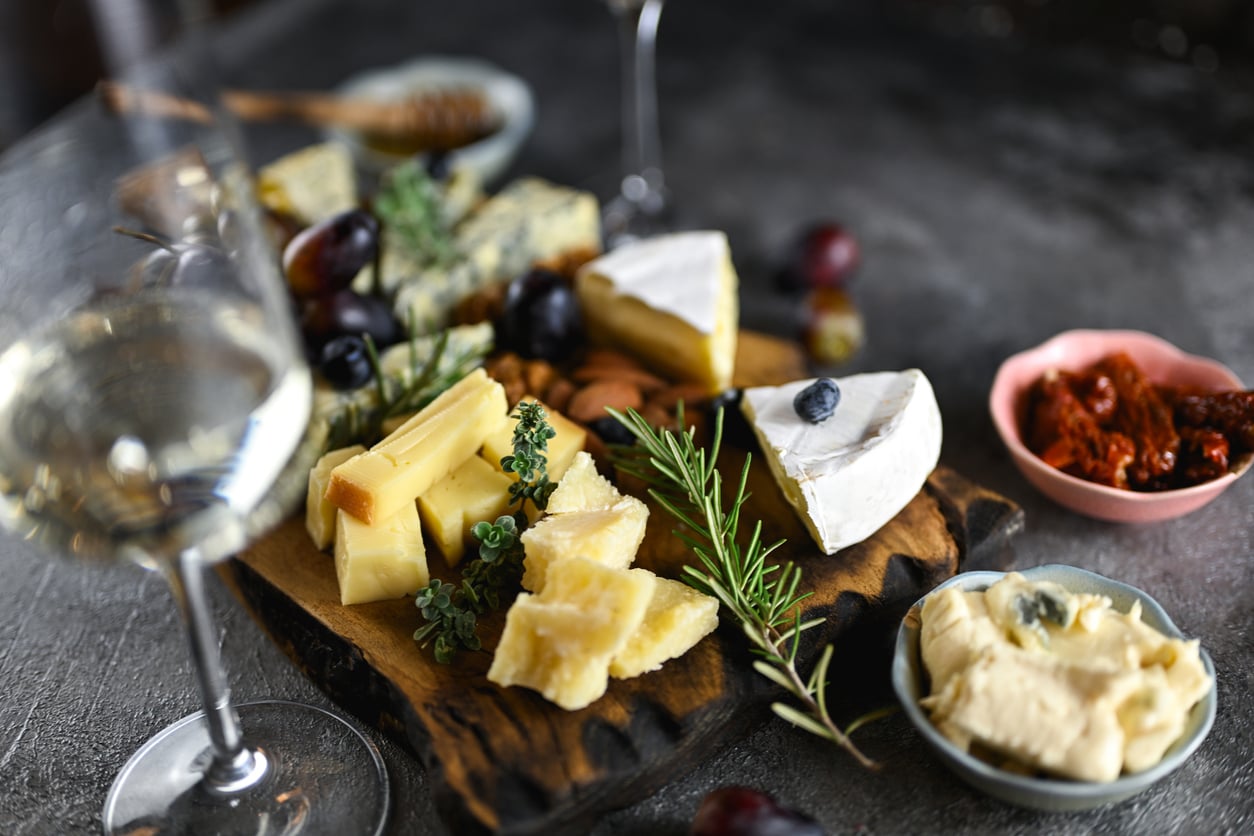
Three pieces of cheese on a plate might not sound particularly exciting. A “chef-curated tasting of regional cheeses,” however, sounds like a carefully planned dining experience. Restaurants sometimes use words such as tasting, selection, and composition to emphasize presentation and variety rather than quantity. That can be perfectly reasonable when the ingredients are unusual or thoughtfully paired. The problem comes when customers expect a substantial serving and receive only a few bites. Ask about portion sizes and accompaniments before ordering something described as a tasting experience.
Making Ordinary Cooking Methods Sound Labor-Intensive
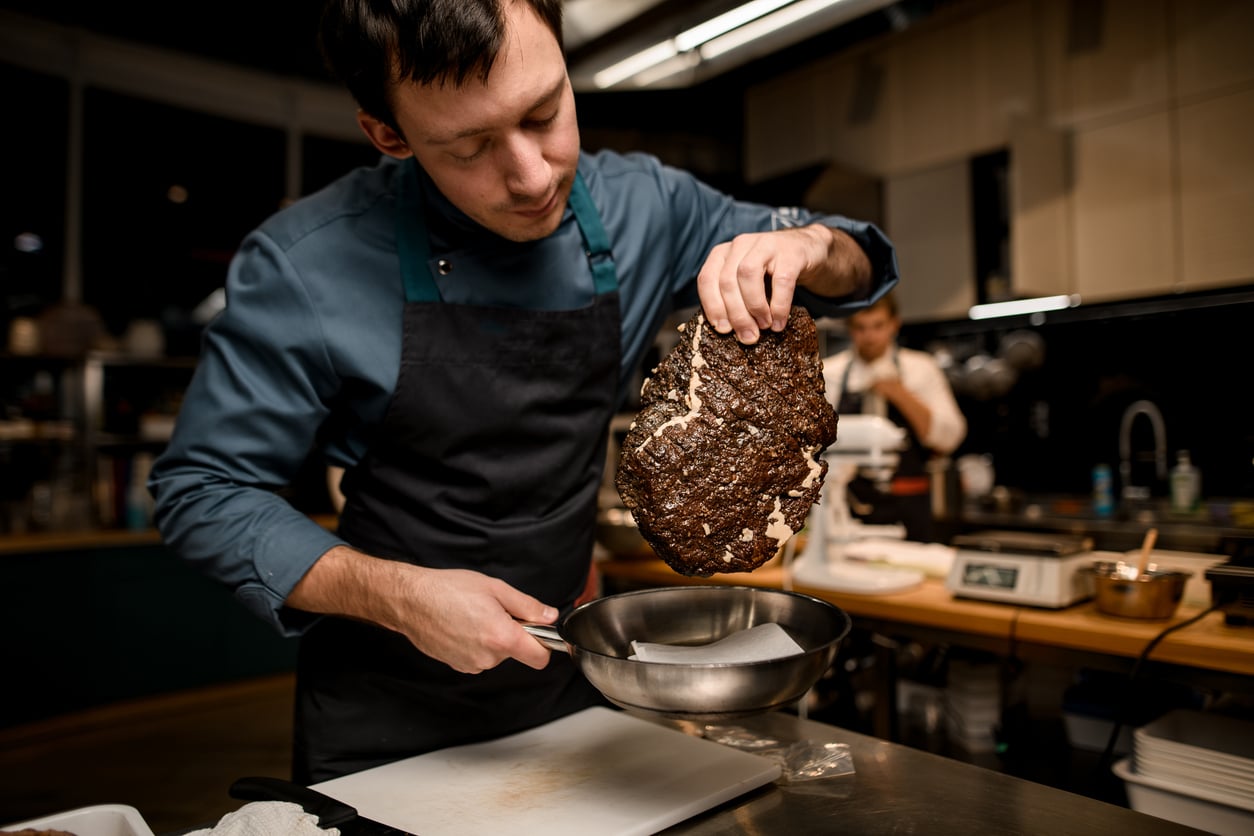
Beef stew sounds like comfort food, but slow-braised beef with hand-cut root vegetables suggests a dish requiring hours of careful preparation. Restaurants often highlight techniques such as slow-roasting, hand-shaping, smoking, and finishing dishes to order. These methods can involve genuine skill and time, so the descriptions aren’t necessarily exaggerated. Still, slow cooking is common in many traditional recipes, and hand-cut vegetables aren’t automatically unusual. Consider whether the technique actually makes the dish different from a simpler, less expensive alternative.
Using Fancy Descriptions Without Mentioning Portion Sizes
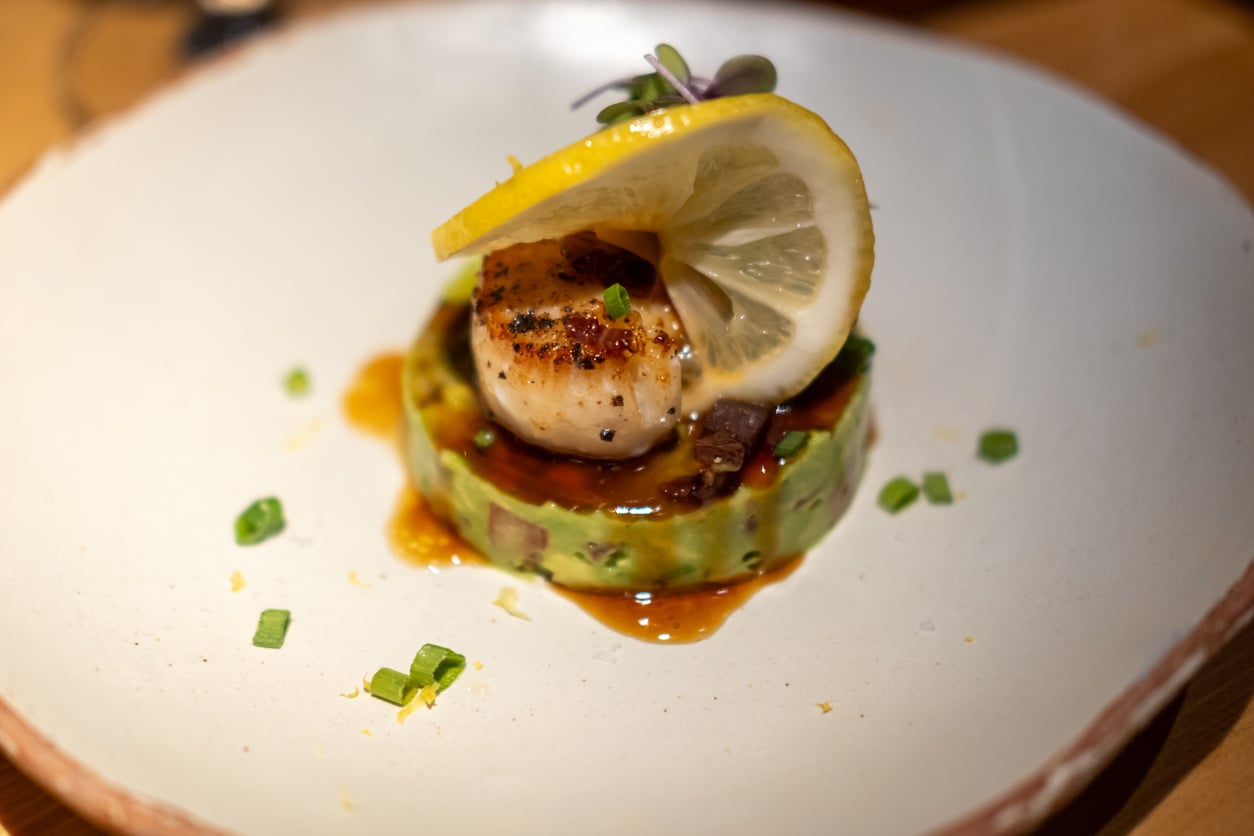
Seared scallops with citrus butter sounds like an elegant dinner, but the description doesn’t tell you whether you’re getting three scallops or six. Some menus devote plenty of space to cooking methods, sauces, and garnishes while saying little about how much food arrives on the plate. That’s particularly important when ordering seafood, tasting plates, or expensive appetizers. A beautifully written description can make a small serving feel more substantial than it is. If you’re hungry or watching your budget, ask about portions and included sides before ordering.
Turning a Simple Meal Into an Elaborate Story
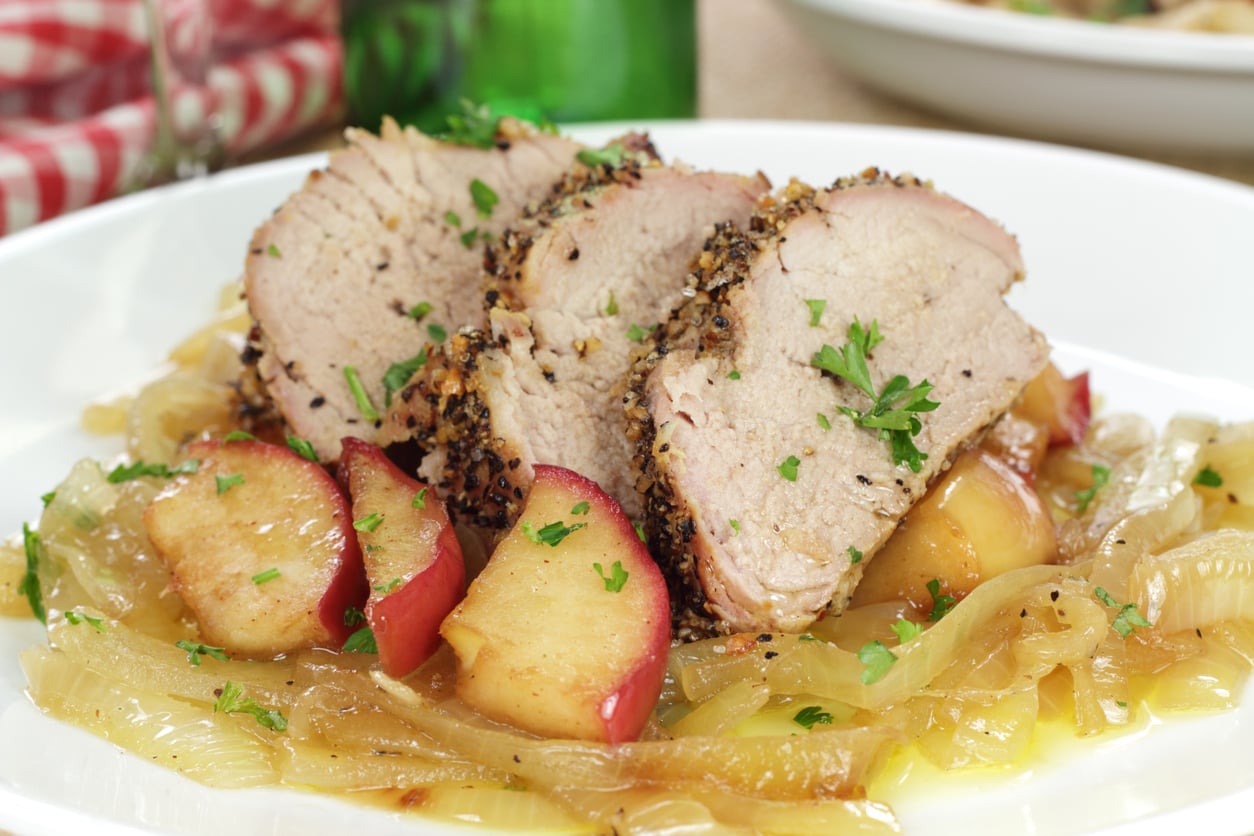
Roast pork with apples is easy to understand. Heritage farmhouse pork, slow-roasted with orchard apples and warming autumn spices sounds like a meal with a whole history behind it. Some restaurant descriptions combine regional references, traditional cooking methods, nostalgic details, and tempting adjectives to create a more memorable impression. There’s nothing wrong with storytelling when the food lives up to it. But before paying extra, translate the description back into its basic ingredients, preparation, and portion size. Sometimes a beautifully written menu is simply describing a familiar dinner.