Daily life in the 1940s required a little more patience, a lot more elbow grease, and, during World War II, careful attention to what you could actually buy. American families dealt with rationing, saved and reused household goods, relied on radios and newspapers for information, and tackled everyday chores with far less automation than we have today.
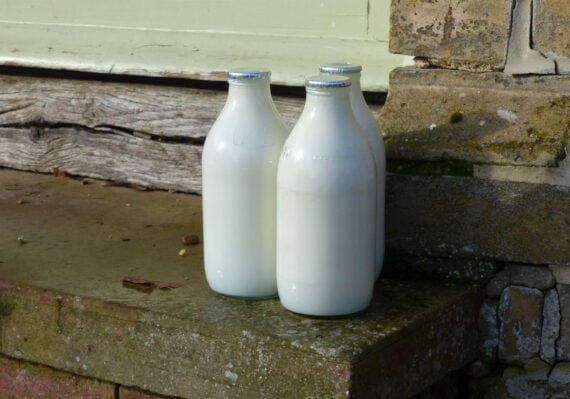
Even simple routines could look completely different. Milk appeared on the doorstep in glass bottles, laundry flapped on backyard clotheslines, and a phone call might have to wait until the neighbors got off the shared line. Clothes were repaired instead of tossed, letters carried everyday news across long distances, and backyard gardens helped put vegetables on the dinner table.
Some of these routines disappeared as technology improved, while others faded as shopping, transportation, communication, and family life changed. Here are 12 things that were perfectly normal in the 1940s but would feel unusual today.
Using Ration Books to Buy Everyday Goods
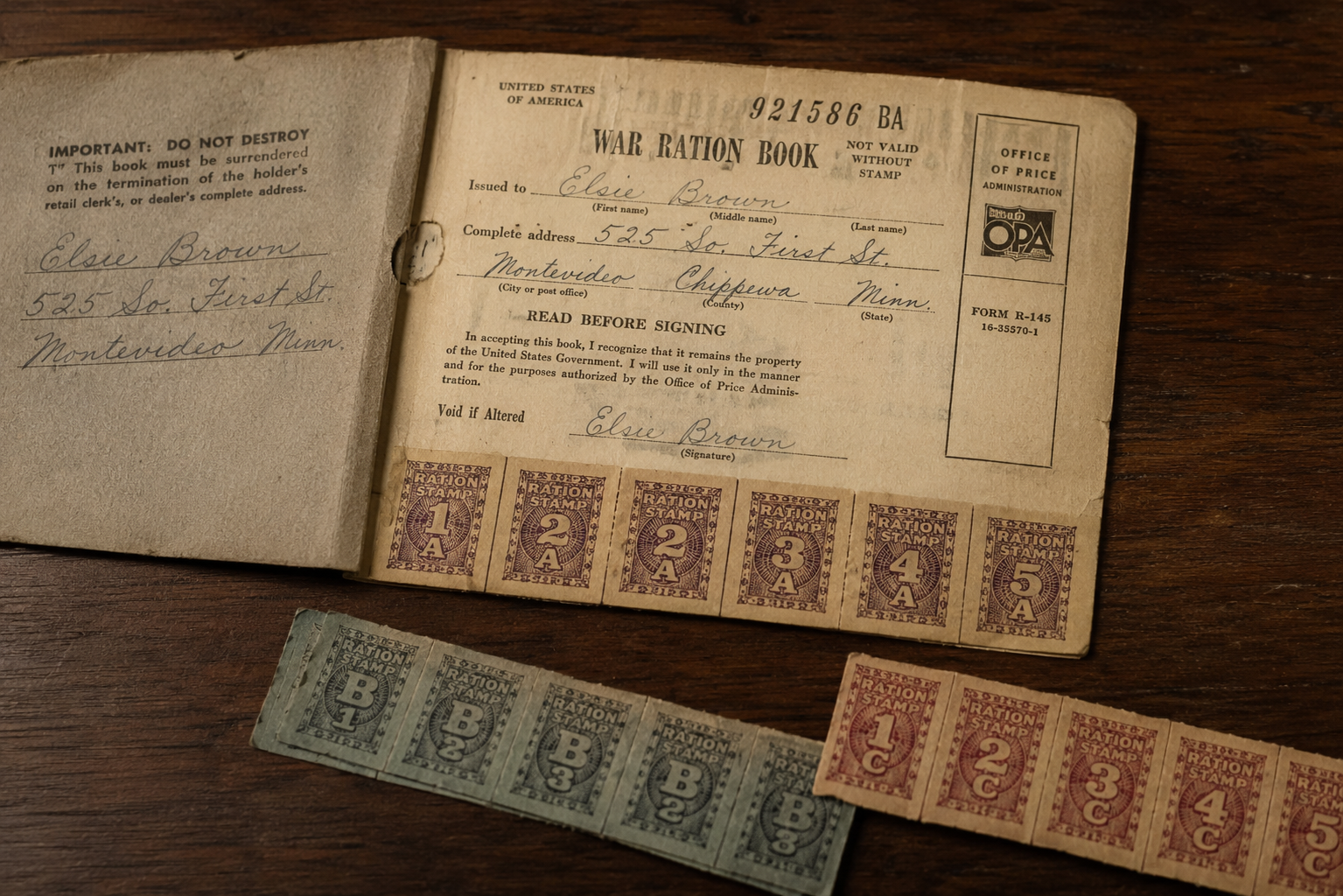
During World War II, walking into a store with enough money didn’t necessarily mean you could buy whatever you wanted. Americans received ration books containing stamps used to purchase restricted goods, including sugar, meat, gasoline, and tires. Families had to carefully budget both their money and their ration points, and some restrictions lasted surprisingly long. Sugar rationing, for example, didn’t end until 1947. Keeping track of those little paper stamps was simply part of running a household during the war.
Saving Bacon Grease in a Tin by the Stove

Pouring bacon grease down the drain would have seemed incredibly wasteful in many 1940s kitchens. Families commonly strained the drippings into a metal container and saved them for frying potatoes, seasoning vegetables, making biscuits, and other cooking. Some grease containers even came with built-in strainers to catch leftover bacon bits. During a decade when stretching ingredients and avoiding waste were important household skills, that little tin by the stove could get plenty of use.
Hanging Nearly All Laundry Outside
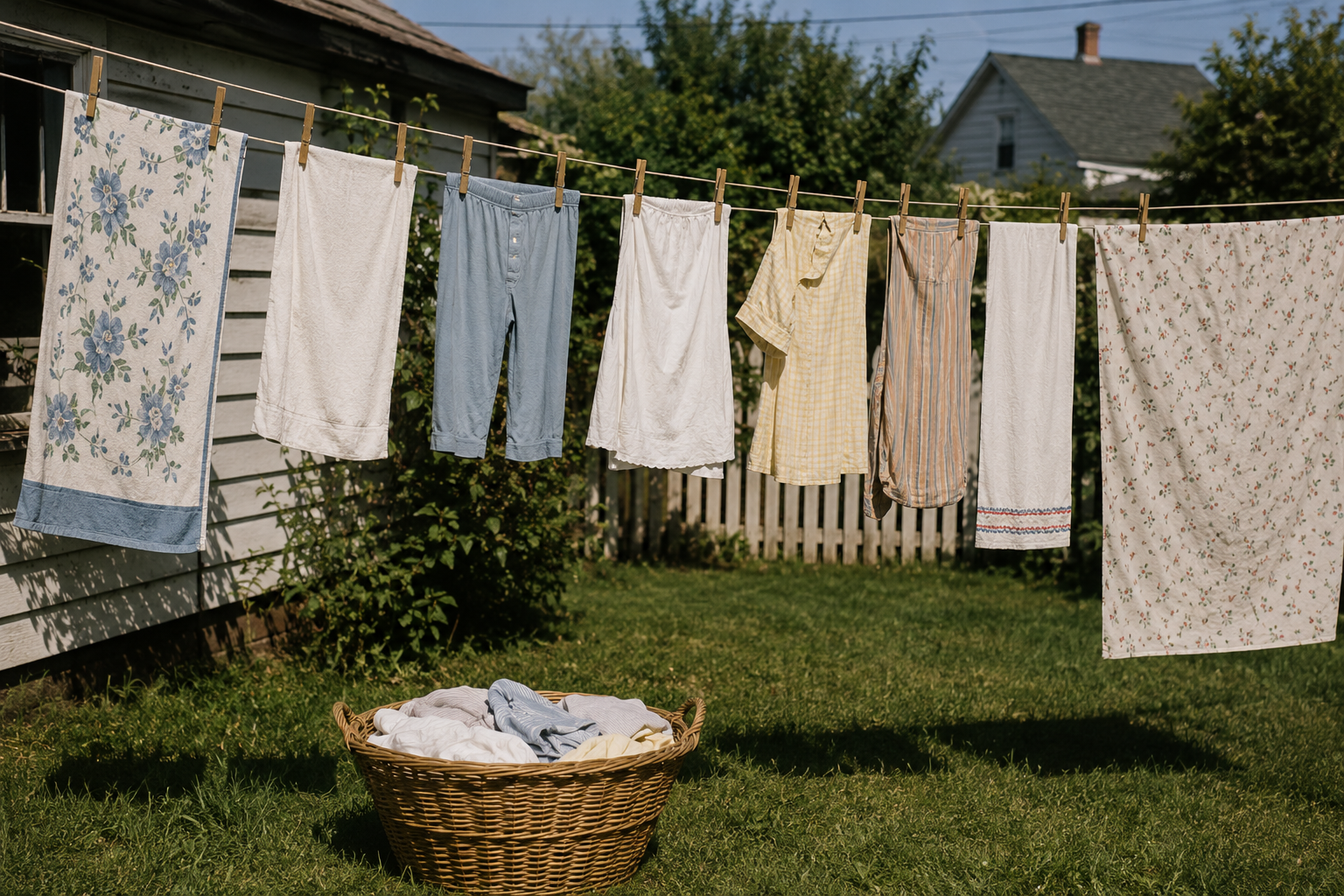
Before automatic dryers became a standard feature of American homes, sunshine and a good breeze did most of the drying. Families hung sheets, towels, shirts, underwear, and just about everything else on backyard clotheslines, securing them with wooden clothespins. Bad weather could mean moving the operation indoors to drying racks or waiting for a better day. Dryers became increasingly common in the decades that followed, eventually turning what had been a routine household chore into something many Americans rarely have to think about.
Sharing a Telephone Line With Other Families
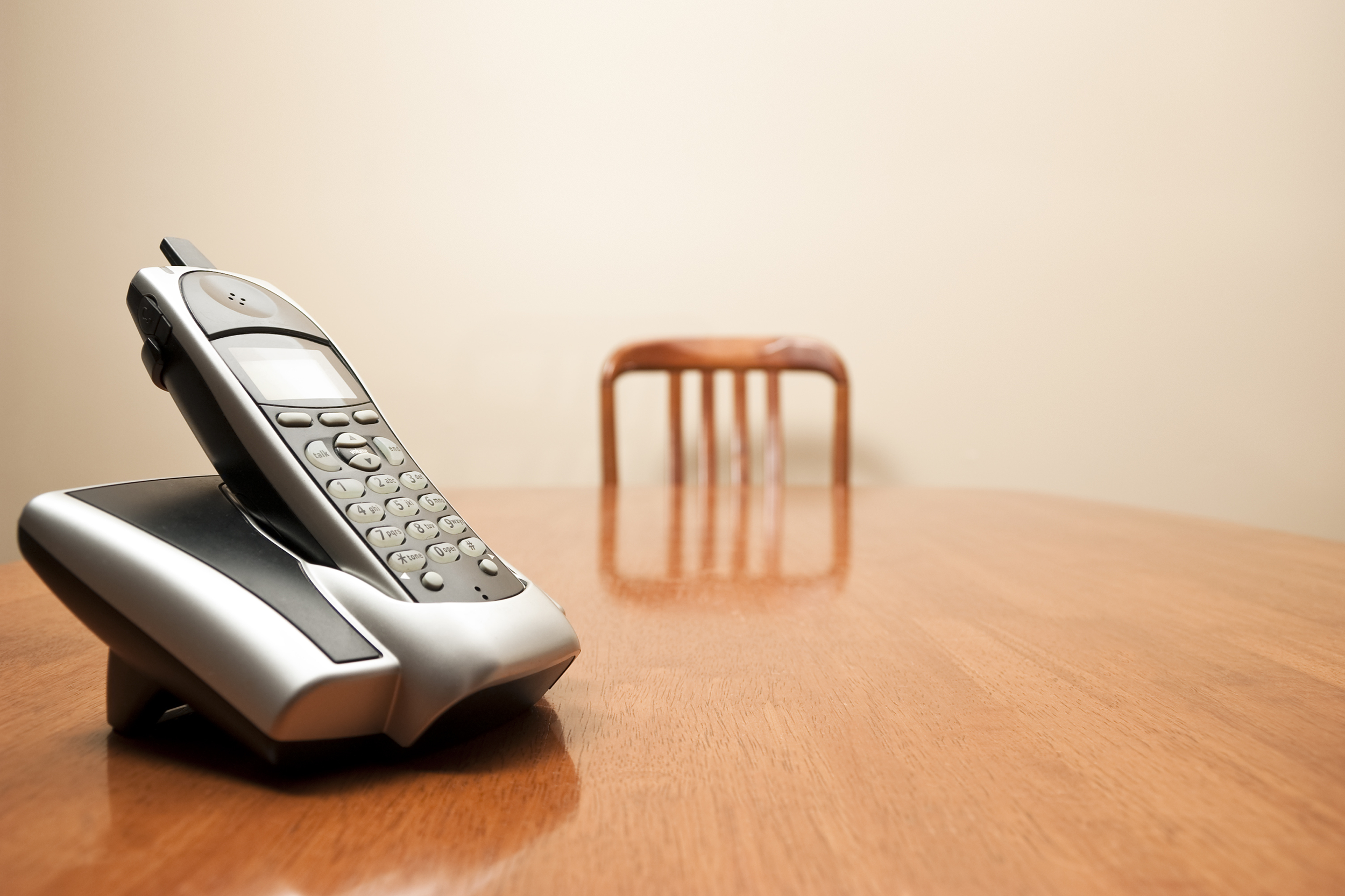
Imagine picking up your home phone only to discover your neighbor is already using it. Party lines allowed several households to share the same telephone circuit and were especially common in rural communities. Different ringing patterns could indicate which household a call was meant for, but everyone on the line potentially had access to the conversation. Eavesdropping was considered bad manners, of course, though that didn’t make it impossible. As telephone infrastructure expanded, private lines gradually replaced this surprisingly communal way of making a call.
Listening to the Radio as the Main Evening Entertainment
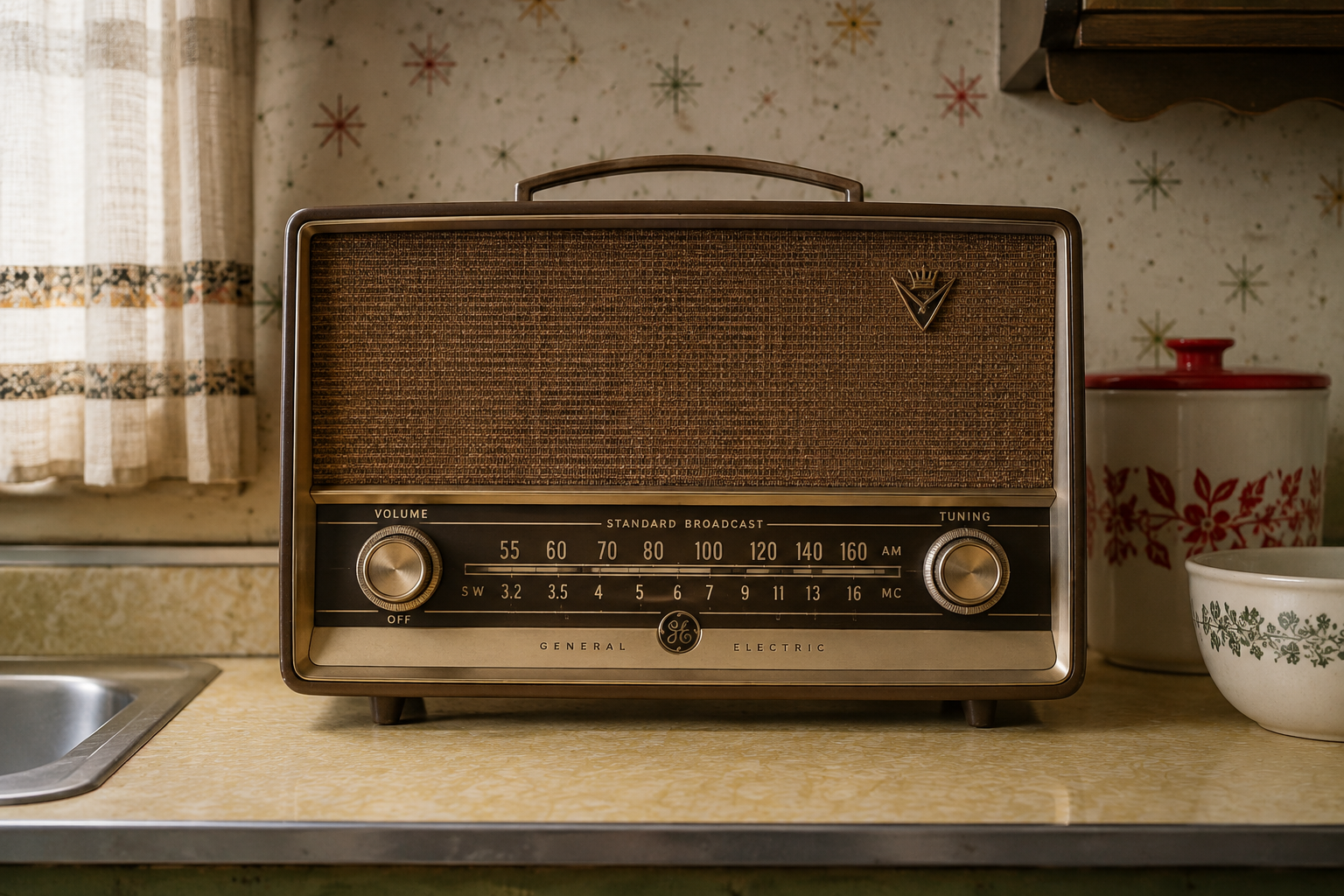
Long before families argued over what to stream, they gathered around the radio. Large wooden tabletop and console sets brought comedy programs, serialized dramas, music, sports, and breaking news directly into American living rooms. Popular broadcasts could turn listening into a shared family event, with everyone following the same voices and stories at the same time. Television existed during the 1940s but was nowhere near as widespread as it would become in the following decade, when the TV set quickly began replacing the radio as the center of home entertainment.
Trending on Cheapism

Having Milk Delivered to the Front Door
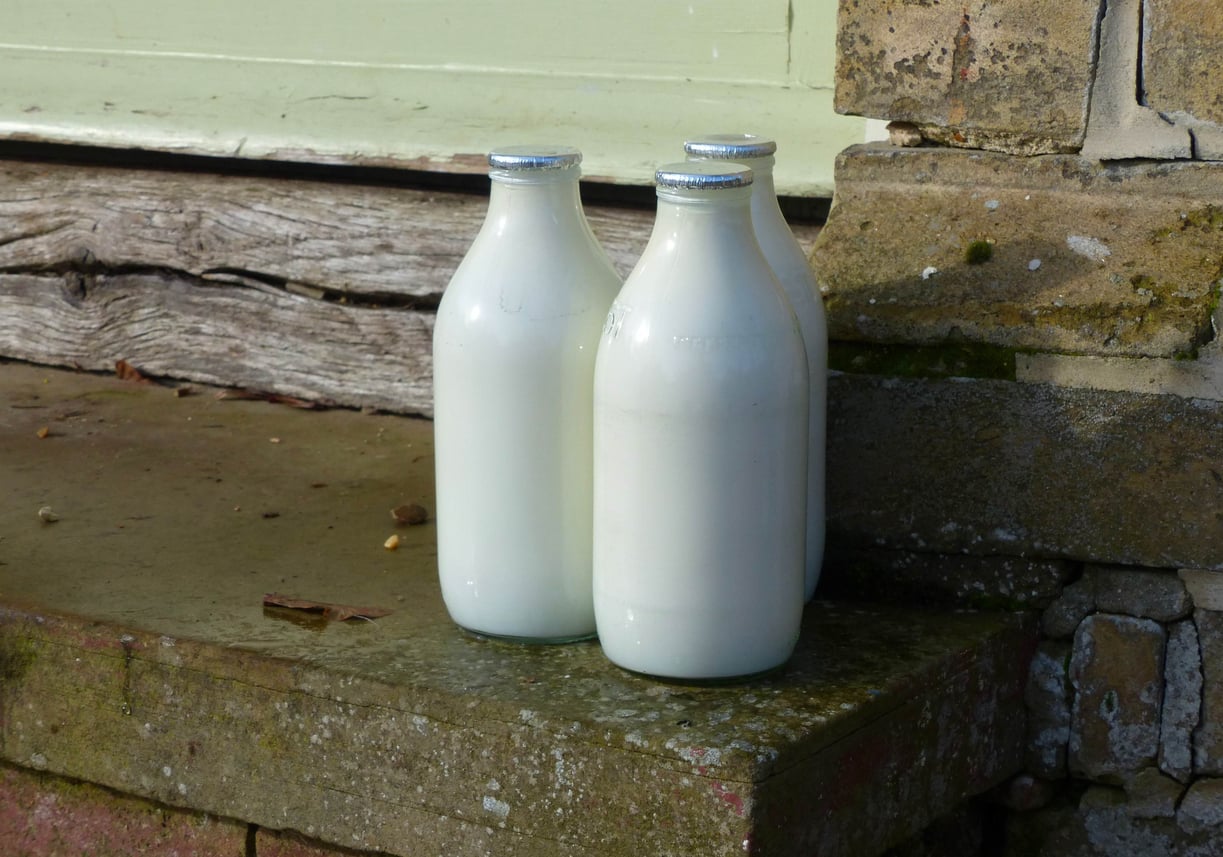
For many families, getting milk didn’t require a trip to the supermarket. Milkmen delivered reusable glass bottles directly to homes, sometimes leaving them inside insulated porch boxes designed specifically for the purpose. Before homogenization became widespread, customers could even see a layer of cream that had risen to the top of the bottle. As supermarkets expanded, refrigerators improved, and food distribution changed, regular milk delivery gradually became much less common.
Sending Kids Out to Collect Scrap Metal
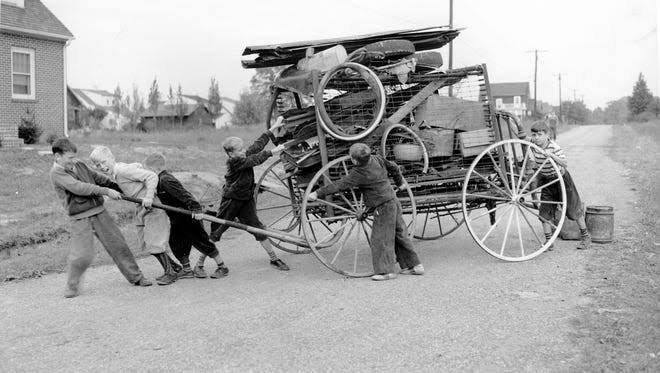
During World War II, that rusty pot or pile of old newspapers wasn’t necessarily junk — it could contribute to the war effort. Communities across the country organized drives to collect scrap metal, rubber, paper, and other materials, and children frequently participated through their schools or neighborhoods. Families donated everything from old tires to pots and pans. The drives made wartime conservation something children could participate in directly, but the familiar neighborhood scrap collection largely disappeared once the enormous material demands of wartime production ended.
Repairing Clothes Instead of Replacing Them
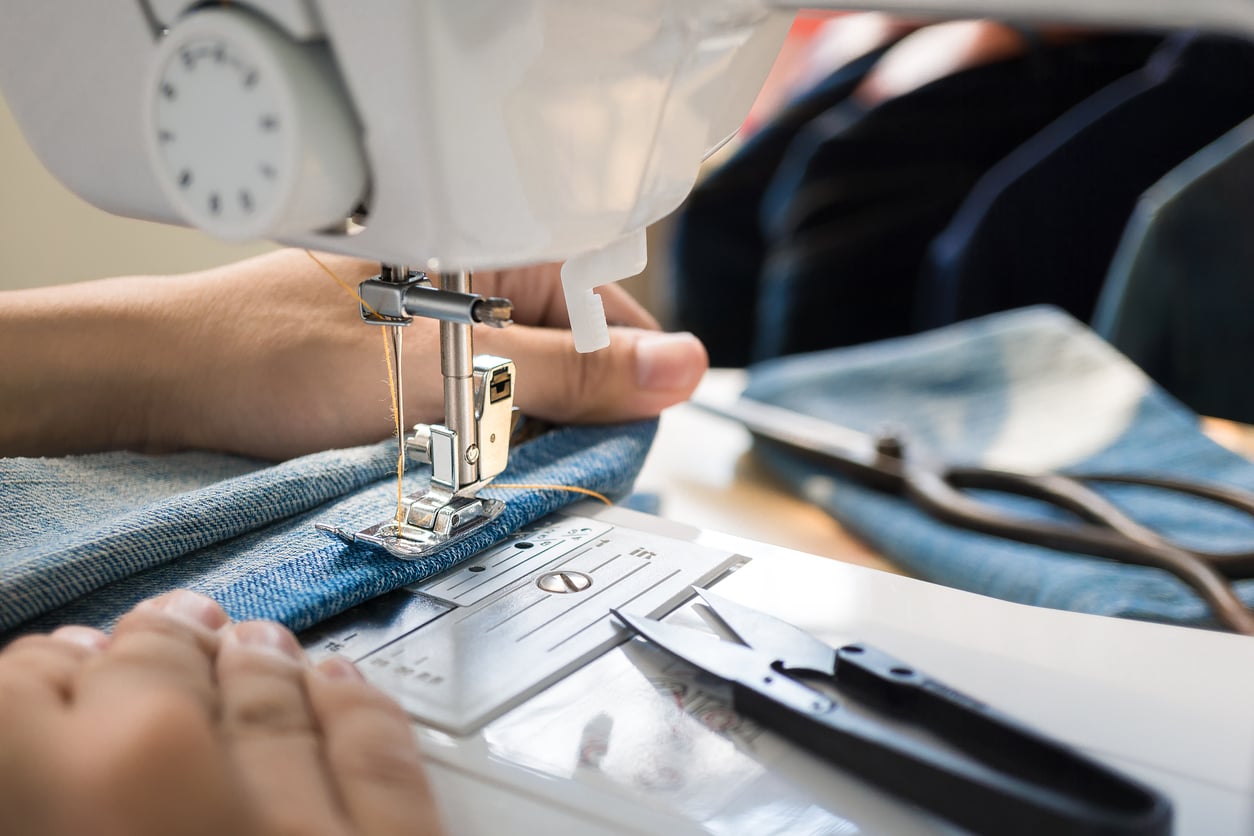
A hole in a sock wasn’t automatically a reason to throw it away. Families patched torn clothing, darned socks, replaced buttons, altered garments, and handed clothes down from one child to another. Sewing machines and well-stocked sewing baskets were practical household necessities, while tools such as darning eggs helped extend the life of worn socks. As mass-produced clothing became cheaper and more readily available in later decades, replacing a damaged garment became easier than repeatedly repairing it.
Sign up for our newsletter
Shopping at Several Small Neighborhood Stores

A weekly grocery run could involve considerably more running around in the 1940s. Instead of filling one giant cart at a supermarket, families might buy meat from the butcher, bread from a bakery, fruits and vegetables from a produce shop, and other staples from a neighborhood grocer. Local drugstores and specialty shops handled still more errands. Customers often knew shopkeepers personally, and some neighborhood businesses kept running credit tabs for regulars. Supermarkets were already growing during this period, but their postwar expansion increasingly put all those purchases under one roof.
Using Iceboxes or Very Basic Refrigerators
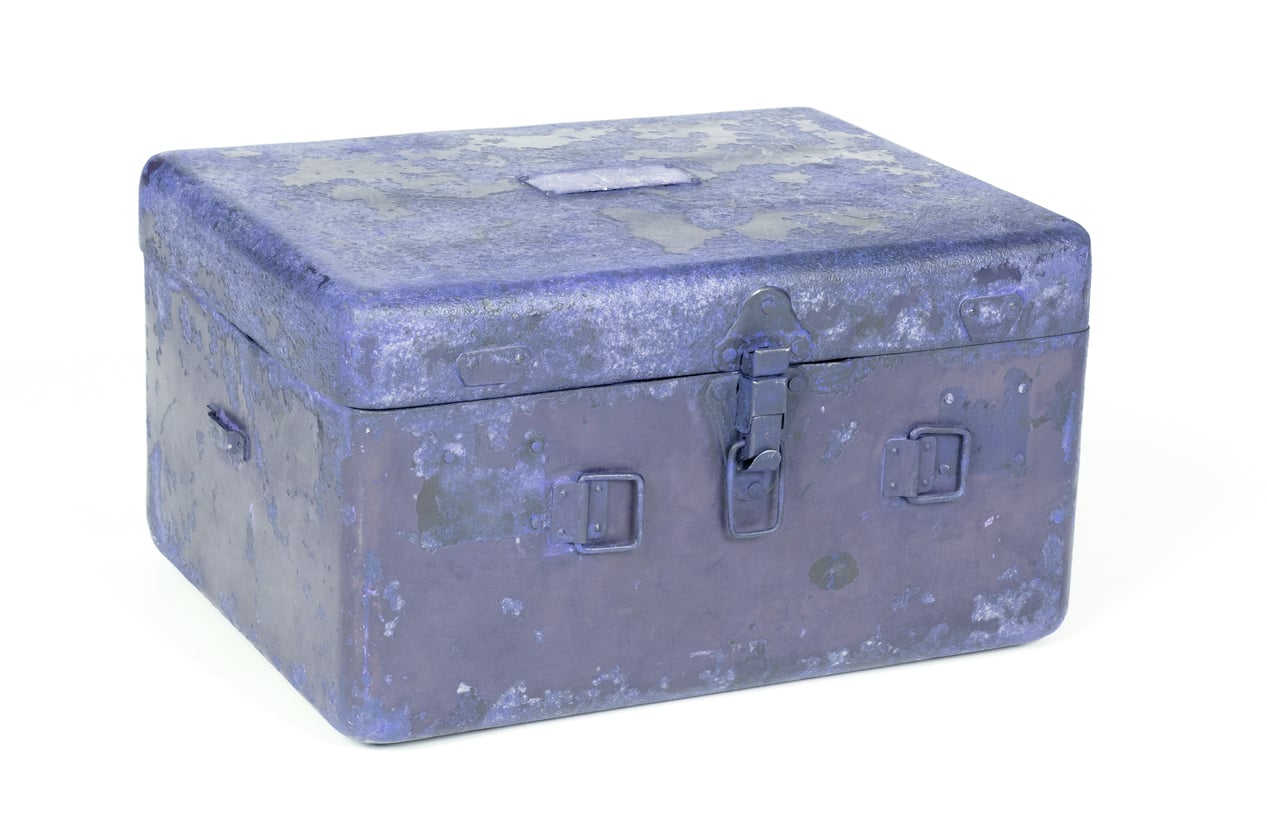
Not every 1940s kitchen had the spacious electric refrigerator we take for granted today. Although electric refrigerators had become increasingly common, some households still relied on insulated iceboxes that needed regular blocks of ice to keep food cold. Even electric models were generally much smaller and simpler than today’s refrigerators, complete with compact freezer compartments and stubborn metal ice trays. Limited cold storage also meant families couldn’t necessarily stock up on a week’s worth of perishables the way many shoppers do now.
Writing Letters for Everyday Communication
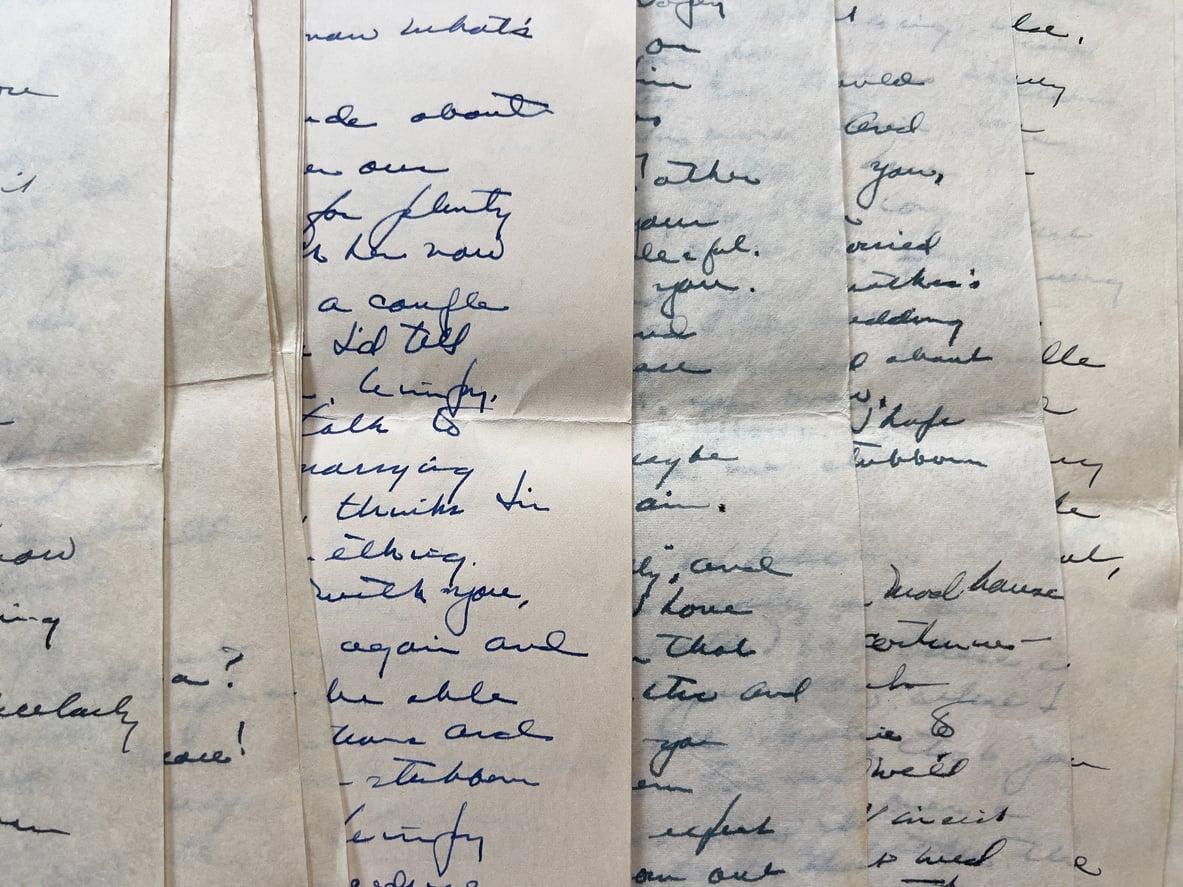
When a relative or friend lived far away, sending a quick text obviously wasn’t an option — and even a long-distance telephone call could be expensive. Letters remained an essential form of everyday communication, especially during World War II, when millions of families corresponded with servicemembers overseas. The military even used V-Mail, a system that photographed letters onto microfilm so enormous quantities of correspondence could be transported more efficiently. News that reaches us instantly today could once mean checking the mailbox and waiting days or weeks for a reply.
Growing a Victory Garden

During World War II, Americans were encouraged to turn available patches of soil into food. Millions of households planted victory gardens in backyards and community plots, growing vegetables such as tomatoes, beans, carrots, and leafy greens to supplement their food supplies. Gardens even appeared in parks and other public spaces. It was part thrift, part self-sufficiency, and part contribution to the broader war effort. Once wartime shortages and restrictions eased, victory gardens declined, leaving behind one of the most recognizable examples of how the war reshaped ordinary life at home.
Life in the 1940s involved far more repairing, reusing, waiting, and doing things manually than most Americans are accustomed to today. Clotheslines, ration books, shared telephone lines, milk deliveries, and victory gardens weren’t quirky throwbacks — they were simply parts of everyday life for millions of families.
Technology and greater access to inexpensive consumer goods eventually made many of these routines unnecessary. Still, a few of them — particularly repairing what you own, wasting less food, and growing your own vegetables — might not seem like such bad ideas to bring back.