Photos of shrinkflation have become some of the clearest evidence of one of the most frustrating shopping trends in recent years. Instead of raising prices outright, many manufacturers quietly reduce the size, weight, or quantity of their products while keeping the packaging—and often the price—nearly identical. The changes can be so subtle that shoppers don’t notice until they open the package or compare it to an older version sitting at home.
The photos ahead capture some of the most eye-opening examples shared across Reddit and other online communities. From snacks with noticeably fewer pieces to household staples that seem to shrink with every redesign, these images highlight why so many consumers feel they’re getting less for their money. Once you spot the difference, it’s hard to unsee it.
Smucker’s Leaves Traditional Jam Behind
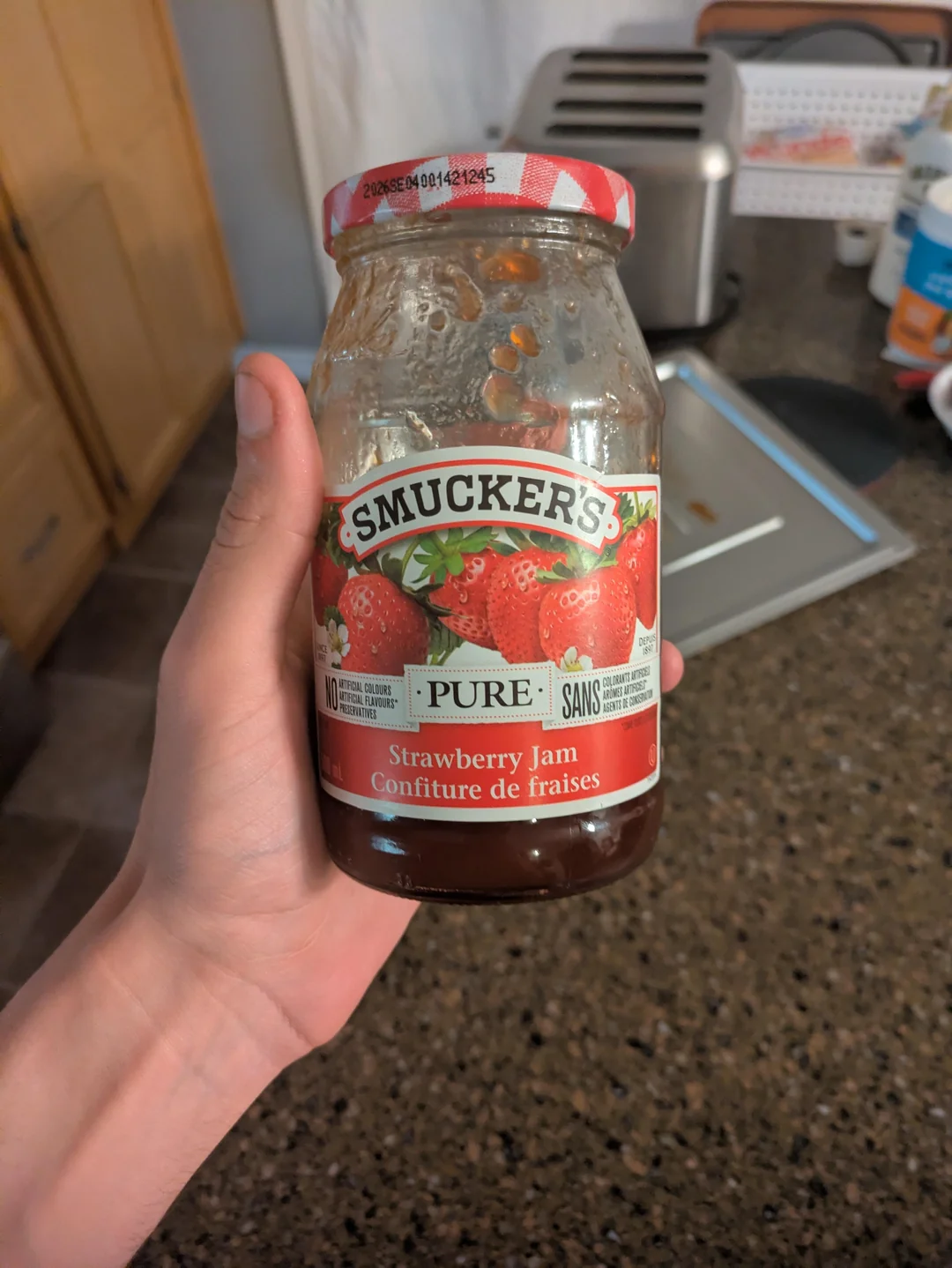
One shopper went to replace a jar of Smucker’s strawberry jam and was surprised to find that the familiar product had been replaced with labels like “Jam Style Spread” and “Sandwich Spread” instead. The discovery sparked comparisons to other products that have quietly changed ingredients and names over the years, leaving many consumers feeling that familiar brands aren’t quite what they used to be.
Bigger bottle. Less shampoo
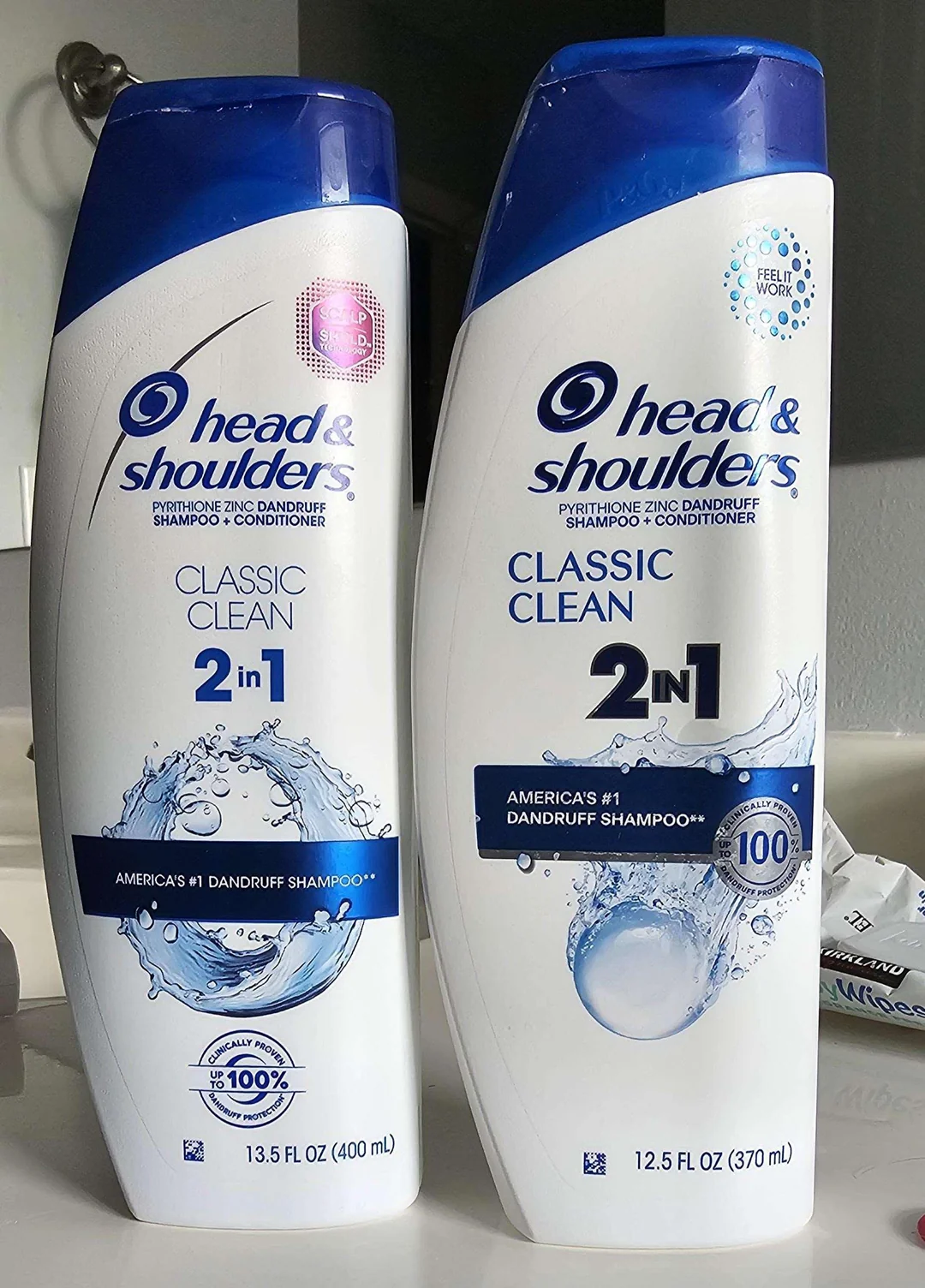
One shopper noticed that a newer shampoo bottle looked larger than the old version, yet actually contained less product. The packaging change left many people feeling misled, with one commenter joking, “They’d rather use more plastic than give 1 more oz of shampoo.” It’s a textbook example of how shrinkflation can hide in plain sight.
Even Bulk Toilet Paper Wasn’t Safe From Shrinkflation
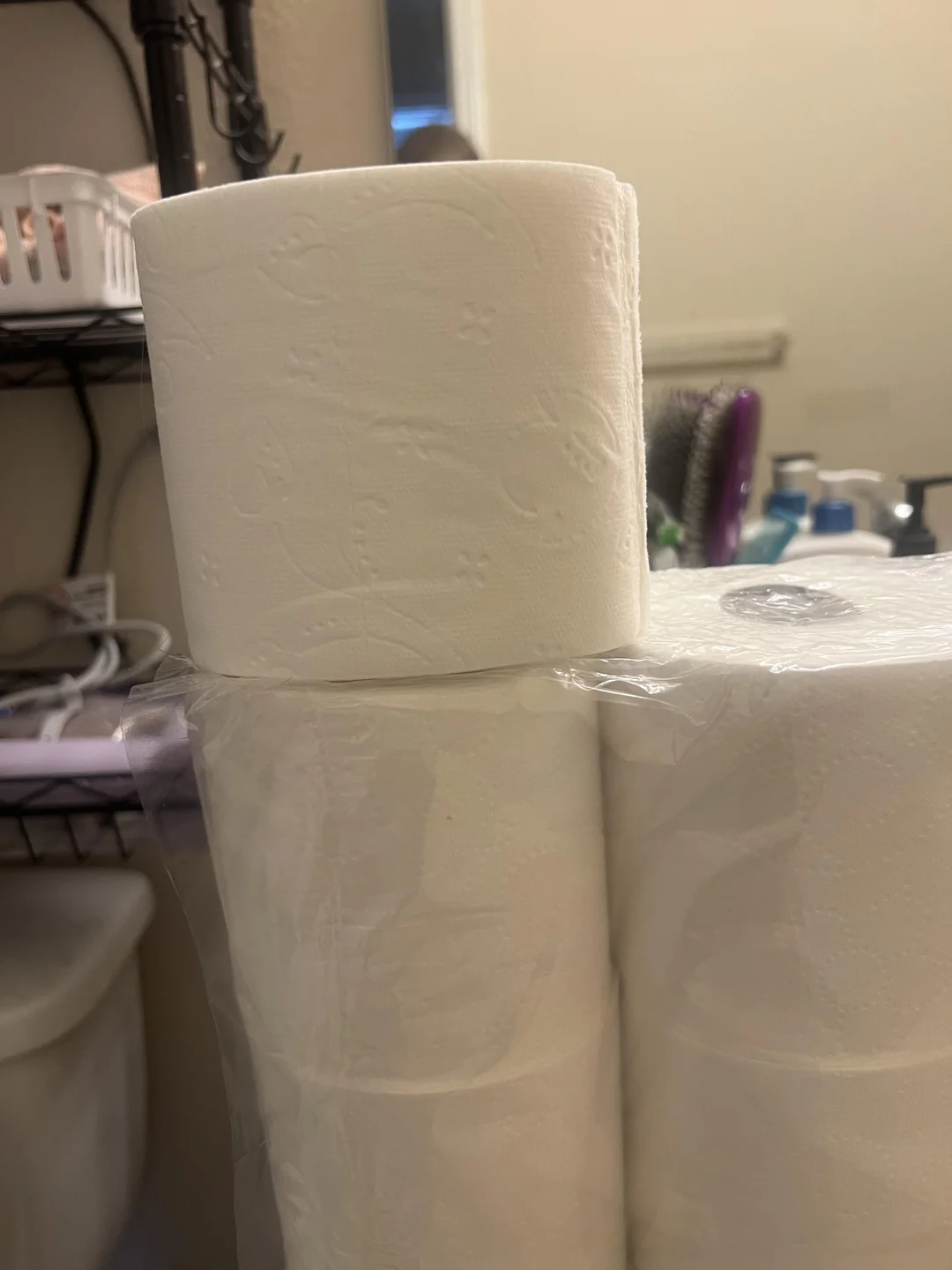
A shopper who regularly buys toilet paper in bulk noticed that the rolls had become noticeably smaller after just two months. Comparing the old and new packages side by side revealed how quickly the product had shrunk, despite looking almost identical on the shelf. It’s the kind of subtle change that many shoppers say is becoming increasingly common.
Goodwipes Got Smaller While the Packaging Got Bigger
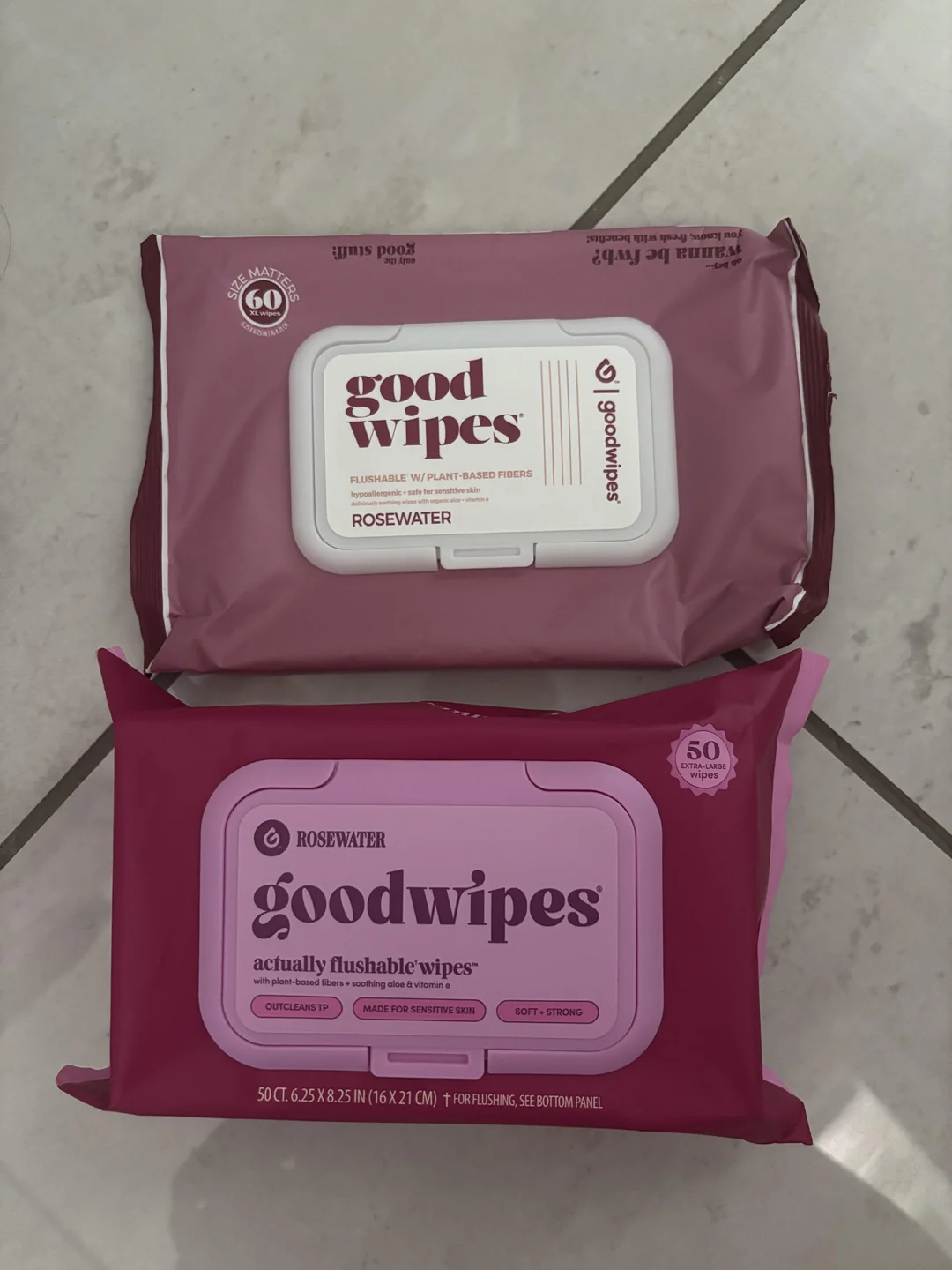
One shopper was disappointed to discover that their favorite Goodwipes packs had dropped from 60 wipes to 50, even as the brand introduced flashy new packaging. The redesign did little to soften the blow, with the original poster sarcastically noting that at least consumers got a “cool” new look. It’s another example of shrinkflation hiding behind a fresh package redesign.
Heath Bar Fans Got Less for the Same Treat
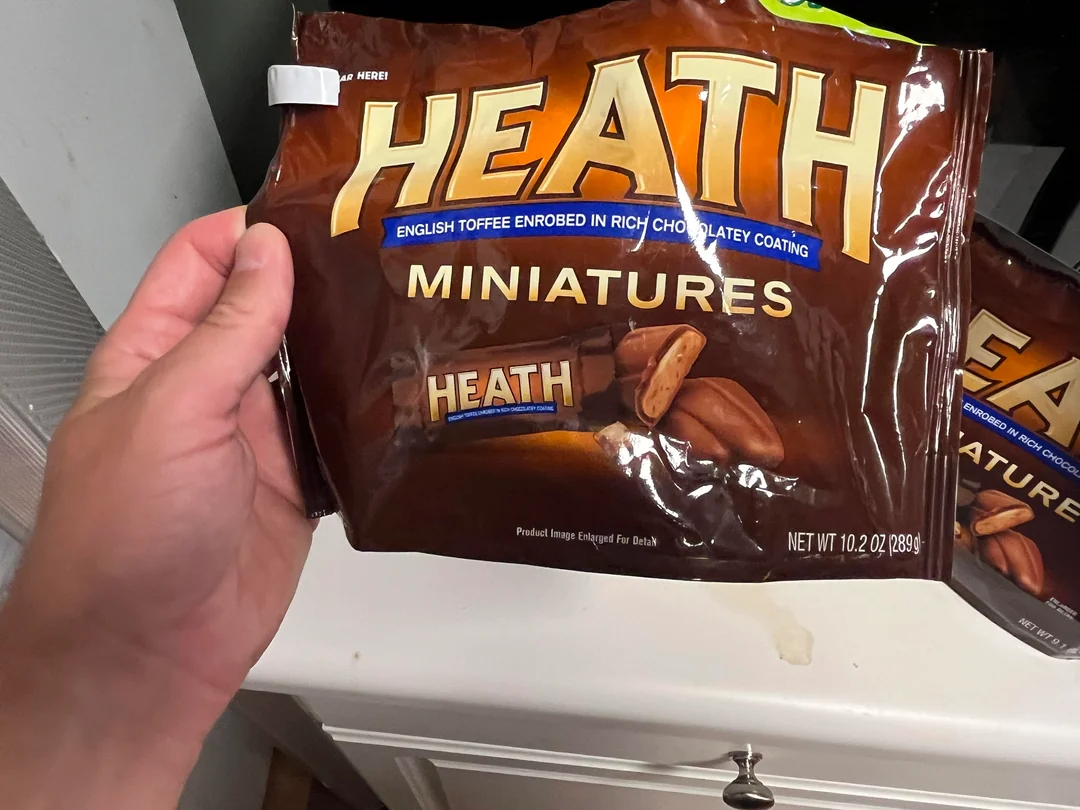
One candy lover was frustrated to discover that the Heath Bar Share Size had shrunk from 10.2 ounces to 9.1 ounces. The noticeable reduction disappointed longtime fans, especially those who regularly bought the bag as a favorite dessert. It’s another example of shoppers feeling like their favorite treats are slowly disappearing one ounce at a time.
Trending on Cheapism

Ten Fewer Per Pack Doesn’t Sound Like Much—Until It Adds Up
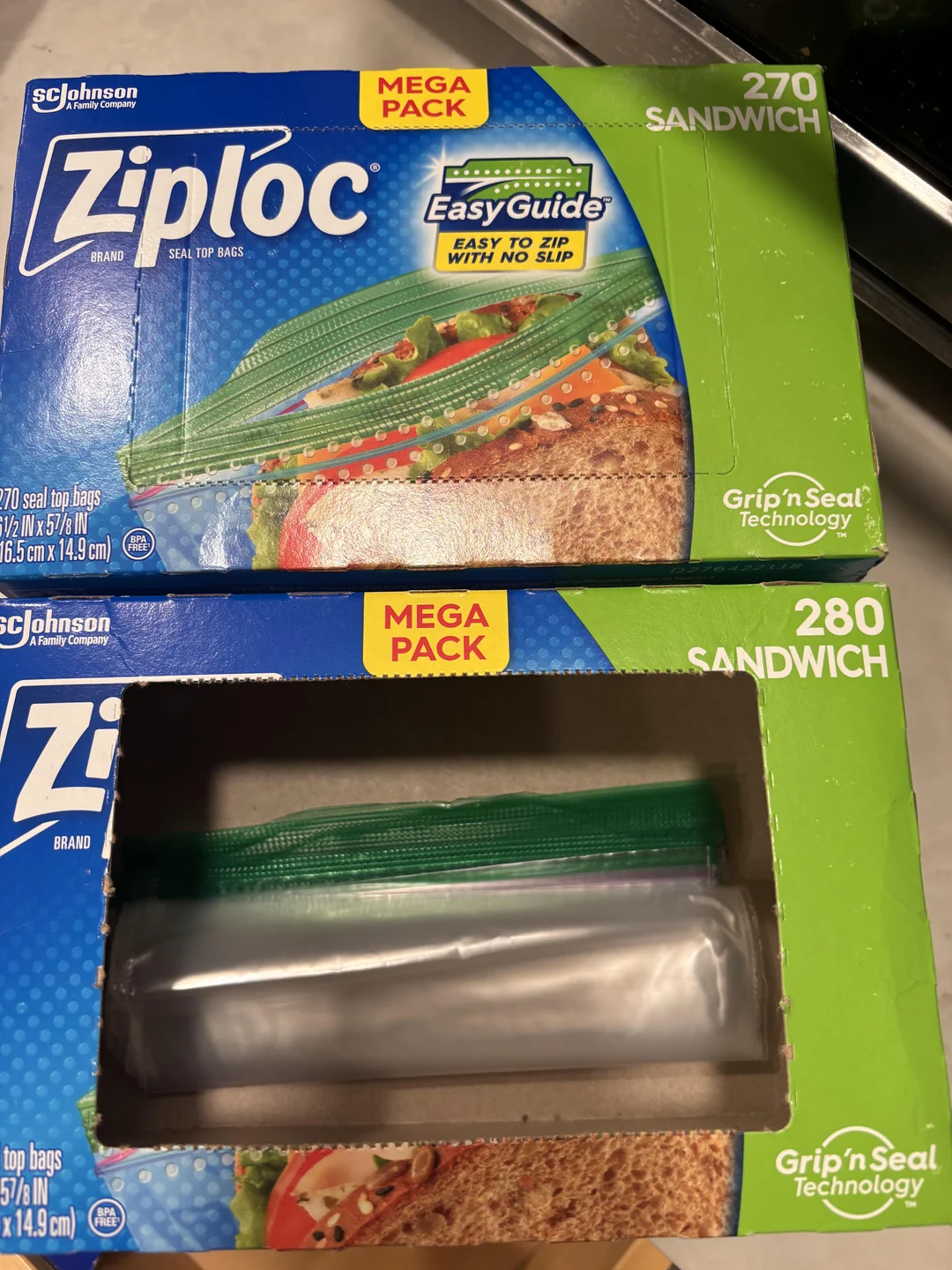
One shopper pointed out that losing just 10 items per package may not seem like a big deal, but across thousands of sales, it adds up to significant savings for the manufacturer. The post sparked a broader discussion about shrinkflation, with many commenters saying they rarely see products improve in quality while package sizes continue to shrink. For many consumers, it’s the cumulative effect—not a single missing item—that feels most frustrating.
Hershey’s Candy Bags Quietly Got Lighter
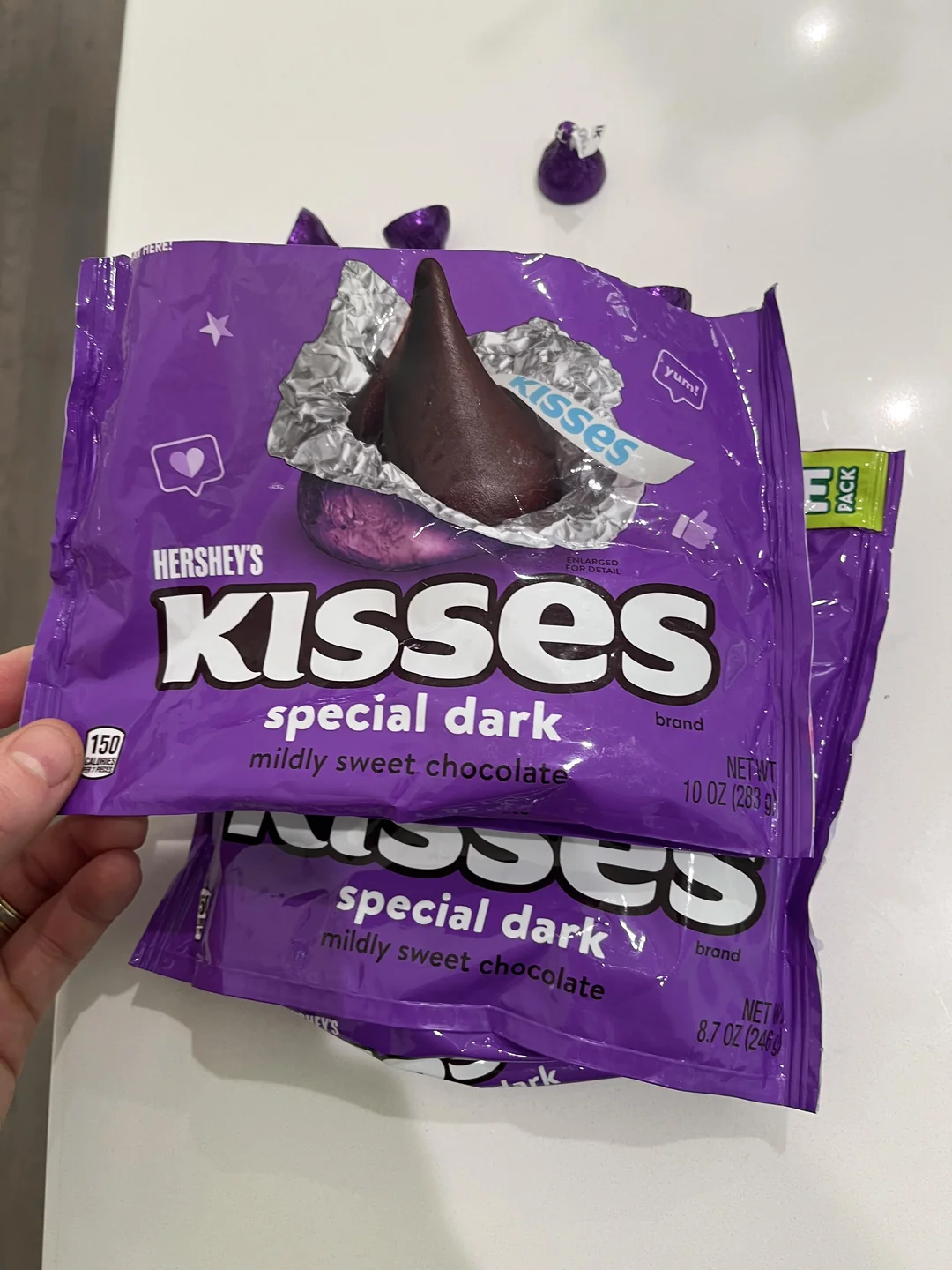
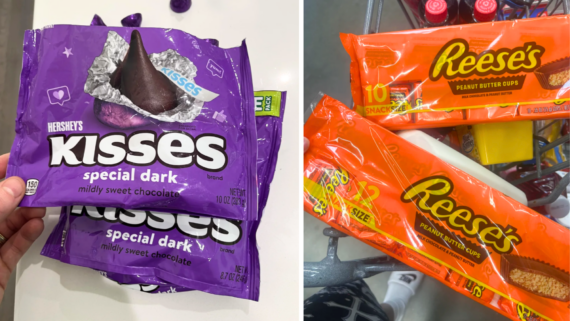
One shopper suspected something had changed after picking up a new bag of Hershey’s candy that felt noticeably lighter than usual. A side-by-side comparison at home confirmed it: the package had shrunk from 10 ounces to 8.7 ounces while keeping the same overall appearance. Frustrated by the change, the shopper said it was enough to stop buying the product altogether.
This Ice Cream Tub Lost 120 Milliliters Overnight
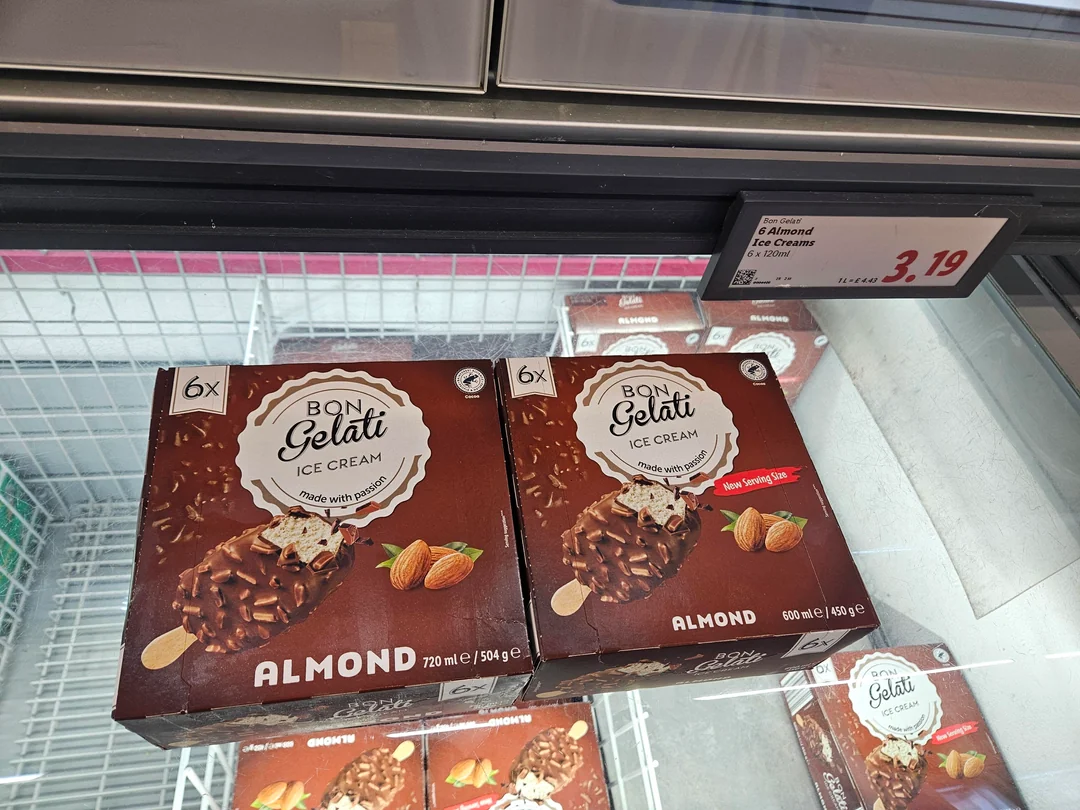
One shopper noticed that Bon Gelati Almond Ice Cream had quietly shrunk from 720 milliliters to 600 milliliters without any reduction in price. Although the container looked nearly the same, the smaller serving size left many people feeling they were paying more for less. It’s exactly the kind of subtle packaging change that has become synonymous with shrinkflation.
Sign up for our newsletter
One Q-tips Box Suddenly Had 100 Fewer Swabs
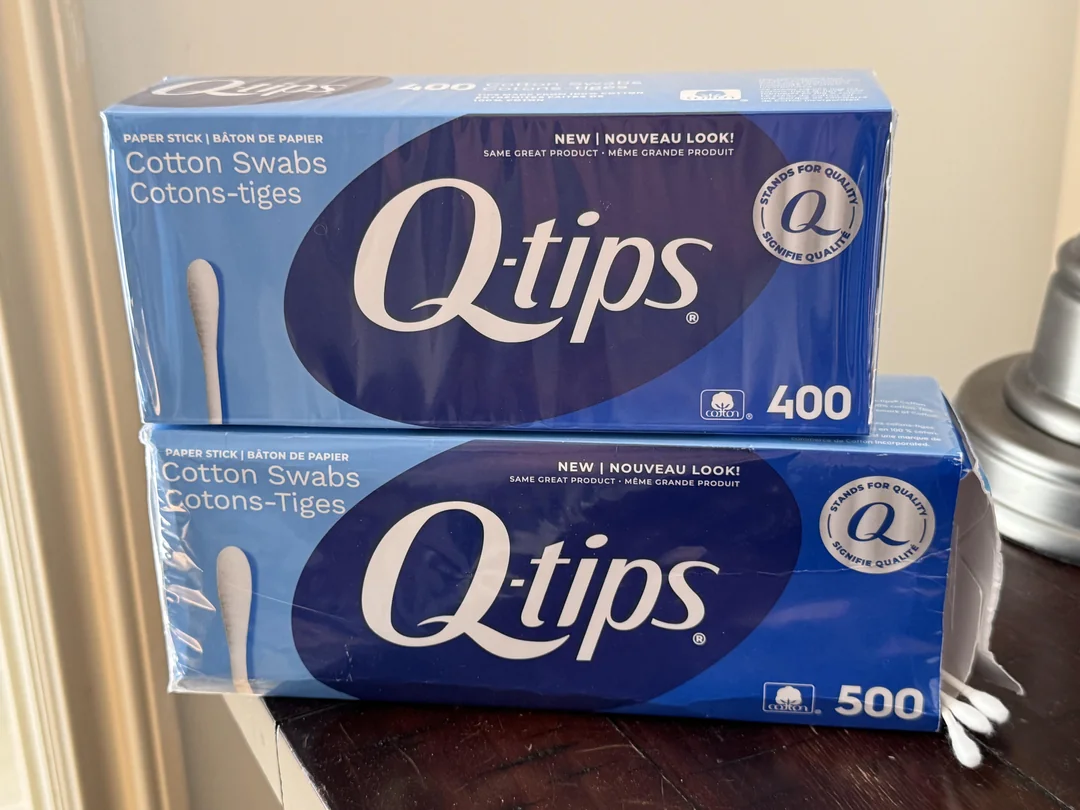
A longtime Q-tips customer was shocked to discover that the familiar 500-count box had quietly been reduced to 400 cotton swabs. Aside from the updated number on the label, the packaging looked nearly identical, making the change easy to miss. For many shoppers, it’s another frustrating example of shrinkflation hiding in plain sight.
This Oatmeal Box Lost Two Packets in the Redesign
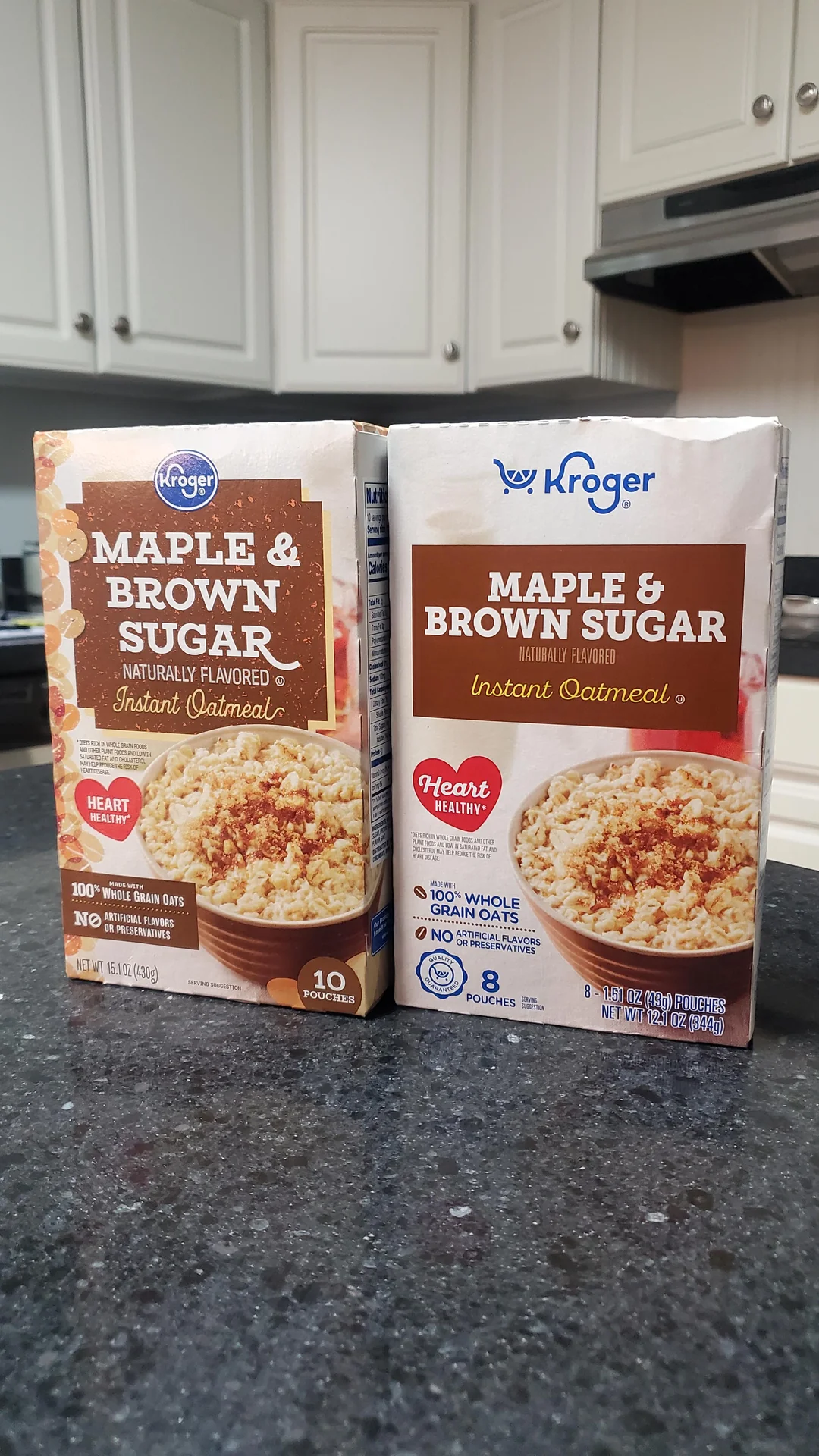
One shopper immediately noticed something was different after picking up a newly redesigned box of Kroger maple and brown sugar instant oatmeal. The updated packaging came with two fewer packets, yet the price remained the same at $2. For many consumers, it’s another reminder that product redesigns sometimes hide a little less inside.
The “Mega Size” Vitamins Weren’t So Mega Anymore
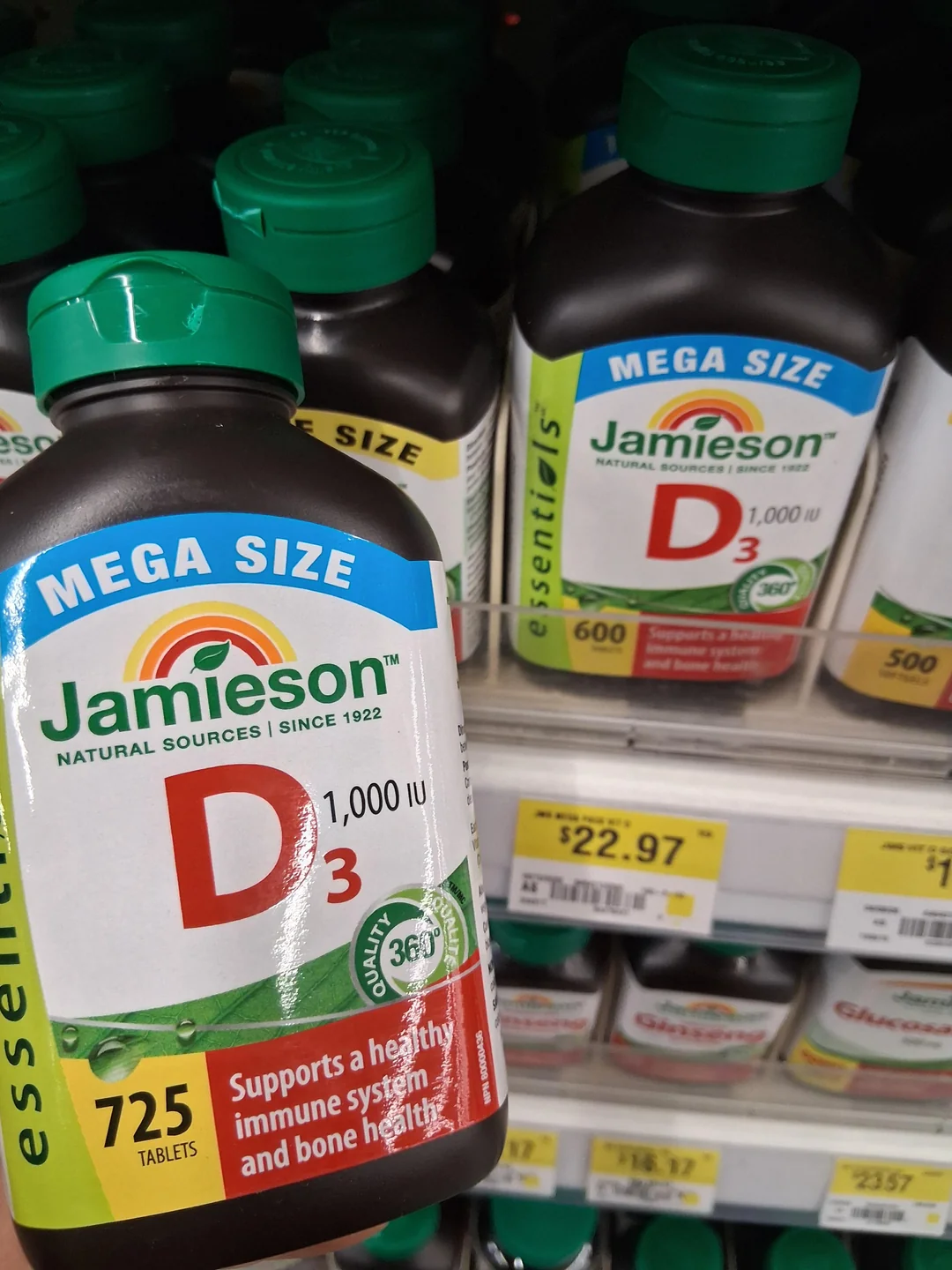
One shopper was puzzled when the numbers on Jamieson’s vitamin bottles didn’t seem to add up. A closer look revealed why: the Mega Size bottle had quietly dropped from 725 capsules to 600, making it a much less attractive value than before. It was another reminder that even products marketed as the biggest option aren’t immune to shrinkflation.
Becel Butter Kept Getting Smaller
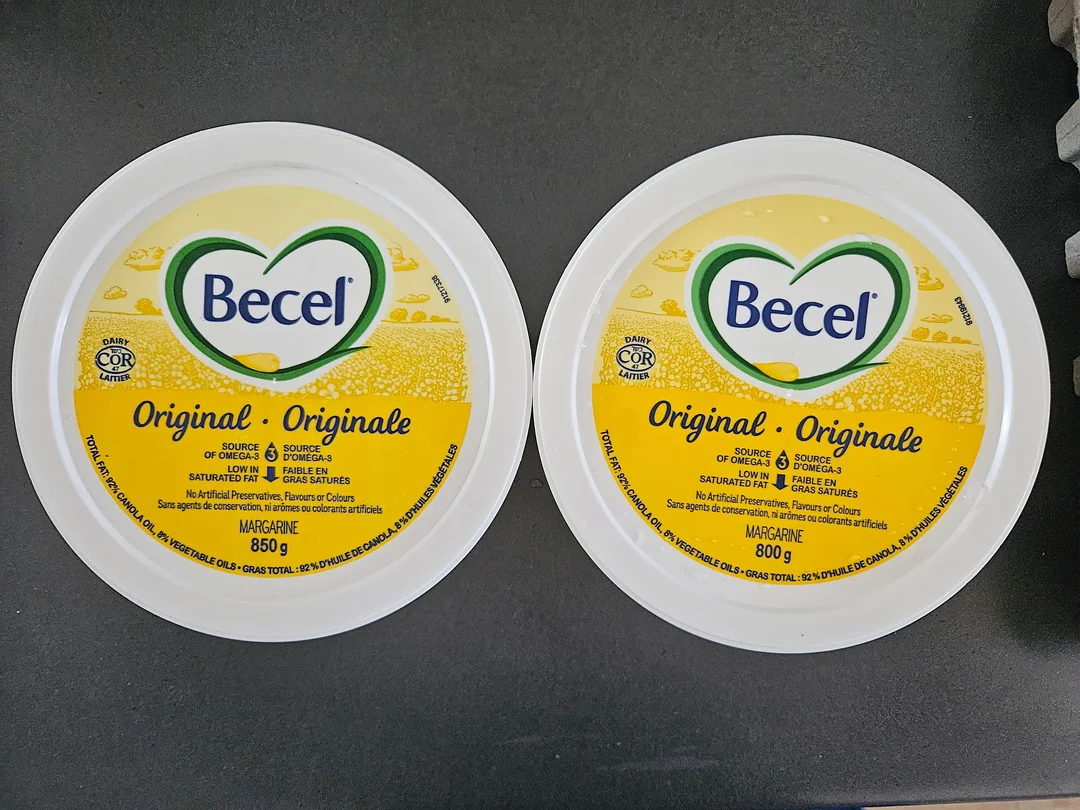
One longtime customer noticed that Becel butter had shrunk yet again, dropping from 900 grams to 850 grams a few years ago and now down to 800 grams. Despite the smaller amount, the tub looked the same and the price hadn’t changed. For shoppers tracking shrinkflation, it was another frustrating example of paying the same for less.
Reese’s 12-Pack Became a 10-Pack
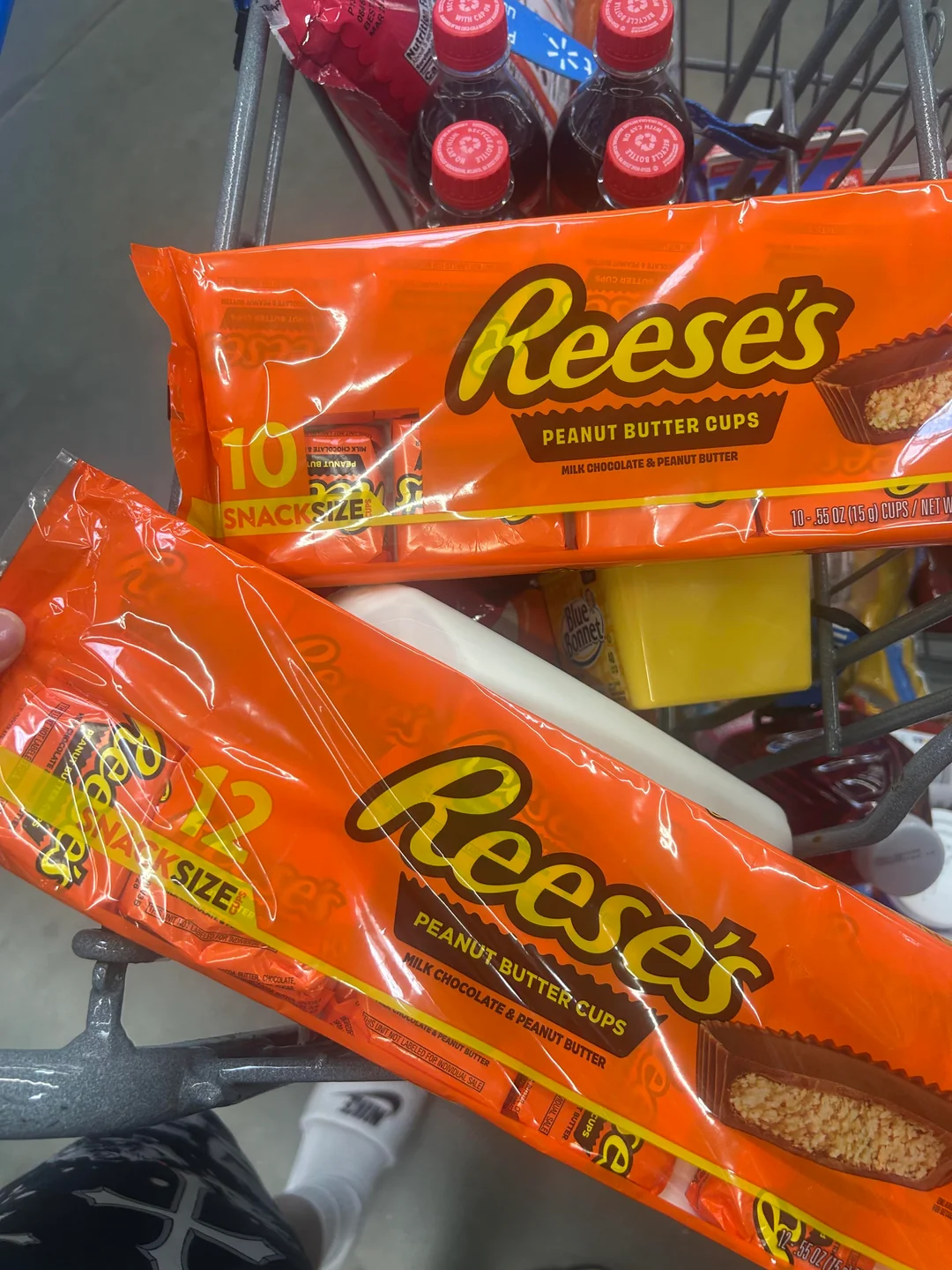
One shopper noticed that Reese’s had quietly reduced its multipack from 12 peanut butter cups to 10 while keeping the price exactly the same. The new package occupied the same spot on the shelf with an unchanged price tag, making the smaller quantity easy to overlook. It’s the kind of subtle change that has become a familiar complaint among shoppers tracking shrinkflation.
Dixie Plates Lost Five Plates Overnight
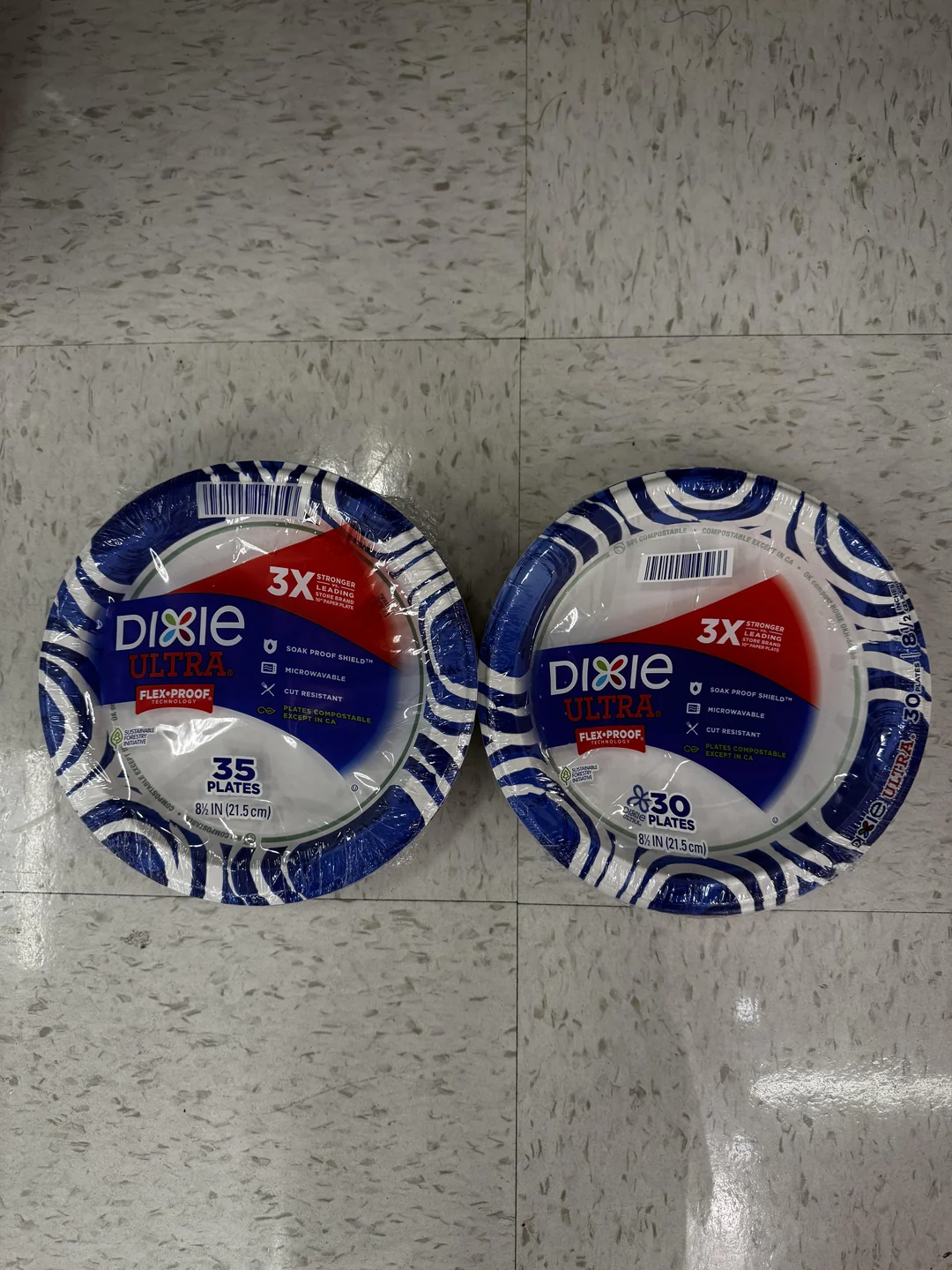
One shopper noticed that a package of Dixie paper plates had quietly shrunk by five plates while selling for the exact same price. At first glance, the packaging looked unchanged, making the smaller count easy to miss. It’s another example of the subtle product reductions that many consumers say have become increasingly common.
Shrinkflation Isn’t So Hard to Spot Anymore
From candy and cereal to butter, vitamins, paper plates, and everyday household staples, these photos show just how widespread shrinkflation has become. While the changes are often subtle, shoppers are paying closer attention than ever, comparing old and new packages to make sure they’re still getting the value they expect. As these examples prove, sometimes the biggest difference isn’t the price—it’s what’s missing inside the package.