Grandma’s pantry staples seemed to operate according to their own set of rules. There weren’t dozens of trendy condiments, specialty flours, or snacks in every flavor imaginable. Instead, the shelves were packed with dependable cans, boxes, jars, and baking ingredients that could sit around for months and somehow turn into dinner or dessert at a moment’s notice.
The exact lineup depended on the family and where you grew up, of course, but certain foods seemed to appear in grandma pantries across America. They were inexpensive, shelf-stable, and useful enough to handle everything from an ordinary Tuesday night dinner to relatives unexpectedly showing up at the door.
And somehow, nobody ever remembered seeing Grandma actually buy most of them. From canned peaches and evaporated milk to that mysterious tin of cookies reserved for company, here are 15 things every grandma seemed to keep in her pantry.
Canned Peaches
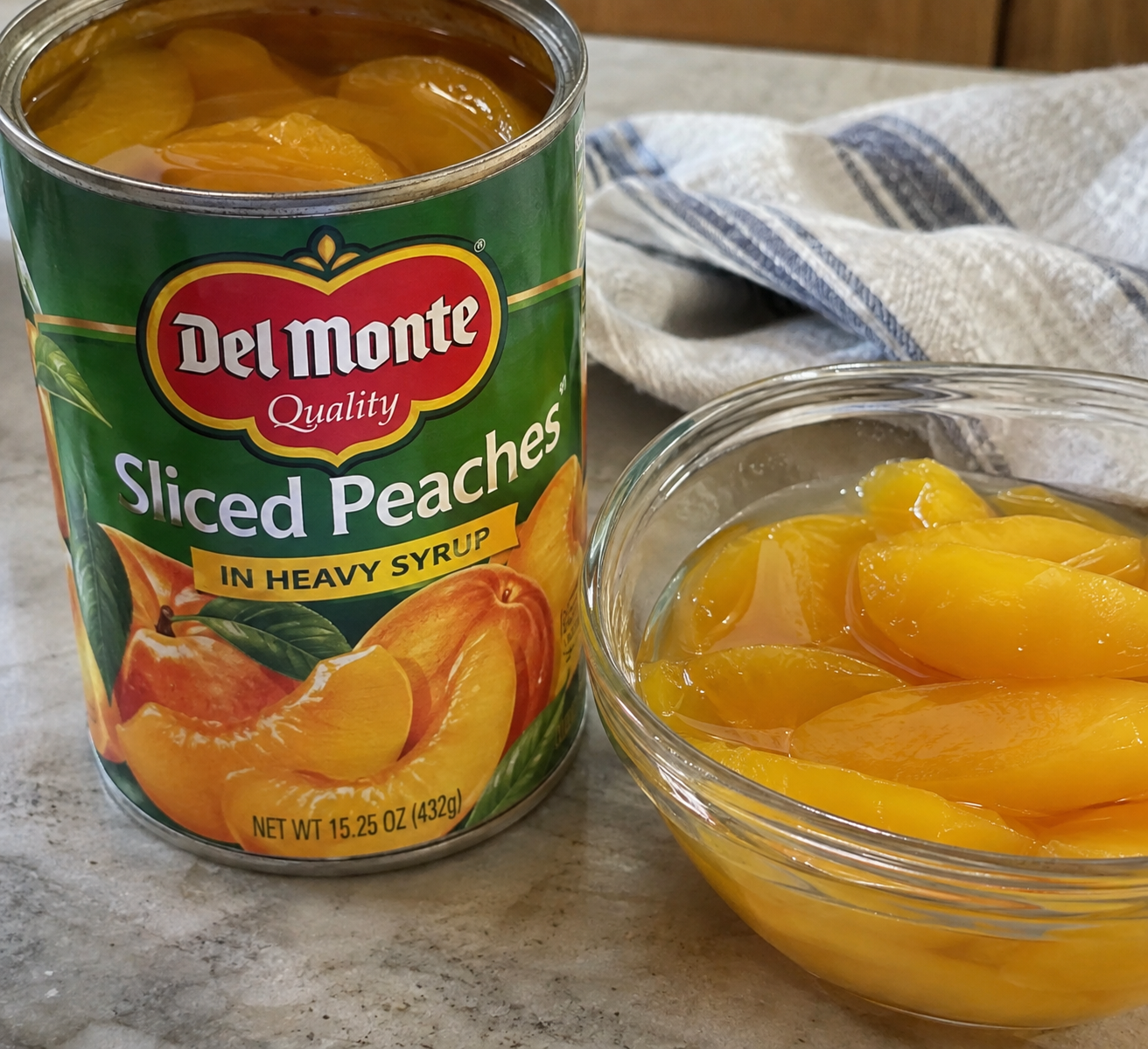
Fresh peaches had a season, but canned peaches were always ready to go. Grandma could serve them straight from the can, spoon them alongside cottage cheese, or turn them into a cobbler when dessert was needed. And if you remember eating them as a kid, you probably remember the syrup just as well as the fruit — those peach slices practically floated in the stuff.
Evaporated Milk
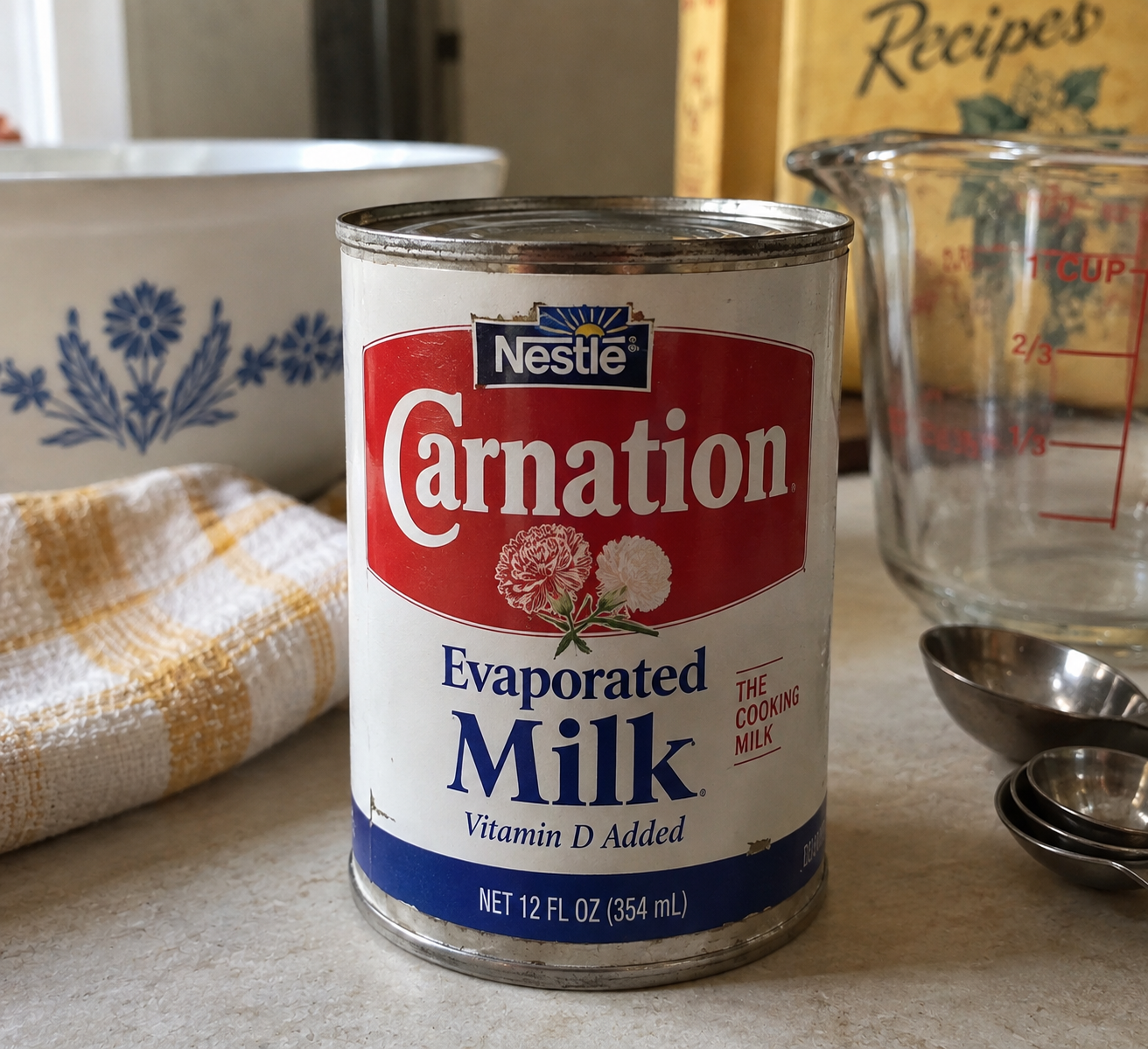
There was usually at least one can of evaporated milk hiding somewhere on the shelf, ready to save the day when there wasn’t enough fresh milk in the refrigerator. It could go into mashed potatoes, casseroles, sauces, pies, or even a cup of coffee. Best of all, it lasted considerably longer than regular milk, making it exactly the kind of practical backup ingredient Grandma liked to keep around.
Saltine Crackers
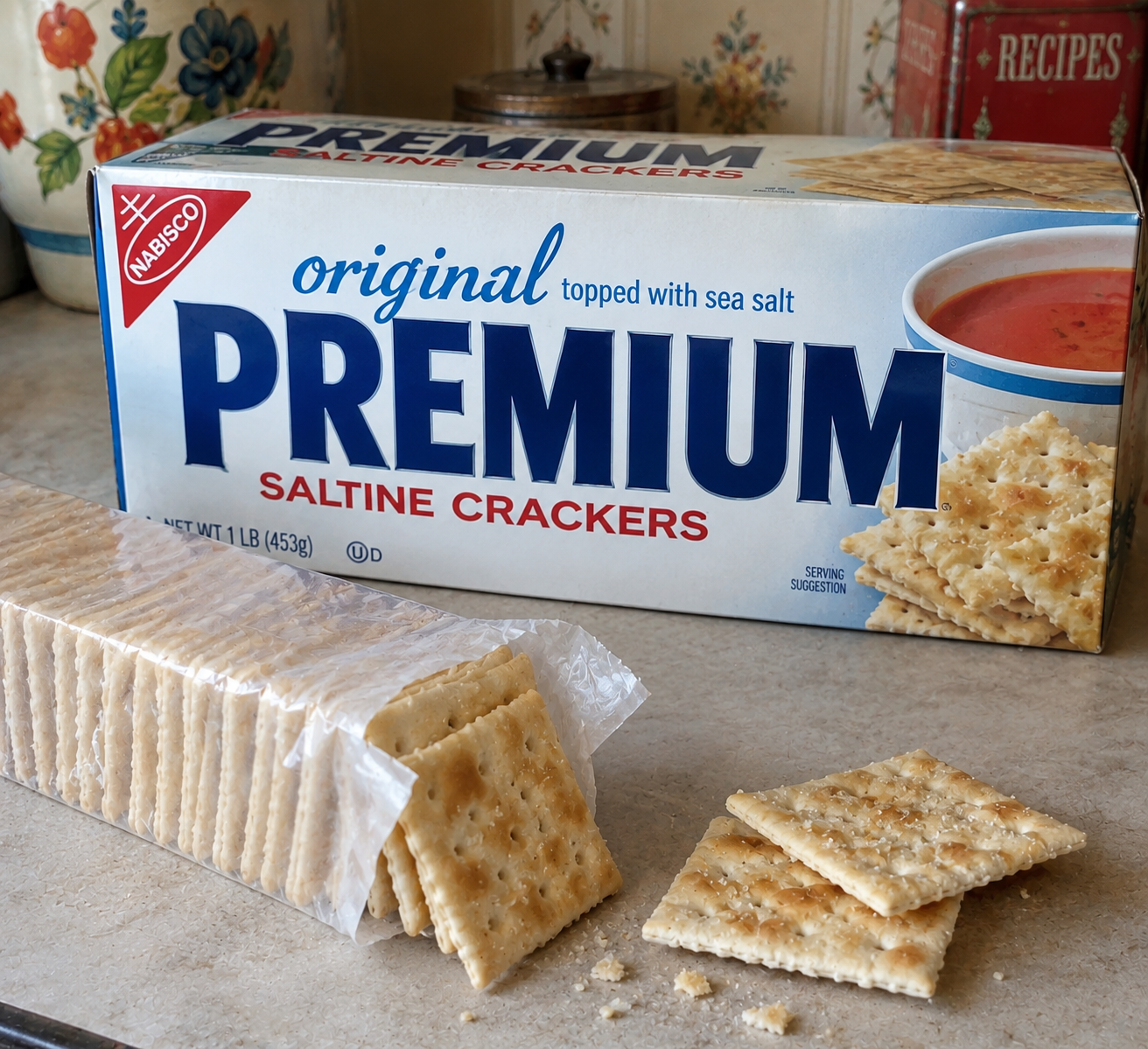
Saltines weren’t particularly exciting, but that was sort of the point. They went with practically everything, whether Grandma was serving a bowl of soup, spreading peanut butter on them for a quick snack, pairing them with cheese, or crushing them up for a casserole topping. And somehow, that wax-paper sleeve inside the cardboard box always seemed to have a few crackers left in it, no matter how long it had been open.
Canned Tomato Soup
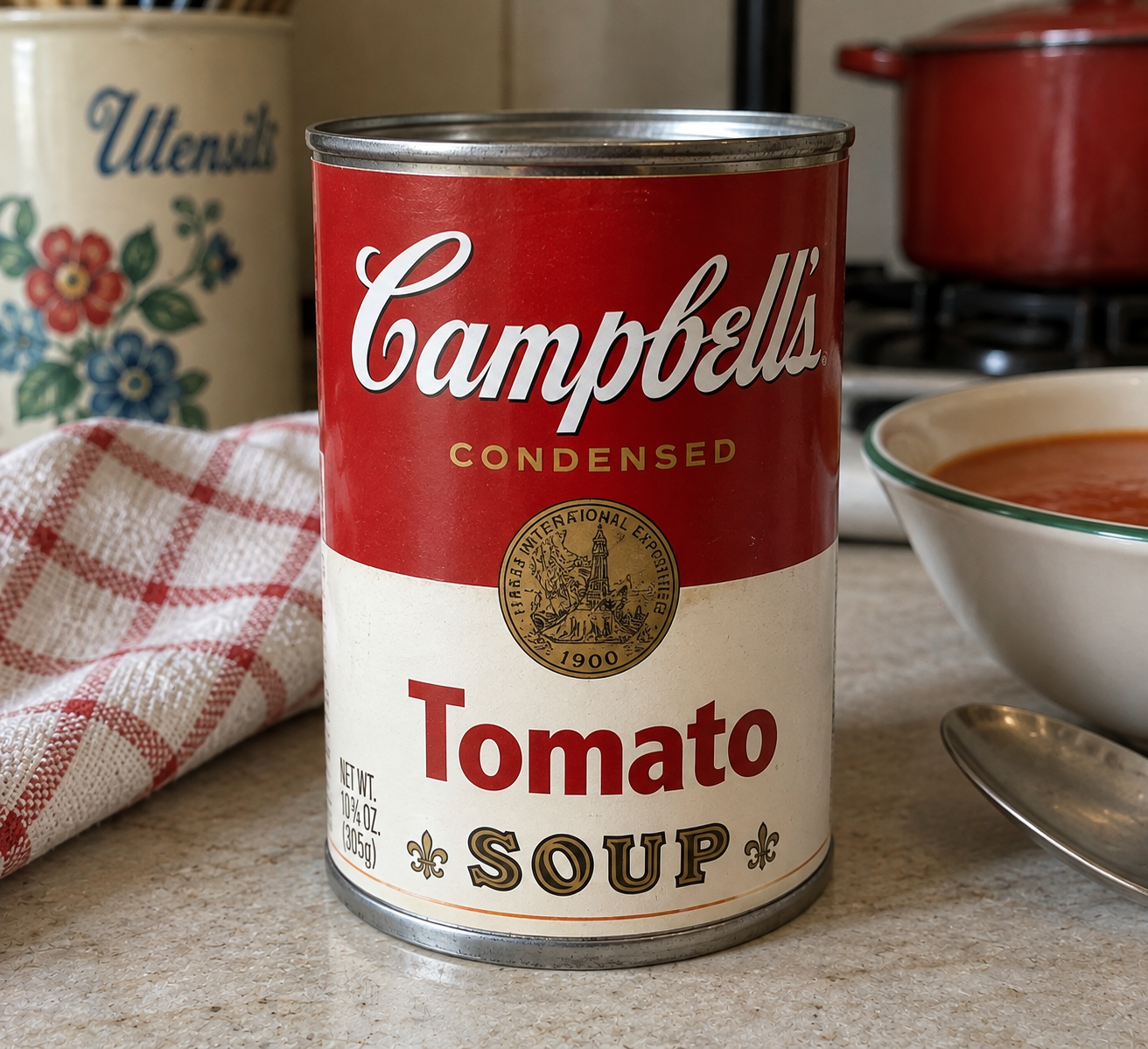
Long before anyone worried about making tomato bisque from scratch, a can of condensed tomato soup could handle lunch just fine. Grandma might heat it up to serve alongside grilled cheese, but it was just as likely to disappear into a casserole or sauce. It was cheap, required almost no preparation, and could sit in the pantry until somebody needed a quick meal.
Gelatin Dessert Mix
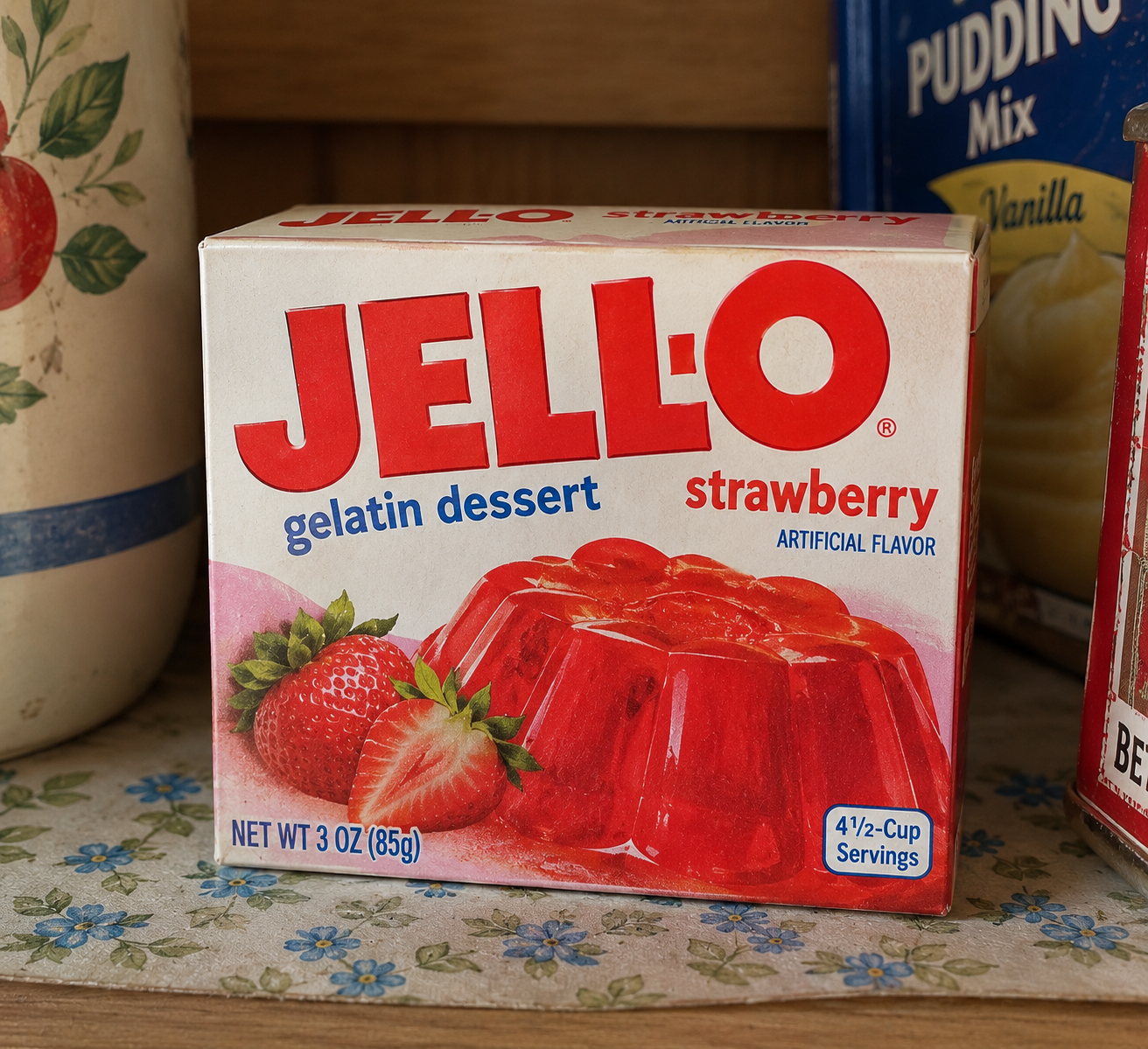
If you opened Grandma’s pantry during the mid-century era, there was a good chance you’d find a few brightly colored boxes of gelatin stacked somewhere near the pudding mixes. Gelatin wasn’t just an occasional dessert, either. It showed up in fruit salads, molded creations, layered desserts, and holiday dishes that occasionally contained ingredients nobody today would think to suspend in lime gelatin.
Trending on Cheapism

Canned Green Beans
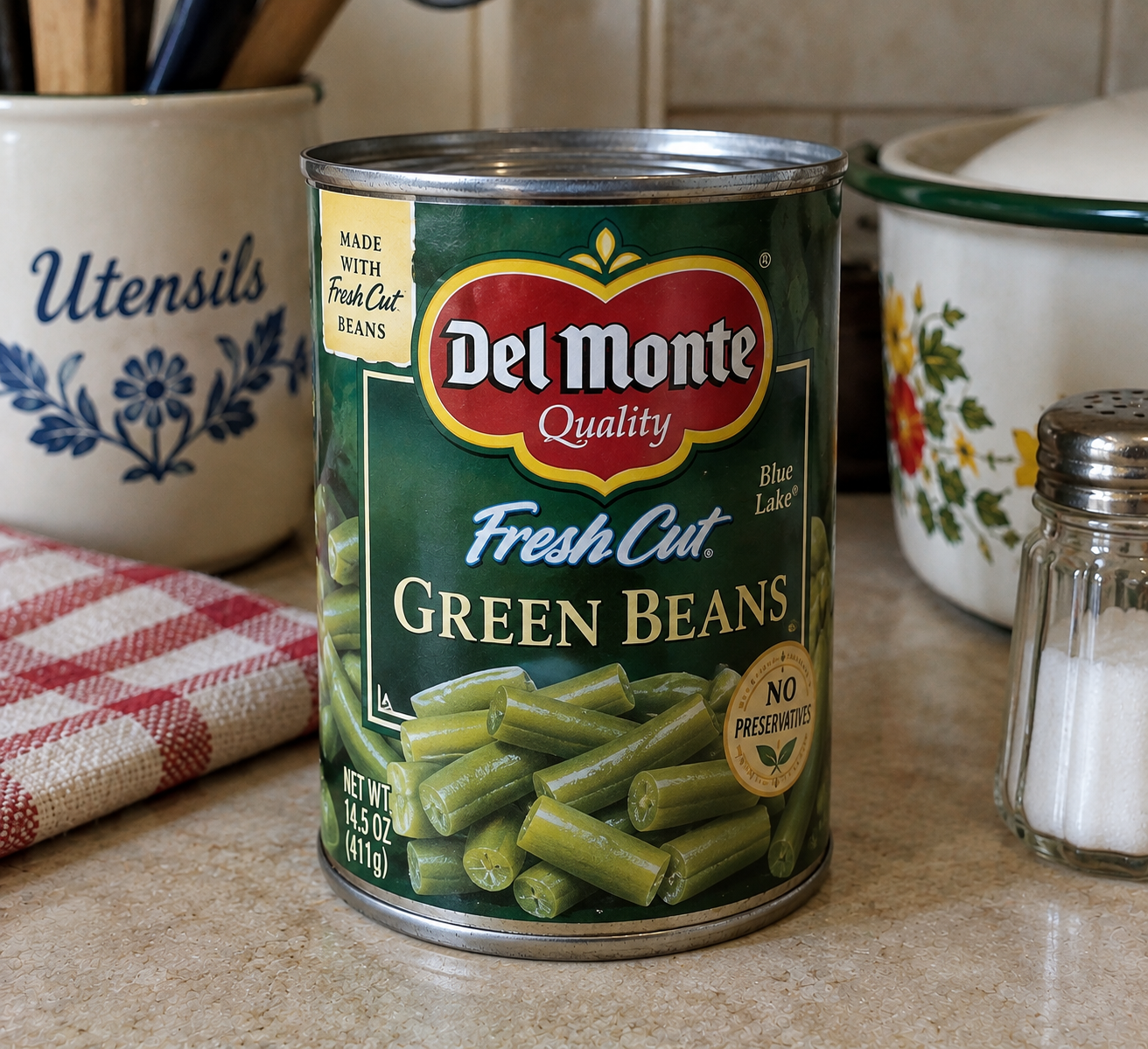
Before supermarkets carried an enormous selection of fresh produce year-round, canned vegetables were an easy way to make sure dinner included something green. Grandma could heat canned green beans with a little butter, add them to a casserole, or simply put them next to the meat and potatoes. There was rarely just one can, either — deep pantry shelves seemed practically designed for lining them up several rows deep.
Flour in a Big Canister
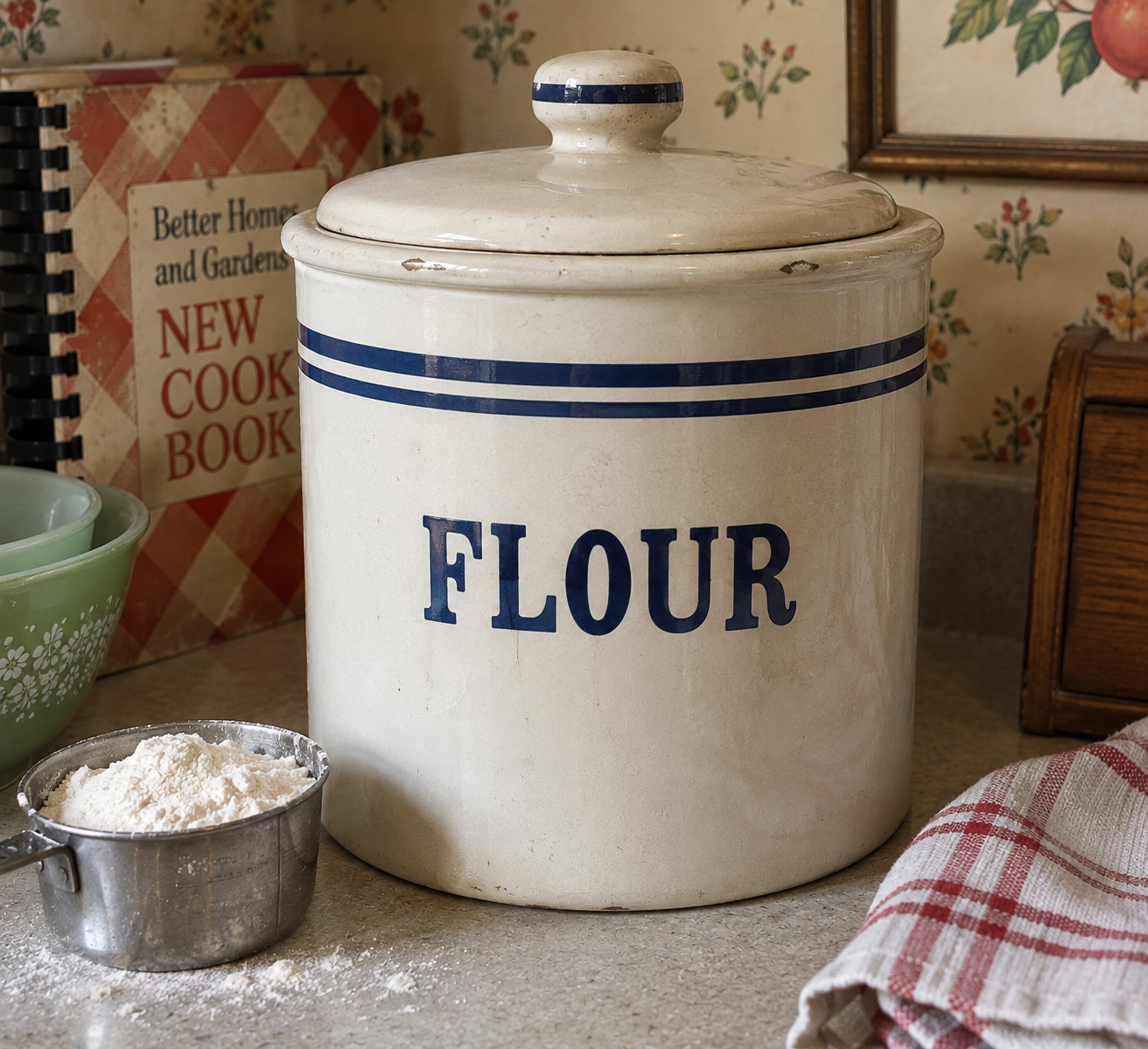
The flour rarely stayed in its original paper bag for long. In Grandma’s kitchen, it often went straight into a big ceramic, metal, or glass canister that seemed bottomless. That made sense considering how often she reached for it: Flour could become biscuits, gravy, cookies, cakes, pie crusts, breading, and countless other staples of home cooking.
Sugar in an Even Bigger Canister
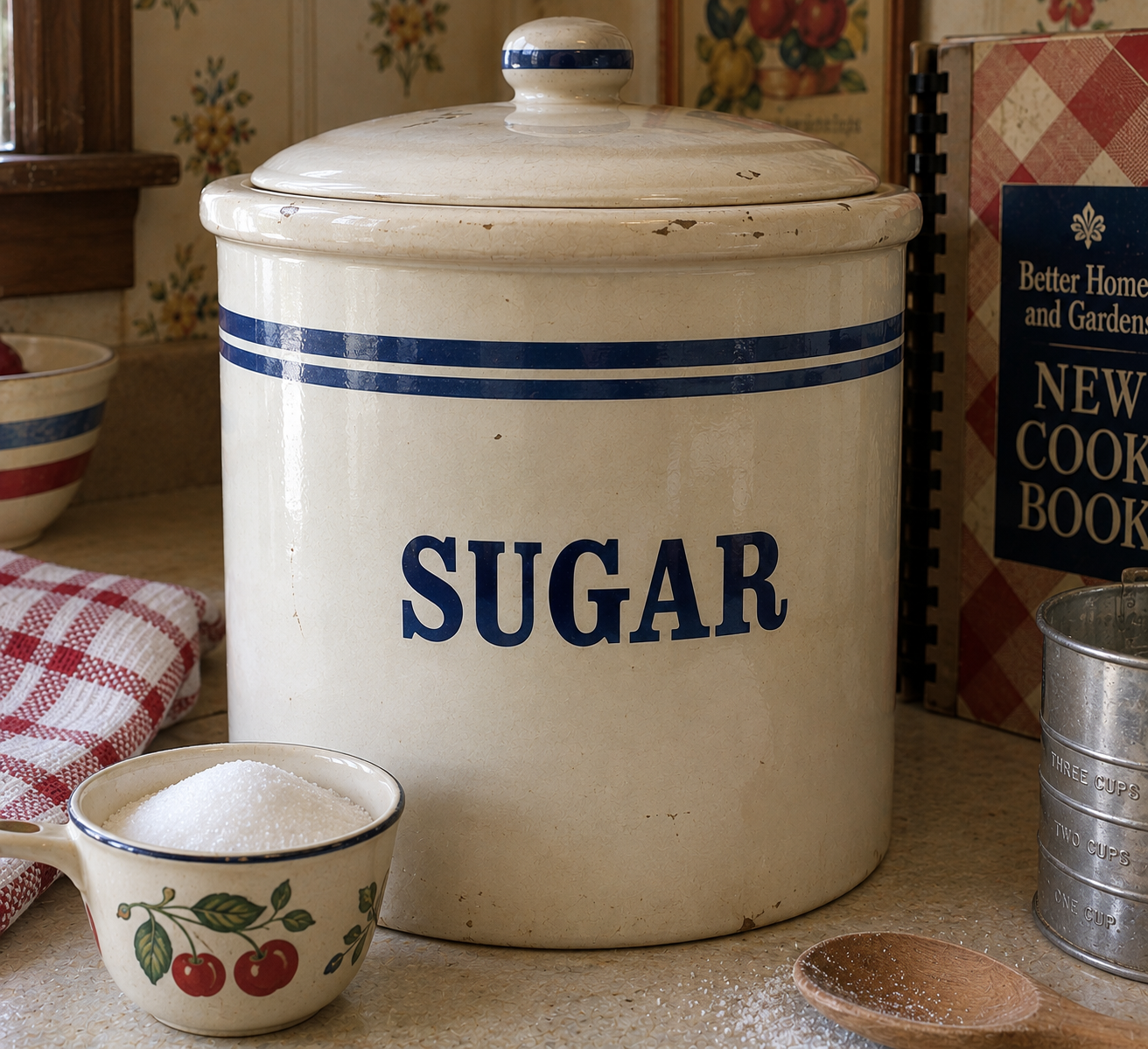
Right beside the flour was usually another canister filled with sugar — and somehow this one seemed even bigger. Sugar went into practically every baking project, but Grandma might also use it for preserves, sweet tea, coffee, cobblers, and whatever dessert she decided to make that week. No matter how many cups disappeared into recipes, the container always seemed mysteriously full the next time you visited.
Sign up for our newsletter
Canned Tuna
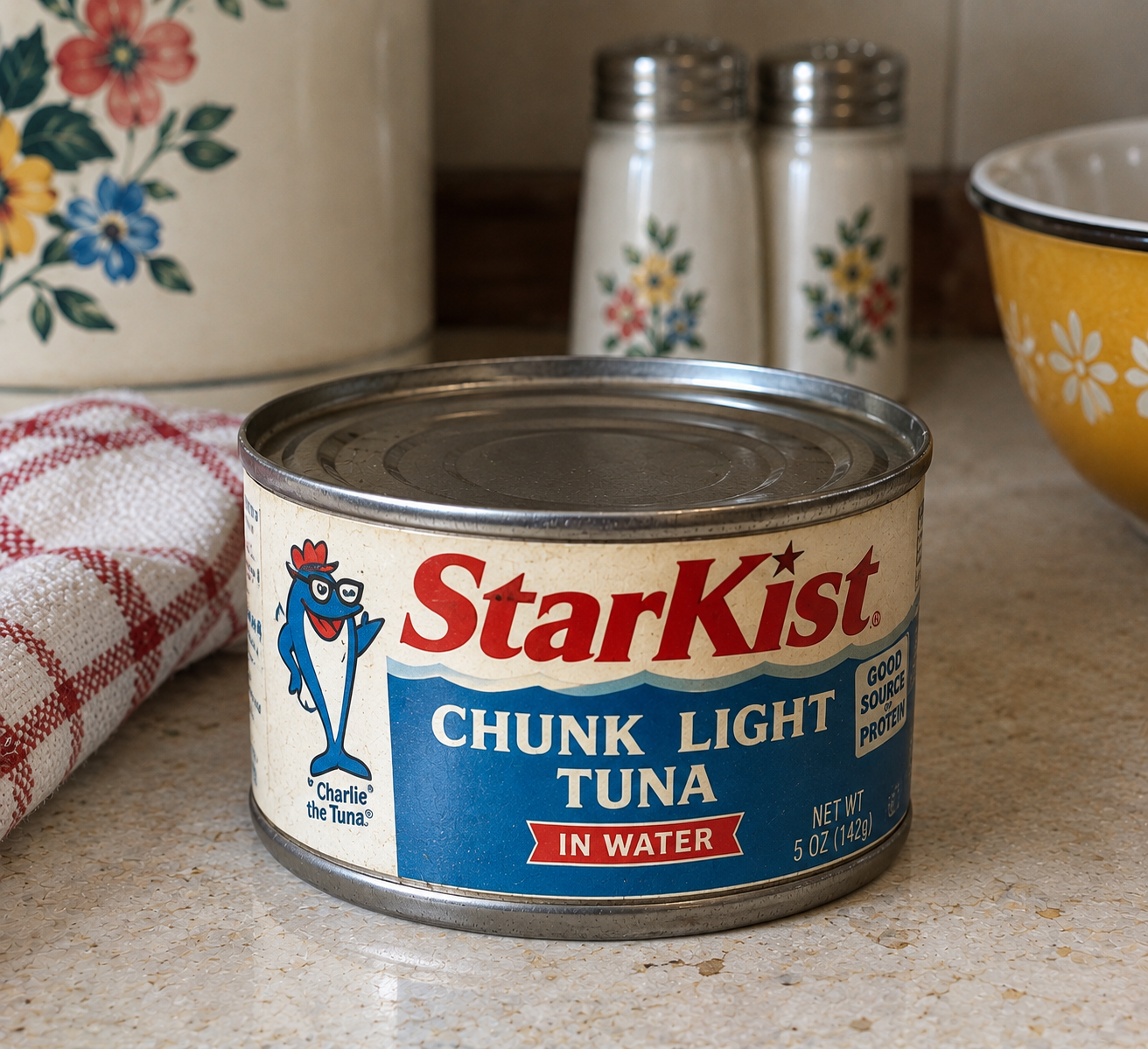
A couple of cans of tuna meant Grandma was never very far from a meal. She could mix it with mayonnaise for sandwiches, pile it onto bread for tuna melts, toss it into macaroni salad, or combine it with noodles and canned soup for a casserole. It wasn’t fancy, but that shelf-stable protein could turn a handful of pantry basics into lunch or dinner without requiring a trip to the store.
Peanut Butter
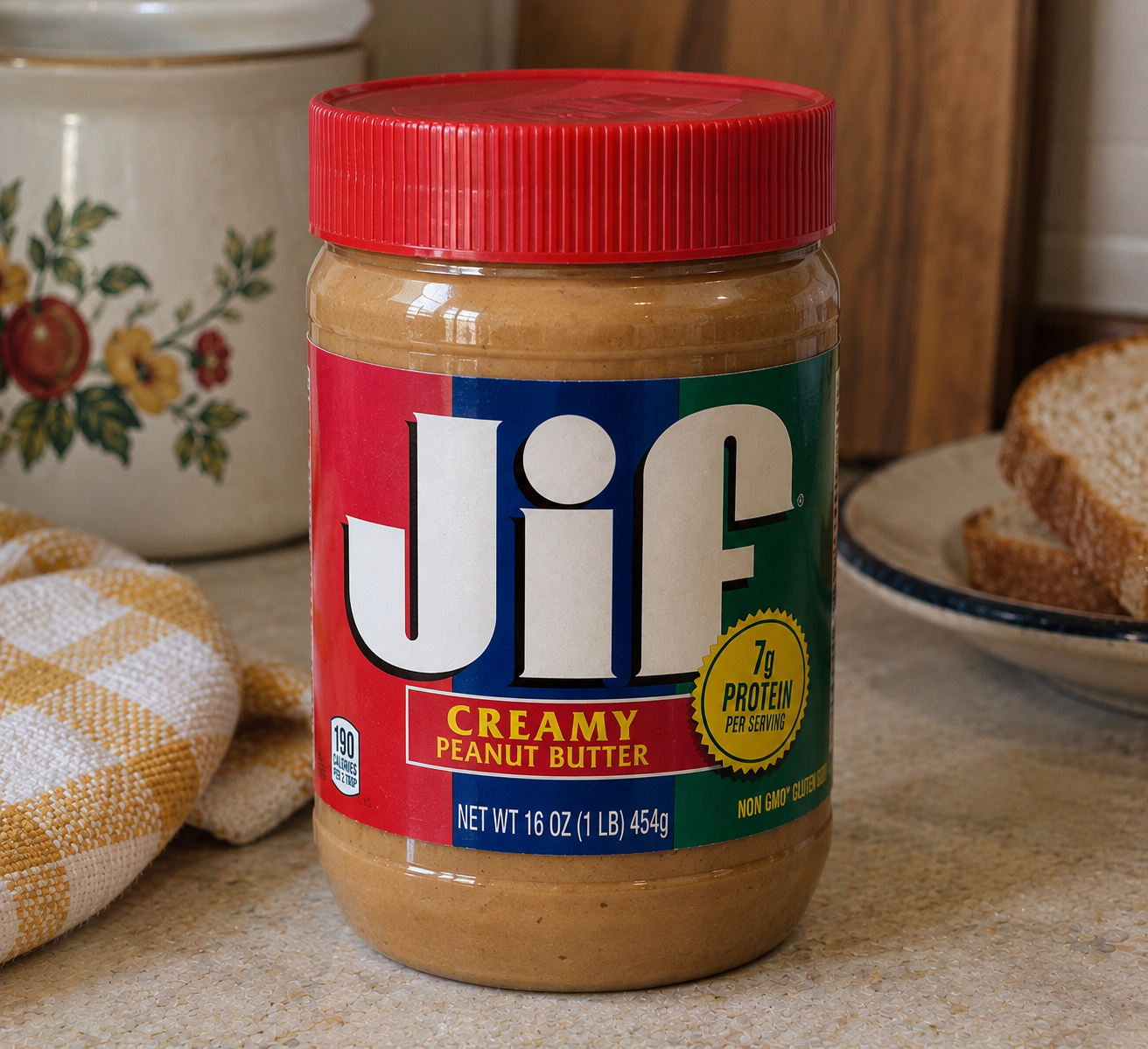
Kids were hungry? Peanut butter. Someone needed a quick lunch? Peanut butter. Grandma wanted to make cookies? Once again, peanut butter. The jar tucked beside the jam or honey could become sandwiches, crackers, celery sticks, cookies, or a spoonful handed to an impatient grandkid who couldn’t wait until dinner. Considering how often everyone ate it, the jar seemed to last an impressively long time.
Canned Corn
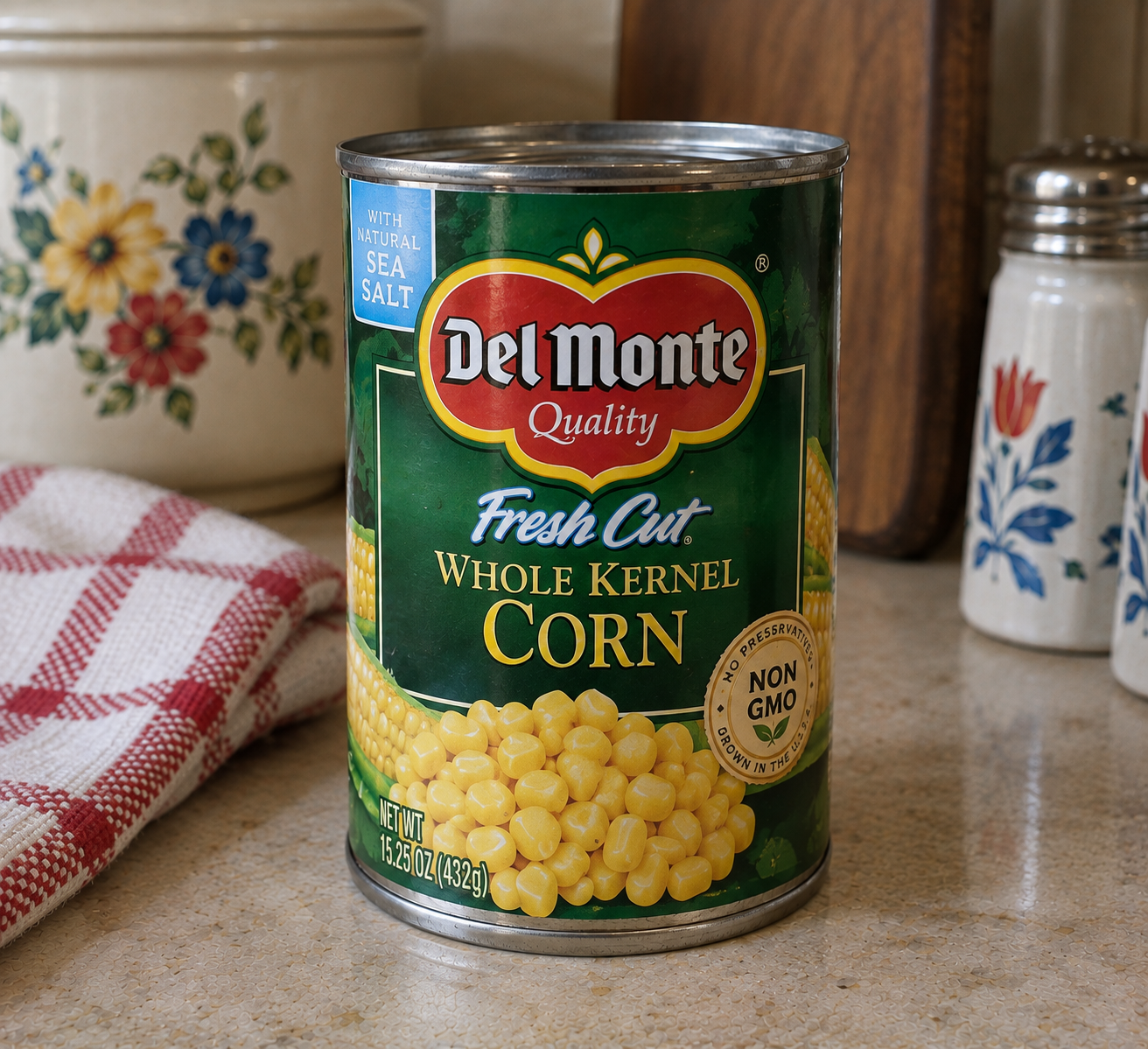
Canned corn was another vegetable Grandma could count on regardless of the season. It was sweet, familiar, and required little more than opening the can and heating it up, making it an easy side dish for almost any dinner. It could also get mixed into soups, casseroles, and other recipes whenever she needed to stretch a meal a little further.
Cake Mix
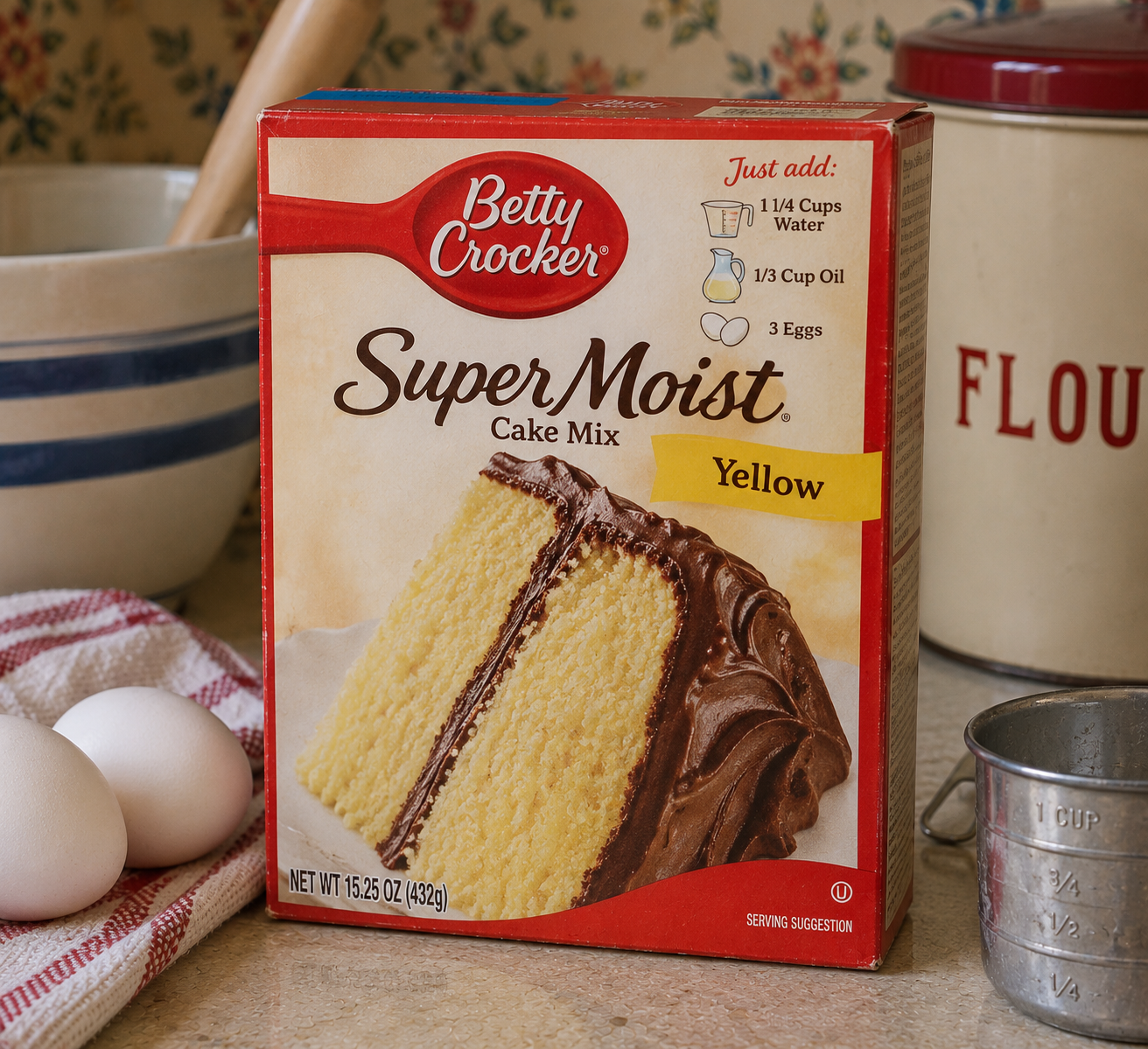
Unexpected company didn’t necessarily mean Grandma was going to spend hours measuring flour and sugar. Keeping a box of cake mix around meant dessert was never more than a few ingredients and a hot oven away. Yellow, chocolate, and white cake mixes could become birthday cakes, cupcakes, sheet cakes, or even the starting point for an improvised cobbler. There always seemed to be at least one box waiting for an occasion.
Instant Pudding Mix
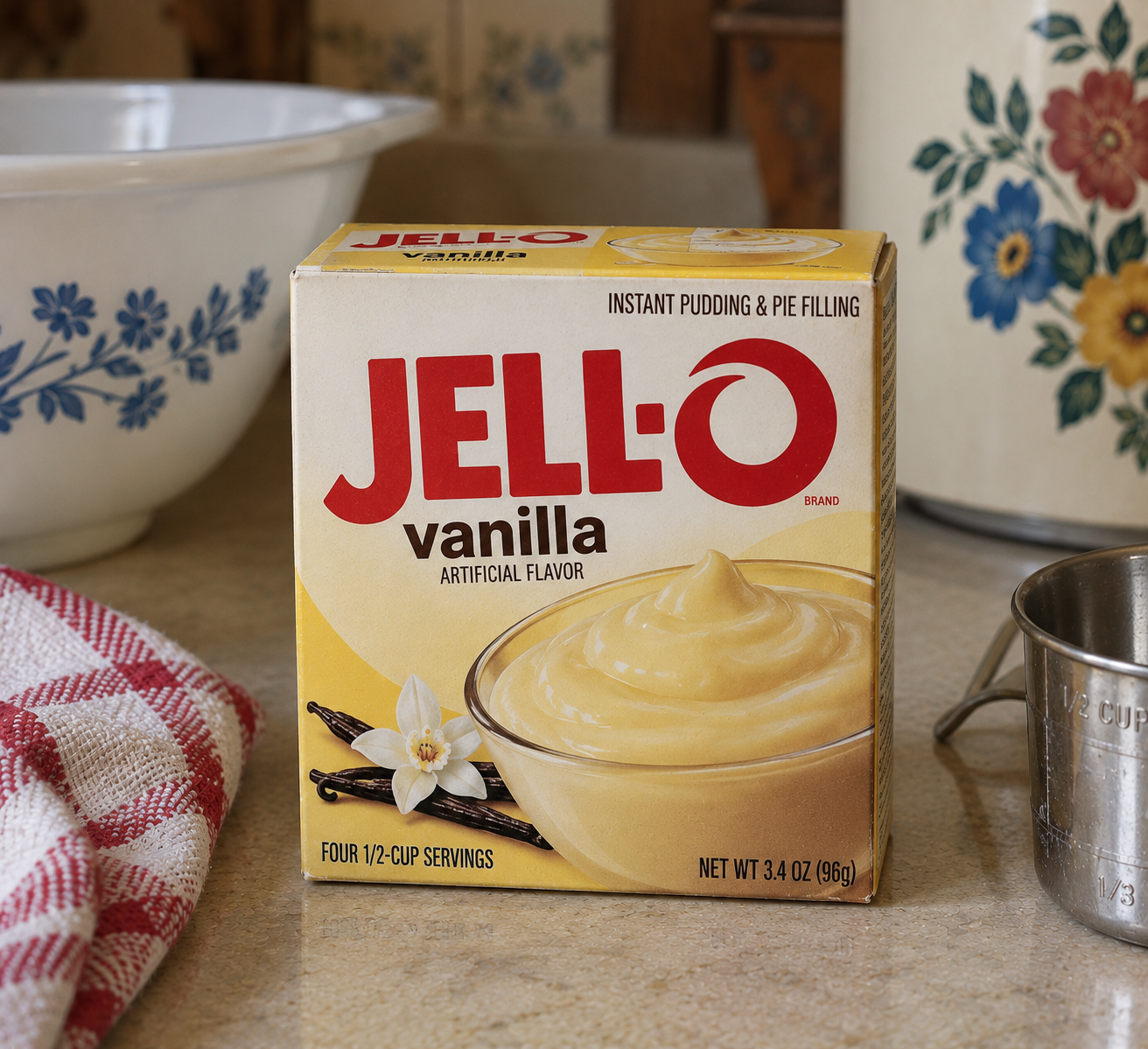
Instant pudding was another shortcut that earned permanent pantry space. On its own, it could become dessert in minutes, but Grandma could also turn those little boxes into pies, layered desserts, trifles, and all sorts of creations involving whipped topping. Convenience products became a major part of American home cooking during the mid-20th century, and pudding mix was exactly the sort of ingredient that could make an impressive-looking dessert surprisingly easy.
Shortening
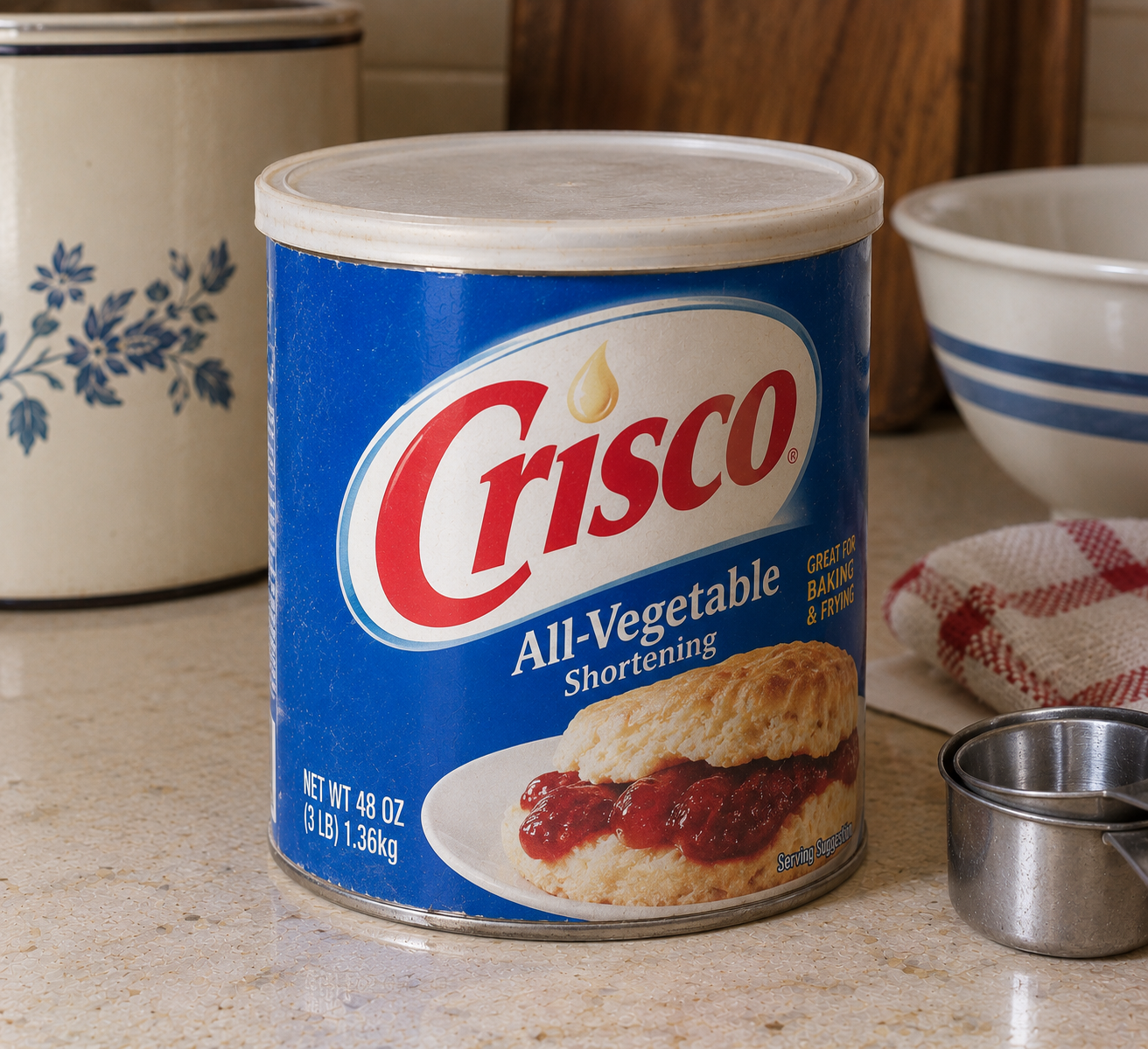
That big tub of shortening wasn’t exactly the most glamorous pantry item, but it certainly earned its shelf space. A shelf-stable cooking fat could be used for pie crusts, biscuits, cookies, and frying, and one container seemed capable of surviving an astonishing number of baking projects. You might go months without noticing it, only for Grandma to suddenly pull it out when an old recipe specifically demanded shortening.
A Tin of Cookies Nobody Was Allowed to Finish
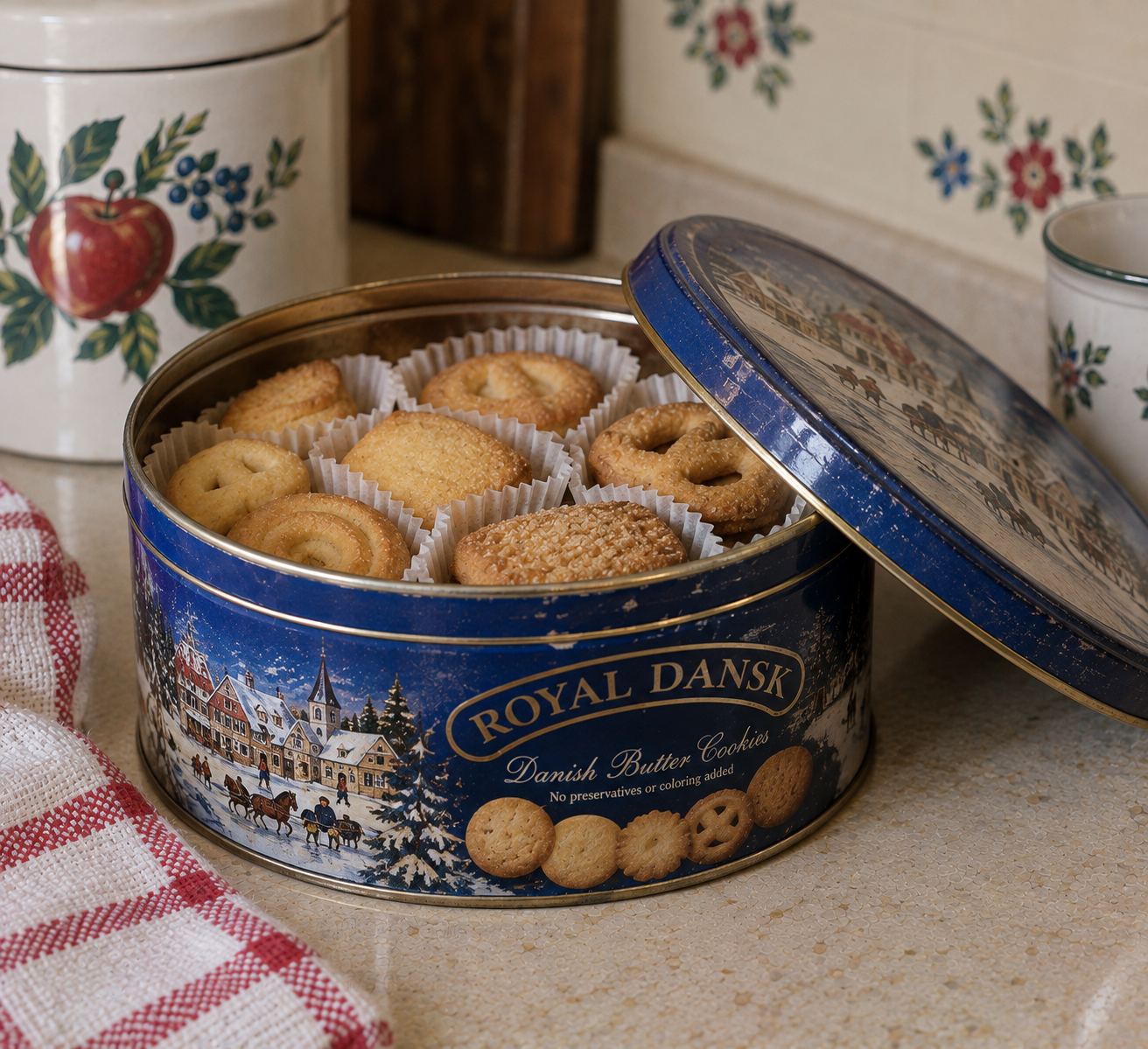
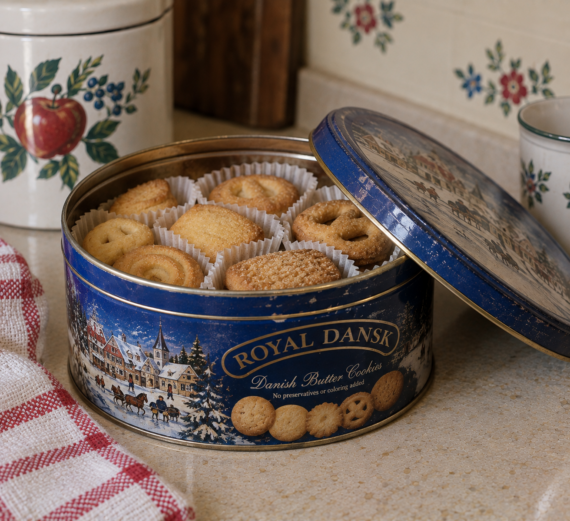
Some cookies were for eating whenever you wanted. These were not those cookies. Grandma often had a decorative tin tucked away for company, ready to appear alongside coffee or tea whenever somebody stopped by. Eating the last one could feel like violating an unwritten household rule. And once the cookies were finally gone, you couldn’t assume the tin was empty — it might spend the next 20 years holding buttons, sewing supplies, photographs, or just about anything except cookies.
Grandma’s Pantry Could Handle Just About Anything
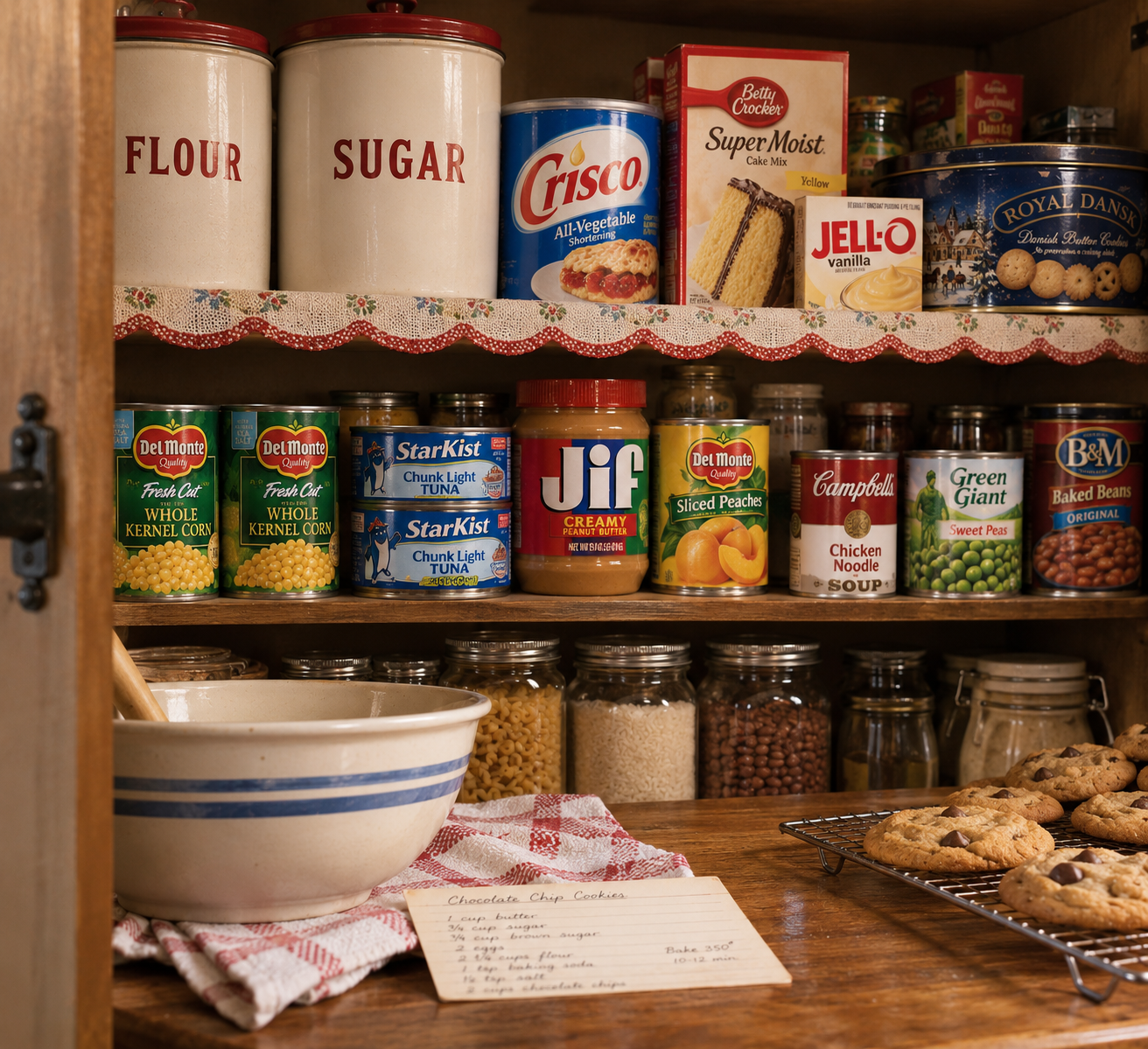
What made Grandma’s pantry memorable wasn’t necessarily the individual foods. It was how much she could do with them. Canned vegetables, fruit, tuna, crackers, flour, sugar, baking mixes, and shelf-stable milk meant there was almost always a meal, snack, or dessert within reach, even when the refrigerator wasn’t particularly full.
At the time, most of these ingredients weren’t nostalgic at all. They were simply practical foods that lasted, didn’t cost much, and could be used in several different ways. Looking back, though, it’s hard not to marvel at how much could come out of those crowded shelves. Breakfast, dinner, dessert, and something to serve unexpected guests were often just a few cans and canisters away.