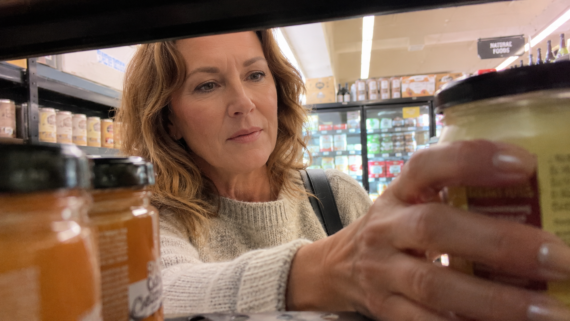
Everyday products have not disappeared from American shopping carts, but many shoppers have changed the rules. After years of higher grocery bills, smaller packages, and loyalty-app deals, people are more likely to wait for sales, compare unit prices, or switch to store brands before paying full price for these products. Even the USDA’s food price outlook shows why households are watching everyday costs more closely.
Breakfast Cereal
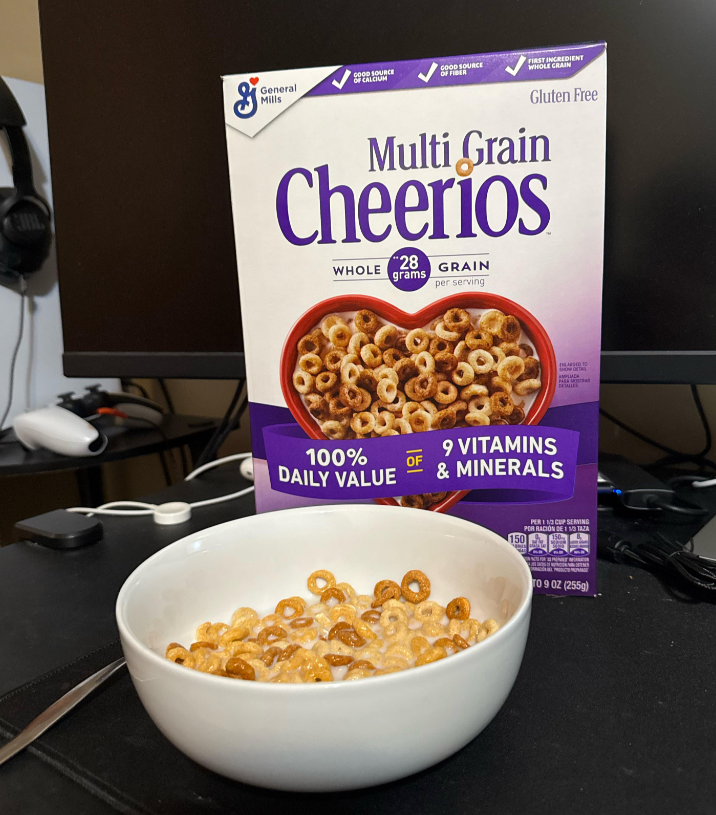
Breakfast cereal used to feel like one of the easiest cheap breakfasts in the house. Now, plenty of shoppers look at the price of a family-size box and walk right past it unless there is a BOGO sticker nearby. The frustration is not just the price, either. Many people feel the boxes look big but do not last as long as they used to.
Potato Chips
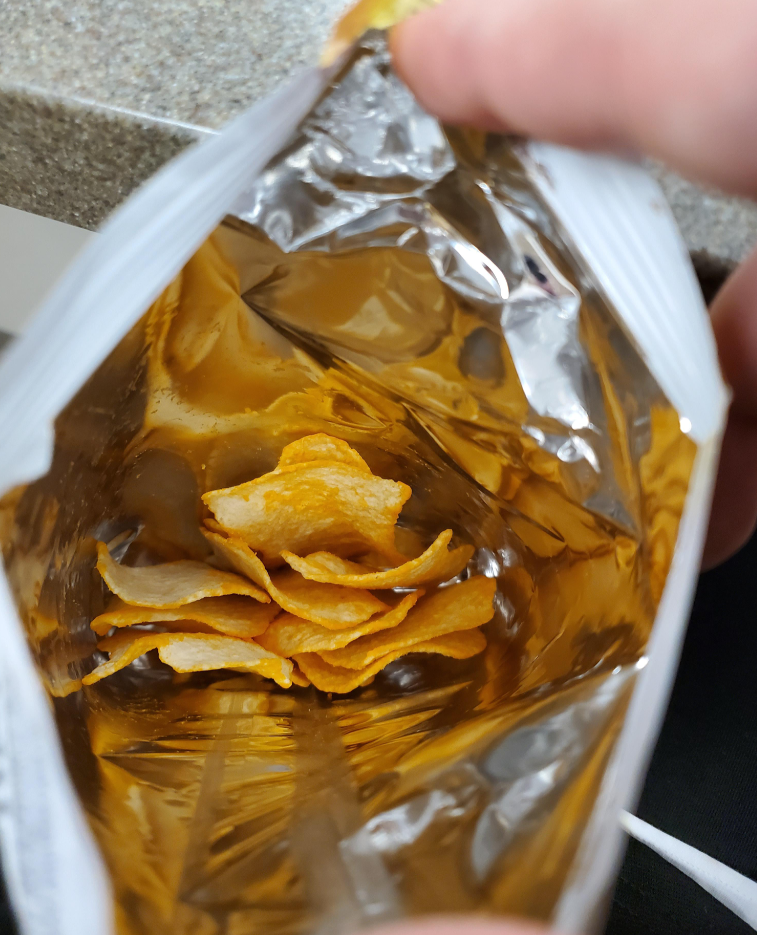
Chips may be the unofficial mascot of shrinkflation complaints. Shoppers notice when the bag looks the same size but the weight feels lighter, and they really notice when the sale price starts looking like the old regular price. Many families still buy chips for cookouts, sandwiches, and game days, but fewer are tossing name-brand bags into the cart without checking the weekly ad first.
Soda 12-Packs
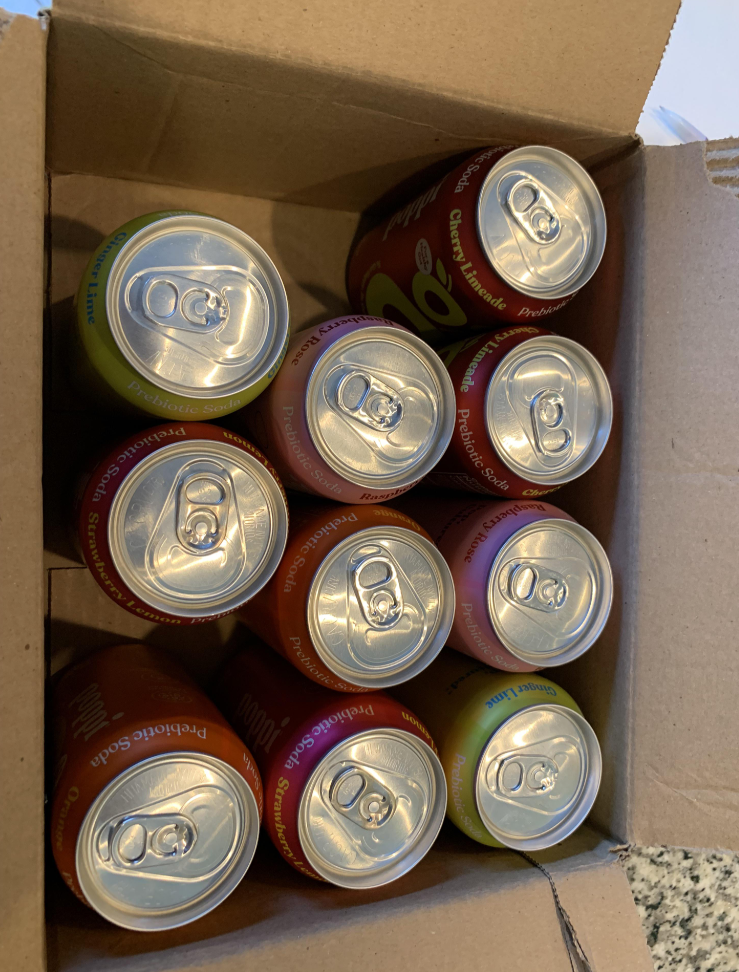
A 12-pack of soda is one of those items that trained shoppers to wait. People remember when soda sales felt constant, so full shelf pricing can feel especially hard to swallow. Many households now stock up during holiday promotions, football-season sales, or grocery-store loyalty deals. Others have switched to store-brand cola, flavored seltzer, or the occasional 2-liter bottle.
Fast-Food Combo Meals
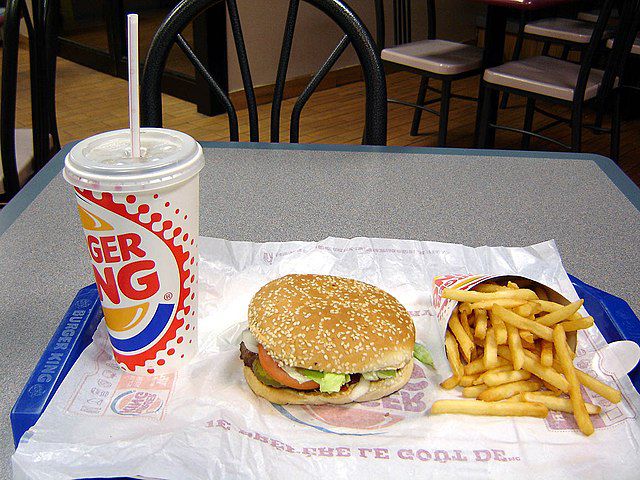
Fast food used to be the easy answer when nobody wanted to cook. Now, menu-board prices can make people pause, especially when a basic combo starts feeling closer to casual-dining money. That is why apps have become almost mandatory for many customers. McDonald’s, Burger King, Taco Bell, Wendy’s, and other chains regularly push digital-only deals, rewards, and limited-time value bundles.
Bacon
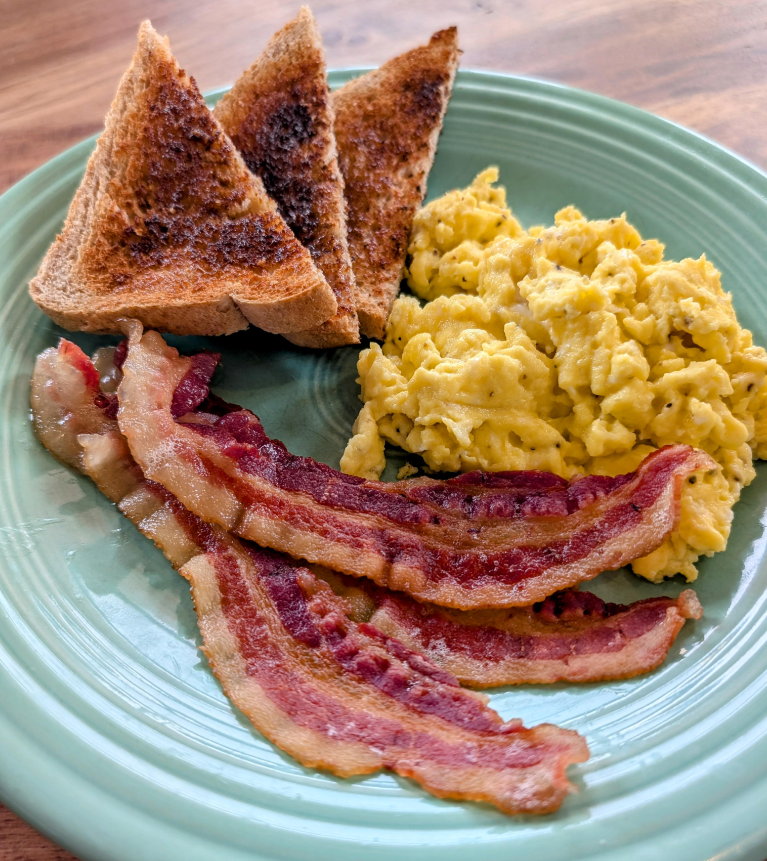
Bacon has moved from weekly staple to “only if it is on sale” territory for many shoppers. People still love it for breakfasts, BLTs, baked potatoes, and holiday dishes, but the price per pound makes it harder to treat casually. Some shoppers buy extra when it drops below their personal limit and freeze the packages for later.
Trending on Cheapism
Ice Cream
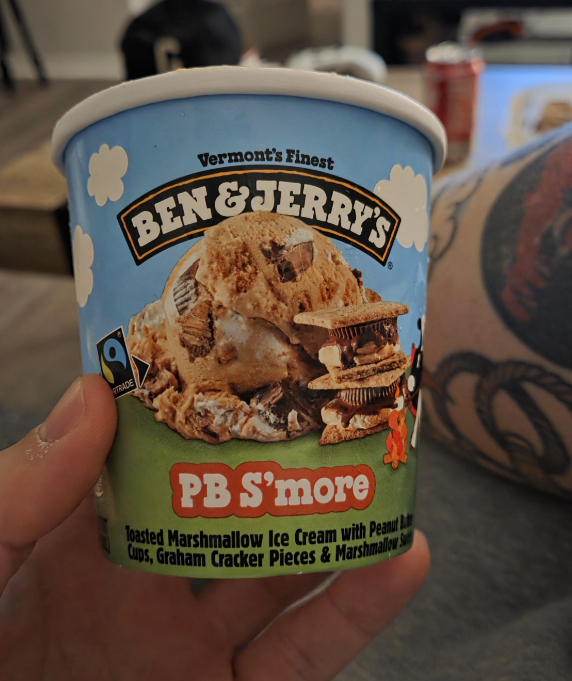
Ice cream is still a comfort-food classic, but shoppers have become more suspicious of the freezer aisle. Premium pints can cost as much as a small meal, and many familiar containers are smaller than the old half-gallon tubs people remember. That has pushed more buyers toward store brands, warehouse-club packs, and weekly grocery specials.
Laundry Detergent
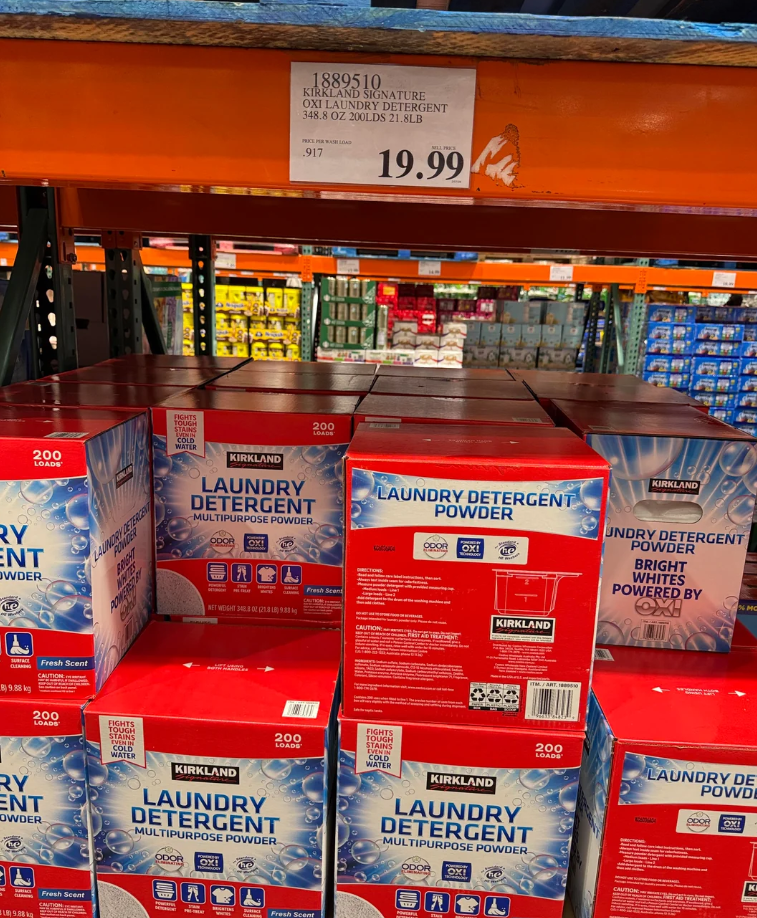
Laundry detergent is one of those everyday products where the shelf price can be misleading. Shoppers now compare cost per load, not just bottle size. Pods, scent boosters, and premium formulas can add up fast, especially for families doing several loads a week. Warehouse clubs, coupons, and store-brand liquids are getting more attention because most people simply need clean clothes, not a luxury laundry experience.
Coffee Pods
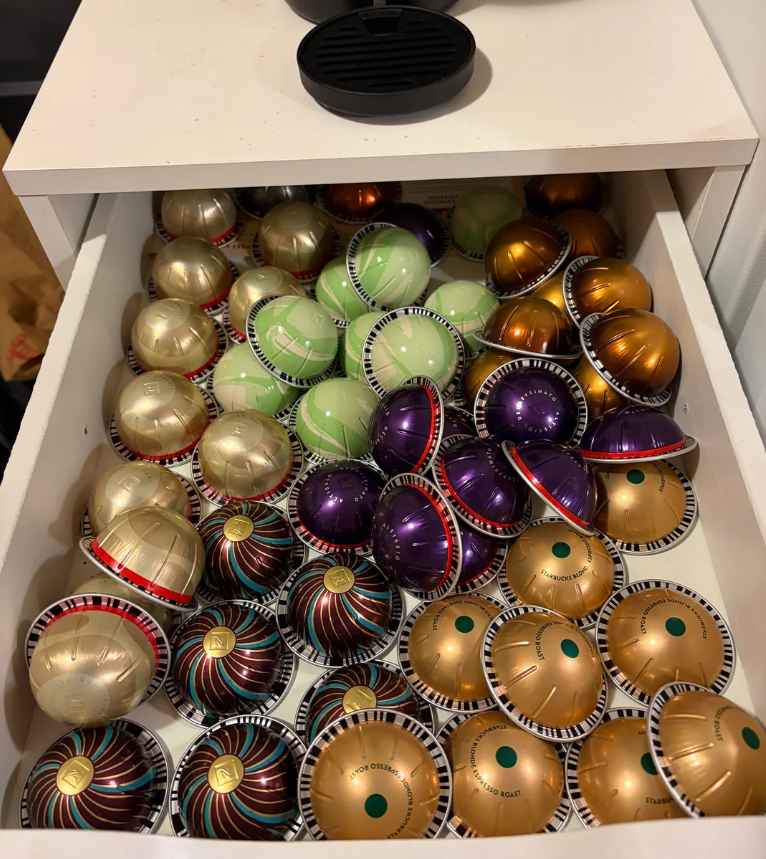
Coffee pods are convenient, but the per-cup math has gotten harder to ignore. A box that feels affordable at checkout can look expensive when compared with ground coffee or whole beans. Many households now keep pods for rushed mornings, guests, or office use, while brewing regular coffee the rest of the week. Warehouse clubs and bulk boxes help, but only if people actually like the flavor.
Sign up for our newsletter
Orange Juice
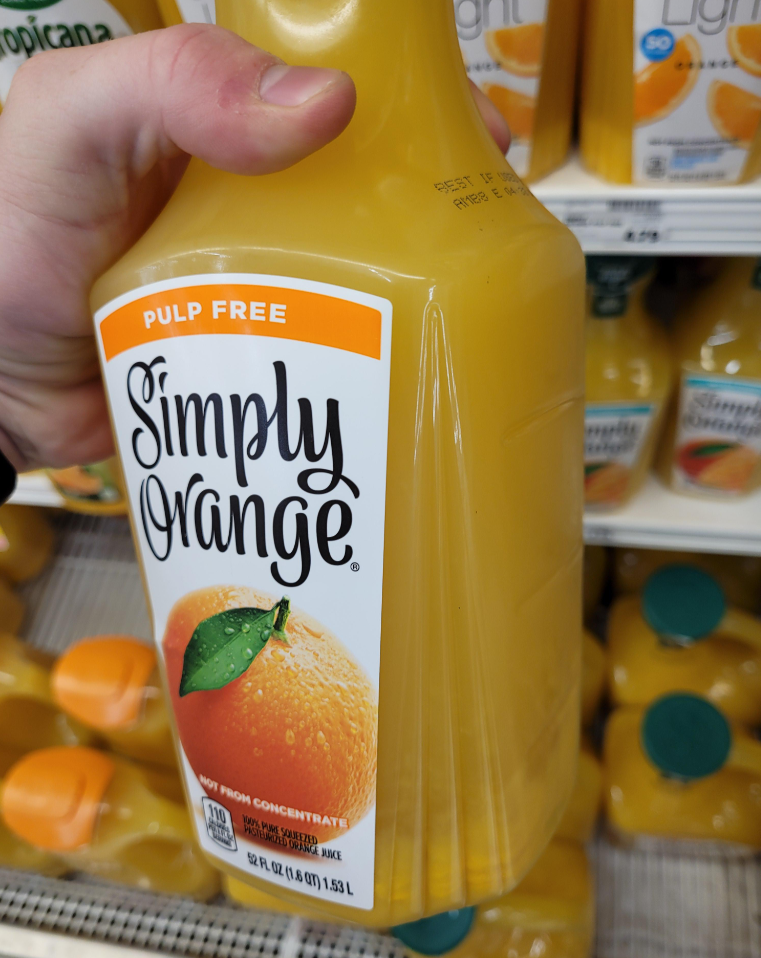
Orange juice has become one of the clearest examples of a grocery item people still like but no longer buy automatically. Prices have been pressured by citrus disease, weather problems, and weak Florida orange production, so shoppers notice when a carton feels expensive. Some households now buy it only for weekend breakfasts, guests, or holidays. Others switch to frozen concentrate, store brands, or cheaper breakfast drinks.
Paper Towels
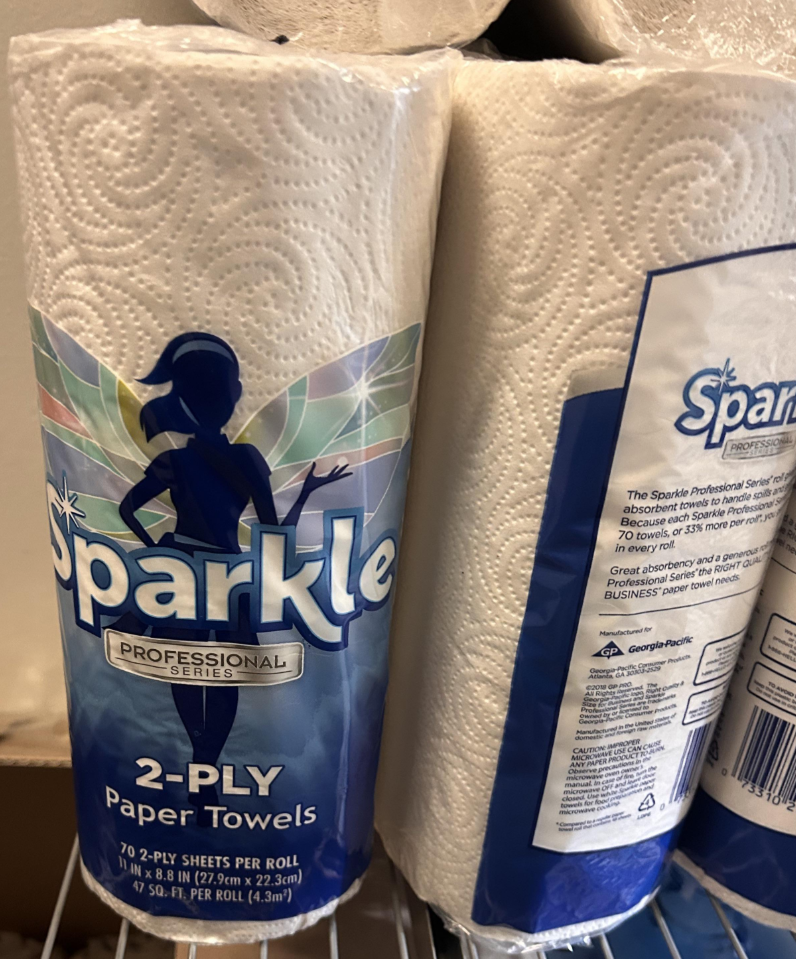
Paper towels are useful, but they are also easy to resent at full price. Shoppers compare roll size, sheet count, and price per square foot because ‘mega’, ‘double’, and ‘family’ rolls can be confusing. Many households buy big packs at Costco, Sam’s Club, or BJ’s, then avoid the aisle for months. Others cut back by using dish towels for simple spills.
Bagged Salad Kits
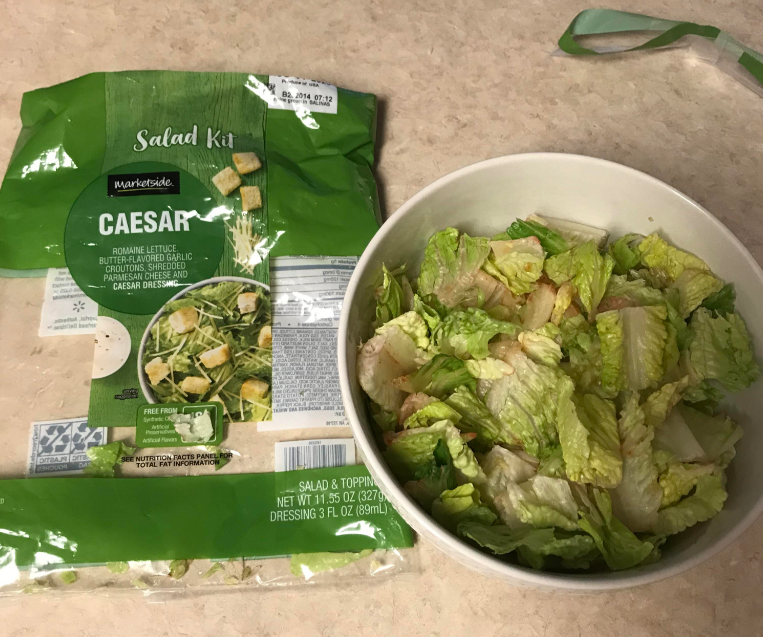
Bagged salad kits are convenient, especially for people who do not want to buy lettuce, toppings, dressing, and crunchy bits separately. The problem is that some kits now feel close to restaurant-side-salad pricing. Shoppers also worry about waste if the greens wilt before dinner. Many still buy them, but mostly when they are marked down, part of a meal plan, or on a loyalty-card special.
Greeting Cards
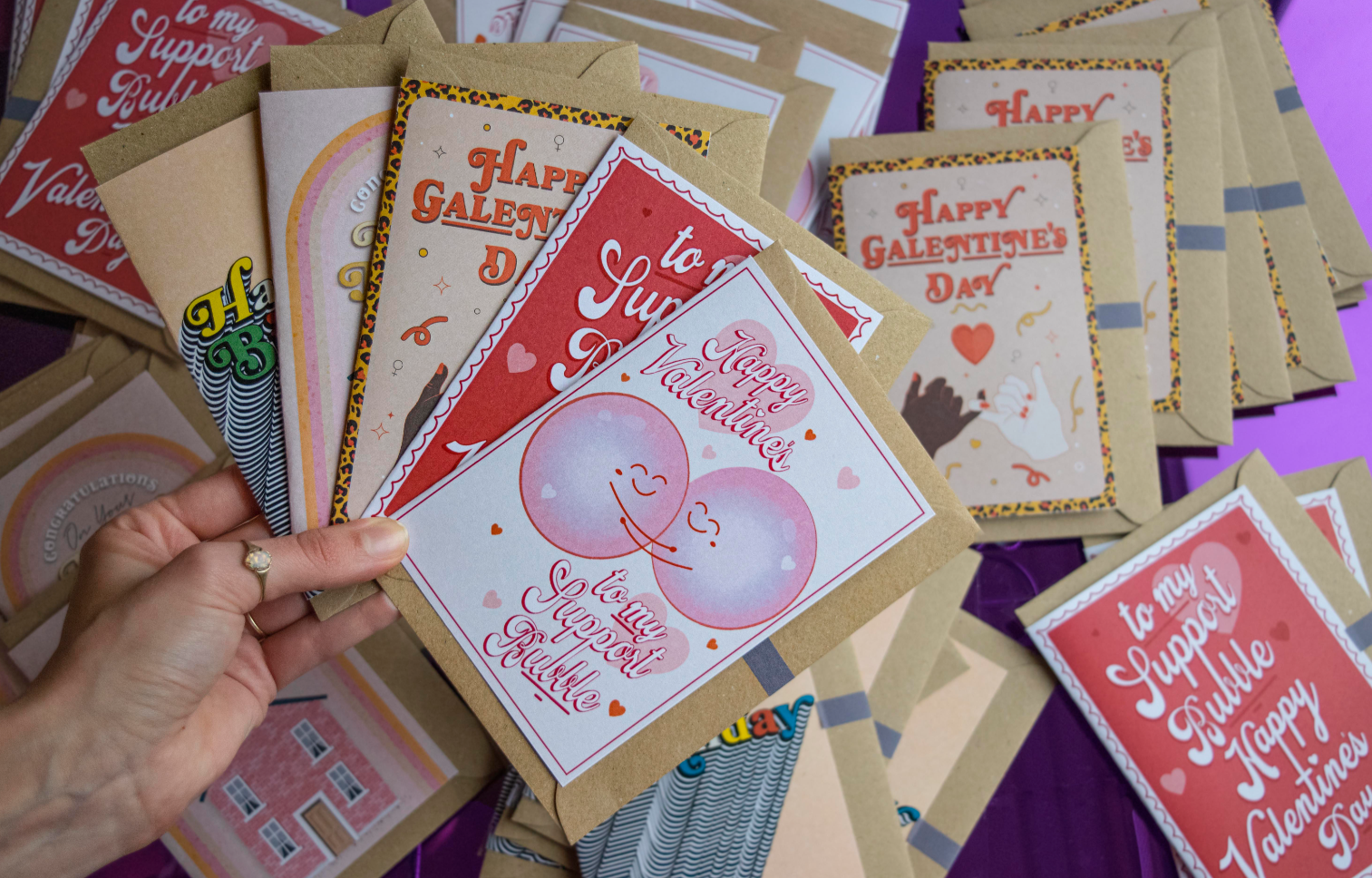
Greeting cards are one of the easiest everyday products to skip at full price. A card that costs $6, $8, or even more can feel silly when the gift itself is modest. That is why dollar stores, boxed card sets, handmade notes, and digital greetings have become more appealing. Many older shoppers still appreciate a real card, especially for birthdays and sympathy notes, but they are more selective. A nice message matters more than glitter, music, or a fancy envelope.
Shampoo

Shampoo is another category where shoppers have become less loyal. Drugstore shelves are full of premium-looking bottles, salon-inspired labels, and formulas promising shine, volume, repair, or moisture. But many shoppers now wait for coupons, buy larger pump bottles, or try store brands that cost much less. The risk is that hair type matters, so not every cheap bottle works for every person.
Streaming Services
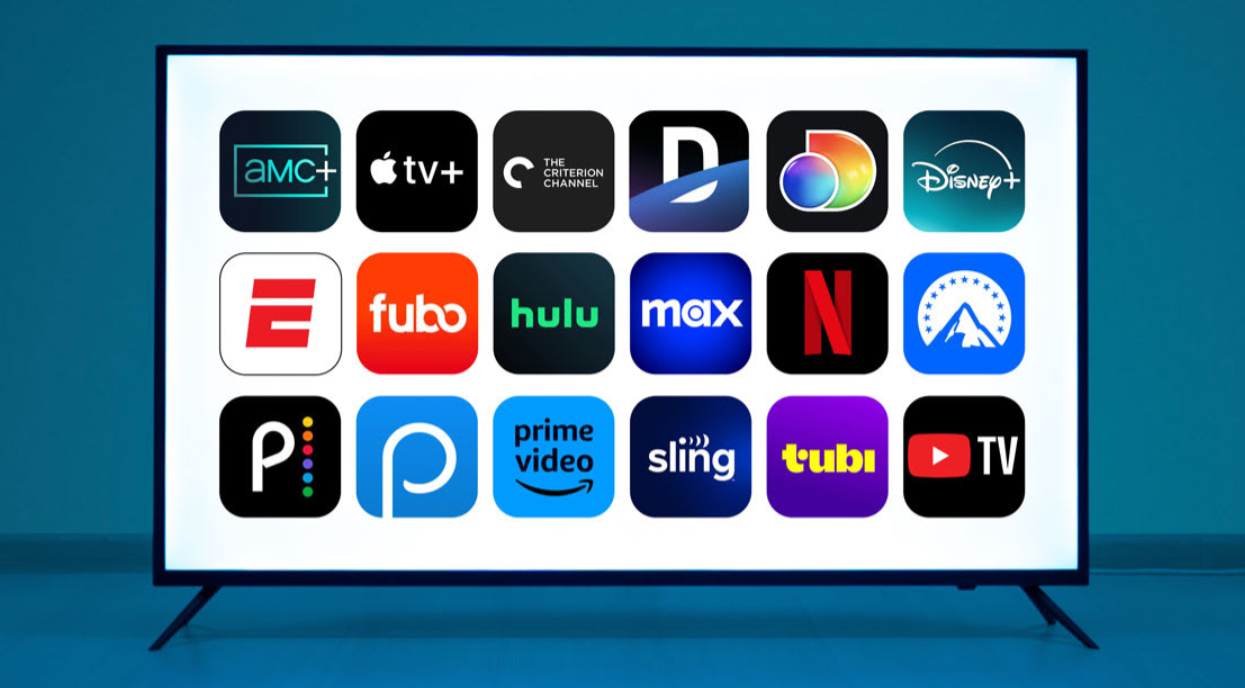
Streaming was supposed to be the cheaper alternative to cable. For many households, it now feels like cable with more passwords. Price hikes, ad tiers, sports add-ons, and scattered shows have pushed viewers to rotate subscriptions instead of keeping everything year-round. Many people subscribe for one show, cancel, and come back months later. That works well for disciplined viewers, but it can be annoying for families who want one simple entertainment setup.
Eggs
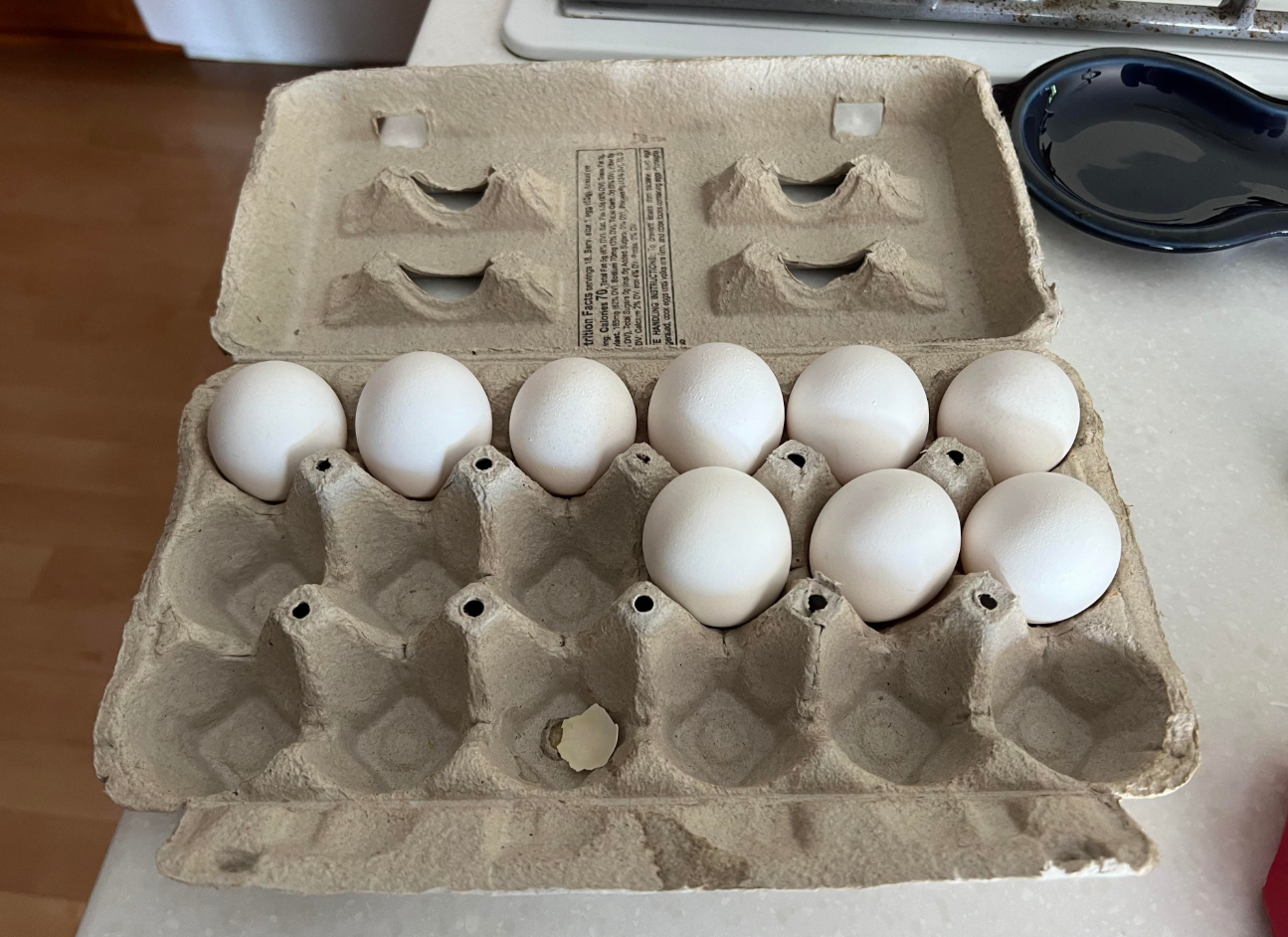
Eggs are still one of the most useful foods in the kitchen, but recent price swings changed how people shop for them. Shoppers who once grabbed a dozen without thinking now compare stores, watch sale flyers, or buy larger packs when prices dip. Some households also changed breakfast habits during the worst price spikes, using oatmeal, toast, yogurt, or pancakes more often.
Yogurt Multipacks
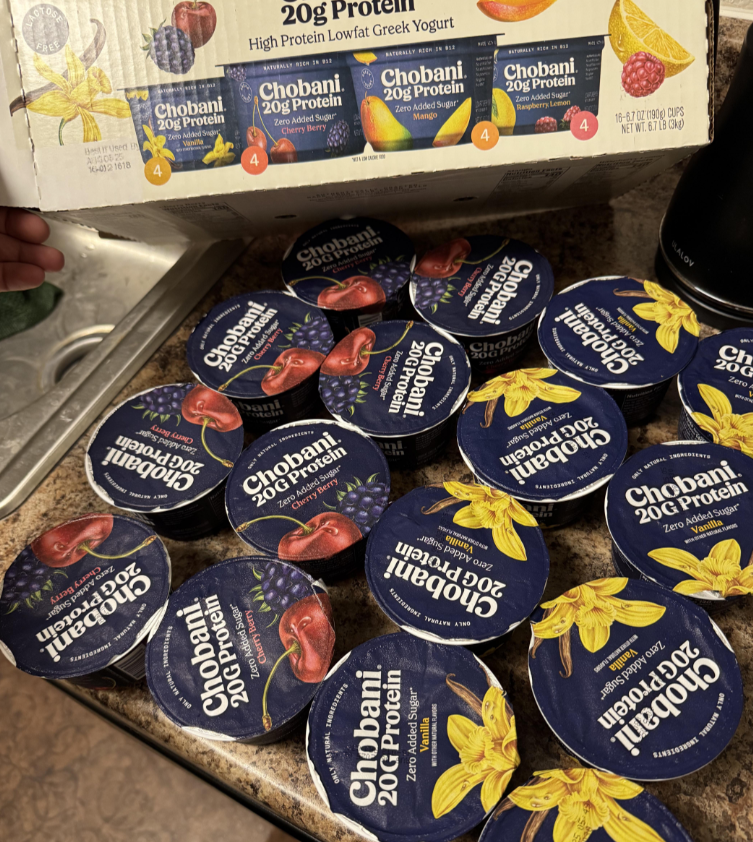
Yogurt multipacks are convenient for lunches, snacks, and quick breakfasts, but shoppers are more likely to check the price per cup now. Name-brand Greek yogurt, kids’ tubes, drinkable yogurt, and protein-heavy cups can get expensive fast. Warehouse clubs often offer better value, but only if the household can finish the pack before the dates creep up.
Frozen Pizza
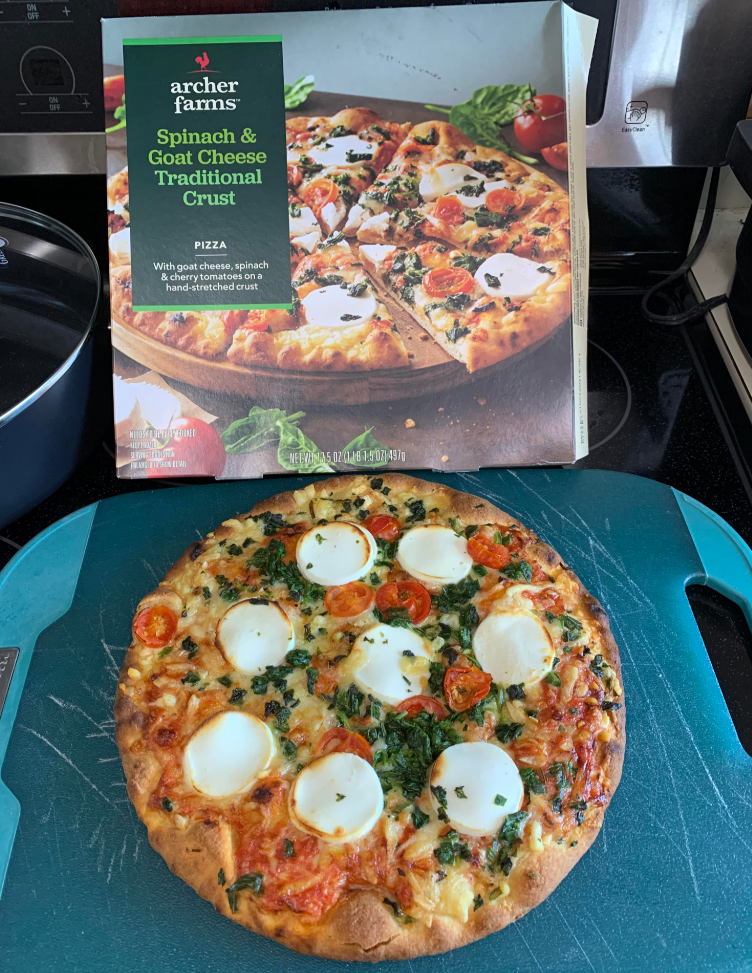
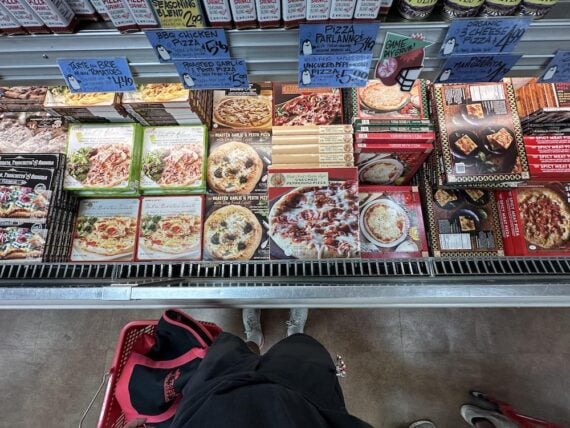
Frozen pizza used to be the obvious cheap substitute for delivery. It still can be, but full-price premium frozen pizzas sometimes make shoppers wonder if they should just use a takeout coupon instead. That is especially true when the pizza is small or needs extra toppings at home. Many shoppers now buy frozen pizza only during multi-buy sales and keep a few in the freezer for emergencies.
Name-Brand Spices
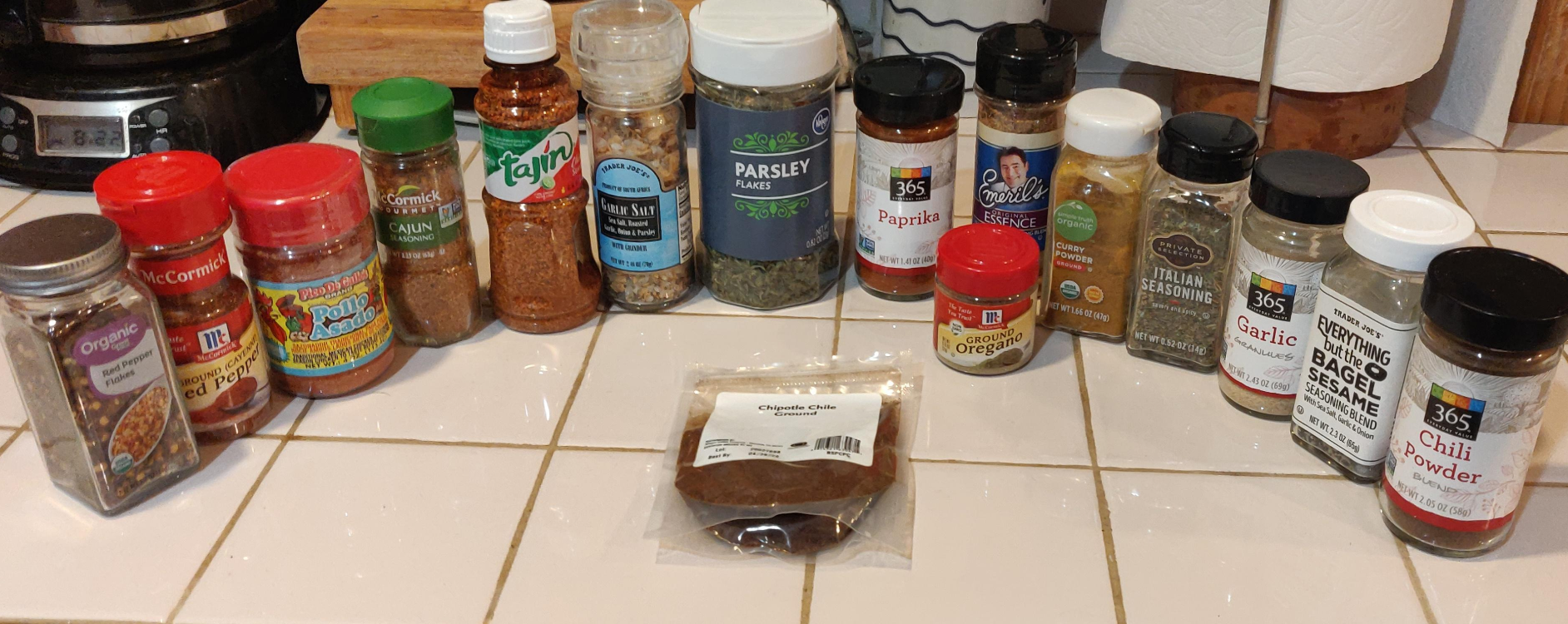
Name-brand spices are a classic “why is this so expensive?” grocery moment. A tiny jar can cost more than the main ingredient for dinner. Many cooks now buy store brands, refill bags, bulk-bin spices, or larger containers from warehouse clubs and international markets. The savings can be significant, especially for basics like garlic powder, cumin, paprika, cinnamon, and oregano. The only caution is freshness. Buying a giant container is not a deal if it sits in the cabinet for five years.
Rotisserie Chicken
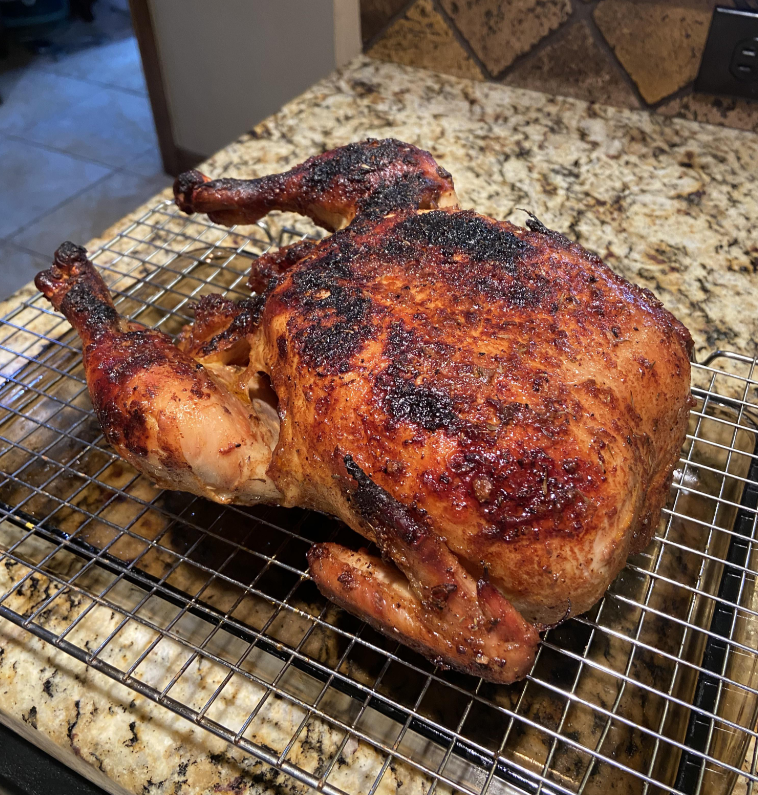
Rotisserie chicken has become a grocery-value benchmark. Costco’s low-priced chicken is the one many shoppers compare everything else against, even if they do not belong to the club. At regular supermarkets, a higher-priced bird can feel less appealing unless it is larger, fresher, or part of a prepared-meal shortcut. People still buy rotisserie chicken because it saves time and can stretch into sandwiches, soup, tacos, and casseroles.
Pet Treats

Pet owners still spend on their animals, but many are no longer buying every cute bag of treats at full price. Premium branding, small package sizes, and specialty claims can make treats surprisingly expensive. Shoppers now compare ingredients, wait for online subscriptions or store promotions, and buy warehouse-club alternatives when their pets tolerate them.