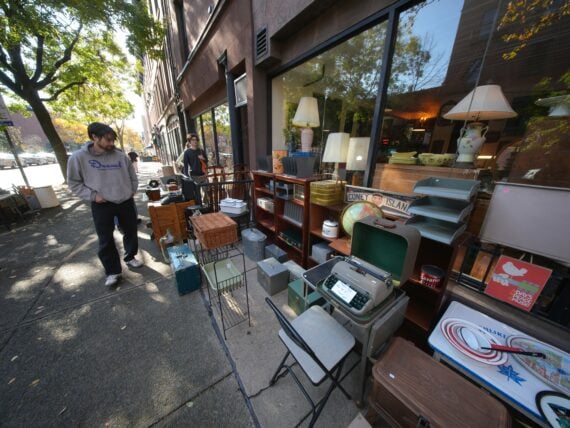

Tariffs often make headlines as a political or economic issue, but most consumers don’t encounter them through policy debates. Instead, they notice them in more practical ways: higher prices, fewer sales, reduced inventory, or smaller discounts than they were used to seeing. Understanding how tariffs affect consumers means looking beyond government policy and focusing on the products people buy every day.
Not every product category is equally vulnerable. Goods that depend heavily on imported manufacturing, components, or raw materials tend to be more exposed to trade-related costs. Industry groups representing footwear, toys, electronics, and other consumer products have repeatedly warned that tariffs can eventually affect shoppers.
That doesn’t mean tariffs are the only factor behind rising prices. Labor expenses, transportation costs, inflation, supply-chain disruptions, and consumer demand all play important roles. Still, many industries have publicly identified tariffs as a factor that can influence what consumers ultimately pay.
Here are 20 everyday products that help illustrate how global trade policy can show up in household budgets.
Athletic Shoes

Few consumer products demonstrate tariff exposure more clearly than athletic shoes. According to the Footwear Distributors and Retailers of America (FDRA), 99% of footwear sold in the United States is imported, making the category especially vulnerable to changes in trade costs.
Footwear manufacturers have argued for years that shoes already face some of the highest tariff rates among common consumer goods. More recently, major brands including Nike, Adidas, and Skechers joined dozens of other footwear companies in warning that additional tariffs could ultimately lead to higher consumer prices.
For shoppers, the impact may not immediately appear as a dramatic price increase. Instead, retailers may reduce promotional events, limit markdowns, or offer fewer discounts than consumers have come to expect.
Toys
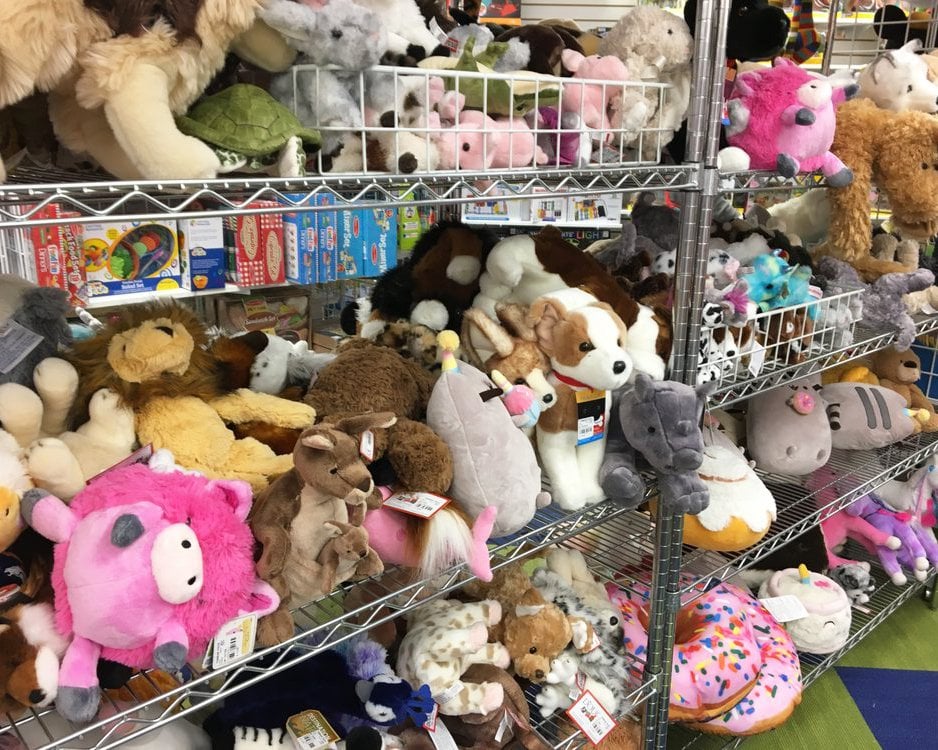
The toy industry has repeatedly raised concerns about tariff-related costs because of its heavy reliance on overseas manufacturing. Industry reporting shows that more than 75% of toys sold in the United States are imported from China, making the category particularly sensitive to changes in trade policy and import costs.
Major manufacturers such as Hasbro and Mattel have discussed tariff pressures during earnings calls and investor presentations. The Toy Association has also pushed for exemptions, arguing that broad tariffs can disproportionately affect families purchasing toys and games.
Consumers often notice these effects most during the holiday shopping season, when toy demand peaks and retailers traditionally rely on aggressive promotions to attract shoppers.
Smartphones
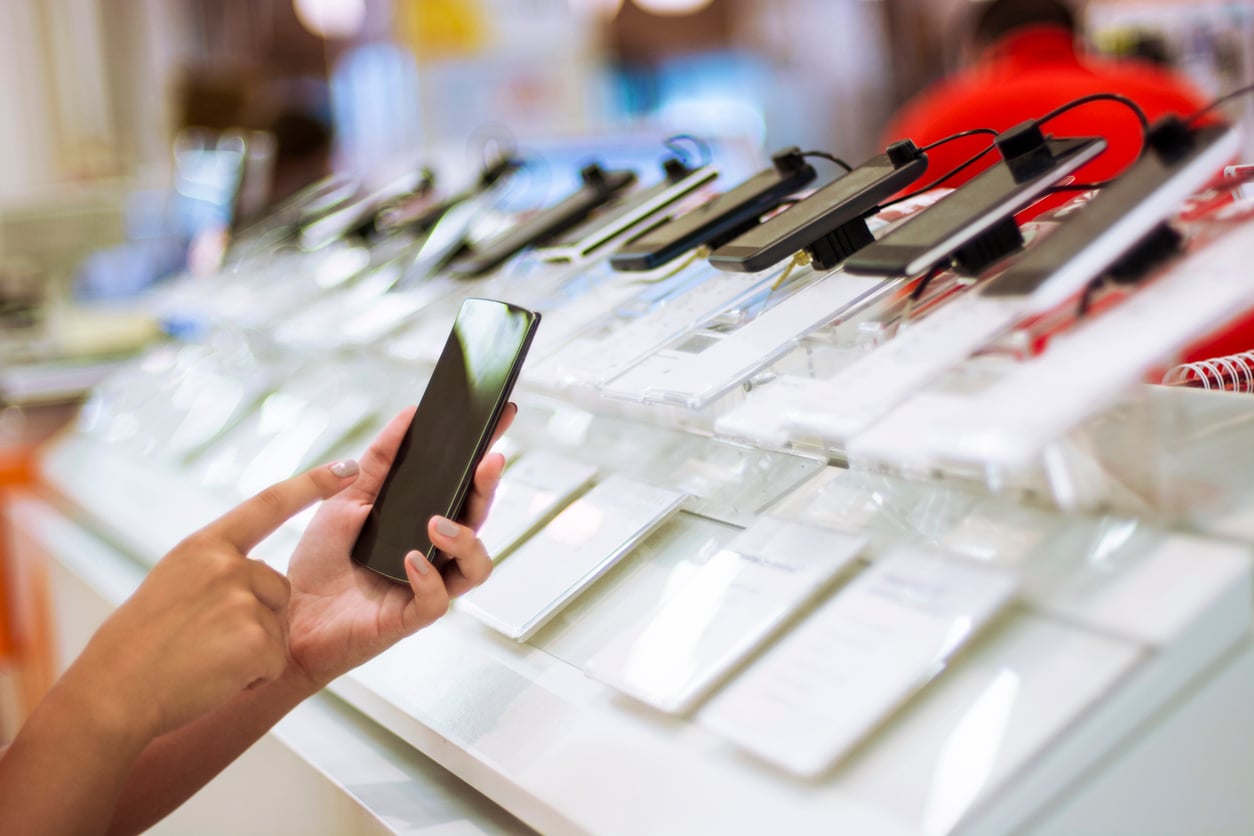
Modern smartphones are built from components sourced from around the globe. Processors, displays, batteries, cameras, and memory chips may originate from multiple countries before being assembled into a finished device.
Because of this complexity, tariffs can affect both completed smartphones and the parts that go into them. Manufacturers often absorb some costs, but not always.
Rather than seeing an immediate jump in sticker prices, consumers may encounter fewer trade-in incentives, reduced carrier promotions, or smaller discounts on accessories and service bundles.
Laptops
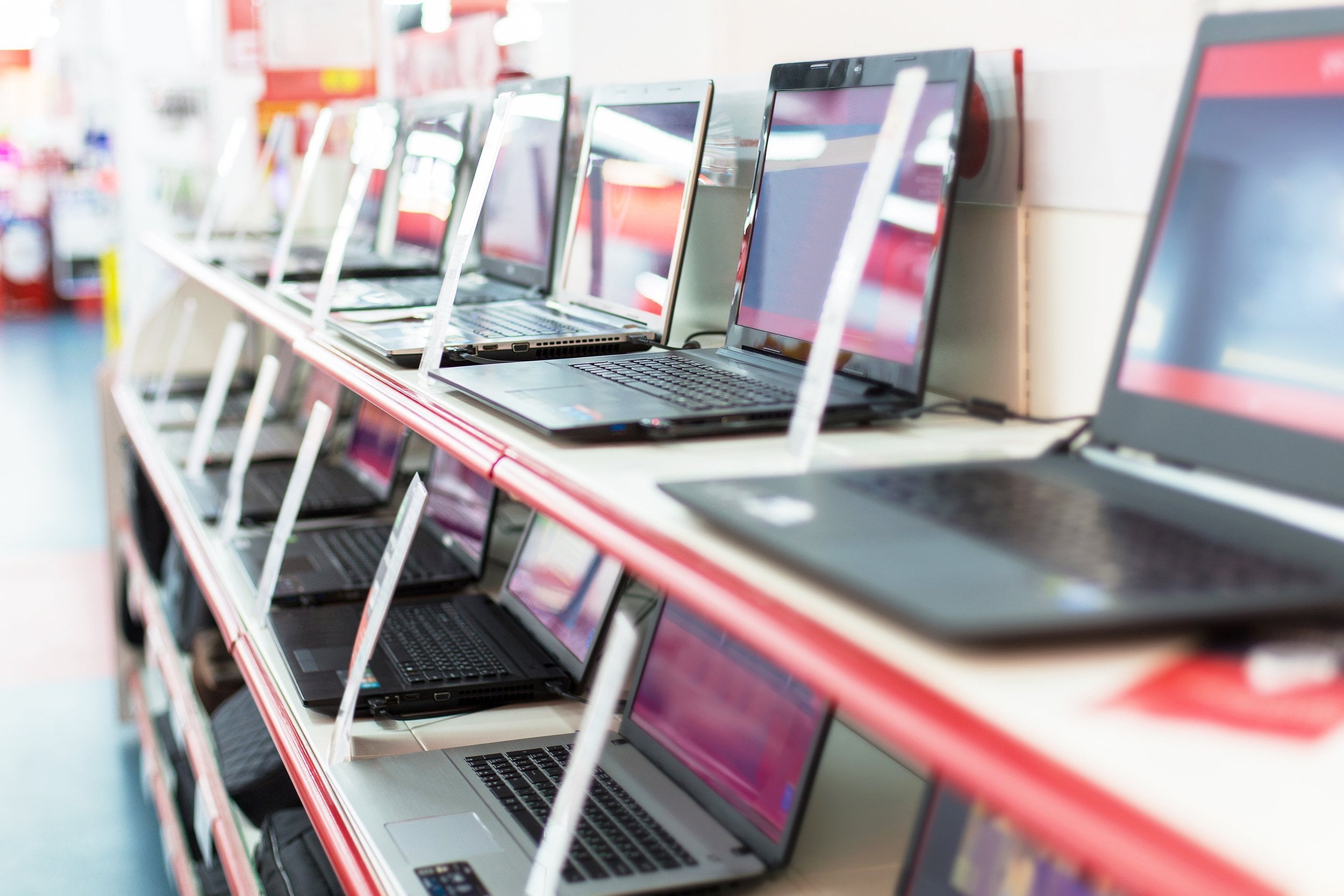
Laptops depend heavily on internationally sourced components, including processors, memory modules, batteries, and display panels. Manufacturers have spent years adjusting supply chains to manage trade-related risks, but the category remains globally interconnected.
Budget-friendly laptops are often particularly vulnerable because profit margins tend to be thinner. Even relatively small cost increases can have a noticeable impact on retail pricing strategies.
For many consumers, tariff-related pressure may appear through fewer back-to-school sales or less generous promotional offers rather than large increases in base prices.
Gaming Consoles

Video game consoles rely on sophisticated chips, specialized processors, and overseas manufacturing facilities. Hardware makers frequently operate with relatively narrow margins, making cost increases especially important.
Tariffs can affect not only the consoles themselves but also accessories such as controllers, headsets, charging stations, and storage expansions.
Gamers often pay close attention to hardware pricing, which means even modest changes in promotional activity or bundle offerings can quickly become noticeable.
Trending on Cheapism


Televisions
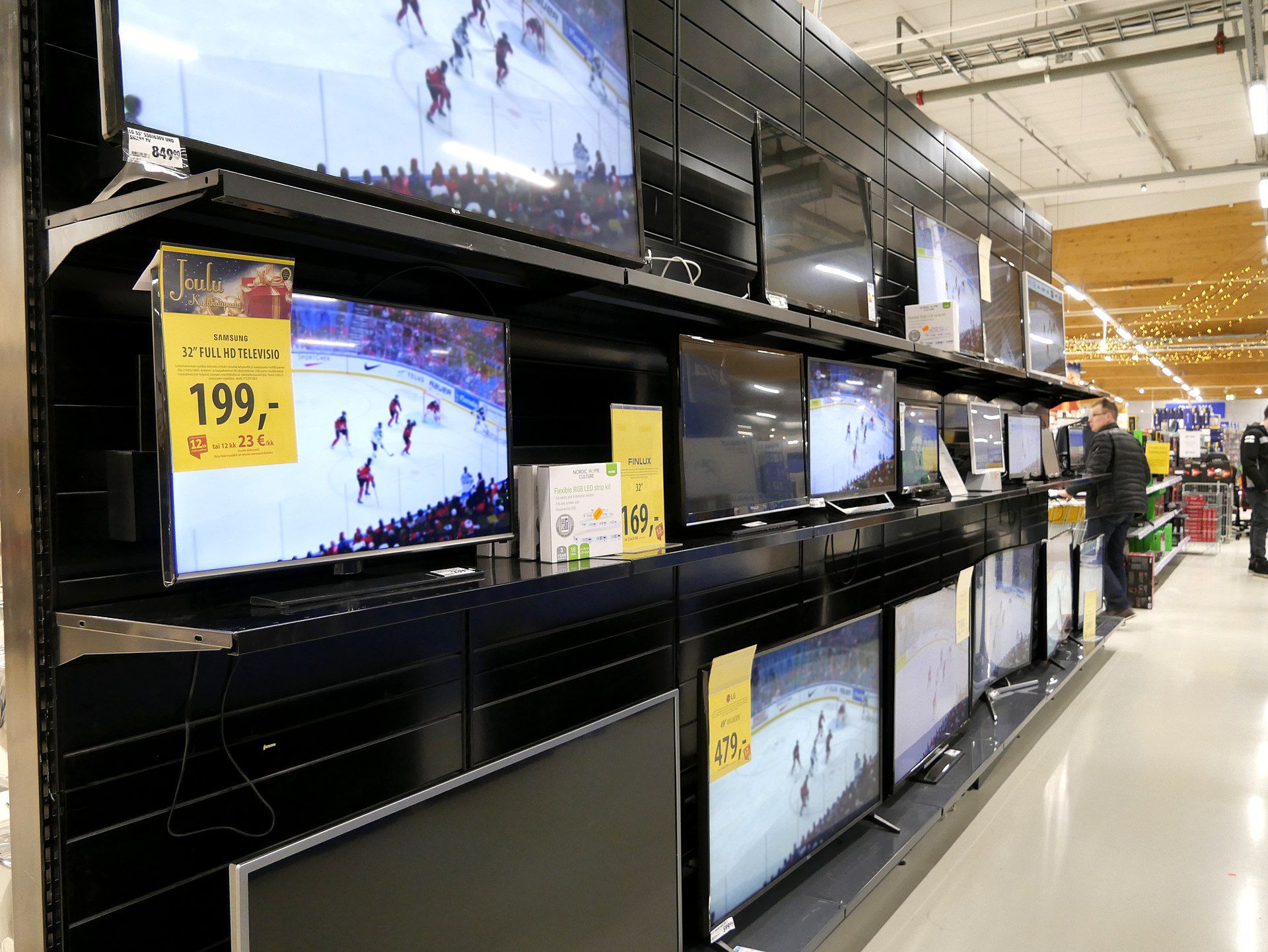
Televisions remain one of the most globally sourced products in the average household. Display panels, internal electronics, processors, and other components are commonly manufactured abroad before final assembly.
Retail competition in the TV market is intense, which often keeps prices low. However, when costs rise, retailers may respond by reducing holiday promotions or offering fewer deep discounts.
For consumers accustomed to seeing major TV sales throughout the year, those changes can be one of the most visible signs of broader trade pressures.
Coffee Makers
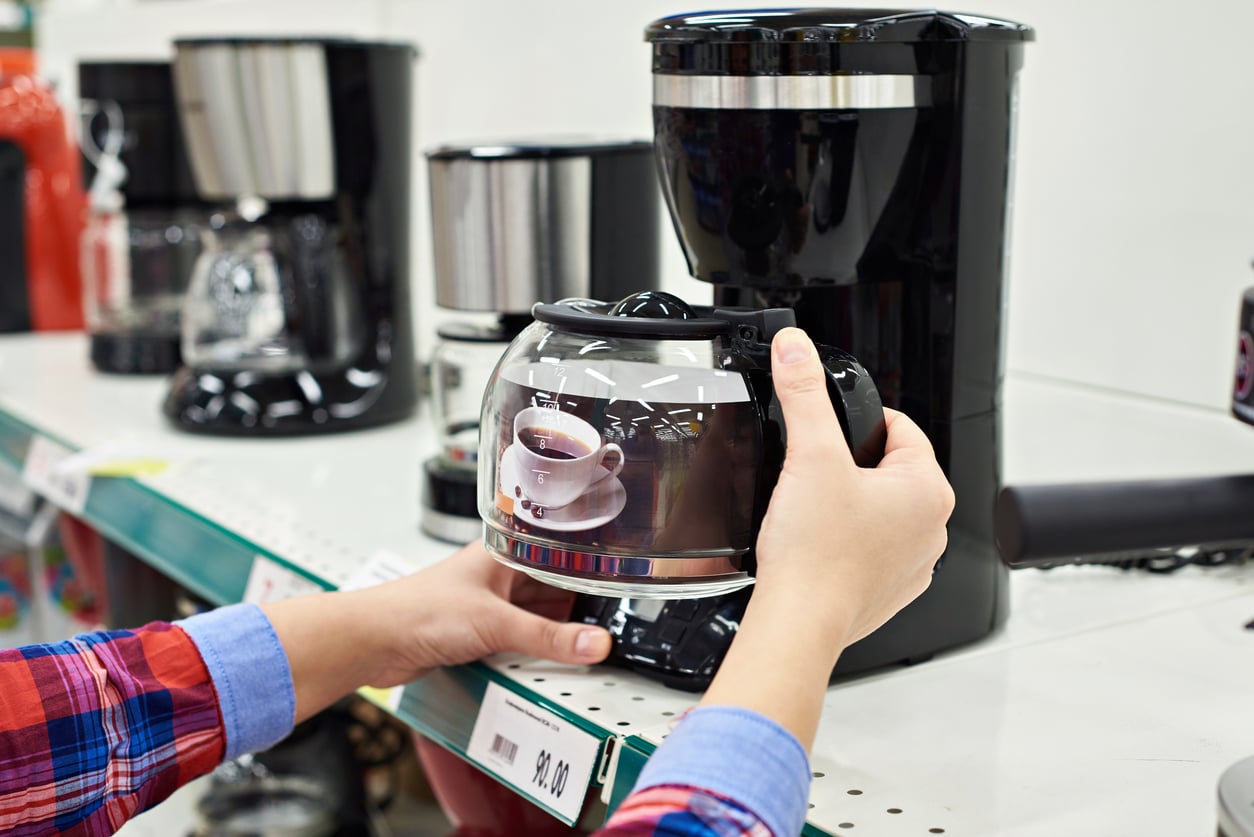
Coffee makers may seem like simple appliances, but many rely on imported electronics, plastics, heating elements, and specialized components.
From basic drip machines to premium espresso systems, manufacturers often depend on global supply chains that stretch across multiple countries.
Consumers may not immediately connect a higher replacement cost to tariffs, but fewer discounts and reduced promotional pricing can gradually make these everyday appliances more expensive to purchase.
Air Fryers
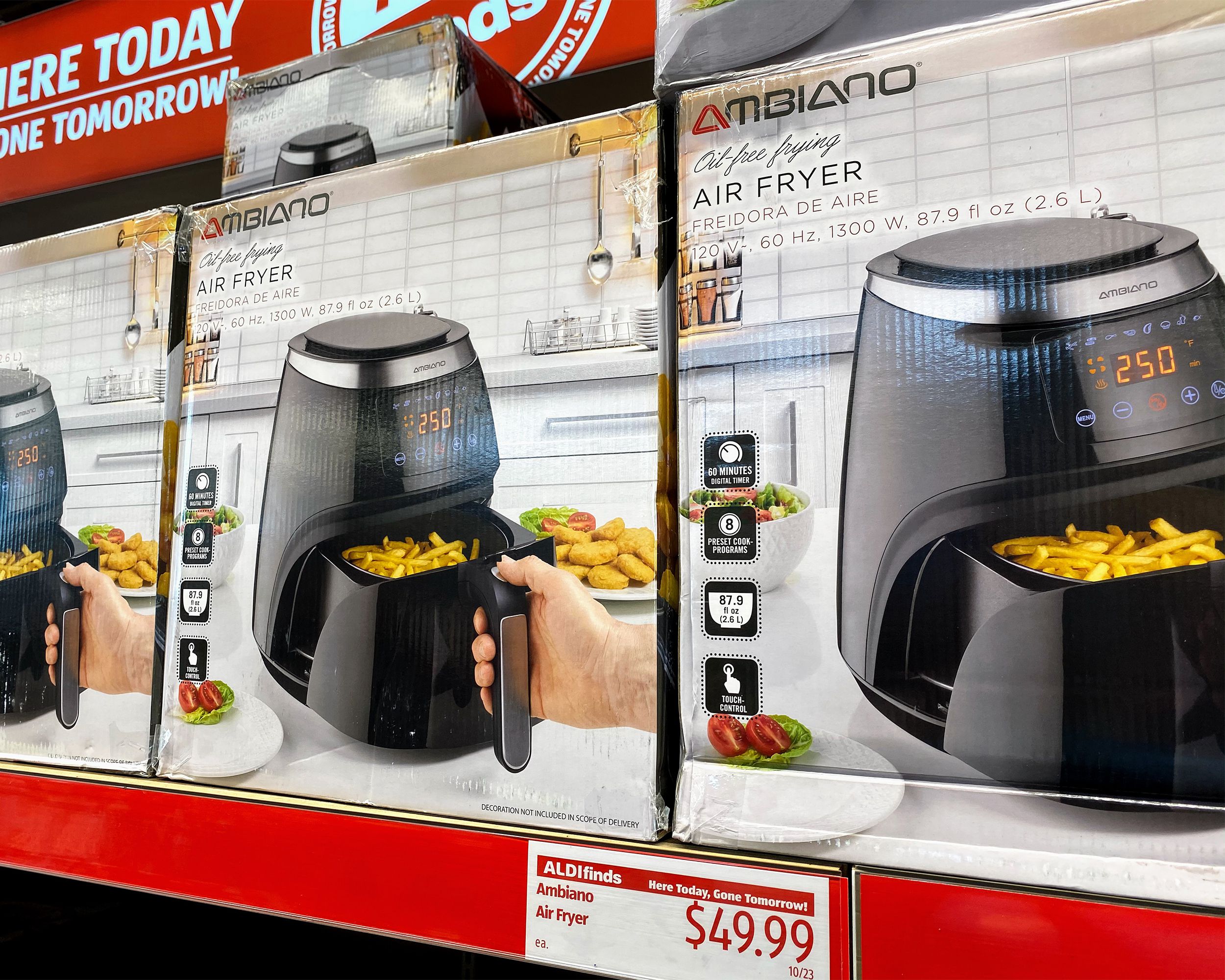
Air fryers became one of the most popular kitchen appliances of the past decade. Most models sold in the United States are manufactured overseas and incorporate imported electronic components.
As sourcing costs increase, retailers may become less willing to offer the steep discounts that helped fuel the product’s popularity in the first place.
For consumers looking to upgrade their kitchens, air fryers offer a practical example of how international trade issues can influence everyday household purchases.
Sign up for our newsletter
Power Tool Batteries
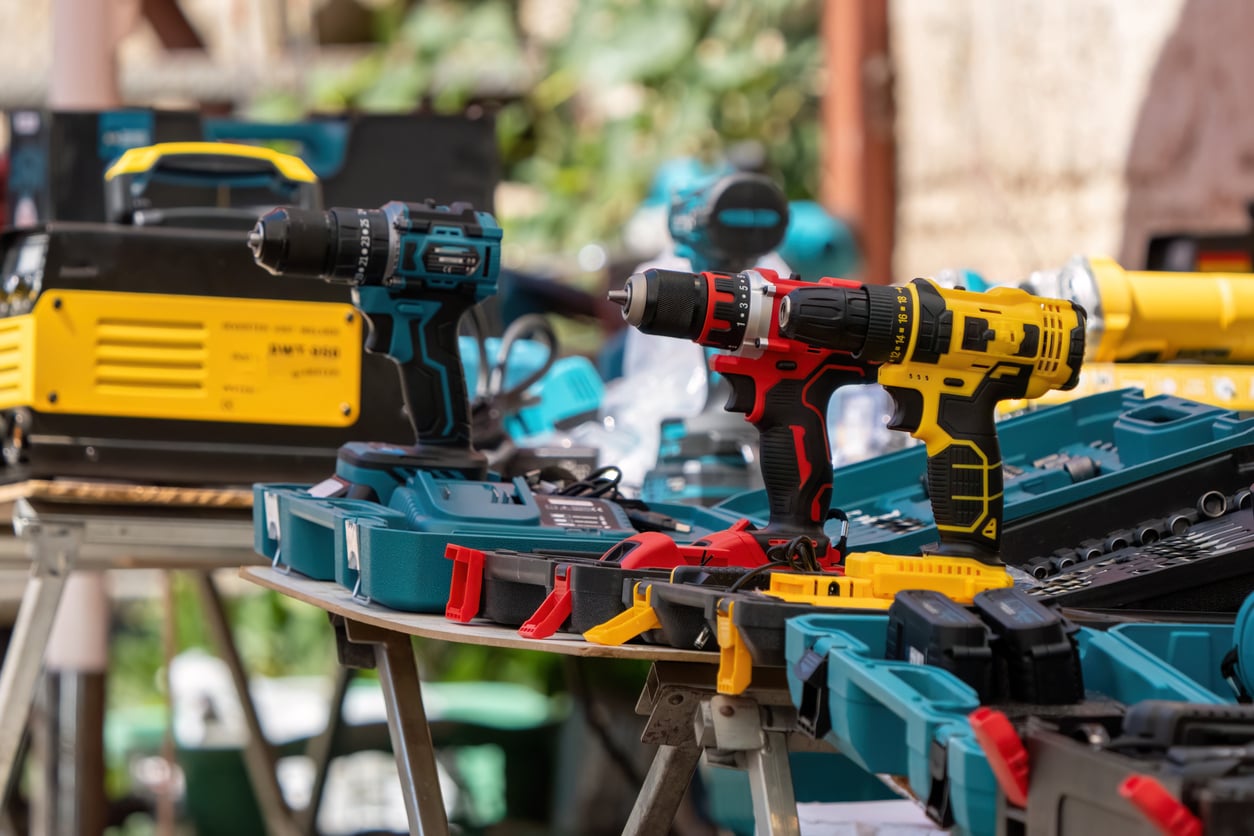
Cordless power tools have transformed home improvement and construction work, but the batteries that power them remain heavily dependent on imported components and advanced battery technology.
Replacement batteries often surprise consumers because they can cost nearly as much as entry-level tools.
Tariffs can affect both original manufacturer batteries and third-party alternatives, creating higher ownership costs long after the initial tool purchase has been made.
Furniture
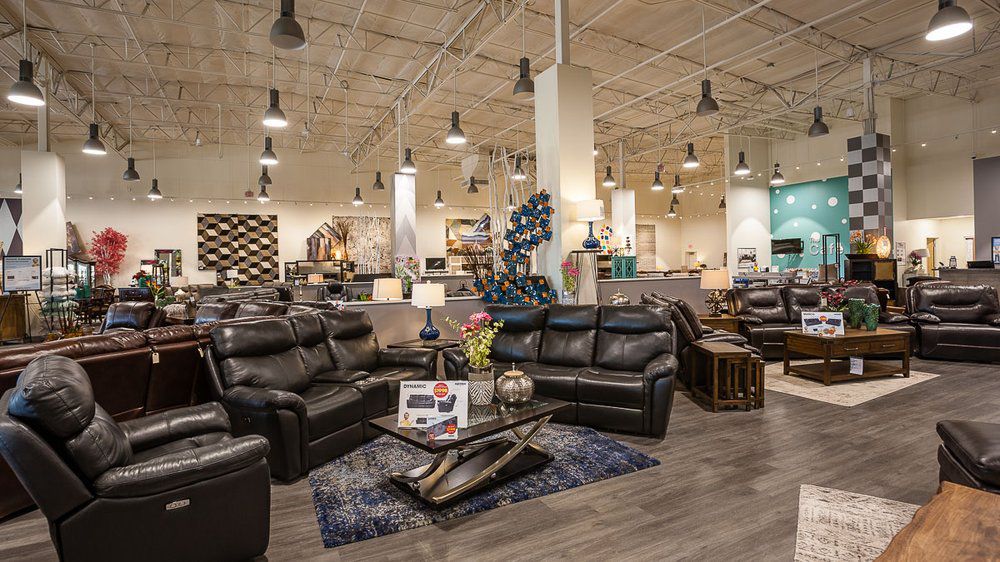
Furniture retailers frequently rely on overseas factories for wood products, upholstery, hardware, and final assembly. Because of this, the category remains highly exposed to changes in global trade costs.
Consumers may notice impacts through both pricing and product availability. Longer lead times and reduced inventory selection can sometimes accompany higher sourcing expenses.
Budget furniture categories often face particular pressure because retailers have less flexibility to absorb additional costs.
Bicycles

The bicycle industry has discussed tariff concerns for years because frames, wheels, drivetrains, brakes, and other components often come from different countries.
Even bicycles assembled domestically may depend on imported parts.
Consumers who regularly replace components or upgrade equipment can sometimes feel the impact more through replacement parts and accessories than through the initial purchase of a bike itself.
Car Repair Parts

Modern vehicles contain thousands of individual components sourced from around the world. Even cars assembled in North America frequently rely on imported parts and materials.
As a result, consumers may experience tariff-related costs indirectly through repair bills rather than through new vehicle prices.
Mechanics and repair shops often discuss rising component costs, which can contribute to more expensive maintenance and replacement work.
Kitchen Knives

Many respected knife brands manufacture their products overseas or rely on imported steel and specialty materials.
The category highlights how tariffs can affect niche products in addition to mass-market consumer goods.
Enthusiasts often track pricing closely, making increases easier to spot. Specialty retailers have also discussed sourcing challenges tied to global manufacturing networks.
Small Electronics
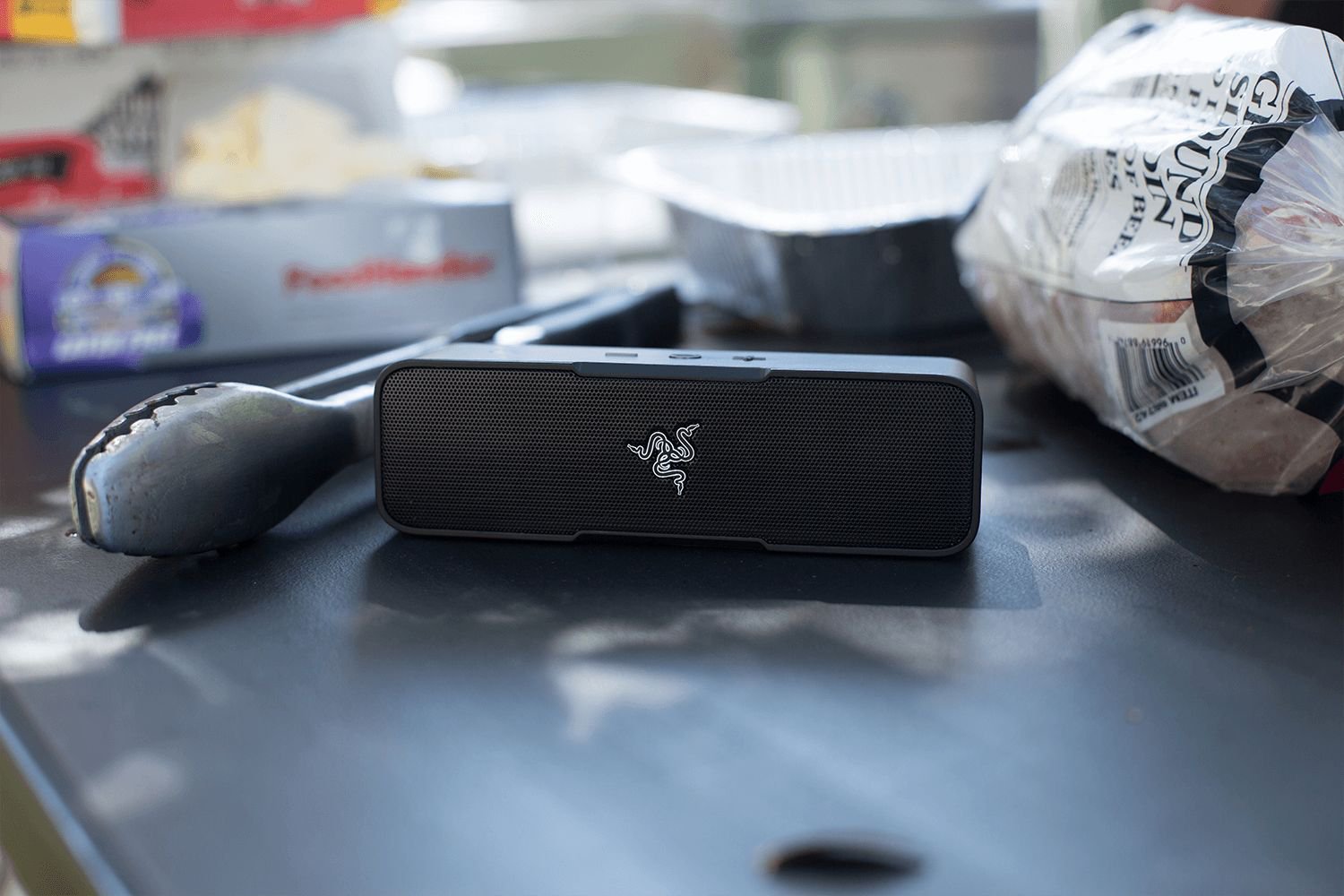
Bluetooth speakers, wireless headphones, webcams, smart-home gadgets, and similar devices are among the most import-dependent consumer products available.
Their supply chains frequently involve components sourced from multiple countries before final assembly takes place.
Consumers may notice fewer clearance sales, reduced promotional activity, or less aggressive discounts during major shopping events.
Holiday Decorations
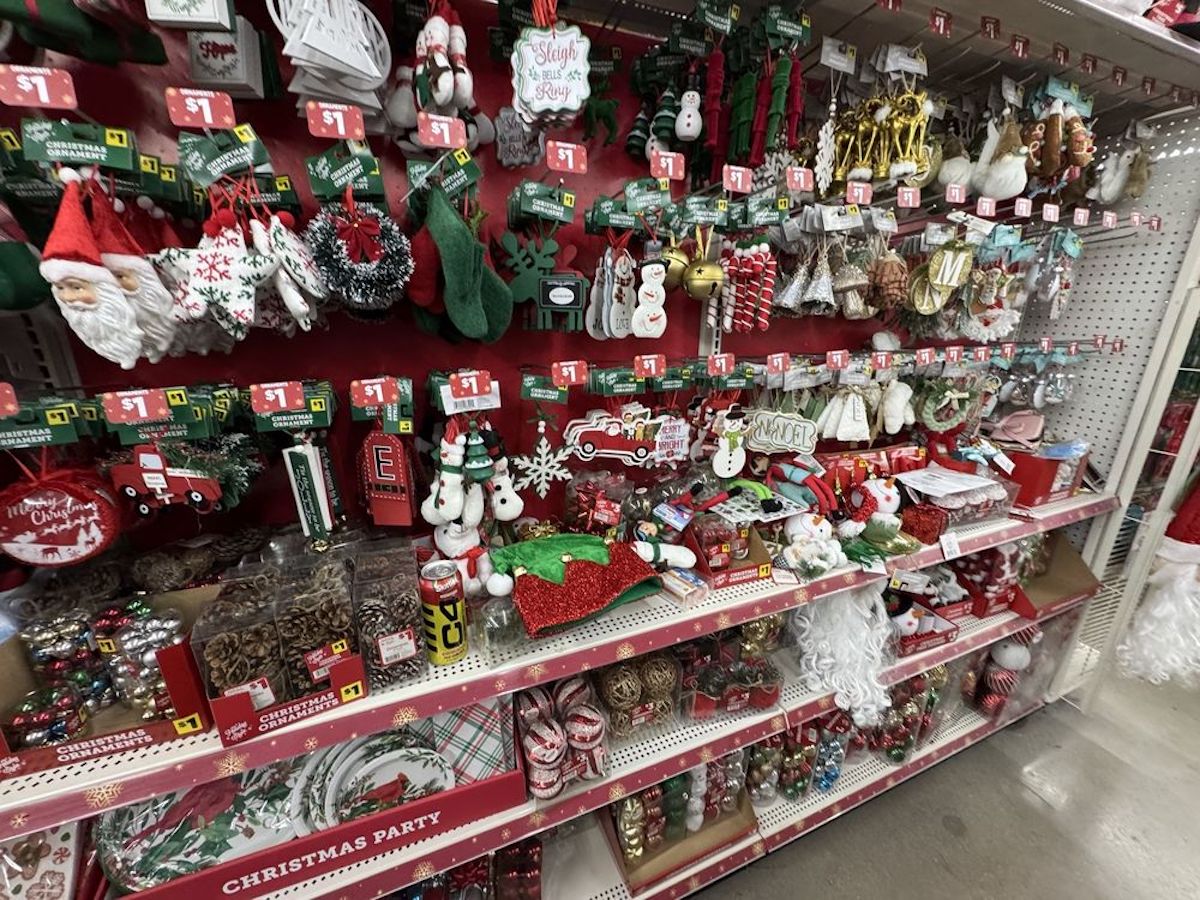
Seasonal decorations are one of the most import-dependent categories in retail.
Because retailers typically purchase inventory months before holidays arrive, tariff-related costs can affect both pricing and product selection long before consumers begin shopping.
Shoppers may notice fewer clearance deals after holidays or smaller inventories of specialty decorations compared with previous years.
School Supplies

Backpacks, calculators, lunch containers, and numerous classroom supplies often come from overseas manufacturers.
Because families tend to make these purchases during a concentrated back-to-school shopping period, even modest price changes can feel more noticeable.
Retailers frequently discuss supply-chain and sourcing costs during back-to-school seasons, making the category an important example of how trade issues can affect household budgets.
Pet Toys
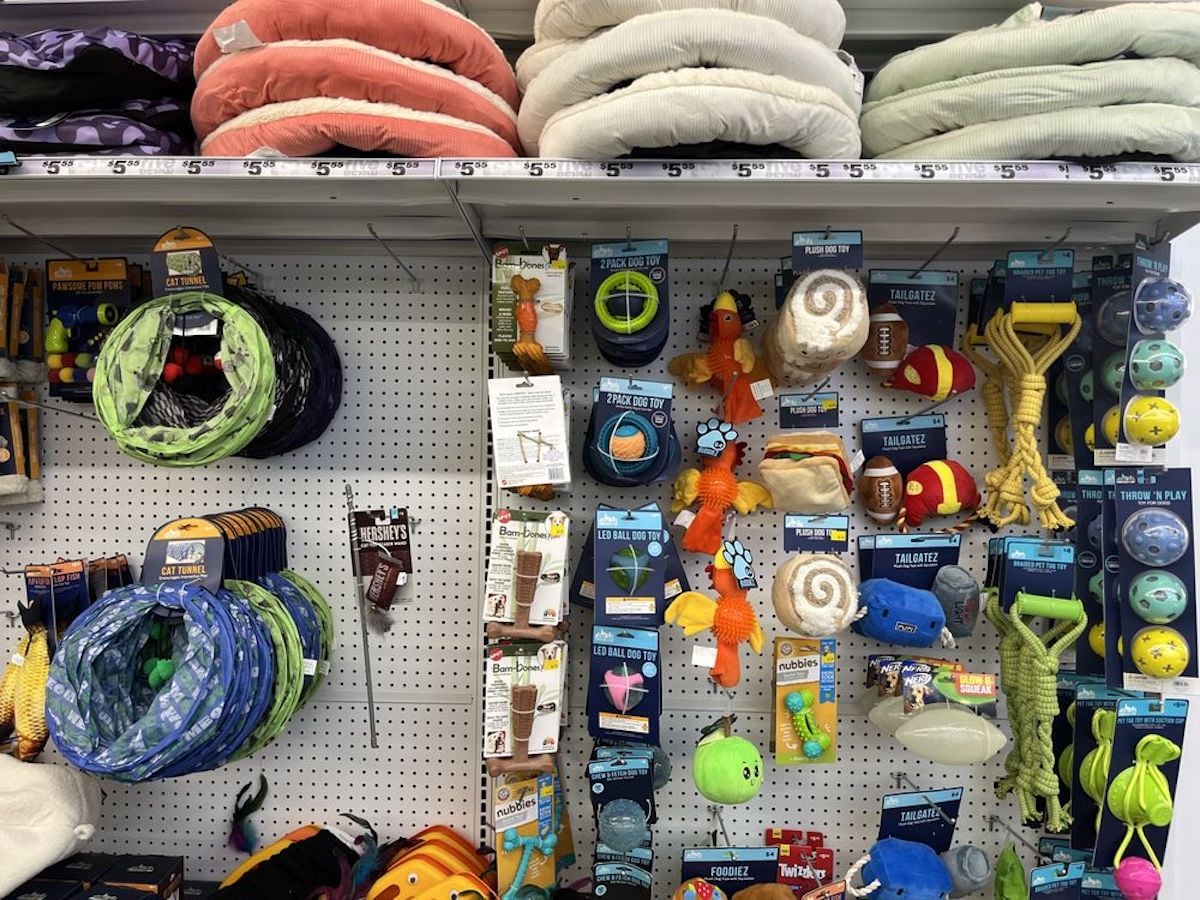
Many pet owners may not realize how globally sourced the pet toy industry has become.
From chew toys to interactive accessories, a significant share of products are manufactured abroad before reaching store shelves.
While pet spending remains relatively resilient during economic uncertainty, retailers may still pass along higher import costs over time.
Lamps And Light Fixtures

Lighting products often rely on imported components, electrical systems, metal parts, and assembly processes.
Both decorative and functional lighting can be affected by rising sourcing costs.
For homeowners tackling renovations or redesign projects, even modest price increases across multiple fixtures can add up quickly.
Storage Bins And Organizers

Plastic storage containers and organization products became increasingly popular during the home-improvement boom of recent years.
Many of these products are manufactured overseas, making them vulnerable to changes in sourcing and import costs.
Because these items are relatively inexpensive to begin with, price increases often happen gradually and may attract little attention despite affecting millions of purchases annually.
Appliances Parts And Replacements
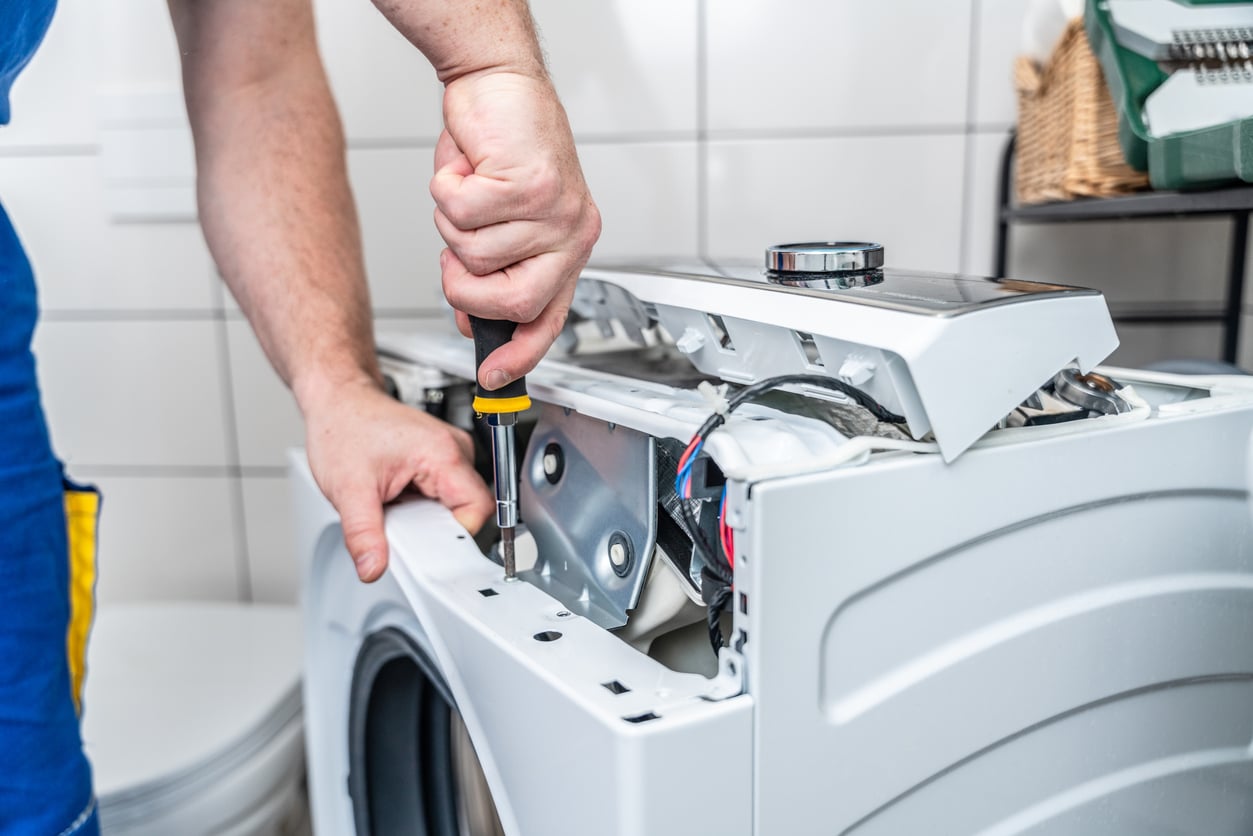
Consumers often focus on the cost of buying an appliance, but replacement parts can be just as important.
Many replacement motors, electronic control boards, filters, and specialized components come from international suppliers.
Tariffs can affect these parts even when the original appliance was purchased years earlier, extending trade-related costs throughout a product’s lifespan.
The Bigger Story Behind Tariffs And Everyday Spending
The clearest tariff examples tend to come from industries that openly discuss their exposure to global trade, including footwear, toys, electronics, furniture, and other imported consumer goods.
Consumers rarely see a line item labeled “tariff surcharge” on a receipt. Instead, the effects often appear more subtly through fewer promotions, smaller discounts, higher prices, reduced inventory, or less product variety.
The larger lesson is that global supply chains touch far more products than many shoppers realize. From sneakers and smartphones to batteries and bicycles, everyday purchases are often connected to manufacturing networks that span multiple countries. When trade costs change, consumers may eventually notice the effects—even if they never think about tariffs while standing in the checkout line.