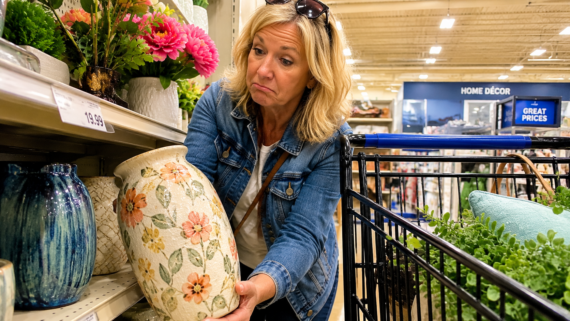
Inflation has changed shopping habits for nearly everyone, but products women are giving up are becoming increasingly noticeable as rising prices affect categories that have traditionally been part of their everyday routines. From beauty products to clothing and home goods, many shoppers are rethinking purchases that once felt automatic.
Instead of cutting spending across the board, many shoppers are becoming far more selective. They’re waiting for sales, switching to less expensive brands, buying secondhand, or deciding certain products simply aren’t worth today’s prices.
This isn’t a list of products women have abandoned altogether. Rather, these are the purchases that repeatedly come up in consumer discussions as items people are delaying, replacing, or skipping because they no longer feel like a good value.
Salon Hair Color
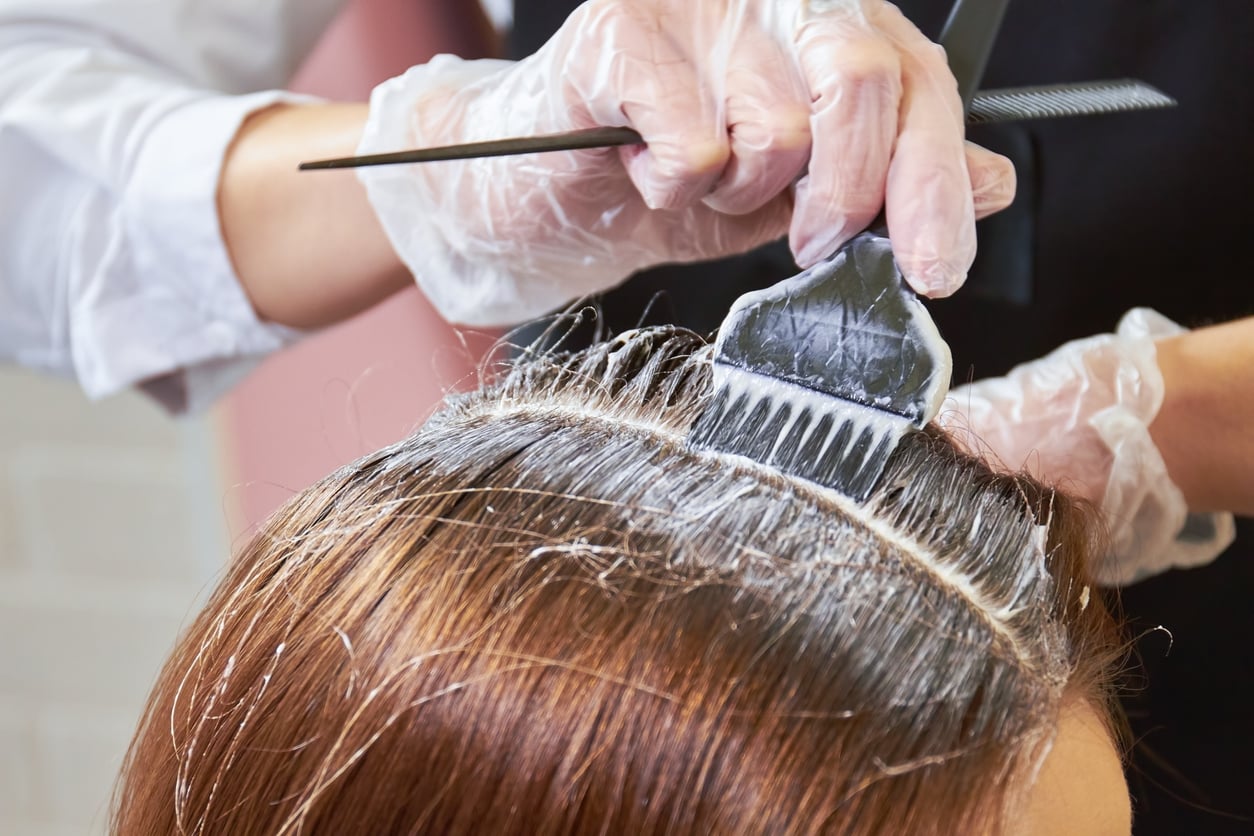
Professional color appointments have become one of the biggest beauty expenses many women say they’re cutting back on. Full highlights, balayage, and color corrections can easily cost several hundred dollars before gratuity, making regular appointments harder to justify.
Many women now stretch appointments several extra weeks, use at-home root touch-up kits, or embrace their natural hair color—including gray—instead of maintaining frequent salon visits.
Premium Skincare Products
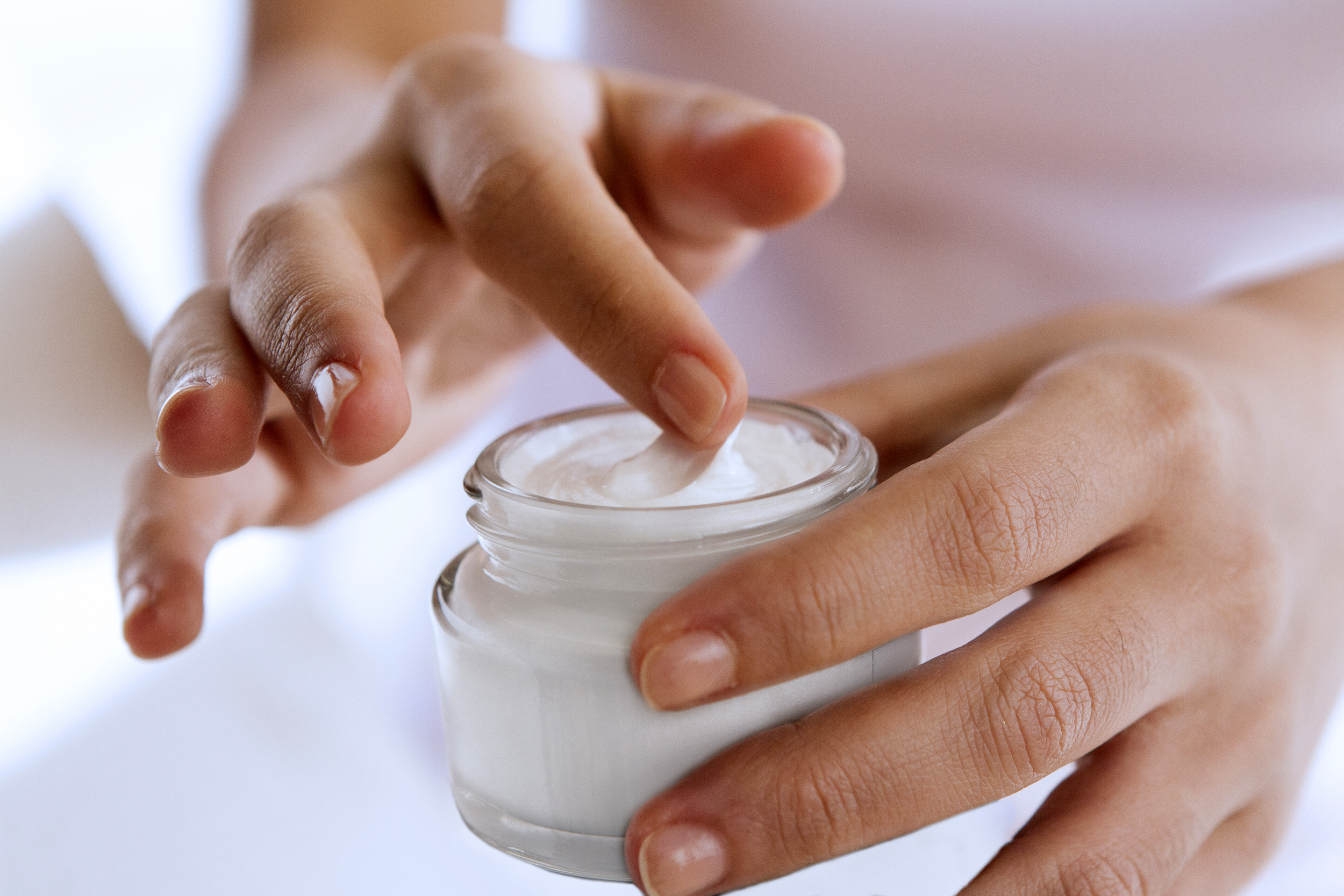
Luxury skincare remains popular, but many shoppers say they no longer see enough added benefit to justify spending well over $100 on a single serum or moisturizer.
Instead, consumers increasingly recommend dermatologist-approved drugstore brands, Korean skincare products, and simplified routines focused on a few effective ingredients rather than lengthy, expensive regimens.
Designer Handbags
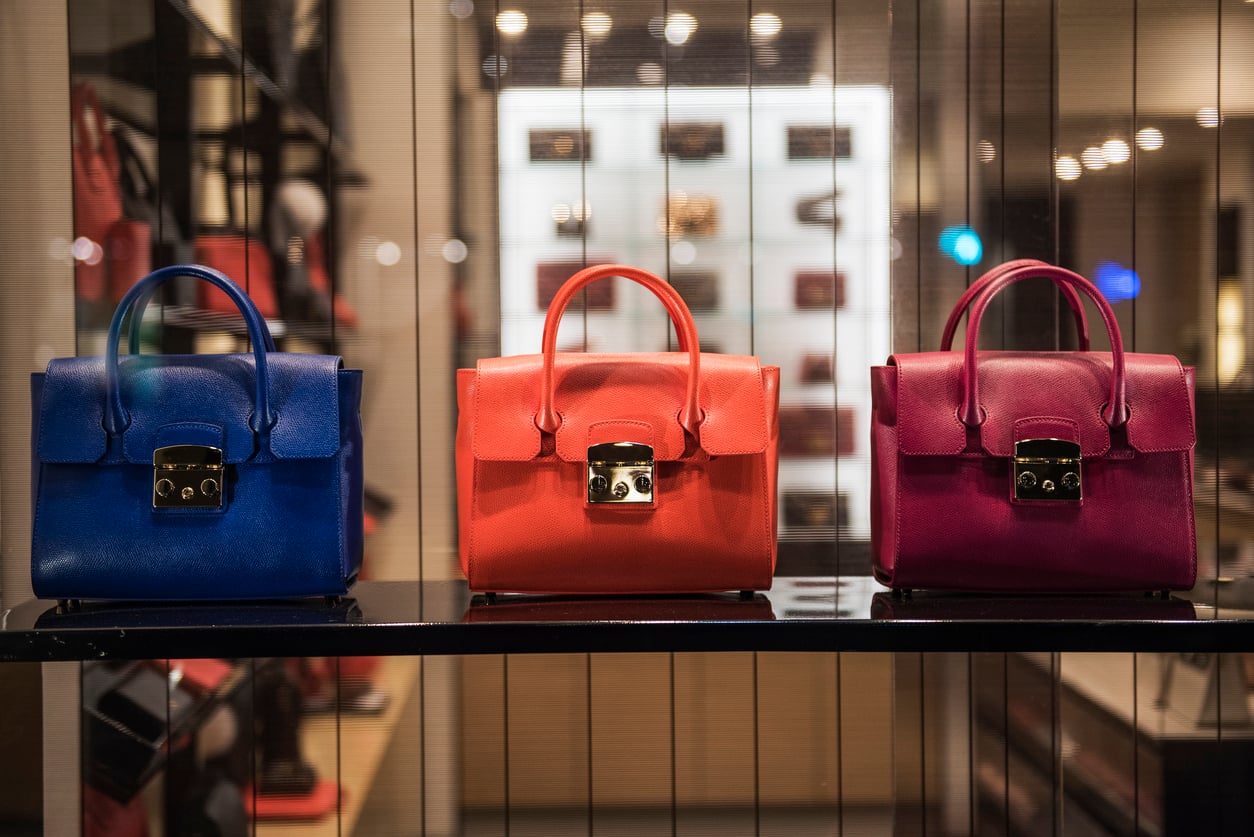
Luxury handbags continue to climb in price, with some popular styles increasing thousands of dollars over the past few years.
Rather than buying new, many shoppers are turning to reputable resale platforms, purchasing vintage pieces, or choosing contemporary brands that offer similar quality without luxury-level pricing.
High-End Makeup
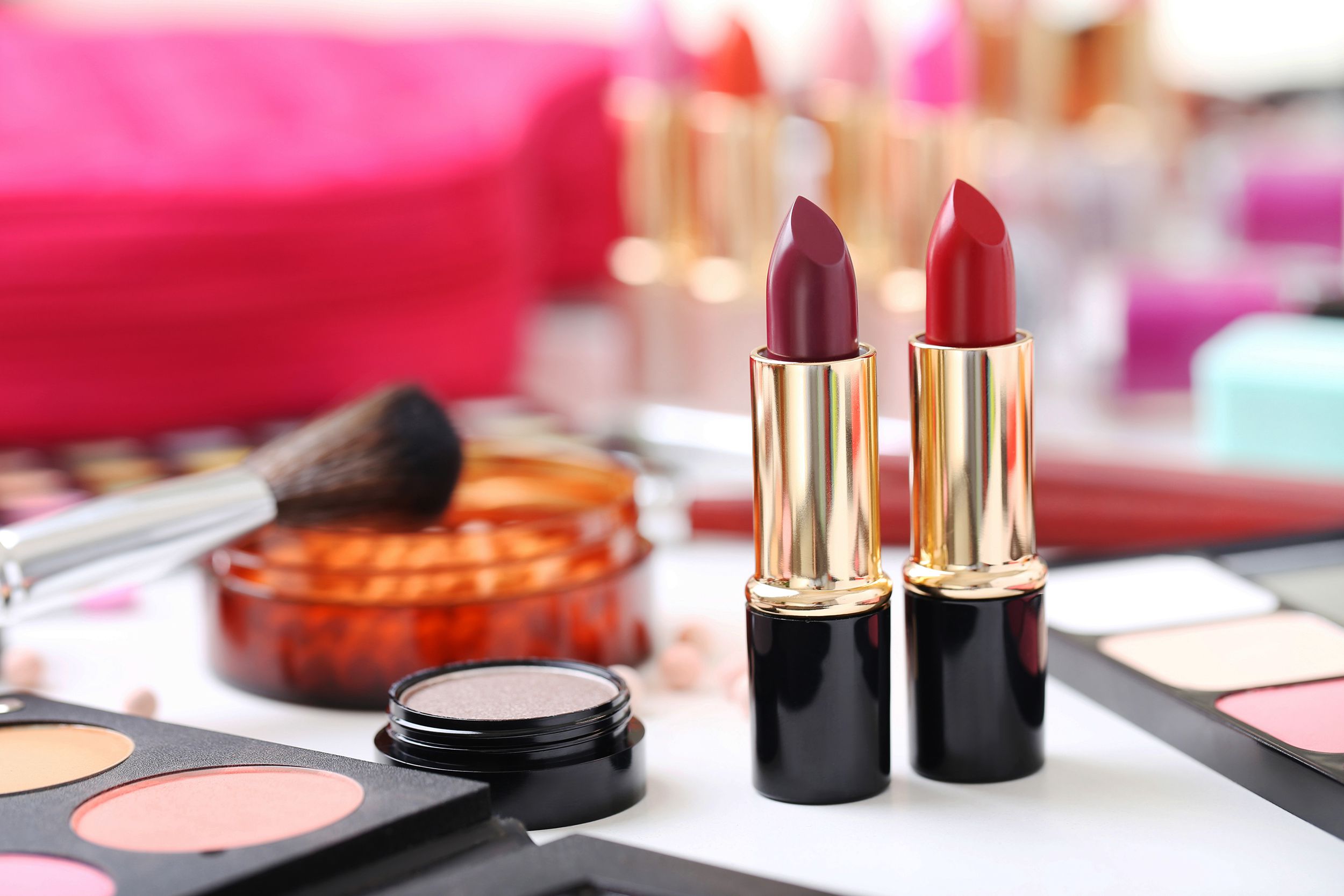
Many beauty enthusiasts say drugstore cosmetics have improved so dramatically that premium makeup no longer feels essential for everyday wear.
Affordable brands like e.l.f., NYX, Essence, and Milani frequently receive praise for offering performance comparable to products that cost several times more.
Brand-New Work Clothes

Hybrid and remote work have dramatically changed office wardrobes, reducing the need for frequent clothing purchases.
Instead of constantly buying new business attire, many women are building capsule wardrobes, shopping secondhand, or renting outfits for occasional professional events.
Trending on Cheapism

Scented Candles

Premium candles have quietly become luxury purchases, with many popular brands charging $30 to $50—or more—for a single candle.
Rather than paying full price, shoppers increasingly wait for seasonal sales, buy candles from warehouse clubs, or switch to essential oil diffusers for everyday fragrance.
Trendy Home Décor
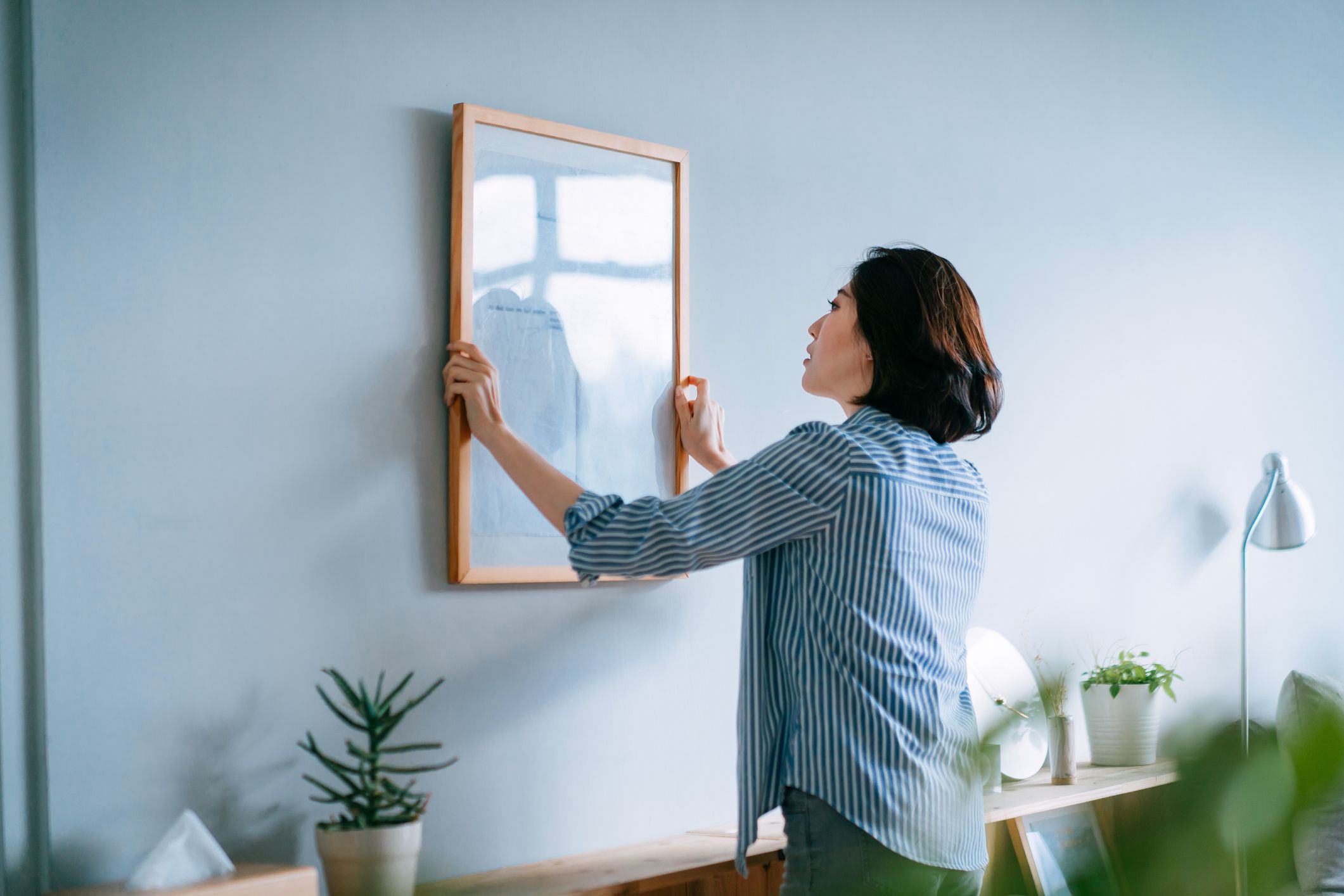
Constantly changing home décor trends have made expensive decorative pieces feel increasingly temporary.
Many consumers now browse Facebook Marketplace, antique stores, estate sales, and thrift shops before paying full retail for decorative accents.
Premium Athleisure

Workout clothing from premium brands has become significantly more expensive, especially leggings, sports bras, and matching sets.
Budget-friendly retailers like Costco, Old Navy, Amazon, and CRZ Yoga are frequently recommended as alternatives that deliver similar comfort for much lower prices.
Sign up for our newsletter
Jewelry for Everyday Wear
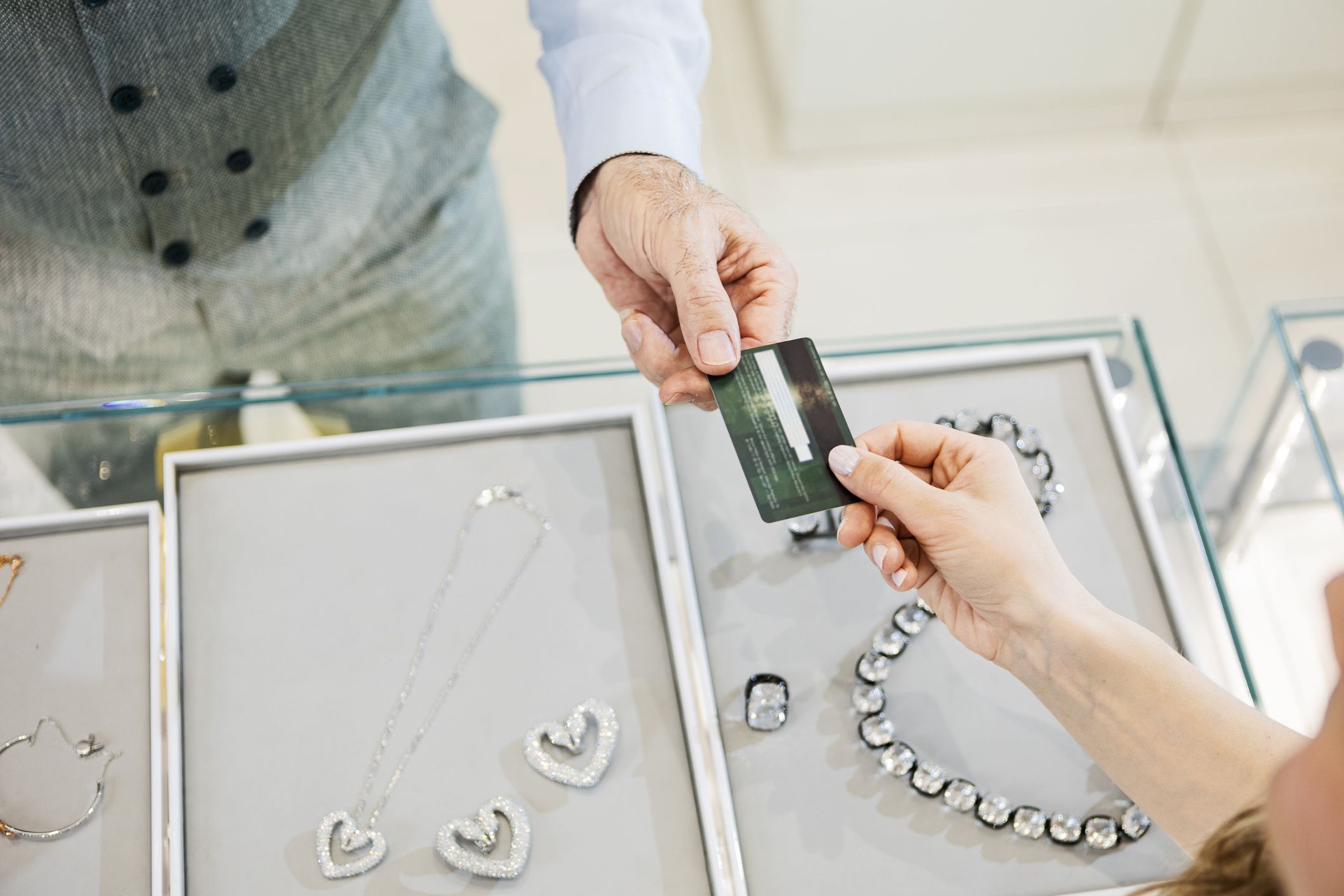
Many women say fashion jewelry has become more expensive without offering noticeably better durability.
Instead, shoppers are investing in stainless steel, sterling silver, or simply wearing pieces they already own rather than buying new accessories every season.
Artificial Flowers
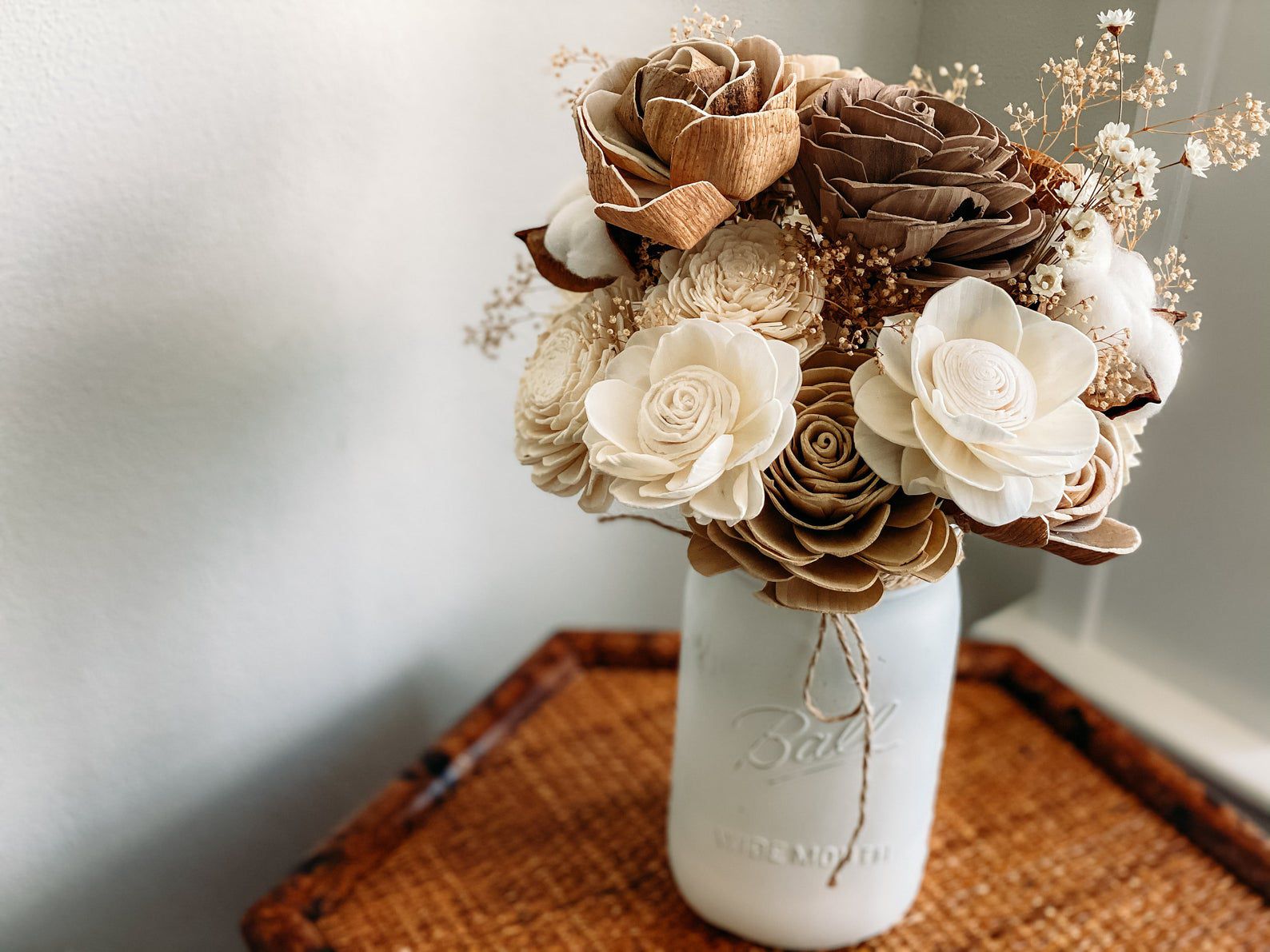
Decorative floral arrangements have seen surprising price increases in recent years, especially larger, more realistic displays.
Many consumers now prefer fresh seasonal flowers, dried arrangements, or simpler decorating styles that require fewer artificial plants.
Premium Coffee Pods
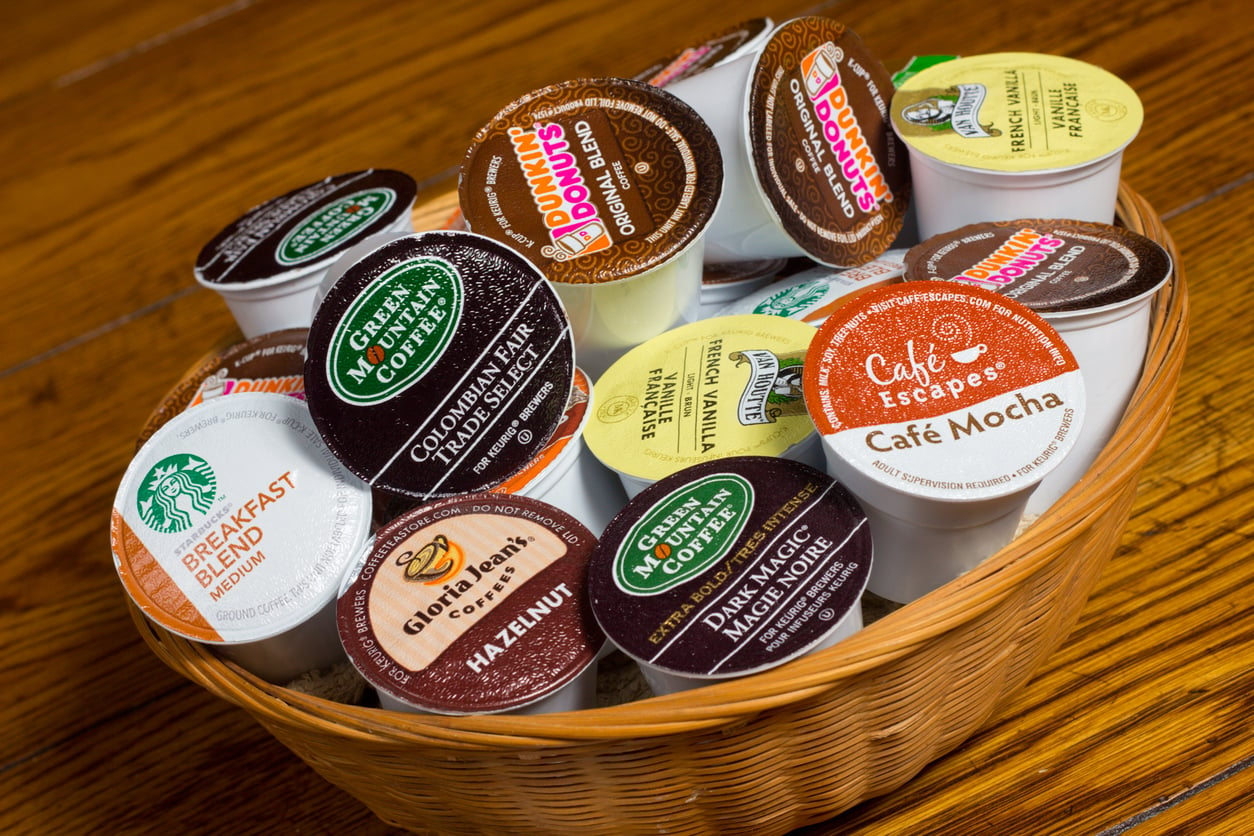
Single-serve coffee remains convenient, but the cost per cup has become increasingly difficult for many households to justify.
Many former pod users have switched back to traditional coffee makers, refillable pods, or ground coffee purchased in bulk.
Luxury Bath Products
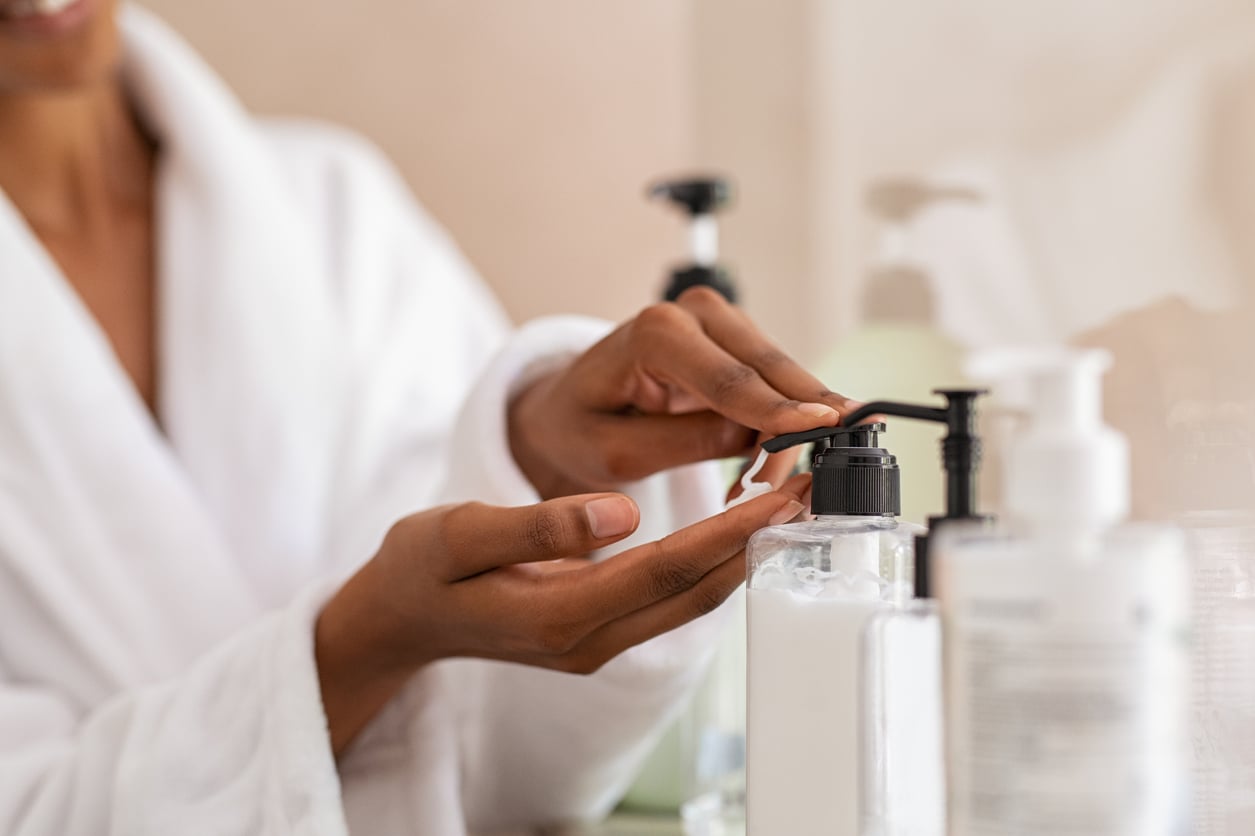
Bath bombs, premium soaps, body scrubs, and specialty bath products have increasingly become occasional indulgences instead of routine purchases.
Many shoppers now buy these products only during major sales or replace them with less expensive store-brand alternatives.
Seasonal Decorations
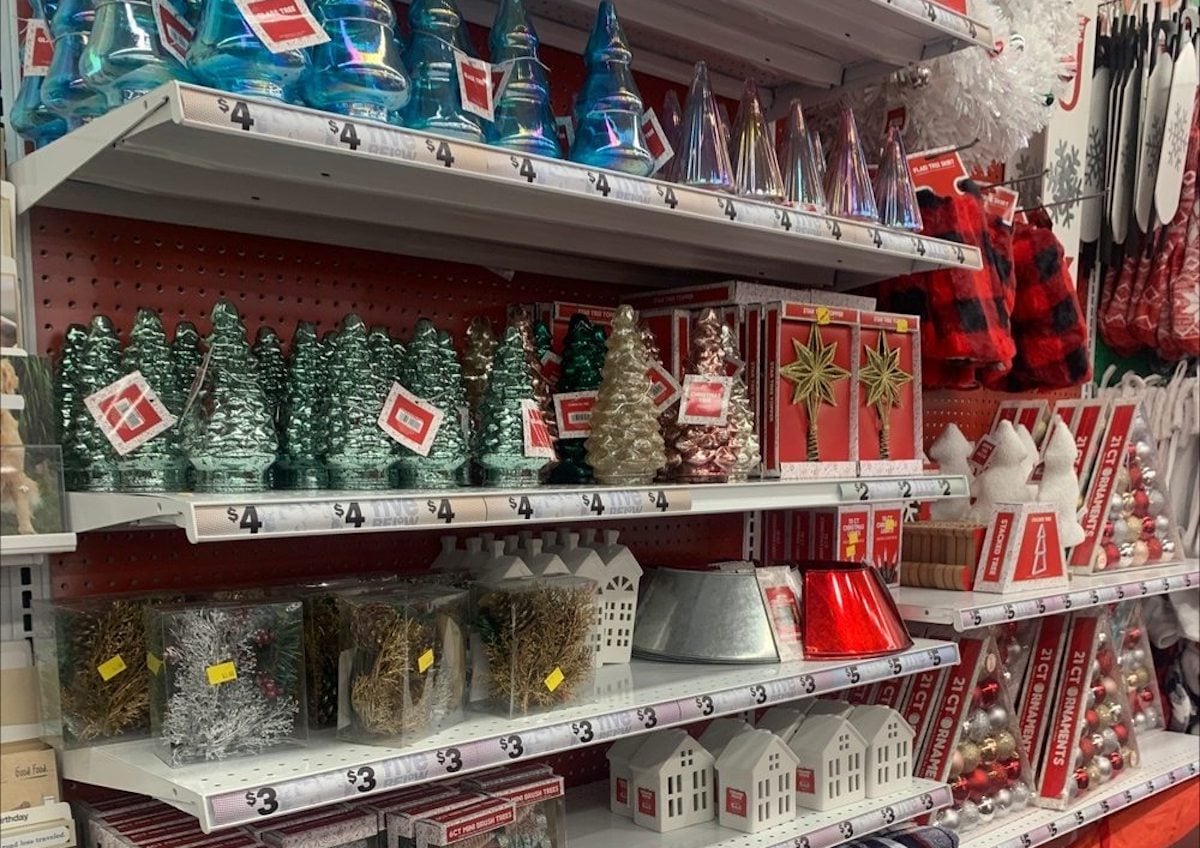
Holiday decorations have become noticeably more expensive, encouraging shoppers to rethink annual decorating habits.
Instead of purchasing new collections every season, many people reuse existing decorations, make DIY projects, or shop after-holiday clearance sales.
Fresh Cut Flowers
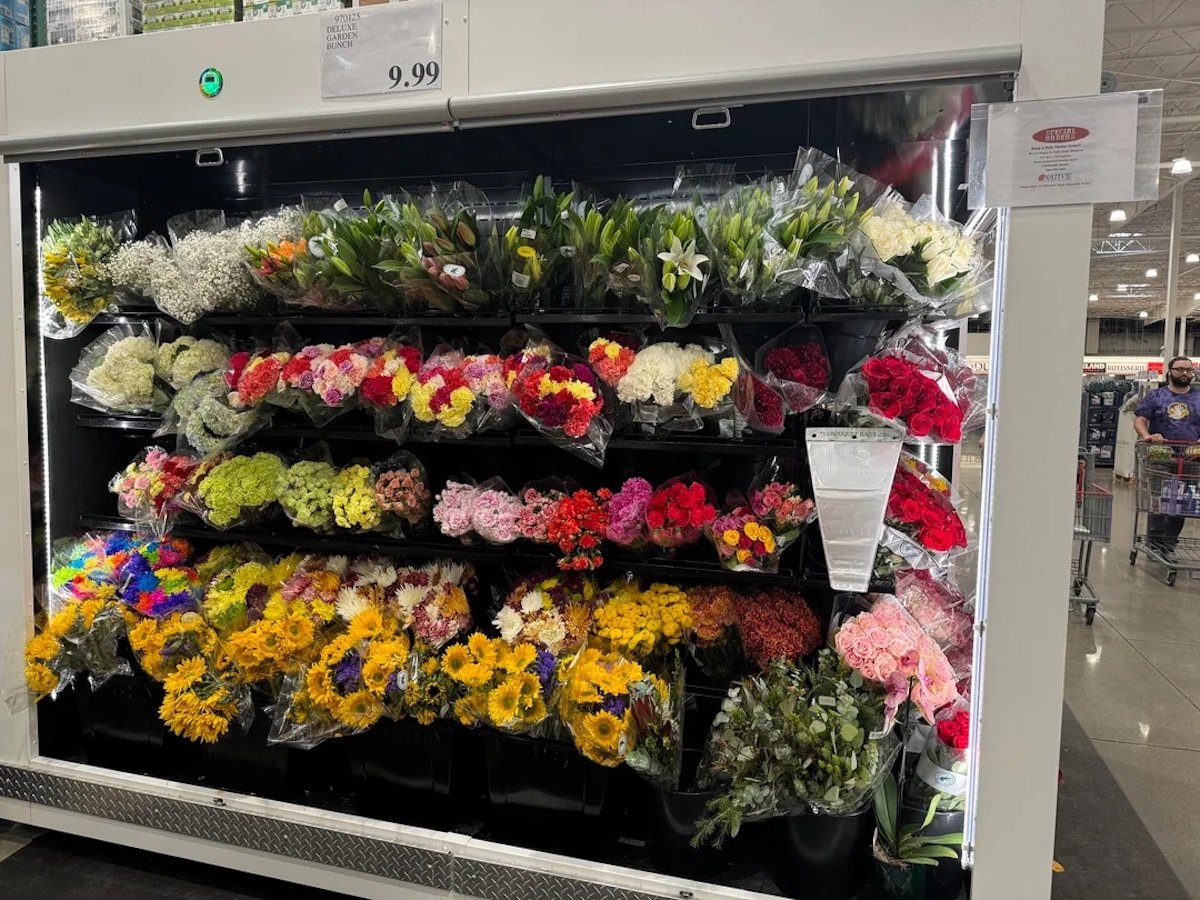
Fresh bouquets remain popular, but rising prices have turned them into a less frequent purchase for many households.
Consumers often substitute grocery store flowers, low-maintenance houseplants, or faux greenery that can be reused throughout the year.
Subscription Beauty Boxes
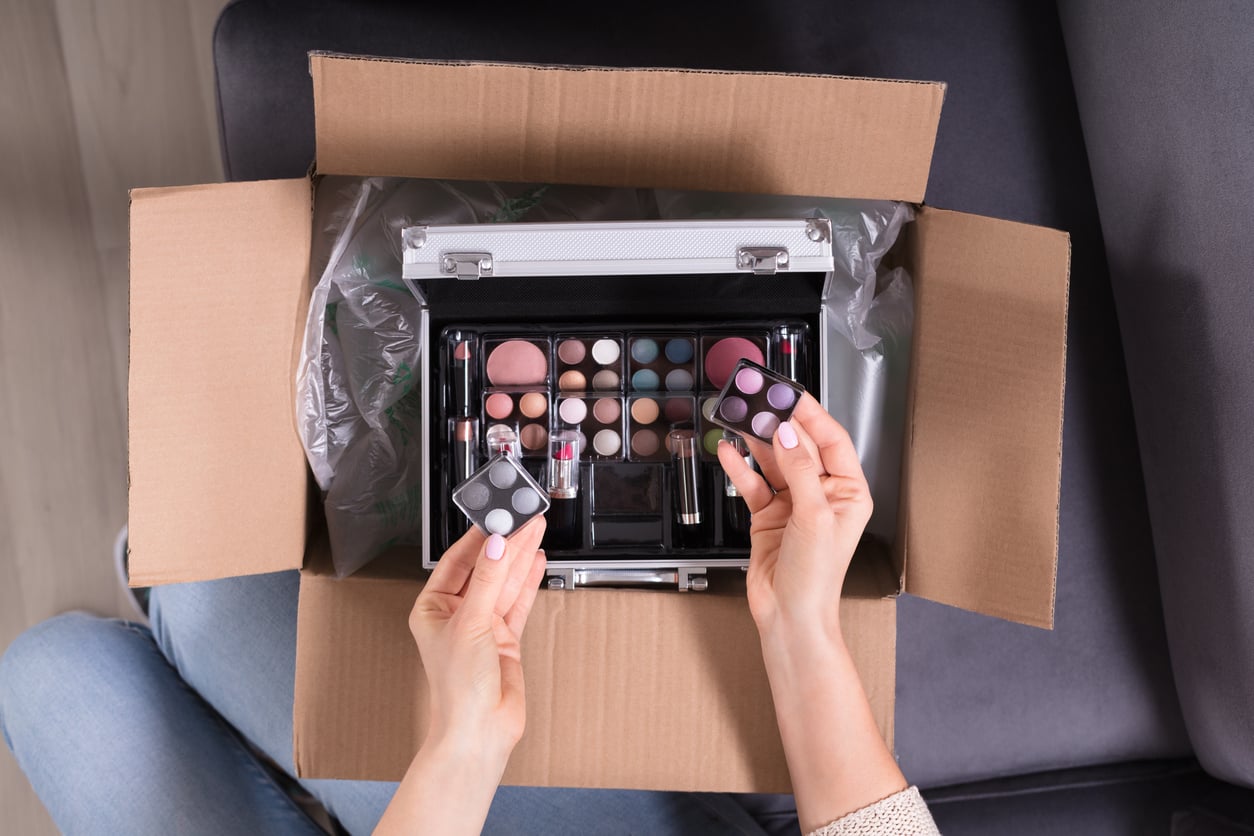
Beauty subscription boxes have lost some of their appeal as monthly prices increase while customers report receiving products they rarely use.
Many former subscribers now wait for retailer promotions and purchase only the products they know they’ll actually finish.
Premium Razors
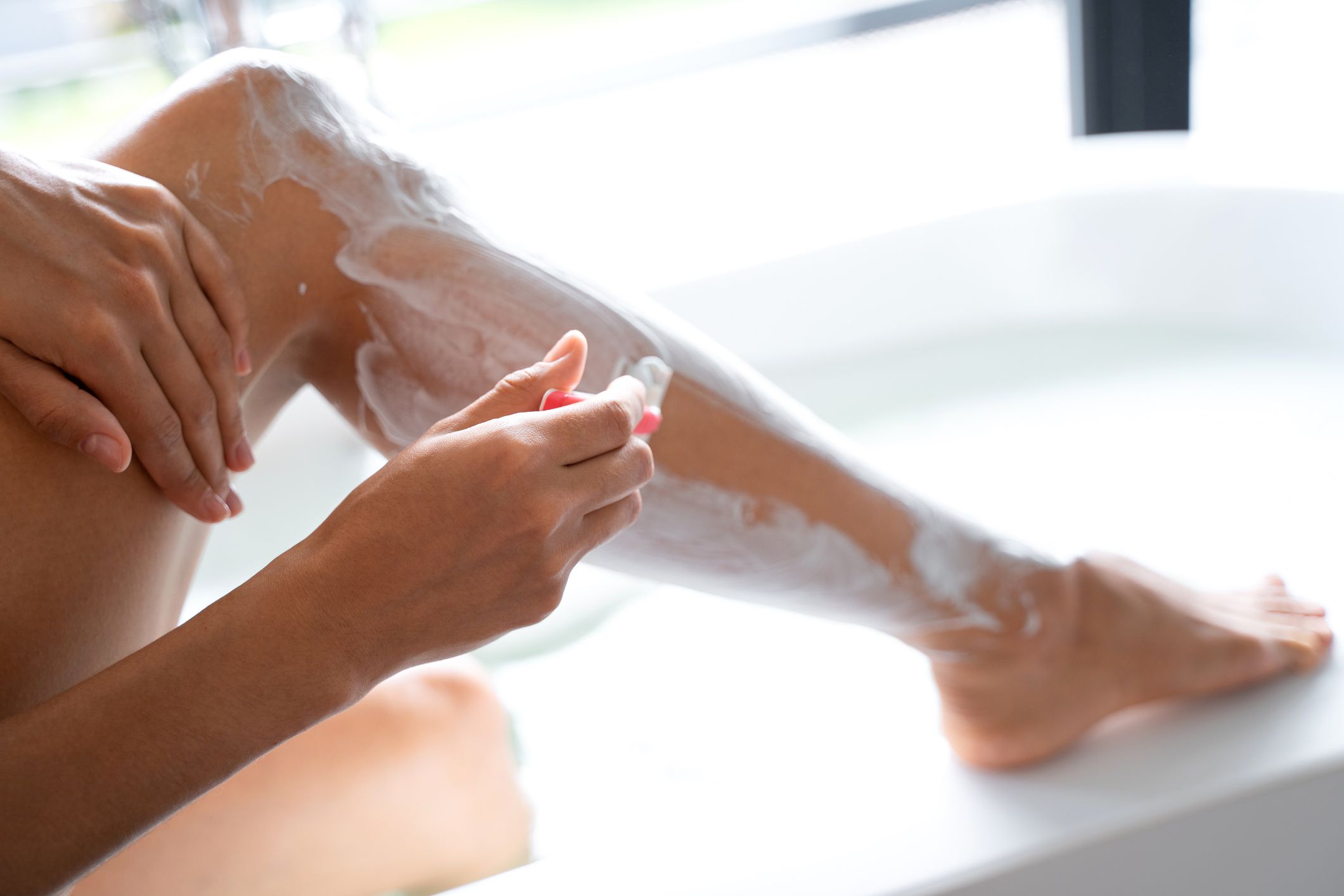
Replacement razor cartridges continue to rank among the most commonly criticized personal care expenses.
To lower ongoing costs, shoppers increasingly switch to safety razors, electric razors, or store-brand replacement cartridges.
Luxury Perfume
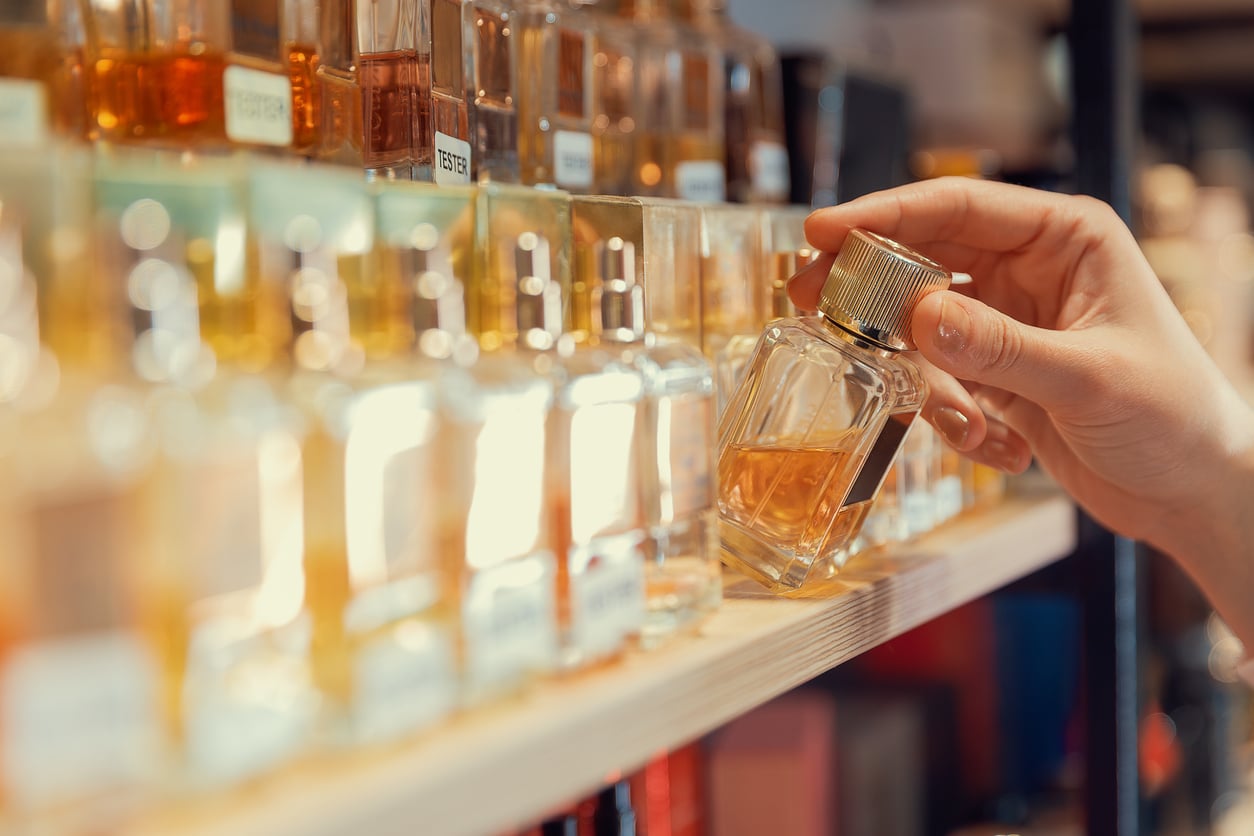
Designer fragrances have become significantly more expensive, with many bottles now costing well over $150.
Rather than purchasing full-size bottles, consumers increasingly buy travel sprays, rollerballs, or fragrance dupes that offer similar scents for a fraction of the price.
Decorative Throw Pillows
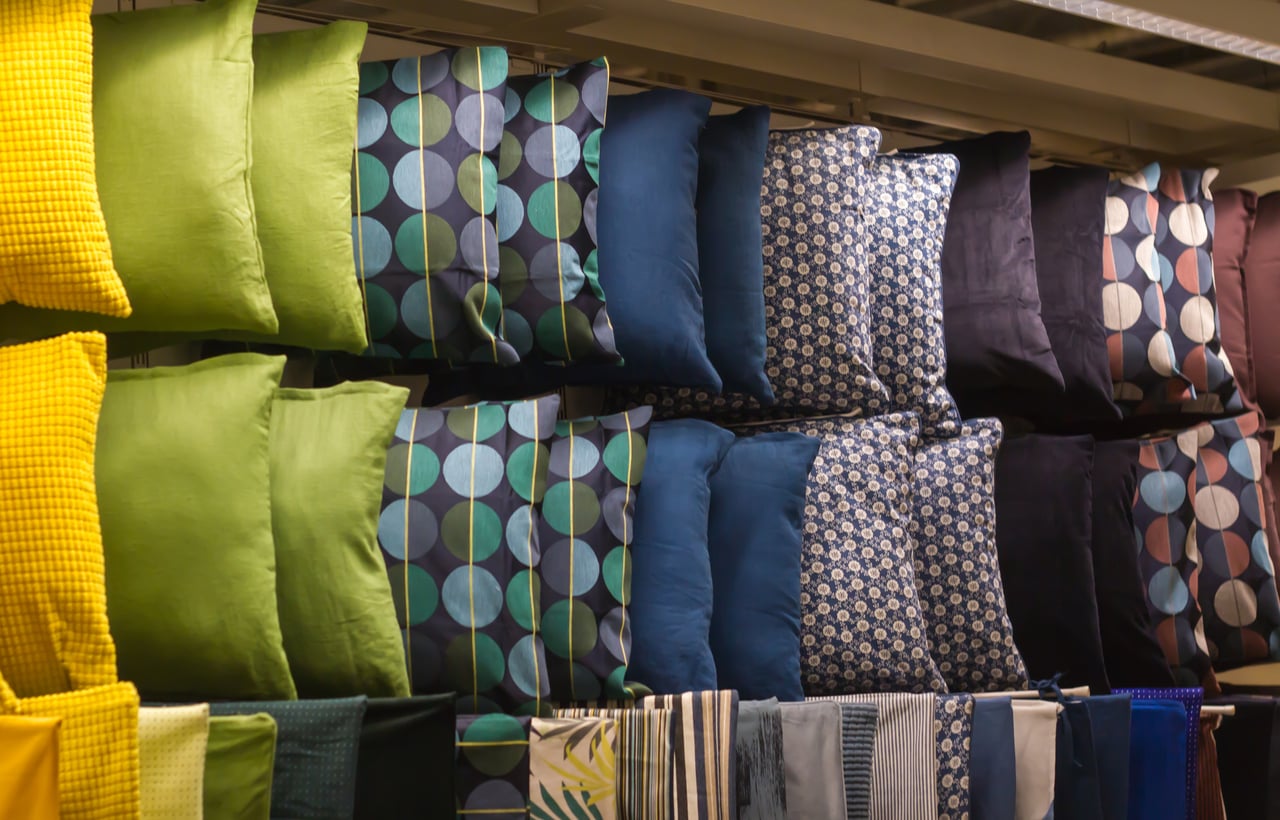
Throw pillows that once felt like inexpensive home updates have become surprisingly costly.
Many decorators now refresh their homes by replacing pillow covers instead of buying entirely new inserts each season.
Boutique Greeting Cards
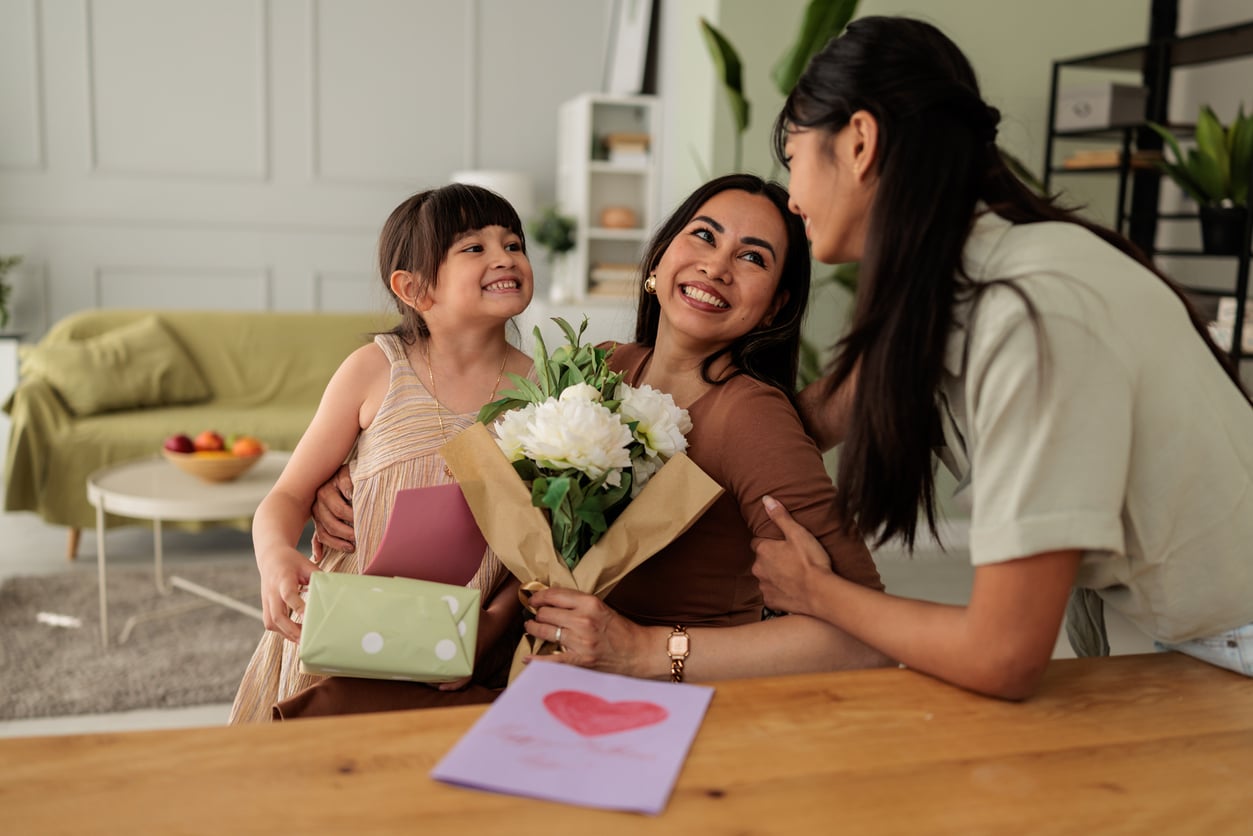
Premium greeting cards frequently cost nearly as much as a small gift, leading many shoppers to reconsider the purchase.
Dollar stores, printable designs, and homemade cards have become popular alternatives for birthdays, holidays, and special occasions.
Gourmet Chocolate
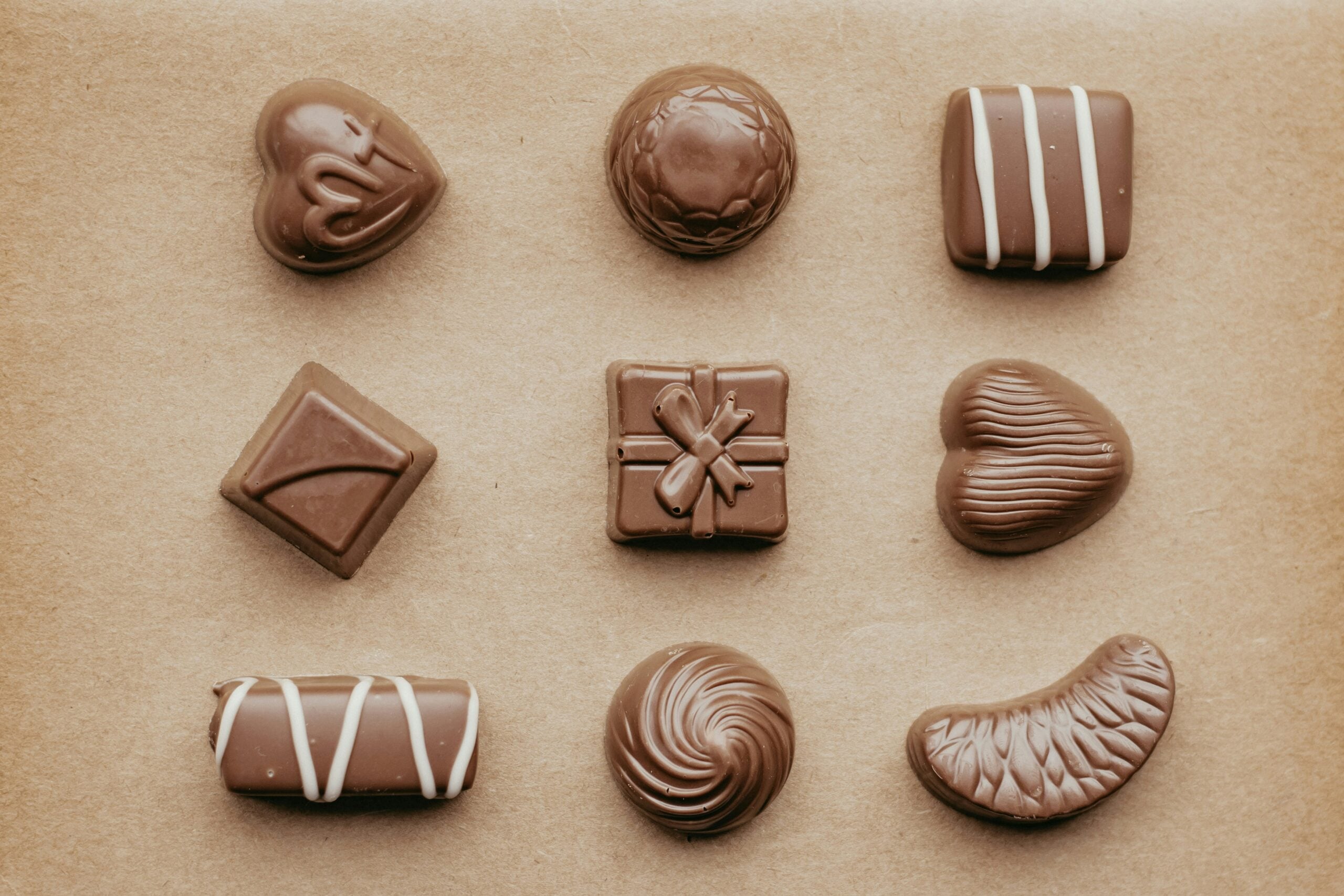
Premium chocolate has become considerably more expensive as cocoa prices have risen worldwide.
Rather than giving it up entirely, many shoppers buy smaller portions, wait for holiday sales, or choose store-brand chocolates that offer similar quality at lower prices.
Being More Selective Doesn’t Mean Going Without
Rising prices haven’t changed what many women enjoy—they’ve changed what feels worth buying. Instead of abandoning entire product categories, shoppers are delaying purchases, waiting for sales, embracing secondhand shopping, and discovering lower-cost alternatives that better fit their budgets. As inflation continues to influence spending decisions in 2026, many consumers say the biggest shift isn’t buying less—it’s becoming much more intentional about every purchase they make.