The best seafood towns aren’t always the fanciest ones. They are the places where the harbor still matters, the menu changes with the catch of the day, and a good lunch may come from a dockside counter instead of a white tablecloth dining room. This list contains towns where seafood is part of the local identity.
Bar Harbor, Maine
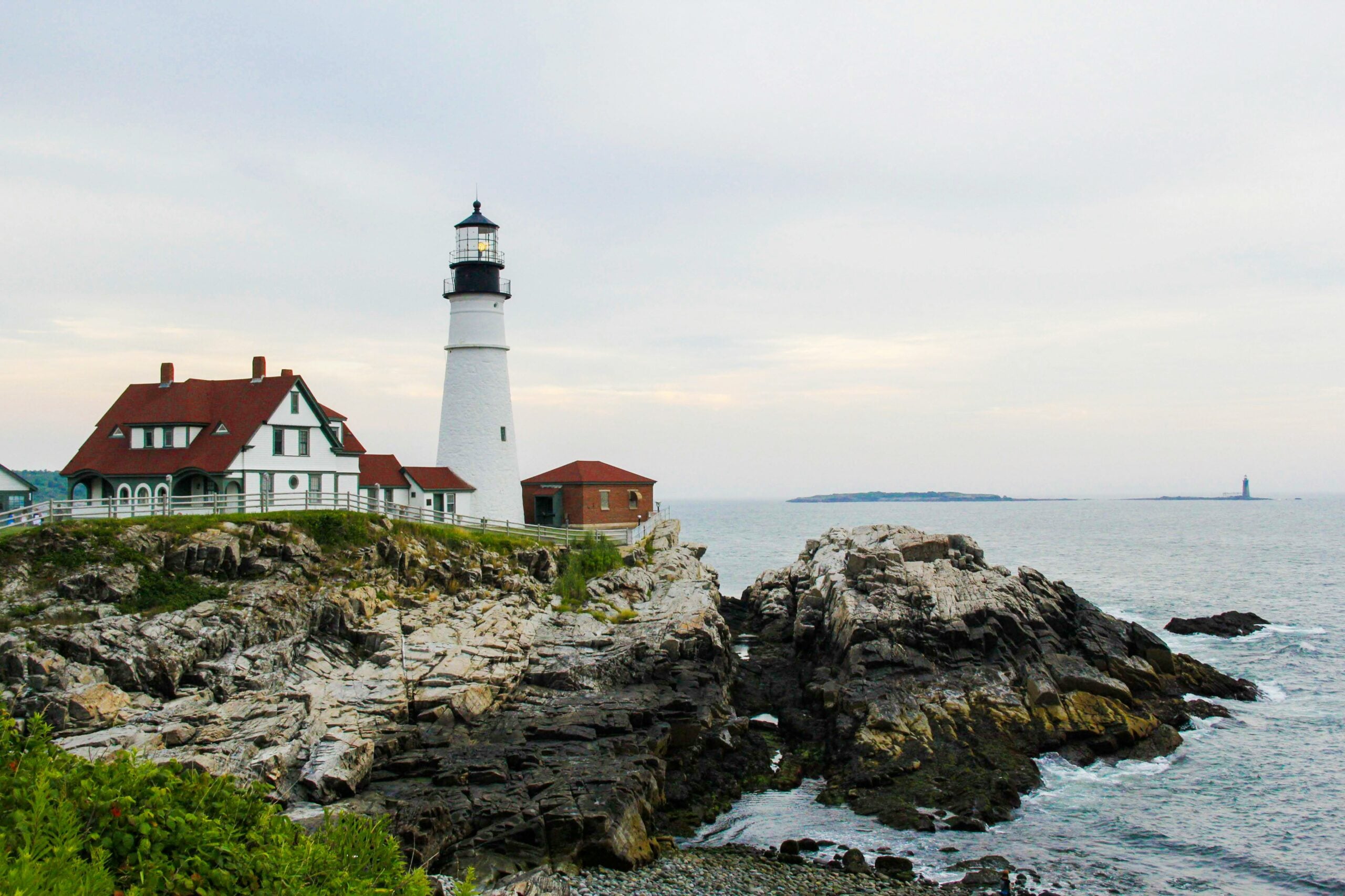
Bar Harbor is an easy pick for lobster, but it is not just about one famous roll. The better value is often found slightly away from the busiest waterfront stretch, where lobster pounds and casual seafood counters serve steamed lobster, chowder, mussels, and fried haddock without turning dinner into a splurge. The town is also practical for older travelers because it pairs seafood stops with Acadia National Park, harbor walks, and plenty of slower-paced sightseeing.
Newport, Rhode Island
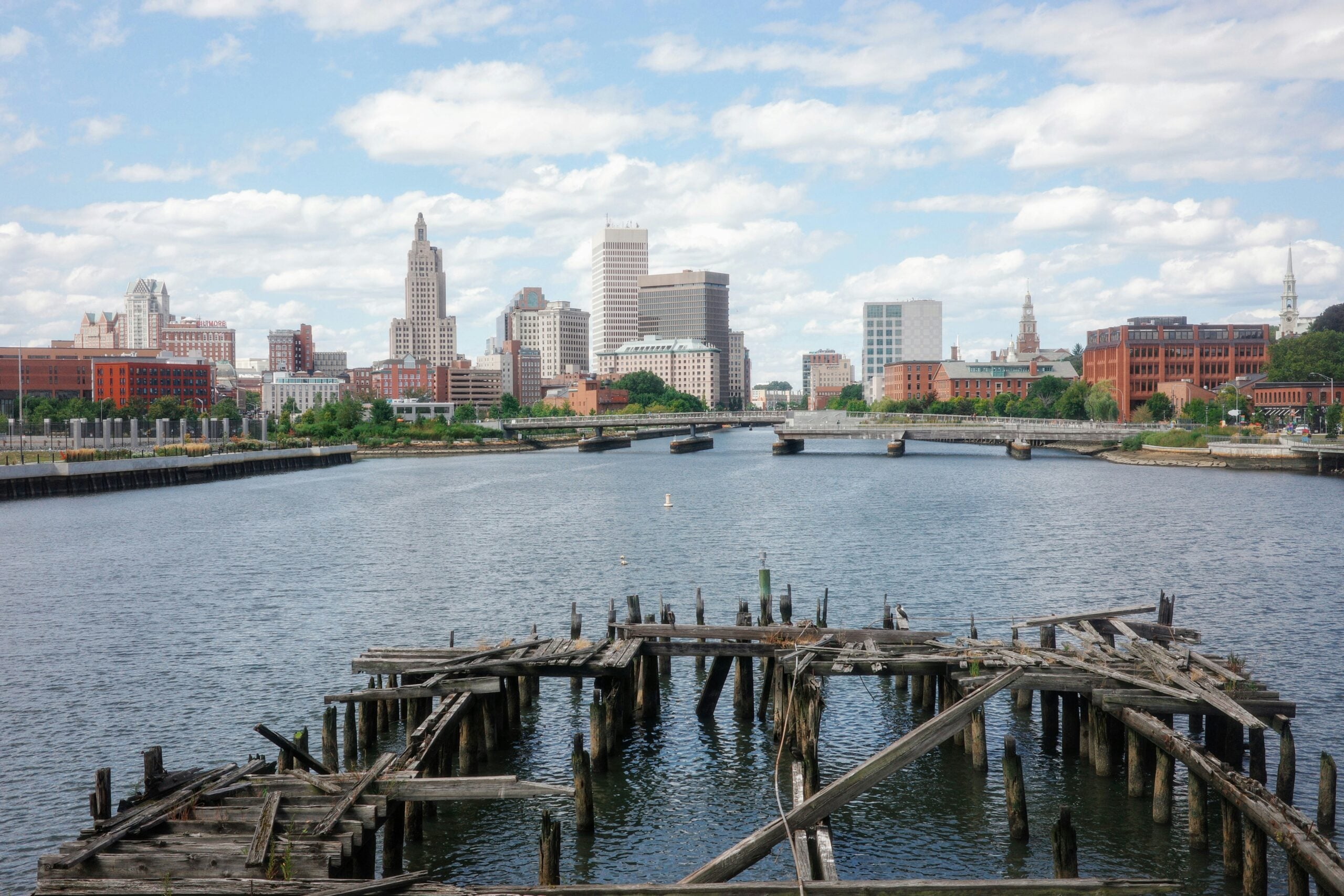
Newport’s seafood scene has a very useful old-school side. Look for oysters, littlenecks, clam cakes, chowder, and lobster rolls rather than assuming every harbor-view restaurant is worth the premium. Discover Newport highlights several oyster and raw-bar stops, including seasonal favorites, and review sites show steady interest in dockside dining and classic clam shacks.
Gloucester, Massachusetts
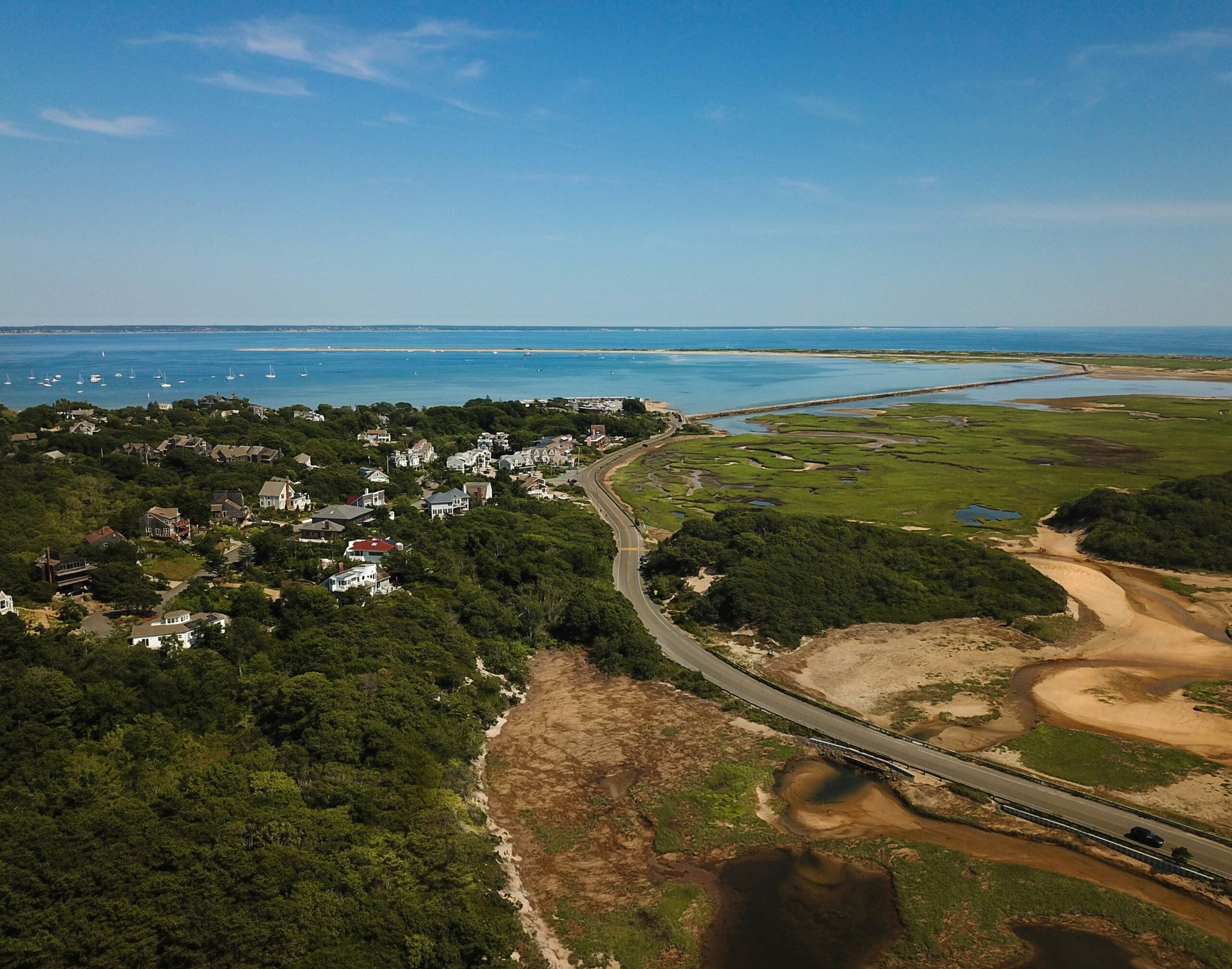
Gloucester is not a seafood town pretending to be quaint. NOAA calls it the nation’s oldest fishing port, and the working harbor still shapes the way the city eats. That means haddock, cod, lobster, chowder, fried clams, and fish sandwiches. It is also a good choice for readers who like maritime history with lunch.
Chincoteague, Virginia
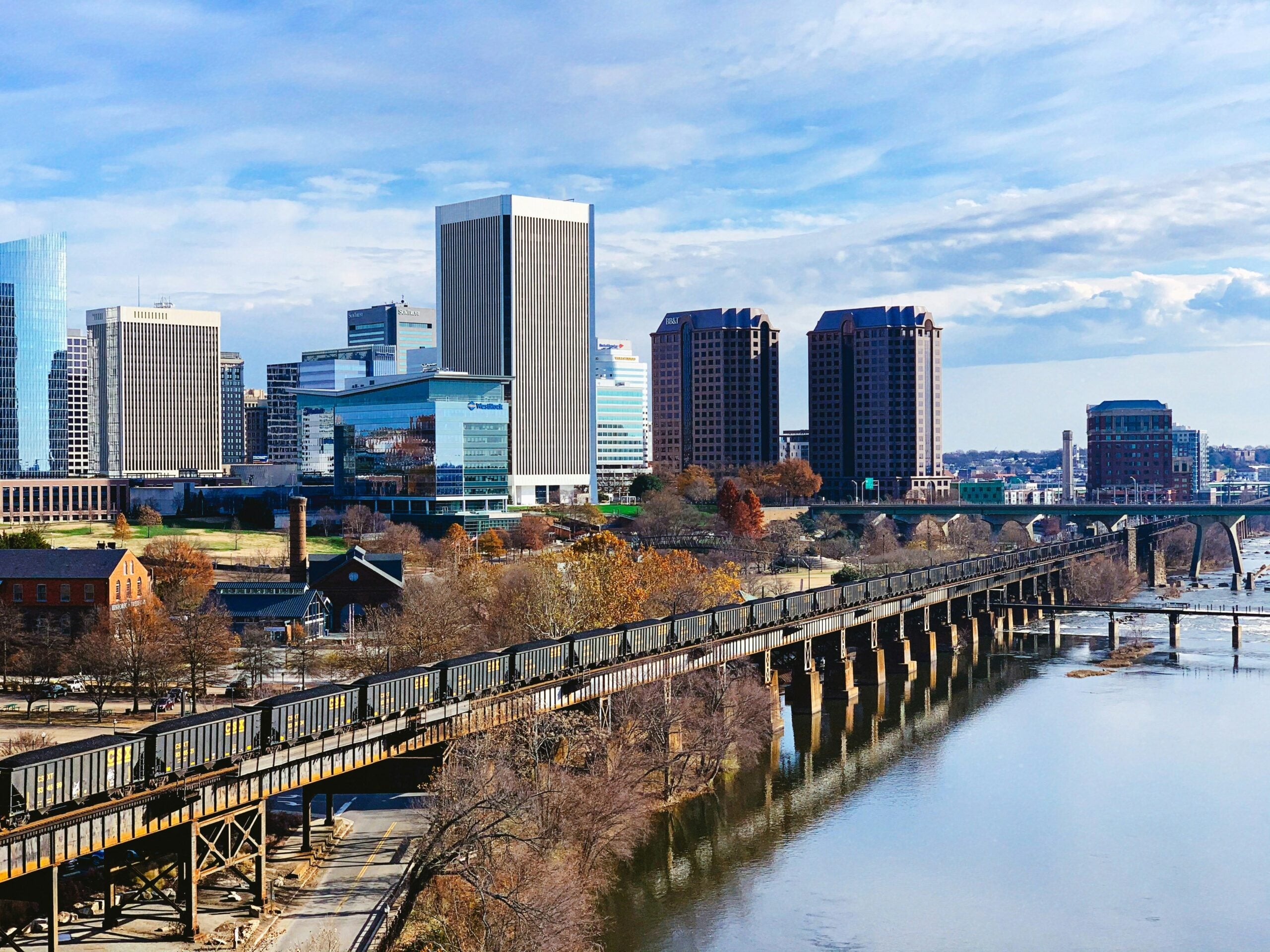
Chincoteague is better known to many families for ponies, but seafood is just as important to the trip. The Eastern Shore setting makes oysters, blue crabs, clams, and flounder feel right at home, and casual spots like seafood markets and no-frills restaurants tend to fit the town better than polished resort dining. It is a good stop for travelers who want a quieter coastal meal and a nature day.
Biloxi, Mississippi
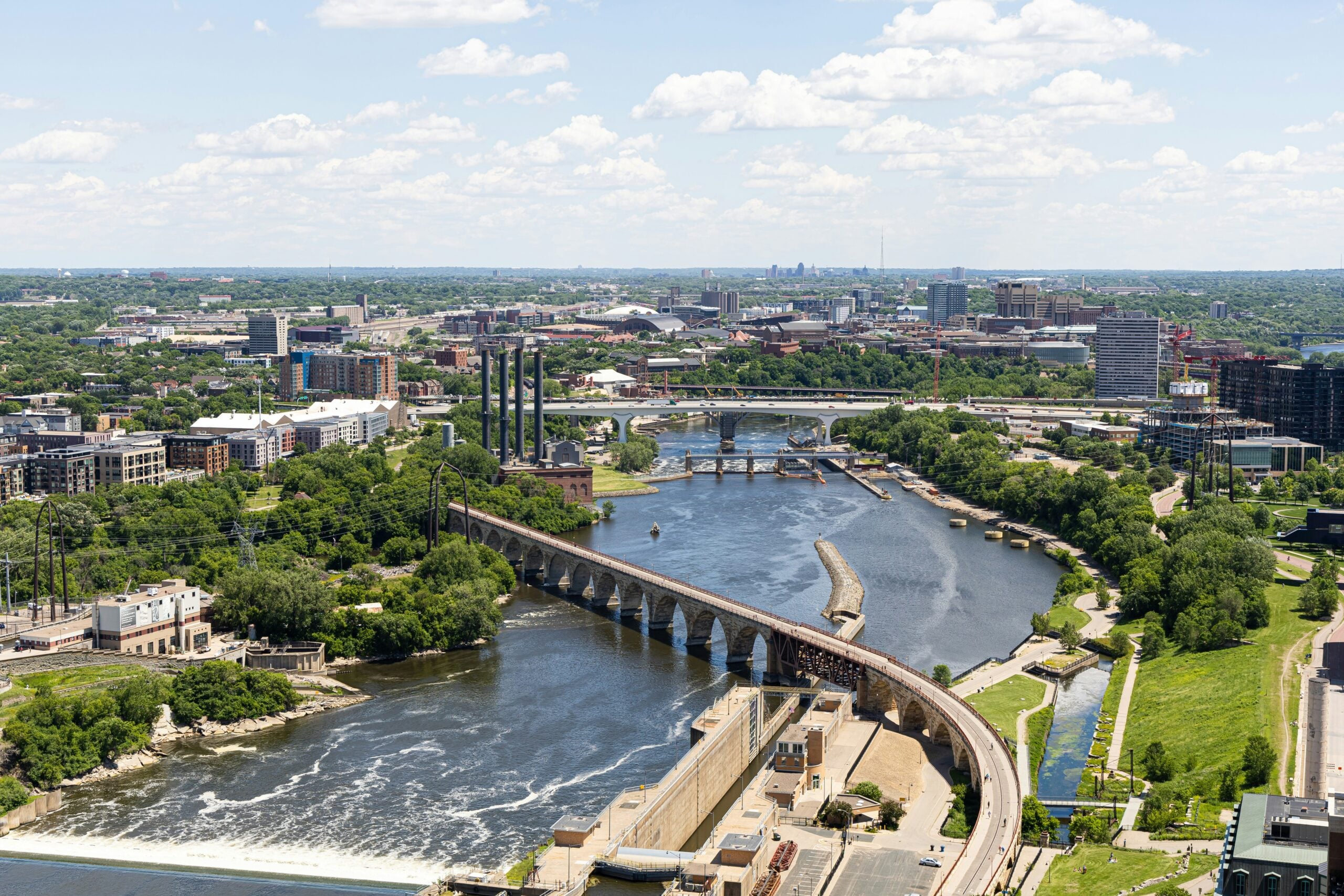
Biloxi has the kind of Gulf seafood identity that older travelers often remember: shrimp, oysters, gumbo, fried platters, and waterfront restaurants that feel more casual than precious. Places like The Reef market themselves around local seafood and family-friendly pricing, while review roundups point to strong demand for oysters and shrimp.
Trending on Cheapism
Bayou La Batre, Alabama
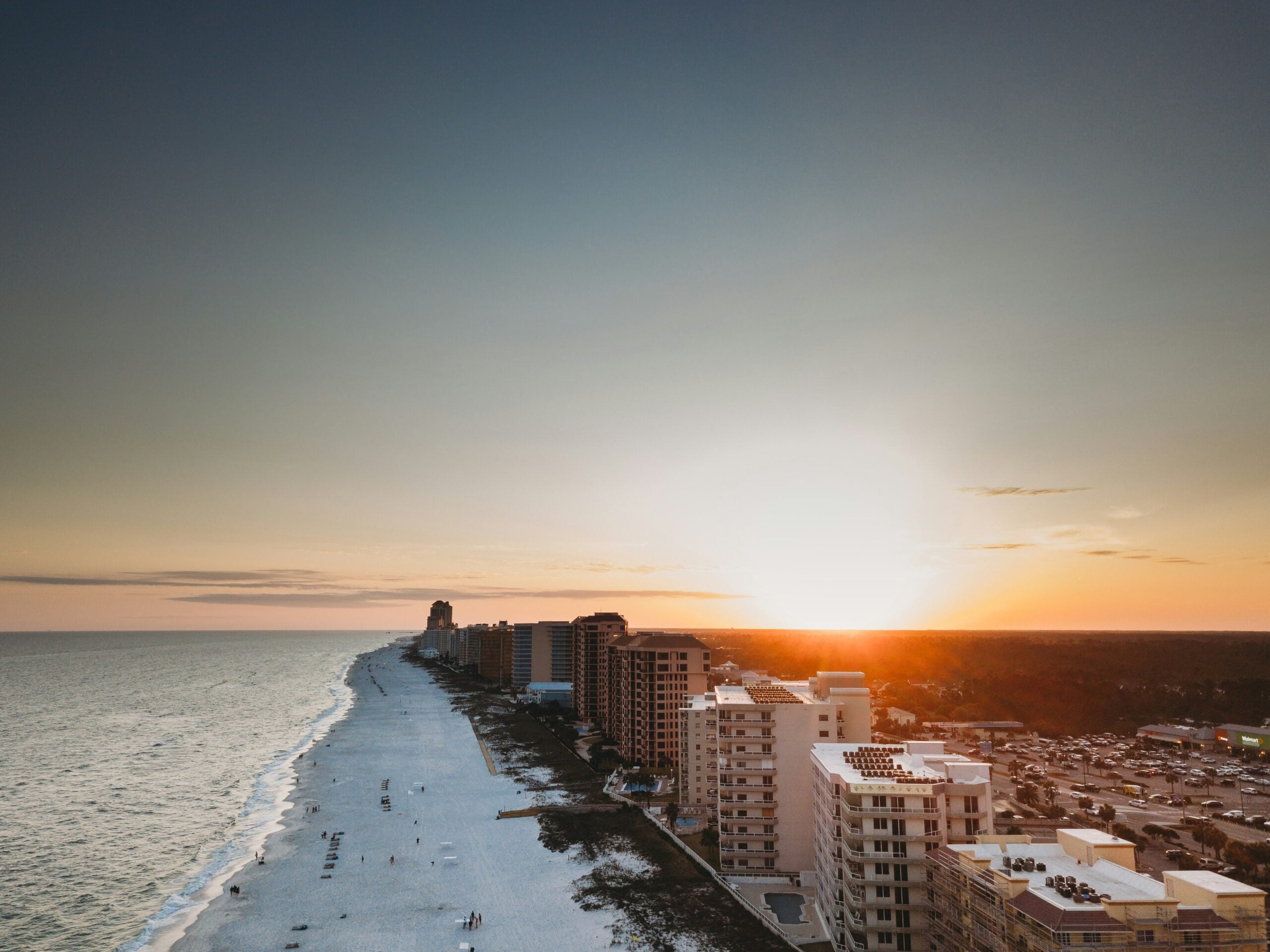
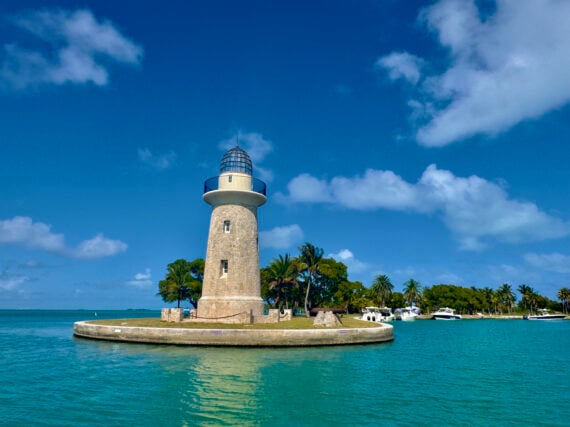
Bayou La Batre is not a polished beach resort; it is a shrimping, seafood processing, and shipbuilding town where seafood feels like work, not decoration. Alabama News Center calls it the Seafood Capital of Alabama, and local coverage regularly points readers toward fried shrimp, oysters, crab claws, po’boys, and seafood markets. The drawback, however, is that it’s more of a purposeful food stop than a full vacation town.
Morgan City, Louisiana
Morgan City is less tourist-polished than New Orleans, but that is part of the appeal. The town is tied to shrimping, the Atchafalaya, and the long-running Louisiana Shrimp and Petroleum Festival, which brings food vendors and local tradition together every Labor Day weekend. For readers who like seafood with a working-town feel, Morgan City offers shrimp baskets, po’boys, gumbo, and Cajun-style plates without the big-city markup.
Rockport, Texas
Rockport sits on the Texas Gulf Coast with the kind of seafood mix that makes a road trip feel easy: shrimp, oysters, crab, redfish, and casual boil-style meals. The Boiling Pot has the long-running, messy-table seafood-boil appeal, while dockside restaurants and newer oyster farming around nearby Copano Bay add more variety than many travelers expect. This is a practical town for fishing families, winter Texans, and anyone who prefers flip-flops to dress shoes.
Sign up for our newsletter
Astoria, Oregon
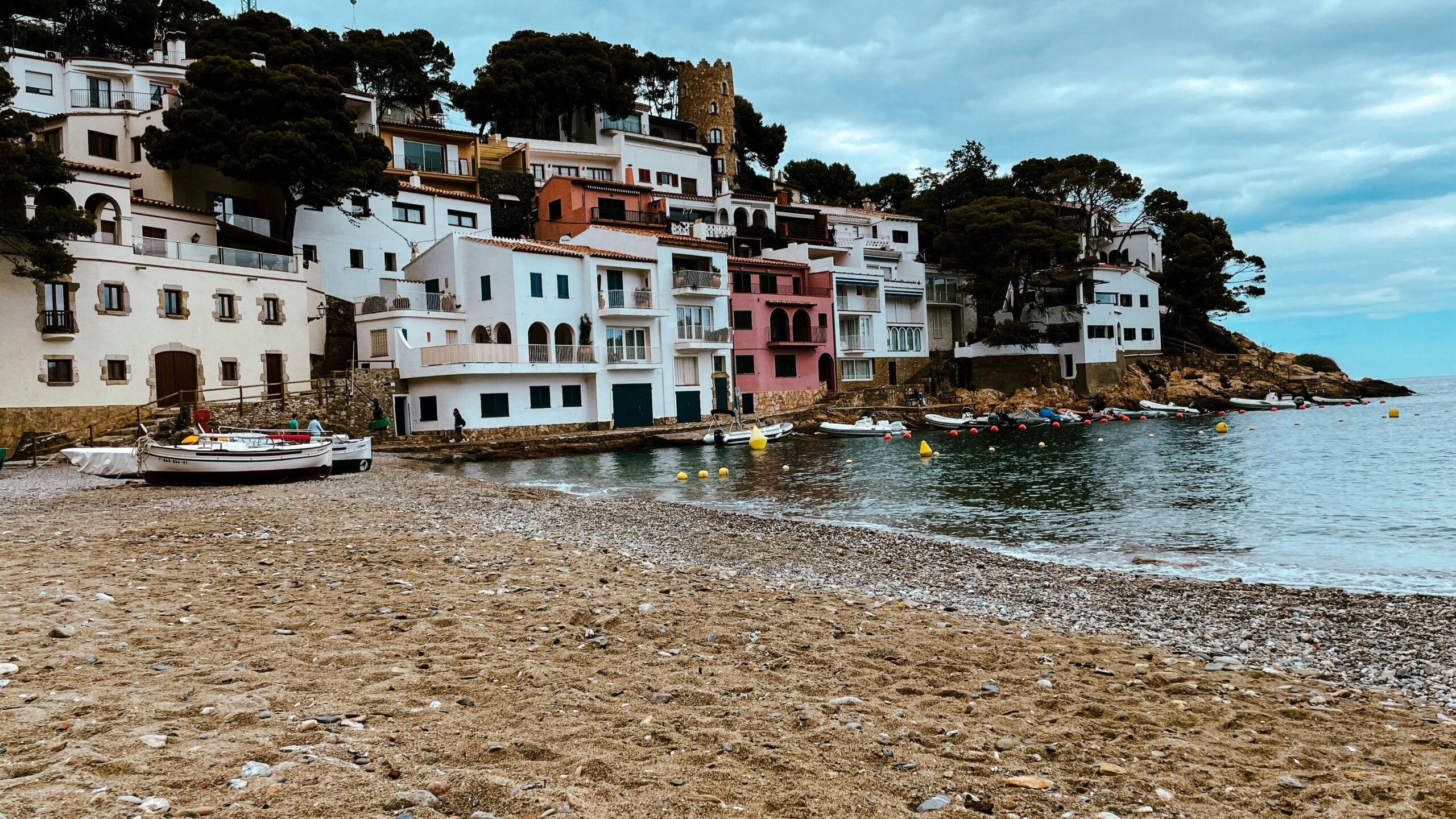
Astoria has a gray sky and a river meets ocean seafood mood that feels different from warmer beach towns. Dungeness crab, salmon, oysters, and fish-and-chips are the main reasons to eat here, and the Columbia River setting gives even a simple basket a sense of place. Oregon officials describe Dungeness crab as the state’s most valuable single-species commercial fishery, which helps explain why crab shows up so often on local menus.
Newport, Oregon
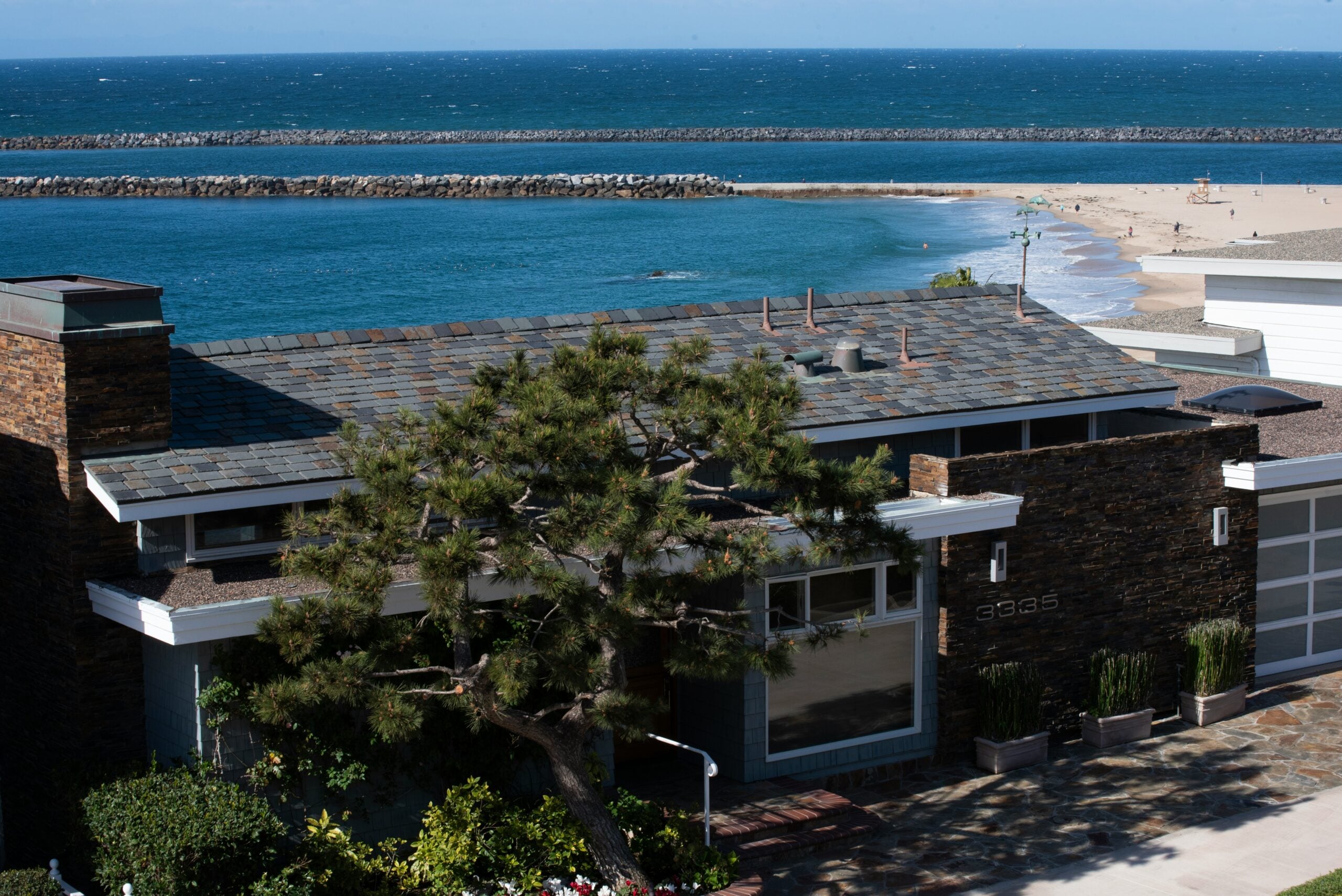
Newport is one of the clearest seafood towns on the Oregon Coast. The local tourism bureau calls it the Dungeness Crab Capital of the World, and its working docks, fish markets, and seafood restaurants make that feel less like a slogan and more like daily life. Local Ocean is often discussed by travelers for dockside seafood and fish market freshness, while cheaper crab and chowder options can be found nearby if you keep meals casual.
Bodega Bay, California
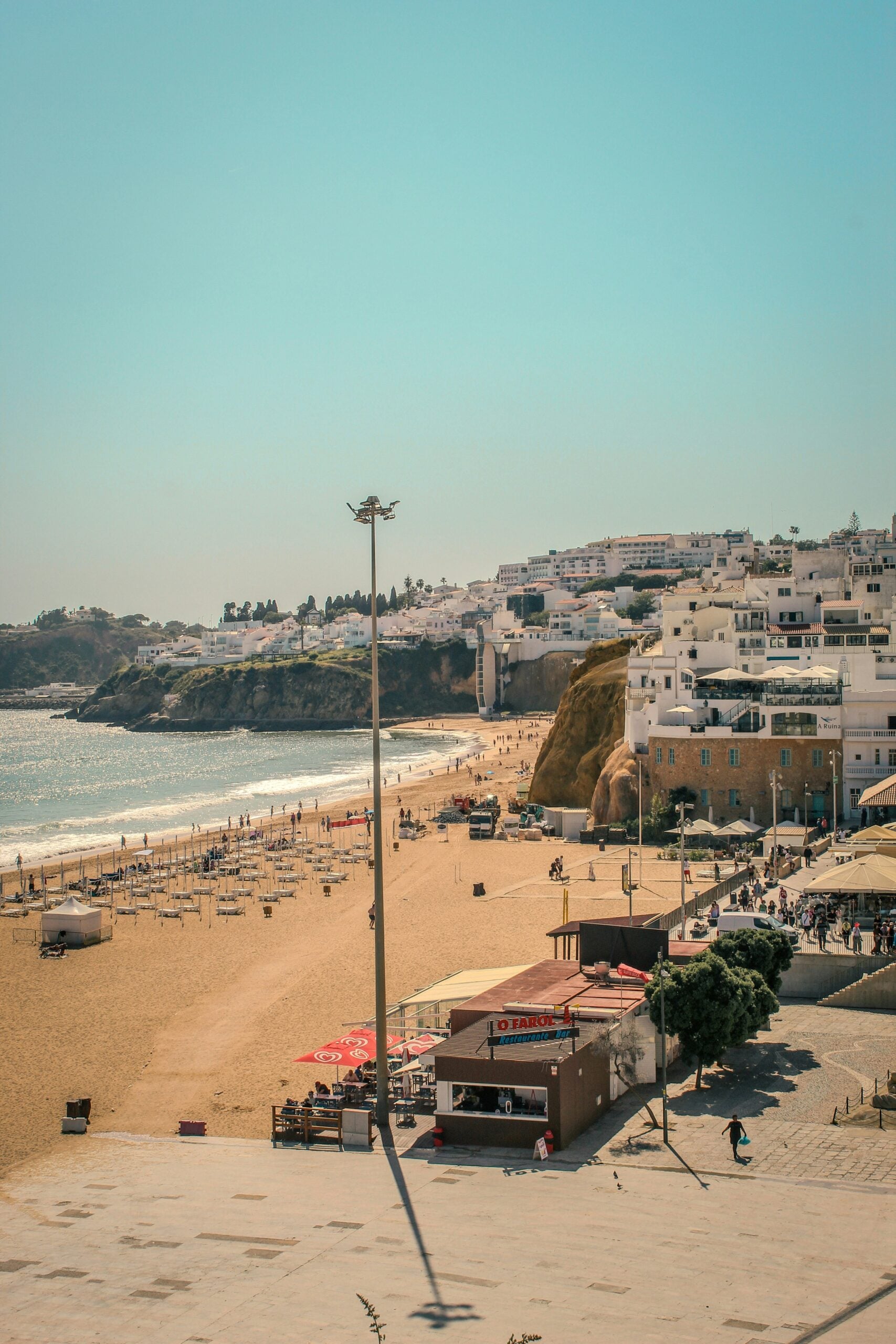
Bodega Bay is a strong California pick because it still has a working harbor feel, especially around Dungeness crab season. Spud Point Crab, Fisherman’s Cove, and other casual stops are the kind of places where chowder, crab sandwiches, oysters, and fish-and-chips matter more than table settings. Sonoma Magazine and travel review sources repeatedly point to crab sandwiches and oysters as local draws.
Morro Bay, California
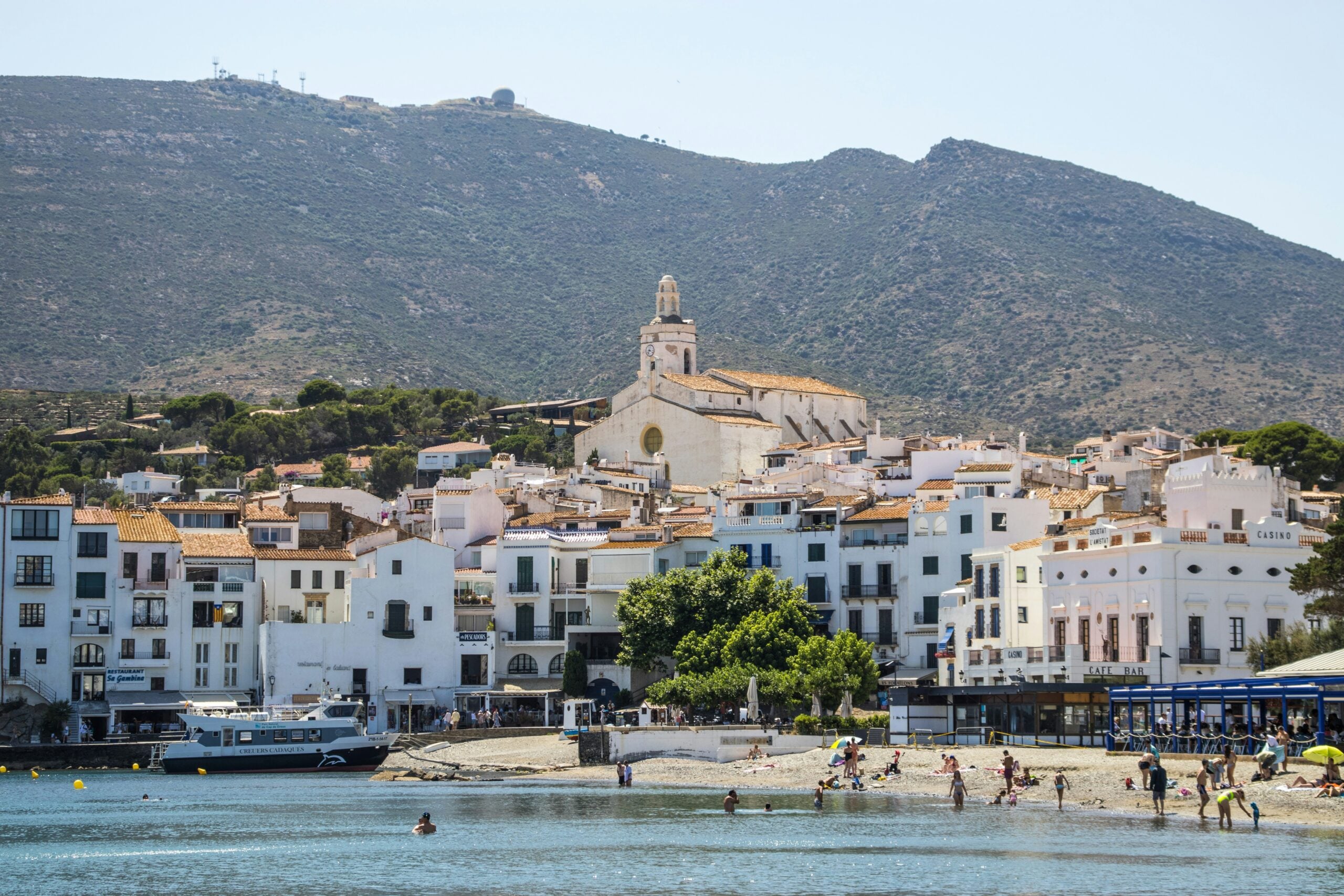
Morro Bay has one of the easiest seafood backdrops in the country: fishing boats, Morro Rock, and restaurants lined along the water. Oysters are the anchor here, with Morro Bay Oyster Company describing Pacific Gold oysters grown in the bay’s cold and nutrient rich water. Local tourism also points to a long aquaculture history and restaurants that serve Morro Bay oysters ready to eat.
Seward, Alaska
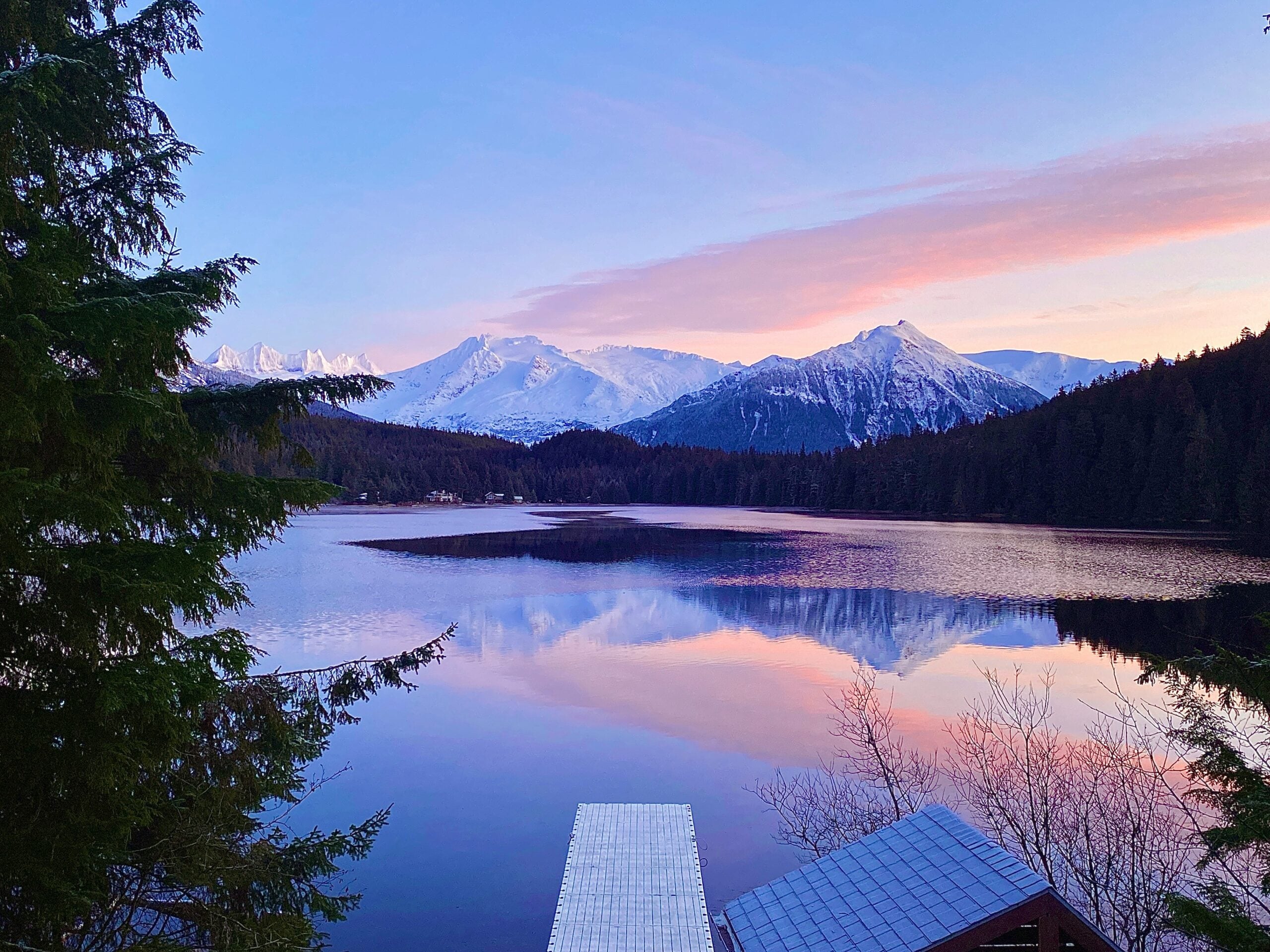
Seward is not a bargain town in the usual sense, but it can still be worth the money because the seafood is so closely tied to the place. Visit Seward lists salmon, halibut, rockfish, black cod, king crab, and spot prawns among local seafood options, and some restaurants will cook a visitor’s fresh catch. That is a memorable meal for travelers who plan around fishing, wildlife cruises, or the harbor.
Sitka, Alaska
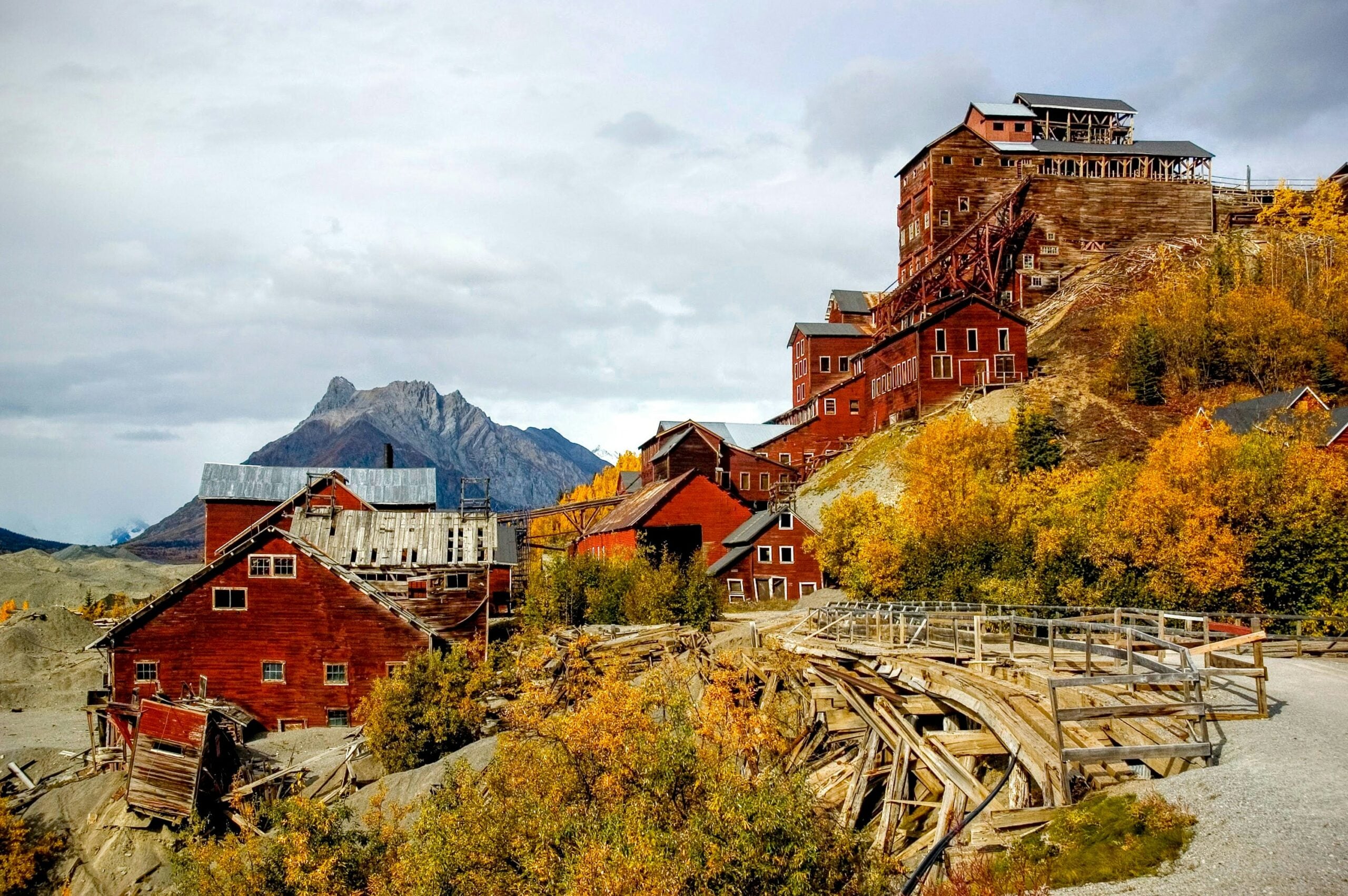
Sitka is the Alaska entry for people who care more about fishing culture than cruise-port fancy. Salmon, halibut, rockfish, lingcod, and black cod are part of the local food story, and NOAA’s Alaska landing reports show how important these fisheries are across the state. Sitka seafood companies and fishing lodges also emphasize wild salmon, halibut, and sablefish, which gives the town serious credibility.
Cape May, New Jersey
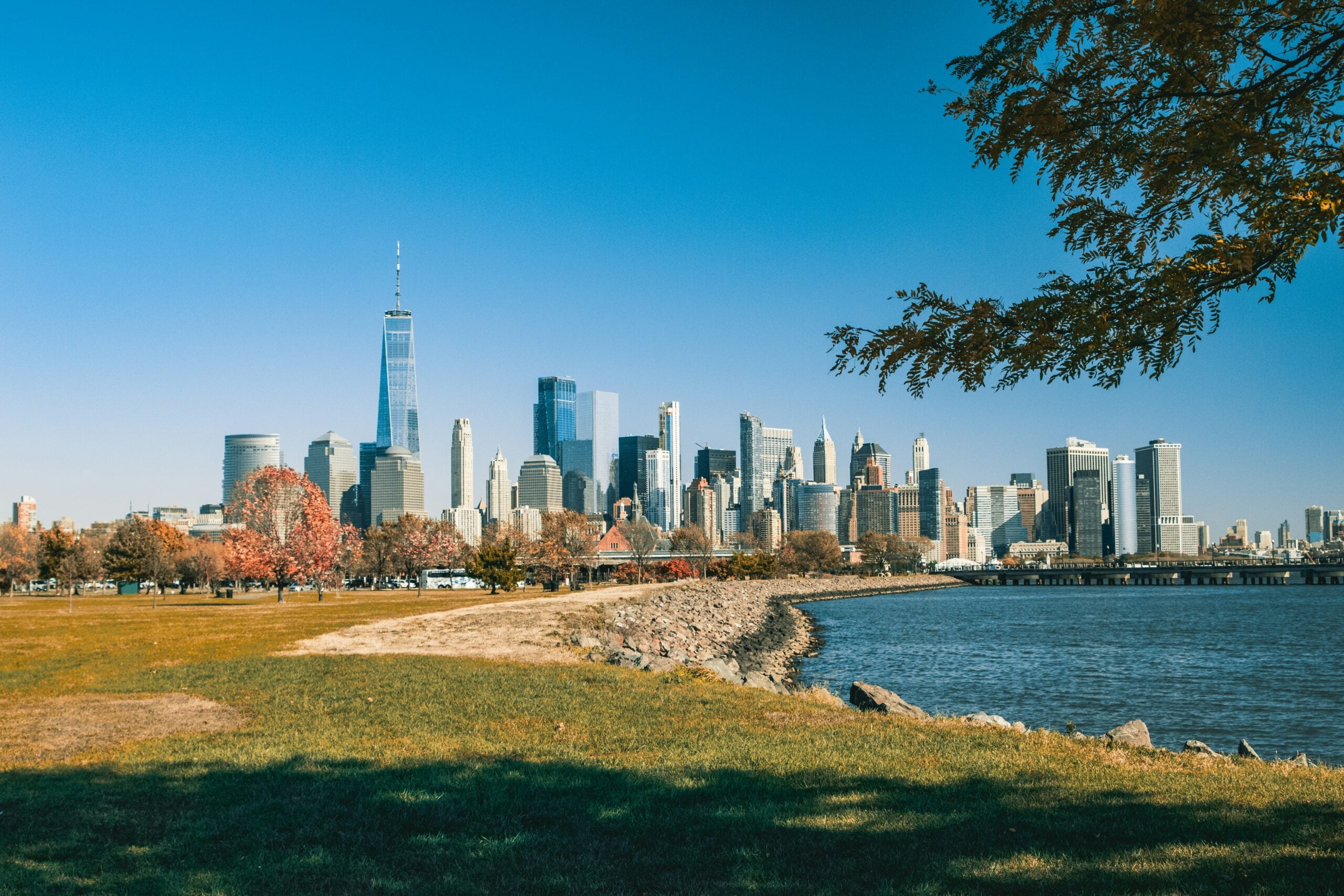
Cape May gives the list a Mid-Atlantic finish with more seafood substance than its postcard look suggests. Cape May County says the combined Cape May/Wildwood port is the largest commercial fishing port in New Jersey and lists scallops, summer flounder, black sea bass, surf clams, ocean quahogs, lobster, and monkfish among important species. That makes local seafood more than a beach town menu theme.
A good seafood town does not have to be perfect. In fact, the best ones usually are not. They have crowded docks, seasonal menus, weather problems, and prices that move with the market. But they also have something a chain restaurant cannot copy: a direct connection to the water.