Backyard pools seem like an ultra-convenient way to cool off and welcome friends — certainly less of a schlep than going to the beach or to a community pool. Think twice, though: Despite all their warm-weather appeal, pools have some serious downsides that may not be readily apparent when the temperature (and pool temptations) are high.
Here are 20 reasons not to put in a backyard pool before you take the plunge.
It’s Expensive to Install
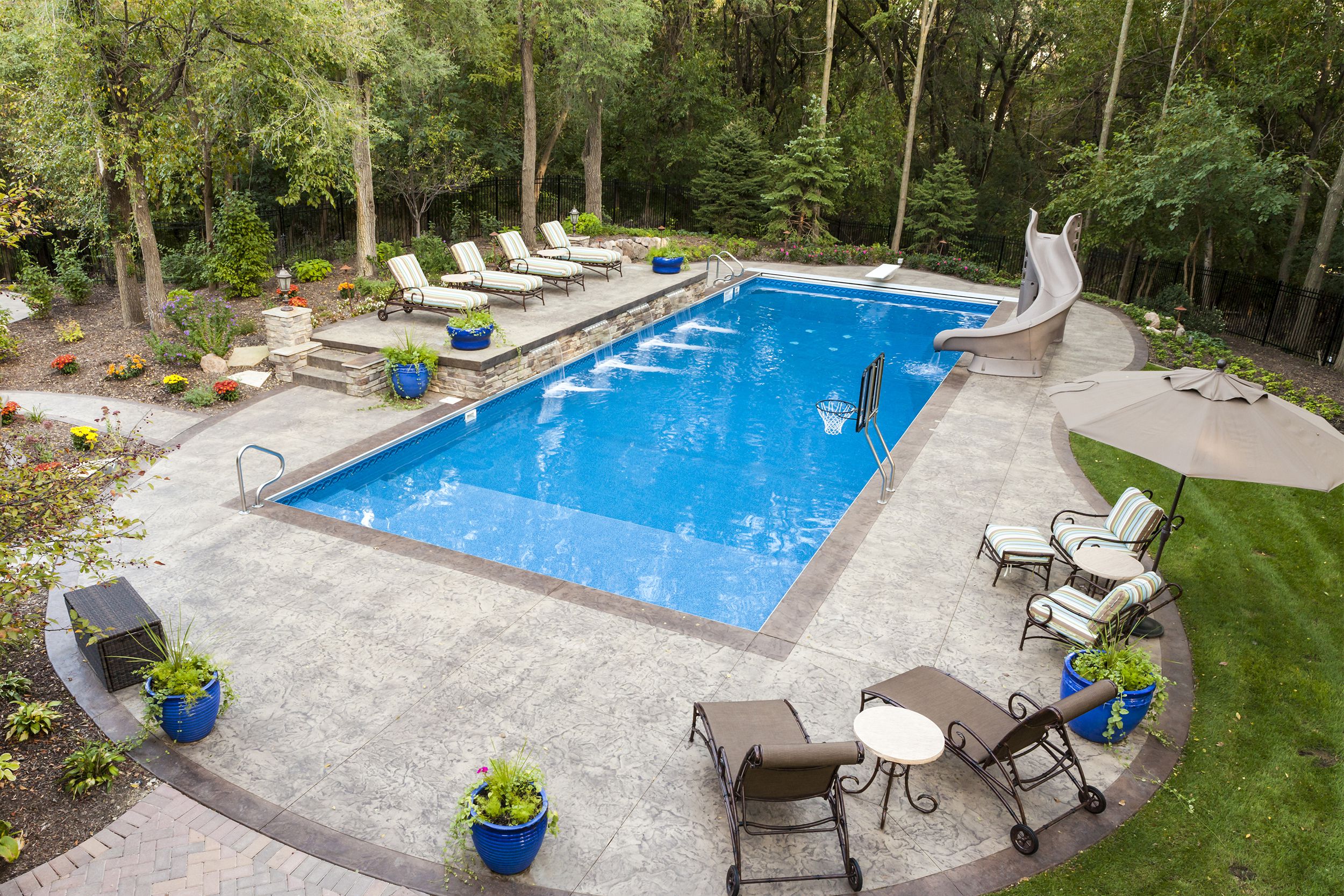
The most obvious reason to forgo a pool? Big-time sticker shock. Installing an in-ground pool costs more than $65,909 on average, according to HomeAdvisor.
An above-ground pool is significantly less expensive, clocking in anywhere from $800 to $4,500 to install and around $5,000 to build — still not chump change for most homeowners.
There Are Other Hidden Costs
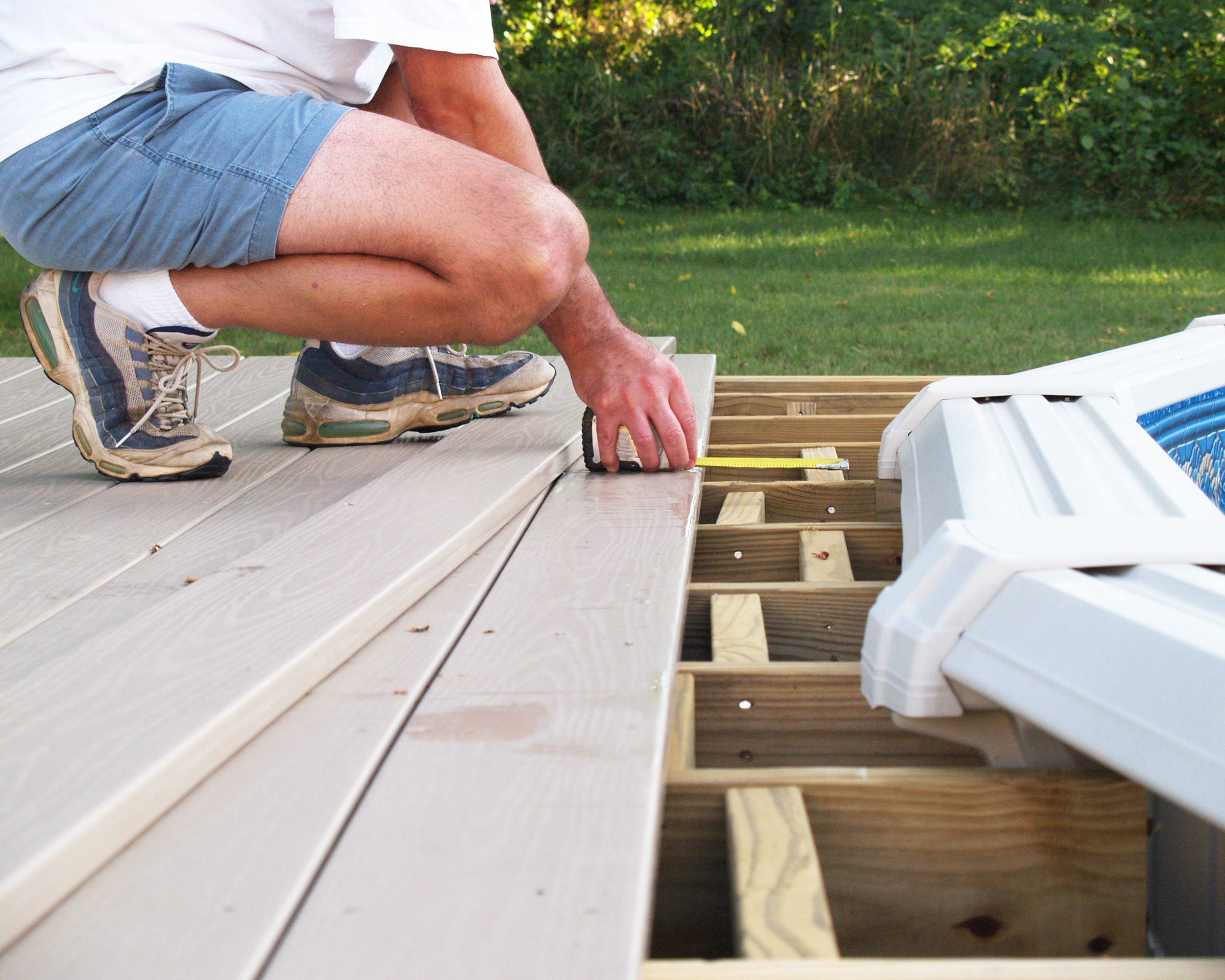
The pool is expensive enough, but the quote may not include related costs. Will a retaining wall or other costly landscaping be needed? Will there be a deck for an above-ground pool or a concrete patio for an in-ground pool?
What about fancy lighting? And don’t forget all those fun accessories: diving boards, slides, pool floats — they add up.
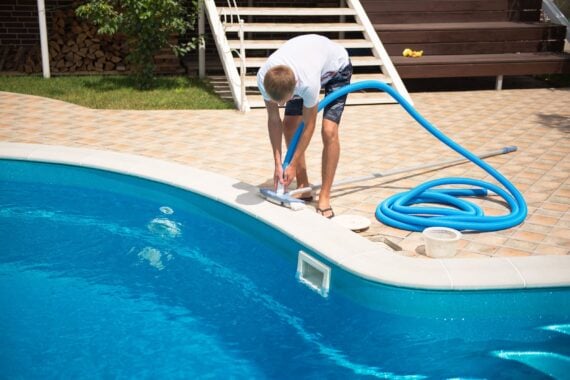
It’s Pricey to Maintain …
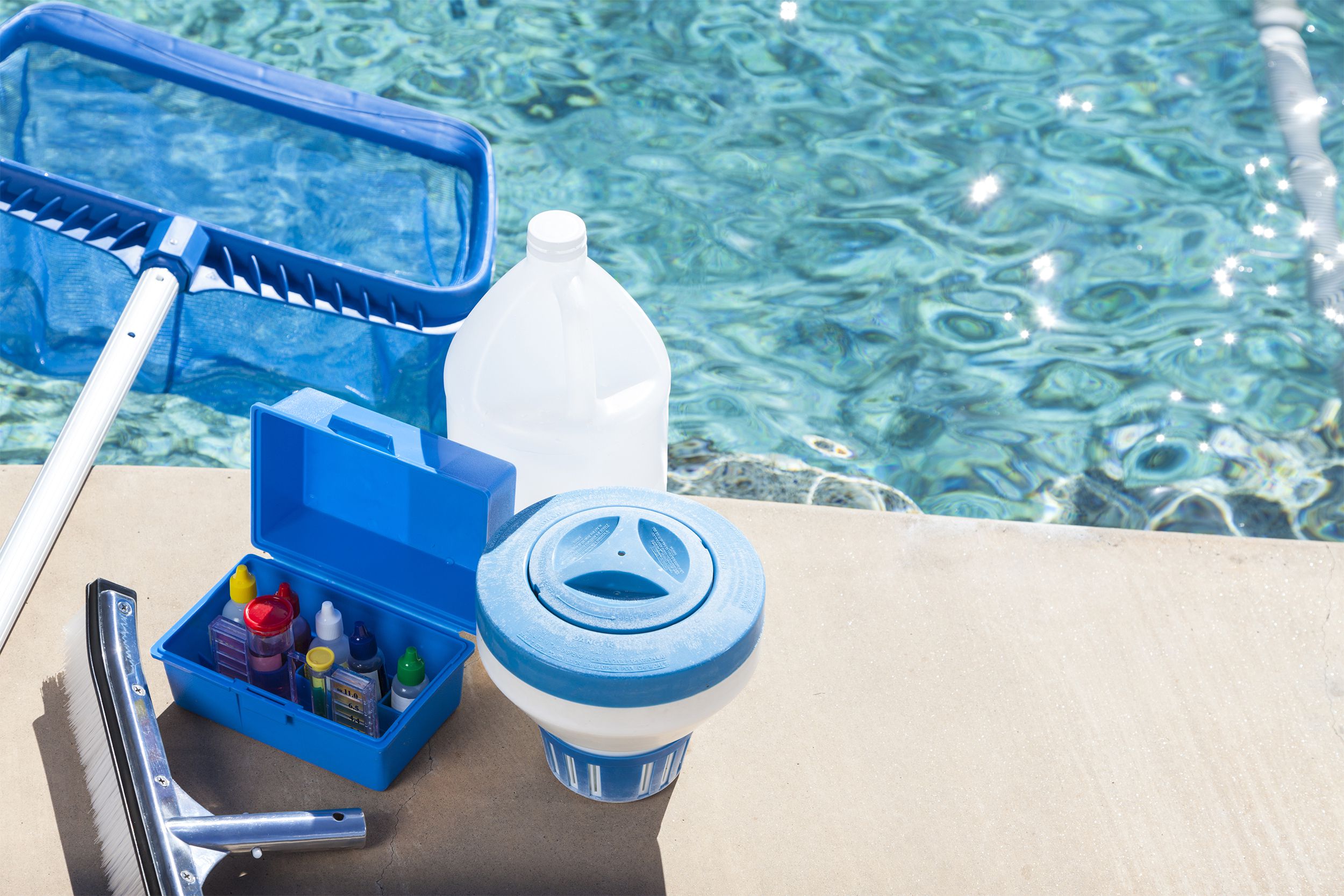
The expenses don’t end once installation is over. HomeAdvisor estimates an average $115 a month going to pool maintenance, though that figure is skewed by pool owners who use professional services. Still, DIY maintenance isn’t cheap, either: You’ll have to pony up for supplies including a skimmer, chlorine, a pH kit, a pool vacuum, filters, and a quality pool cover, ranging from $30 to upward of $10,000 for a mechanical model.
… and Time-Consuming, Too
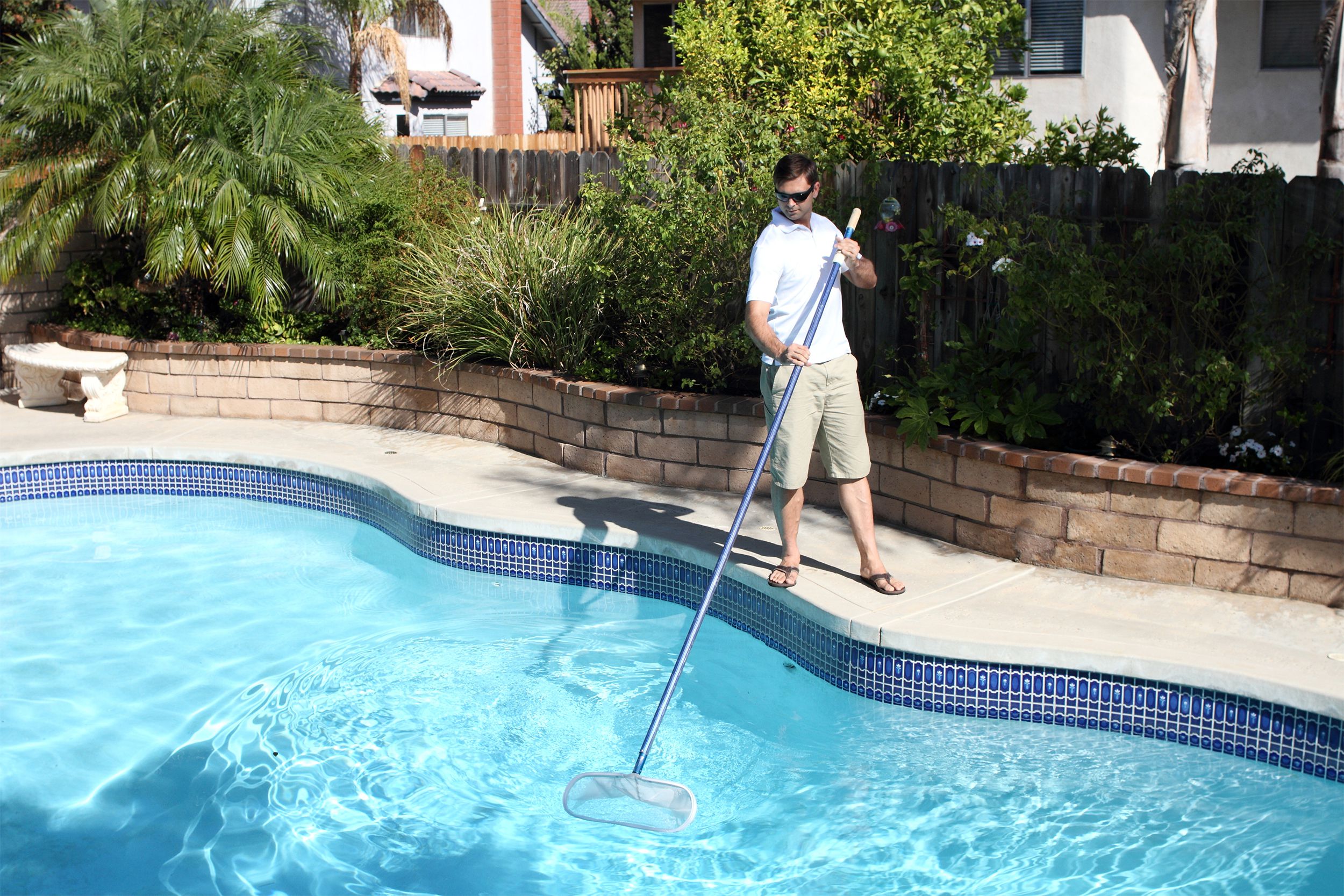
Do-it-yourselfers should remember that they may save on labor costs but are still paying with their time. A pool owner can spend five to 10 hours a week maintaining a pool with skimming debris, making sure pool chemicals are in balance, and so on, according to a Money Crashers article.
Repairs Are Costly
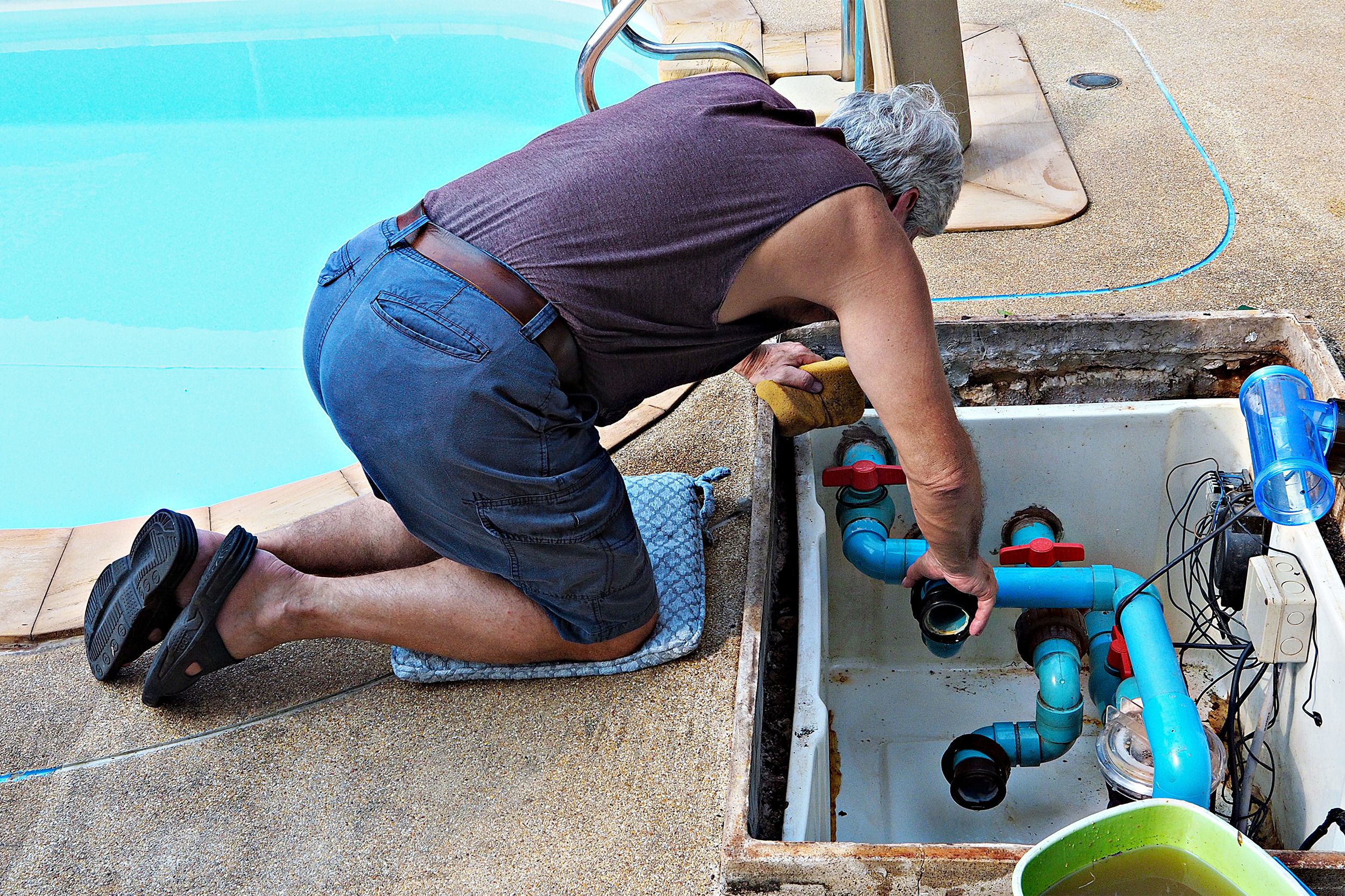
One-time pool repairs outside a maintenance budget can be a real wallet-buster, experts tell Angi. A busted pool pump motor can be around $800 to replace.
Resurfacing a leaking pool starts around $6,000, while replacing a vinyl lining starts around $3,000. A new pool filter may cost around $600.
Trending on Cheapism

Pools Pose a Safety Risk …

About 4,000 Americans die from unintentional drowning each year — roughly 11 people per day — and young children are at the greatest risk. For kids ages 1 to 4, drowning is the leading cause of unintentional injury death, with most incidents happening in residential swimming pools. More than half of all drownings occur in pools, underscoring the need for strong safety measures and close supervision. And it’s not just kids at risk — pets can also drown or become sick from drinking chemically treated pool water, making vigilance essential for the whole family.
… But Keeping Them Safe Is Expensive
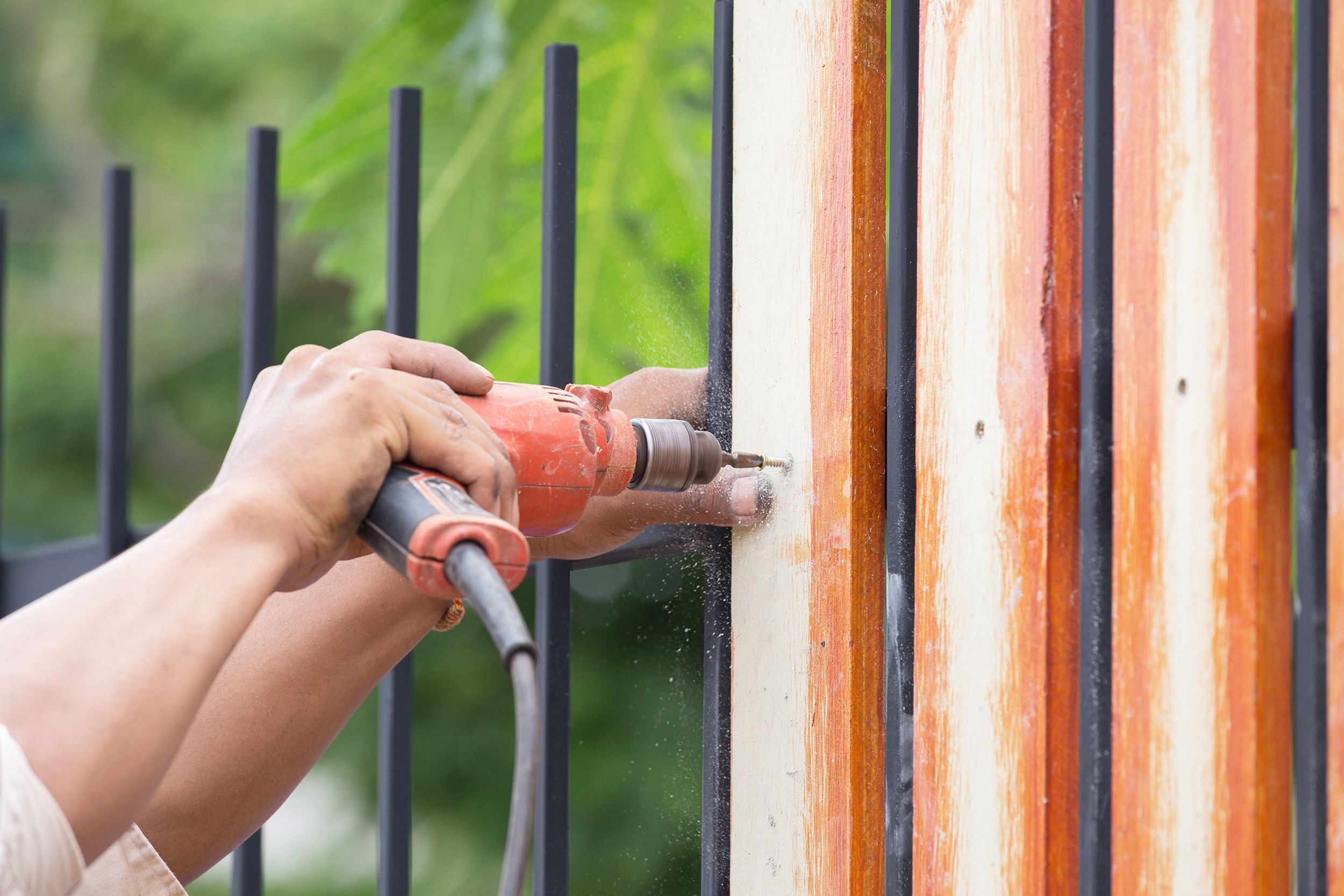
Many cities and counties won’t allow a pool to be installed unless it’s fenced in. Home insurers may also require it. But pool fences start at well over $1,000, and parents of young kids should also seriously consider a pool alarm that will sound if someone enters the pool or opens a pool gate when they shouldn’t. These start around $45 on Amazon and top out around $500.
You’ll Need More Liability Insurance …
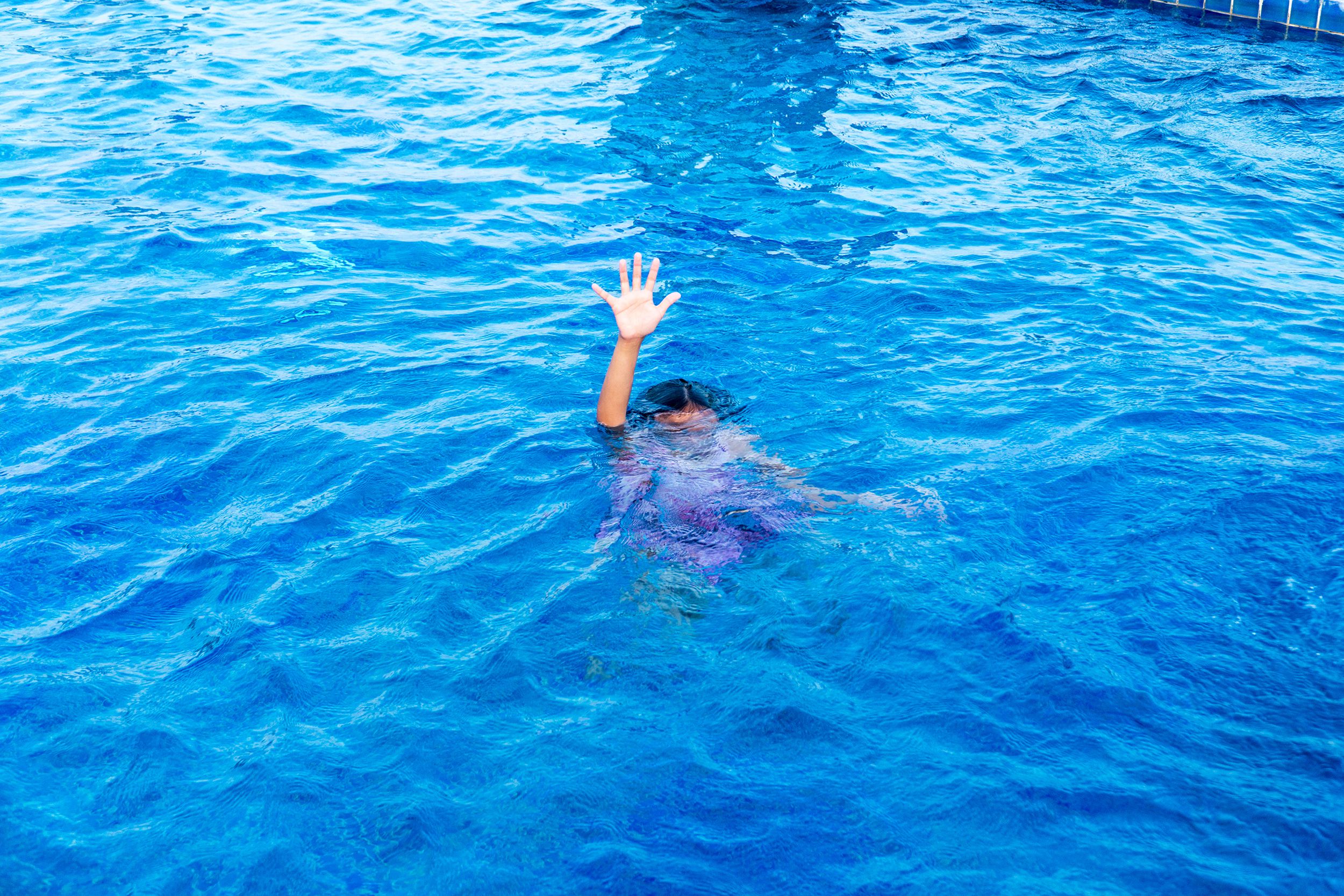
Pools are legally considered an “attractive nuisance,” meaning you could be held liable if someone is injured or killed on your property because of the pool. Because of that higher risk, many insurance companies require higher liability coverage for homes with pools and may only provide coverage if you notify them and meet safety requirements like a fenced enclosure.
Most standard policies cover pools under homeowners insurance, but experts recommend increasing your liability limits — often to $300,000–$500,000 or more — and some homeowners add an umbrella policy to reach $1 million in protection to guard against costly claims. It’s also important to talk with your insurer about how your pool could affect coverage and premiums so you’re fully protected before the season starts.
Sign up for our newsletter
… and Structural Insurance, Too
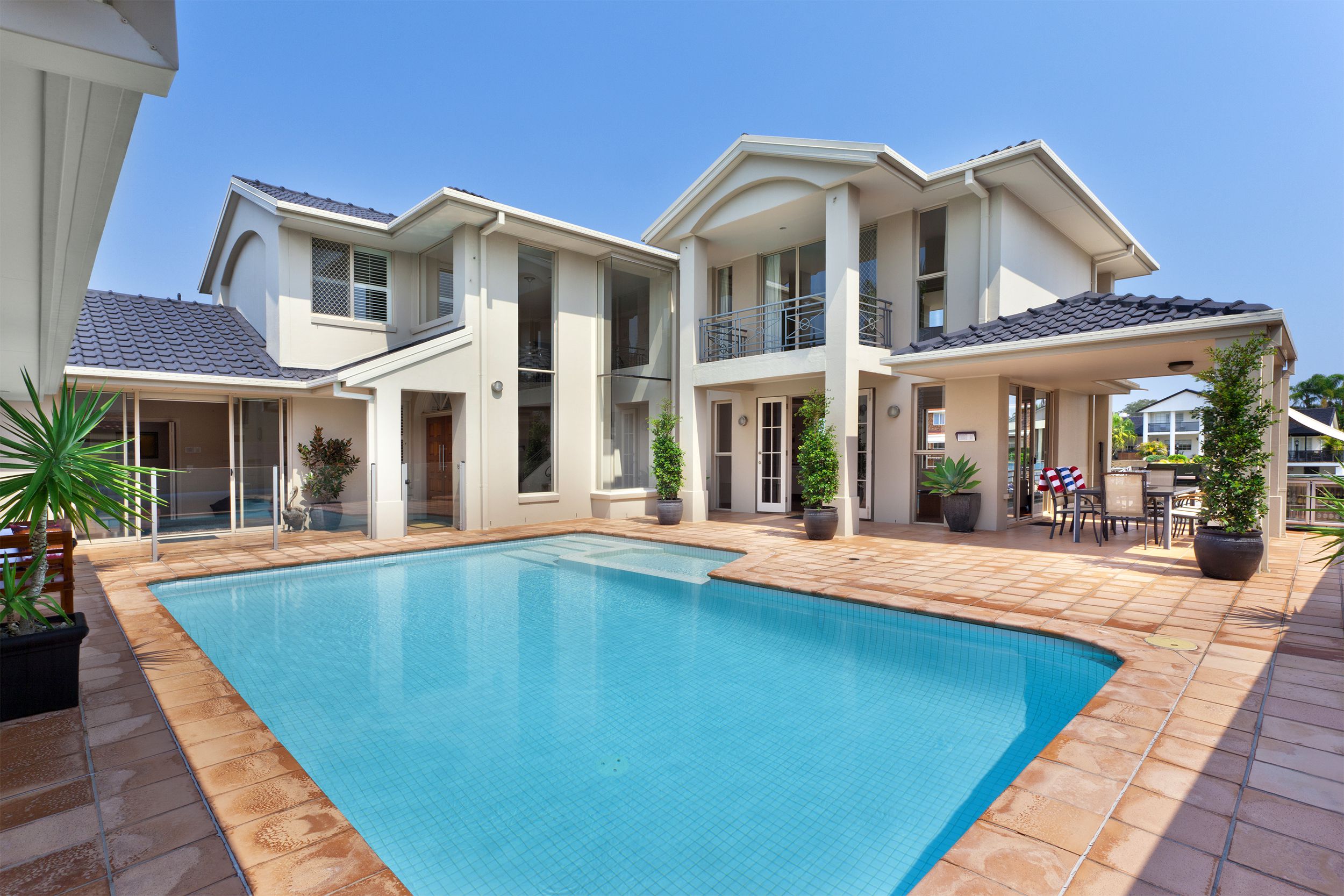
An in-ground pool is an investment, so don’t forget to protect it by increasing your “other structures” coverage. Most policies include this coverage up to 10 percent of a home’s value — if that’s not enough, each additional $1,000 in coverage may bump up a premium about $5. Above-ground pools may fall under personal property coverage, but make sure there are no pool-specific claim limits.
Pools Are Polarizing …

Who wouldn’t want a pool? Surely it will make the house an easy sell, you may think. Not so fast, real estate agents warn. While there are some people who find a pool appealing, other would-be buyers won’t want the headaches that come with it, especially if they have small kids. Getting rid of a pool isn’t exactly cheap, either: It could take $10,000 or more to make a typical in-ground pool disappear.
… and You Won’t Get All the Money Back
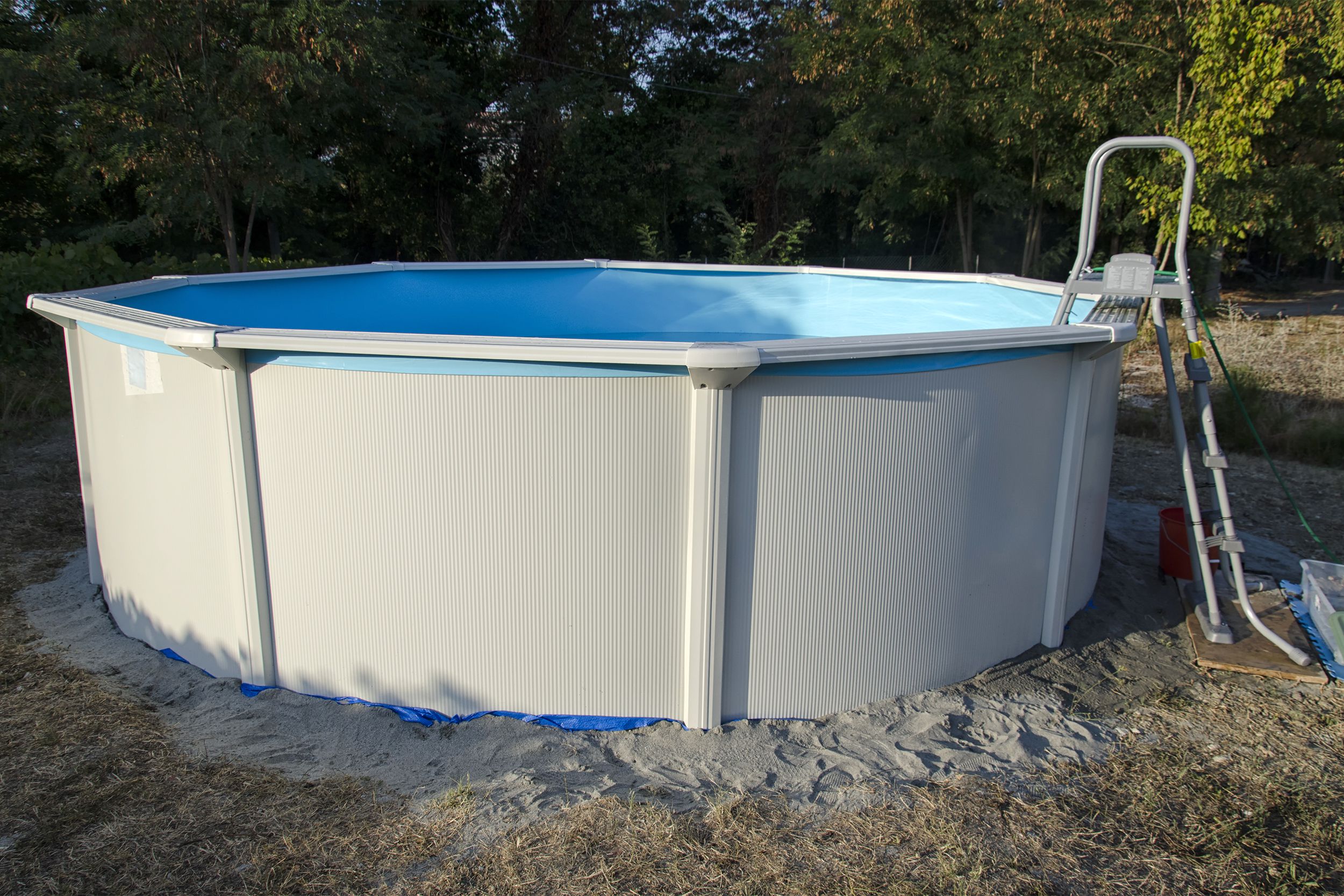
Pools are not kitchens: Spending big on one doesn’t mean getting the money back when it’s time to sell. Half the investment might be recouped on an in-ground pool, but only in very warm climates that boast good swimming weather most of the year, Money Crashers says. An above-ground pool may even cost money when it’s time to sell, as many buyers consider them an eyesore.
Pools Are a Critter Haven
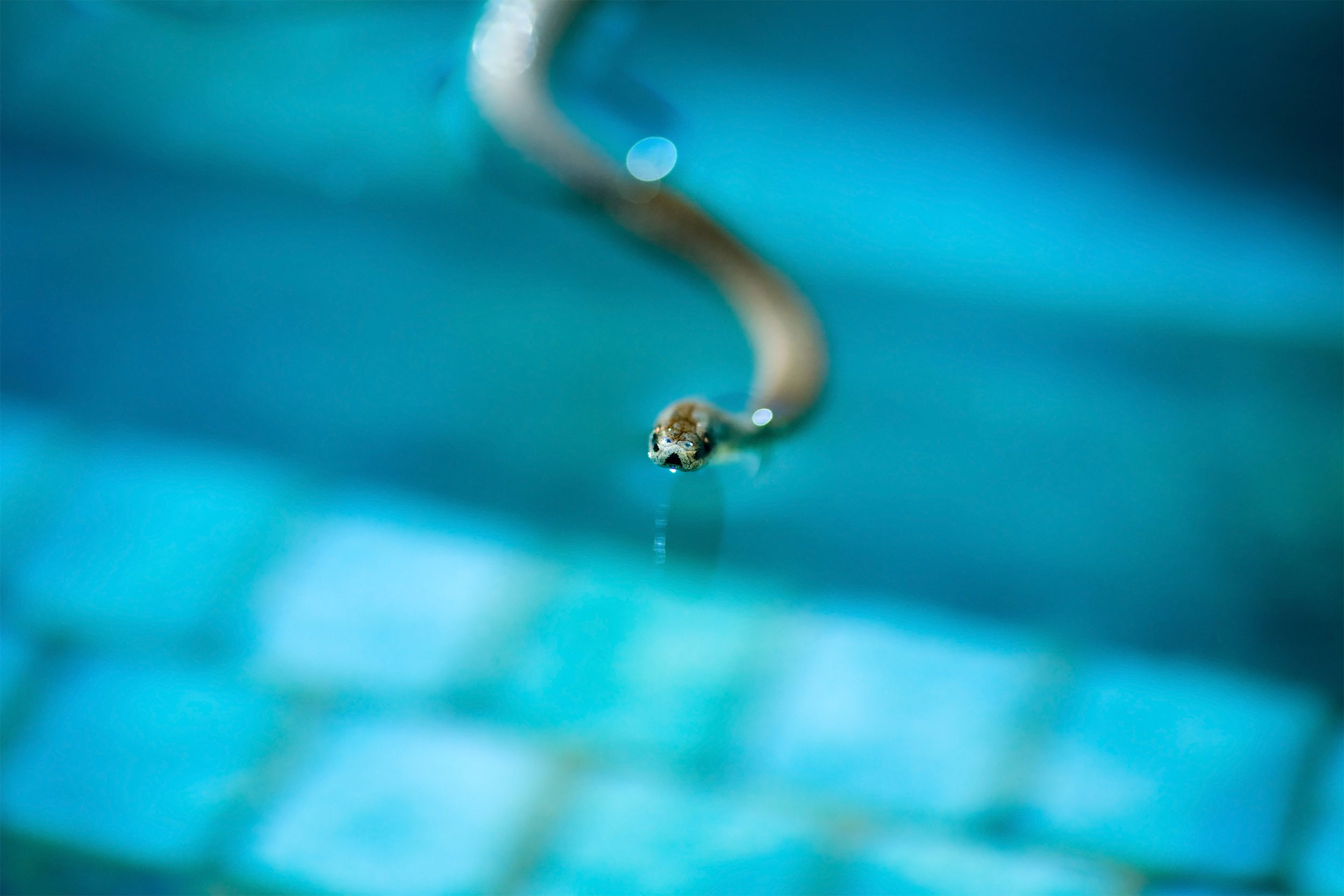
If you’re not a wildlife lover, be forewarned: Animals love pools. Some of the most common visitors include frogs, snakes, ducks, and geese; you may even find alligators if you live down south. The CDC warns pool owners to keep a close watch for raccoons, which can harbor a parasite that can cause a serious neurological illness in humans.
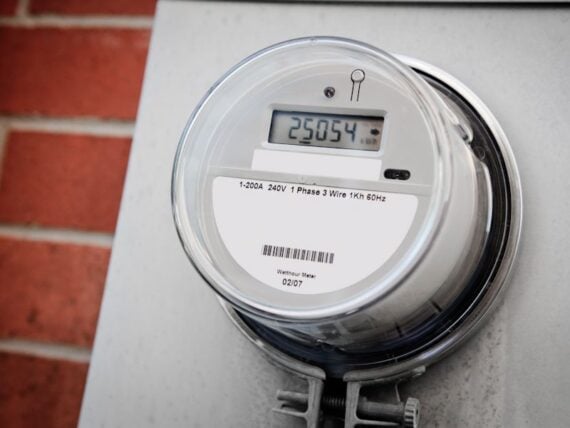
The Electricity Bill May Soar …
Pool pumps are one of the biggest energy users in most homes, and running them can add about $30 to $150 per month to your electric bill depending on the type of pump, how long it runs, and local utility rates. On average, a pool can boost your electricity costs around $50 a month, but that can climb as high as $300 in some cases when older or less efficient equipment is used. Choosing a variable-speed pump — which adjusts its power based on need — can cut your energy use significantly and often pays for itself in savings within a couple of years, even though it costs more upfront than a basic single-speed model.
… and the Water Bill, Too
Water itself is relatively inexpensive, but the real expense comes from combined water and sewer charges when you fill or top off a pool. Depending on the size of your pool and local utility rates, filling it can add $100 to $400 (or more) to your monthly bill, since you might use tens of thousands of extra gallons beyond your household’s normal usage. In some areas, that spike can be a noticeable jump over a typical month’s cost, especially where sewer is billed on total water usage. Because rates have continued rising since the last major surveys, many pool owners now see even steeper increases when refilling or topping up their water levels.
It’s Not Exactly ‘Green’
If you’re concerned about living an eco-friendly life, getting a pool probably isn’t the best move. Increased electricity and water use not only affect a utility bill, but the environment, too. Researchers have found that environmental impacts are much greater in warmer, more arid climates where pools are likely to get greater use.
It Can’t Be Used Year-Round
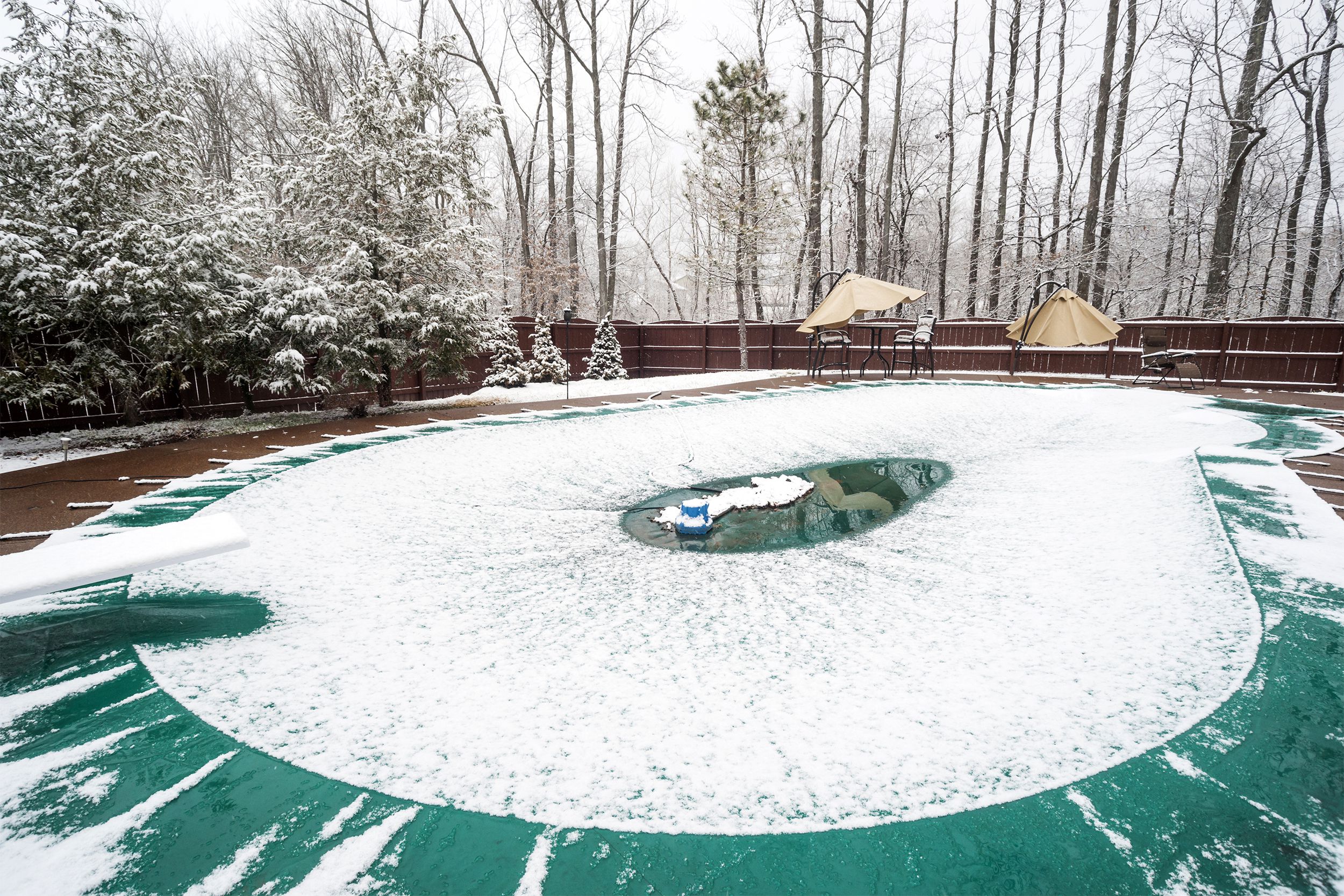
Experts recommend opening a backyard pool when the temperature makes it consistently past 70 each day. For much of the country, that means it’s only reliably warm enough to enjoy a pool for about five months out of the year — typically May through September. For some northern parts, the swimming season is really only three months long.
It May Not Even Be Allowed
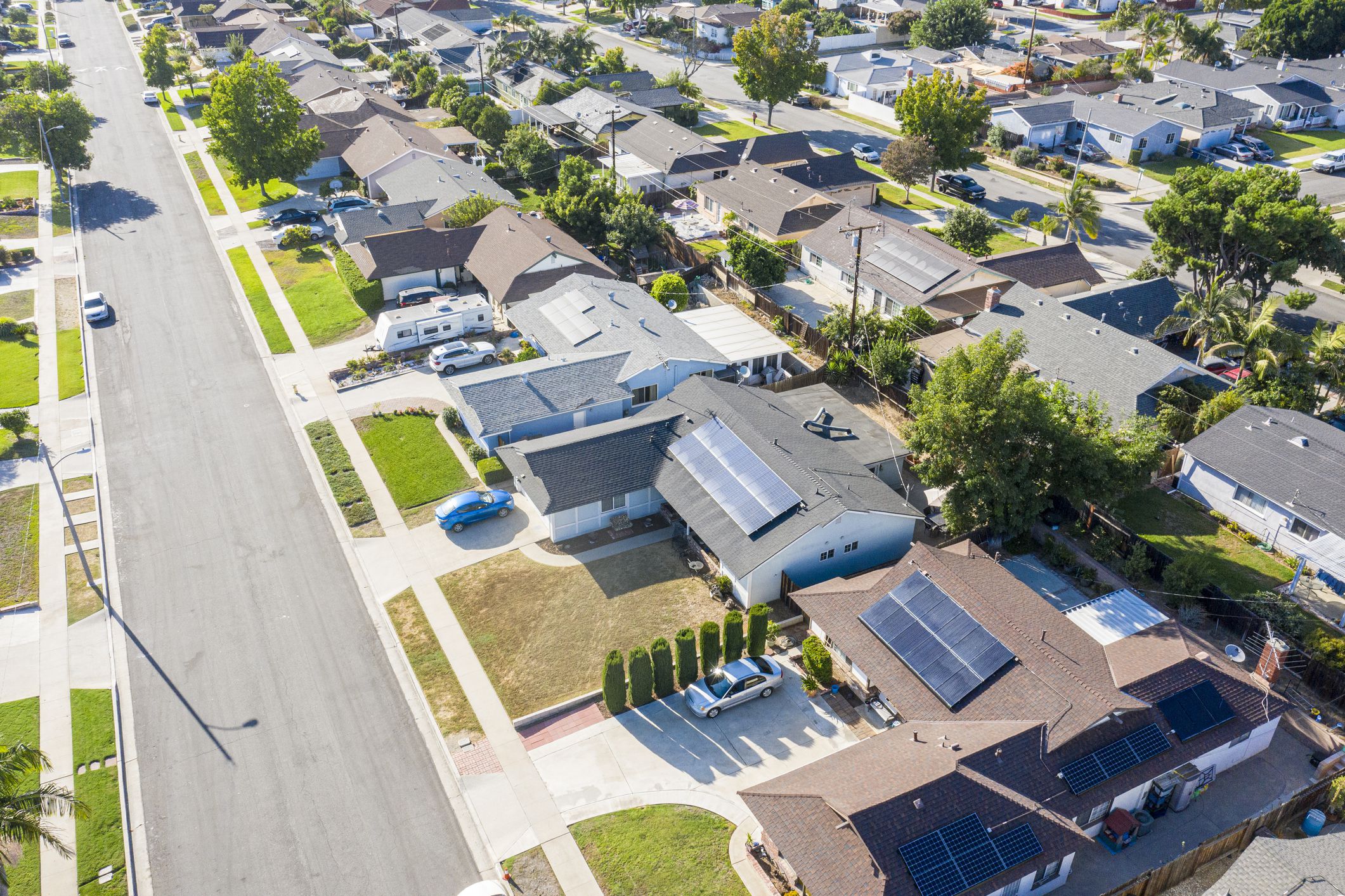
Do you live in a neighborhood with a homeowners association? Better check the rules before giving in to pool dreams. Above-ground pools are commonly prohibited, and associations may still restrict homeowners on the kinds of in-ground pools they can install.
It Eats Up Valuable Yard Space

Do you need grass for pets or kids to romp? Consider whether you’ll have enough yard space for anything else once a pool is installed. In-ground pools begin around 10 by 20 feet, while the smallest above-ground pools are about 12 feet round. You’ll also need to account for patio space or local rules requiring pools be a certain distance from homes and property lines.
Pools Can Make You Sick

A backyard pool may seem safer than a public pool when it comes to spreading illnesses, but a private paradise isn’t immune from germs. According to the CDC, diarrhea is the most common recreational water illness; rashes, ear infections, and respiratory issues are also common. Properly chlorinated water can take care of most germs in an hour, but the CDC says others can survive for days.
You May Attract Unwanted Guests

A lovely pool can make a home suddenly attractive as a new hangout. While a planned pool party could be a great time, a pool may also mean family members, friends, and neighbors turning up to cool off without an invitation. It’s best to set ground rules to minimize these awkward situations.
More From Cheapism

- If You’re Carrying Any of These 10 Financial Documents Around, You’re Asking for Trouble — Before you leave home with your wallet or purse, check it for sensitive paperwork you should definitely store securely at home instead, or you could be inviting identity theft.
- 11 Frugal Habits That Really Just Aren’t Worth the Trouble — Some thrifty money-saving tactics aren’t saving you much at all, and this list breaks down the common frugal habits that might actually be costing you time, sanity, or money.
- Sneaky Dealer Fees You Can Refuse When Buying a Car — Car dealerships try to sneak in add-ons and bogus charges — this article shows which fees you can confidently push back on to avoid overpaying.