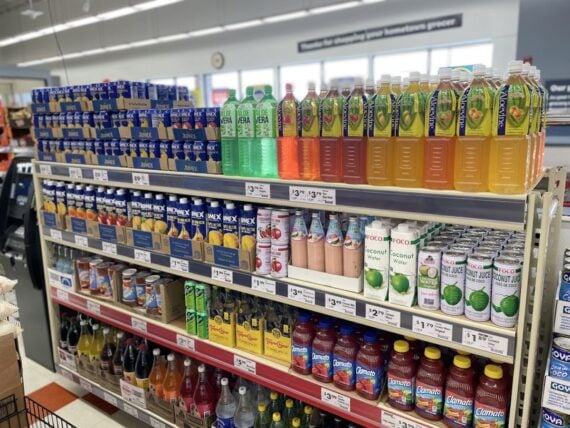
Convenience is powerful. When you’re thirsty and on the go, grabbing a chilled bottle from the cooler feels quick, easy — even harmless. But many of those impulse buys are actually bottled drinks not worth the money. After all, it’s just a drink. Yet those small, spur-of-the-moment purchases can quietly add up, especially when you consider how inexpensive many of these beverages are to make at home.
From trendy wellness sips to everyday staples, some of the most common bottled drinks come with surprisingly steep markups. Before you spend $5, $8, or even $12 on your next sip, take a closer look at these bottled drinks that simply aren’t worth the premium price.
Bottled Cold Brew Coffee
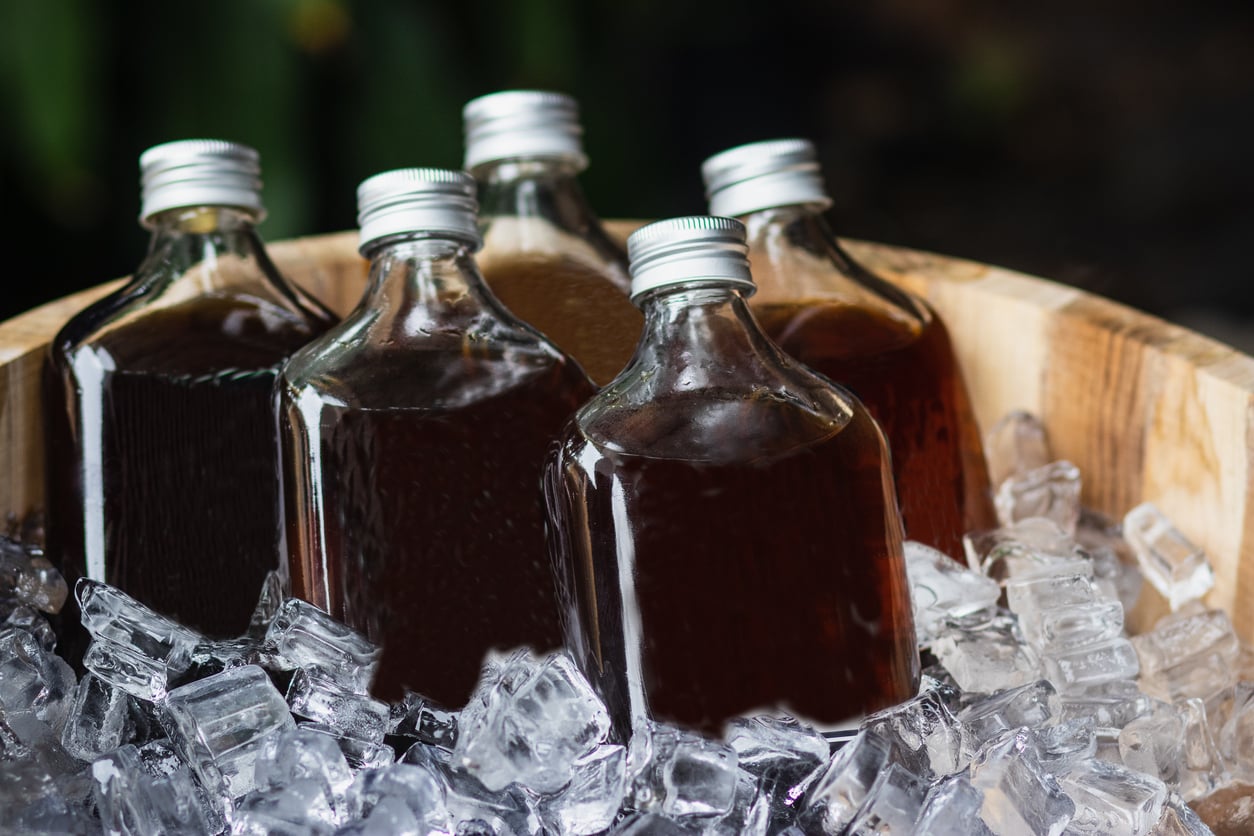
Typical price: $4–$6 per bottle
Cold brew might feel fancy, but it’s basically coffee grounds steeped in cold water for 12–24 hours. That’s it.
You can make a week’s worth at home with regular ground coffee for less than $1 per serving — sometimes closer to 50 cents. Even factoring in decent beans, homemade cold brew costs a fraction of what brands charge for a single bottle.
The truth is, you’re mostly paying for packaging and branding.
Bottled Smoothies
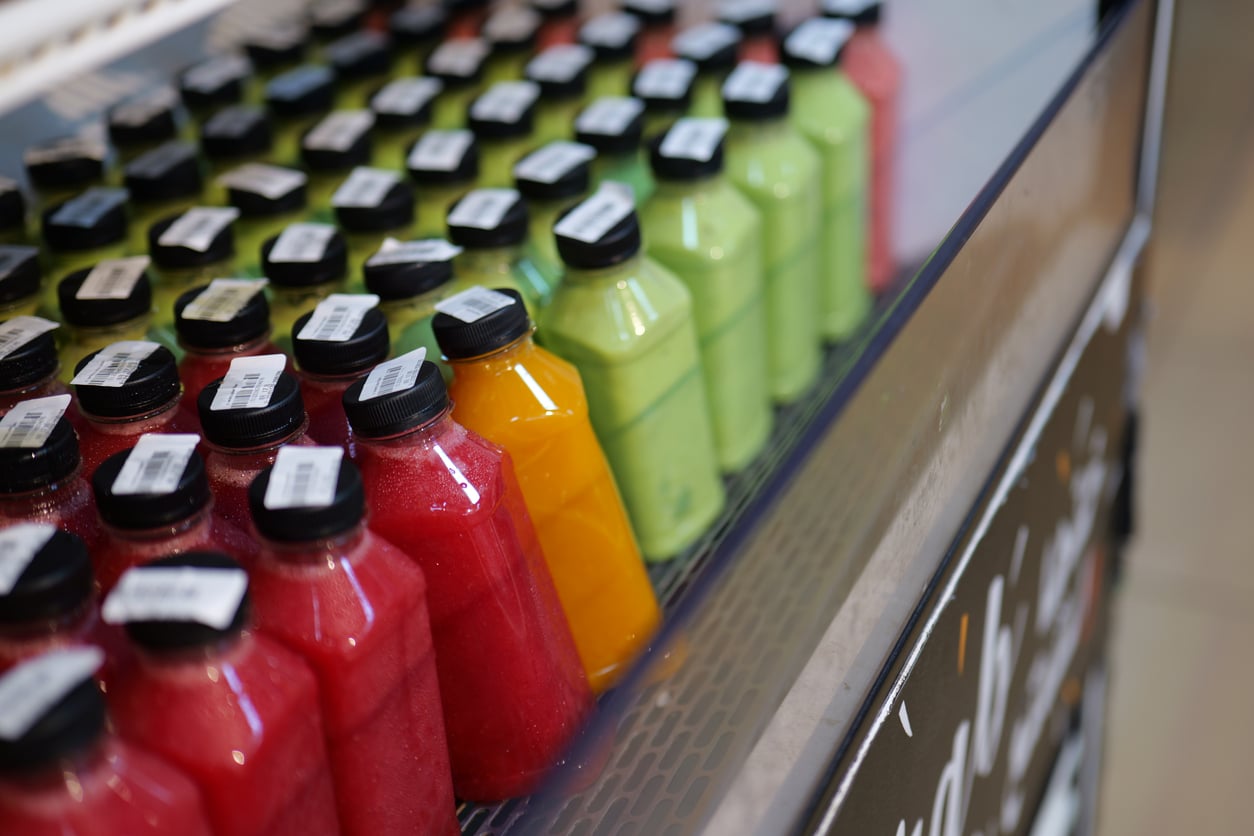
Typical price: $7–$9 per bottle
Many bottled smoothies are marketed as “superfood” blends, but check the label and you’ll often find fruit juice concentrates, purees, and added sugars.
For $8, you could buy:
- A bag of frozen fruit
- Bananas
- Yogurt or protein powder
That’s enough to make multiple smoothies at home — fresher and customizable — for far less per serving.
Green Juice Cleanses
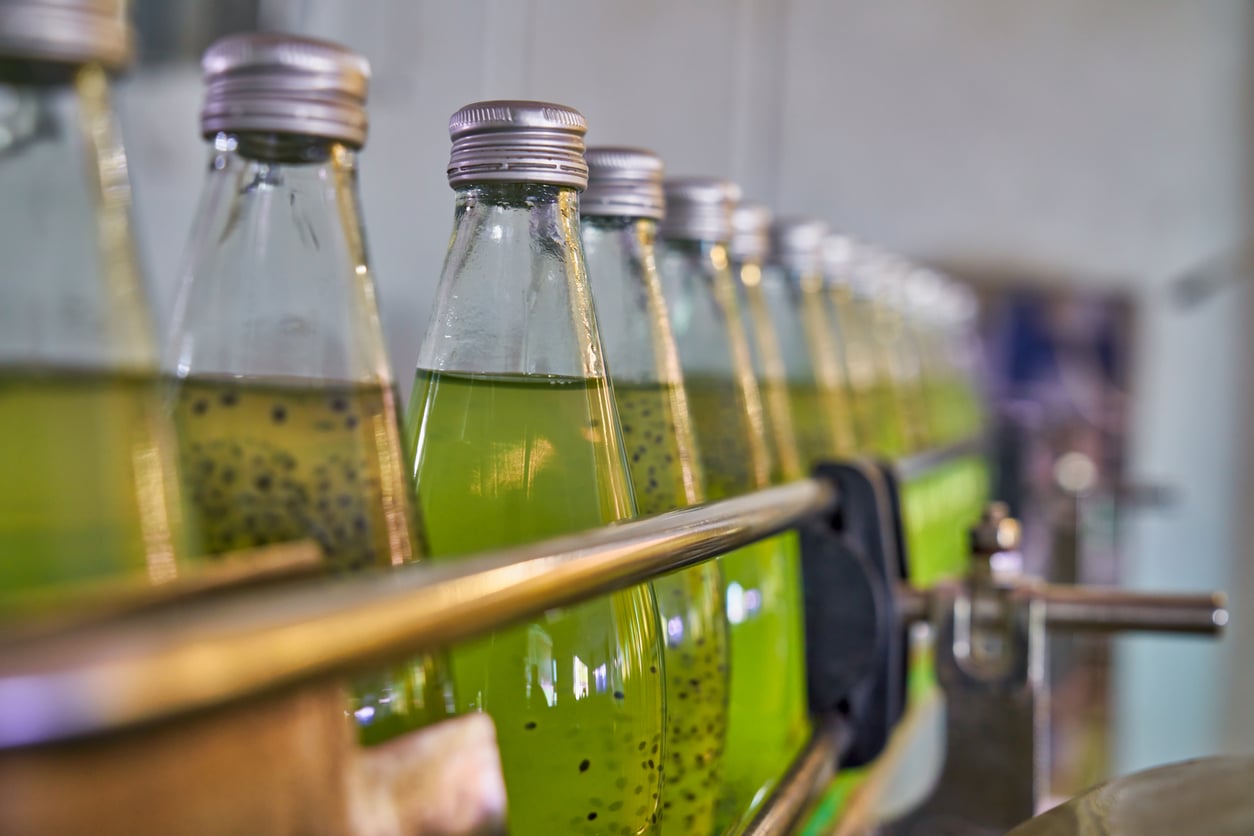
Typical price: $8–$12 per bottle (sometimes $60+ per day for cleanse kits)
Despite the detox marketing, there’s no scientific evidence that these juices “cleanse” your body. Your liver and kidneys already handle detoxification naturally.
Most green juices are blends of fruit juice with small amounts of greens, which explains why they taste sweet. You’re paying luxury pricing for produce you could throw in a blender yourself for a couple of dollars.
Bottled Lemonade

Typical price: $3–$5 per bottle
Lemonade is one of the cheapest drinks imaginable: lemon juice, water, and sugar.
At home, it costs pennies per glass — especially if you use store-brand lemon juice or a basic lemonade mix. Yet bottled versions often cost as much as a specialty coffee.
Flavored Bottled Iced Tea
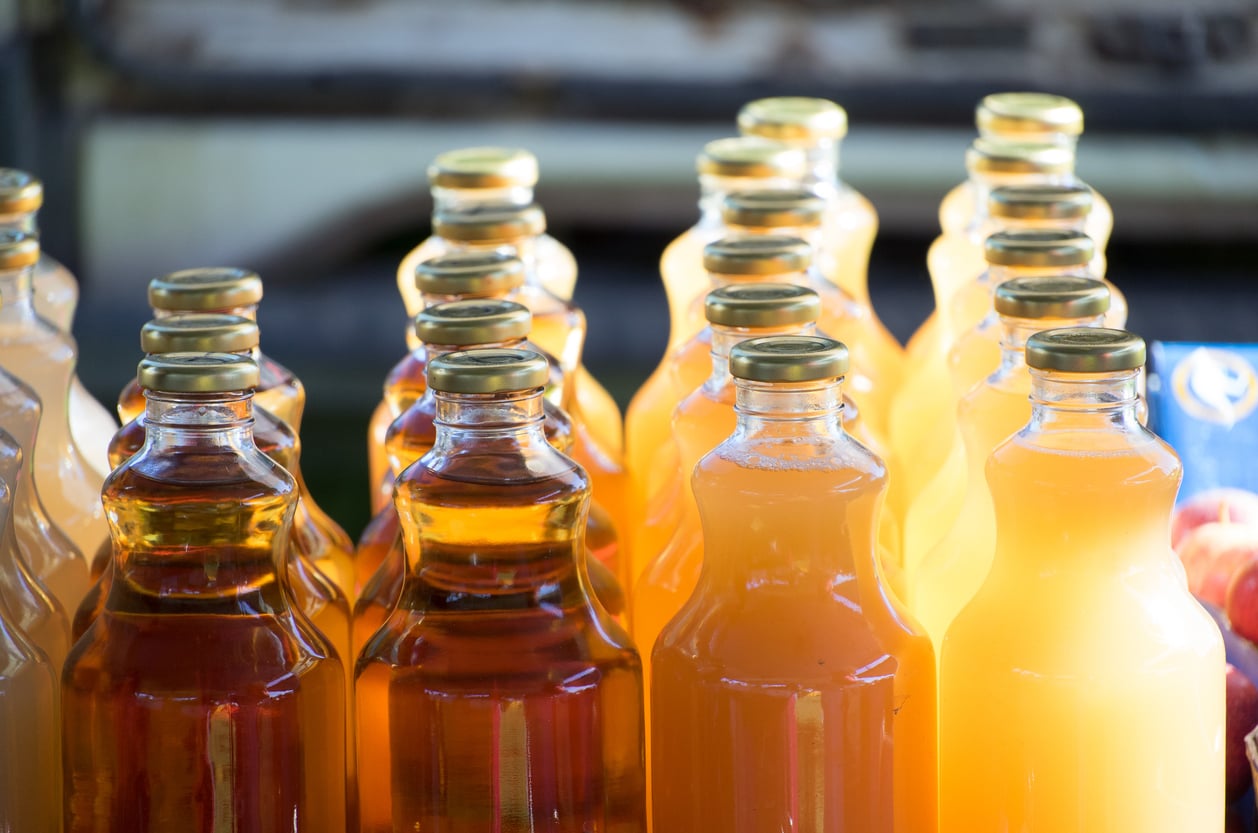
Typical price: $3–$4 per bottle
Iced tea is literally brewed tea poured over ice. A box of tea bags costs a few dollars and can make dozens of servings.
Even adding lemon, mint, or a little sweetener keeps the cost well under $1 per glass. Bottled versions charge several times that — and often contain more sugar than you’d add yourself.
Trending on Cheapism
Bottled Protein Shakes
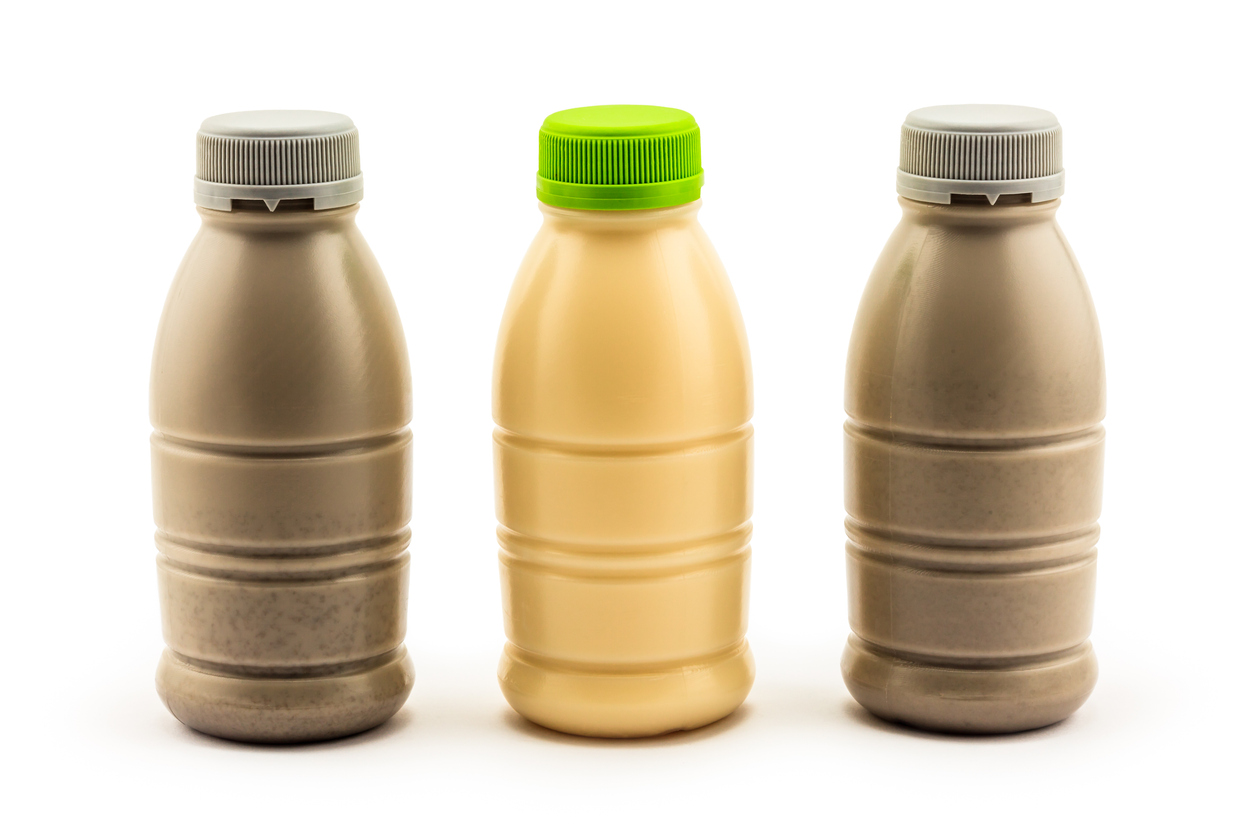
Typical price: $4–$6 per bottle
Pre-made protein shakes are convenient, but they’re one of the most overpriced fitness staples.
A tub of protein powder might cost $25–$40, but it usually contains 20–30 servings. That works out to roughly $1–$2 per shake, even after adding milk or a banana.
The ready-to-drink versions can cost triple that per serving.
Sparkling Water With “Natural Flavors”
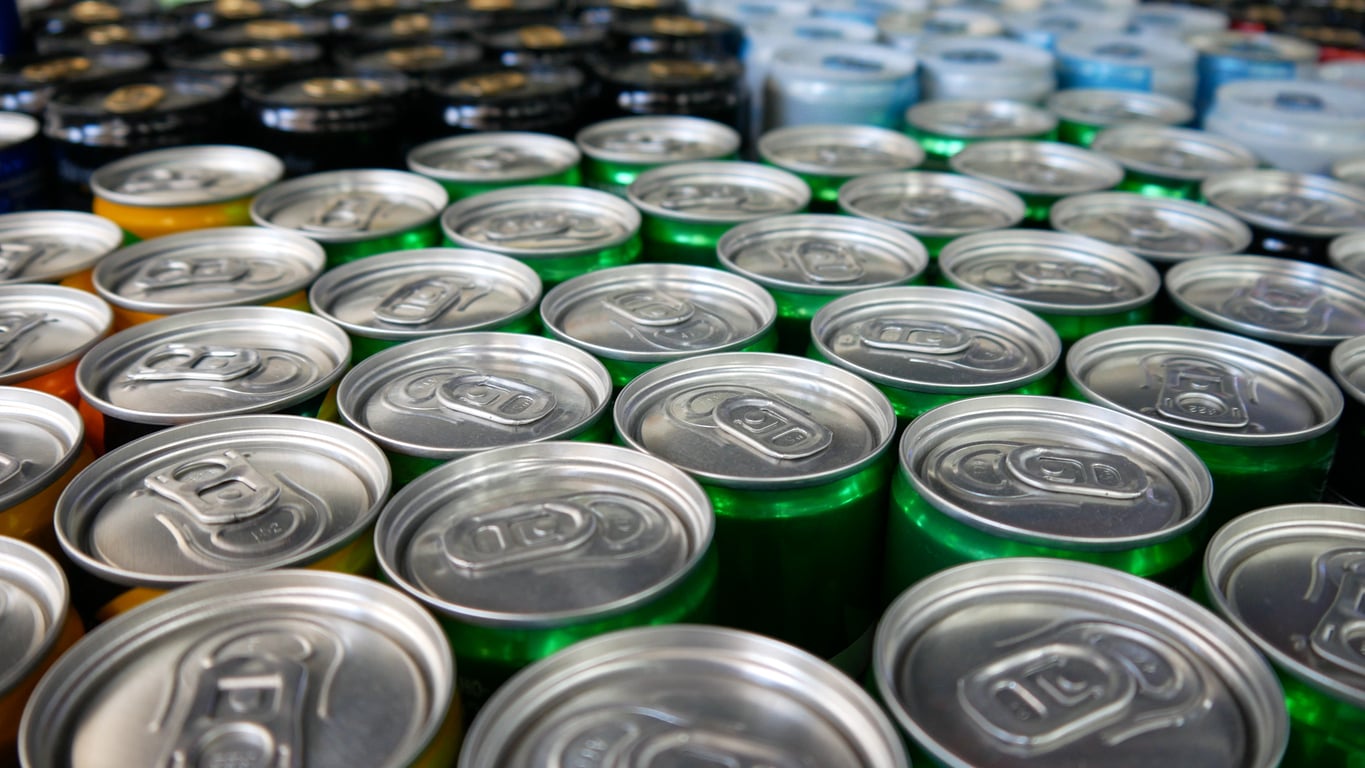
Typical price: $2–$3 per bottle
Single-serve sparkling waters add up quickly. A multi-pack or a basic soda maker can drastically cut the per-drink cost.
And those trendy “essences” or subtle fruit flavors? You can recreate them with a squeeze of citrus or a splash of juice at home for far less.
Kombucha
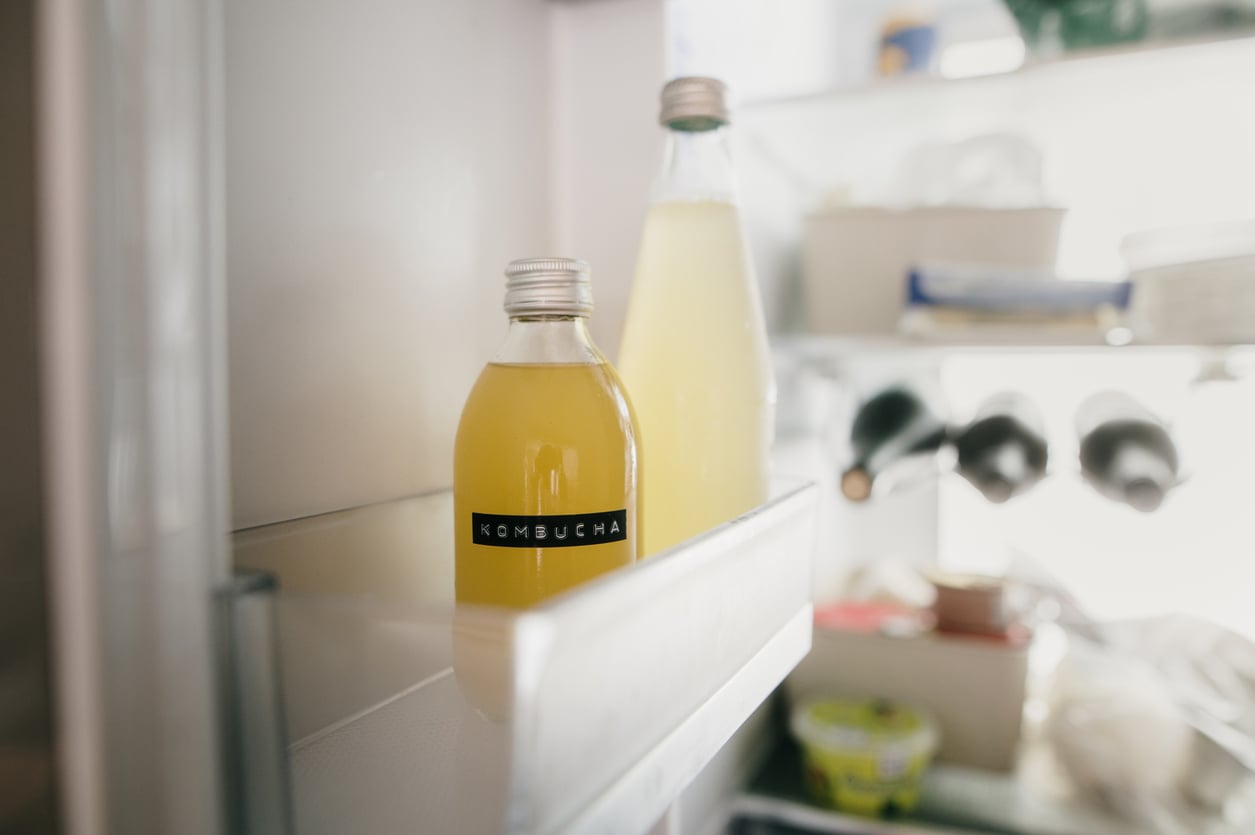
Typical price: $3–$5 per bottle
Kombucha fans love it for the probiotics, but brewing it at home is surprisingly inexpensive once you get started. Even buying a multi-pack is cheaper than grabbing individual bottles.
While fermentation takes time, the ingredient list is short: tea, sugar, and a SCOBY. The bottled versions often charge premium pricing for what’s essentially sweetened fermented tea.
Sign up for our newsletter
More From Cheapism
- ‘There Goes My Childhood’: Minute Maid Discontinues Frozen Juices After 80 Years — After decades of being a freezer staple, Minute Maid is phasing out its iconic frozen juice concentrates as consumer tastes shift toward fresher beverages, leaving nostalgic shoppers scrambling to stock up before they’re gone.
- 10 Orange Juice Brands, Ranked: The Good, the Bad, and the Watery — From breakfast table heroes to disappointing sips, this ranking breaks down the best and worst store-bought orange juice brands so you know which bottles are worth your fridge space and which ones aren’t.
- ‘I’m Going to Keep Stealing My Drinks’: Redditor Sparks Debate About the Cost of Fast-Food Soda — With fountain drink costs climbing at fast-food chains, social media posts and customer complaints highlight how pricey a simple soft drink has become and what people are saying about it online.