
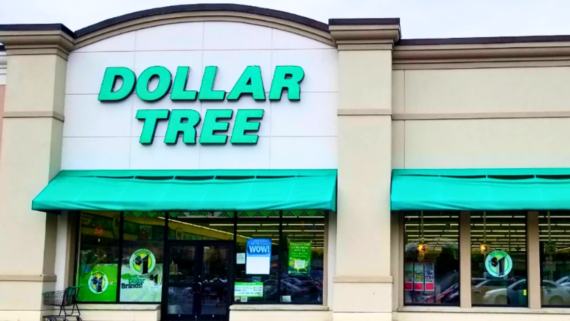
Dollar Tree expansion is not about the chain entering brand-new states. The retailer already operates across the 48 contiguous states, but it is planning to add hundreds more stores in 2026. According to Dollar Tree’s latest quarterly update, the company expects about 400 new store openings this year, along with some closures of underperforming locations. That means the real question is where Dollar Tree is likely to deepen its footprint next, from fast-growing suburbs to empty retail spaces left behind by other chains.
Texas
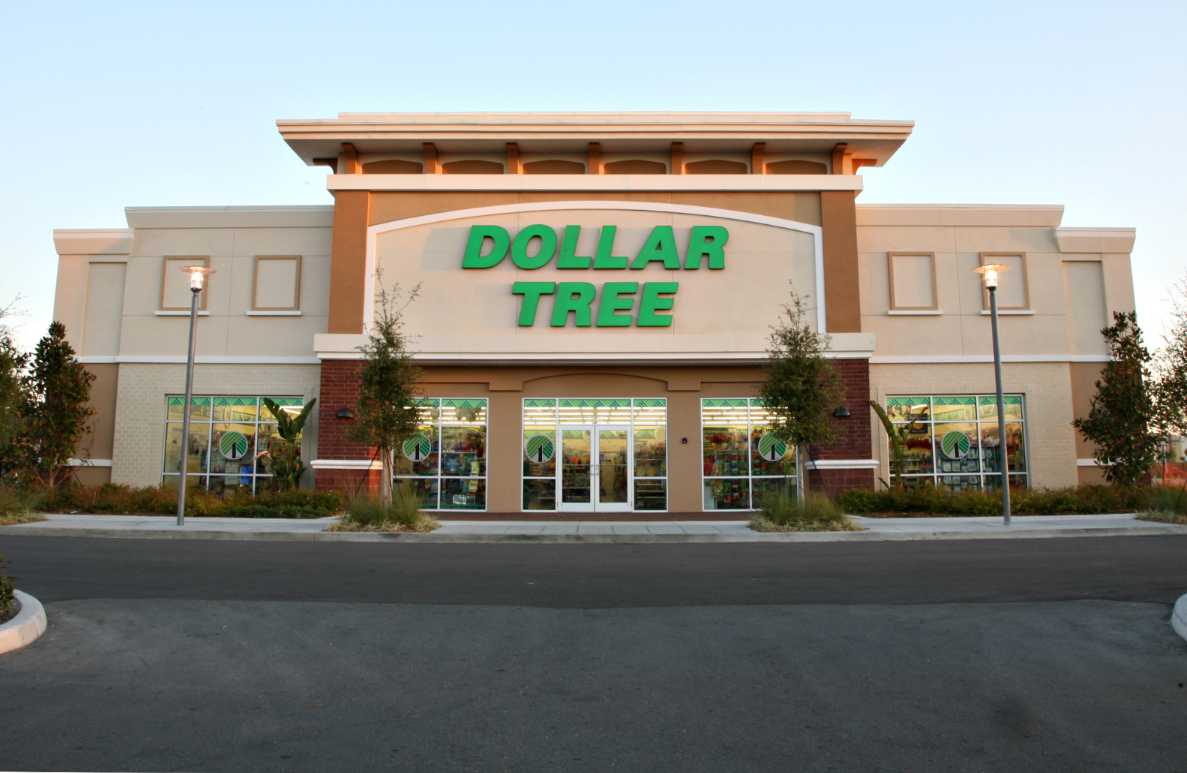
Texas is one of the clearest places to watch for Dollar Tree expansion. The state has a huge population, fast-growing suburbs, and plenty of shopping centers built around daily errands instead of big mall trips. Dollar Tree has also been linked to former 99 Cents Only leases in Texas, which gives the chain a shortcut into ready-made retail spaces.
Florida

Dollar Tree already has a large Florida footprint, with about 250 stores listed in the state. That gives the company room to grow selectively instead of starting from scratch. The most likely places to watch are fast-growing suburbs around Orlando, Tampa, Jacksonville, Fort Myers, and South Florida, plus retirement-heavy communities where quick errands matter. Florida also has many older shopping centers and strip malls where a smaller-format value store can fit without the cost of building a huge new location.
Arizona
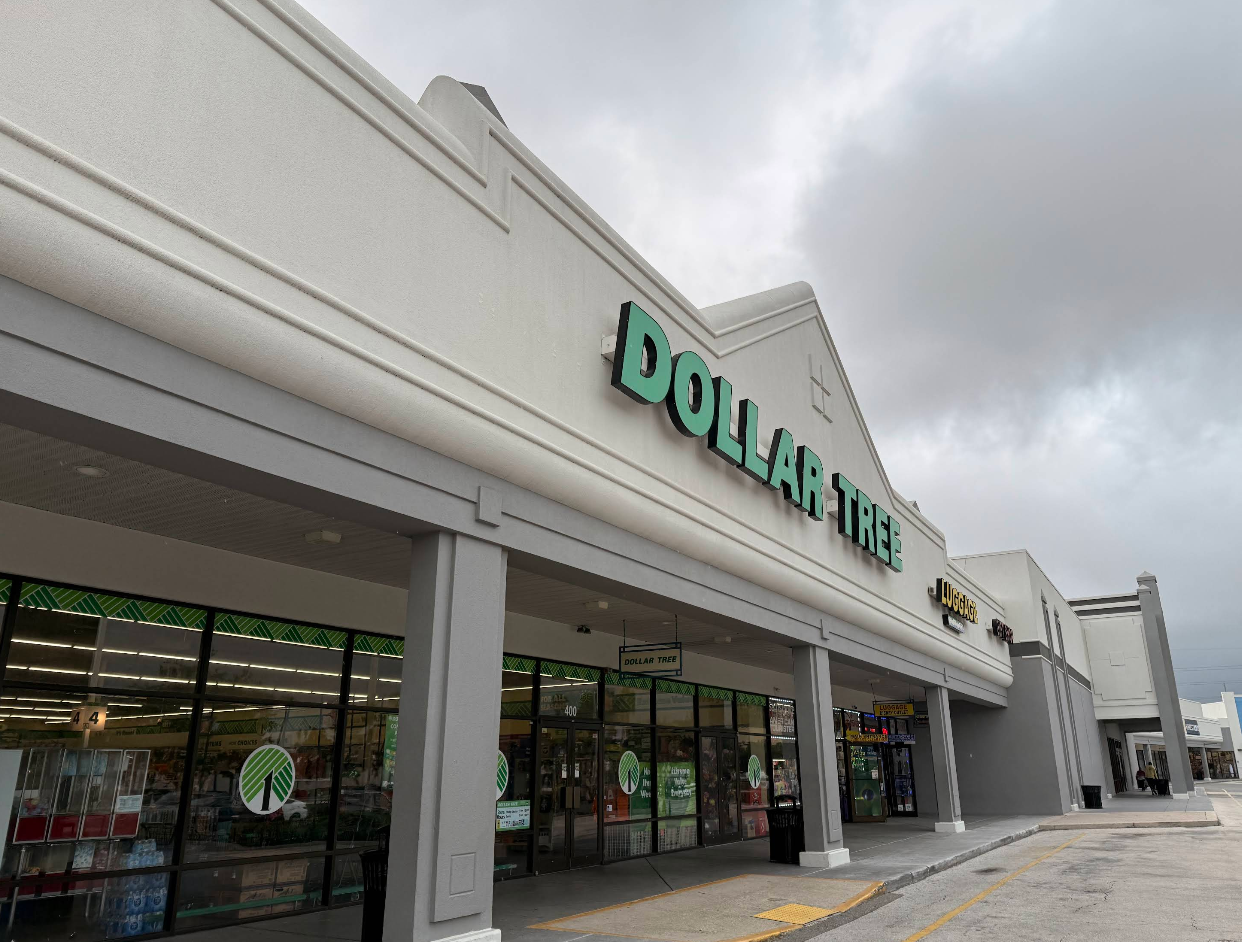
Arizona has one of the strongest cases because Dollar Tree has put real money into the region. In 2026, the company celebrated the opening of a large distribution center in Litchfield Park, outside Phoenix, designed to serve hundreds of stores across the West and Southwest. That kind of supply-chain investment usually makes future store growth easier.
California
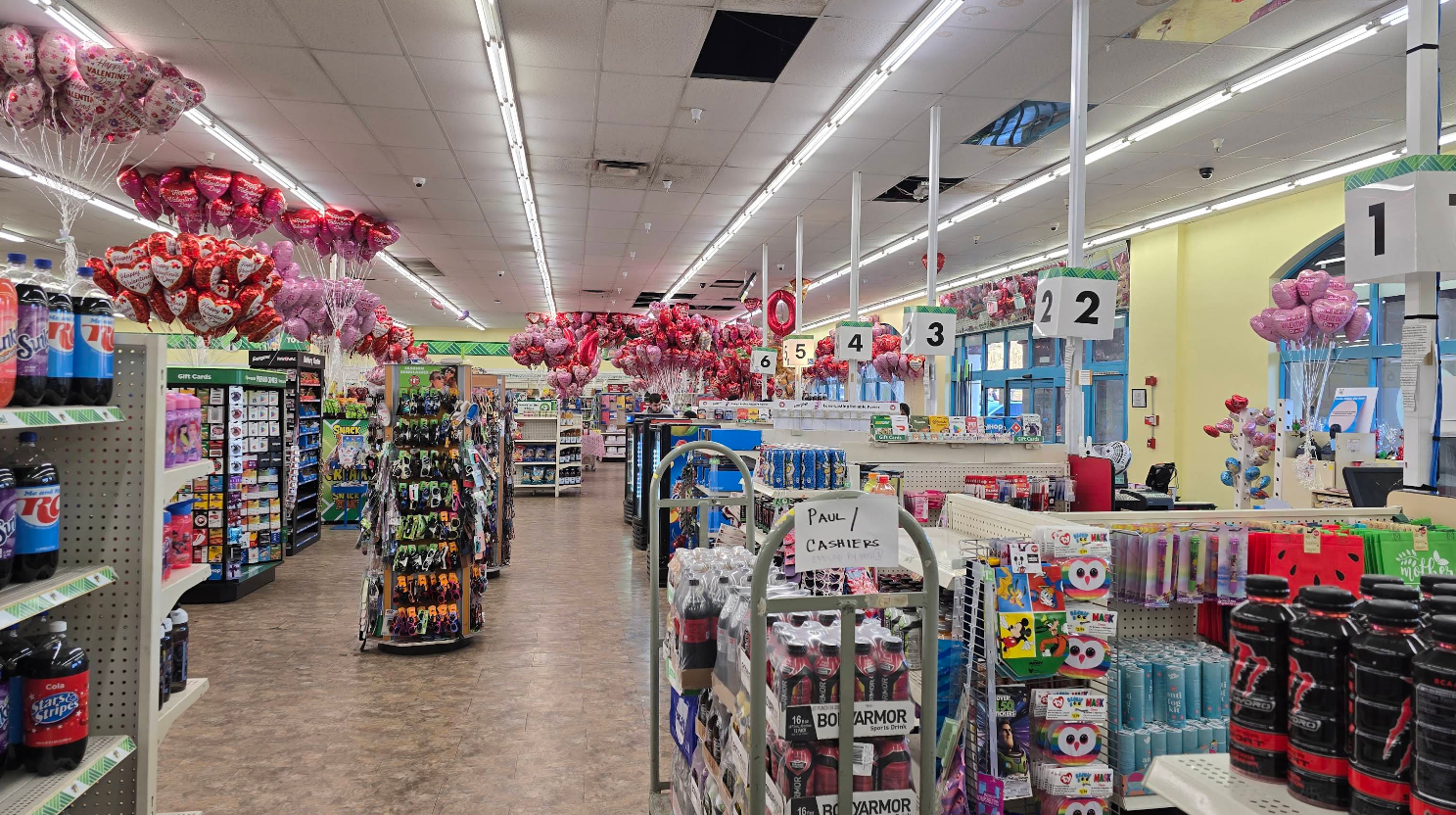
California is expensive for retailers, but it is still too large to ignore. Dollar Tree already made a big move in the state when it acquired rights to former 99 Cents Only Store leases, many of which were in California. That gave the company access to locations that already had discount-store customers, parking, and retail zoning. Recent reporting has also pointed to new Dollar Tree activity around the Sacramento area.
Nevada
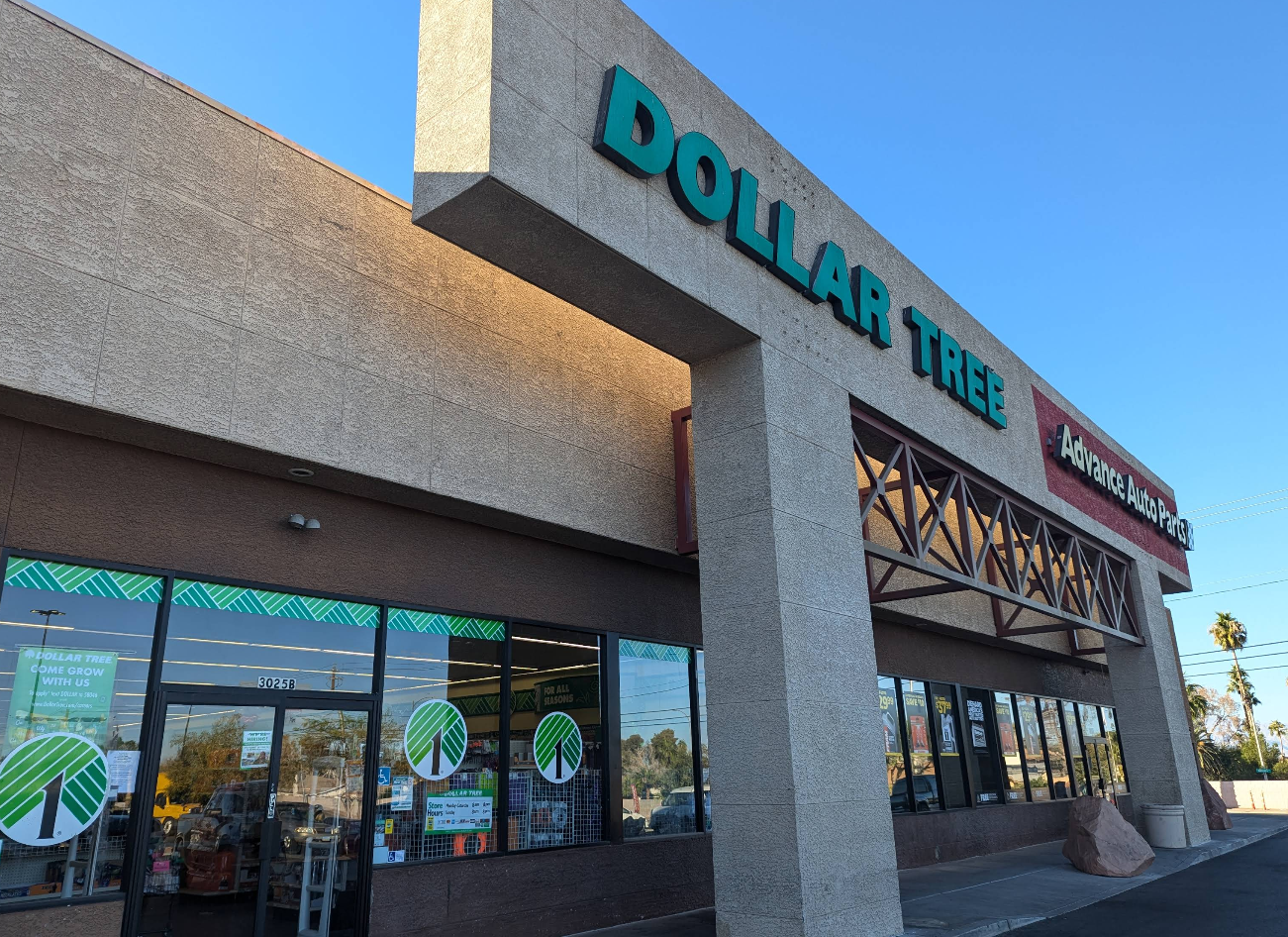
Nevada is not one of Dollar Tree’s biggest states yet, with about 17 stores currently listed, which is exactly why it stands out. The state was also included in Dollar Tree’s deal for former 99 Cents Only lease rights, along with Arizona, California, and Texas. Around Las Vegas, Henderson, North Las Vegas, and Reno, the chain has a mix of neighborhood shoppers, retirees, service workers, and tourists who regularly need low-cost basics like snacks, toiletries, party supplies, sunscreen, and travel items.
Trending on Cheapism
North Carolina
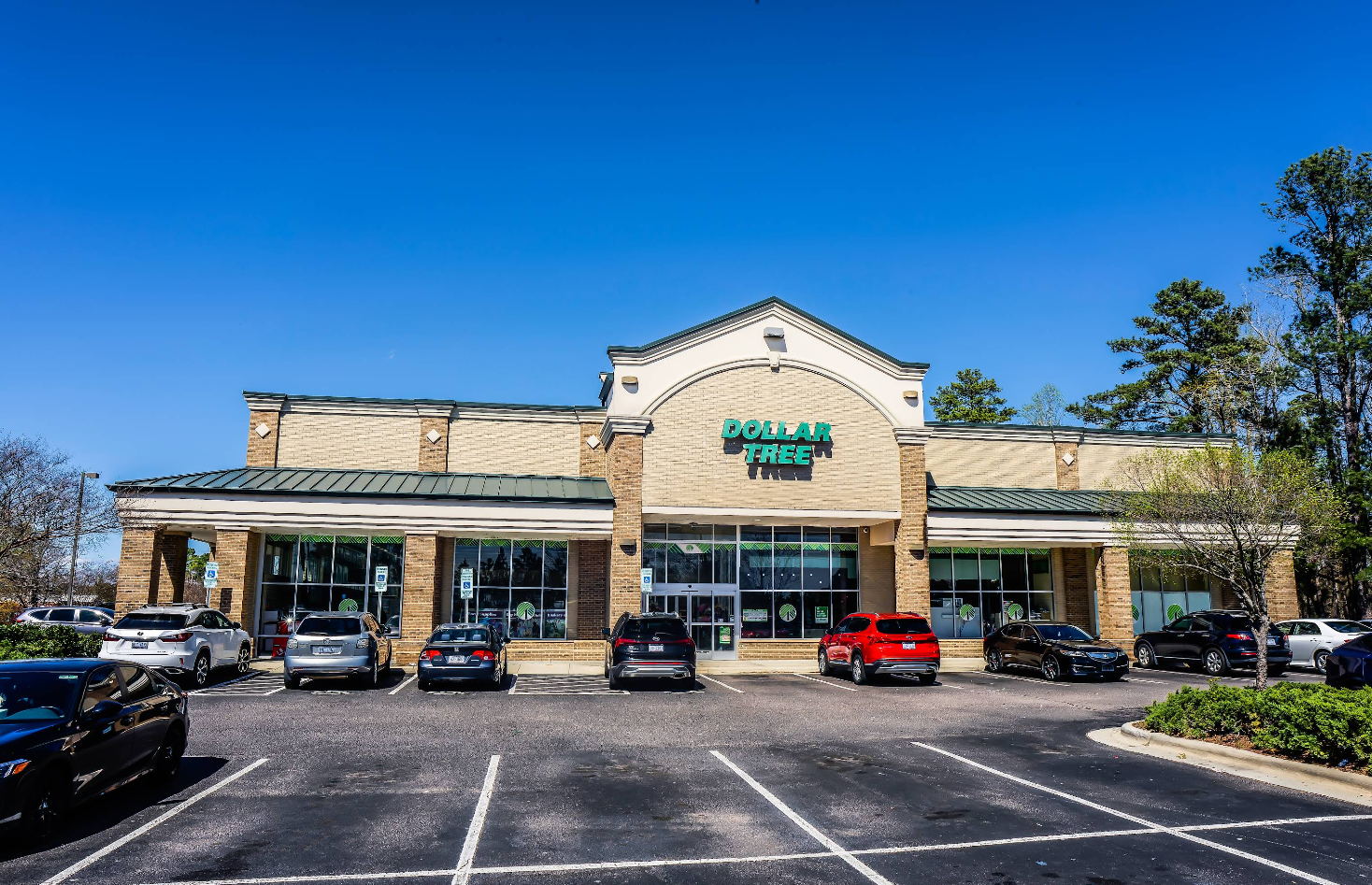
North Carolina fits almost every part of Dollar Tree’s playbook. The state has fast-growing suburbs around Raleigh, Charlotte, Durham, Greensboro, and Wilmington, plus many smaller towns where a quick value store is easier to reach than a big-box retailer. Census estimates show North Carolina continues to grow faster than the U.S. overall, which gives retailers more reason to follow rooftops.
South Carolina
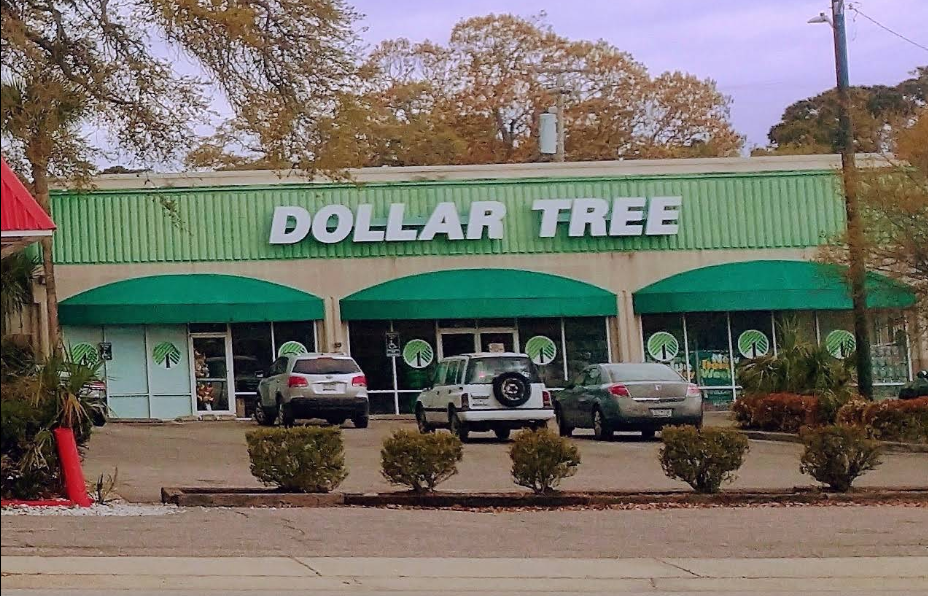
South Carolina is a natural place for more Dollar Tree attention because the chain already lists about 107 stores there and the state continues to attract new residents. Growth around Charleston, Greenville, Columbia, Myrtle Beach, and smaller inland communities gives discount retailers more places to follow new housing and everyday shopping traffic. In many towns, a Dollar Tree can serve as a quick stop for cleaning supplies, school items, cards, seasonal decor, and pantry basics without a longer drive to a big-box store.
Tennessee
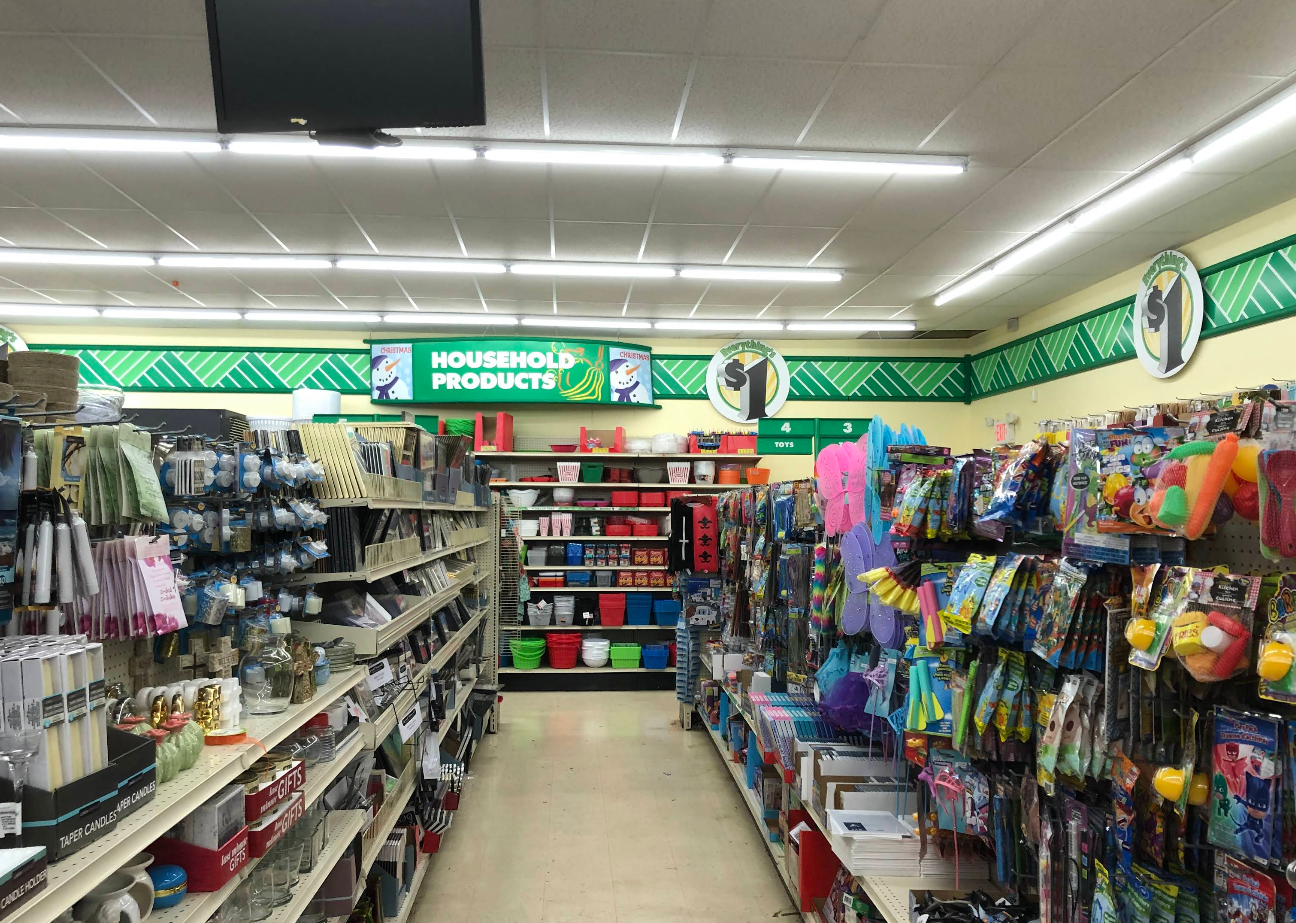
Tennessee already has about 125 Dollar Tree stores, and the state’s mix of fast-growing cities and smaller towns fits the company’s model well. Nashville, Knoxville, Chattanooga, Clarksville, Murfreesboro, and surrounding suburbs have all seen more demand for everyday retail close to home. Dollar Tree does not need a massive shopping center to work in these markets. It can slide into smaller plazas, former drugstores, or neighborhood retail strips where shoppers are already making quick errands.
Sign up for our newsletter
Georgia
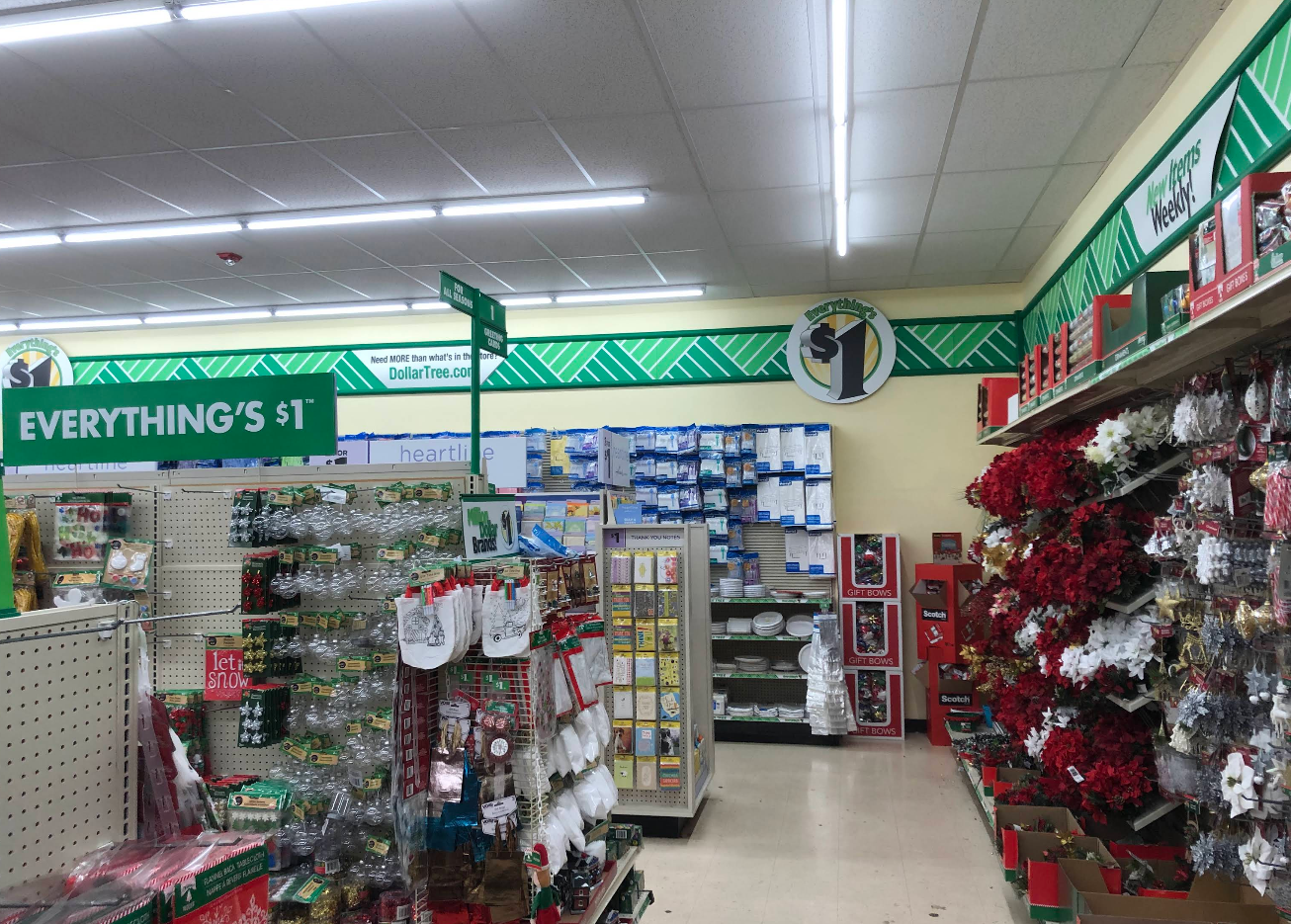
Georgia’s case is not just about Atlanta, though metro Atlanta is a major reason it belongs on the list. Dollar Tree currently lists about 168 stores in the state, giving it a strong base to build from in suburbs, small cities, and rural corridors. As Atlanta’s suburbs continue pushing outward, value chains often follow the same roads as grocery stores, pharmacies, fast food, and gas stations. That makes Georgia a practical expansion market.
Ohio
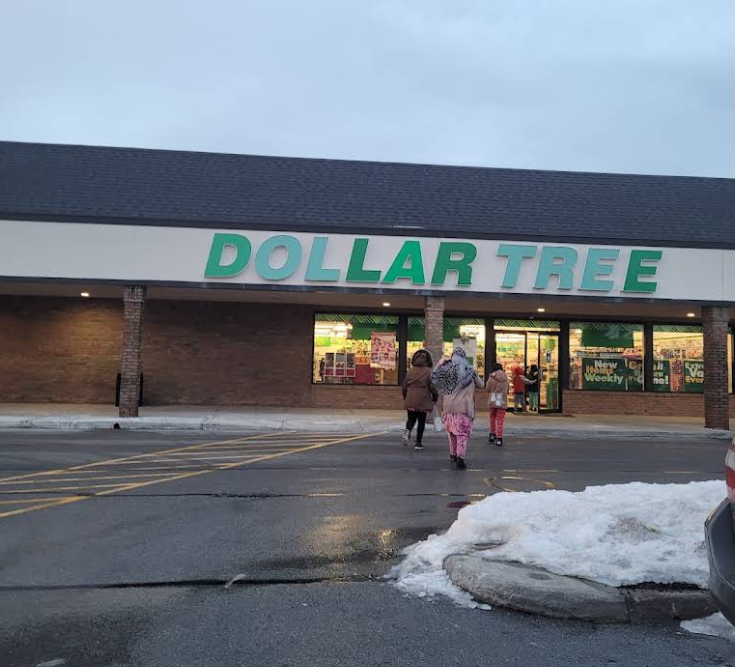
Ohio may not have Sun Belt growth, but it has something Dollar Tree likes: lots of mid-sized towns, older shopping centers, and vacant drugstore or retail spaces. One recent example is Lisbon, Ohio, where reporting said Dollar Tree was moving into a former Rite Aid site. That kind of location can be attractive because the building already has parking, road access, and local recognition. Ohio also has an established Dollar Tree supply-chain presence, including the Marengo distribution center.
Pennsylvania
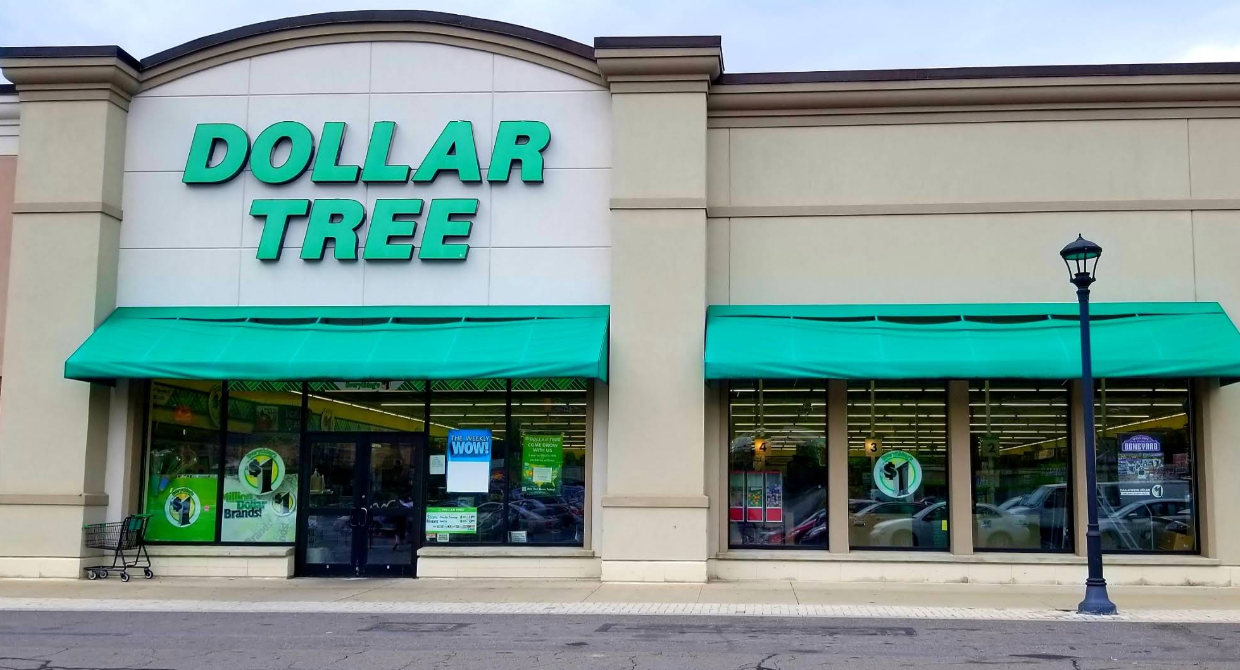
Pennsylvania is a good example of a state where Dollar Tree expansion may be more selective than flashy. The chain already lists about 231 stores there, so future growth is likely to come from filling gaps in smaller towns, older suburbs, and retail corridors with vacant space. Communities outside Pittsburgh, Philadelphia, Harrisburg, Scranton, Erie, and Allentown often have the kind of shopping centers Dollar Tree can use: visible, convenient, and already built for quick errand traffic.
Former 99 Cents Only Markets
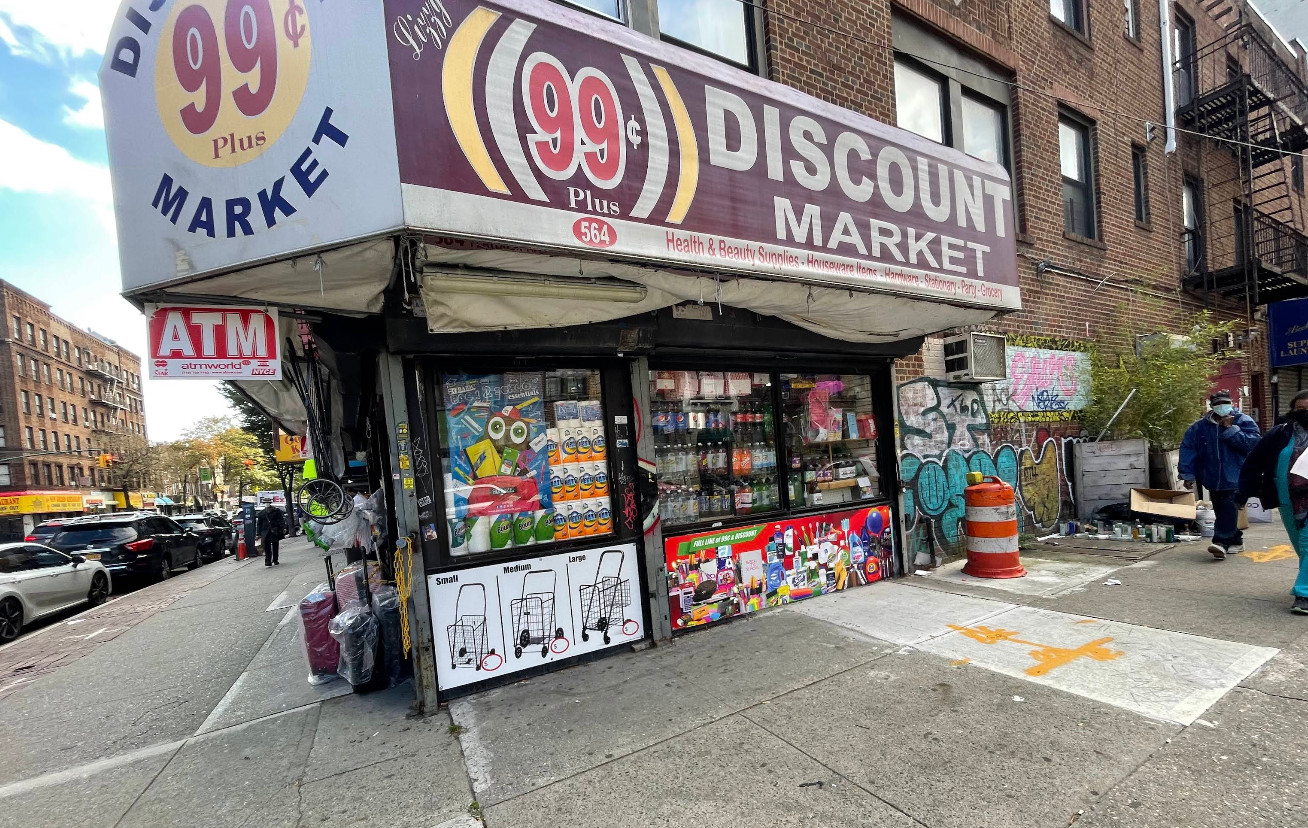
One of the clearest clues about Dollar Tree’s direction came from the 99 Cents Only bankruptcy. Dollar Tree acquired designation rights for 170 former 99 Cents Only leases across Arizona, California, Nevada, and Texas. That move gave it access to stores that were already built for discount retail, often in areas where shoppers knew the category well.
Former Drugstore and Big-Box Spaces
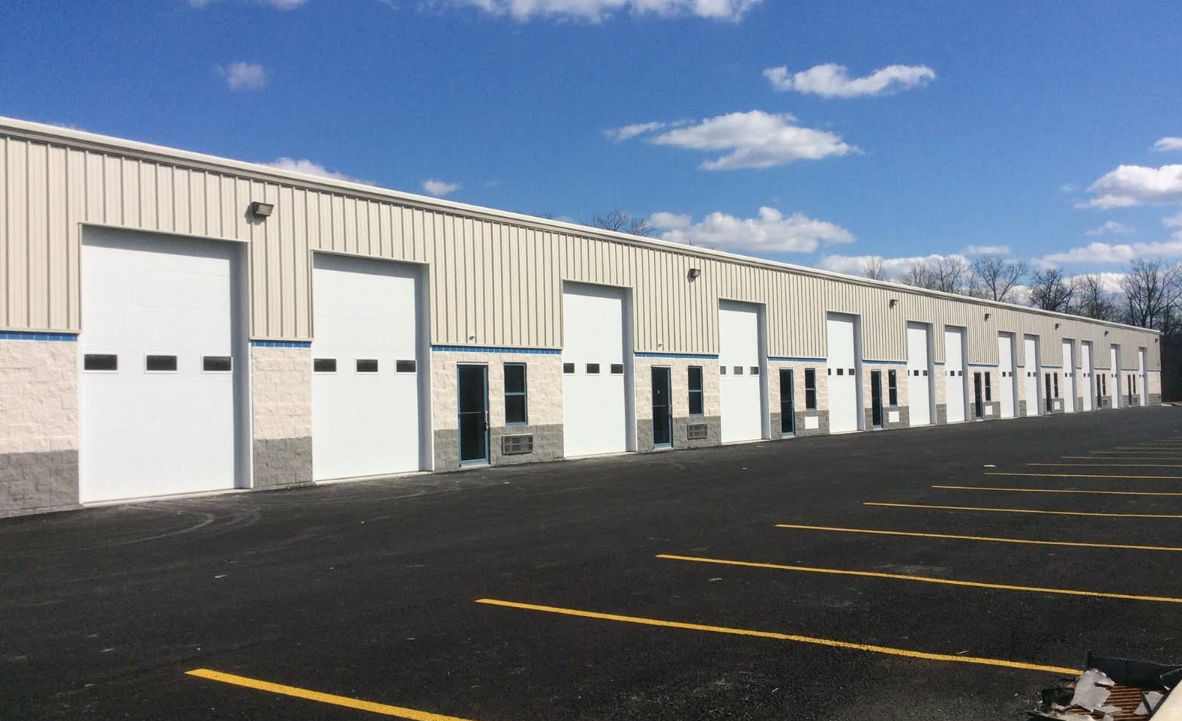
Dollar Tree’s next wave is not just about states. It is also about empty real estate. Former Rite Aid, Party City, Big Lots, and other retail boxes can be useful because they already have parking lots, utilities, signs, loading access, and steady traffic patterns. Discount chains love those advantages because they can speed up openings and lower some startup costs. Dollar Tree has confirmed some specific reused spaces, but not every former Big Lots or drugstore is becoming a Dollar Tree.
Wealthier Suburbs
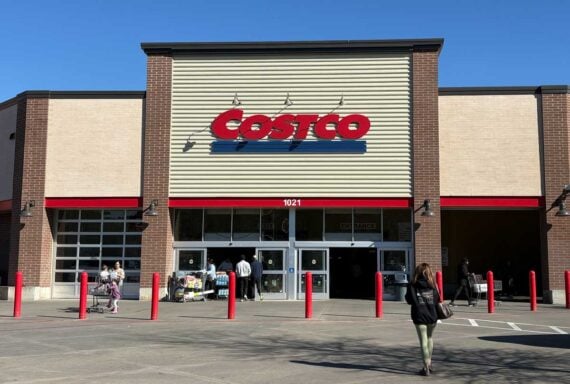
One surprising part of Dollar Tree expansion is its push into better-off suburbs. Reporting has found that a large share of recent new Dollar Tree stores have opened in more affluent metro ZIP codes, and the company has said higher-income shoppers have become an important growth group. That does not mean Dollar Tree is abandoning lower-income customers. It means bargain hunting has become more mainstream. Shoppers who can afford Target or Costco may still stop at Dollar Tree for cards, seasonal decor, party supplies, and small household items.
Small Towns That Lost Other Retailers
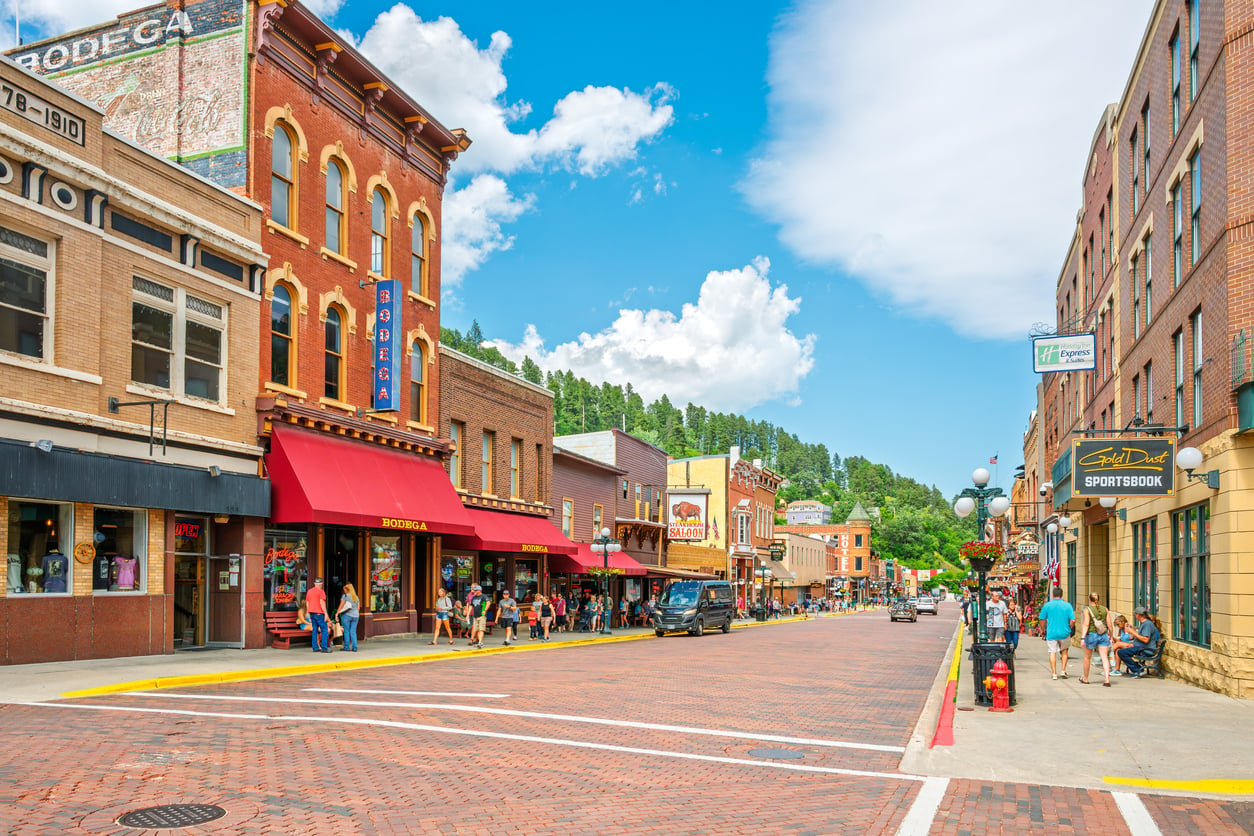
Dollar Tree is also likely to keep looking at smaller communities that have lost pharmacies, local grocers, variety stores, or older discount chains. These towns may not be glamorous, but they often need convenient places to buy cleaning supplies, birthday cards, school items, snacks, and seasonal basics. A Dollar Tree can fill an empty storefront and bring some foot traffic back to a shopping strip.