Concern over food dyes has been swelling over the last couple of years, and shoppers have leaned on Aldi as the affordable go-to to find dye-free snacks, drinks, and everything in between. The German-owned company steers clear of artificial dyes for its store brands, which makes sense, since those ingredients are banned in Germany.
But now there’s another grocery store making its foray into dye-free territory that, like Aldi, is known for its affordable prices — Save A Lot.
Save A Lot Phasing Out Artificial Dyes
Save A Lot announced that it plans to remove seven artificial food dyes from all of its private-label products, working with suppliers to phase them out by the end of 2027. The list includes some of the most commonly used synthetic colors in the U.S. food supply: Red 40, Yellow 5, Yellow 6, Blue 1, Blue 2, Green 3, and Red 3.
Some Save A Lot items are already ahead of the curve. The company states that products like its Crystal Falls sparkling beverages and Kurtz salad dressings are already free of synthetic dyes, and the full transition will affect a total of 113 private-label products.
Red 3 Is Going First (For Obvious Reasons)
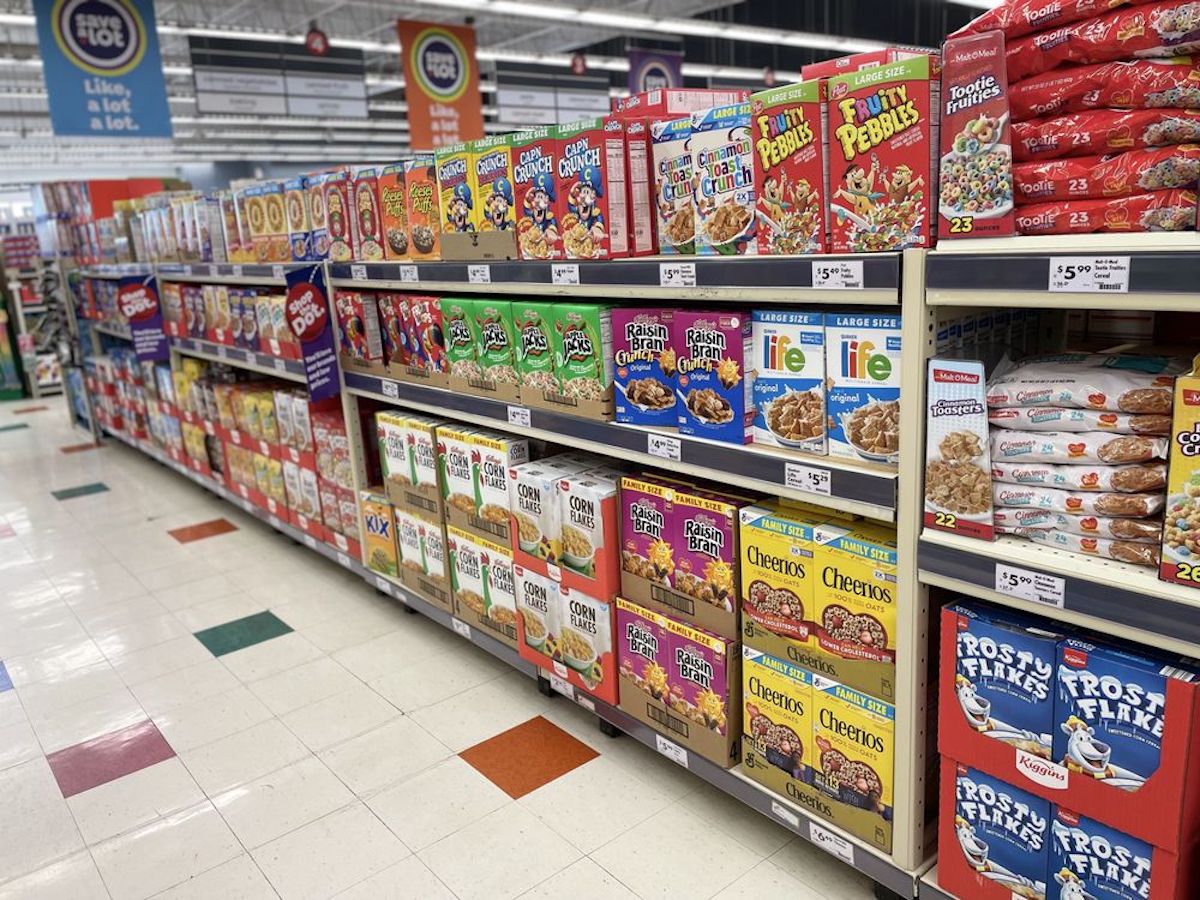
While the full dye phaseout stretches into 2027, Save A Lot is fast-tracking the removal of Red 3. That dye lost FDA authorization in January 2025, and Save A Lot says any products that still contain it will be reformulated by the end of 2026.
Your Food Might Look Different (Gasp)
Save A Lot is being upfront about something shoppers may notice during the transition: Reformulated products may look different. Artificial dyes are petroleum-derived, highly stable, and very good at making food look aggressively appealing. Natural alternatives don’t always behave the same way.
The company says its quality assurance team is working with suppliers to keep taste and quality consistent, even if colors shift slightly. For consumers used to equating brightness with flavor, this can take some mental adjustment. For everyone else, it’s more of a visual confirmation that fewer unnecessary ingredients are doing the heavy lifting.
This Isn’t Just a ‘Save a Lot’ Thing
Save A Lot’s announcement fits into a broader shift happening across the grocery industry — one that’s being driven by both regulation and consumer pressure. The FDA has identified synthetic food dyes as a target for elimination as part of the Trump administration’s “Make America Healthy Again” initiative. While the pace of change is still slow by many standards, retailers are starting to get ahead of it rather than waiting to be forced.
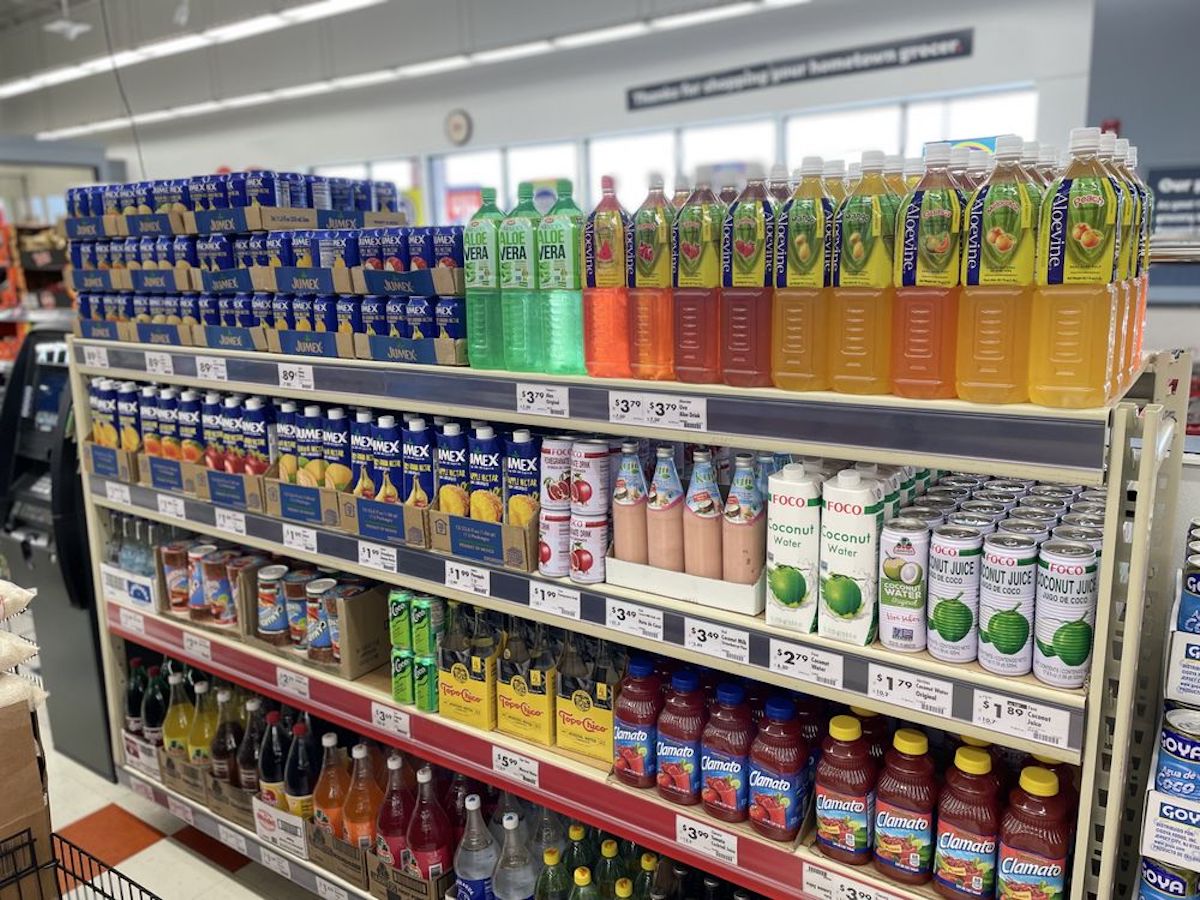
In addition Aldi, Walmart announced last fall that it plans to remove synthetic dyes and dozens of other ingredients commonly found in ultra-processed foods from its store brands by January 2027. Trader Joe’s is also known for its naturally-colored foods. Save A Lot now joins that short but growing list — and does it without abandoning its discount-store identity.
More From Cheapism
- GLP-1 Users Spend Less Money on Fast Food and Groceries, According to Studies — People taking GLP-1 medications aren’t just changing their health — they’re changing how they spend money.
- 52 Smart Storage Tips to Keep Your Food Fresh Longer (and Cut Down on Grocery Waste) — Keeping fresh produce in good condition for as long as possible is key to stretching food dollars and making fewer trips to the store.
- The Cheapest Grocery Stores in America — If you’re serious about stretching every dollar, these are the markets that make it possible to shop smart without compromising on quality.