For most homeowners, a fixed-rate mortgage feels like a financial fortress — it’s their shield against the volatility of the economy. You’re inside. You know what you’re paying to be there. You’re safe, watching people flip out about interest rates on the outside. But while your principal and interest may stay the same, the ancillary costs of owning a home are proving to be much more unpredictable.
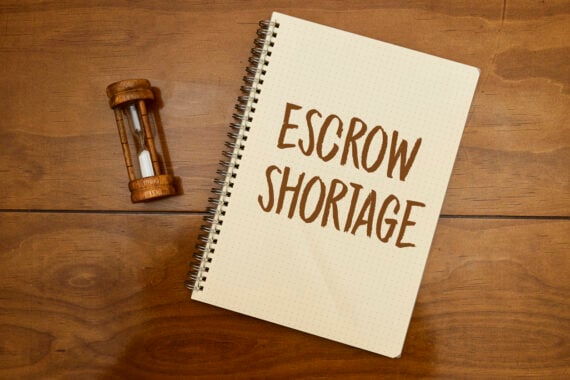
Escrow shortages are officially surging across the U.S., turning the predictable monthly mortgage payment into a source of sticker shock (and several swear words) for millions.
How Common Are Escrow Shortages?
A recent analysis of escrow accounts by data provider Cotality found that a staggering 65% of all homeowners currently have escrow shortages. The average shortfall? $2,157. For a huge margin of homeowners, that’s at least one mortgage payment and maybe even two.
The surge is being driven by two key things: insurance spikes and property tax hikes. Fueled by natural disasters and climate uncertainty, property insurance costs jumped a whopping 70% between 2019 and 2025. To boot, the pandemic-era housing boom pushed home values to record highs, leading to a 15% increase in property taxes between 2019 and 2024.
What is an Escrow Shortage?
An escrow account is essentially a holding tank managed by your lender. Each month, a portion of your mortgage payment is set aside to pay your property taxes and homeowners insurance when those bills come due. An escrow shortage occurs when those bills come in higher than the lender’s original estimate. If your insurance premium jumps by $1,000, your escrow account won’t have enough water in the tank to cover the bill.
When your lender discovers a shortage during their annual analysis, they don’t just ask for the missing money from the past year; they also adjust your payment for the coming year to match the new, higher cost of insurance and taxes.
This creates a double whammy: you are often paying back the deficit from last year while simultaneously paying a higher rate for next year. For homeowners living paycheck to paycheck, this can result in monthly payments jumping by hundreds of dollars overnight.
How to Handle an Escrow Shortage
If you receive a notice that your account is short, you typically have three options:
- Pay in Full Upfront: You cut a check for the entire shortage. This keeps your monthly payment from rising as drastically (though it will still increase slightly to account for the new, higher tax/insurance rates).
- Spread it Over 12 Months: Your lender divides the shortage by 12 and adds it to your monthly bill. This avoids a big lump-sum payment but causes the largest spike in your monthly budget.
- Tell Your Mortgage Company to Shove it: All jokes aside, we aren’t advising you to refuse to pay for the shortage and tell the mortgage company it’s their fault for being bad at math (although we don’t blame you if that’s the approach you want to take). But some lenders will let you close your escrow account and pay for your homeowners insurance and taxes yourself.
If you have at least 20% equity in your home and a conventional loan, you may be able to remove escrow and pay your taxes and insurance yourself. While this stops the lender from surprising you with a shortage notice, it places the entire budgeting burden on your shoulders.
If you go the DIY route, follow these budgeting tips:
- Open a Dedicated “House” Savings Account: Treat this account as off-limits.
- Automate Your “Escrow” Payment: Look at your most recent tax and insurance bills, add 10% for potential increases, and set up a monthly auto-transfer into your savings. Don’t wait for the bill. If your annual taxes are $3,600, you must save $300 every single month.
- Audit Your Bills: Shop for new insurance every year and check your property tax assessment. If your value is over-assessed, appeal it immediately to lower your future burden.
More from Cheapism
- Sub-6% Mortgage Rates Are Back. Don’t Celebrate Just Yet — Mortgage rates might be dropping, but it’s not necessarily the homebuying landscape folks were hoping for.
- Stop Waiting for 3% Interest Rates: Why the Sticker Price Is the Real Villain for Homebuyers — If you’re waiting for the perfect interest rate before you enter the market, this expert explains why you’re making the wrong move.
- Making Extra Mortgage Payments Could Be the Smartest Move You Make as a Homeowner — Making just one extra mortgage payment per year can be an absolute game-changer for homeowners. Find out how.