
Grocery Outlet is shutting down 36 locations across several states in the near future. The California-based discount retailer announced the closures during a March 4 earnings call, saying the business “expanded too quickly” and now needs to put the brakes on.
The chain has struggled financially in recent months and had a dismal fourth quarter after opening 42 new stores in 2025.
“Our fourth-quarter results were unacceptable, and our outlook for 2026 reflects a business that has more work to do than we expected,” CEO Jason Potter said on the call. “I own this and own fixing the issues.”
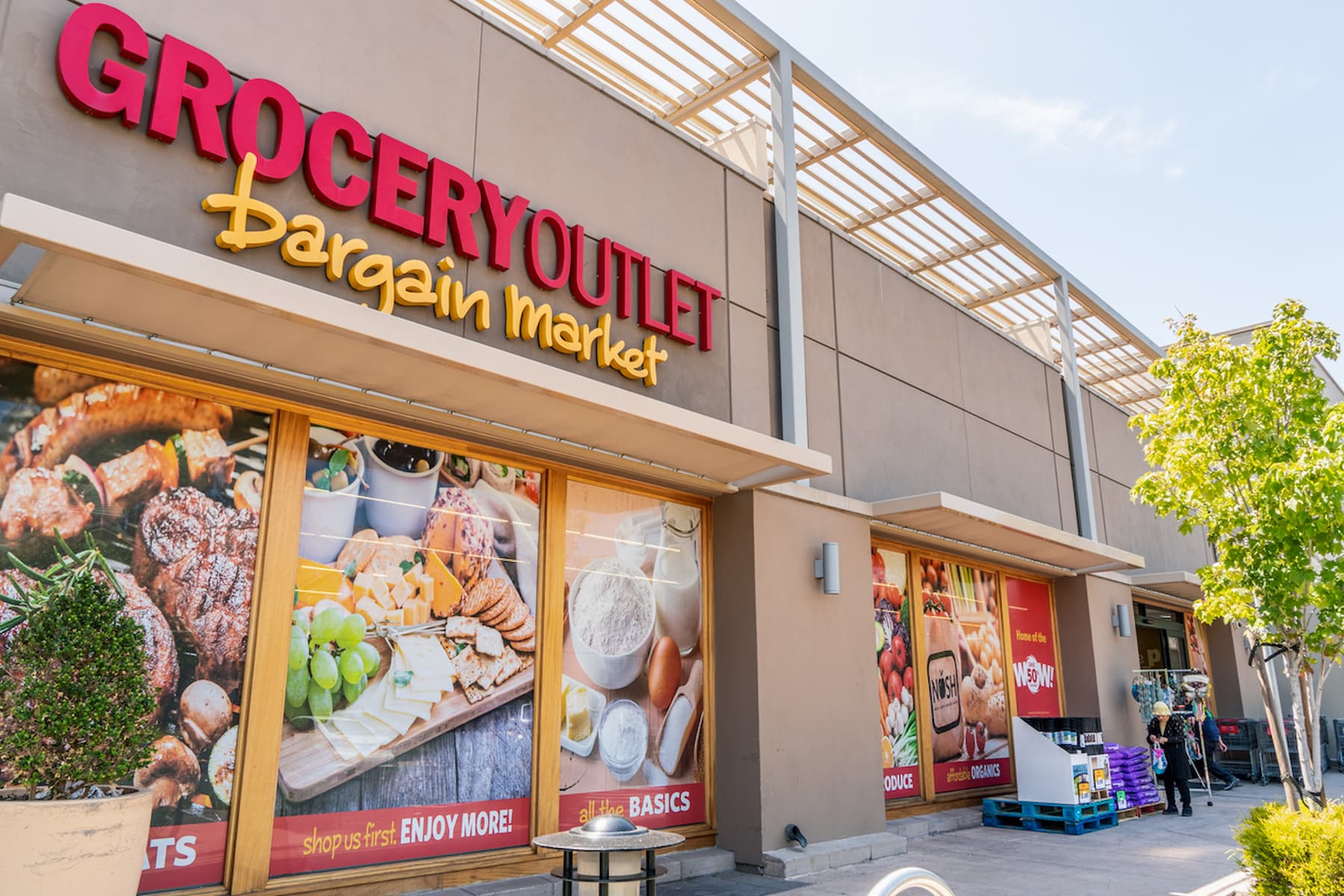
After analyzing the store portfolio, the company decided to close 36 underperforming stores. According to Potter, 24 are located in the eastern part of the country and represent about 30% of the region’s stores.
Nevertheless, the remaining 51 stores in the region are performing well, ending the fourth quarter with a 3.3% increase in sales.
“We are not fully exiting any state, and we believe we have a meaningful opportunity to grow in the East over the long term,” Potter said. “However, it’s clear now that we expanded too quickly, and these closures are a direct correction.”
Why Is Grocery Outlet Closing Stores?
The closures come after a brutal fourth quarter that left the company deep in the red. Grocery Outlet reported a nearly $235 million operating loss and a $218 million net loss, even as sales climbed about 11% to $1.2 billion during the period. Comparable-store sales, however, slipped by nearly 1%, signaling that growth from new locations wasn’t translating into stronger performance at existing stores.
Company executives said several factors contributed to the slowdown. Late last year, the retailer saw a double-digit drop in EBT sales during a temporary lapse in SNAP funding, while its core customers — typically budget-focused shoppers — began pulling back on spending (wonder why). By January, the chain was seeing fewer items per transaction and slower traffic growth, according to Potter.
“Shoppers came in looking for the value and the treasure hunt experience they expect from Grocery Outlet,” Potter said during the call, but many left with smaller baskets because the stores didn’t deliver enough standout deals or product variety.
A full list of the closing locations was not immediately available.
What Happens Next for Grocery Outlet?
The closures are part of a broader restructuring plan that is expected to cost the company between $14 million and $25 million in charges in fiscal 2026. Grocery Outlet also anticipates taking an additional $4 million to $6 million hit to gross profit as it discounts inventory at the stores slated to close.
Despite the setbacks, Grocery Outlet ended 2025 with 570 stores across 16 states and still plans to open 30 to 33 new locations in 2026, focusing on a more concentrated “clustered” growth strategy to improve supply chain efficiency and marketing.
At the same time, the retailer plans to continue a major store refresh effort, with 150 locations scheduled for remodeling this year as it tries to improve the in-store experience and rebuild momentum with shoppers.
What Are Shoppers Saying About the Changes?
Shoppers aren’t surprised by the closures or the company’s financial struggles, with some customers arguing that the chain is no longer the deep-discount spot that made it popular in the first place.
One Reddit user wrote that Grocery Outlet had become “less outlet and more their brand and name brand items and pricing.”
“Are the stores getting too expensive for the poor, and is the middle class now needing to spend less and being attracted to the GO?” one commenter asked, suggesting the retailer may be caught between two struggling groups of customers.
More From Cheapism
- Stores and Restaurants That Have Already Announced Closures for 2026 – Here are the stores and restaurants that are planning to close locations throughout the year.
- ‘Everybody Is Broke’: Why a $50 Car Rental Deposit Feels Like a Breaking Point for the Middle Class – The American middle class is clearly struggling, and a Reddit thread that blew up this week on r/povertyfinance proves it.
- Every Big Company That Filed for Bankruptcy This Year – A number of big businesses have already filed for bankruptcy this year, and that trend is expected to continue throughout the year.