Grocery prices have risen across the U.S., but some cities are feeling the pinch more than others. According to an analysis by the Council for Community and Economic Research highlighted in a recent Kiplinger report, households in certain cities are paying significantly more than the national average to keep their kitchens stocked.
In many of these places, grocery spending exceeds the commonly recommended 10–15% of household income, putting additional pressure on already expensive cities.
Here are the 10 U.S. cities with the highest grocery prices in 2026, according to recent cost-of-living data.
Honolulu, Hawaii
Average monthly grocery spend: $1,630
Median household income: $102,382
Grocery spend to income: 19.1%
Living in paradise comes at a price. Honolulu residents pay about 31% more than the national average for groceries, making it the most expensive city in the country to stock the fridge.
Juneau, Alaska
Average monthly grocery spend: $1,597
Median household income: $99,748
Grocery spend to income: 19.2%
Groceries in Juneau cost about 28% more than the national average. The city’s remote location means most food has to be shipped in, driving up prices.
Anchorage, Alaska
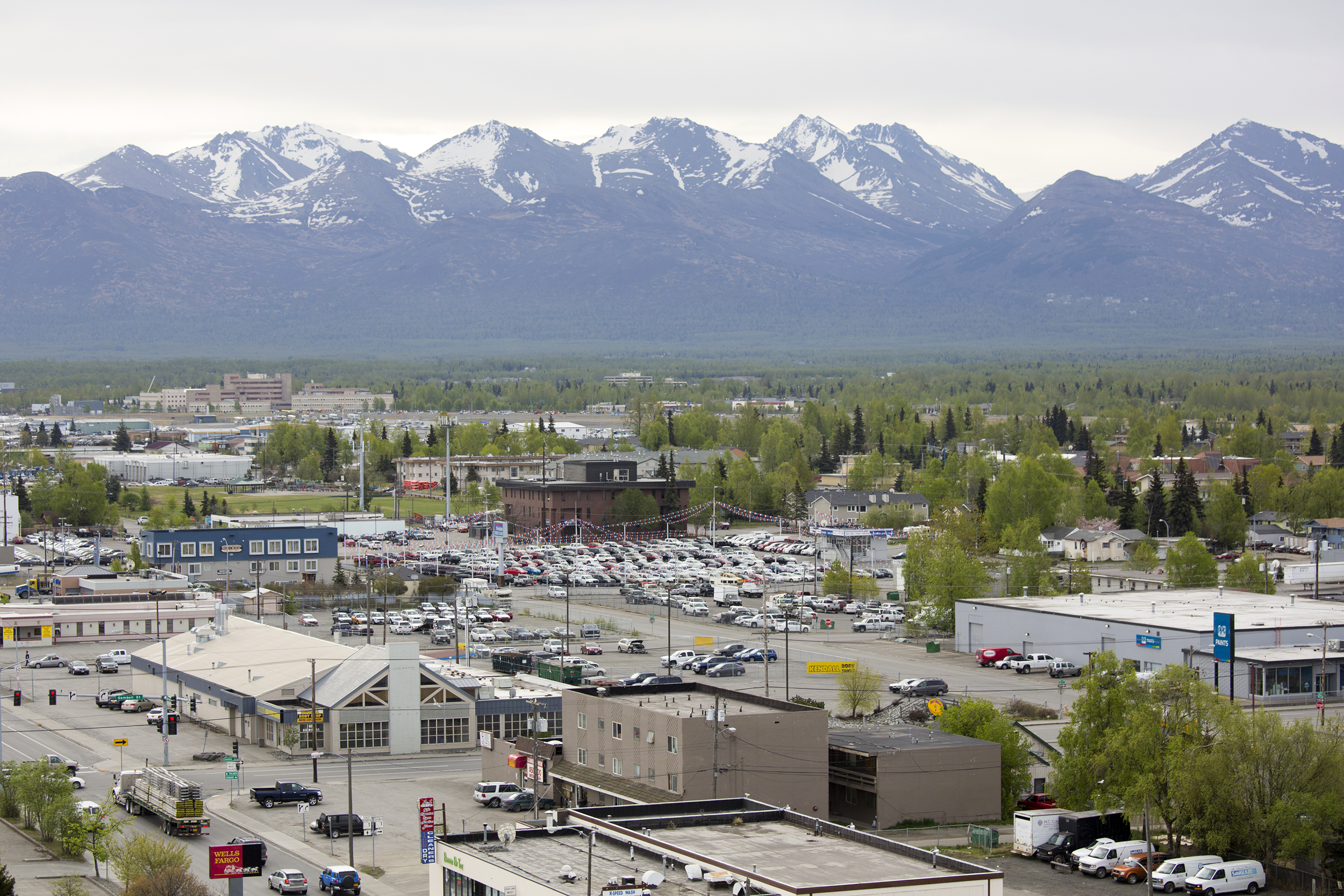
Average monthly grocery spend: $1,537
Median household income: $93,881
Grocery spend to income: 19.6%
Anchorage households spend nearly one-fifth of their income on groceries. Prices here run almost 24% higher than the national average.
Fairbanks, Alaska
Average monthly grocery spend: $1,529
Median household income: $88,780
Grocery spend to income: 21.1%
Fairbanks residents face some of the least affordable groceries in the U.S. Lower incomes combined with high food prices push grocery spending above 21% of household income.
Manhattan, New York
Average monthly grocery spend: $1,439
Median household income: $101,078
Grocery spend to income: 17%
Manhattan’s grocery prices are about 16% higher than the national average. While incomes are also relatively high, food still takes a sizable share of household budgets.
Trending on Cheapism

San Francisco, California

Average monthly grocery spend: $1,432
Median household income: $125,456
Grocery spend to income: 13.7%
Despite high prices, San Francisco’s strong median income helps offset grocery costs. It’s the only city on the list where households stay within the recommended grocery spending range.
Brooklyn, New York
Average monthly grocery spend: $1,424
Median household income: $76,912
Grocery spend to income: 22.2%
Brooklyn households spend a smaller dollar amount on groceries than Manhattan residents, but lower incomes mean food consumes more than 22% of earnings.
Queens, New York
Average monthly grocery spend: $1,408
Median household income: $81,399
Grocery spend to income: 20.7%
Groceries in Queens cost about 13.7% more than the national average. For many households, food spending takes up over one-fifth of annual income.
Sign up for our newsletter
San Diego, California

Average monthly grocery spend: $1,395
Median household income: $103,476
Grocery spend to income: 16.2%
San Diego residents pay about 12% more than the national average for groceries. Higher incomes help offset the costs somewhat, but food still makes up a notable share of budgets.
Oakland, California
Average monthly grocery spend: $1,388
Median household income: $73,200
Grocery spend to income: 22.8%
Oakland has the least affordable groceries among the cities on this list. Lower median incomes mean households spend nearly 23% of their earnings on food.
More From Cheapism
- Ground Beef Is Expensive Right Now. Here’s How These Savvy Shoppers Are Making It Work — With beef prices climbing higher than ever, budget-minded shoppers are finding clever ways to stretch their grocery dollars without giving up their favorite meals.
- 17 Grocery Store Secrets That Will Save You Money — Supermarkets use plenty of tricks to get you to spend more, but knowing these insider secrets can help you shop smarter and keep more cash in your wallet.
- 14 New Aldi Products That Just Hit Shelves — Aldi just stocked stores with a fresh batch of limited-time finds, and bargain hunters will want to check out these new snacks, groceries, and specialty items before they disappear.