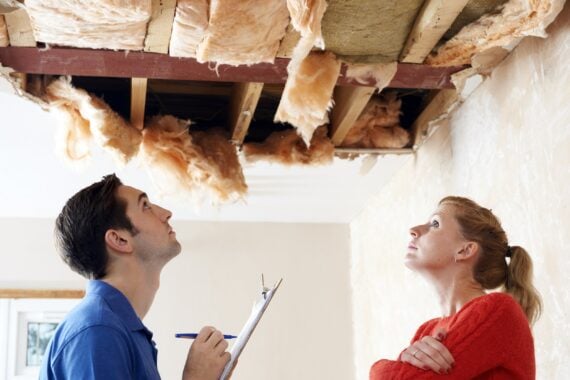
If it feels like every home repair now comes with sticker shock, you’re not imagining it. Jobs that once seemed routine — fixing an appliance, patching a roof, calling a plumber — now often cost hundreds or even thousands more than they did just a few years ago. While inflation gets a lot of the blame, it’s only part of the story behind rising home repair costs. From stricter building codes and pricier materials to labor shortages and even fees just to get a contractor to show up, a perfect storm of changes has quietly pushed repair costs higher across the board.
Here are the biggest reasons why fixing your home has become so much more expensive — and why those prices may not be coming down anytime soon.
‘Just Showing Up’ Now Costs Money
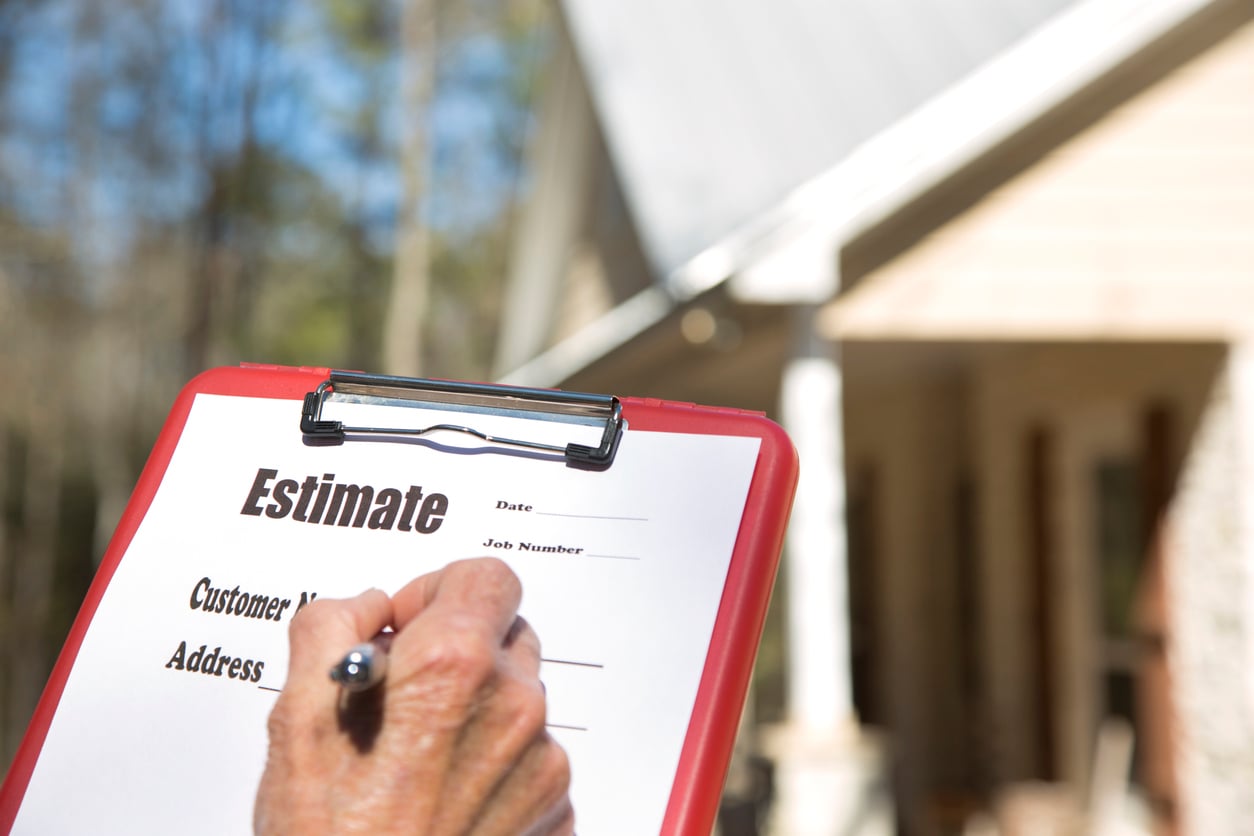
Many contractors have moved away from free consultations because labor is scarce and scheduling is tight. Waiting time and travel are real costs, so flat quotes or minimum service fees are increasingly common.
This ties into broader labor pressures where demand outstrips availability, pushing professionals to prioritize paying customers quickly.
Stricter Codes and Permits Mean More Red Tape, More Fees
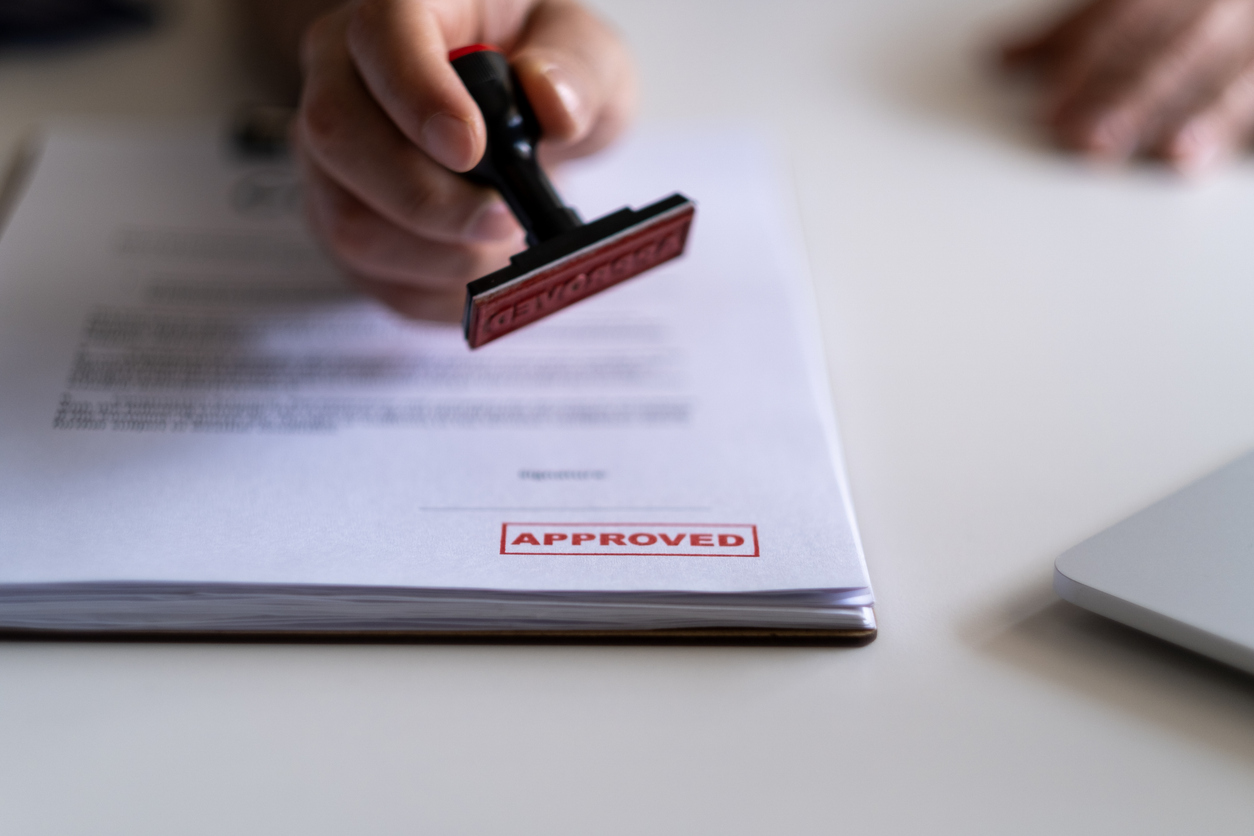
Building codes and safety standards have tightened nationwide, with permit costs rising and inspections more detailed. Even small jobs may now require permits that weren’t needed a decade ago — and those aren’t free.
Municipal permit fees and compliance requirements add direct costs and more time before work can start.
Parts Aren’t Universal Anymore

Modern appliances and home systems are more specialized, with proprietary parts that often can’t be swapped across brands or older models. That means higher parts costs and sometimes longer wait times for specific components.
This trend toward customization raises material costs because bulk, generic parts are less common.
Raw Material Prices Haven’t Normalized
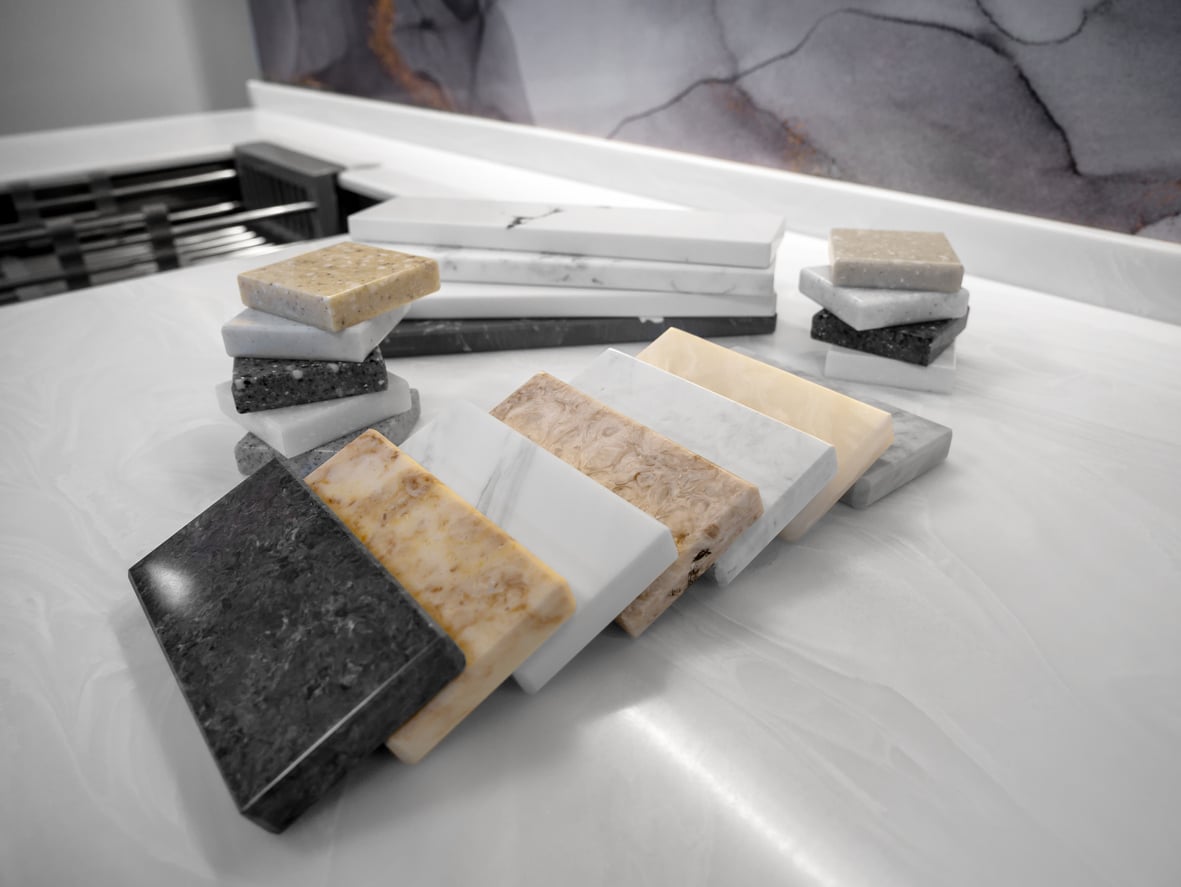
Many building and repair materials spiked during the pandemic and never fully dropped back down. Lumber, steel, drywall, and other staples remain well above pre-2020 levels, meaning every repair starts with a higher baseline cost.
Labor Shortages and Higher Wage Rates
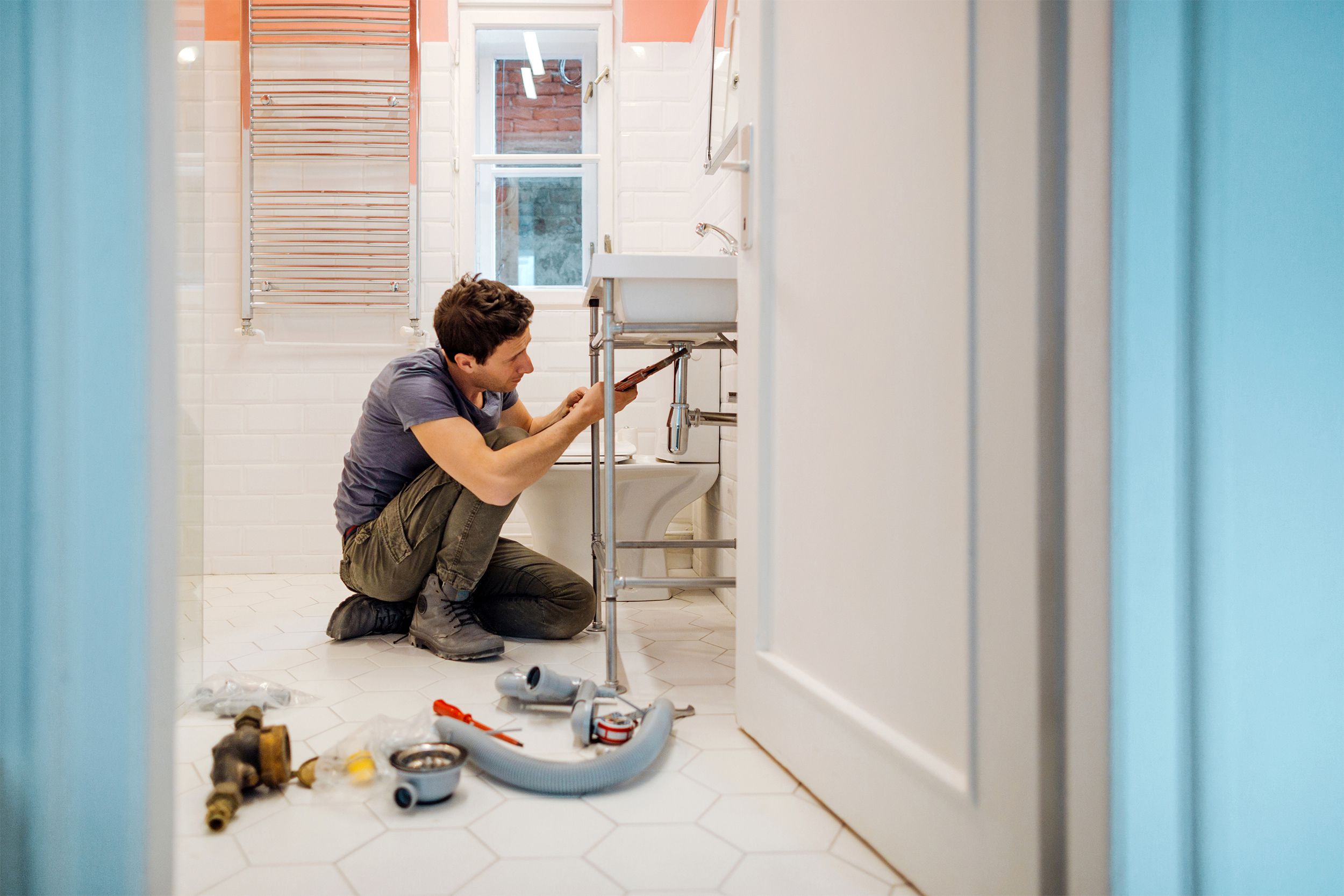
Skilled tradespeople are in short supply, so plumbers, electricians, roofers, and HVAC techs command higher hourly rates. Demand for these professionals remains high, and wait times for appointments have stretched out — another hidden cost for homeowners.
Experts explain that one industry report highlights labor as nearly 60% of total repair expenditures, showing how much wage growth is driving prices.
Trending on Cheapism

Aging Housing Stock
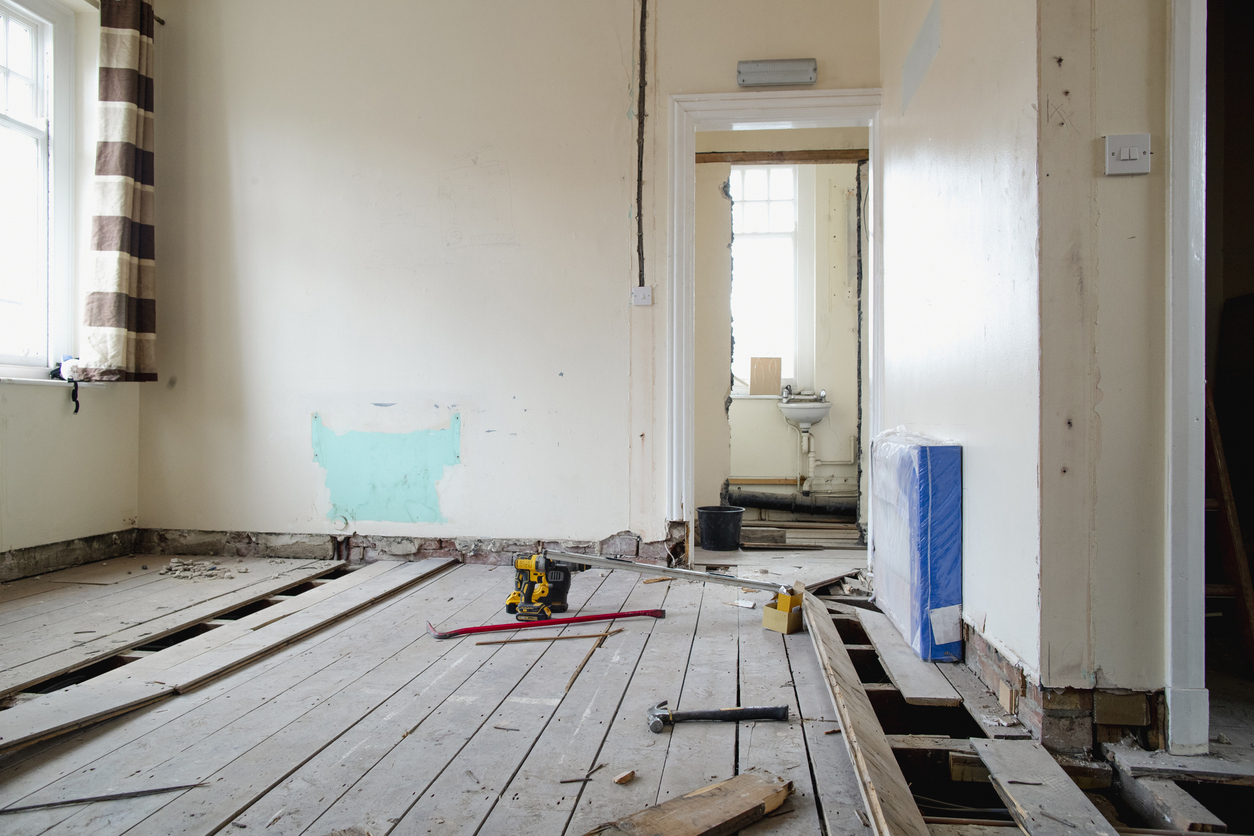
The average home in the U.S. is decades old, and older systems wear out and need more frequent — and more complicated — repairs. This means more extensive work rather than quick fixes.
Inflation Continues to Bite
General inflation boosts everything: materials, tools, fuel for transport, and even insurance costs. That means what used to be a $100 repair part can now cost significantly more — and that’s before labor is added.
Experts believe inflation is making everything more expensive, from paint to plywood and even small items like screws and caulk have climbed in price.
Tariffs and Global Supply Chain Pressures

New tariffs on imports (like cabinetry, specialized hardware, and fixtures) and ongoing supply chain disruptions have driven some material costs even higher, especially imported goods.
Sign up for our newsletter
Higher Demand for Service & Remodels
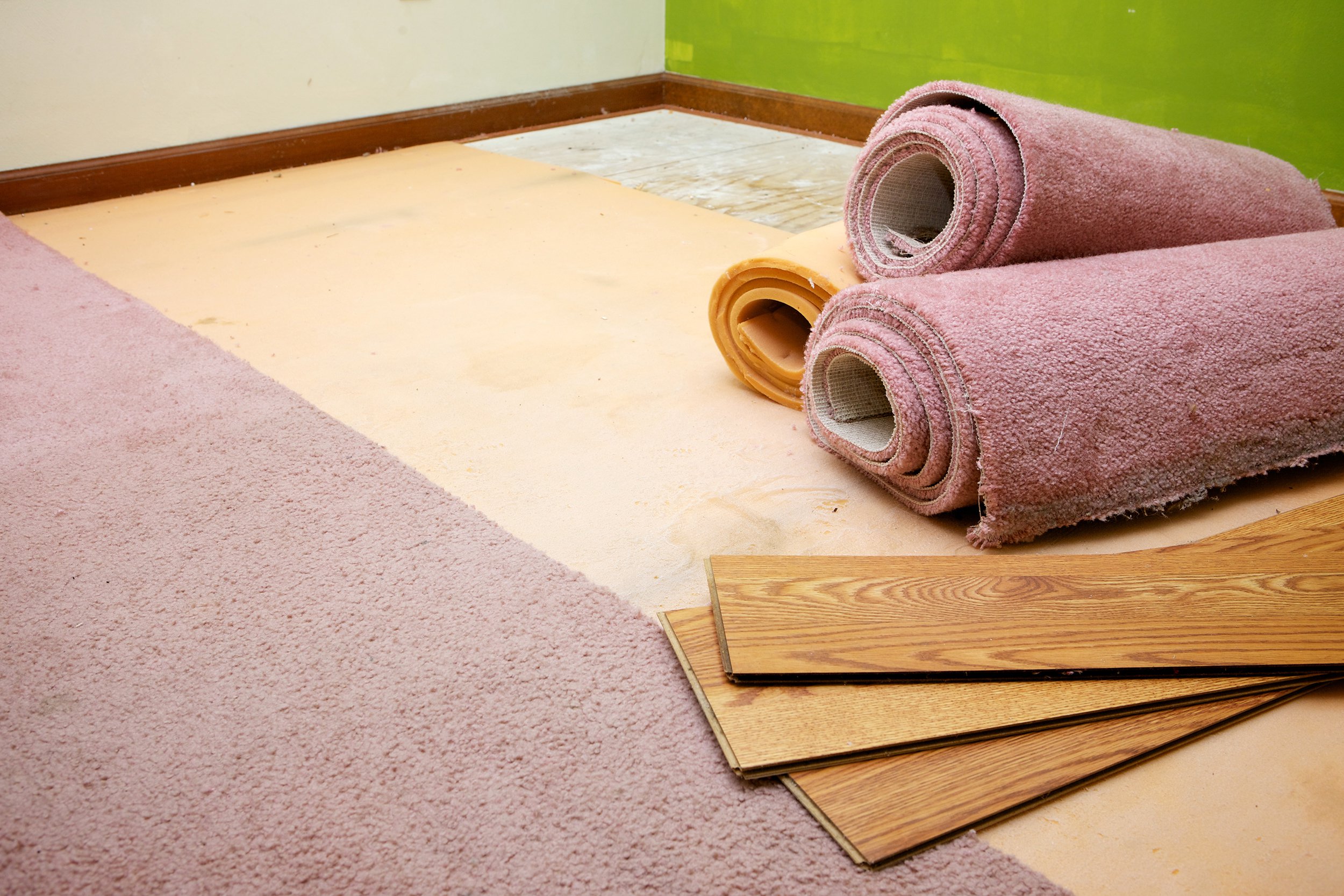
With moving costs skyrocketing, many homeowners are choosing to stay and renovate instead of relocating, boosting demand for repairs and improvements. That higher demand puts upward pressure on pricing.
More Complex Systems and Tech in Homes
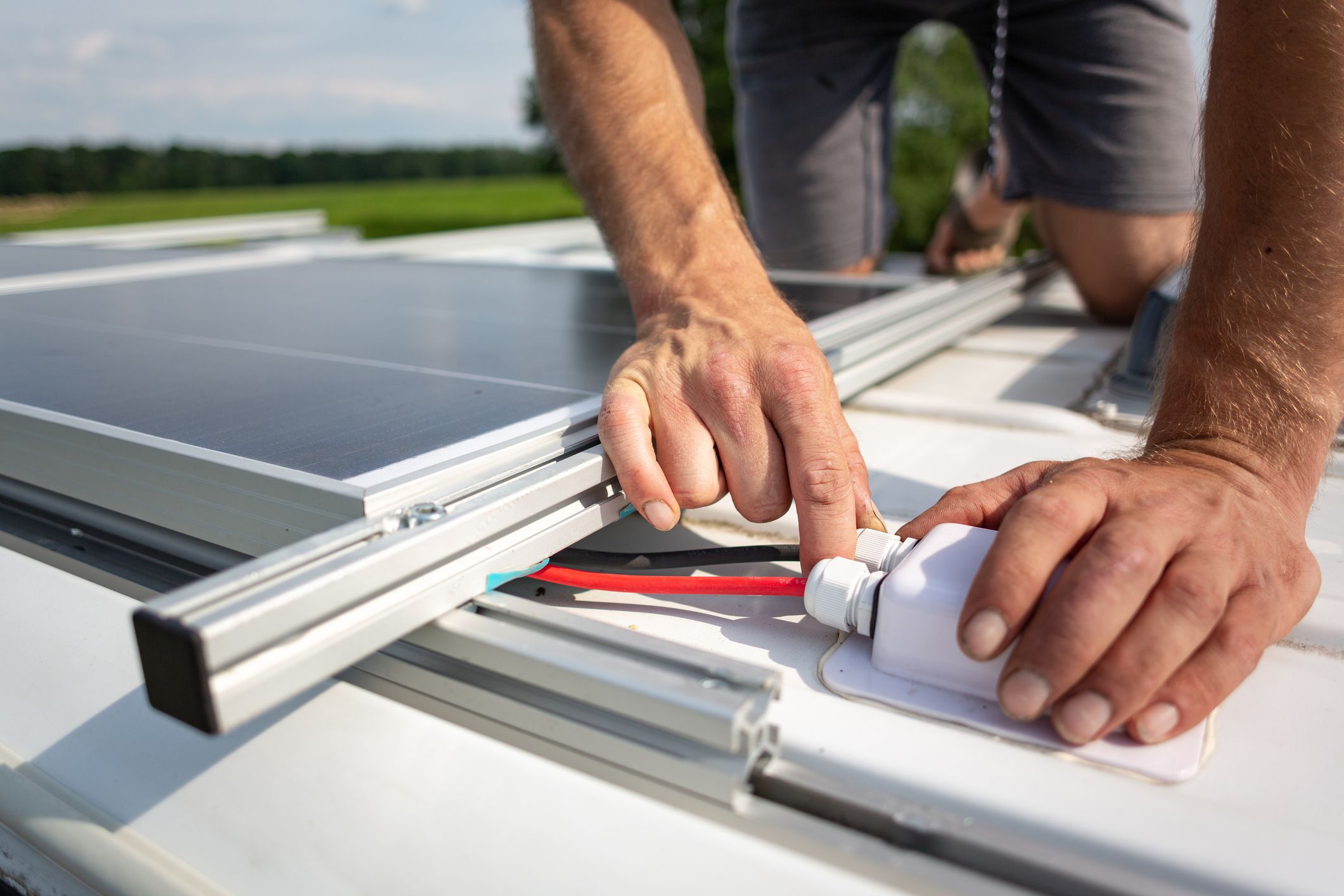
Modern homes have more advanced tech (smart appliances, integrated HVAC, EV chargers, solar systems), which requires more specialized labor and parts — both of which come at a premium.
That complexity pushes routine fixes into a higher cost bracket.
More From Cheapism
- New Data Shows Just How Hard It Is to Buy a Home Right Now — If you think snagging a house these days feels impossible, recent numbers confirm the market really is stacked against buyers, with high prices, fierce competition, and scarce inventory making homeownership tougher than ever.
- 22 Affordable Ways to Prepare Your Home for Extreme Weather — Before the next storm hits, check out these practical, budget-friendly tips to fortify your home against extreme heat, cold, wind, flooding, and more — from insulation upgrades to sump pumps and smart landscaping.
- Build-to-Rent Communities Are Booming. But Who Are They For? — With homeownership slipping out of reach for many, a new wave of rental communities designed like suburban neighborhoods is growing fast — offering a middle ground between traditional renting and buying, along with perks and pitfalls to consider.