

It’s true that when you go on vacation, the idea is to relax and forget about your daily responsibilities, but you need to be careful when staying in a hotel room. The vast majority of these establishments are safe, but you can make certain mistakes than could lead to losing your valuable personal belongings, not sleeping well or ruining your vacation. Review these habits you shouldn’t have when leaving your house and achieve a hotel room safety!
Leaving Valuables Out In Plain Sight
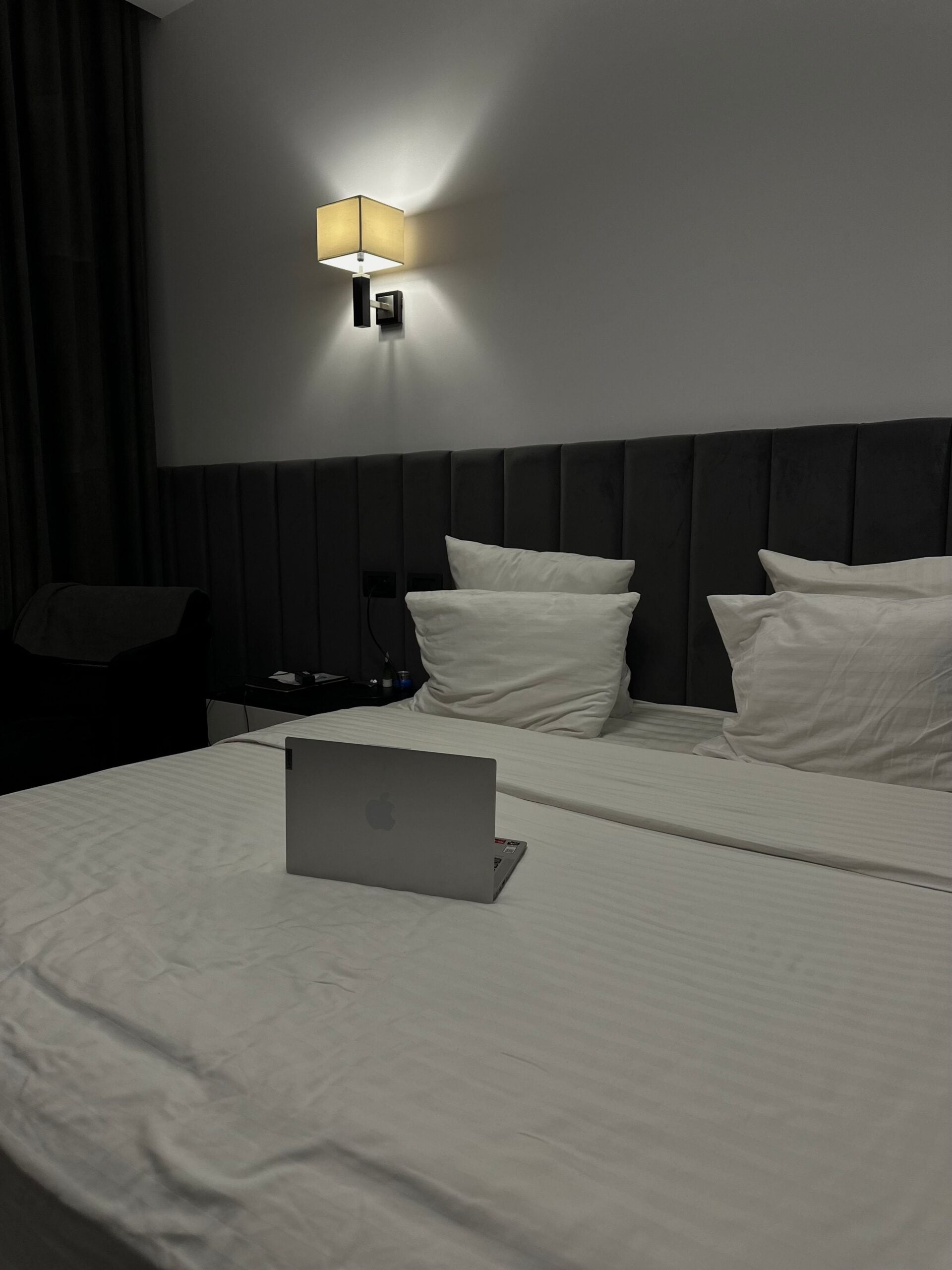
The chances of your belongings being stolen in a hotel are low, but not zero. The vast majority of hotel employees do their jobs well and are polite, but it’s best to treat your hotel room as a semi-private space, not entirely yours. After all, the cleaning lady, maintenance worker, and other staff members might come in when you’re not there. Don’t leave items such as computers, jewelry, passports, cash, or expensive electronics in plain sight; take them with you.
Ignoring The Door Lock Check
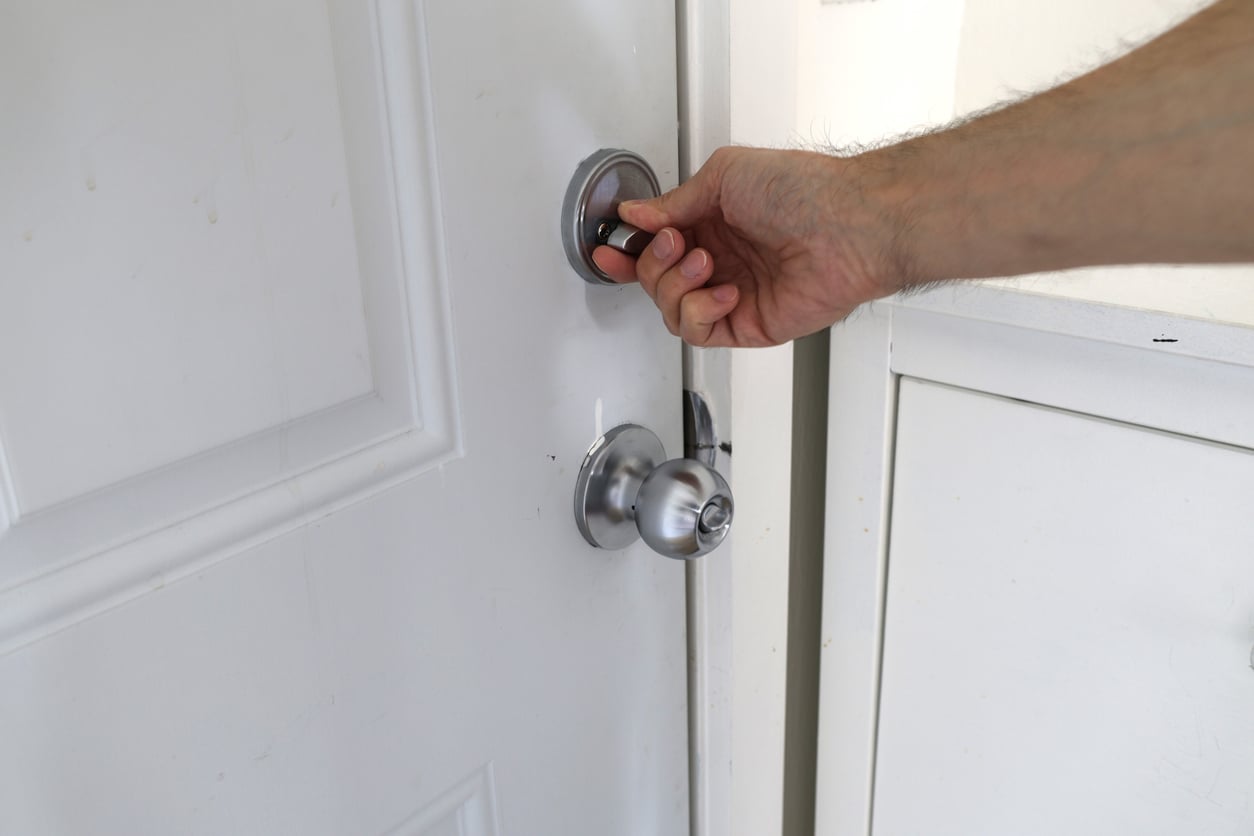
You should inspect all the locks in your room before leaving. The deadbolts, security latches, windows, and doors to the balcony should all be secure. There might be a problem with one of the locks, preventing you from closing it, so it’s best to double-check to ensure your safety for the rest of the day. Once you get used to these checks, they become a habit every time you enter a hotel room.
Drinking From Unwrapped Glasses
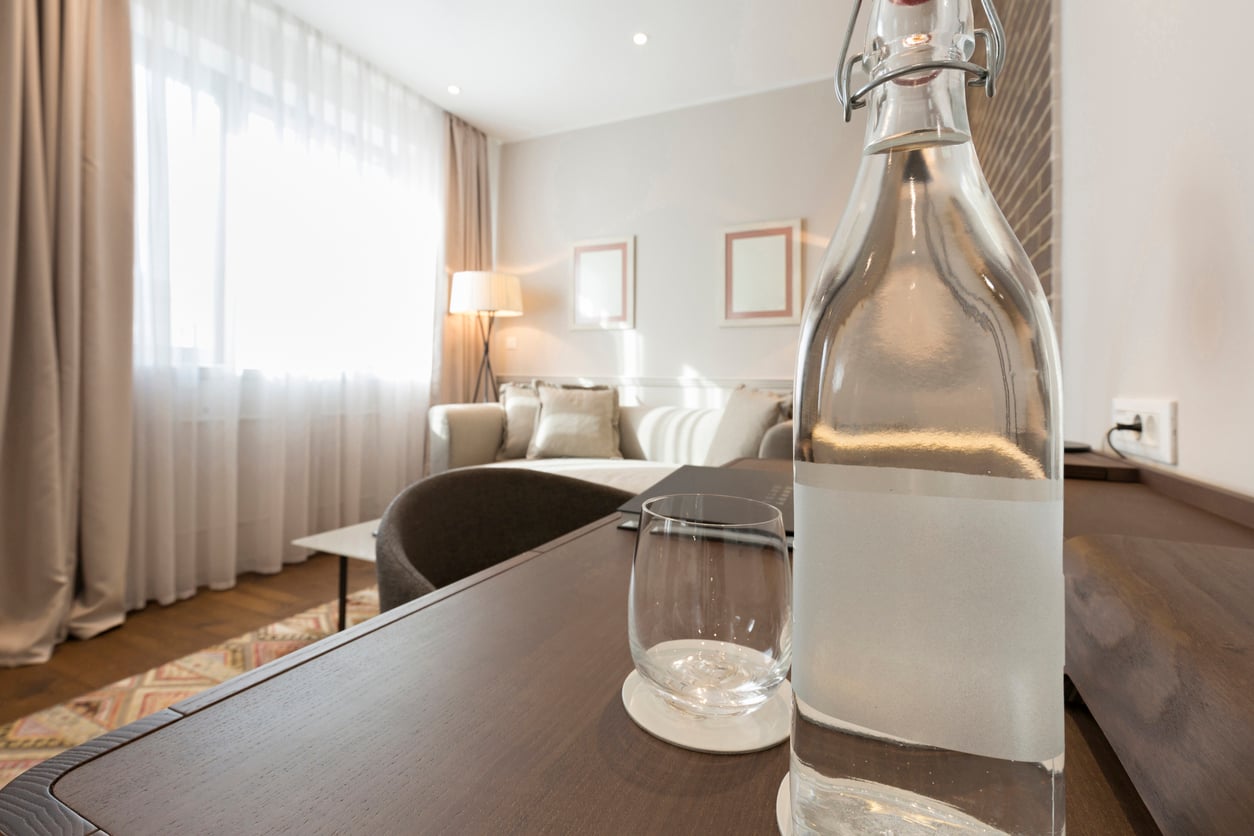
Don’t drink from complimentary glasses in the room, those glass ones that are usually on a table. Don’t accept a drink from a glass that hasn’t been sealed in some way; it may not be properly sanitized. Hotel cleaning protocols are good and effective, but it’s best to opt for a disposable cup from an unopened package. It’s not a dangerous situation, but it will help you avoid getting sick.
Walking Barefoot On Carpet
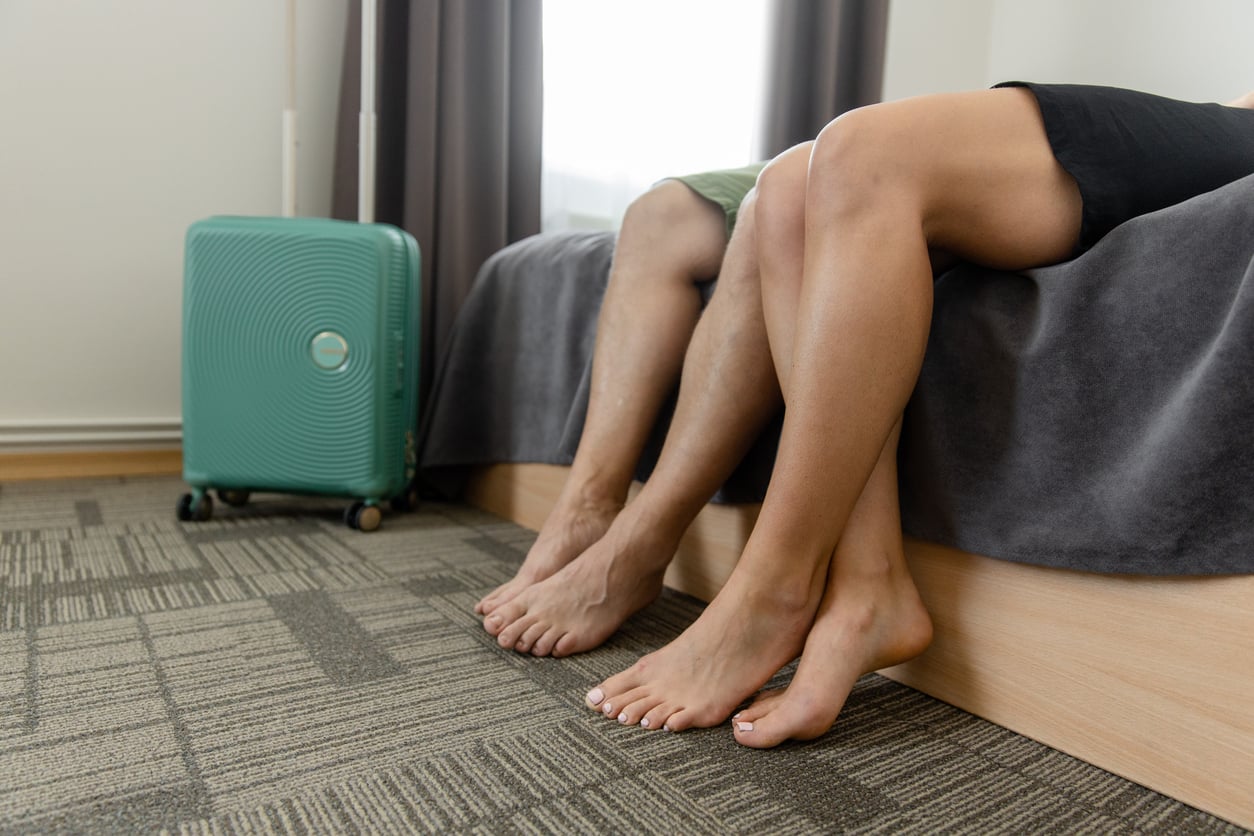
Even if the carpets in a room look clean, it’s best to avoid walking barefoot on them. You don’t know how the previous guest walked on them, or what dirt they carried on their shoes, or if they got them dirty with something. Some experienced travelers bring slippers or simply wear socks. Remember that cleaning carpets is much more complicated than cleaning floors.
Using The Coffee Maker Without Inspecting It
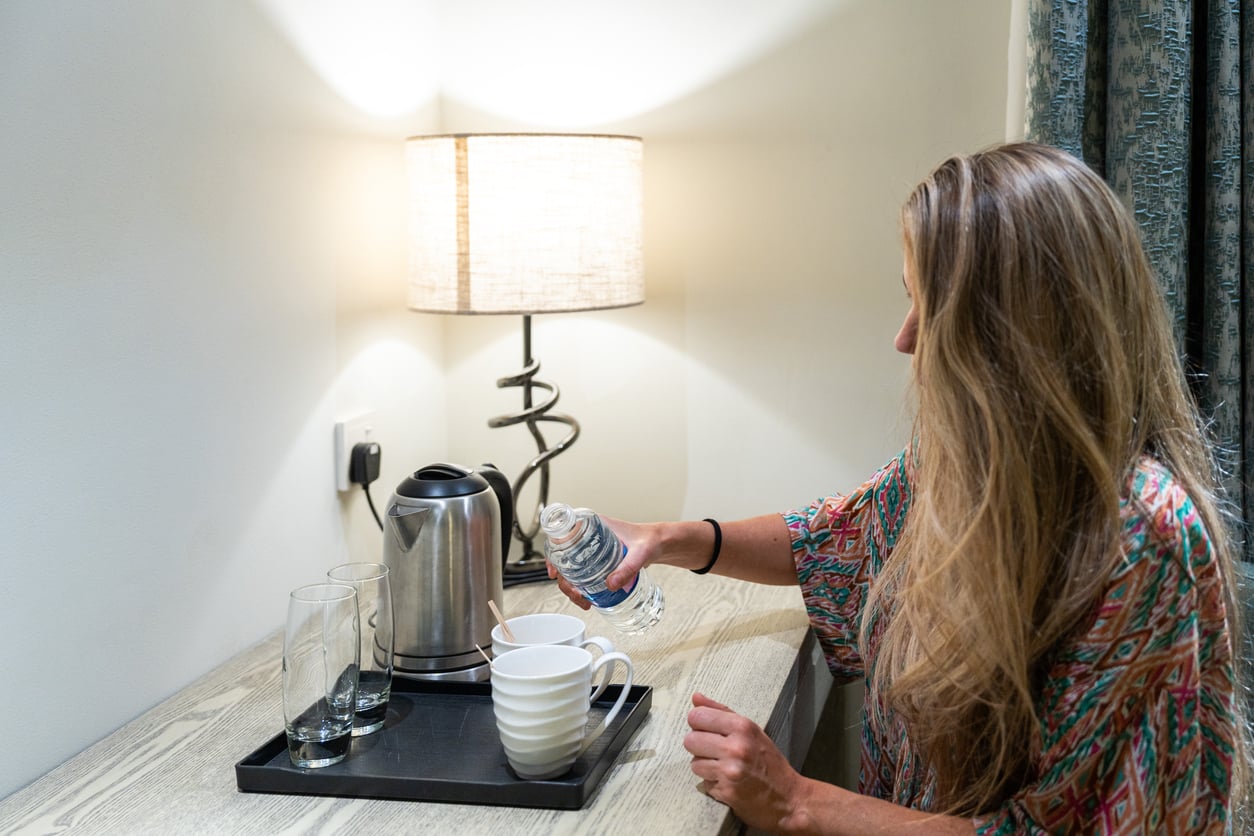
We know that many coffee lovers will want to enjoy a cup of their favorite beverage if they see a coffee maker in their own hotel room, but first, you should clean it. Even if it looks brand new, ideally, you should run a water wash cycle. However, even then, many guests don’t feel confident using it and choose the lobby coffee or a local café over the machine itself. Perhaps it’s not even due to poor cleaning by the hotel staff, but simply because you never know how the previous guest used it.
Trending on Cheapism


Leaving Chargers Behind
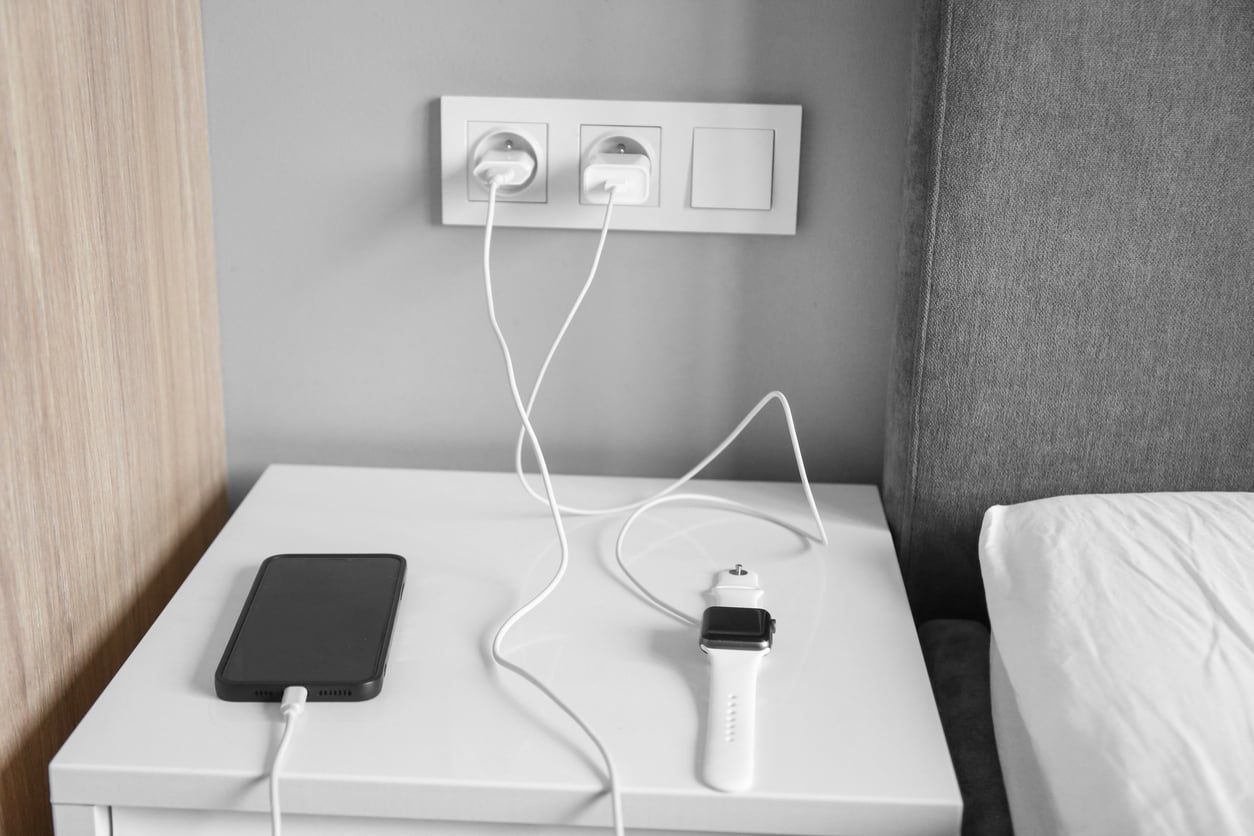
Based on some conversations on Reddit, people are reporting that laptops, smartwatches, earbuds, phone chargers, and USB adapters are among the most frequently lost items in hotel rooms. It’s easy to forget to pack some of these items, and finding them can be tricky because they often look similar. However, hotels usually have a designated area for everyday accessories that get lost in the rooms.
Forgetting To Check For Bed Bugs
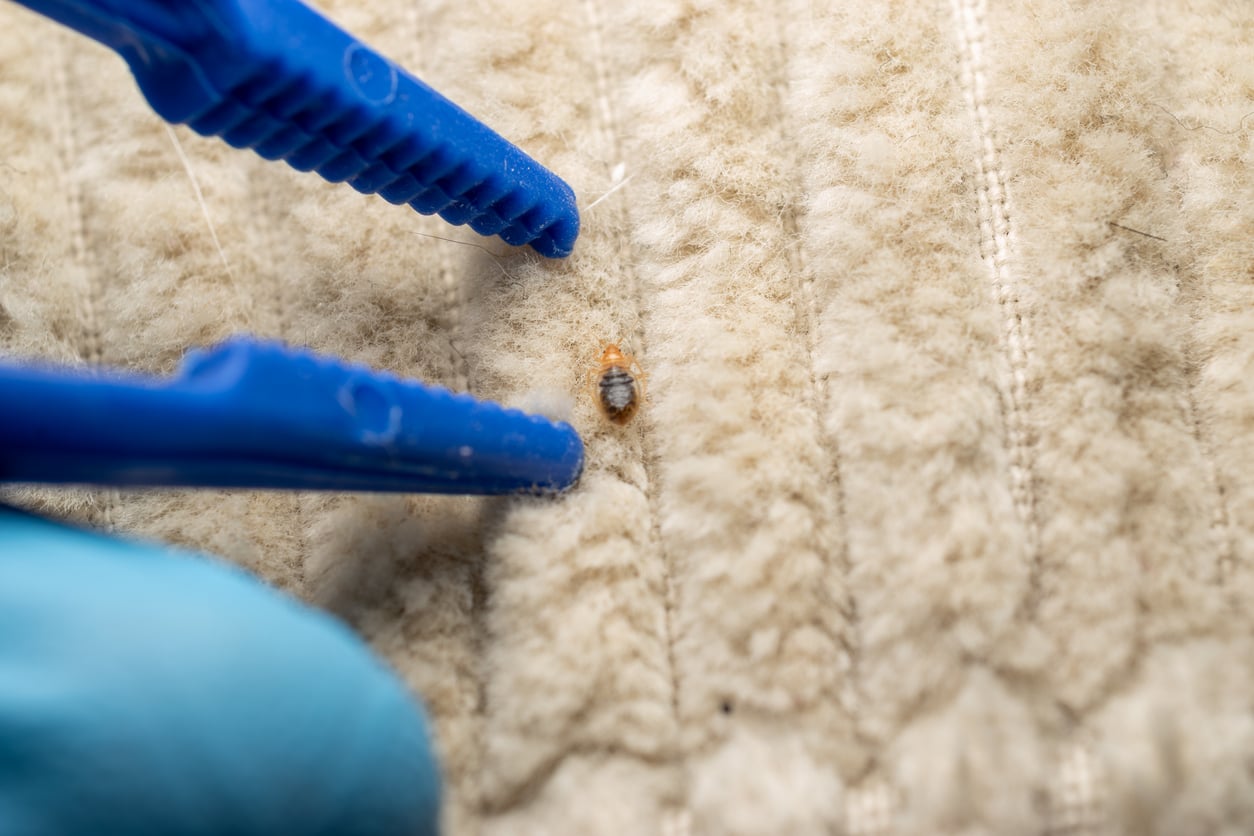
You never expect to have a bug problem in a hotel room, but it’s best to inspect the place as soon as you arrive. You could be unlucky and even luxury chains can have this problem. Check the cleanliness to avoid a nasty surprise and prevent future problems. Similarly, checking the security of the doors and windows, as mentioned earlier, is a habit many travelers maintain.
Assuming The Room Safe Is Foolproof
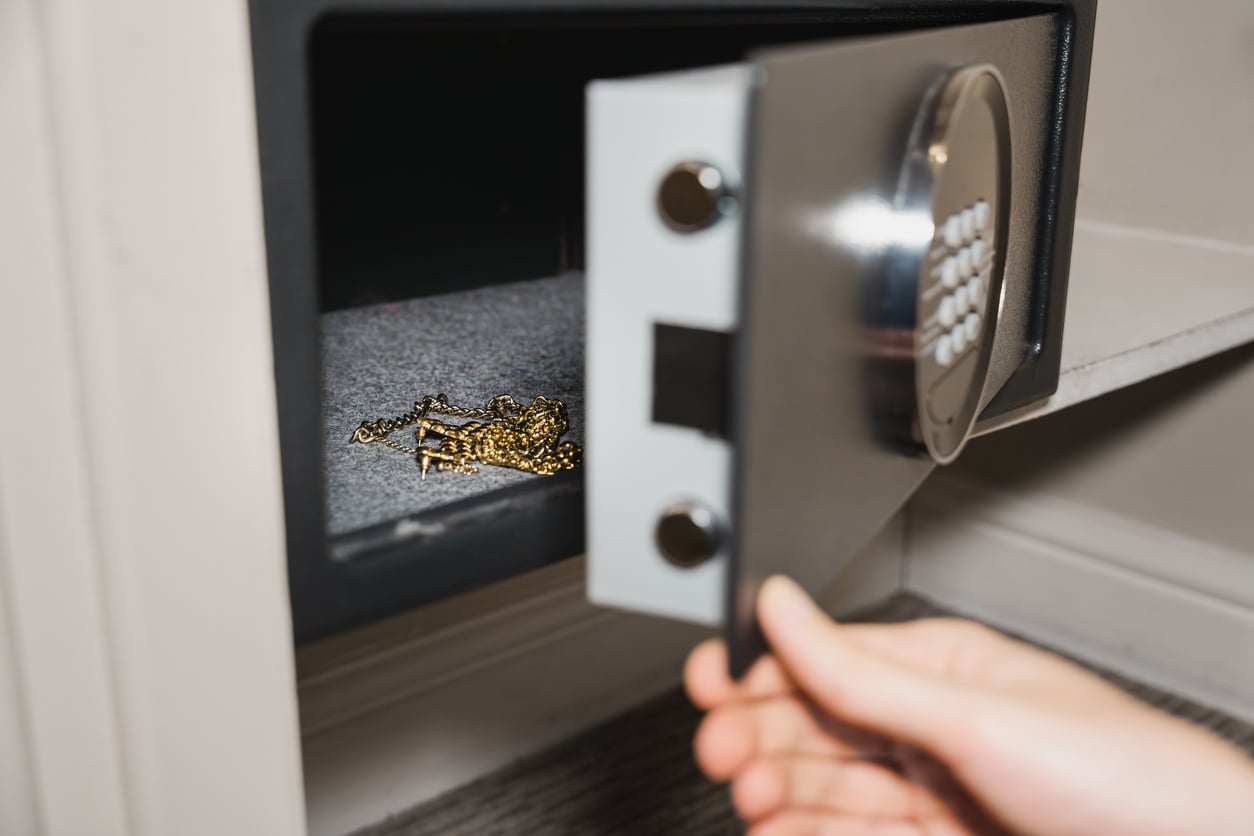
Be aware that when you leave your belongings in a safe in your room, they won’t be completely secure. While placing them there can help prevent opportunistic theft by staff members, it’s best to keep your irreplaceable items with you, like passport and important documents. Even some security professionals indicate that these in-room safes do not fulfill their purpose 100%.
Sign up for our newsletter
Posting Your Room Number Online

Social media has allowed people to expose even the most intimate aspects of their lives, but allowing strangers to see your hotel room number through posts or live streams can be dangerous. You could be creating a potentially risk situation by revealing your location, when you’re out of the room, and when you’re not. Many experienced travelers wait until they’ve checked out their accommodation to share their detailed location.
Leaving Food Out Overnight

Just like you wouldn’t in your own home, you shouldn’t leave food out overnight. That food can attract pests or creatures you don’t want in your room. And if you’re in a warm climate or near wild areas, even worse. Put it in the mini-fridge in your room, or throw it away altogether because that food might not be safe for you after being left out all night.
Using Public Wi-Fi Without Caution
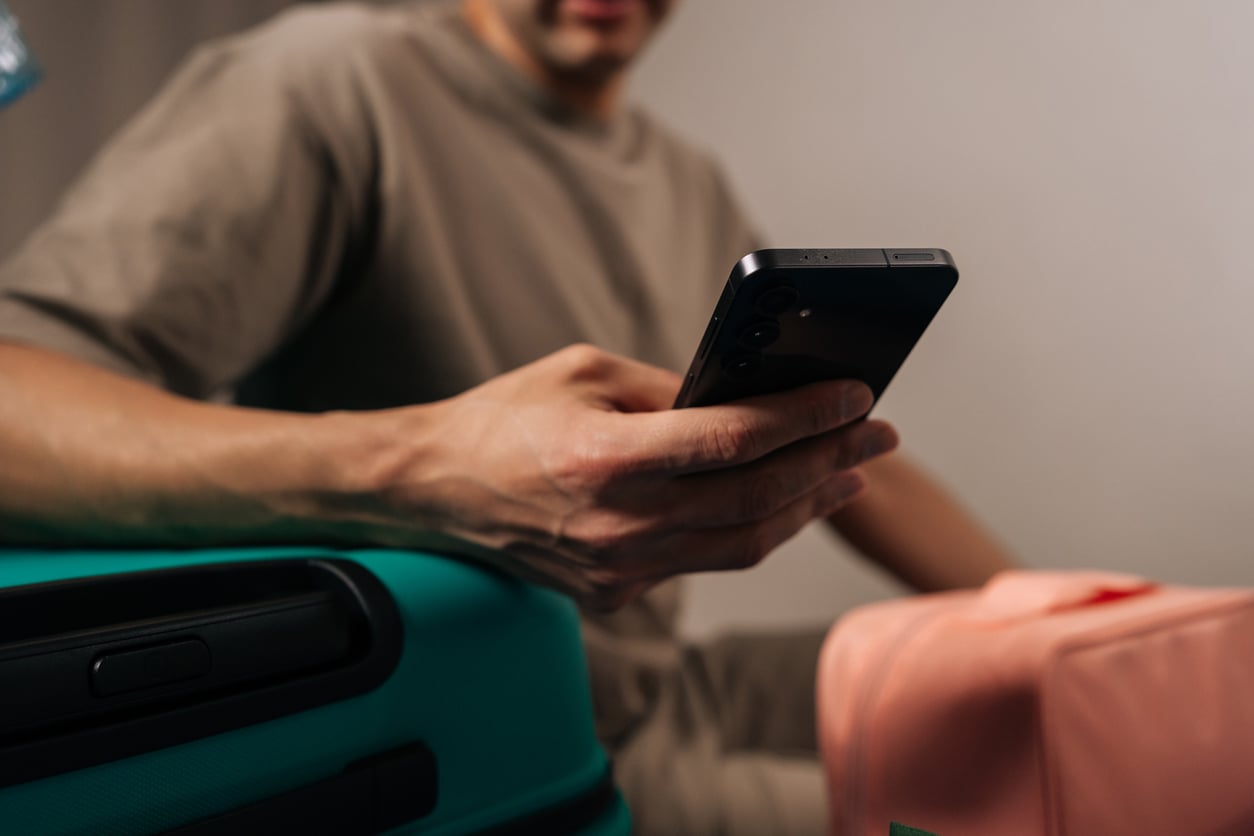
Another danger posed by today’s technological world is using public Wi-Fi networks without caution. Cybersecurity is an unfamiliar area for many people, so avoid conducting financial transactions on public networks; hotel Wi-Fi is a more suitable option. Furthermore, you could use a VPN or secure websites for extra protection when browsing sensitive personal information.
Sleeping With The “Do Not Disturb” Sign Forgotten
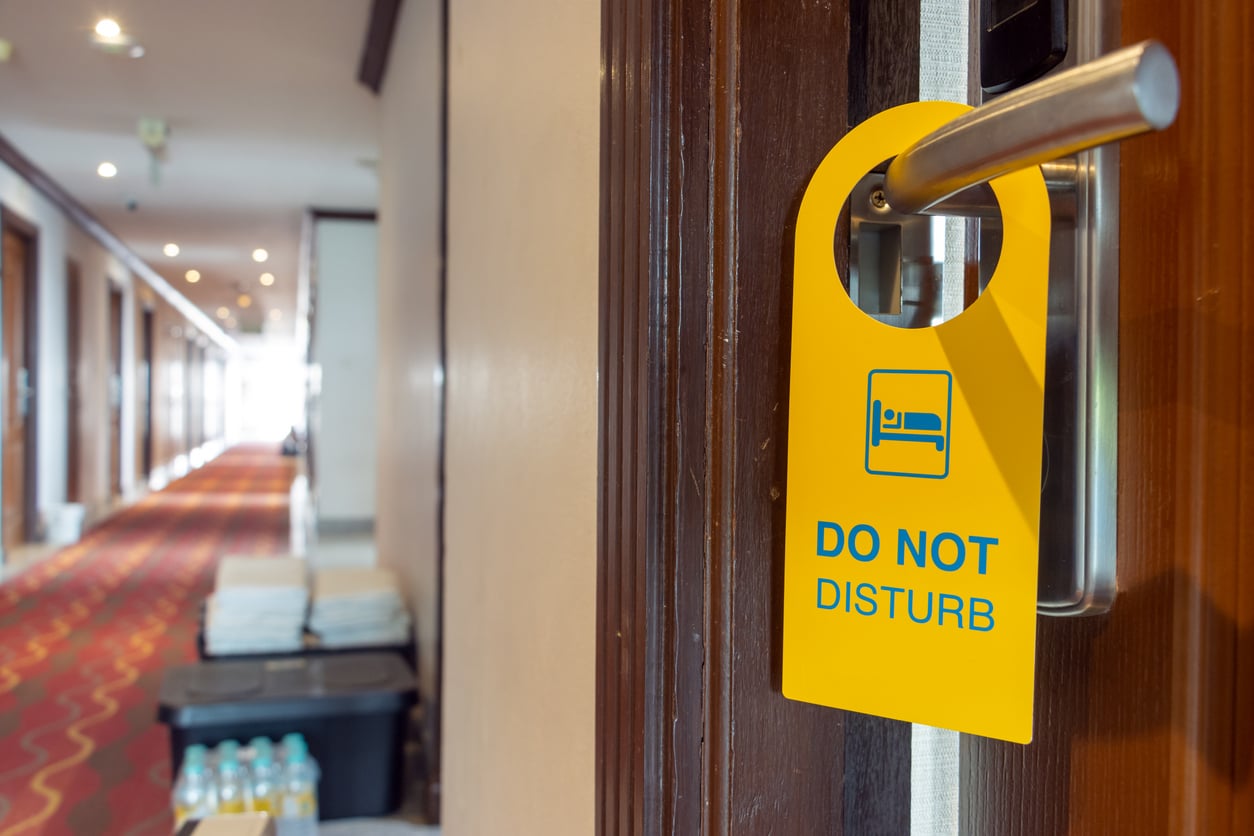
Many inexperienced travelers overlook the fact that you can use a “Do not disturb” sign and place it on the outside door handle of their room. If you plan to spend a significant amount of time in your room, its best to put it up, as these establishments have daily housekeeping visits and sometimes every few hours, as well as maintenance and other service procedures.
Ignoring The Fire Exit Map
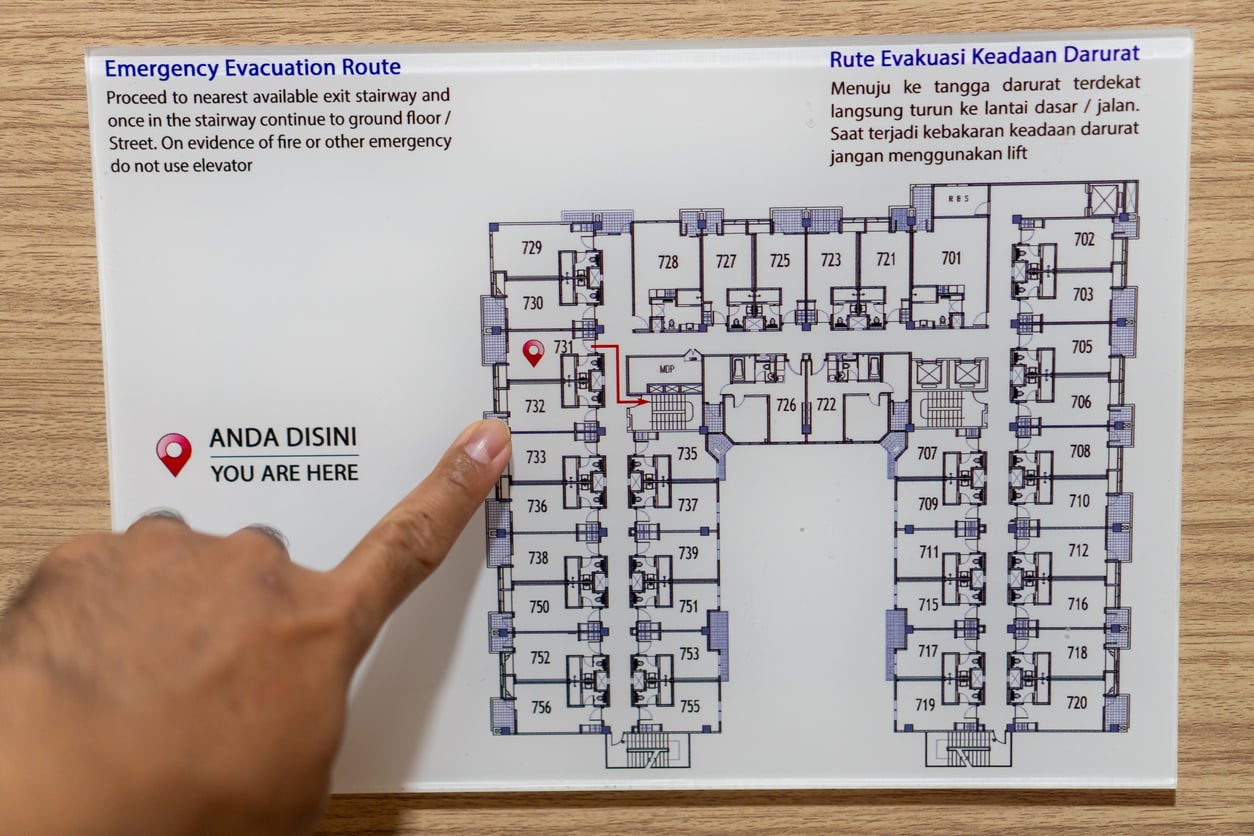
We’ve all seen those maps to help us find our way out in case of fire, but let’s be honest, we don’t always pay attention to them. Most guests don’t bother looking at this crucial piece of information, which hopefully you won’t need during your stay. However, gaining those extra seconds of already knowing what to do in emergency situations can be key.
Putting Suitcases Directly On The Bed
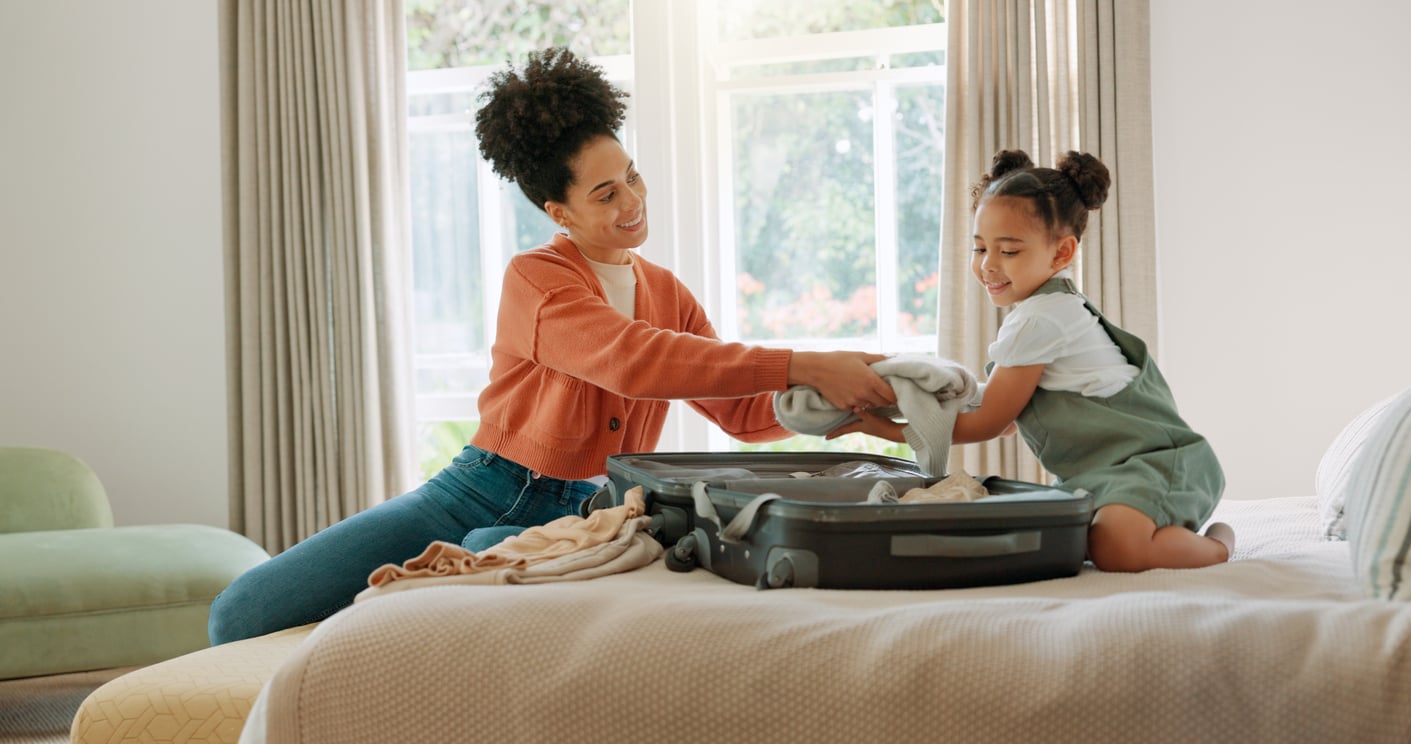
If you’re concerned about the cleanliness of your hotel room, you shouldn’t put your suitcases on your bed to retrieve or store your travel clothes. Remember that those suitcases have been in airports, taxis, luggage carts, and other transportation hubs, places that are quite dirty. Therefore, take your clothes out of there and put the suitcase under the bed. In fact, some hotels have luggage racks, but they aren’t used very often by guests.
Assuming Mini-Bar Sensors Are Foolproof
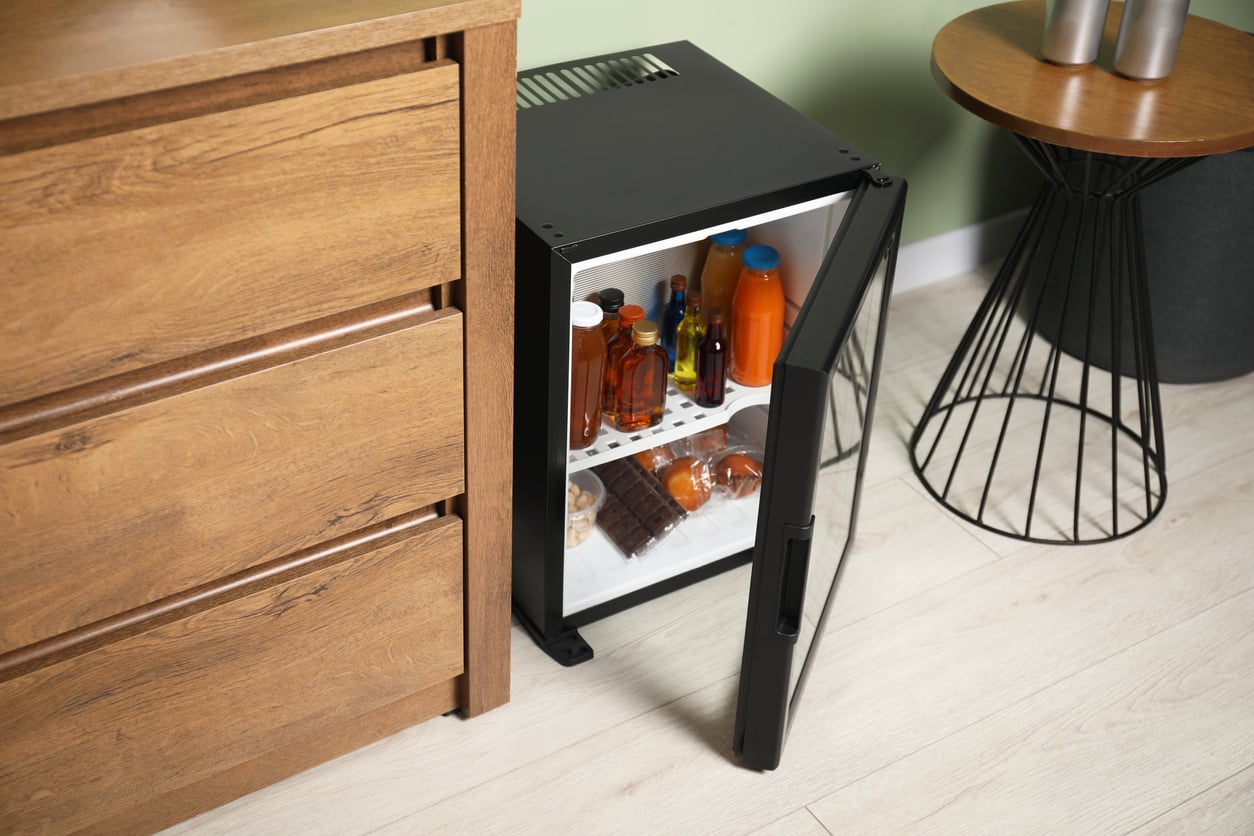
You might not know that the minibars in your room have sensors. These alarms are usually activated to detect movement, so if you open it, move anything or rearrange the contents, the staff may already be aware of it. Reading the hotel’s policies can help you avoid an unpleasant surprise when you check out. It’s best to ask or find out in advance how they handle this.
Leaving Passport In a Jacket Pocket
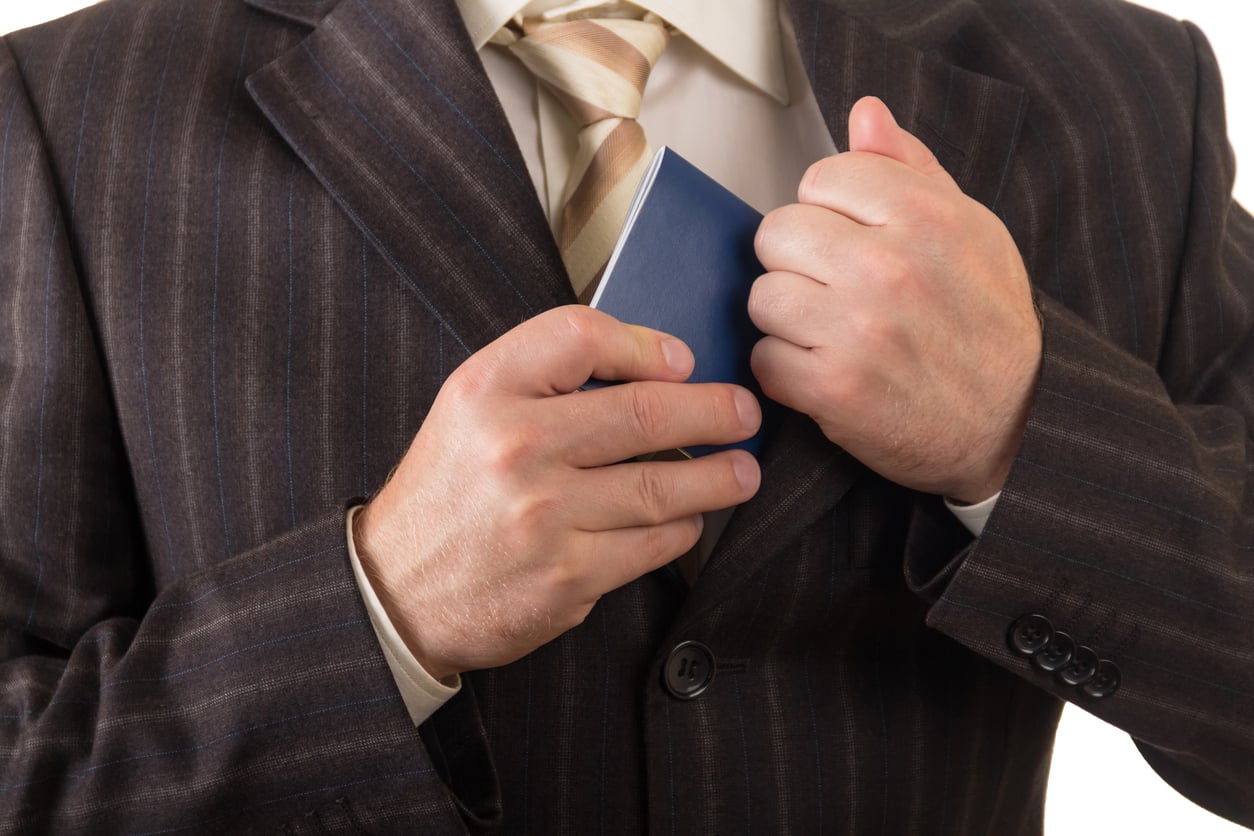
If you’re easily distracted, you might create problems where none exist. Some travelers momentarily ‘lose’ their passports or important documents when they actually have them in a coat pocket or their travel companion has moved them. The best thing you can do is designate a box or container where you put them and leave them there at all times; this will save you time later when you need to find them.
Using Every Hotel Toiletry Automatically

The toiletries you find in a hotel might seem like complimentary items provided by the hotel for your stay, but you should be careful. These products vary in quality and how long they’ve been there. If you have sensitive skin or allergies, don’t take risks with unfamiliar products. Check the labels and ingredients. However, most hotels offer above-average products.
Forgetting a Final Room Sweep
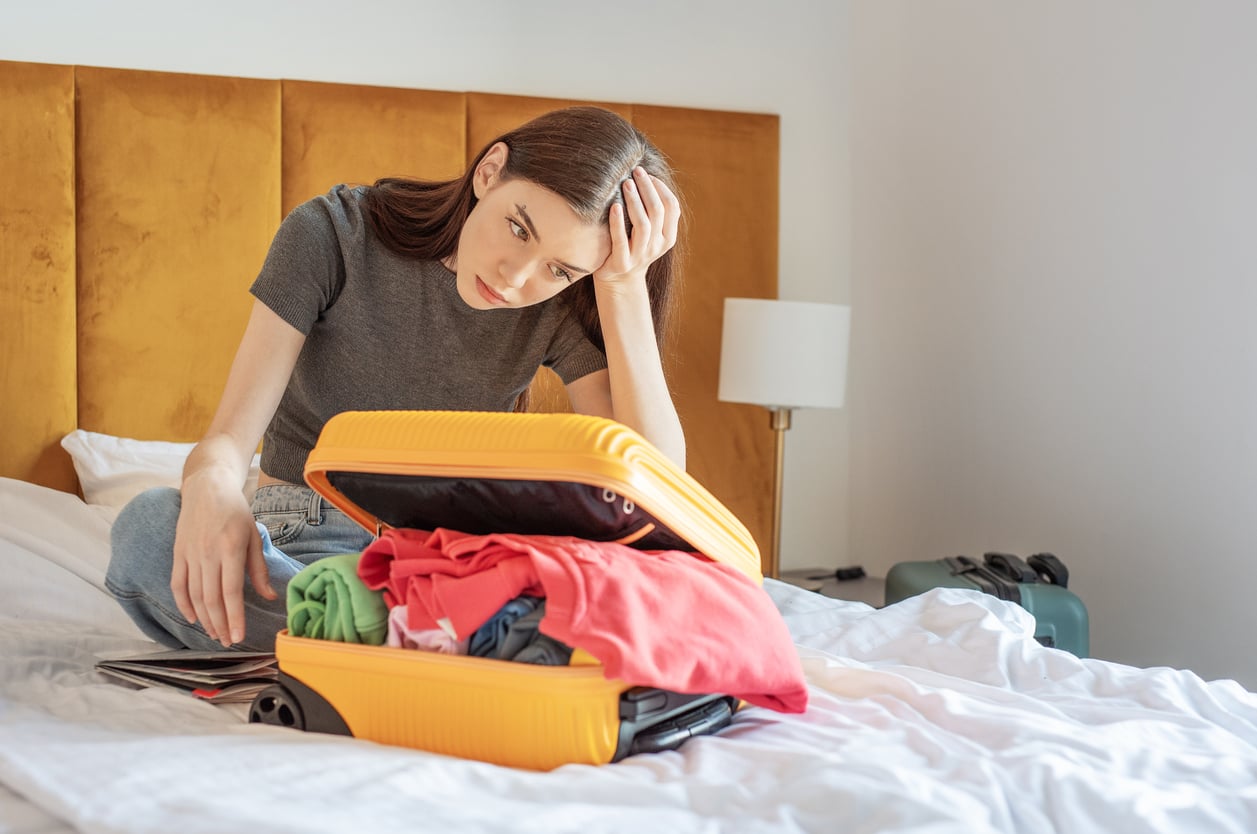
Just as there are habits you can adopt as soon as you enter a hotel room, such as checking that all windows and doors can be locked from the inside and that there are no bugs, you can also adopt habits upon departure. One of these is to inspect the entire room before leaving, closets, bathroom, under the bed, so you don’t forget any of your belongings. This habit can save you money and hassle.
Assuming Hotel Water Bottles Are Free
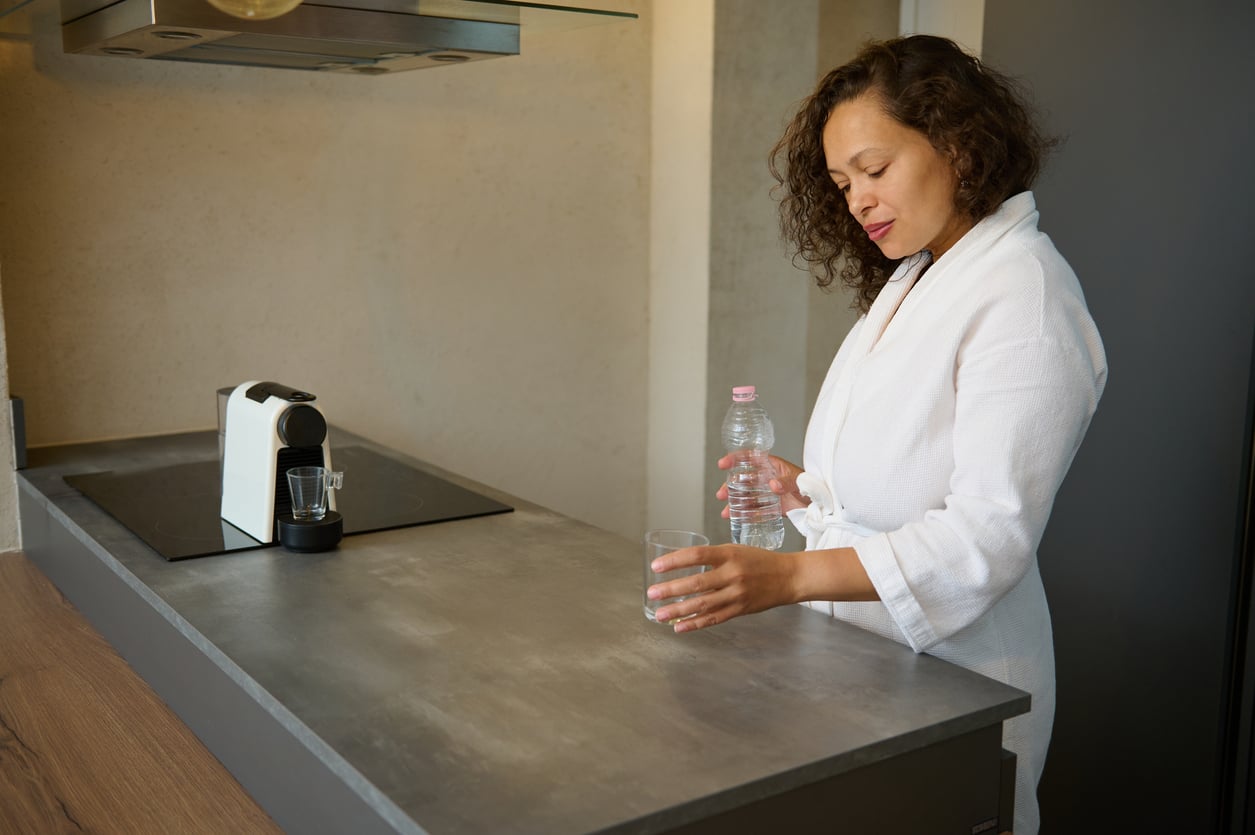
Policies regarding bottled water in hotels can vary. Some offer ir free of charge, but in other cases, the cost can be quite high. It’s not like restaurants, where they are obligated to serve you tap water upon request, and at no extra charge. Guests may be surprised at checkout, assuming that the bottled water was included in their hotel price. It’s best to ask beforehand to avoid any unpleasant surprise.
Ignoring Strange Charges at Checkout
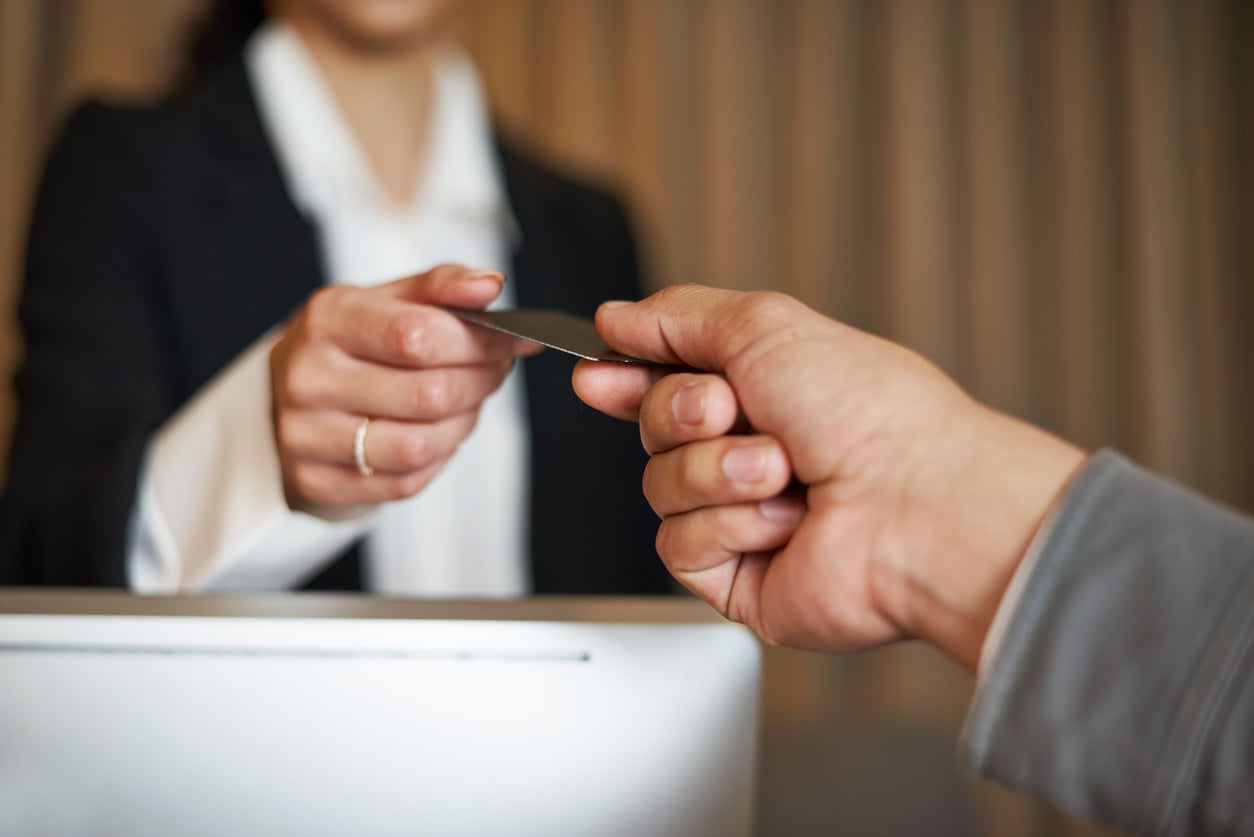
When your hotel stay ends, you want to skip the steps of packing your clothes, paying the bill, and the trip home. However, you should pay close attention to the bill you receive, as there may be unintentional errors, duplicate charges, issues with minibar costs, or parking fees. Address these corrections before heading home, it’s the final step!
Why Experienced Travelers Develop These Habits
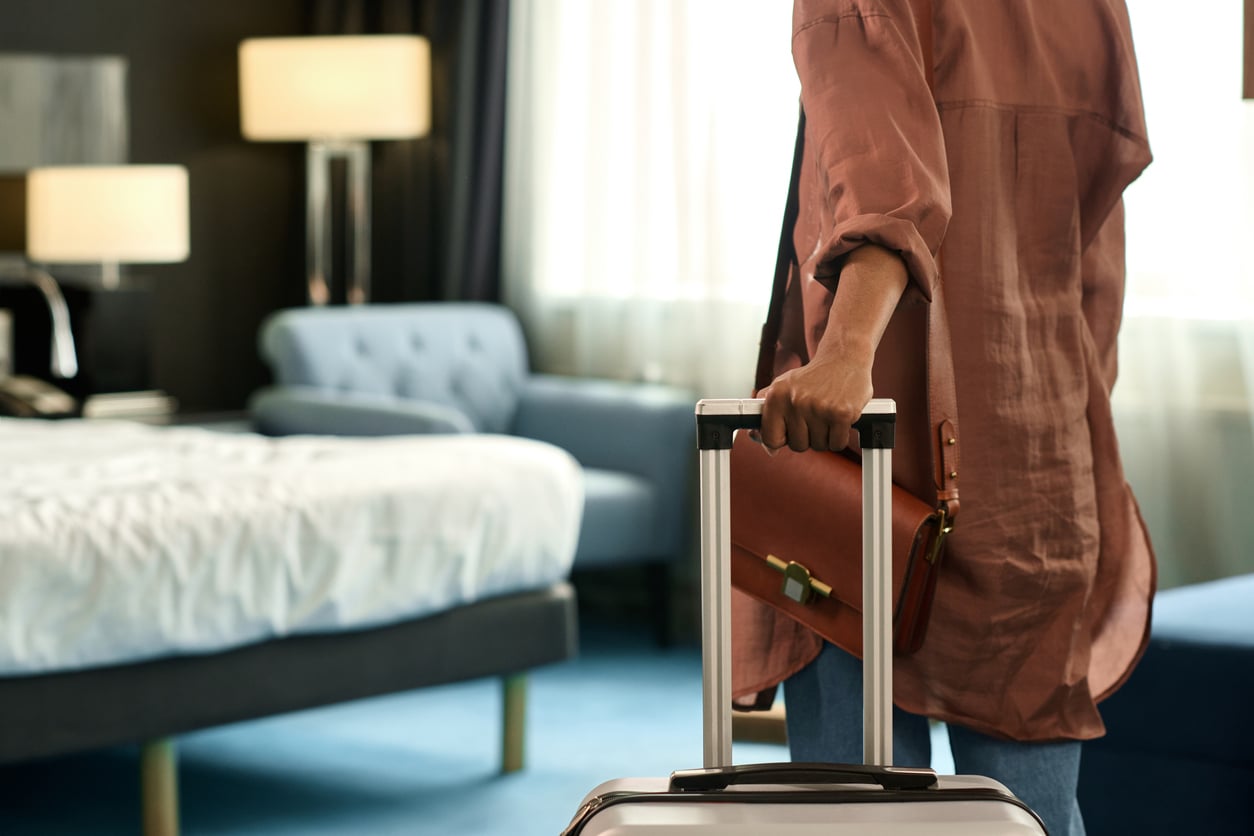
We don’t mean to suggest that hotels are dangerous or a nuisance, but some of these situations can easily arise during your stay. Avoiding them is also simple, so these small efforts will save you from bigger problems or avoidable confrontations. The best lesson is to be a guest who is aware of their surroundings.