
For a long time, a four-year college degree was treated like the safest path to a steady future. For many people, it still is. But these days, more Americans are taking a hard look at the price tag and asking whether college is the only way to build a good life. Between rising living costs, student-loan stress, and a job market that keeps changing, trade schools, apprenticeships, certificate programs, licenses, and hands-on careers are starting to look a lot more practical. That does not mean these jobs are easy. Electricians, welders, truck drivers, real estate agents, dental hygienists, coders, and small-business owners still need training, patience, and real skill. But for people who want to start earning sooner, avoid years of debt, or do work that feels more direct and useful, these paths can feel less like a backup plan and more like a smart choice.
Electrician
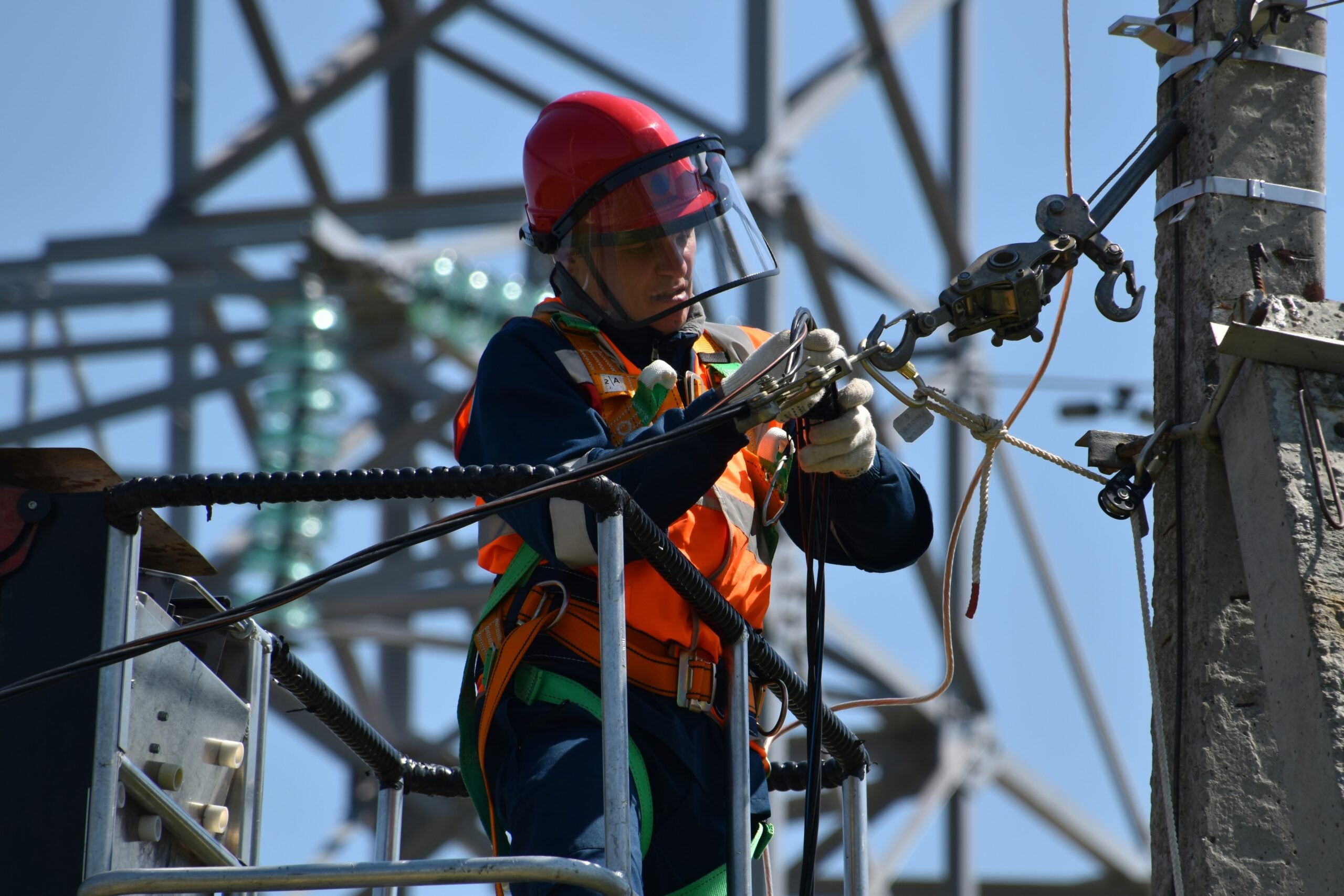
Electricians are one of the clearest examples of a solid career that does not have to begin with a four-year degree. Many people get into the field through apprenticeships, which lets them earn a paycheck while they learn the trade instead of taking on years of college debt. The work is also in steady demand, especially as homes, businesses, new construction, clean-energy projects, and EV charging stations all need trained people who understand wiring, safety codes, and power systems. It is hands-on, physical work, and becoming licensed takes time, but for many workers, it feels like a practical path to a stable career without paying for college first.
HVAC Technician
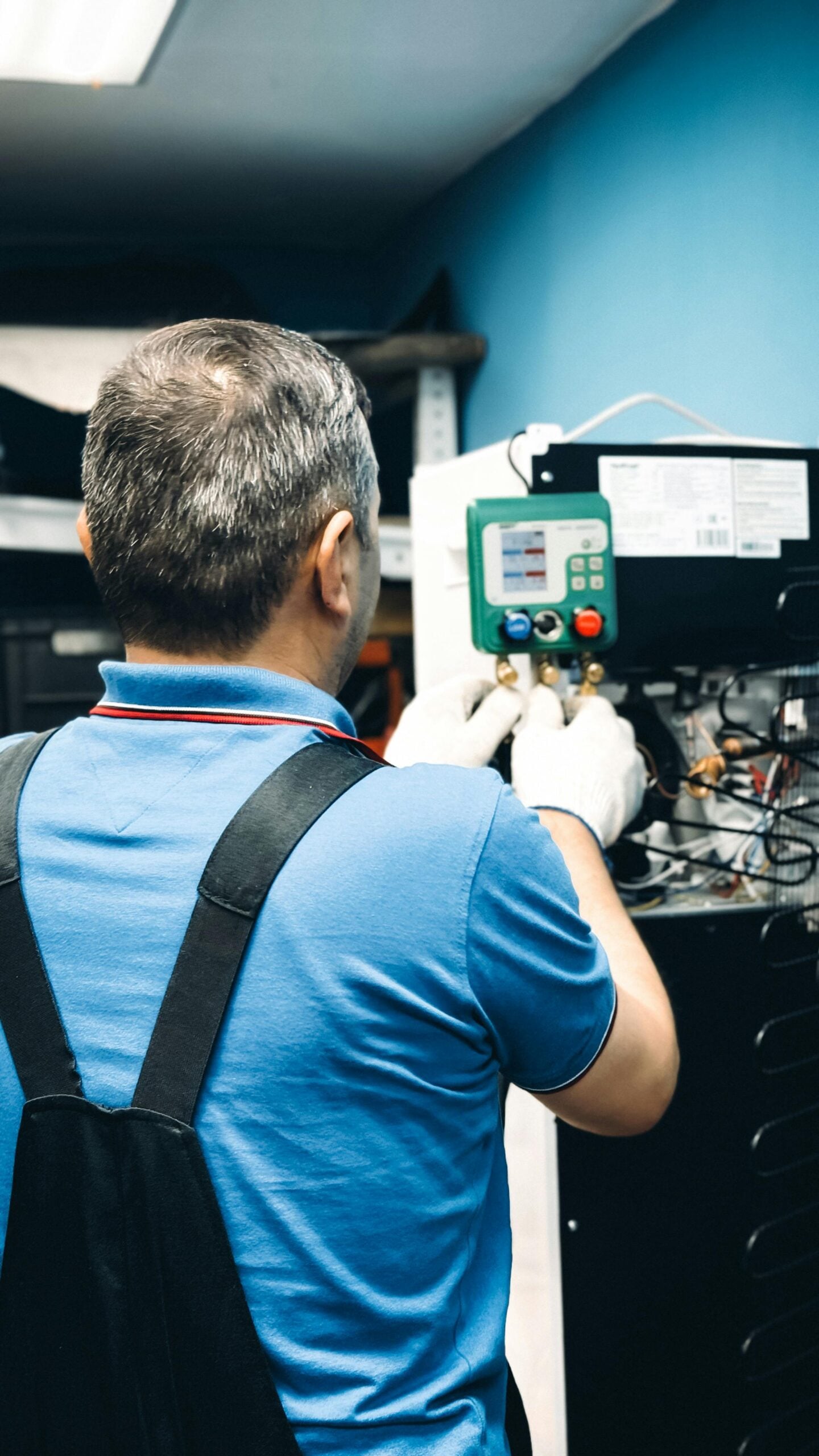
Heating and cooling work is not going away anytime soon, which is why HVAC technician jobs keep attracting people who want steady, hands-on careers. Homes, schools, offices, restaurants, and apartment buildings all need systems installed, repaired, serviced, and eventually replaced. The training is usually much shorter than a traditional four-year degree, and the work can lead to steady employment or even a small business later on. With hotter summers, older equipment, and more people moving into warm-weather states, HVAC has become one of the trades many people see as a practical alternative to taking on college debt.
Truck Driver

Trucking is still a major part of how America functions, even with all the talk about automation. Food, furniture, medicine, construction materials, and everyday goods still have to get from one place to another, and that keeps commercial drivers needed across the country. Some companies offer paid training or help new drivers work toward a commercial driver’s license, making the path more direct than spending four years in school. The job can be tiring, and time away from home is a real trade-off, but long-haul routes and specialized freight work can still pay better than many entry-level office jobs.
Plumber

Plumbing is one of those careers people tend to appreciate most when something suddenly stops working. Pipes, water heaters, drains, and building systems always need to be installed, repaired, and maintained, which gives the trade a kind of stability that many people find appealing. Apprenticeships can help workers learn on the job and avoid taking on major student debt, while building a skill that is needed almost everywhere. Experienced plumbers can also move toward running their own business, which is part of why the trade still attracts people who want practical work and more control over their future.
Welder

Welding may not be growing as quickly as some newer trades, but it still plays an important role in manufacturing, construction, energy, shipbuilding, and repair work. Many people are drawn to the field because they can learn through trade schools, community colleges, apprenticeships, or employer training programs instead of paying for a four-year degree. Specialized welding skills can also lead to better pay, especially in jobs where precision, safety, and experience really matter. It is not easy work, but for people who like building, fixing, and working with their hands, welding can feel like a much more direct investment in a career.
Trending on Cheapism

Dental Hygienist

Dental hygienist jobs appeal to people who want a healthcare career without spending years in medical school. The role still requires real training, usually an associate degree and state licensing, so it is not a quick no-skill job. But the timeline is often shorter than a traditional four-year degree, and dental offices continue to need hygienists for cleanings, patient education, and preventive care. For workers who want steady hours, patient interaction, and a professional setting, this can be one of the more appealing career paths that does not require a bachelor’s degree.
Real Estate Agent

Real estate attracts a lot of career-switchers because getting licensed is usually faster and less expensive than going through a four-year college program. It also offers flexibility, independence, and the chance to earn well for people who are good at sales, networking, and working with clients. But it is definitely not a guaranteed-money career. Income can be uneven, especially when interest rates are high, home prices are difficult for buyers, or there are not many homes available in a local market. Still, for people who want a flexible path and are comfortable with commission-based work, real estate remains a popular alternative to a traditional degree.
Commercial Pilot

Becoming a pilot is not cheap, but it is still different from the standard college path. Many people are drawn to aviation because it can lead to a specialized, high-earning career without necessarily following the usual four-year-degree-to-office-job route. Airlines and flight schools continue to promote pilot pipelines as the industry plans for retirements and long-term staffing needs. The upfront cost, training time, and required flight hours are serious barriers, but for people who are committed to the field, commercial aviation can still offer a path to strong earnings without a traditional bachelor’s degree.
Sign up for our newsletter
Wind Turbine Technician
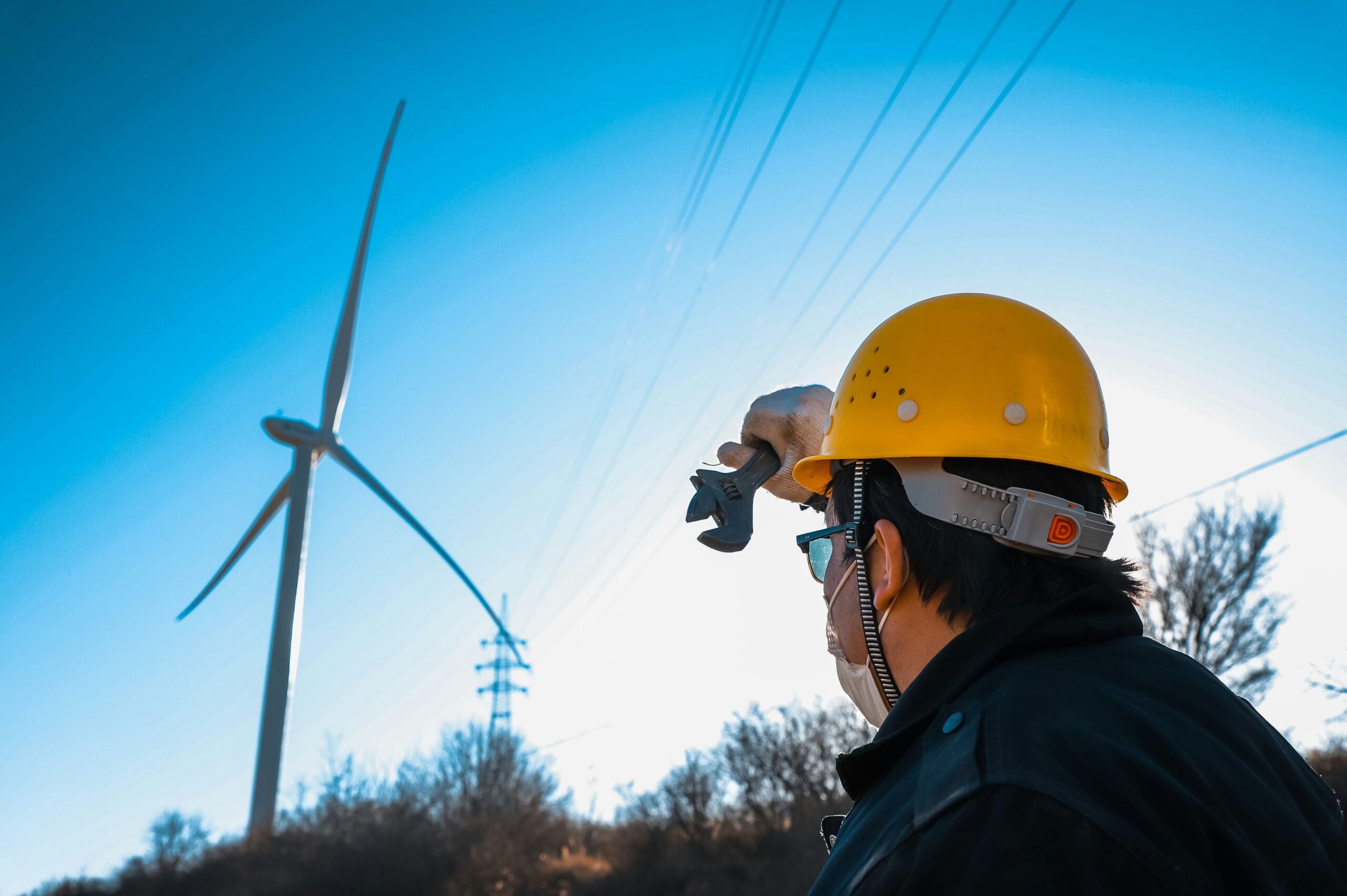
Wind turbine technician has become one of the most talked-about trade-style jobs because renewable energy keeps expanding. The work usually requires technical training and on-the-job experience rather than a four-year degree, and technicians are needed to inspect, maintain, and repair turbines. It is definitely not a desk job, and the height, travel, and outdoor conditions are not for everyone. But for workers who want a career connected to clean energy, hands-on work, and a fast-growing industry, this job has become a strong example of how the labor market is changing.
Barber

Barbering has stayed attractive because it offers a clear skill, a shorter training path, and a real chance to work independently. Licensing rules vary by state, but barber programs generally cost far less than a four-year degree and can get people into the workforce faster. Social media has also changed the field, helping talented barbers show their work, build a personal brand, and attract loyal clients. The income can vary depending on location, schedule, and customer base, but for creative people who enjoy working directly with clients, barbering can feel more personal and practical than a traditional college path.
Automotive Technician

Cars have become more technical, not less, and that is one reason automotive technicians still matter. Modern mechanics now need to understand diagnostics, sensors, electrical systems, onboard computers, and increasingly, electric vehicles. Many workers train through technical schools, manufacturer programs, certifications, or hands-on shop experience instead of earning a bachelor’s degree. The work can be demanding, but skilled technicians remain important as vehicles become more complex. For people who like problem-solving and working with machines, auto repair can be a practical career with room to specialize.
Content Creator

Content creation is the least traditional job on this list, and it is also one of the riskiest. The appeal is easy to understand: startup costs can be low, no degree is required, and people can make money through brand deals, affiliate links, platform payments, digital products, or freelance work. But most creators do not become rich or famous, and income can be inconsistent from month to month. Still, many younger workers see content creation as a flexible side hustle or small business path, especially compared with taking on college debt for a career they are not even sure they want.