
With inflation still squeezing household budgets and financial uncertainty lingering for many Americans, more people are reevaluating how they spend their money in 2026. In a popular Reddit discussion asking users what frugal habits they’re bringing into the new year, hundreds of commenters shared the spending behaviors they’re leaving behind—and the money-saving practices replacing them.
The responses ranged from quitting expensive daily habits to cutting back on takeout, impulse purchases, and subscription services. While the specific strategies varied, the common theme was clear: many consumers are becoming more intentional with every dollar they spend.
Here are some of the spending habits in 2026 that Redditors say they’re walking away from.
Buying Things They Don’t Actually Need
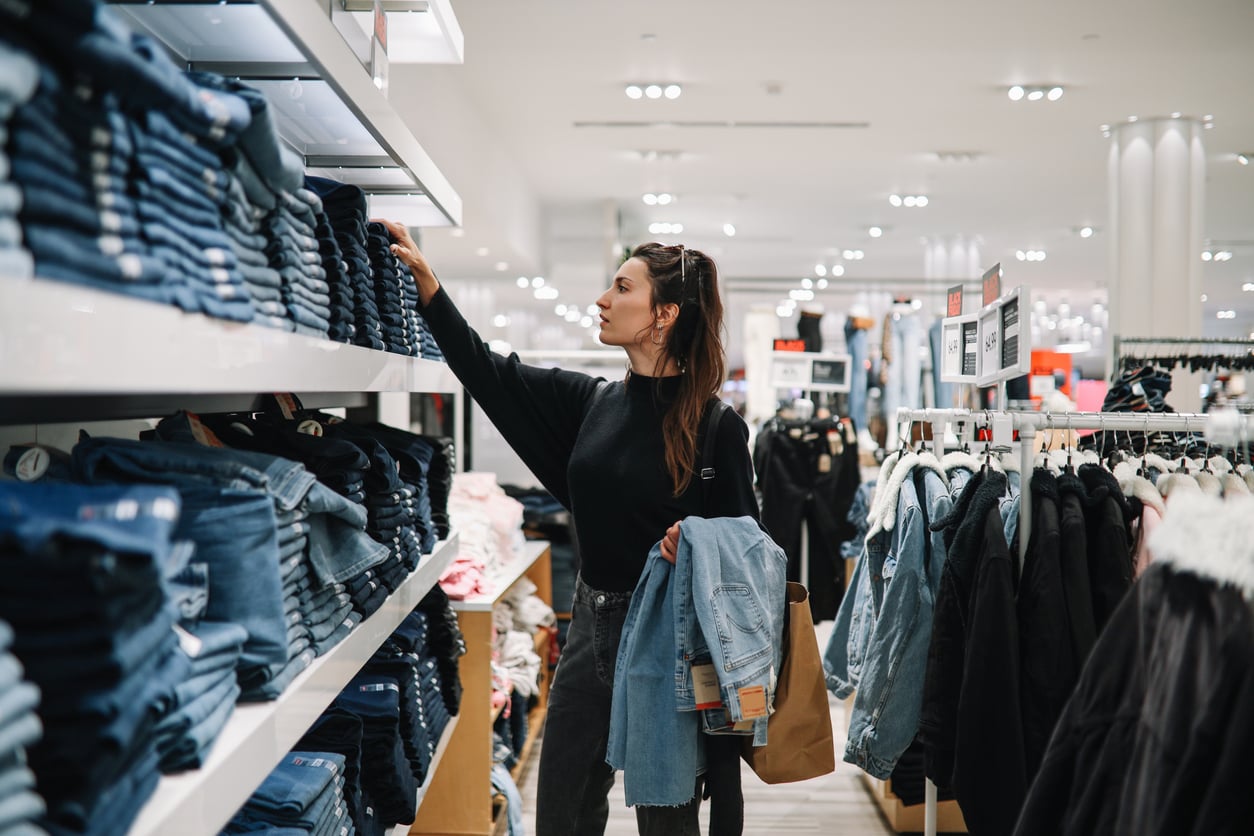
One of the most common responses was also the simplest: if it’s not necessary, don’t buy it. Many commenters said they’re becoming far more deliberate about purchases, especially after realizing how much money disappears through impulse spending. Financial experts often recommend creating a waiting period before buying non-essential items, which can reduce emotional purchases and improve long-term savings.
Treating Takeout As a Regular Expense
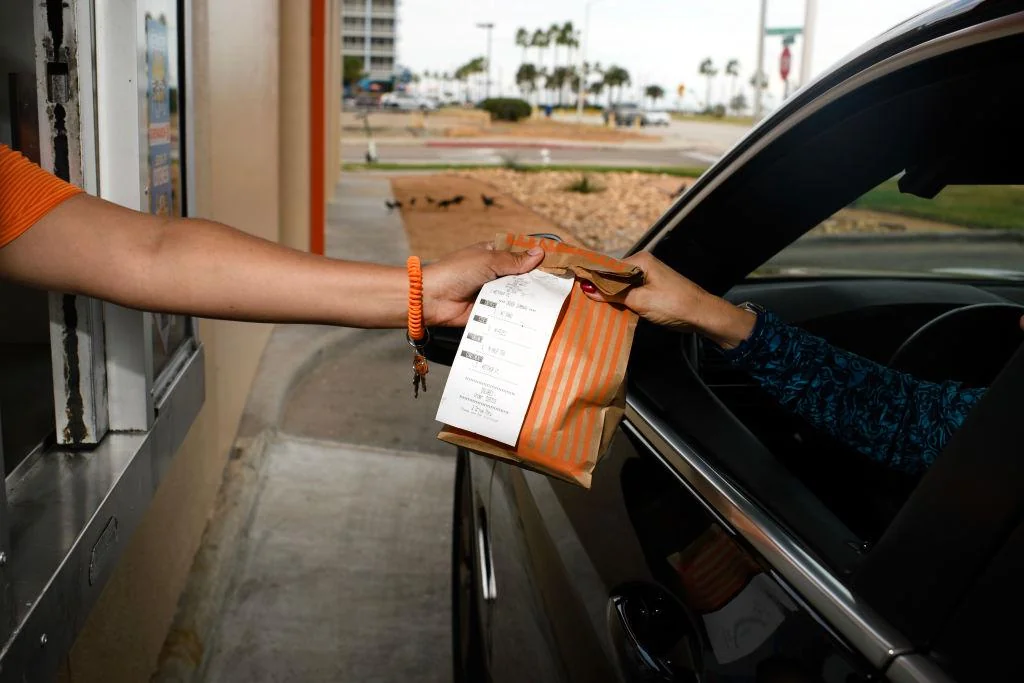
Restaurant meals, food delivery apps, and drive-thru stops were among the first expenses many users pledged to cut. Several commenters said they plan to cook nearly every meal at home in 2026. The average restaurant meal can cost several times more than a home-cooked equivalent, making dining out one of the easiest places for households to reduce spending.
Relying on Food Delivery Apps
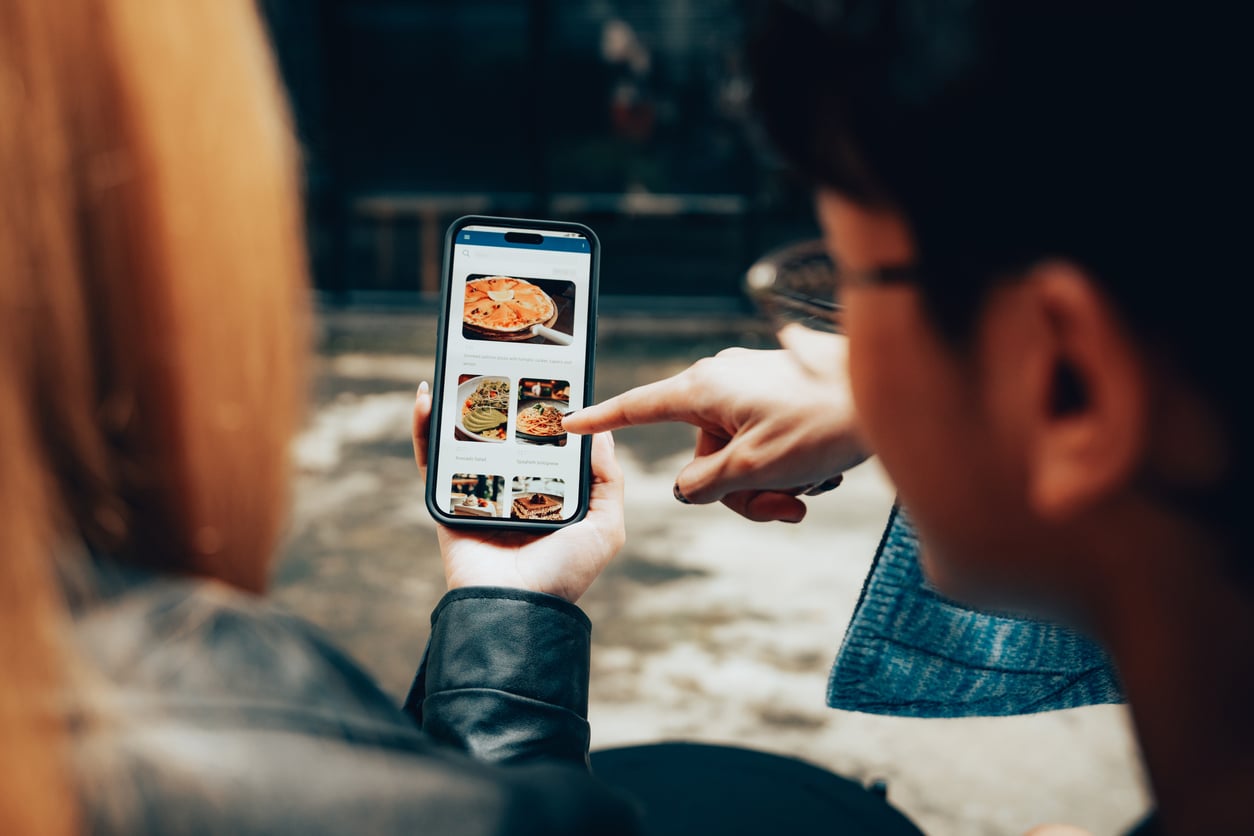
DoorDash and similar services received repeated mentions throughout the discussion. Beyond the cost of the meal itself, delivery fees, service charges, and tips can add substantial costs. Research has shown that delivered meals often cost 20% to 50% more than ordering directly from a restaurant.
Making Daily Coffee Runs

Many users singled out their daily coffee habit as an expense they want to eliminate. One commenter calculated that a $4 coffee every workday adds up to more than $1,400 annually. With coffee makers, cold brew systems, and single-serve machines becoming more popular, many consumers are choosing to make their caffeine at home instead.
Buying Energy Drinks at Convenience Stores
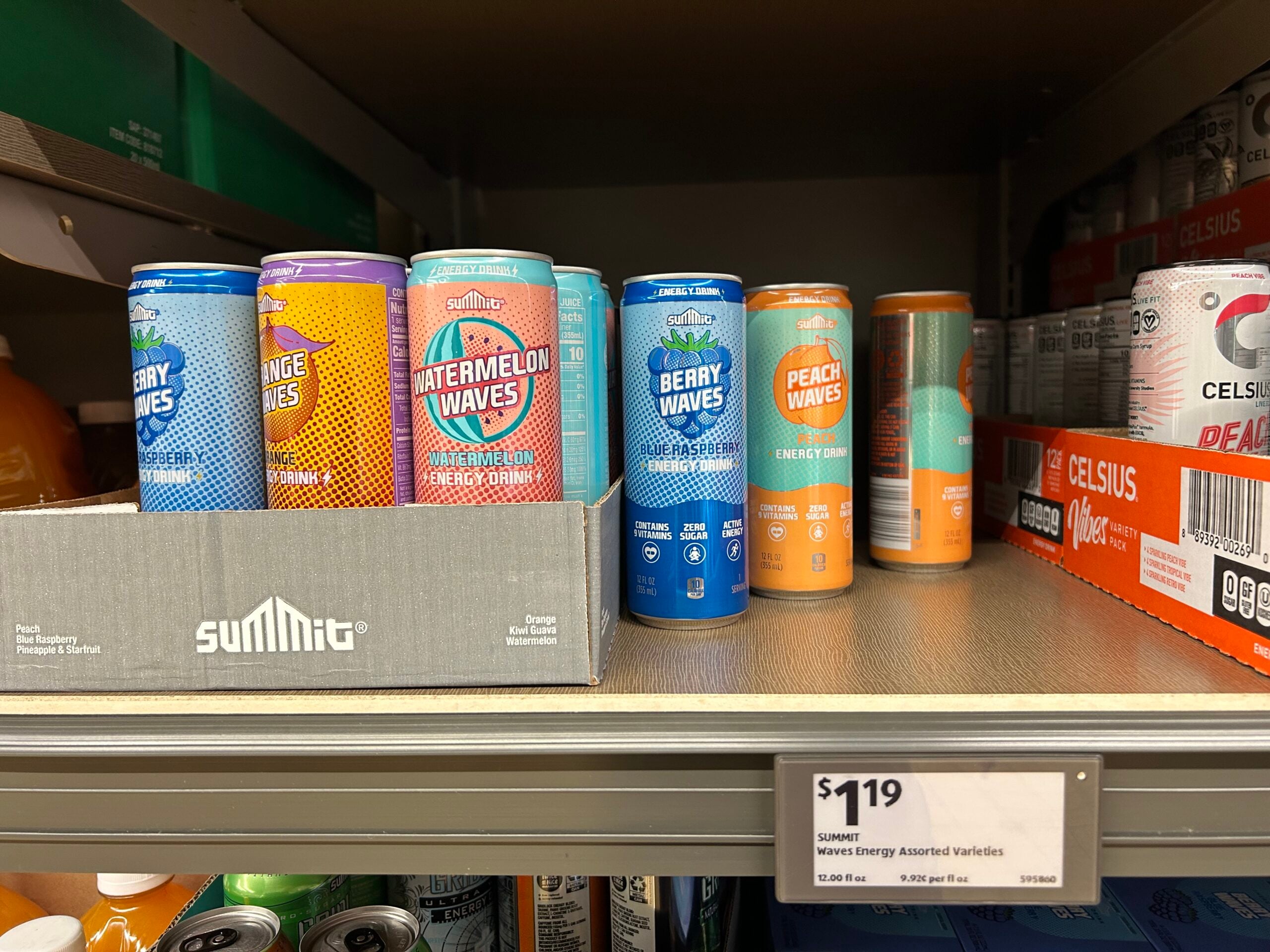
Several Redditors specifically mentioned abandoning their morning gas station energy drink purchase. Convenience store markups can make individual cans significantly more expensive than buying in bulk. Consumers looking to cut costs are increasingly purchasing multipacks at warehouse clubs or reducing consumption altogether.
Trending on Cheapism


Using Shopping as Entertainment
A recurring theme involved breaking the habit of browsing stores simply for something to buy. Many participants said they are replacing recreational shopping trips with free activities, hobbies, walks, or library visits. Behavioral finance experts note that boredom spending is one of the most common triggers behind unnecessary purchases.
Buying Lunch at Work

Packing lunches emerged as another popular money-saving strategy. As more workers return to offices, restaurant lunches can quickly become a significant recurring expense. Bringing meals from home allows workers to control both costs and nutrition while potentially saving hundreds or even thousands of dollars per year.
Purchasing New Clothes Regularly
Some commenters said they’re committing to buying fewer clothes or skipping new clothing purchases entirely. Rising apparel costs and growing interest in sustainability have encouraged more consumers to shop their closets, repair existing items, and embrace secondhand shopping instead of fast fashion.
Sign up for our newsletter
Shopping on Amazon Without a Plan
Several users mentioned cutting back on Amazon purchases altogether. The convenience of one-click ordering can encourage impulse spending, especially on small purchases that don’t seem significant individually. Financial planners often recommend creating shopping lists and waiting before completing online purchases.
Paying Full Price Instead of Buying Secondhand

Thrift stores, outlet centers, and resale shops were frequently mentioned as alternatives to buying new. From furniture and clothing to household goods, many consumers are turning to secondhand markets to stretch their budgets further while reducing waste.
Letting Subscriptions Pile Up
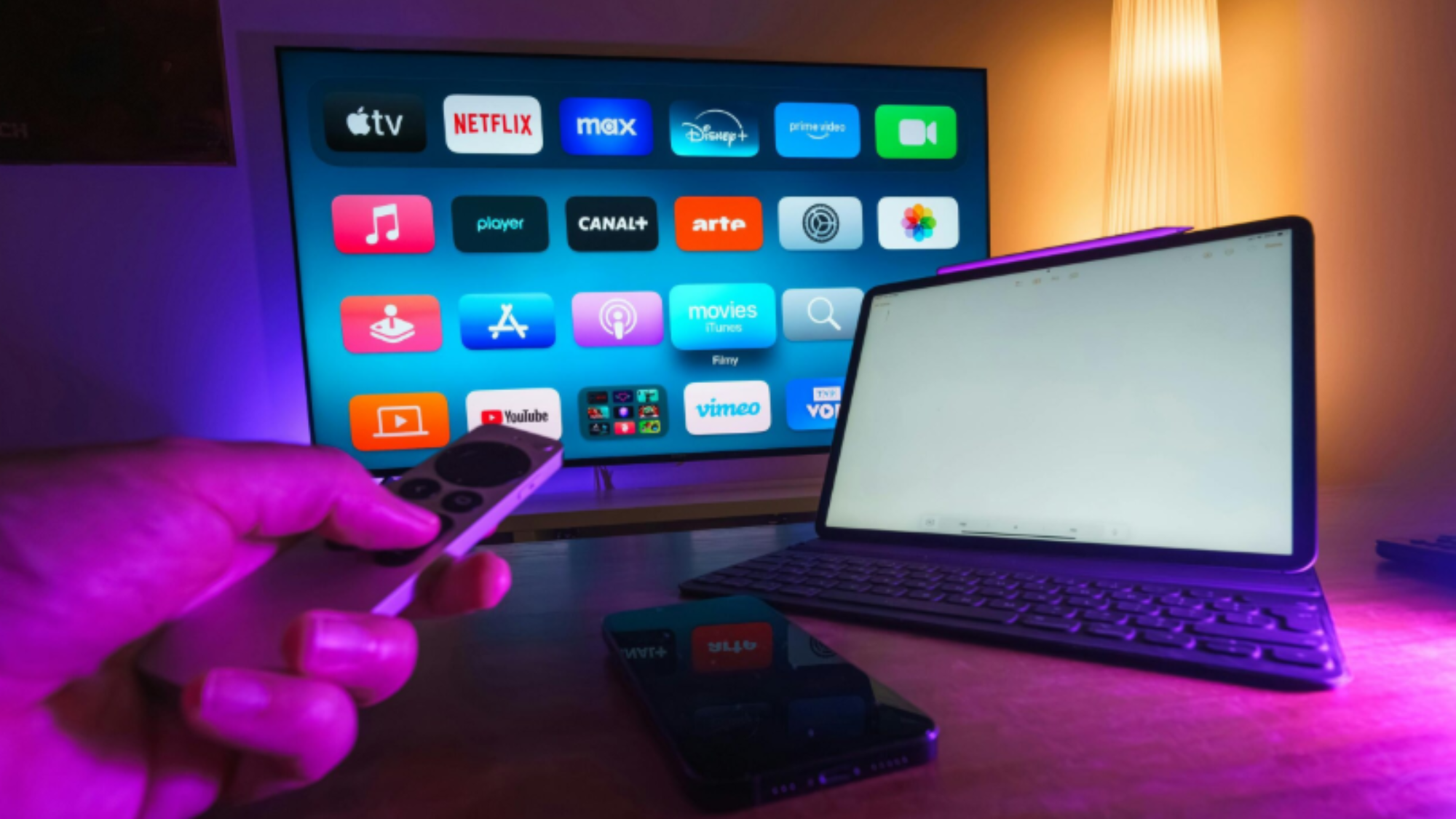
Streaming services and recurring memberships continue to be a common source of budget leaks. Some Reddit users said they’re canceling entertainment subscriptions entirely, while others plan to rotate services throughout the year instead of paying for several simultaneously.
Wasting Food Through Poor Meal Planning

Many participants discussed creating weekly meal plans, tracking pantry inventory, and using food they already own before buying more. The USDA estimates that Americans waste a substantial amount of food annually, making better meal planning one of the easiest ways to lower grocery spending.
Buying Drinks When Water Is Free

Whether it’s soda, smoothies, specialty coffee drinks, or beverages ordered with restaurant meals, many users said they’re cutting back on purchased drinks. Water remains the cheapest option, and avoiding beverage purchases can quietly save hundreds of dollars over the course of a year.
Ignoring a Budget

Perhaps the strongest theme throughout the discussion was budgeting. Many commenters described tracking every expense, budgeting each paycheck, automating savings, and monitoring spending more closely than ever before. Studies consistently show that people who actively track their finances tend to save more and carry less debt than those who don’t.
Paying for Entertainment Instead of Using the Library

Several Reddit users said they plan to rely more heavily on their local library in 2026 rather than paying for books, movies, video games, and other forms of entertainment. Modern libraries often provide far more than books, including digital lending apps, streaming services, audiobooks, museum passes, and even tool rentals in some communities. As subscription costs continue to rise, many consumers are rediscovering libraries as one of the few genuinely free resources available. For frequent readers or movie watchers, a library card can easily save hundreds of dollars per year.
Buying Produce Instead of Growing It
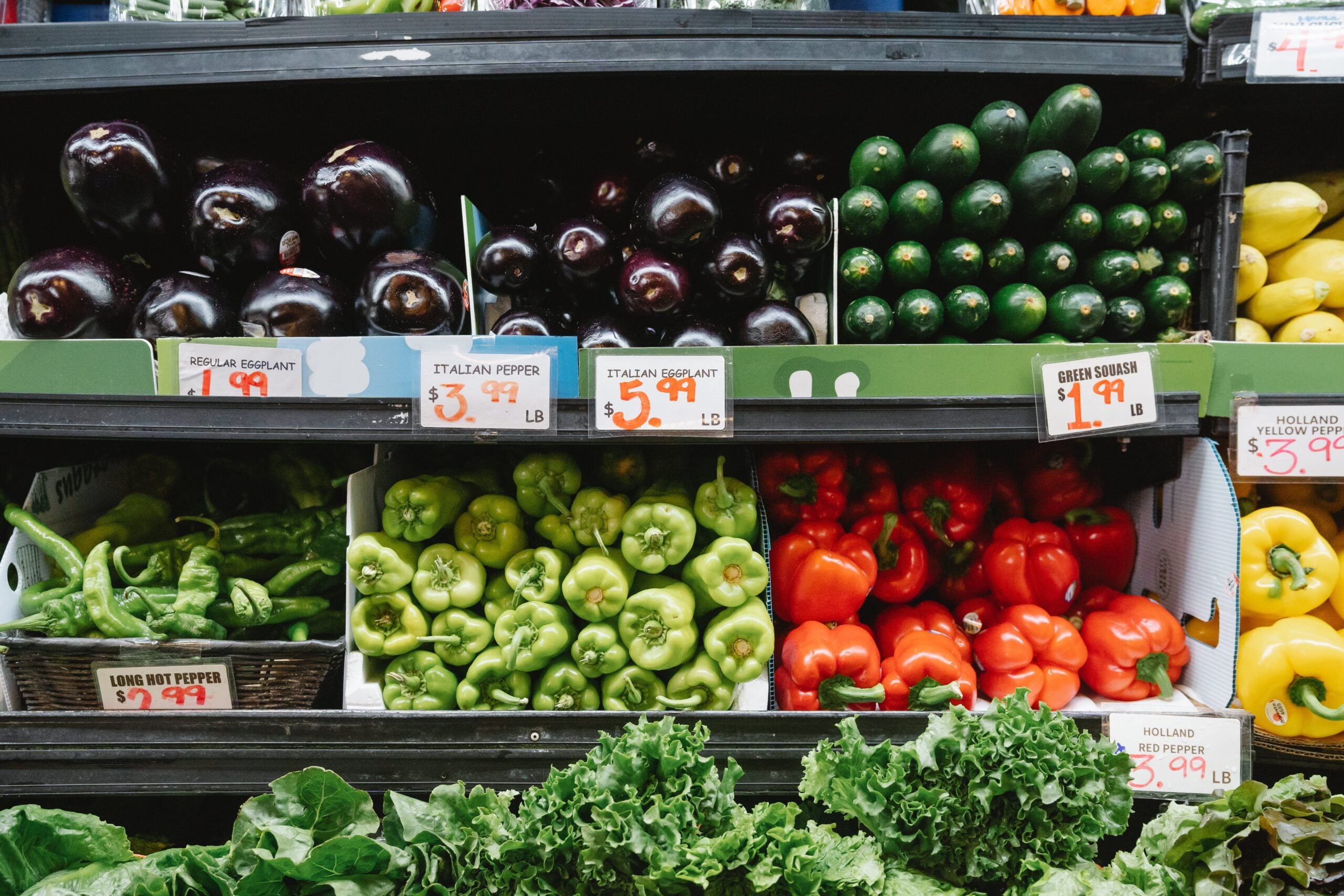
Not everyone has the space to maintain a large garden, but several commenters said growing at least some of their own food has become an important money-saving strategy. Homegrown tomatoes, herbs, lettuce, peppers, and other vegetables can reduce grocery costs during the growing season while providing fresher produce. Rising food prices have also encouraged more households to experiment with backyard gardens, raised beds, and container gardening. While gardening requires some upfront investment, many enthusiasts say the savings—and the quality of the food—make it worthwhile.
The Bigger Shift: Choosing Intentional Spending Over Consumerism
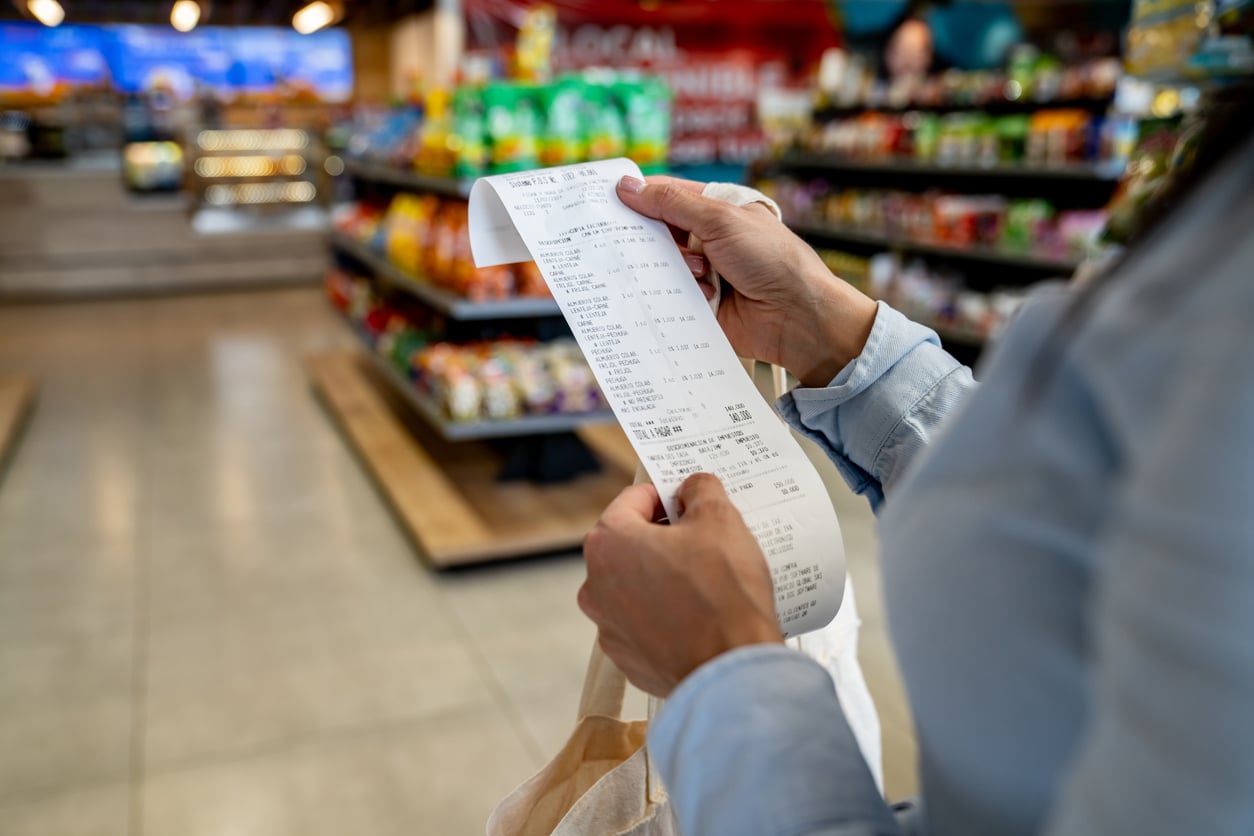
The most interesting takeaway from the discussion wasn’t any single money-saving tactic. It was the growing desire to spend intentionally. Whether people were quitting daily coffee runs, deleting delivery apps, meal-prepping, or shopping secondhand, many shared the same goal: making sure their money goes toward things that genuinely improve their lives rather than habits they’ve fallen into automatically.
As consumers head deeper into 2026, that shift toward mindful spending may end up being the most valuable financial habit of all.