Products getting more expensive because of tariffs are showing up in some of the most familiar parts of everyday life, from smartphones and shoes to toys, furniture, and auto parts. Tariffs do not raise every price overnight, but they can slowly work their way through global supply chains and land on store shelves. According to the National Retail Federation, import-heavy categories like toys, furniture, appliances, and footwear are especially exposed, while more local goods and services may hold steadier.
Getting More Expensive: Smartphones
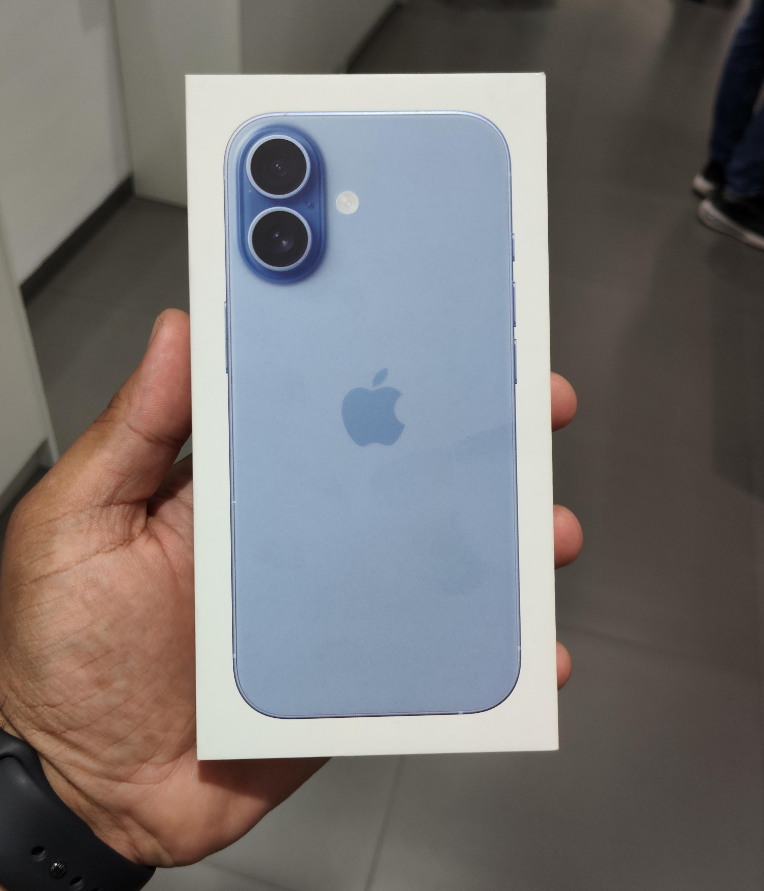
Smartphones are one of the clearest examples of tariff exposure because they depend on a global web of chips, screens, batteries, cameras, and metals. Even when a phone is designed by a U.S. company, the pieces often cross borders before the finished device reaches a store. Companies may absorb some costs for a while, but that usually means fewer discounts, higher accessory prices, or more expensive upgrades later.
Getting More Expensive: Laptops and Tablets

Laptops and tablets are especially vulnerable because they combine several tariff-sensitive parts in one purchase: displays, processors, batteries, memory, circuit boards, chargers, and cases. The Consumer Technology Association has warned that broad import tariffs could raise retail prices sharply for laptops and tablets. Families may notice this most during back-to-school season, when a “basic” laptop already feels expensive.
Getting More Expensive: Small Kitchen Appliances
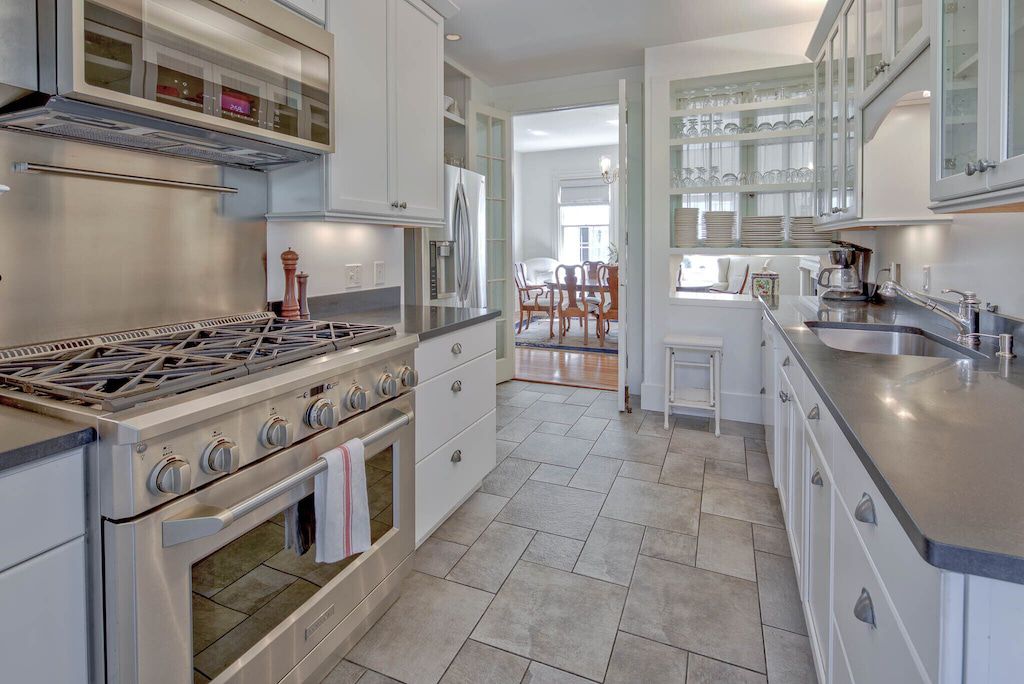
Microwaves, air fryers, coffee makers, toasters, blenders, and stand mixers are often sold as affordable household helpers, but many are tied to imported parts or overseas manufacturing. Tariffs on steel, aluminum, electronics, and finished appliances can work their way into retail prices gradually. That does not mean every coffee maker jumps overnight. More often, shoppers see fewer coupons, weaker holiday promotions, and replacement parts that cost more than expected.
Getting More Expensive: Power Tools
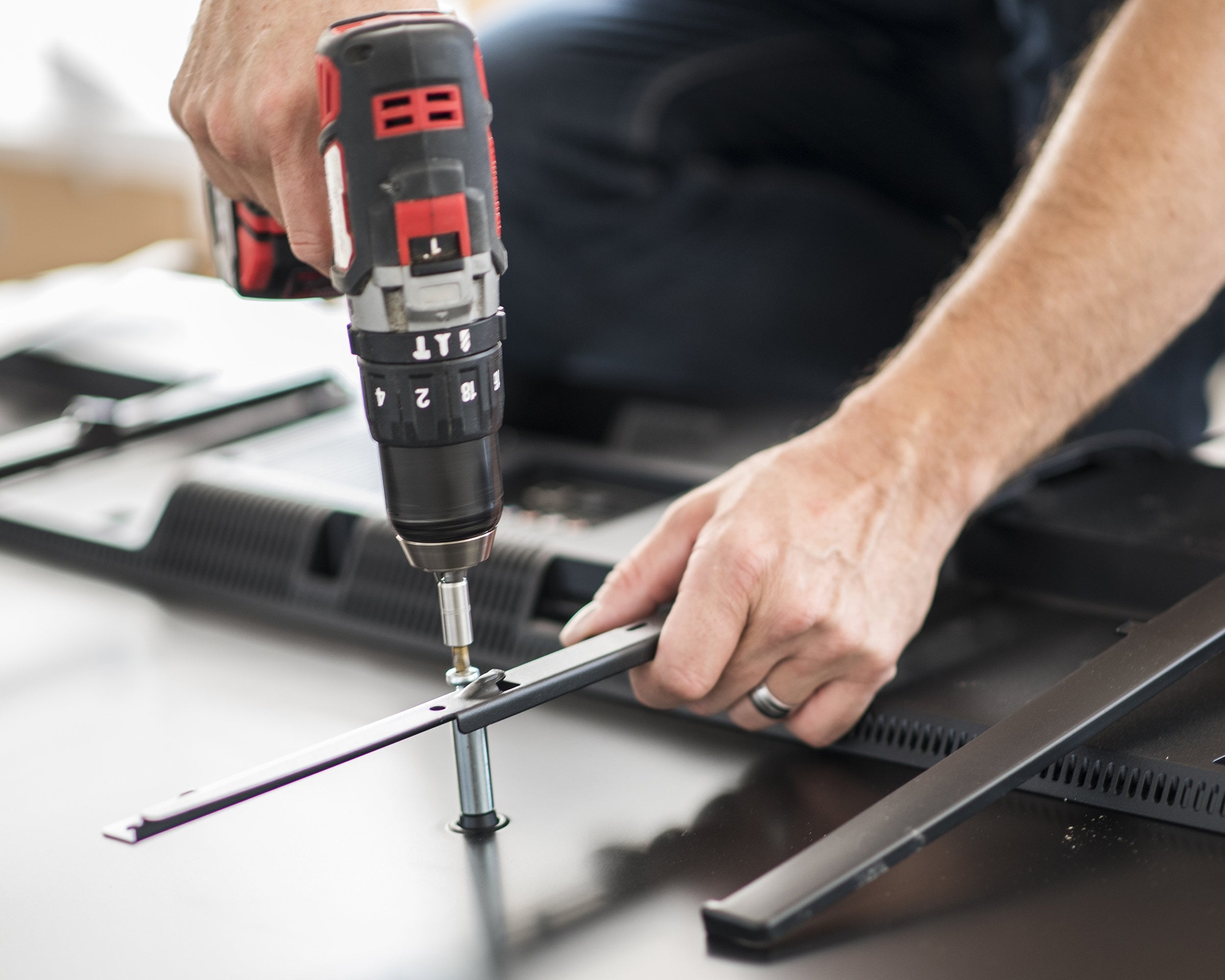
Power tools are another category where tariffs can sneak up on homeowners. A drill or saw is not just a hunk of metal. It may include imported motors, batteries, chargers, electronics, plastic cases, and accessories. Toolmakers have already discussed tariff impacts and pricing adjustments, and shoppers in tool forums often complain that batteries and combo kits are not the bargains they used to be.
Getting More Expensive: Toys
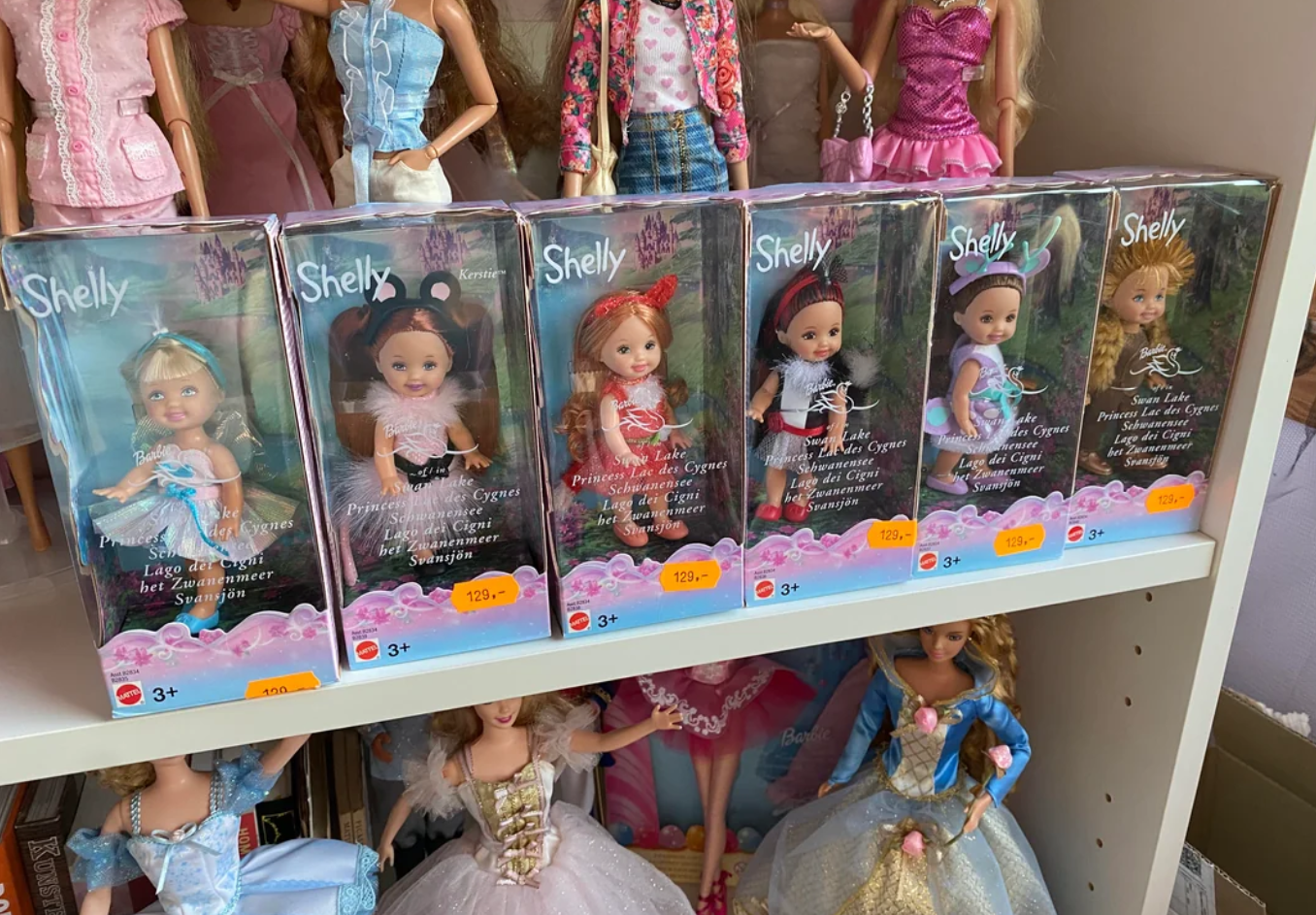
Toys have long depended heavily on overseas manufacturing, especially for plastic items, dolls, games, action figures, plush toys, and electronic toys. That makes the category highly exposed when tariffs rise. Parents and grandparents may feel it most around birthdays and the holidays, when small gifts add up quickly. Toy companies have warned that tariffs can force price increases or smaller product lines.
Trending on Cheapism


Getting More Expensive: Furniture

Furniture is one of those purchases people delay until they have to make it. Sofas, dressers, dining sets, cabinets, and upholstered chairs can include imported wood, hardware, fabrics, foam, and finished components. Tariffs on imported furniture and related materials can raise costs for retailers that already operate on tight promotions. Budget furniture is especially sensitive because shoppers expect low sticker prices.
Getting More Expensive: Auto Parts
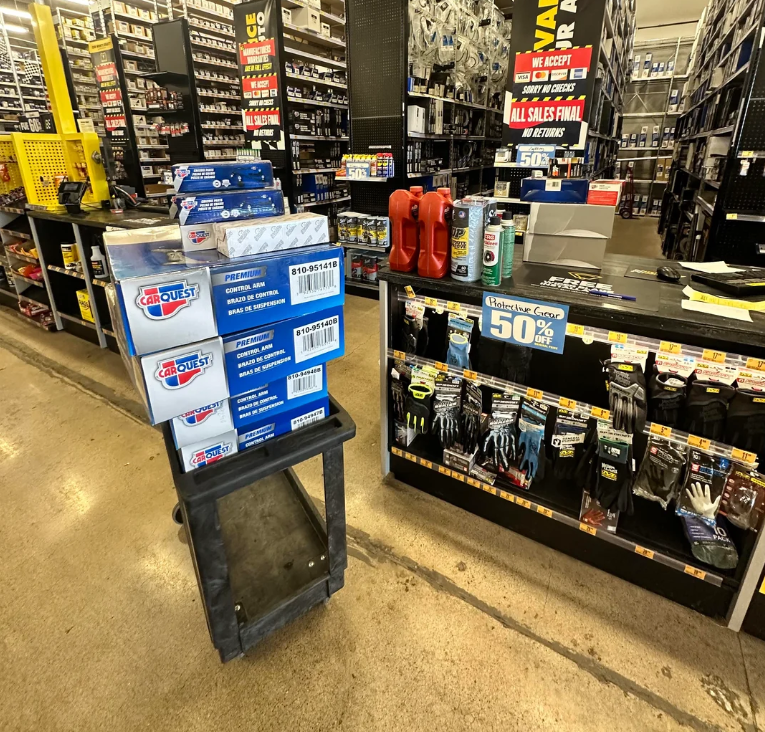
Drivers may not connect tariffs to a repair bill, but modern vehicles are packed with globally sourced components. Tariffs on imported auto parts can affect engines, transmissions, electrical components, sensors, replacement panels, and other repair items. Even cars assembled in the U.S. may rely on parts made elsewhere. Consumers often feel this indirectly: a pricier part, a higher insurance repair estimate, or a longer wait at the shop.
Getting More Expensive: Shoes

Shoes are among the most import-dependent everyday products Americans buy. Athletic shoes, walking shoes, sandals, work shoes, and children’s shoes often come from overseas factories, and footwear already carries some complicated duty rates. New tariffs can stack on top of existing costs. That is why shoppers may see fewer deep discounts on popular sneaker brands or higher prices for basic walking shoes.
Sign up for our newsletter
Holding Steady: Fresh Eggs
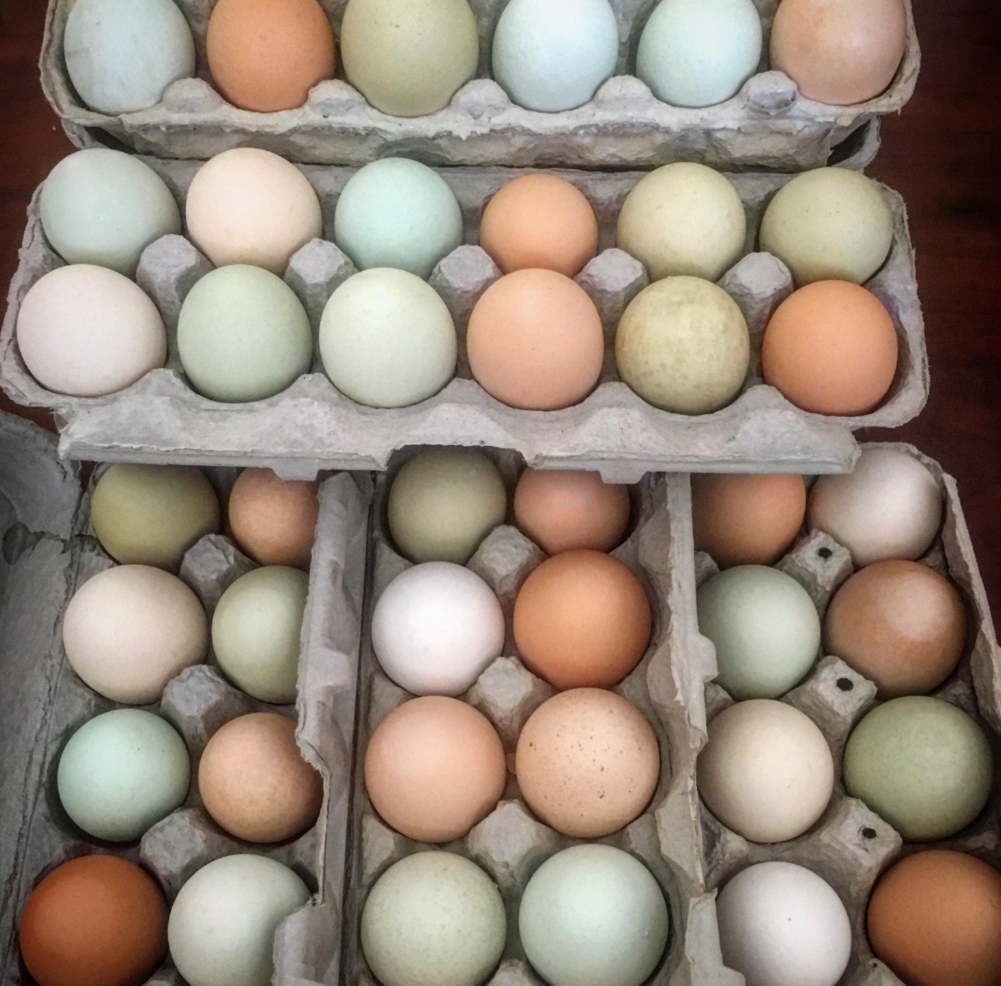
Egg prices can be wild, but tariffs usually are not the main reason. Eggs are largely tied to domestic poultry production, feed costs, transportation, and bird flu outbreaks. In recent years, avian flu has done far more to shake egg prices than trade policy. That means eggs are not guaranteed to stay cheap, but they are less directly exposed to tariffs than imported electronics or shoes.
Holding Steady: Fresh Milk
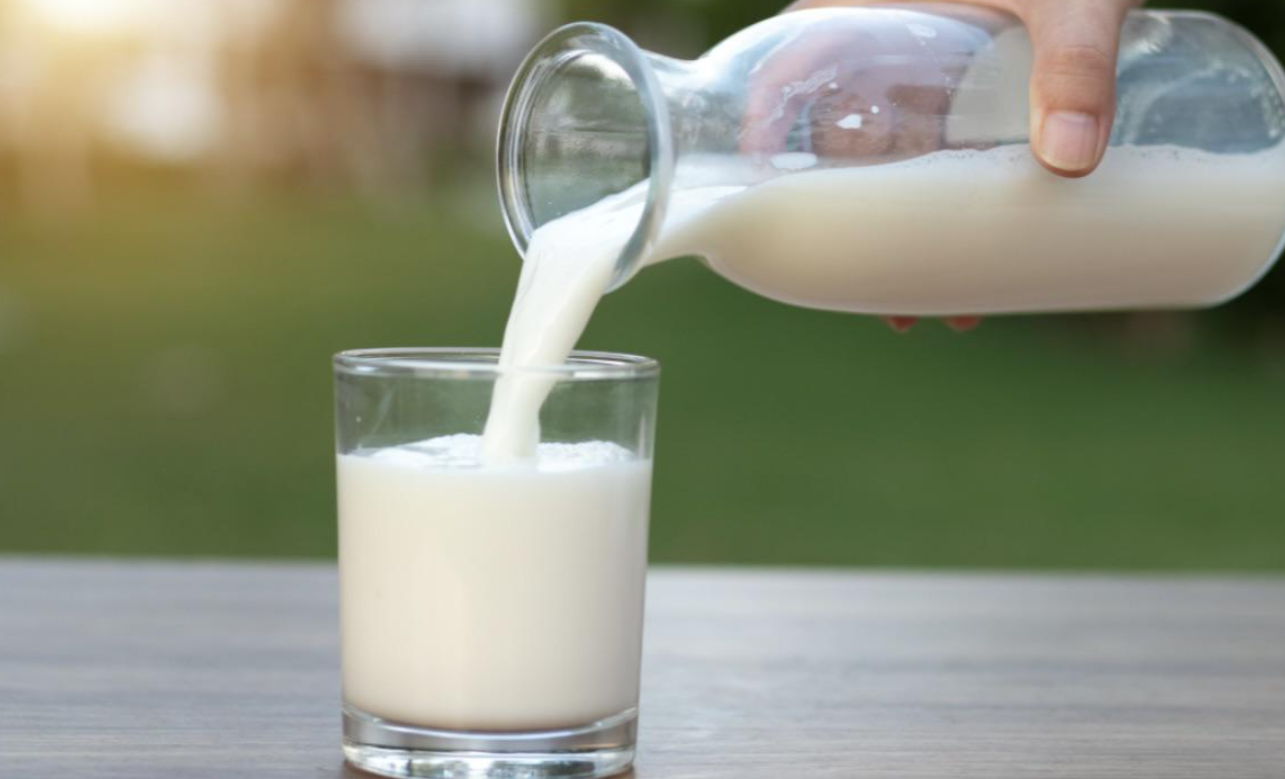
Fresh milk is another grocery staple where local and regional supply matters more than tariffs. Most milk sold in U.S. grocery stores comes through domestic dairy networks, so prices tend to respond to feed costs, herd size, processing capacity, fuel, and regional demand. That does not mean milk cannot rise. USDA data shows milk prices can move sharply from month to month. Still, tariff prices are usually not the main explanation when a gallon costs more.
Holding Steady: Local Seasonal Produce
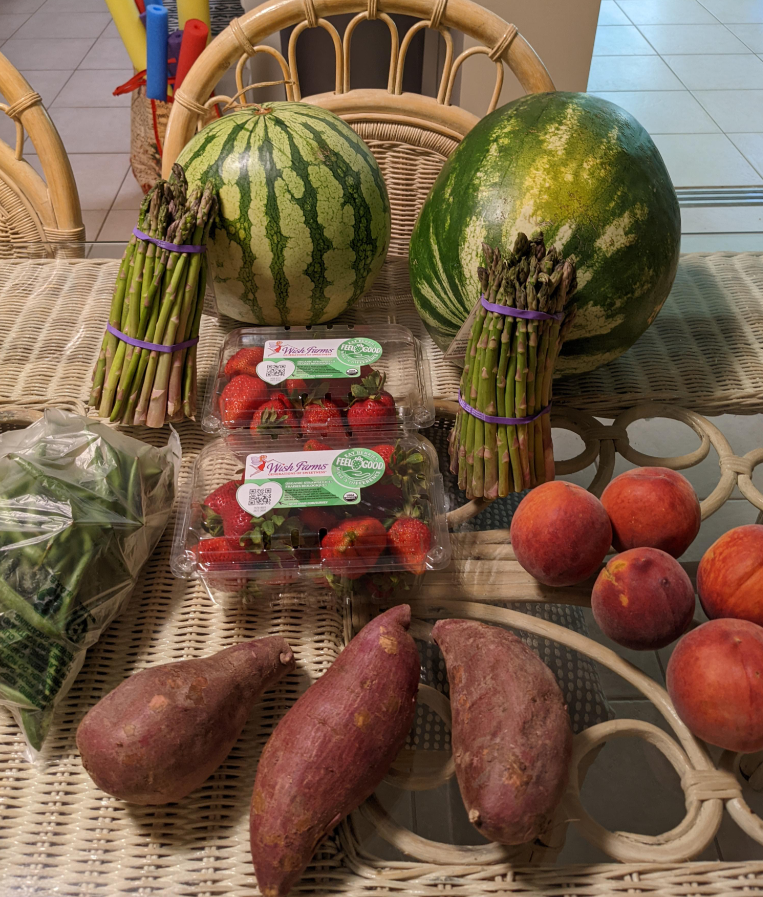
Imported produce can be tariff-sensitive, but local seasonal produce is a different story. A tomato grown nearby, apples from a regional orchard, or greens from a local farm are usually more affected by weather, labor, fuel, and the growing season than by trade policy. The catch is timing. Local produce is often a better value when it is in season, not when shoppers want strawberries in January.
Holding Steady: Rotisserie Chickens
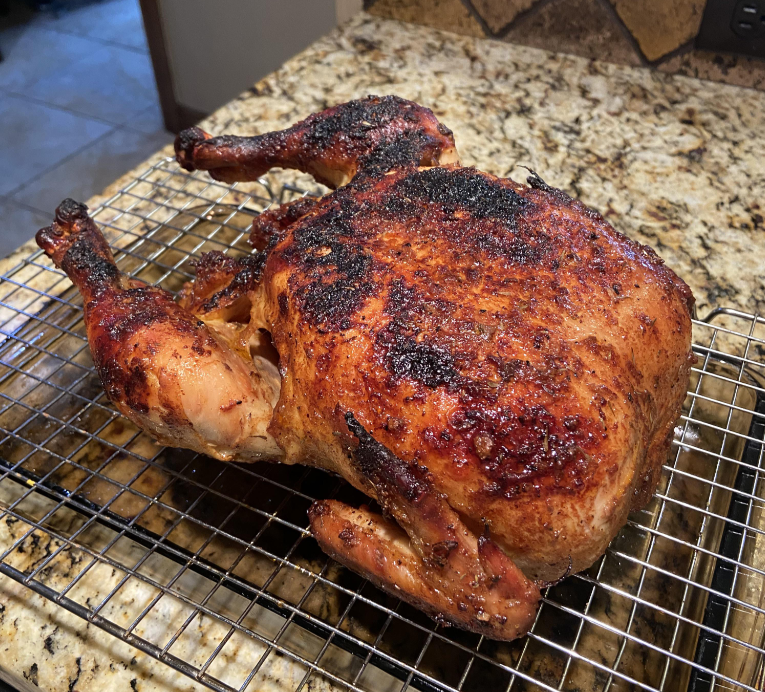
Rotisserie chickens remain one of the best-known grocery values because many stores use them to bring shoppers through the door. The chicken itself is usually tied to domestic poultry production, while pricing is shaped by feed, labor, store strategy, and competition. Costco’s $4.99 bird is the famous example, but other supermarkets often protect rotisserie chicken prices too because customers notice.
Holding Steady: Bread
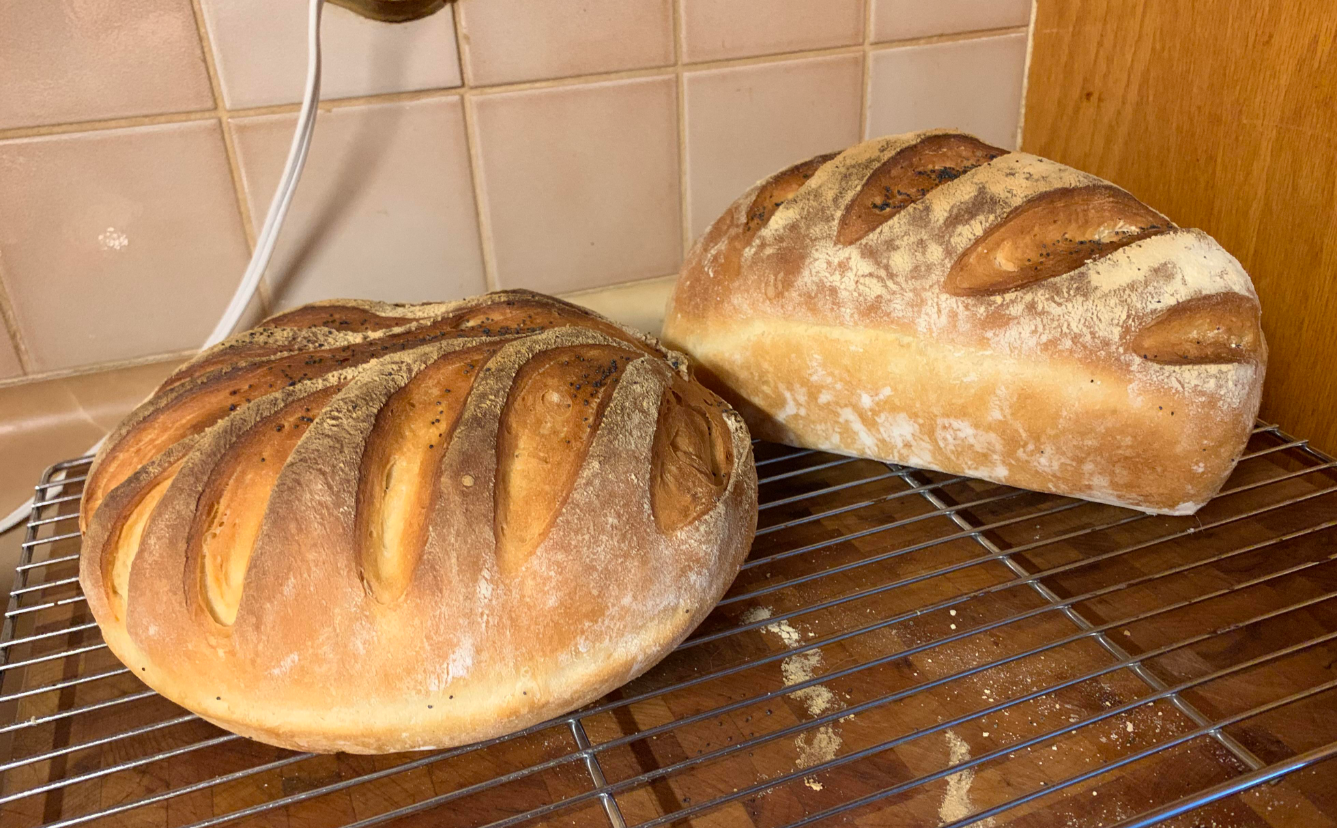
Bread is not immune to inflation, but tariff prices are usually not the main culprit. Most everyday sandwich bread is made through large domestic baking networks using flour, labor, packaging, fuel, and distribution. Wheat prices, energy costs, and wages tend to matter more than tariffs. Shoppers may still see smaller loaves, higher prices, or fewer 2-for deals, but store brands keep pressure on national brands.
Holding Steady: Haircuts

A haircut is a service, not an imported product, so tariffs have little direct effect on the final price. What matters more is rent, wages, utilities, insurance, and local demand. That is why haircut prices can still rise even when tariffs are not involved. A barber may pay more for imported clippers or salon supplies, but labor is still the heart of the bill.
Holding Steady: Local Restaurant Meals
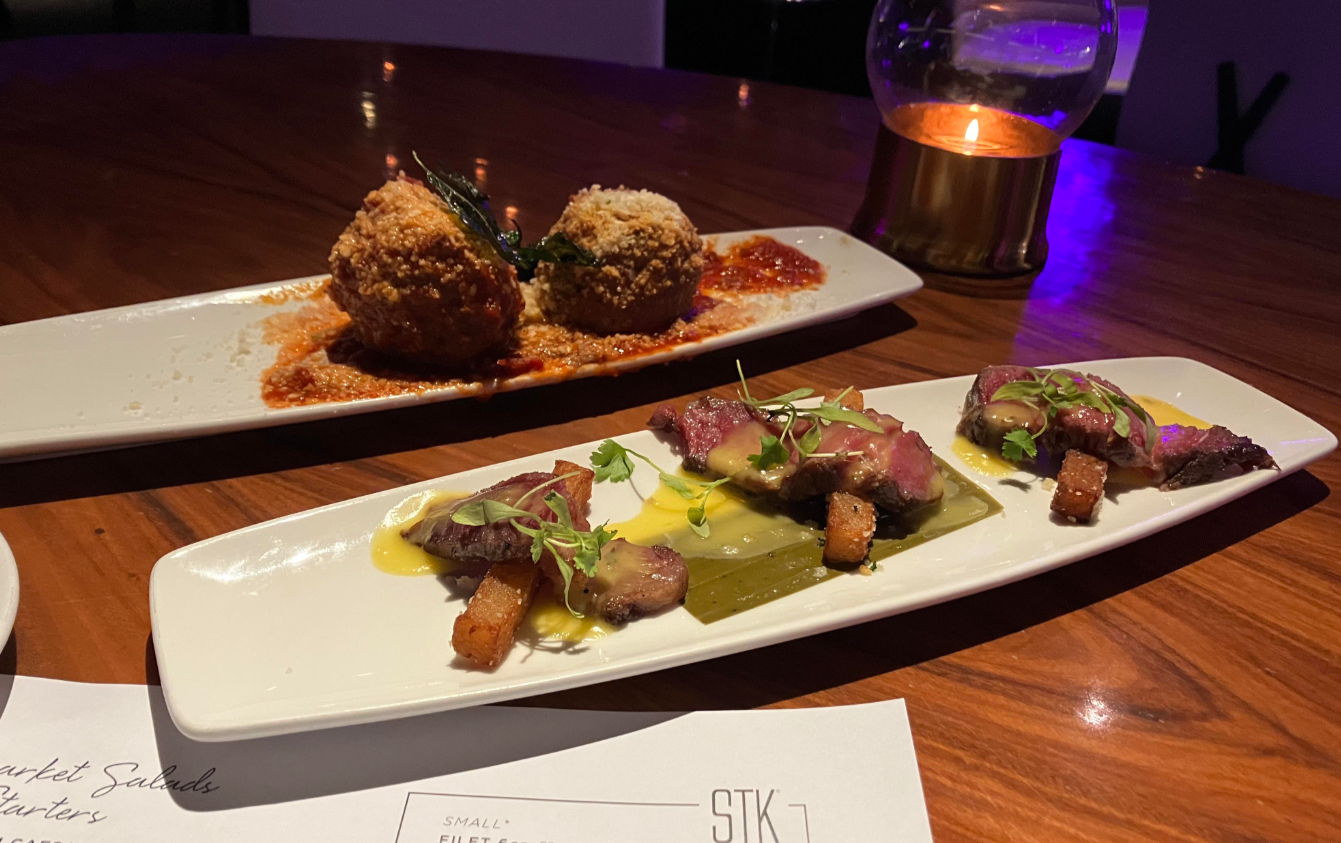
Restaurant meals are complicated. Imported seafood, coffee, wine, or specialty ingredients can be affected by trade costs, but many local restaurants are more influenced by labor, rent, utilities, insurance, delivery fees, and food costs. A diner that buys domestic eggs, poultry, bread, and produce may be less directly exposed to tariffs than a retailer selling imported shoes or electronics.
Holding Steady: Secondhand Goods
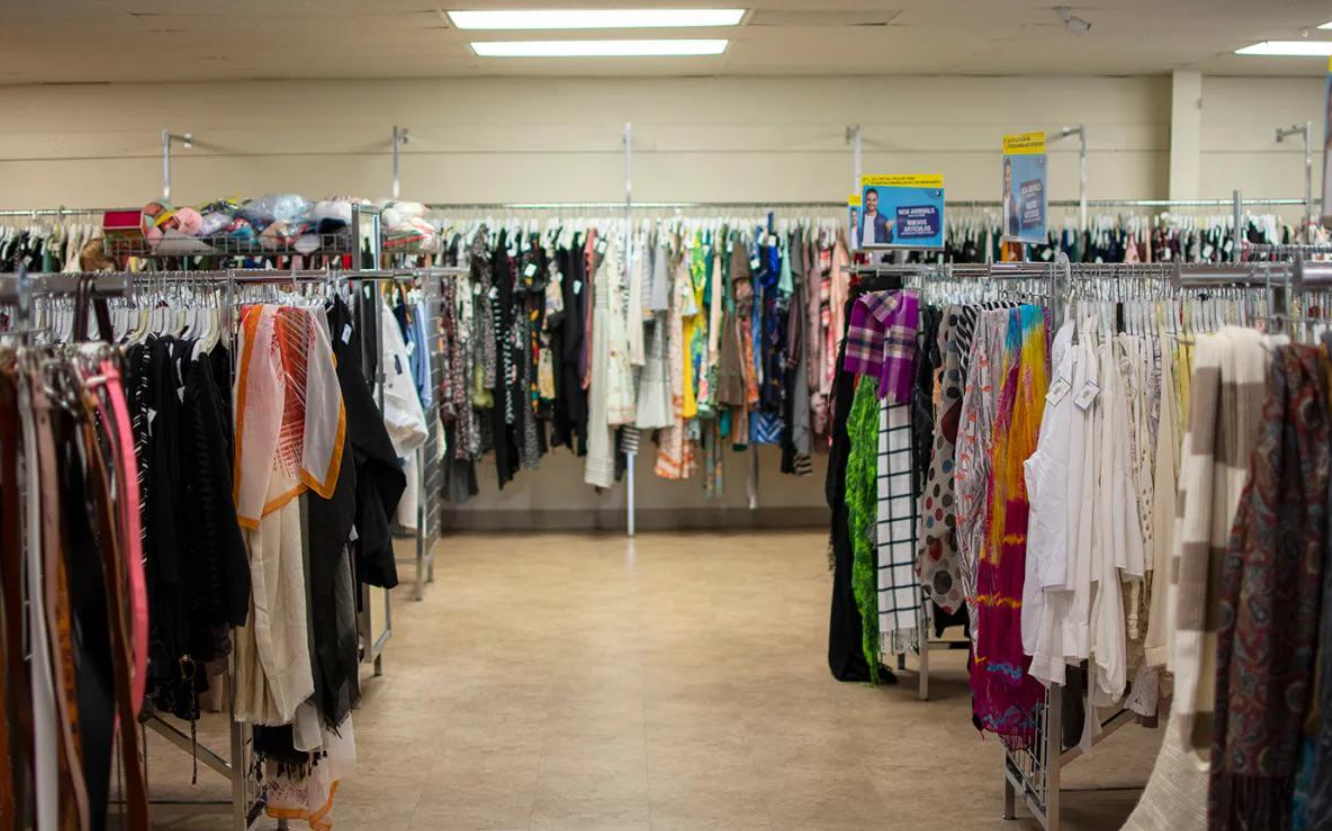
Secondhand goods are not completely protected from higher prices, but they are less directly tied to new import tariffs because the item has already entered the market. Thrift-store furniture, used tools, refurbished electronics, secondhand books, and gently worn clothing can become more attractive when new versions get expensive. The downside is selection: you may not find the exact size, color, model, or condition you want.