Living alone has plenty of perks: no fighting over the thermostat, no roommate leaving dishes in the sink, and complete control over what gets watched on TV. Unfortunately, all that independence comes at a price.
The so-called “singles tax” isn’t an actual tax. It’s the extra financial burden that comes from paying household expenses by yourself instead of splitting them with a partner, roommate, or family member. And it affects a lot of Americans: The Census Bureau estimated that 39.7 million U.S. households had just one occupant in 2025, accounting for 29% of all households.
From rent and utilities to vacations and takeout, here are 12 everyday expenses that can cost considerably more when you’re footing the bill alone.
Rent

Housing is where the singles tax really hurts. Zillow estimated that the average U.S. renter living alone pays about $10,470 more per year than someone splitting a typical rental in 2026. The math is pretty unforgiving: Two people sharing a $2,000 apartment are each responsible for $1,000, while a solo renter gets the entire $2,000 bill.
Moving into a studio can help, but smaller apartments generally don’t cost half as much as one-bedrooms. In especially expensive markets, the difference gets even uglier. Zillow estimated that solo renters in New York City face a roughly $23,400 annual premium compared with renters who split their housing costs.
Utilities

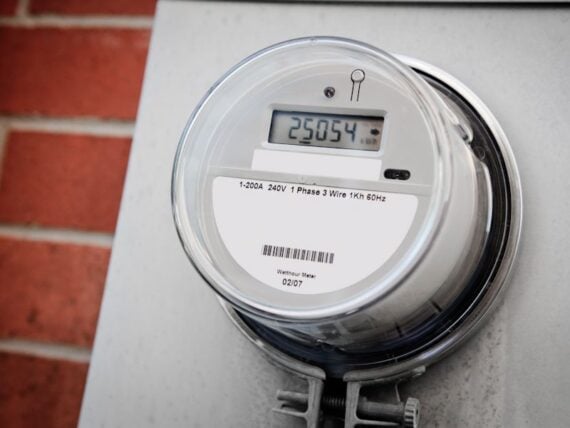
Living alone may mean fewer showers and loads of laundry, but unfortunately, that doesn’t make your utility bills shrink proportionally. Your refrigerator runs 24/7 whether it’s storing groceries for one person or four, and heating and cooling costs have more to do with the size and efficiency of your home than the number of people sitting inside it.
Utility companies may also charge fixed monthly fees regardless of how much energy or water you actually use. Couples can split those expenses; solo households can’t.
Internet Service

Home internet is one of the clearest examples of a fixed expense that favors multi-person households. Broadband generally costs the same whether one person is using the Wi-Fi or an entire family is streaming, gaming, and working from home.
If your plan costs $70 a month, that’s $840 a year when you live alone. Split the exact same connection between two adults and the effective cost drops to $420 each. Solo households can at least look for cheaper speed tiers and consider buying a compatible router rather than paying a monthly equipment rental fee.
Groceries

Buying groceries for one can turn into a frustrating choice between paying more or wasting food. Larger packages often have cheaper unit prices, but there’s little point in saving 20 cents per ounce if half the food winds up in the trash.
Fresh produce, bread, dairy, meat, and herbs can be particularly tricky when packages seem designed for multiple people. Even staples such as cooking oil, condiments, and spices are easier to justify when they’re being spread across meals for several people. Comparing unit prices, freezing individual portions, and buying loose produce can help solo shoppers avoid some of the penalty.
Household Supplies

Nobody makes single-person toilet paper. Cleaning products, trash bags, detergent, paper towels, and other household basics often come with the same upfront cost regardless of how many people live under one roof.
Smaller packages may be easier for solo shoppers to store, but they can also cost more per unit. Meanwhile, buying giant multipacks requires more money upfront and enough storage space to keep 24 rolls of paper towels from becoming your new roommate. For products that don’t expire, selectively buying in bulk can still make sense.
Trending on Cheapism


Furniture and Appliances

A couch doesn’t get cheaper because only one person is going to sit on it. Neither does a bed frame, microwave, vacuum cleaner, TV, or dining table.
That makes furnishing a first solo apartment particularly expensive because one person absorbs the entire startup cost. The difference becomes even more noticeable for homeowners purchasing major appliances such as refrigerators, washers, and dryers. Buying secondhand and furnishing gradually can make the initial hit easier to handle.
Streaming Services

Netflix doesn’t care if you’re watching alone. Neither do the other streaming services quietly draining money from your bank account every month.
A couple living together can legitimately share household subscriptions and effectively divide the expense, while someone living alone pays the full price. And when several $10-to-$20 subscriptions start piling up, the annual cost can easily climb into the hundreds or even four figures. Rotating services — subscribing long enough to watch what you want and then canceling — can keep the streaming bill under control.
Hotels and Cruise Cabins

Solo travelers quickly learn that vacation pricing isn’t always designed with them in mind. Hotel rooms are generally priced by the room rather than the guest, so two people can split a $240 nightly rate and pay $120 each. A solo traveler still owes the entire $240.
Cruises can be even tougher because cabins are commonly priced based on double occupancy. Solo passengers may face a “single supplement” that pushes their fare toward what two travelers would have paid. Some cruise lines offer dedicated studio cabins for solo travelers, though availability can be limited.
Sign up for our newsletter
Rental Cars and Road Trips

The rental counter isn’t going to give you a 50% discount because the passenger seat is empty. Rental rates, gas, parking, and tolls are largely tied to the vehicle rather than the number of people riding in it.
A $500 rental costs $500 for a solo traveler but only $250 per person when two people split it. Add several days of gasoline and pricey hotel parking, and the difference can become substantial. For solo trips, comparing the total cost of a rental with trains, buses, and rideshares can reveal whether having a car is really worth it.
Meal Delivery and Takeout
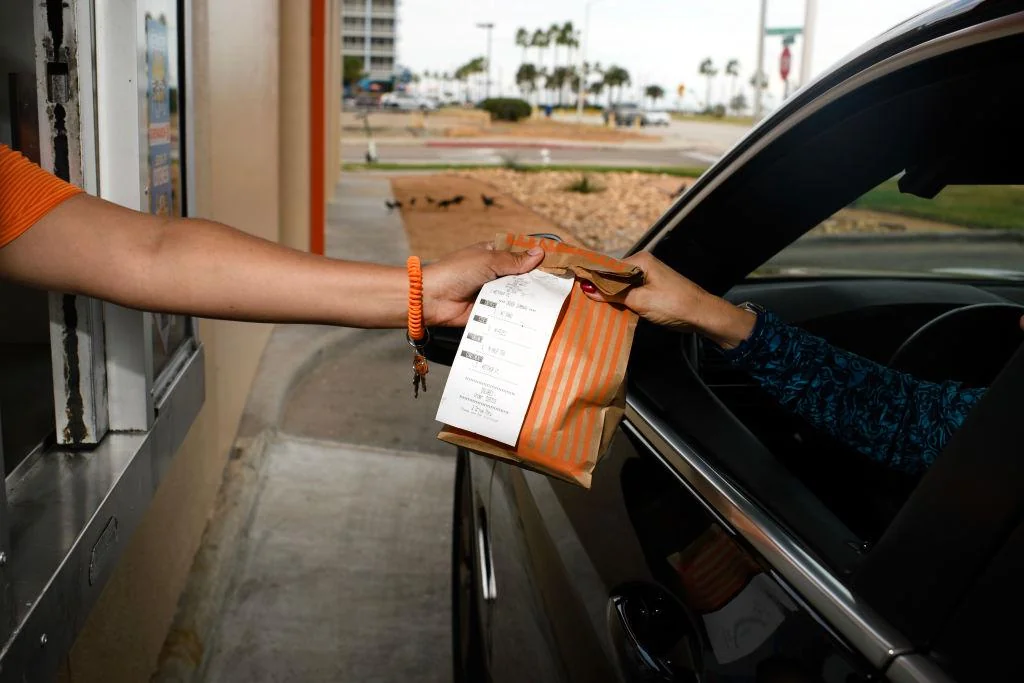
That $20 takeout order can stop looking like a bargain once the fees appear. Delivery fees, service charges, and tips generally apply to the order, which means they take a bigger bite out of a small solo meal than a larger order for several people.
For example, $6 in delivery-related fees equals 30% of a $20 order but only 12% of a $50 one. Minimum-order requirements and promotions such as “$10 off $40” can also favor larger households. Pickup — or ordering enough food to intentionally create tomorrow’s lunch — can make the numbers a little less painful.
Memberships and Warehouse Clubs

Costco and Sam’s Club can offer great deals, but getting your money’s worth is more complicated when you’re shopping for one. Annual membership fees are fixed, and many of the best unit prices require buying quantities that could take a solo shopper months to finish.
The same problem applies to other household memberships and subscription programs: Two adults may get more combined use from a single annual fee. Solo shoppers should calculate whether the savings actually outweigh the membership cost and focus on bulk purchases that won’t spoil, such as paper goods and other nonperishables.
Home Repairs and Maintenance

Homeownership comes with plenty of surprise bills, and there’s nobody to split them with when you live alone. A broken water heater, leaky roof, or failing HVAC system costs the same whether one adult or two live in the house.
The same goes for plumbers, electricians, pest control, lawn care, property taxes, and homeowners insurance. That’s why a dedicated repair fund can be particularly important for solo homeowners: When a several-thousand-dollar emergency arrives, one income has to absorb the entire expense.
Living Alone Isn’t All About the Money

The singles tax is ultimately less about being single than about fixed costs. Rent, internet, furniture, hotel rooms, rental cars, and home repairs simply don’t become half as expensive because only one person is using them.
That doesn’t mean living alone isn’t worth it. Privacy, independence, and having complete control over your home have value, too. But with 29% of U.S. households consisting of just one person, understanding where solo living carries a financial premium can make it easier to decide where to cut costs — and where paying extra is worth the freedom.