Inflation has forced many Americans to rethink their spending habits. Restaurant visits are down, streaming subscriptions are being canceled, and shoppers are increasingly opting for store brands over premium products. Yet even as households search for ways to save, certain purchases continue surviving the toughest budget reviews, proving there are still small luxuries Americans won’t give up.
Consumer surveys, spending reports, and countless discussions across Reddit budgeting communities reveal a consistent pattern: people are willing to cut back on large expenses, but they’re often reluctant to eliminate the small luxuries that make everyday life more enjoyable.
Behavioral economists sometimes refer to this as the “small treat” effect. The logic is straightforward. Giving up a vacation or reducing restaurant visits can save hundreds of dollars. Eliminating every source of pleasure, however, can make a budget feel impossible to maintain.
From coffee and books to pet treats and fresh flowers, these are the small luxuries Americans consistently say they’re keeping—even while cutting costs elsewhere.
Coffee Shop Drinks
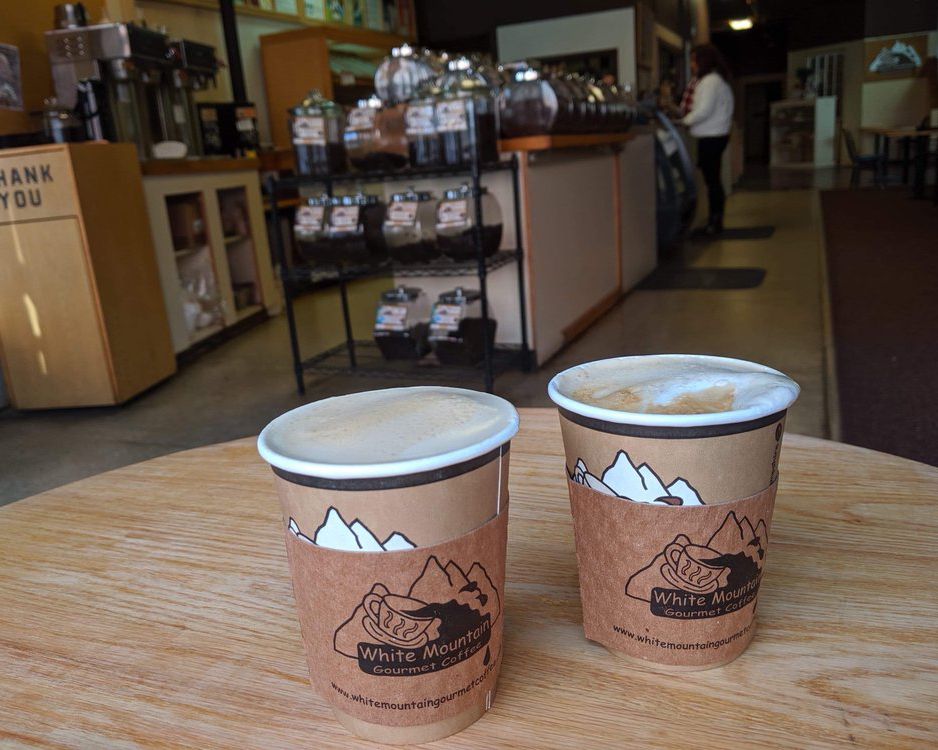
Few discretionary purchases are defended as passionately as a daily coffee run. Across budgeting forums and consumer surveys, Americans regularly report cutting restaurant meals, entertainment, and shopping expenses before giving up their favorite coffee ritual.
Many consumers justify the expense by pointing out that they’re no longer spending money on larger luxuries. A $5 latte may seem indulgent, but compared to frequent dining out or expensive hobbies, it feels manageable.
Bankrate surveys have found that many Americans are actively reducing spending on dining and entertainment due to inflation, yet coffee purchases often remain one of the last discretionary expenses to disappear.
Streaming Music Services
Video-streaming subscriptions are increasingly vulnerable to budget cuts, but music-streaming services often survive.
Consumers frequently describe Spotify, Apple Music, YouTube Music, and similar platforms as daily-use products that provide hundreds of hours of entertainment each month for a relatively low cost. Many report canceling television subscriptions long before they consider canceling music.
Deloitte’s Digital Media Trends research continues to show strong engagement with music-streaming services and highlights the enduring value consumers place on entertainment products they use every day.
Premium Coffee Beans
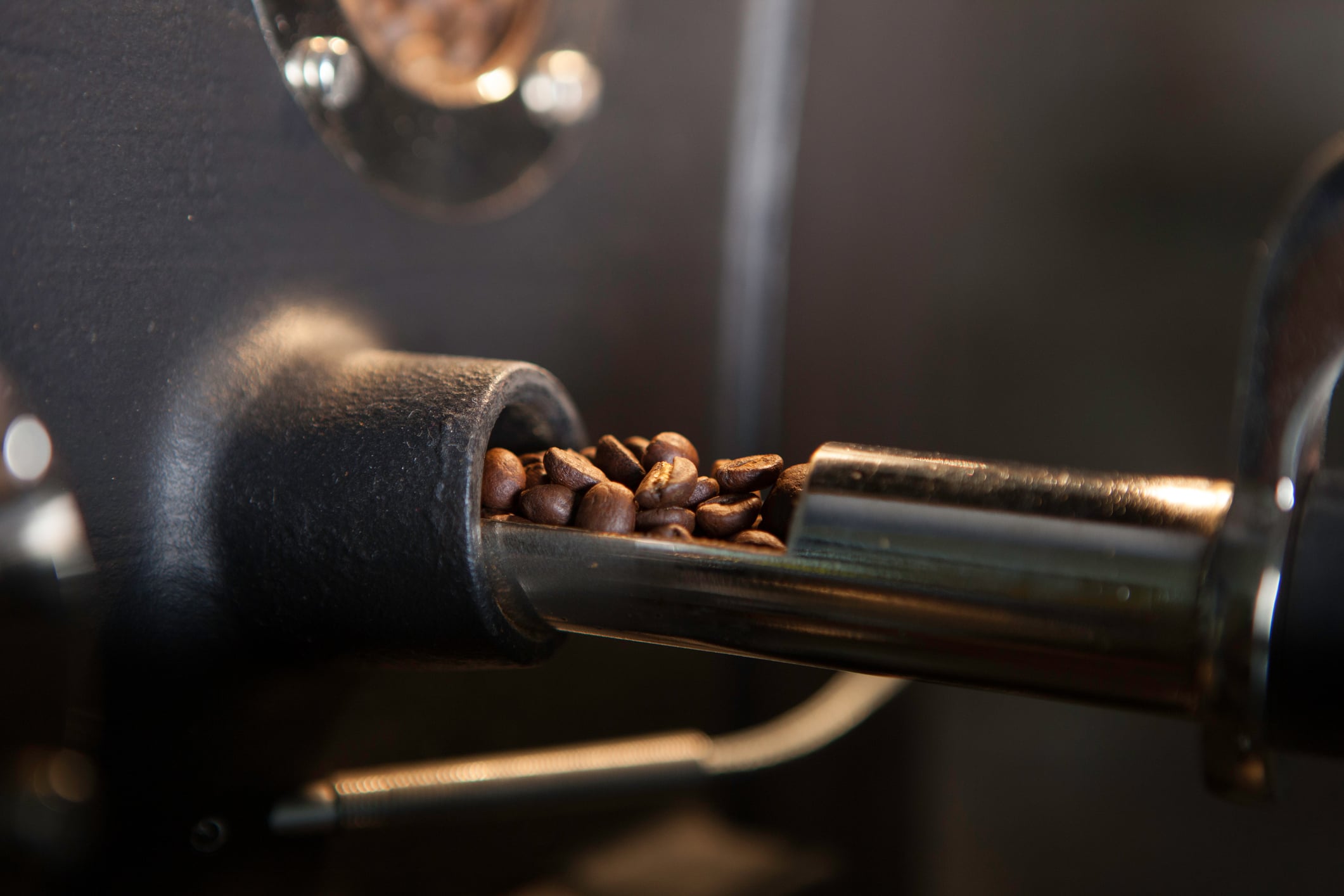
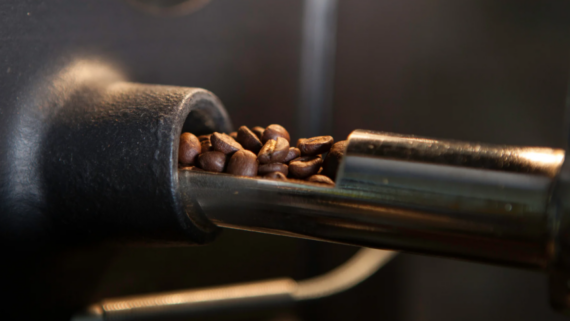
Many coffee lovers have found a compromise between saving money and preserving quality: brewing at home.
Rather than abandoning premium coffee altogether, consumers increasingly invest in high-quality beans, grinders, and brewing equipment. The upfront costs may be higher, but the per-cup price remains far below coffee-shop purchases.
This strategy appears constantly in frugal-living communities, where users describe premium home coffee as one of the most satisfying ways to cut spending without sacrificing enjoyment.
Pet Treats
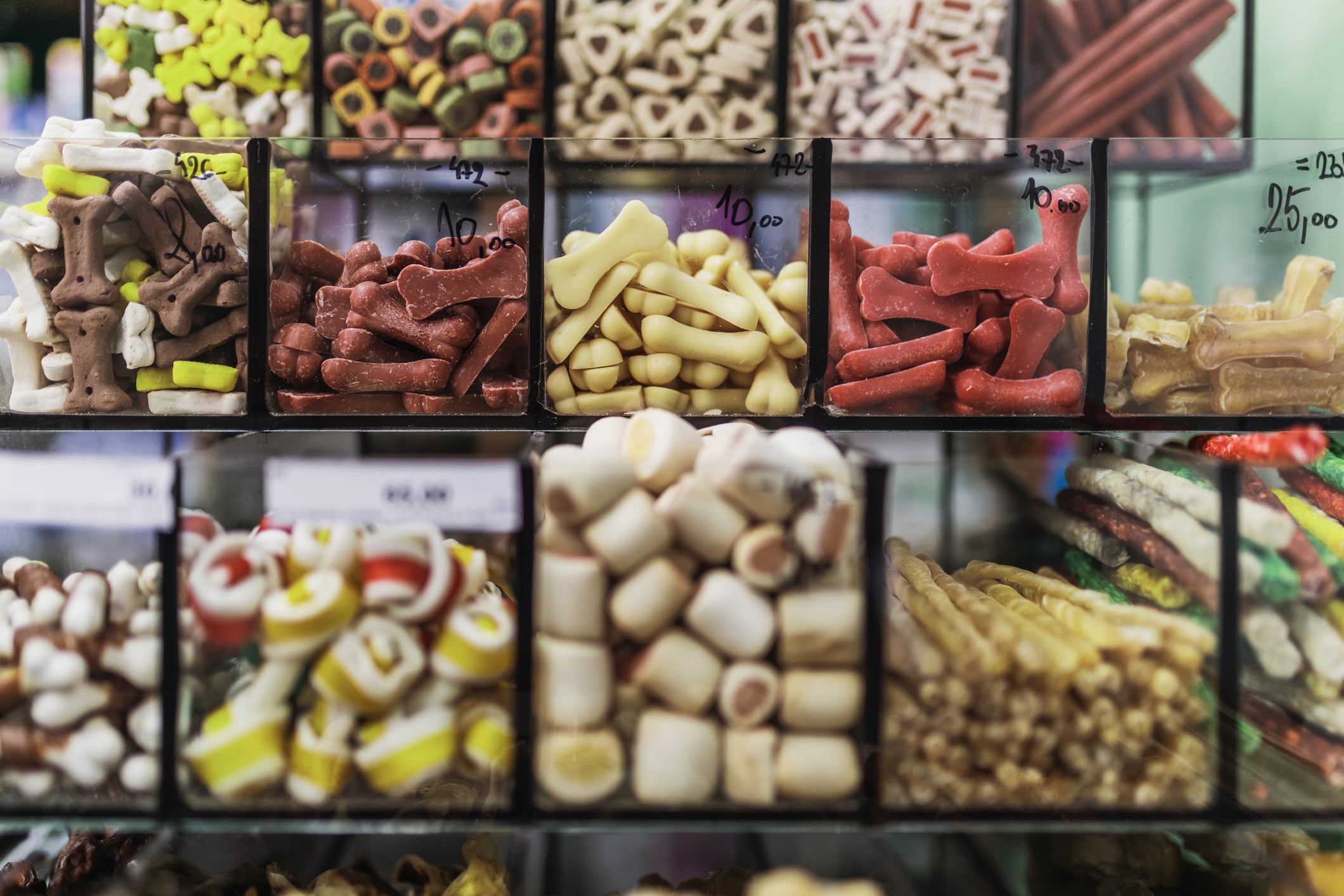
Americans may cut spending on themselves, but many refuse to do the same for their pets.
The American Pet Products Association reports that U.S. pet-industry spending continues to reach record levels, even amid ongoing affordability concerns. Total pet-industry expenditures reached approximately $158 billion in 2025, demonstrating how resilient pet spending remains.
Surveys repeatedly show that pet owners prioritize treats, toys, food, and healthcare for their animals even when reducing personal discretionary spending. Some studies have even found that a significant share of owners spend more on pets than on their own wellness expenses.
Fresh Flowers
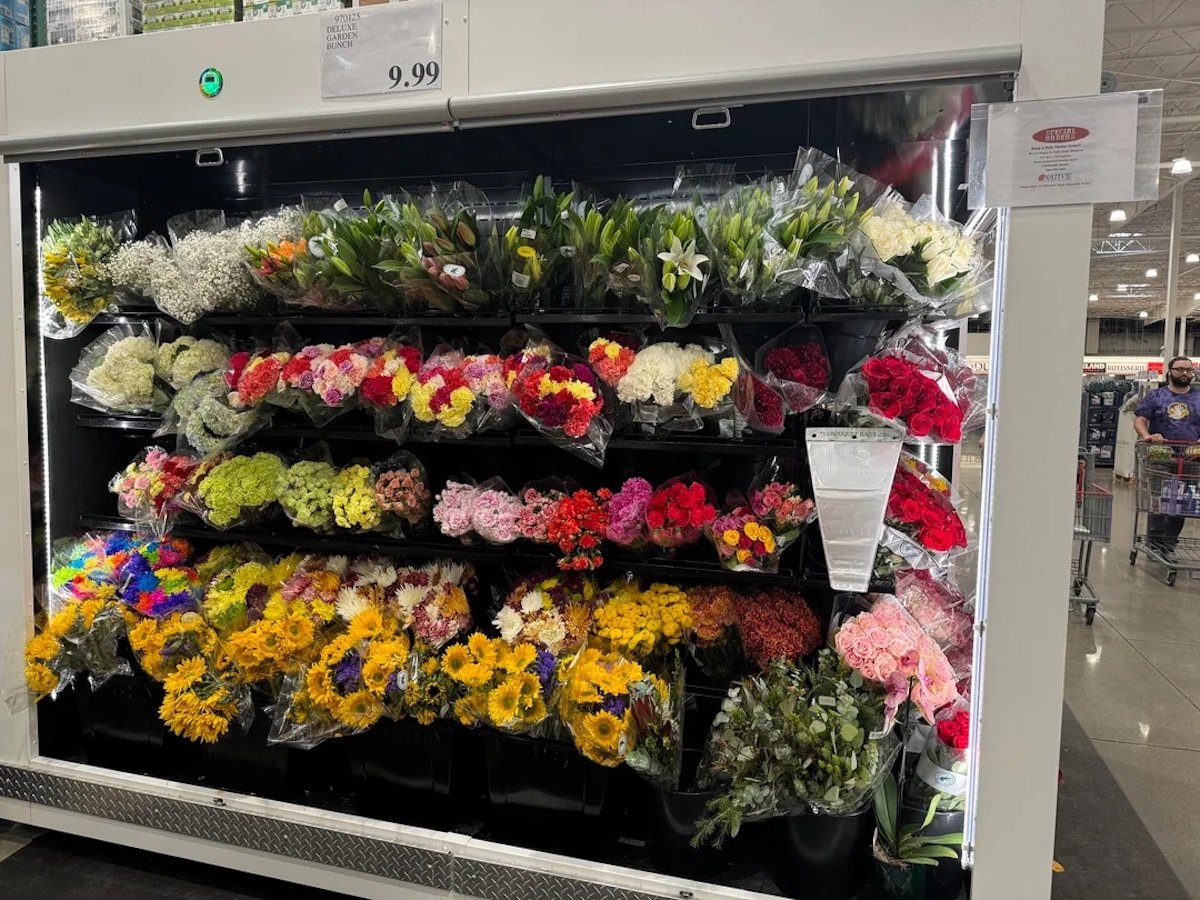
Fresh flowers have quietly become one of the internet’s favorite small luxuries.
Across budgeting and simple-living communities, consumers often describe buying a $10 to $20 bouquet as an affordable way to brighten their homes and improve their mood. Compared with larger indulgences, flowers offer a relatively inexpensive emotional boost.
As inflation squeezed household budgets, many consumers looked for smaller ways to improve daily life rather than eliminating treats entirely. Fresh flowers frequently emerged as one of those purchases.
Trending on Cheapism
Rotisserie Chickens
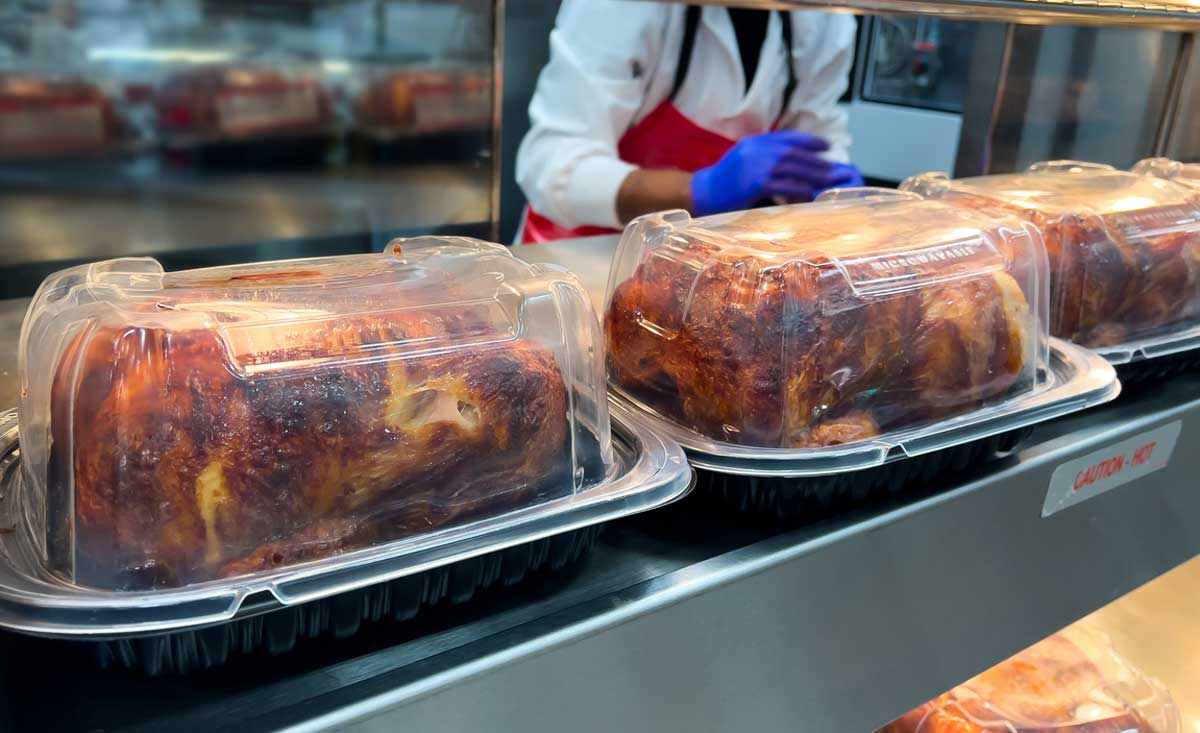
Warehouse-club rotisserie chickens may be one of the most beloved value purchases in America.
Consumers often describe them as a rare luxury that still feels like a bargain. A single chicken can provide multiple meals while eliminating cooking time on busy nights.
Unlike many prepared foods that have become harder to justify during inflation, rotisserie chickens continue appearing in discussions about smart spending because they combine convenience, affordability, and versatility.
Real Maple Syrup
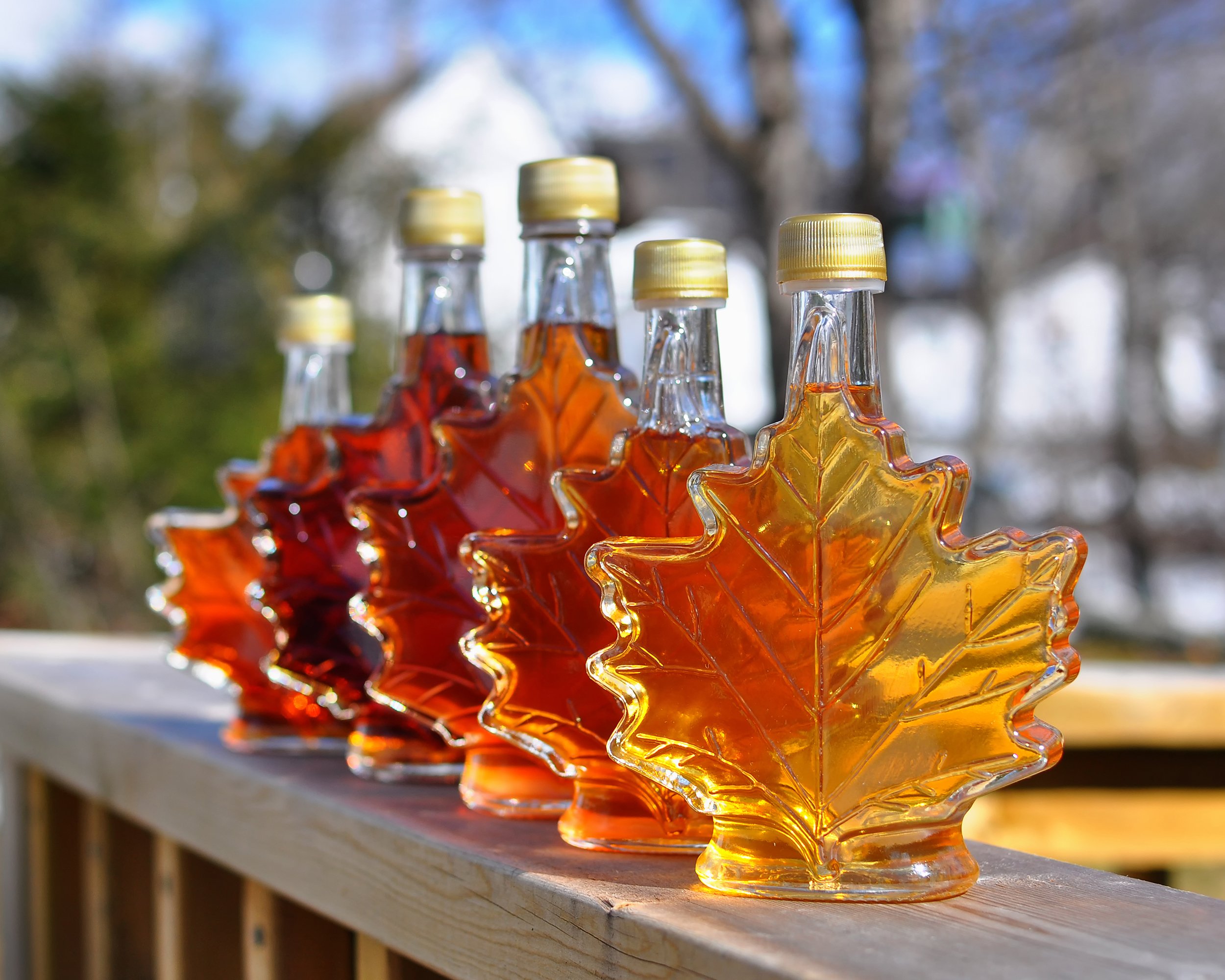
Once consumers switch to real maple syrup, many say they never go back.
Despite costing significantly more than imitation syrups, real maple syrup frequently appears in grocery discussions as a premium item worth preserving. Consumers often describe the quality difference as large enough to justify the higher price.
Because a bottle lasts relatively long, many households view it as an affordable luxury rather than an extravagant expense.
Good Olive Oil
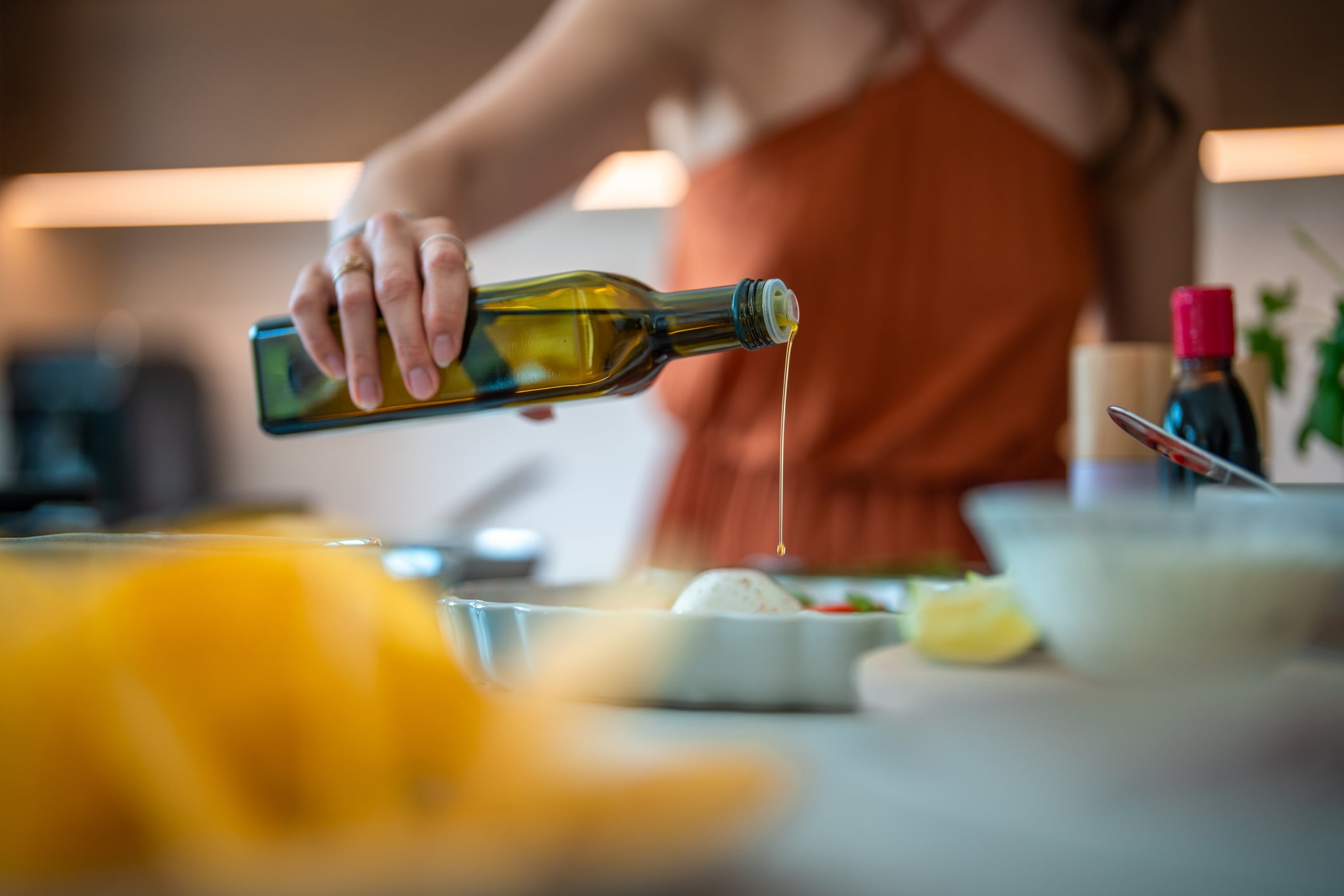
Cooking enthusiasts consistently rank extra-virgin olive oil among the grocery splurges most worth keeping.
Many consumers argue that a high-quality bottle elevates countless meals and lasts long enough to justify the extra cost. Even budget-conscious home cooks frequently list olive oil among the items they refuse to downgrade.
For people cooking more meals at home to save money, premium ingredients can feel like a practical luxury.
Sign up for our newsletter
Weekly Takeout Night
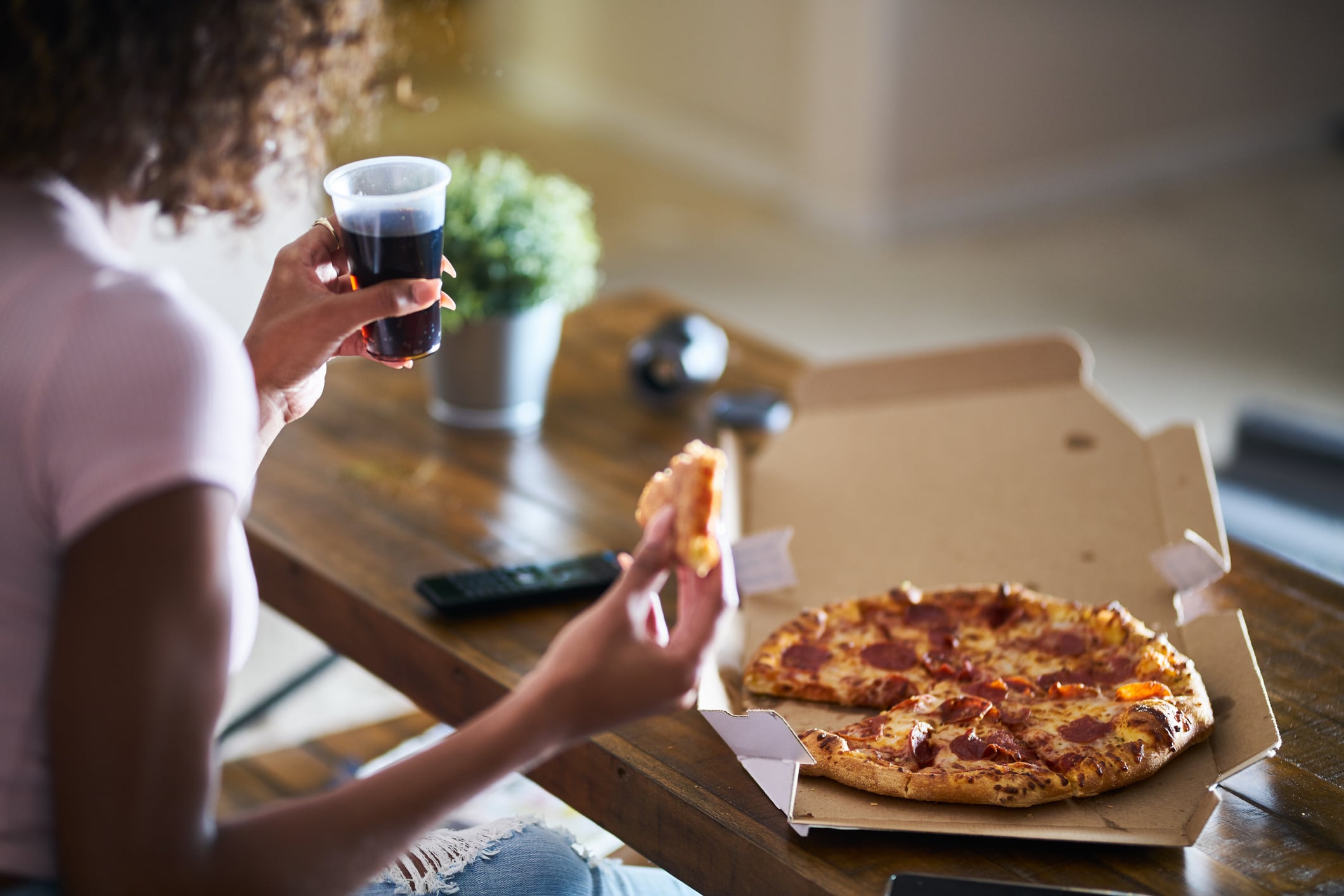
Many families have dramatically reduced restaurant spending without eliminating it entirely.
Instead, budgeting discussions frequently reveal a common compromise: one designated takeout night each week. This allows households to save money while preserving a small break from cooking.
The practice has become a popular middle ground between unrestricted restaurant spending and eliminating dining out altogether.
Quality Toilet Paper
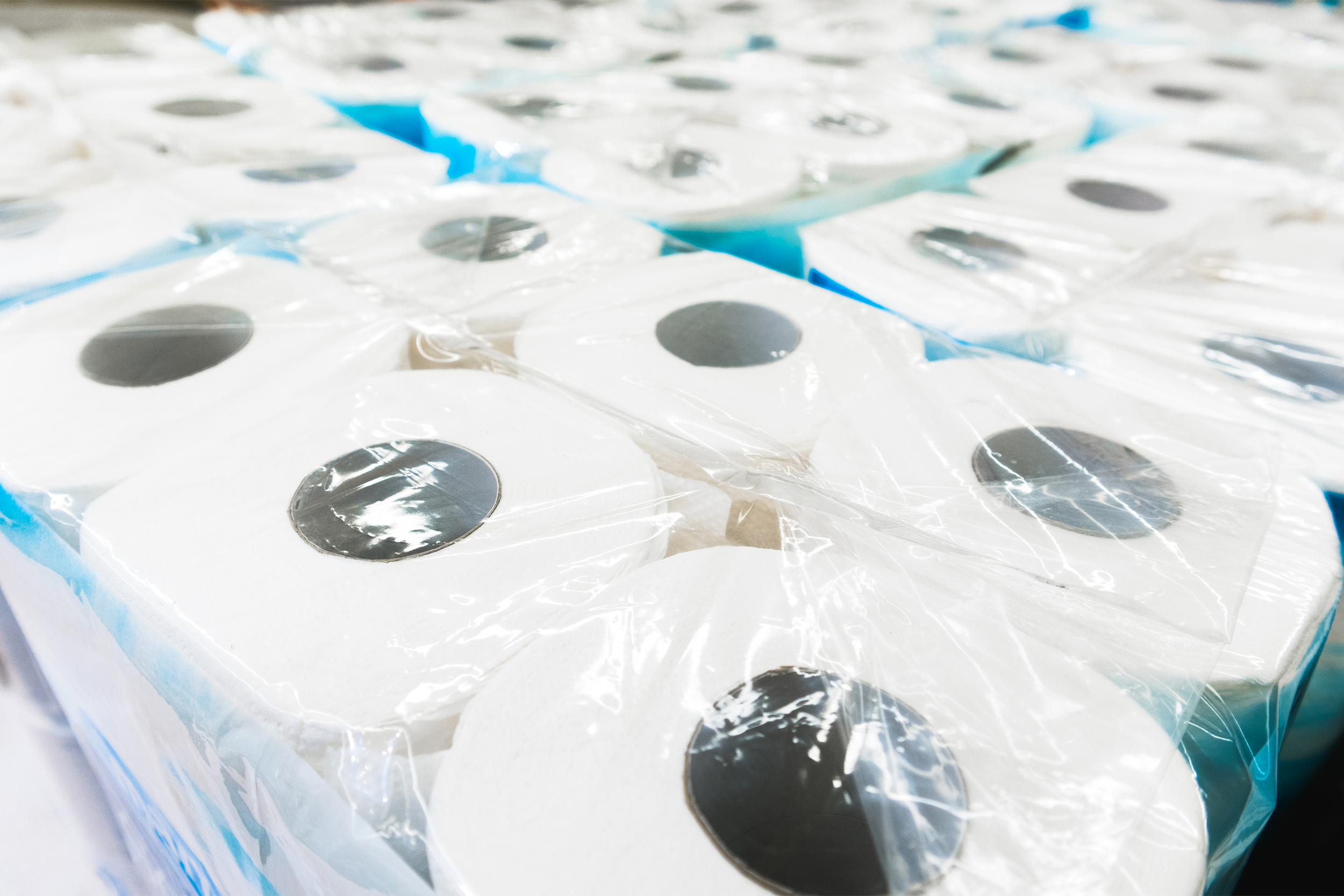
One of the most surprisingly common answers in frugal-living communities is premium toilet paper.
Consumers routinely joke that it’s the last household product they’ll downgrade. The topic appears so frequently that it has become a recurring meme across budgeting forums.
For many shoppers, the comfort difference outweighs the relatively modest savings gained from switching to lower-quality alternatives.
Books

Reading remains one of the most protected hobbies among budget-conscious Americans.
While many readers rely heavily on libraries, others continue purchasing books because they view reading as one of the highest-value forms of entertainment available. A single book can provide hours of enjoyment for the cost of a movie ticket—or less.
Pew Research has consistently found that reading remains a popular activity across age groups, helping explain why many readers continue budgeting for books even during financially challenging periods.
Bakery Bread
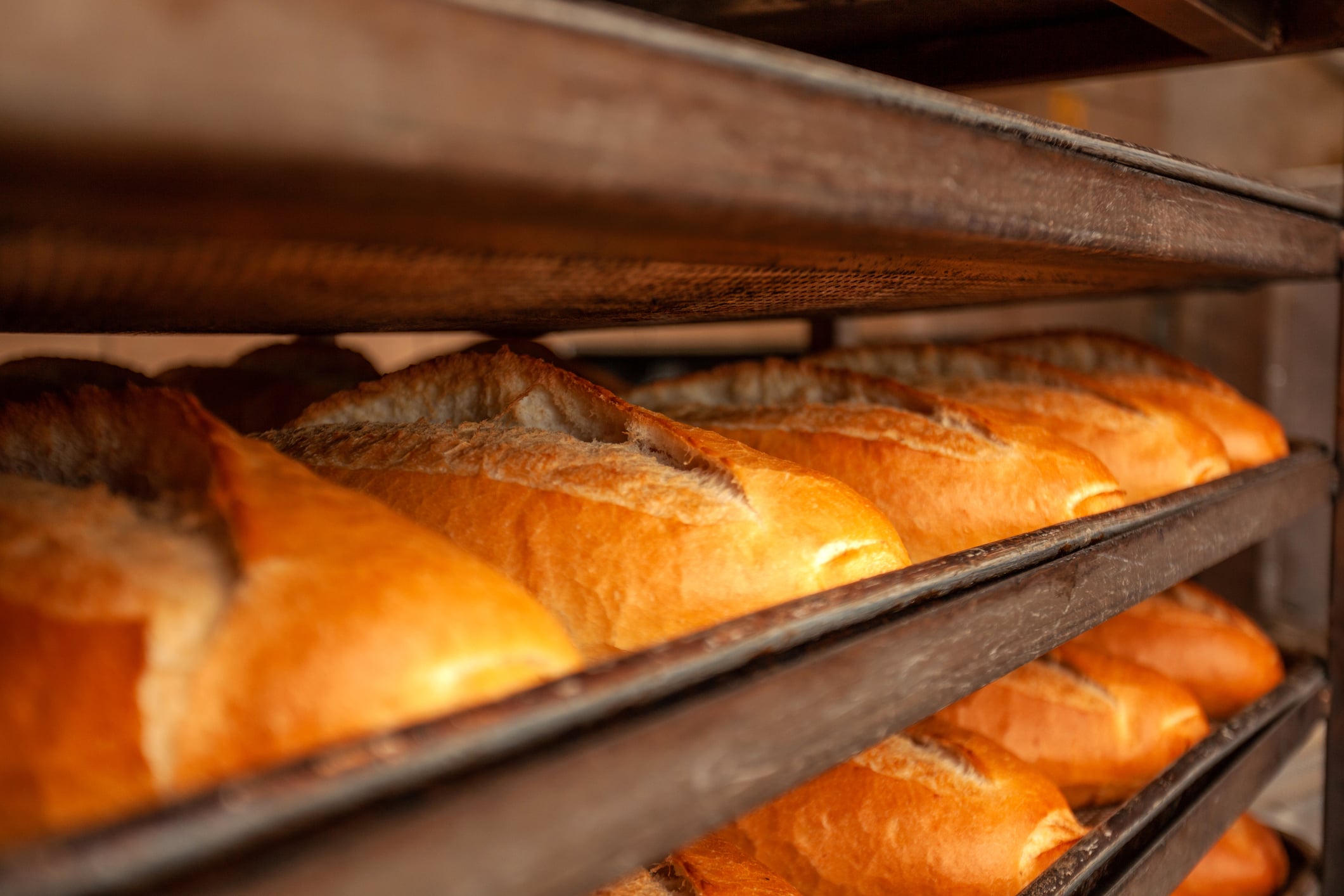
Fresh bakery bread is another grocery splurge many consumers struggle to abandon.
The difference between artisan bread and mass-produced alternatives is often cited as substantial enough to justify the extra cost. For households eating more meals at home, a quality loaf can make simple meals feel more enjoyable.
Consumers frequently describe bakery bread as a small indulgence with an outsized impact on everyday dining.
Specialty Cheese
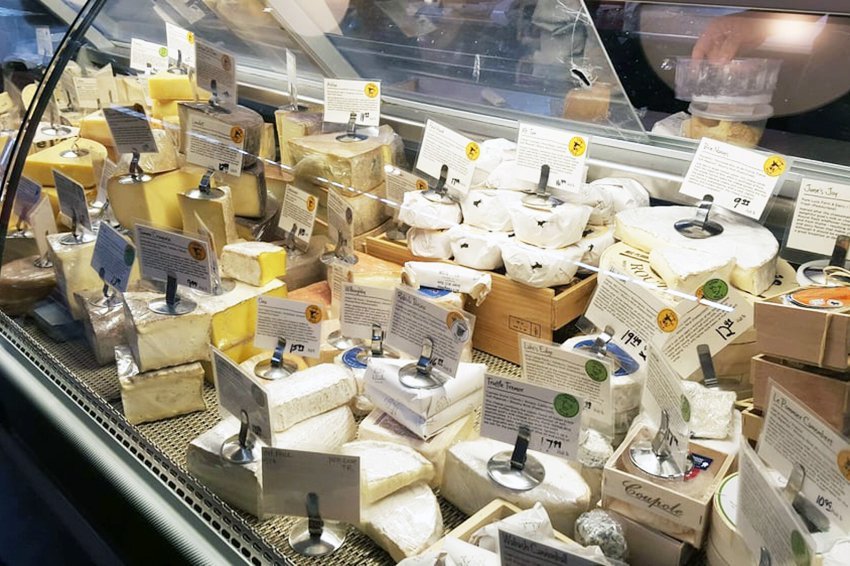
Premium cheese regularly appears on lists of small luxuries worth keeping.
Food enthusiasts often argue that a good cheese board or specialty cheese purchase delivers restaurant-quality enjoyment at a fraction of the cost of dining out.
Because the expense is relatively modest compared with larger luxuries, many consumers continue making room for it in their grocery budgets.
High-Quality Bedding
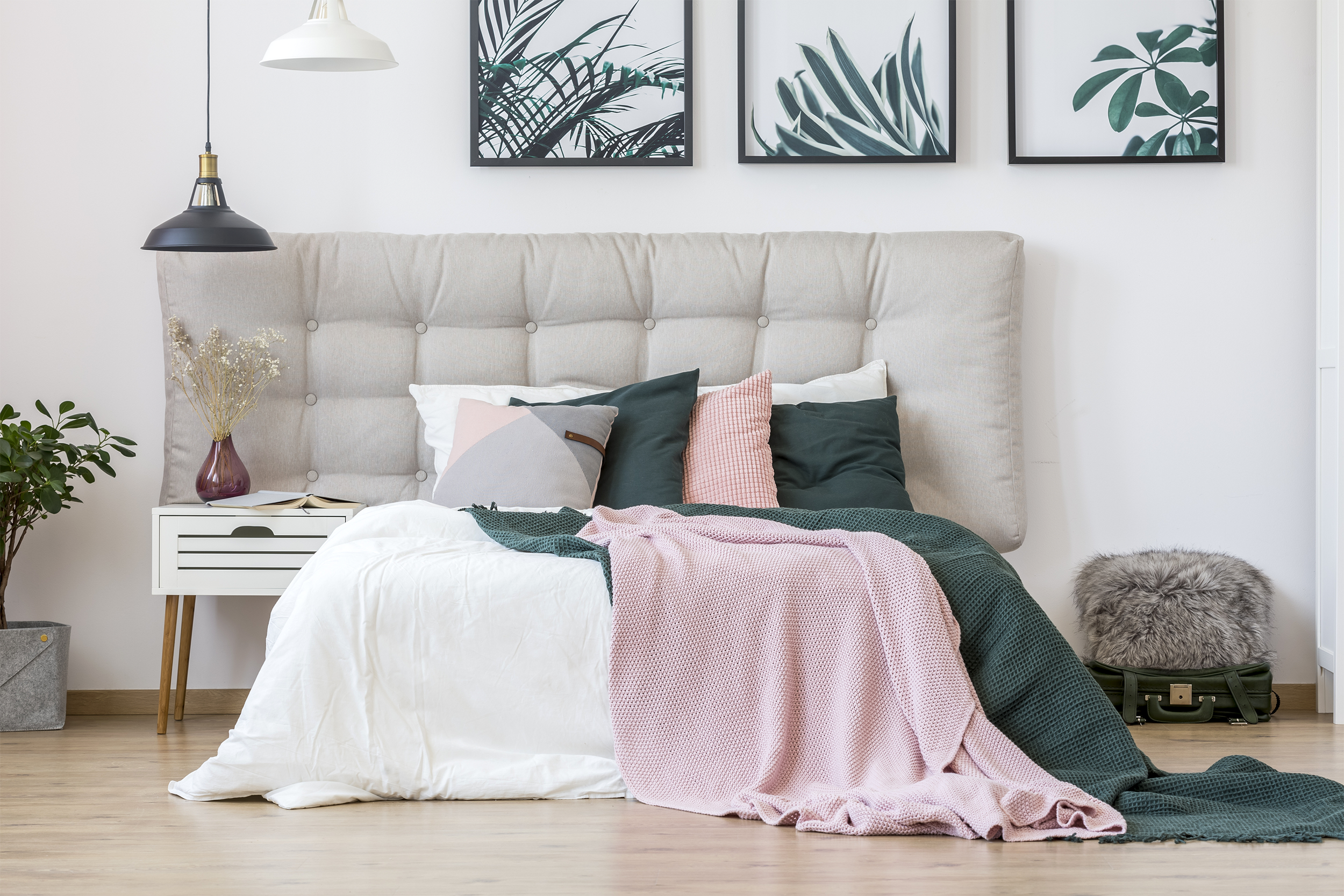
Consumers are increasingly prioritizing products that affect sleep quality.
Sheets, pillows, comforters, and mattresses frequently appear in discussions about purchases worth spending more on because they impact daily well-being. Unlike many discretionary items, bedding is viewed as an investment that delivers benefits every single night.
Sleep researchers consistently emphasize the importance of sleep quality, helping explain why many consumers are reluctant to cut corners in this category.
Quality Shampoo and Hair Products
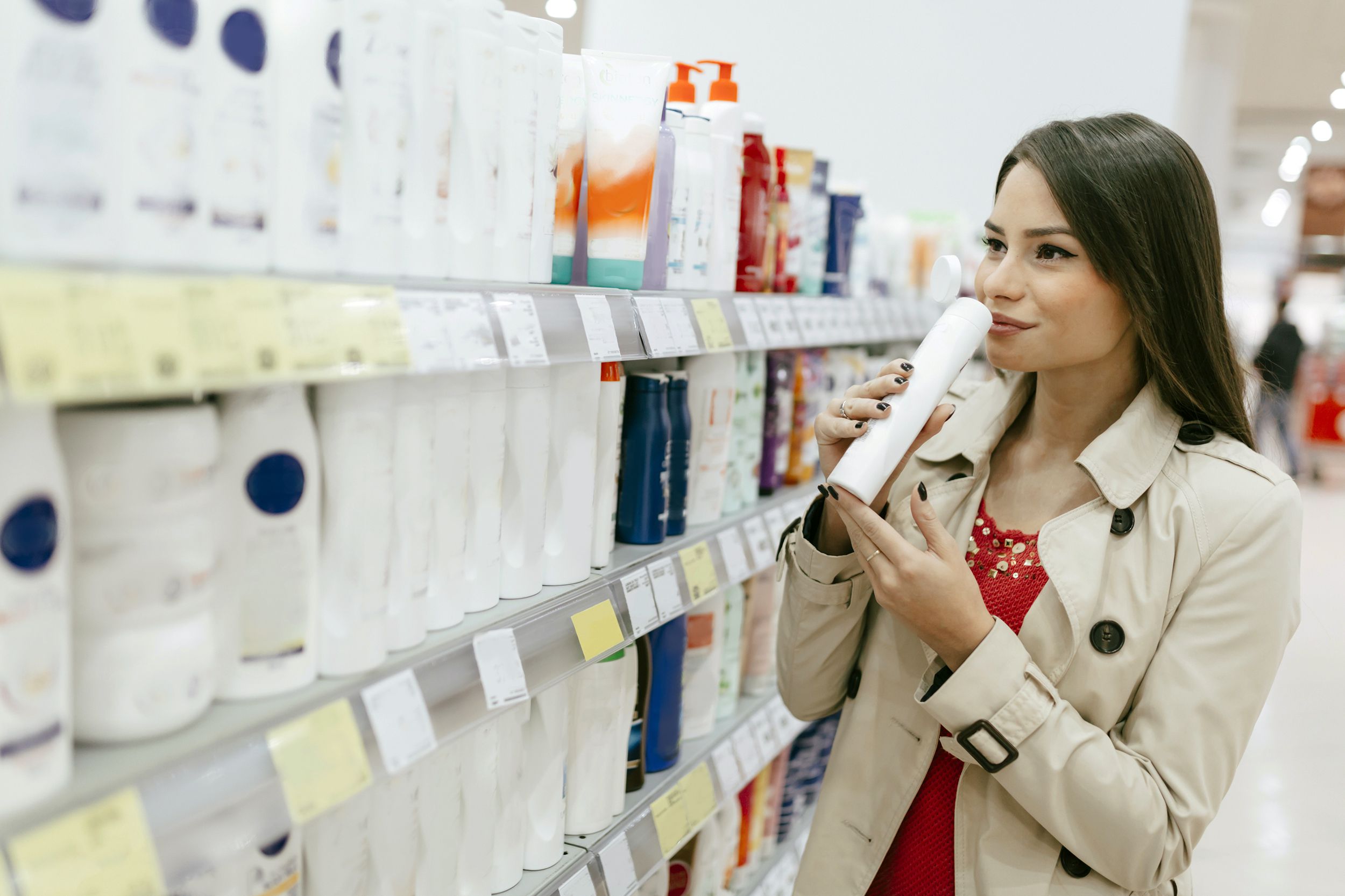
Personal-care products often survive budget cuts because consumers become attached to products that reliably work for them.
Across beauty communities, users frequently report remaining loyal to favorite shampoos, conditioners, and styling products despite reducing spending elsewhere. Performance, consistency, and avoiding bad hair days are common justifications.
Many consumers view these purchases as practical rather than purely indulgent.
Why Small Luxuries Survive Budget Cuts

Consumer behavior researchers have long observed that people rarely eliminate every discretionary purchase during periods of financial stress. Instead, they become selective.
Large luxuries—vacations, expensive dining, major entertainment purchases, and significant shopping splurges—are often the first expenses to go. Smaller purchases that provide frequent enjoyment tend to remain.
What’s especially notable is how consistently the same categories appear across independent sources. Whether it’s Bankrate surveys showing Americans cutting back on larger discretionary spending, Deloitte research examining subscription behavior, APPA reports tracking pet spending, or thousands of discussions on Reddit, the themes are remarkably similar. Americans continue prioritizing coffee, pets, music, books, comfort products, and small food upgrades.
The lesson isn’t that people stop treating themselves during difficult economic times. It’s that they become far more intentional about which treats truly matter.