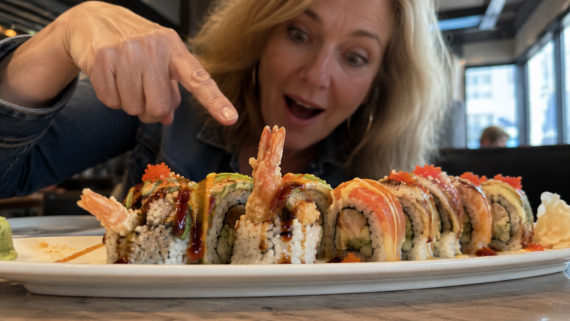
Sushi has long carried a reputation as one of the more expensive dining experiences in America. In cities like New York, Los Angeles, and San Francisco, even a modest sushi dinner can leave diners with a surprisingly large bill. But not every sushi destination comes with premium-market pricing.
Across the country, a growing number of cities have developed thriving sushi scenes where high-quality fish, talented chefs, and fierce restaurant competition help keep costs surprisingly reasonable. In many cases, diners can enjoy fresh nigiri, creative specialty rolls, and even omakase-style meals for significantly less than they would pay in America’s most expensive food capitals.
From bustling metropolitan areas to underrated regional hubs, these affordable sushi cities prove that great sushi doesn’t always require a luxury budget.
Las Vegas, Nevada
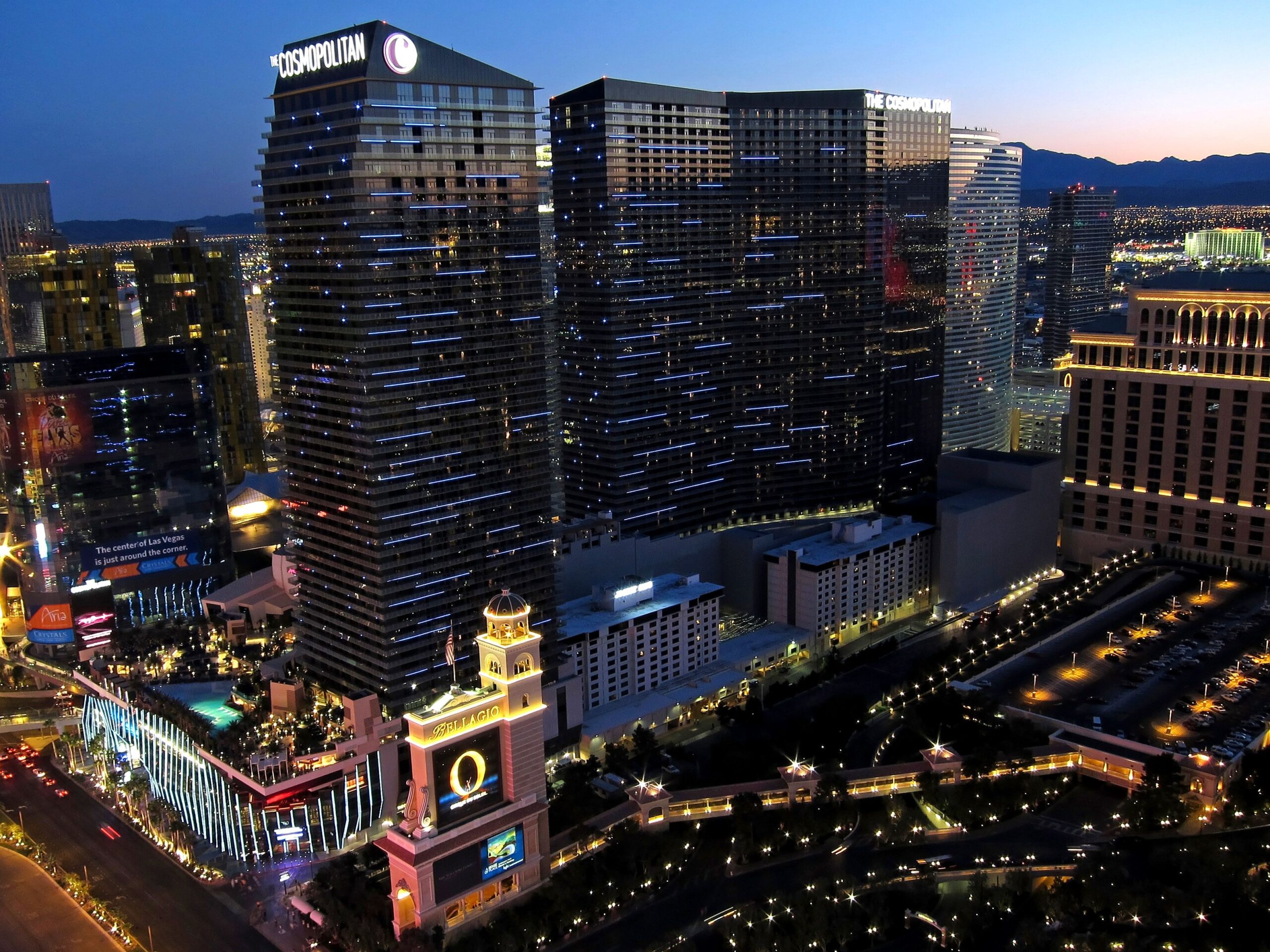
Las Vegas may be America’s most surprising sushi bargain. While tourists often focus on celebrity-chef restaurants and luxury resorts, locals know the city is home to one of the nation’s strongest all-you-can-eat sushi scenes.
Competition among independent sushi restaurants is intense, which benefits diners. Many establishments offer expansive menus featuring premium fish, specialty rolls, sashimi, and appetizers for prices that would be difficult to find in major coastal cities.
The city’s large dining market means restaurants constantly compete on quality, service, and value. For sushi lovers seeking maximum variety without maximum prices, Las Vegas is hard to beat.
Honolulu, Hawaii
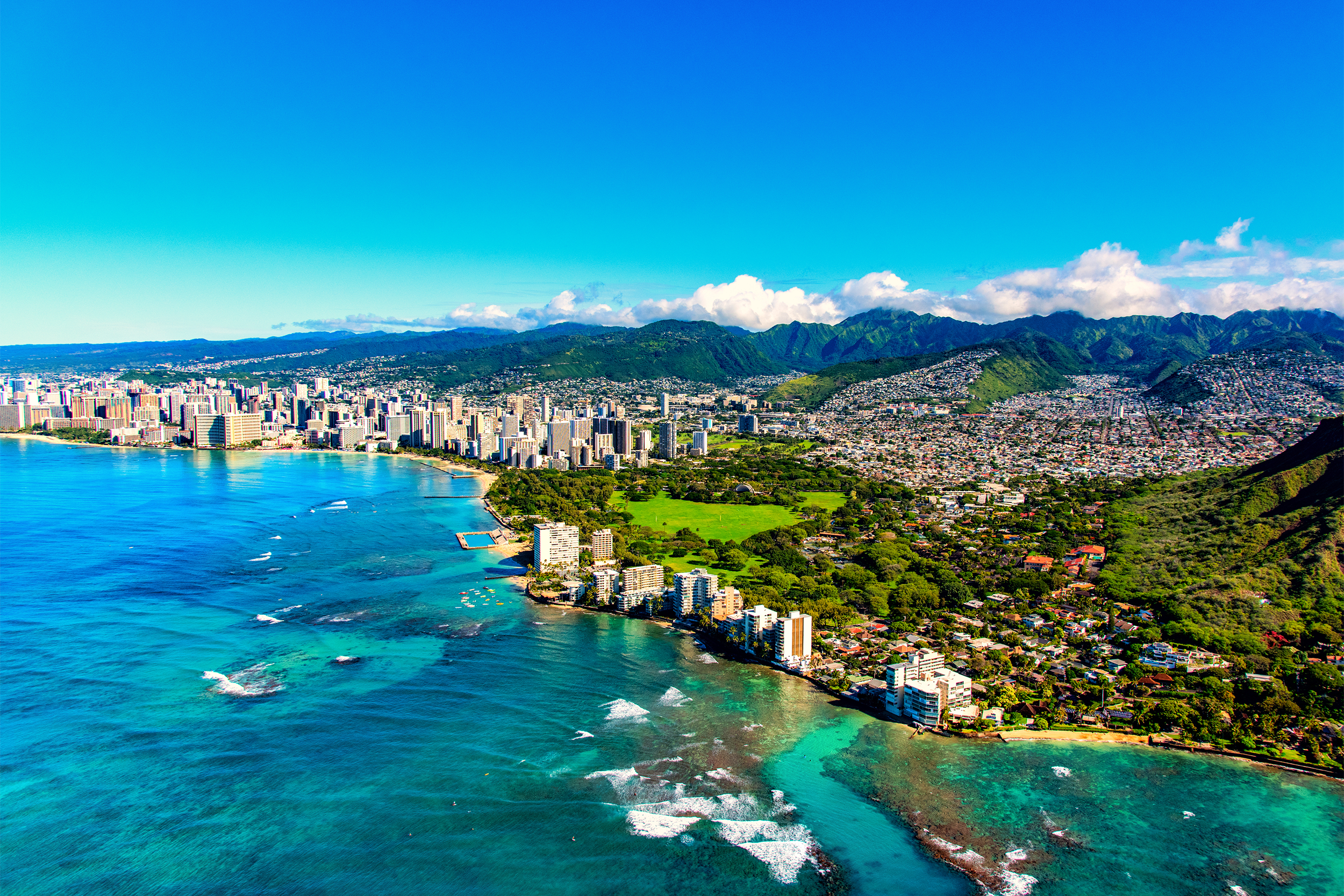
Honolulu enjoys a unique advantage that few American cities can match: direct access to some of the Pacific’s finest seafood. Combined with Hawaii’s deep Japanese cultural influences, the result is a sushi scene that feels both authentic and accessible.
Unlike many mainland cities where sushi remains a special-occasion meal, it’s woven into everyday life in Honolulu. Residents frequently enjoy fresh fish from casual eateries, grocery stores, and neighborhood restaurants that would impress diners elsewhere.
The abundance of seafood and strong local demand often help keep prices more reasonable than visitors expect, especially considering the exceptional freshness available throughout the city.
Portland, Oregon

Portland has built a national reputation for delivering exceptional food without the sky-high prices found in larger West Coast markets. Sushi is no exception.
The city’s proximity to strong seafood distribution networks and its culture of supporting independent restaurants help create a competitive environment where quality remains high and prices stay relatively approachable.
Many Portland sushi chefs emphasize simplicity, freshness, and craftsmanship over flashy presentation, allowing diners to enjoy excellent meals without paying luxury-level premiums.
Houston, Texas
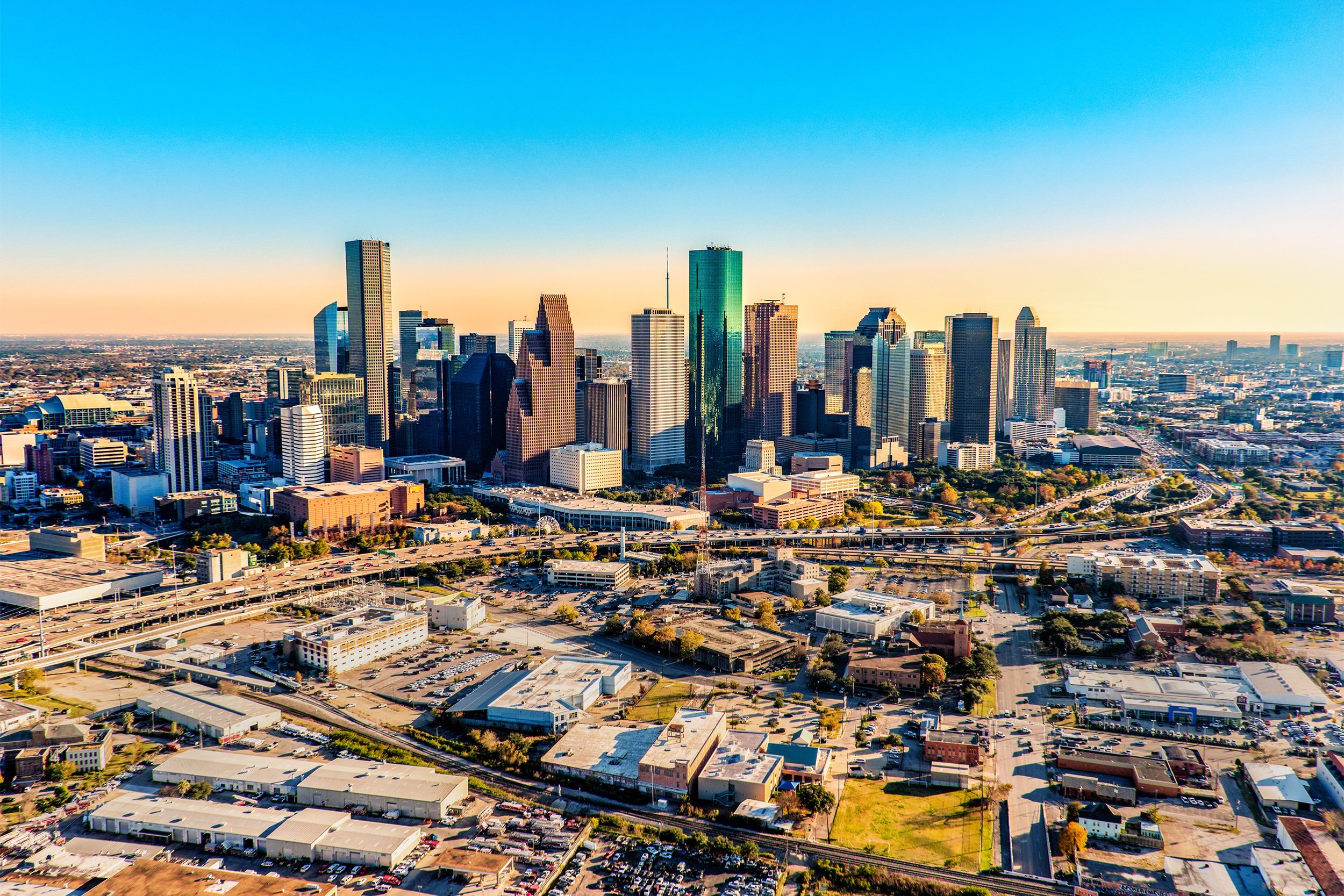
Houston’s incredible diversity has made it one of America’s most exciting food cities. That diversity extends to its thriving sushi scene, where diners can find everything from affordable lunch specials to upscale omakase experiences.
Large Asian-American communities have helped support a broad range of Japanese restaurants across the city. Because competition is fierce, many establishments focus heavily on delivering value alongside quality.
The result is a city where generous portions, fresh fish, and creative menus are often available at prices that compare favorably with coastal markets
Tucson, Arizona
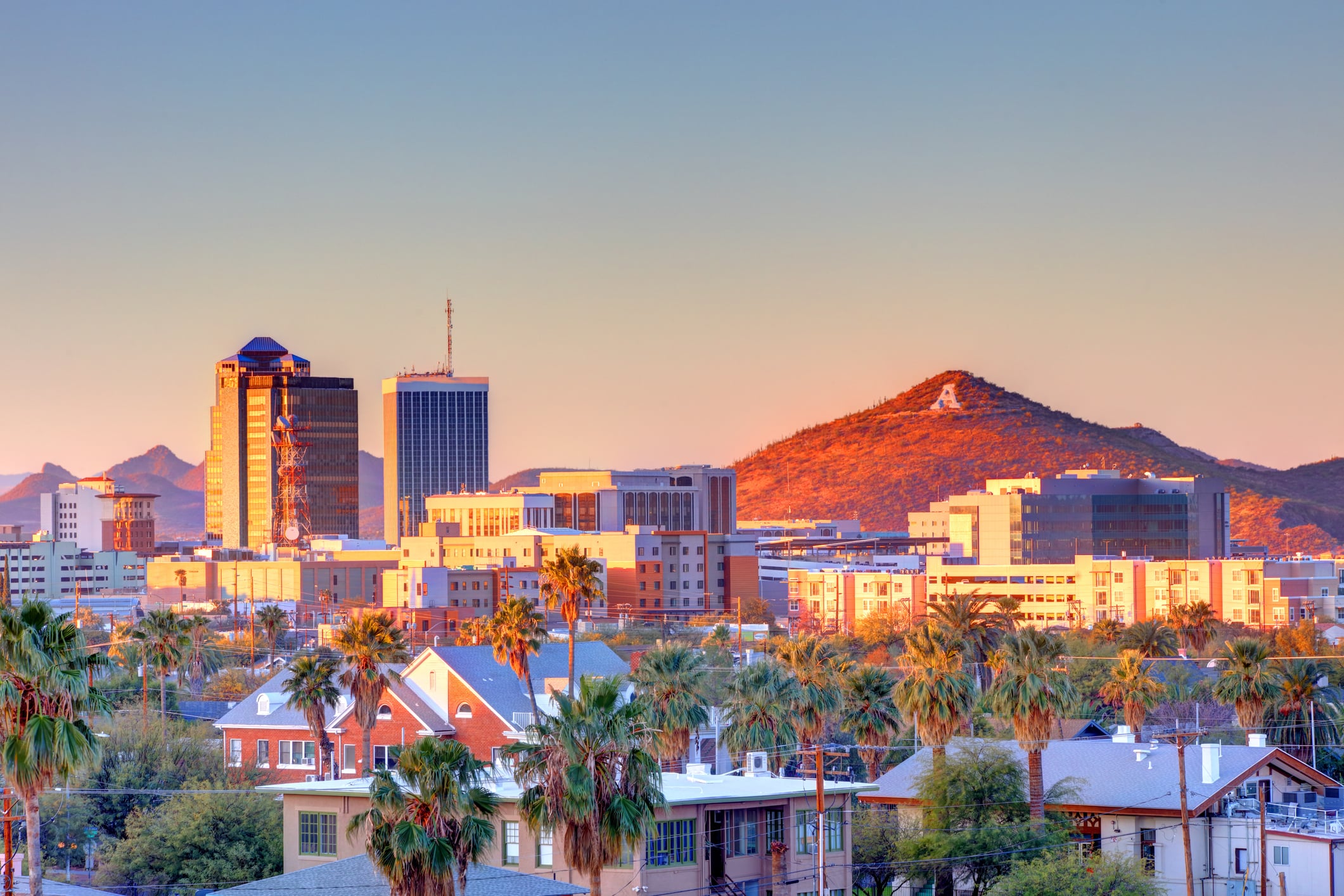
Tucson may not be the first place that comes to mind when thinking about sushi, but locals know the city offers surprisingly good value.
Lower operating costs than many major metropolitan areas allow restaurants to keep menu prices competitive while maintaining quality. As Tucson’s food scene continues to grow, sushi has become an increasingly popular option among residents.
Many diners report that comparable meals would cost considerably more in neighboring California cities, making Tucson an attractive destination for value-conscious sushi fans.
Trending on Cheapism


San Antonio, Texas
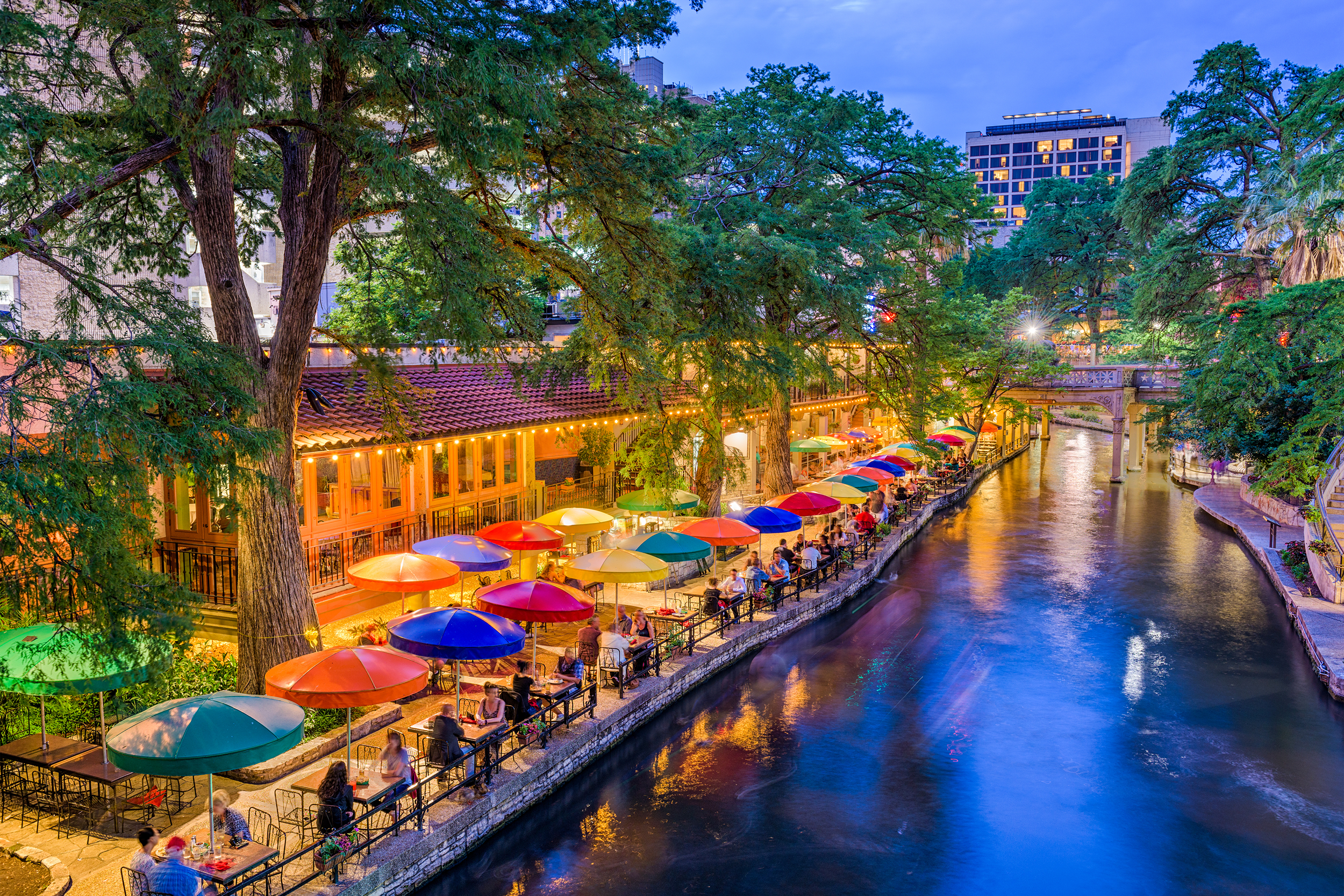
San Antonio’s relatively affordable cost of living helps create favorable conditions for restaurants and diners alike. Sushi restaurants can often offer quality ingredients and generous portions without the pricing pressure found in more expensive metro areas.
The city’s growing culinary reputation has encouraged more competition among restaurants, which helps keep prices reasonable while raising overall quality.
For locals and visitors, that means enjoying an upscale sushi experience without the sticker shock often associated with major food destinations.
Spokane, Washington

Despite being located far from the Pacific shoreline, Spokane has quietly developed a respectable sushi culture.
The city’s lower commercial rents and operating expenses allow restaurants to offer prices that frequently undercut those found in Seattle and other larger Northwest cities. At the same time, modern seafood distribution networks ensure that quality ingredients remain readily available.
For diners seeking strong value, Spokane often delivers a better quality-to-price ratio than many more famous food cities.
Kansas City, Missouri

Kansas City is best known for barbecue, but its growing Japanese food scene has earned increasing attention from locals and visitors alike.
Compared to coastal markets, sushi prices here often feel refreshingly affordable. Lower real estate costs and a competitive restaurant environment help keep menu prices manageable while allowing chefs to focus on quality ingredients.
The result is a surprisingly strong sushi market that rewards adventurous diners willing to look beyond the city’s barbecue reputation.
Sign up for our newsletter
Albuquerque, New Mexico
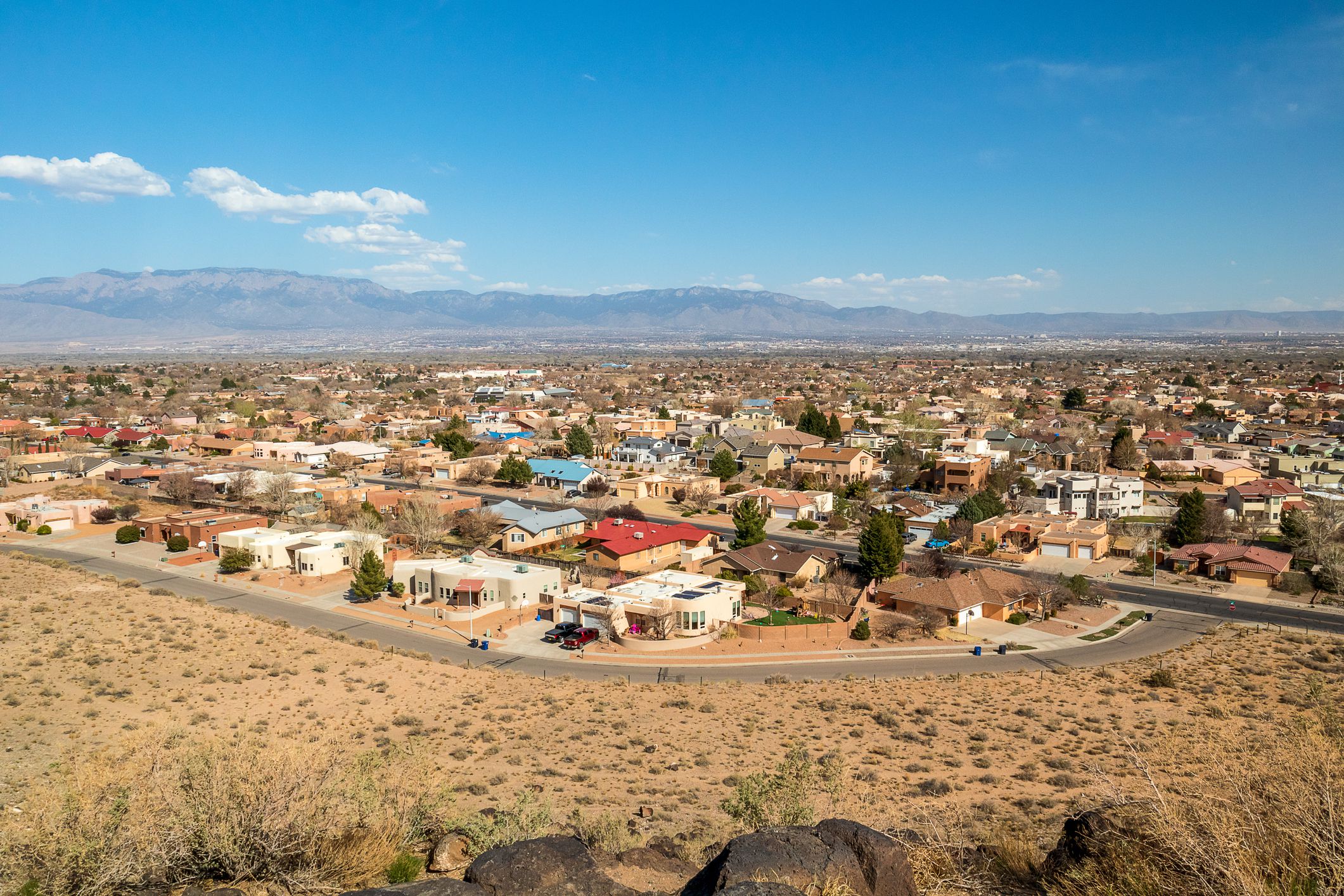
Albuquerque’s restaurant scene benefits from lower overhead costs than many larger metropolitan areas, and sushi lovers often reap the rewards.
Many local restaurants have built loyal customer bases by focusing on quality fish, inventive specialty rolls, and approachable pricing. Rather than competing in the luxury dining category, many establishments prioritize value and consistency.
That approach has helped create a sushi scene that continues to attract devoted local followings.
Raleigh, North Carolina

As one of the fastest-growing cities in the Southeast, Raleigh has experienced a wave of restaurant openings in recent years. Increased competition has helped create a thriving sushi market with options spanning nearly every budget.
Whether diners are seeking casual lunch specials or more refined omakase-style experiences, the city offers a broad range of choices that remain more affordable than many major Northeast markets.
The area’s expanding population continues to support innovation and competition, both of which benefit consumers.
Boise, Idaho
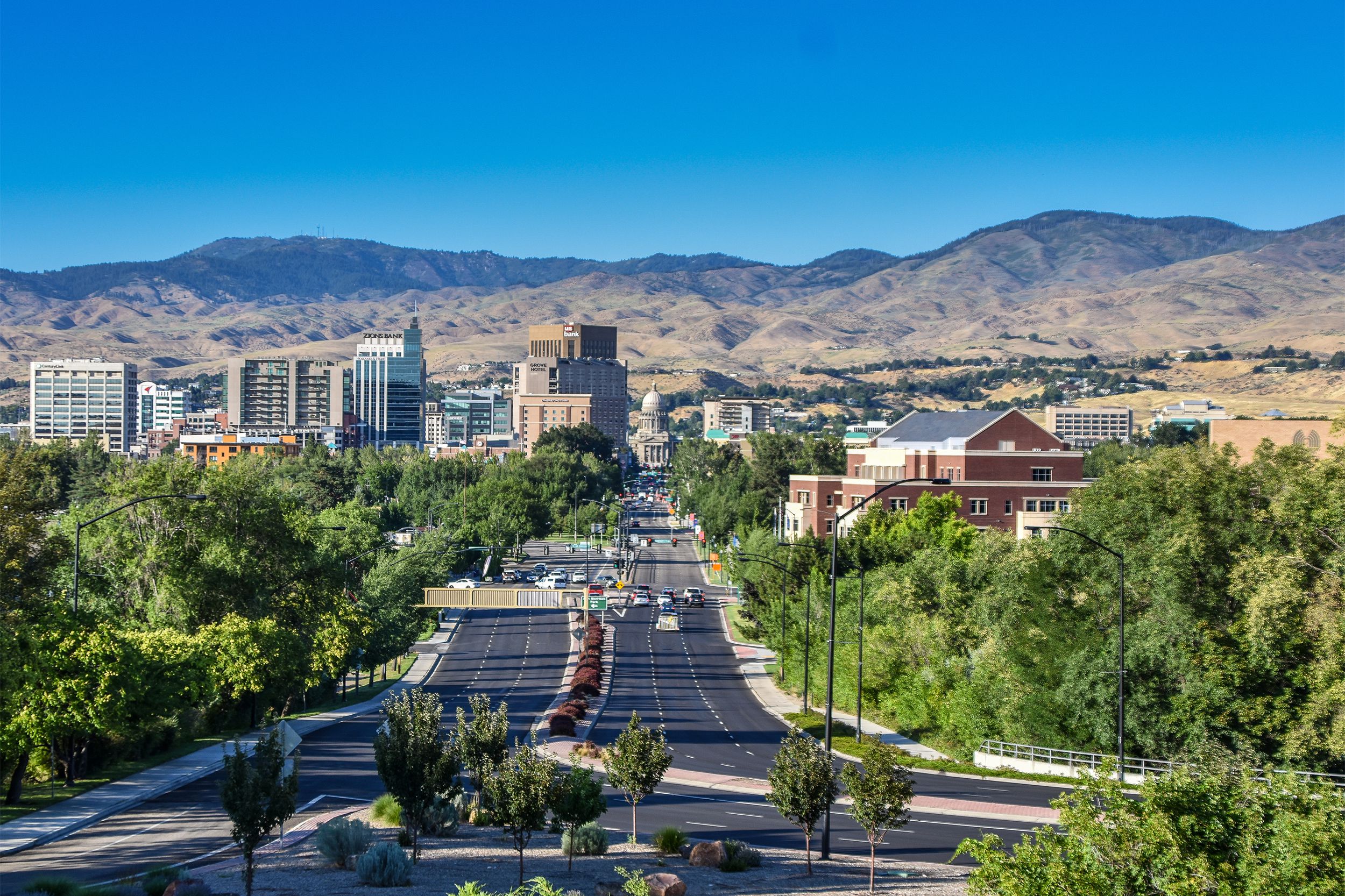
Boise’s rapidly growing population has brought an equally impressive evolution in its dining scene. Sushi restaurants have expanded alongside the city’s growth, creating more competition and more options for consumers.
Many establishments focus on attracting repeat local customers rather than relying on tourism, which often encourages more reasonable pricing strategies.
For residents and visitors alike, Boise offers a surprisingly strong selection of sushi experiences that deliver excellent value.
Madison, Wisconsin

Madison’s vibrant university culture helps support a restaurant scene that places a premium on affordability. Students, professionals, and families all contribute to demand for quality dining at reasonable prices.
Sushi restaurants frequently compete for this broad customer base through lunch specials, combination deals, and value-focused menus.
The result is a city that may not immediately come to mind for Japanese cuisine but consistently surprises diners with its strong offerings.
Oklahoma City, Oklahoma

Oklahoma City’s lower operating costs allow many independent restaurants to remain highly competitive on pricing.
Sushi enthusiasts frequently point to the city’s generous roll portions and attractive combination specials as examples of the value available throughout the market. While it may lack the reputation of larger food cities, Oklahoma City delivers a dining experience that often exceeds expectations.
For budget-conscious sushi lovers, the city offers plenty of reasons to explore.
Greenville, South Carolina
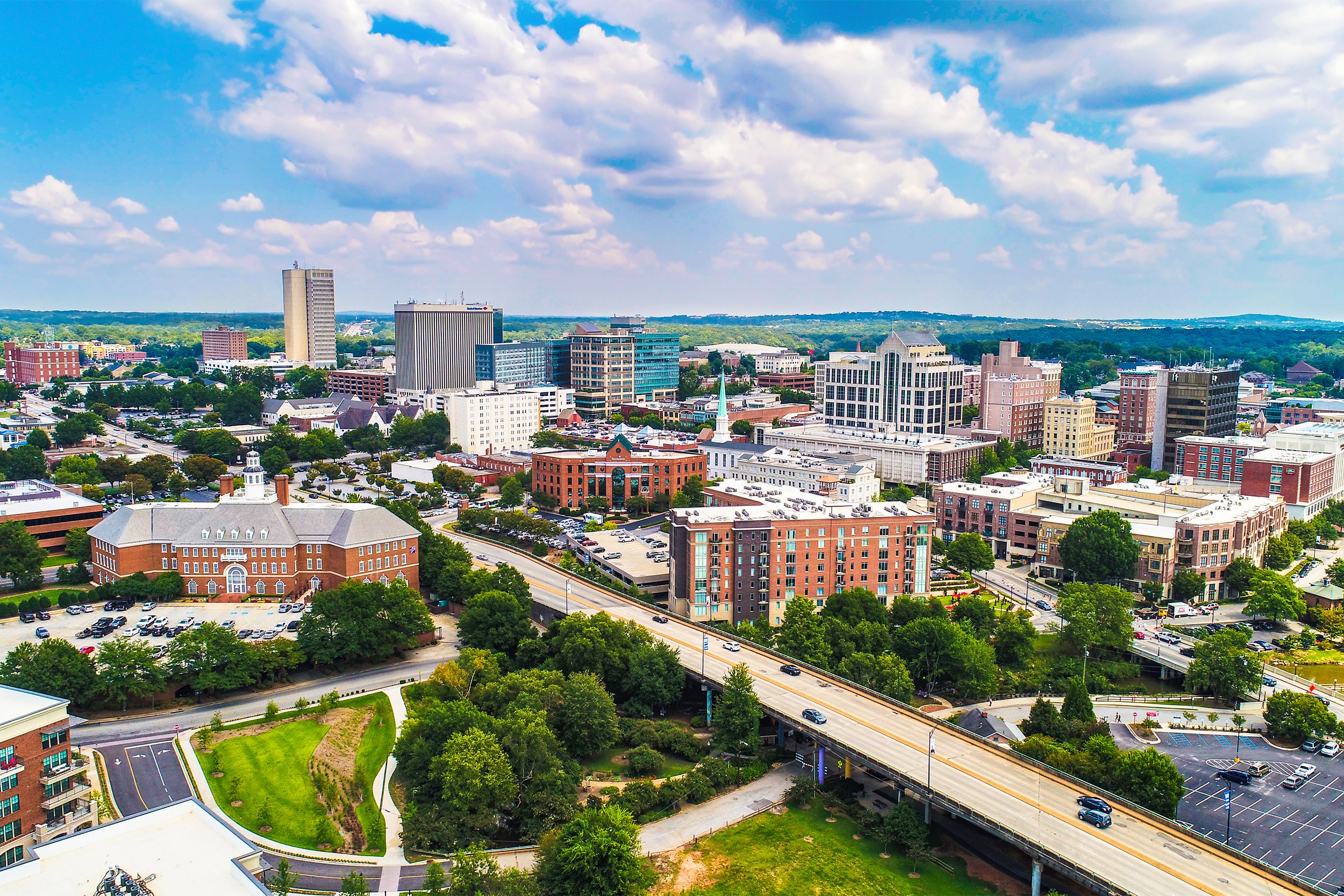
Greenville’s growing downtown and expanding culinary reputation have helped transform it into one of the South’s most interesting food destinations.
Sushi restaurants benefit from lower costs than many larger Southeastern markets while still attracting customers who appreciate quality dining experiences. This balance often translates into favorable pricing for consumers.
Visitors are frequently surprised by both the quality and affordability they encounter throughout Greenville’s restaurant scene.
Anchorage, Alaska
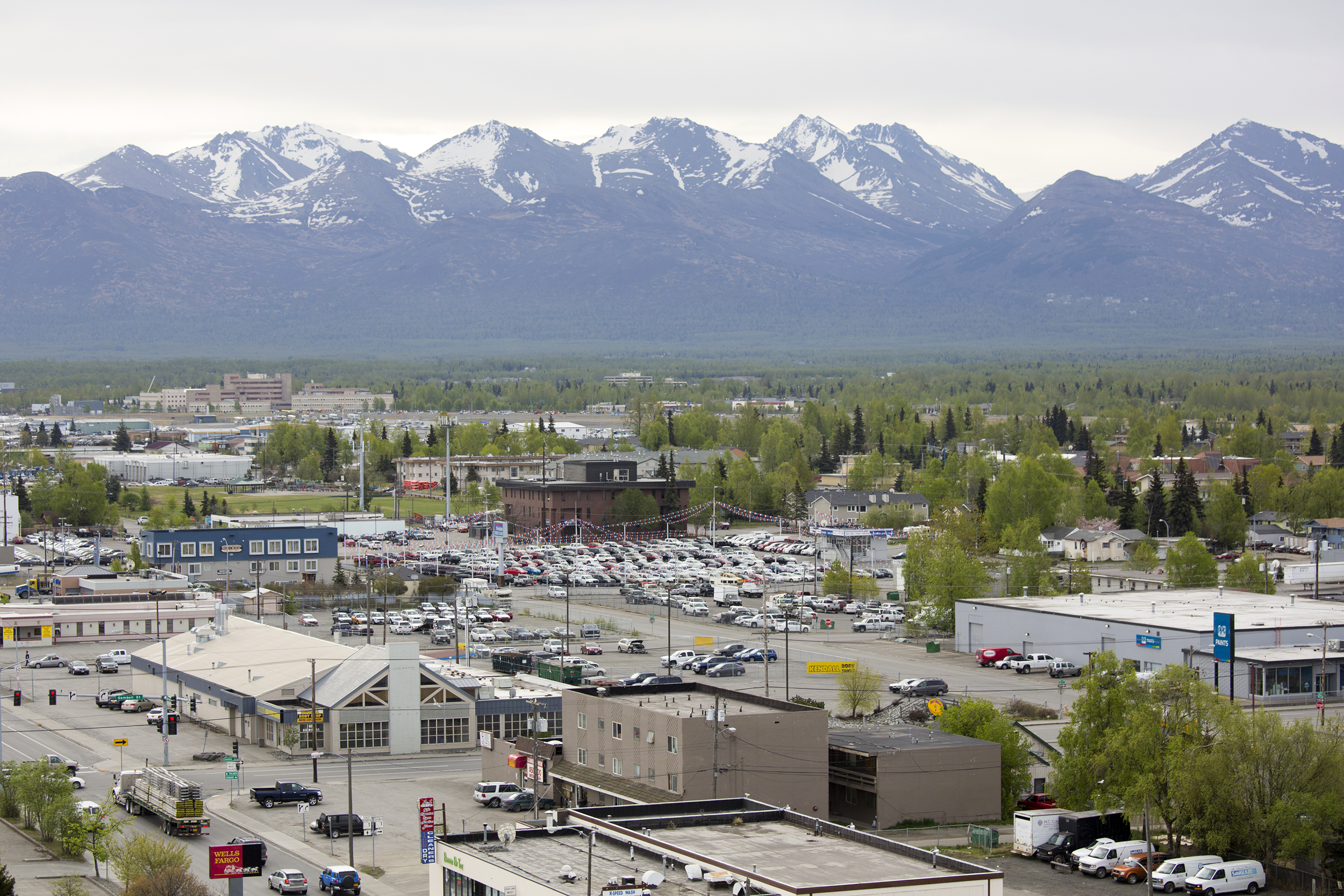
Anchorage may seem like an unlikely sushi destination, but access to exceptional seafood helps set the city apart.
While some costs can be higher in Alaska, local restaurants often capitalize on the availability of fresh fish that many lower-48 destinations can only dream of serving. That freshness creates opportunities for memorable sushi experiences that rival those found elsewhere in the country.
For travelers willing to think beyond traditional sushi hubs, Anchorage can be a rewarding surprise.
Why Some Cities Deliver Better Sushi Value Than Others
Affordable sushi cities usually emerge when several factors align. Strong competition among restaurants, lower commercial rents, efficient seafood distribution networks, and a customer base that regularly supports Japanese cuisine all help create better value for diners.
In high-cost cities, restaurants often have little choice but to pass rising expenses directly to customers. In lower-cost markets, however, businesses can frequently offer similar quality while maintaining far more approachable prices.
For sushi enthusiasts, the best deals are often found far from America’s most famous food capitals. Some of the country’s most satisfying sushi experiences are hiding in fast-growing regional cities where competition remains fierce and overhead costs remain manageable.