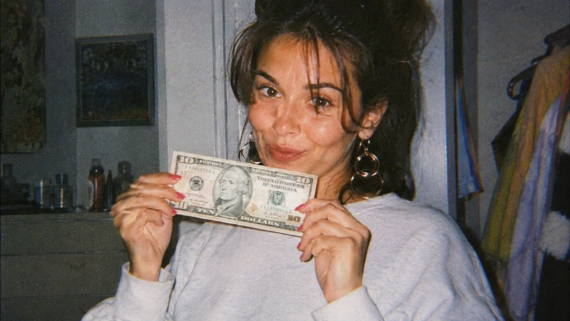
These days, $10 doesn’t go very far. A quick trip to the grocery store, a fast-food meal, or a movie ticket can easily eat up most of it. Back in 1991, however, $10 could buy far more than many people remember. After decades of inflation and rising living expenses, looking back at what $10 could buy in 1991 feels almost unbelievable, and offers a fascinating glimpse into how much prices have changed.
Two Movie Tickets
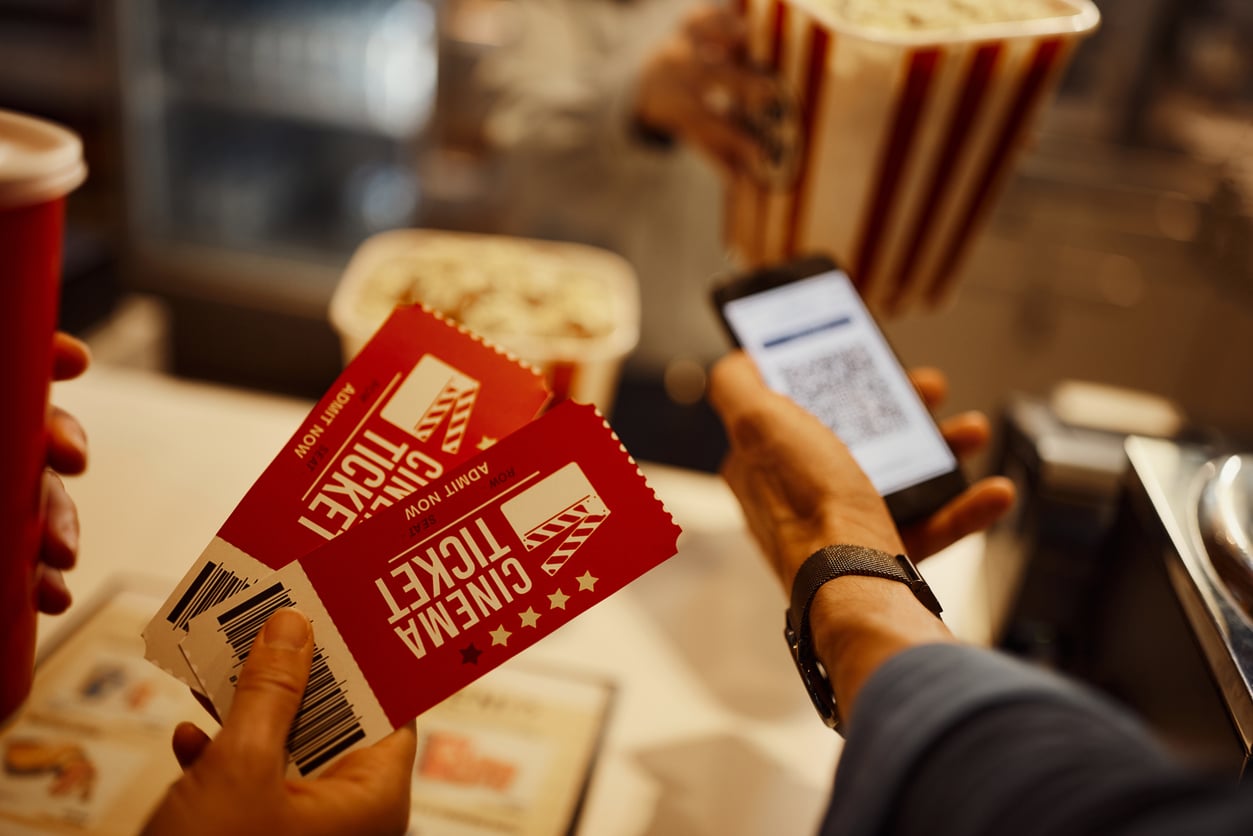
In 1991, a movie ticket cost just $4.20, meaning you could buy two tickets with a $10 bill and still have money left over. Even in some smaller theaters, like those located in markets, the price went up yo $3 USD. Going to the movies was one of the most common forms of entertainment in those years, and you might have seen “Terminator 2”, “Beauty and the Beast” and “The Silence of The Lambs”.
Nearly 10 Gallons of Gasoline

The price of gasoline in 1991 was $1.41 per gallon, so a $10 bill could buy up to 9 gallons. That amount of fuel could mean using the car for most of a week. People used to take more road trips because gas represented a small portion of their budget, but that cost has fluctuated. Nowadays, filling up with gas represents such an expense that many people with car may opt for public transport.
A Fast-Food Feast For Two

The cost of fast food in 1991 was very different from today. Companies like McDonald’s, Taco Bell, Burger King, and Wendy’s were starting to offer combo meals, which cost less than $2 USD. Two people could eat very well for $10 USD back then, and a family with children could also cover their lunch with that amount. This shows that fast food was truly affordable at that time.
A Week’s Worth of School Lunches

The price of lunch displayed by many schools could vary from $1 to $1.50 USD, but not much more than that. Therefore, a child could have their food for an entire week covered with a $10 USD bill. The money parents give their children to buy lunch isn’t a large expense that causes stress for today’s families, but it does increase their monthly expenses.
Several Bags of Groceries

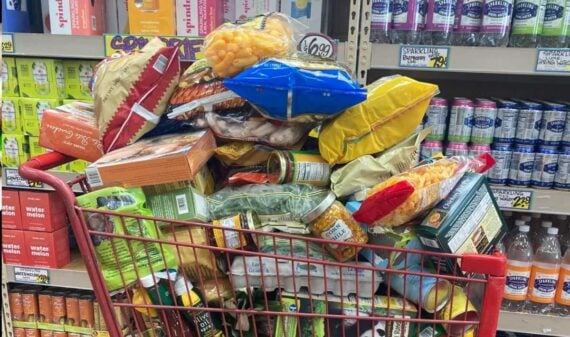
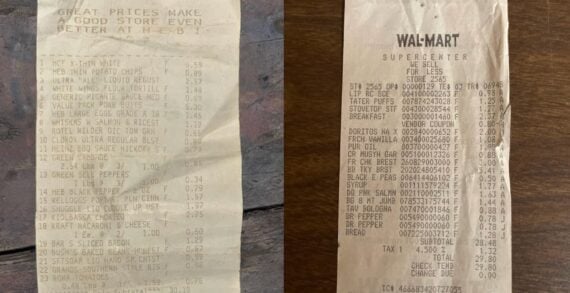
If you check the prices of basic products like bread ($0.70), milk ($2.50), eggs ($1.00), pasta ($0.80) and cereal ($2.00) displayed in 1991, you still had money left over for other items like canned food when you went to the grocery store. That’s no longer the case, and young adults remember those early years when they would go to the supermarket with that amount of money and come back with more than one bag in their hands.
Trending on Cheapism

A Brand-New CD and Lunch

The trend in 1991 was to own compact discs, which typically sold for between $10 and $15 USD for new releases, though you could find discounts at independent stores. Those who knew the market well could even get a CD for $8 to $10 USD, leaving them with enough money for a snack. Music had an added value back then; instead of the millions of songs you hear today, where you might not even recognize many of the artists.
A Family Pizza Night

In 1991, the competition among pizza chains was all about offering the best coupons and promotions to attract customers. For $10 USD, you could buy a large pizza and still have enough left over for drinks. It was a family tradition to have pizza on Friday nights because it was such an affordable food. Perhaps nostalgia affects us, but those nights remain etched in the minds of many, beyond the meaning of money.
Two or Three Video Rentals
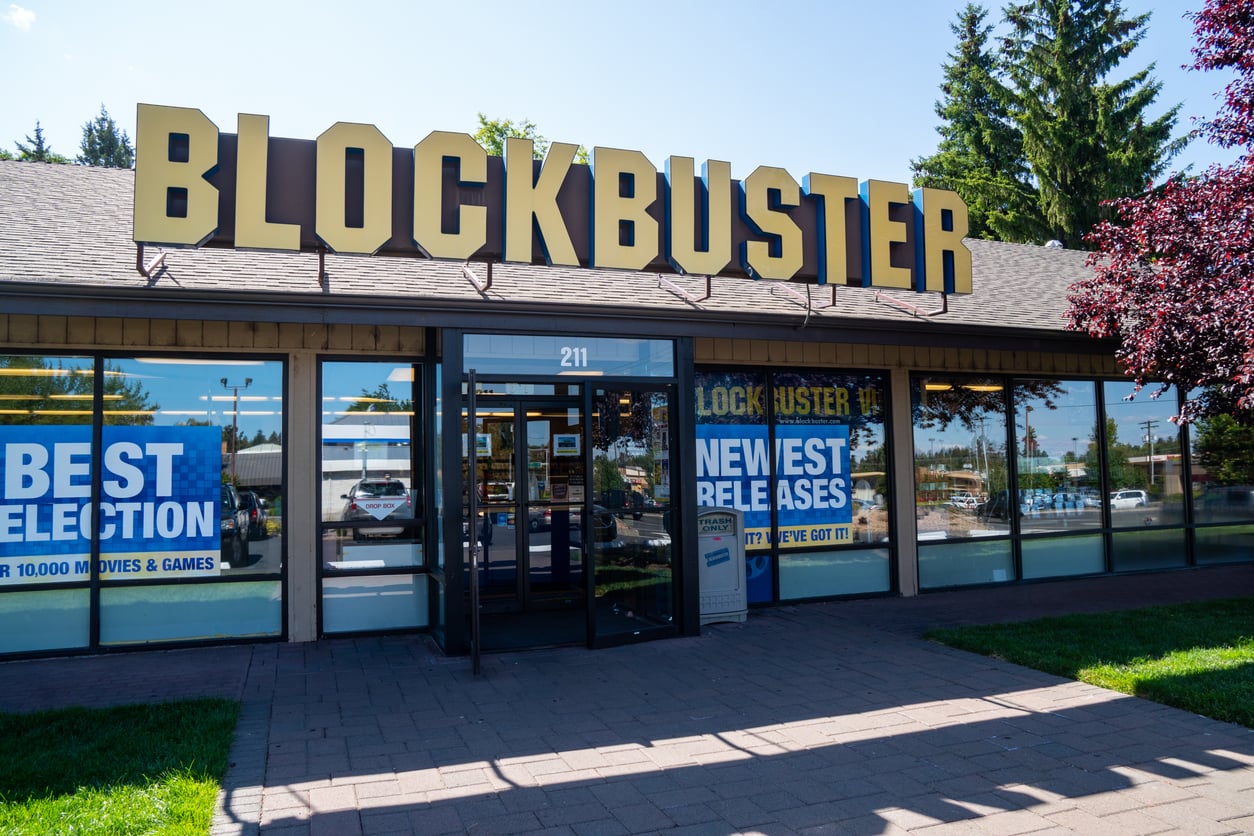
Before Netflix and the internet for watching movies on different platforms existed, the scene was dominated by rented movies that cost just a few dollars. With $10 USD, you could rent several movies and still have money left over for a snack from the store. These were very affordable options for families, at places like Blockbuster and Hollywood Video, which were favorites stores for Americans.
Sign up for our newsletter
A Pair Of Levi’s On Sale

Let’s be honest and remember that a $10 bill wasn’t enough to buy a new pair of Levi’s jeans, but if they were on sale, you could get them for that price. Levi’s jeans were a trend back then, and people still choose them today. The difference is that clothing purchases now consume a significant portion of household income, whereas in the past that wasn’t nearly the case.
An Entire Afternoon At The Arcade
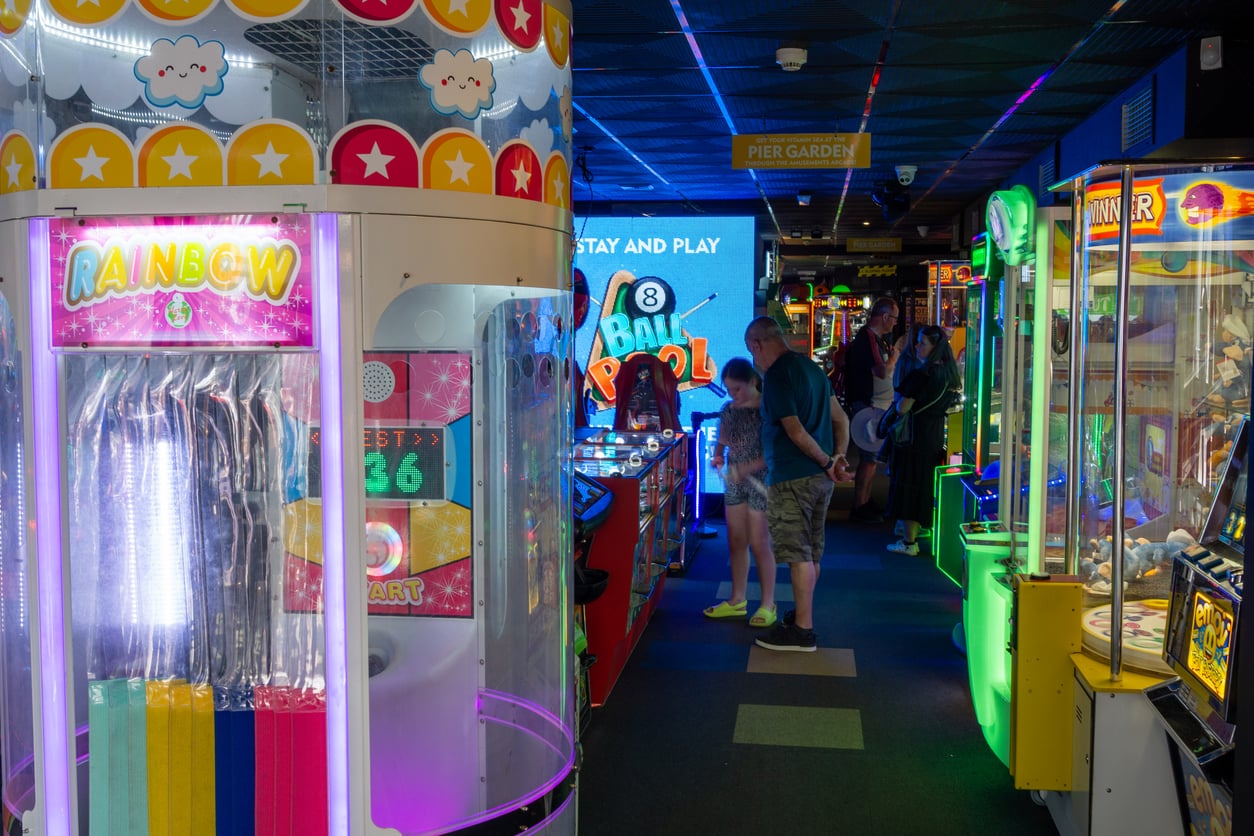
Arcade games decades ago cost between $0.25 and $0.50 USD each, so for $10 you could have hours of entertainment. Many young people today don’t even know what an arcade is, but those salons with different games, where other kids your age played with their parents, were the world that existed before home video game consoles.
A Decent Motel Room In Some Parts Of America
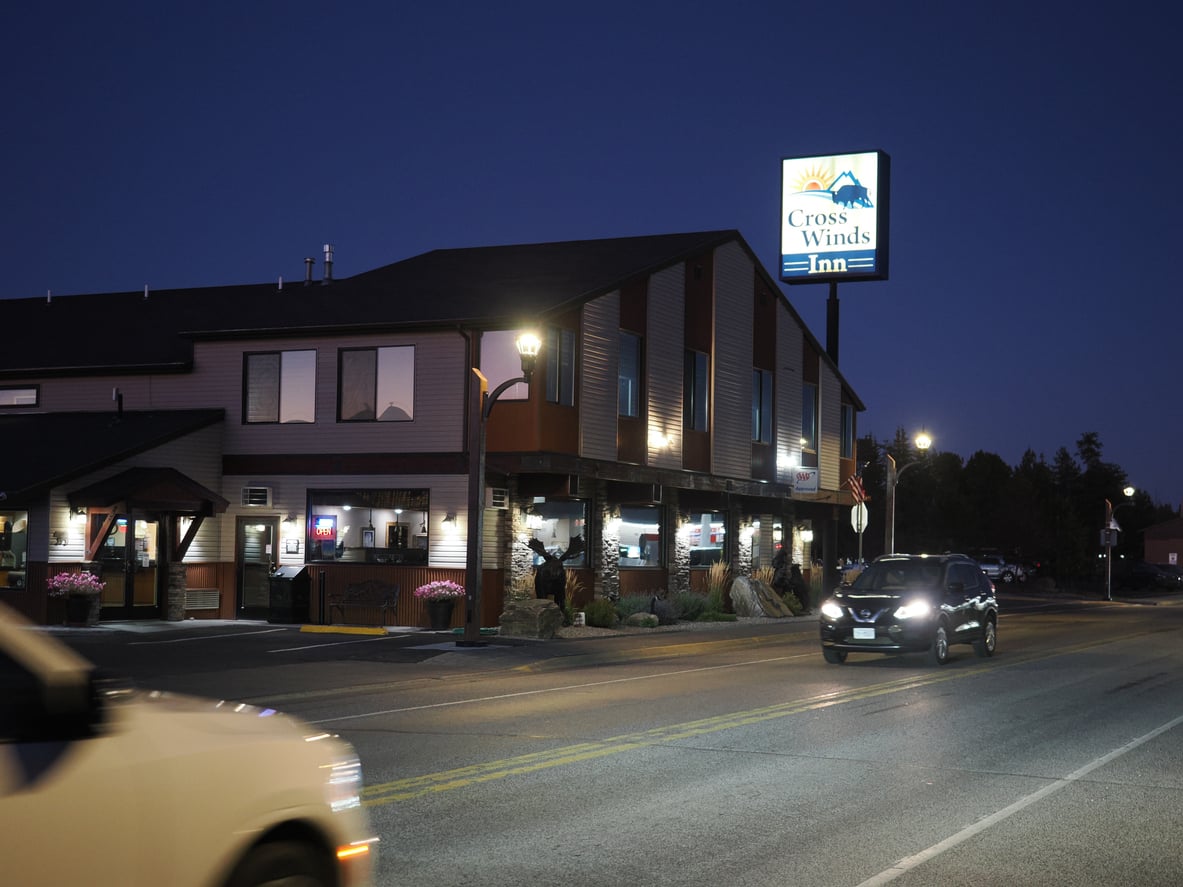
The cost of lodging in cities has increased dramatically, but also in areas with less tourism, due to general inflation, property costs, and other factors. Currently, those roadside motels range from $30 to $50 USD per night, so $10 won’t even cover half of that. Family trips used to be much more affordable, not only when booking a room, but also for gas and food.
What $10 Really Represented In 1991
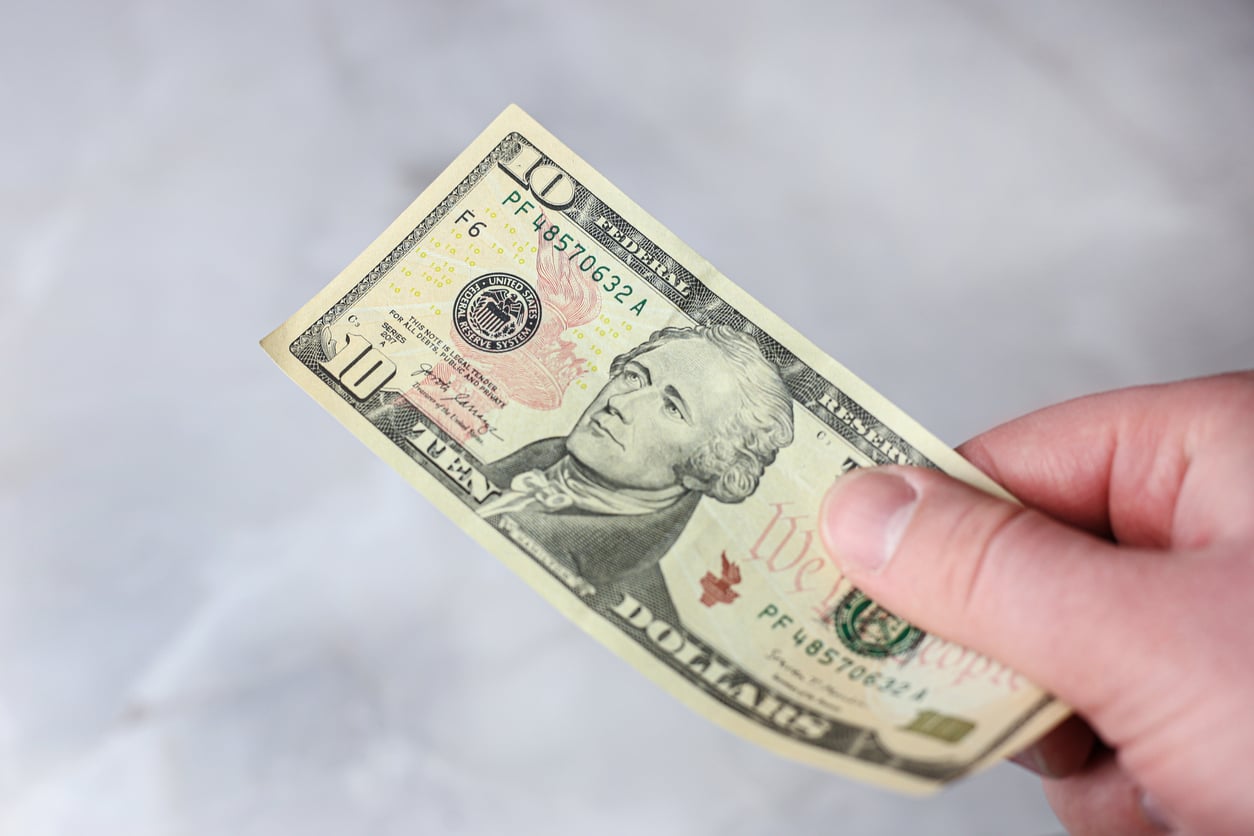
The most significant value of a $10 bill back then was that it wasn’t just a piece of paper; it represented an hour’s work for a large portion of Americans. With that amount of money in your hands, you had purchasing power, and you could afford food, entertainment, travel and family activities, things that are no longer possible today. Everything was cheaper in the past.