Las Vegas is famous for casinos, neon lights, and over-the-top resorts, but some of the most interesting facts about Las Vegas have little to do with gambling. According to the Las Vegas Convention and Visitors Authority, the destination welcomes tens of millions of visitors in a typical year, yet many travelers never realize that most of the Strip is not technically inside the city, the airport has more than 1,000 slot machines, and Vegas history stretches back long before the casino boom. These surprising details reveal a very different side of Sin City.
Most of the Las Vegas Strip Isn’t Actually in Las Vegas
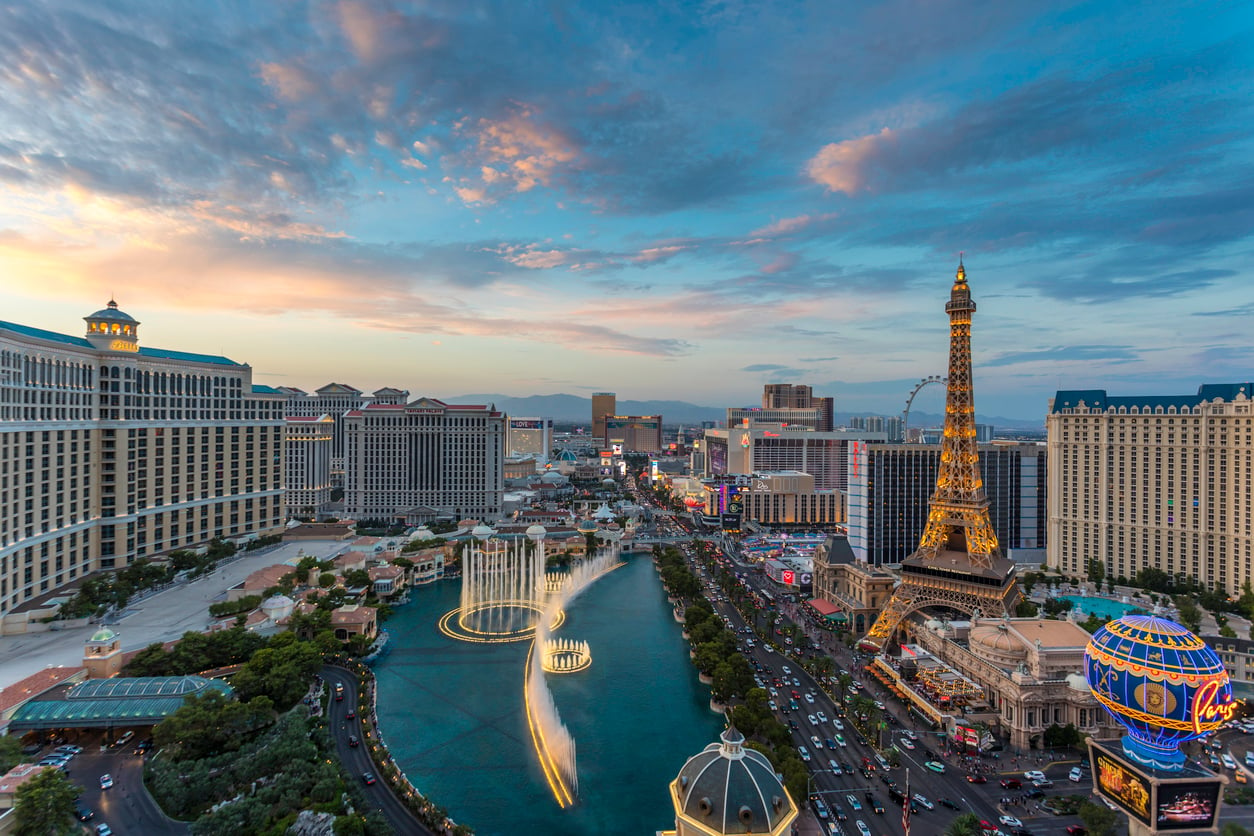
That Caesars Palace postcard may say Las Vegas, but much of the Strip is technically outside the incorporated City of Las Vegas. Clark County says the famous resort corridor lies largely in unincorporated county territory, including the communities of Paradise and Winchester. That distinction matters more than it sounds: Clark County, rather than Las Vegas city government, provides many municipal services there. Downtown and Fremont Street, by contrast, really are inside the city.
The Airport Has More Than 1,000 Slot Machines
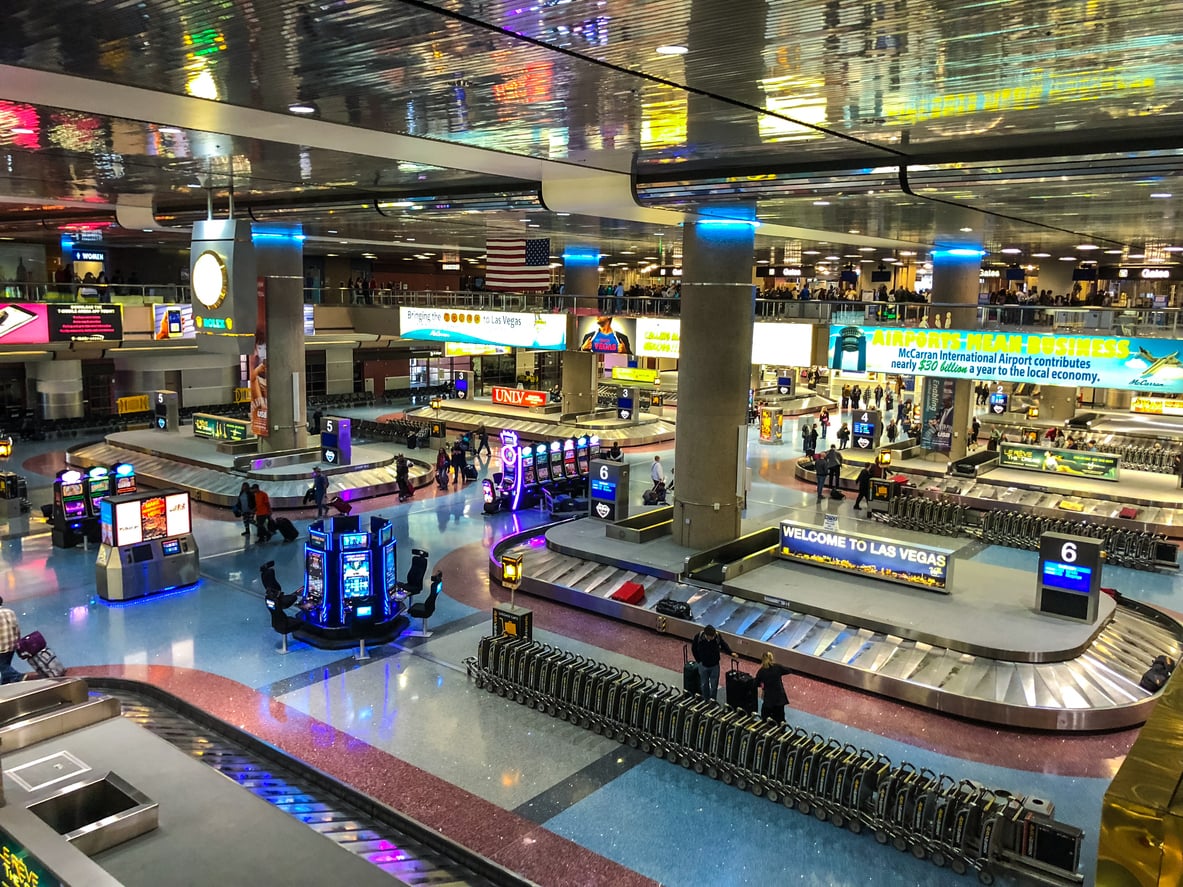
Vegas starts before you even reach baggage claim. Harry Reid International Airport says more than 1,000 slot machines are scattered throughout the airport, and travelers 21 and older can legally play them. Gaming areas are such a normal part of the terminal that the airport lists slot machines alongside ordinary amenities. The temptation comes with an obvious budget warning: airport gambling is still gambling, so anyone hoping to stretch a vacation bankroll may prefer to admire the novelty and keep walking.
You Really Can Arrive and Get Married the Same Day
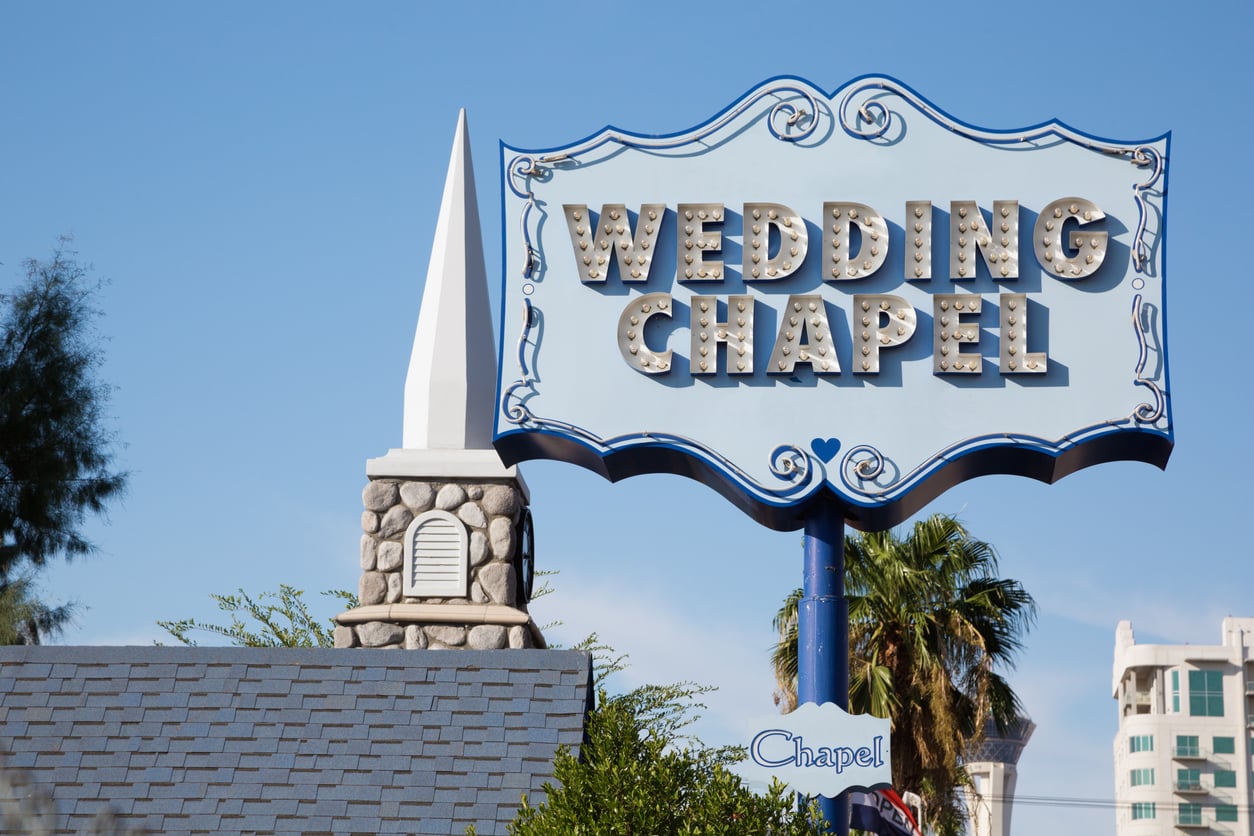
The quick Vegas wedding is not just an old movie plot. Clark County requires no blood test and imposes no waiting period after a marriage license is issued, so a qualifying couple can obtain the paperwork and marry that same day. Both parties must appear together with identification, and the license currently costs $102. You still need a Nevada-authorized officiant and a witness, however, so “instant wedding” does not mean simply signing a form at the counter.
Las Vegas Has About 150,000 Hotel Rooms
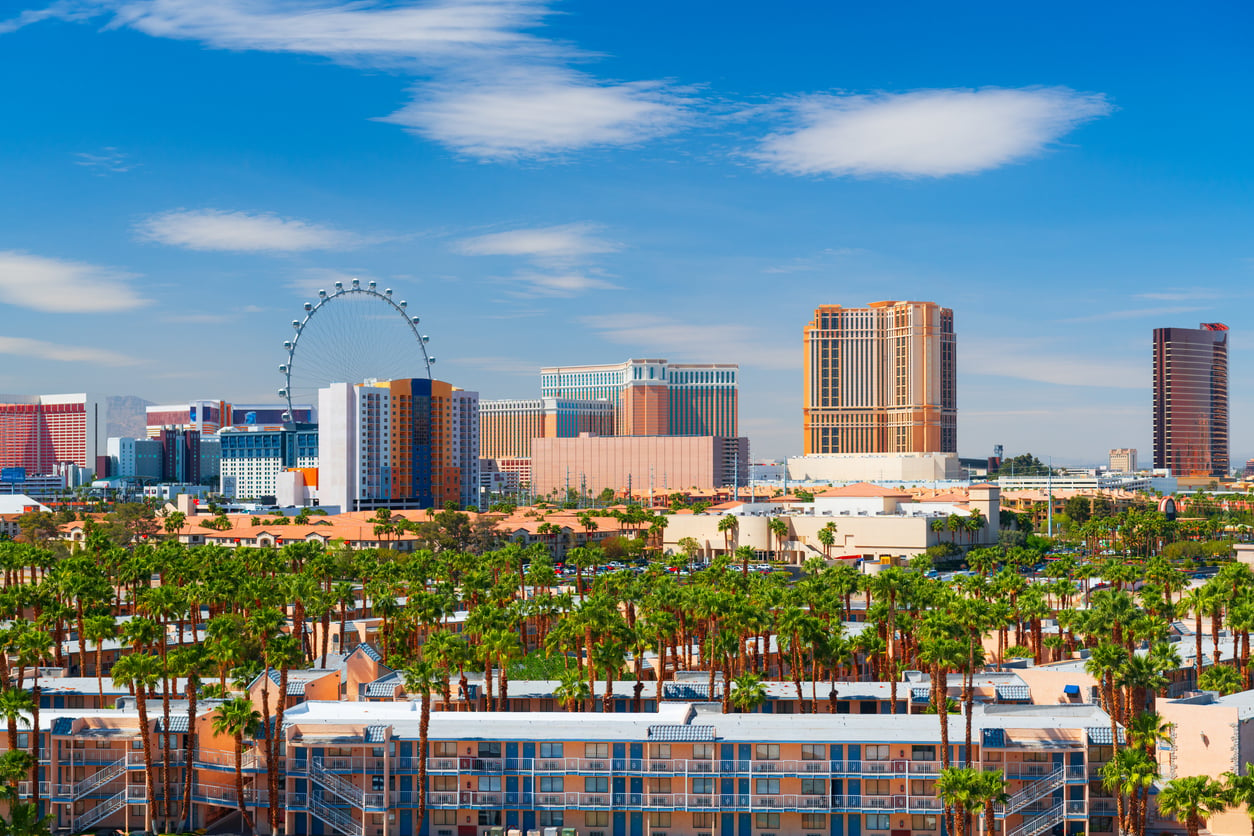
It takes an enormous number of beds to accommodate Vegas crowds. The Las Vegas Convention and Visitors Authority’s June 2026 research FAQ, using 2025 data, puts the area’s hotel inventory at 150,300 rooms. It also reports that roughly 44 million room nights were occupied during the year. The practical takeaway is that massive supply does not guarantee a bargain: conventions, football weekends, fights, concerts, and other major events can still send nightly rates soaring, so flexible dates can make a meaningful difference.
About 99% of Southern Nevada’s Indoor Water Is Recycled
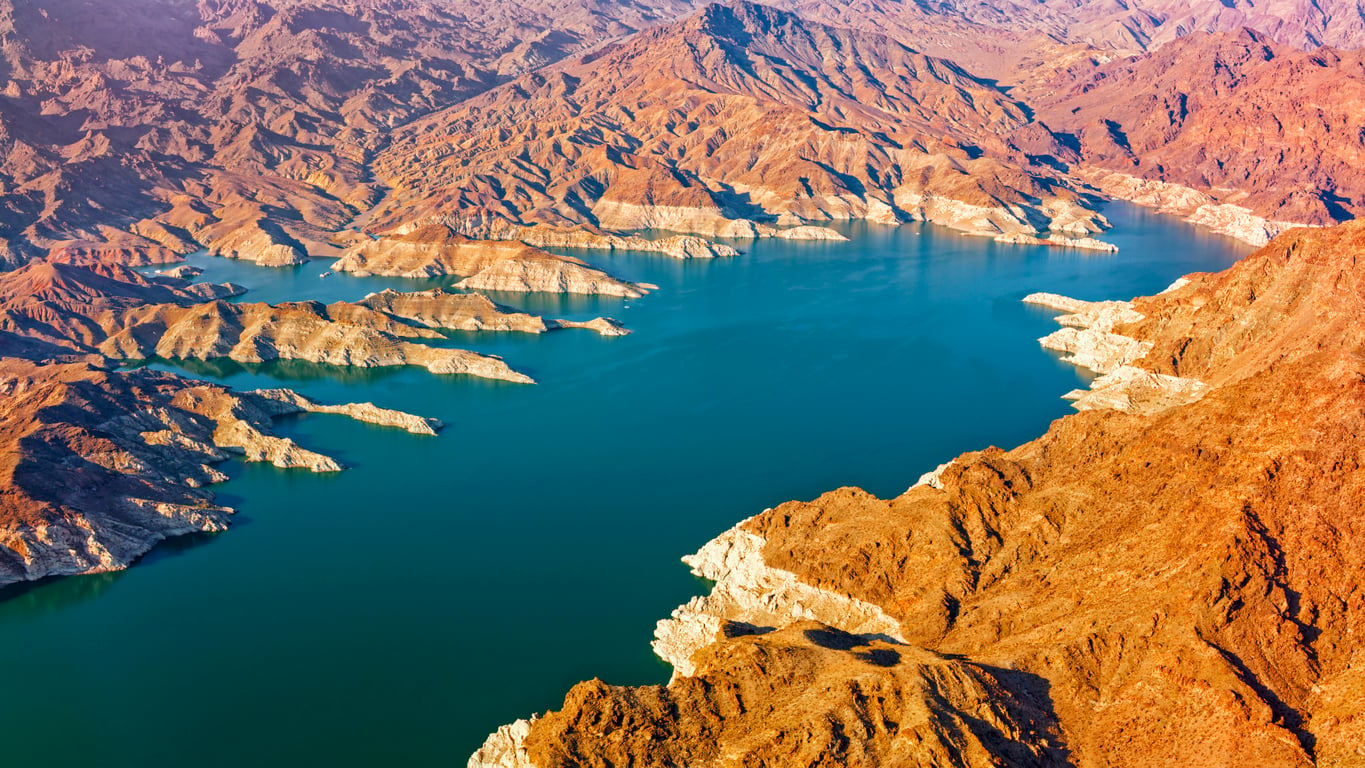
A giant resort city in the Mojave Desert sounds like a water-management nightmare, but Southern Nevada has an unusually circular system. The Southern Nevada Water Authority says roughly 99% of water used indoors is recycled. Water from showers, sinks, laundry, restaurants, and hotel rooms is treated, with much of it eventually returned to Lake Mead. That earns “return-flow credits”, allowing another gallon to be withdrawn for each gallon returned. Outdoor water is the bigger problem because evaporation makes it much harder to recover.
Trending on Cheapism


The Bellagio Fountains Aren’t Fed With Potable Lake Mead Water
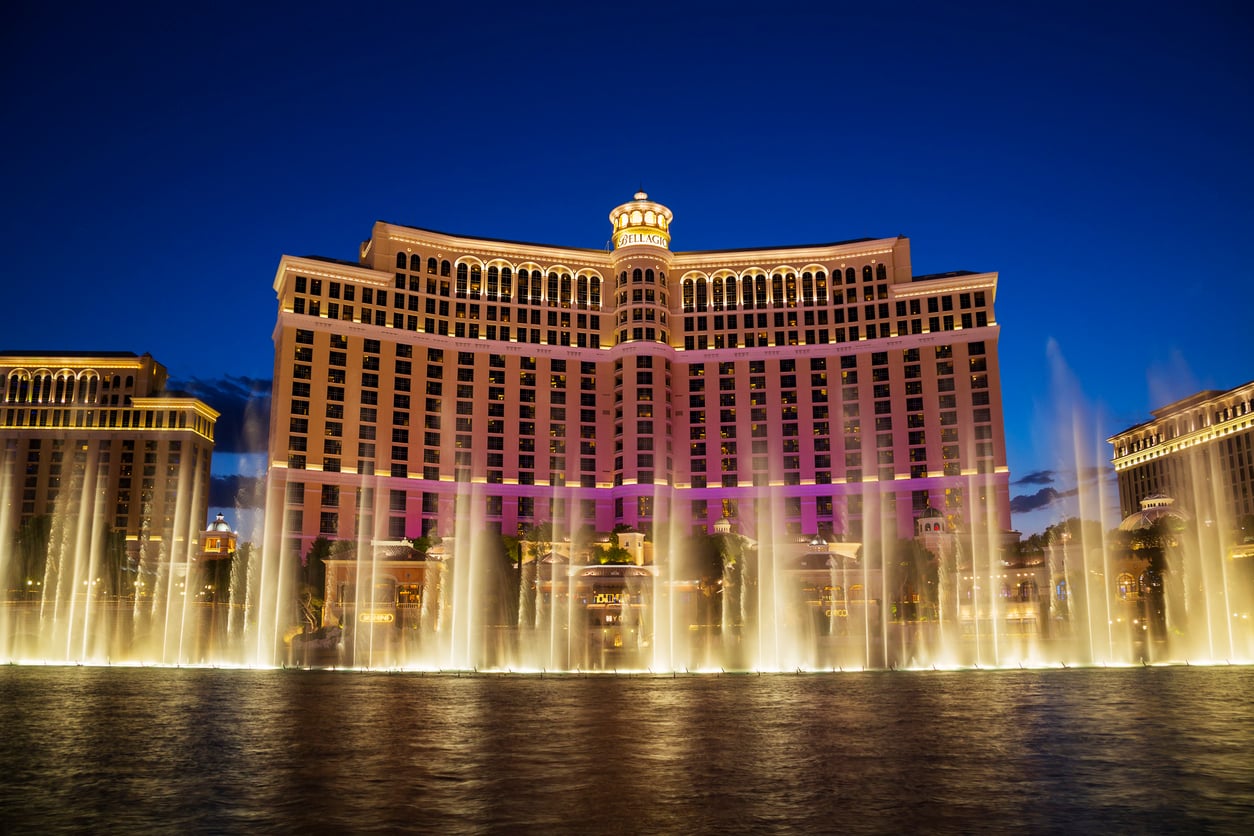
The Bellagio fountains look like the ultimate symbol of wasting water in a desert, but their supply is not quite what many visitors assume. MGM says the fountain lake uses privately controlled well water rather than potable water taken from Lake Mead or the Colorado River. MGM’s water report also says the lake receives drainage from the resort’s “O” show pool twice a year. There is still evaporation, of course, so this should not be mistaken for a claim that the attraction uses no water.
Las Vegas Normally Gets Just 4.18 Inches of Rain a Year
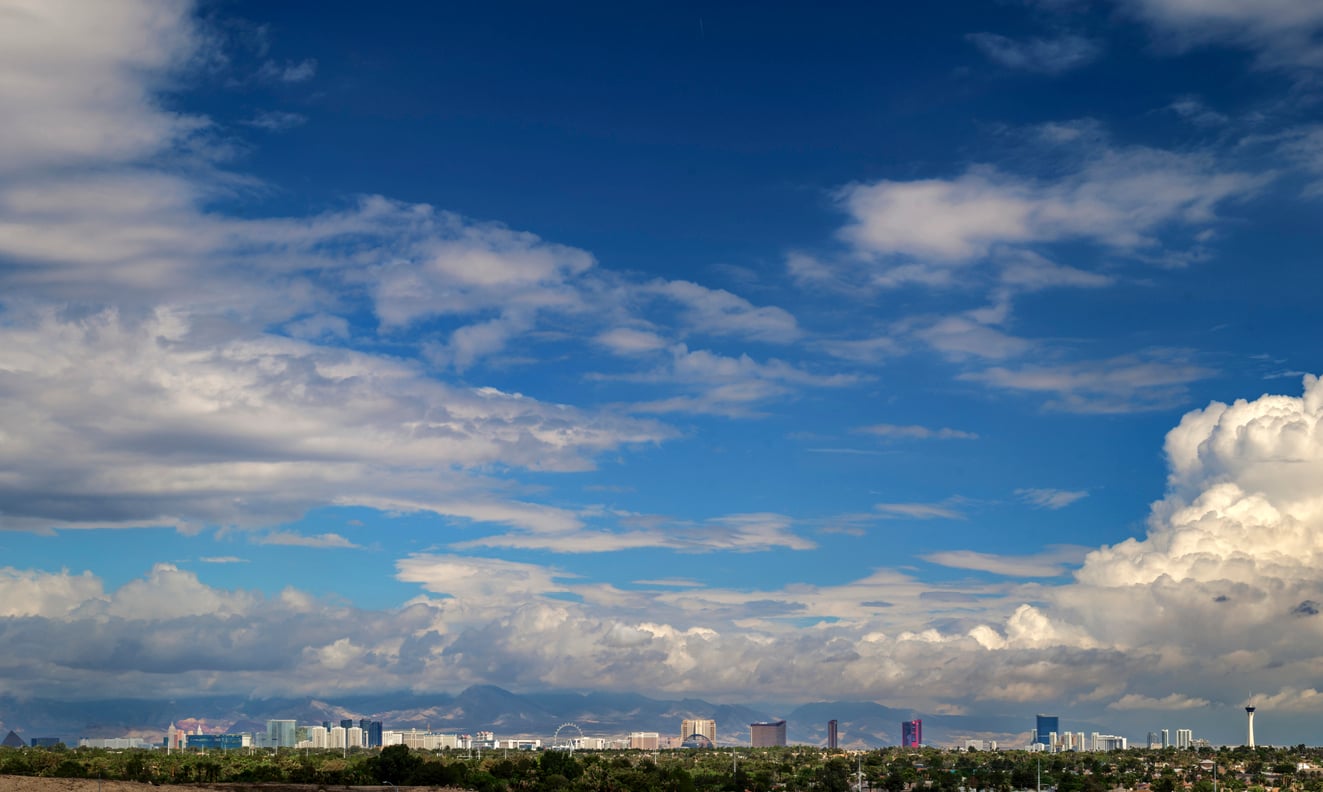
Packing an umbrella may feel unnecessary in Las Vegas. National Weather Service climate normals for 1991 through 2020 show just 4.18 inches of precipitation per year, with June averaging a minuscule 0.04 inch. The catch is that desert weather can turn surprisingly dangerous. A short, intense thunderstorm can produce rapid runoff and flash flooding even in a place that sees very little rain overall. Travelers should therefore take flash-flood warnings seriously rather than assuming a desert downpour will be harmless.
Fremont Street Was Vegas Long Before the Strip
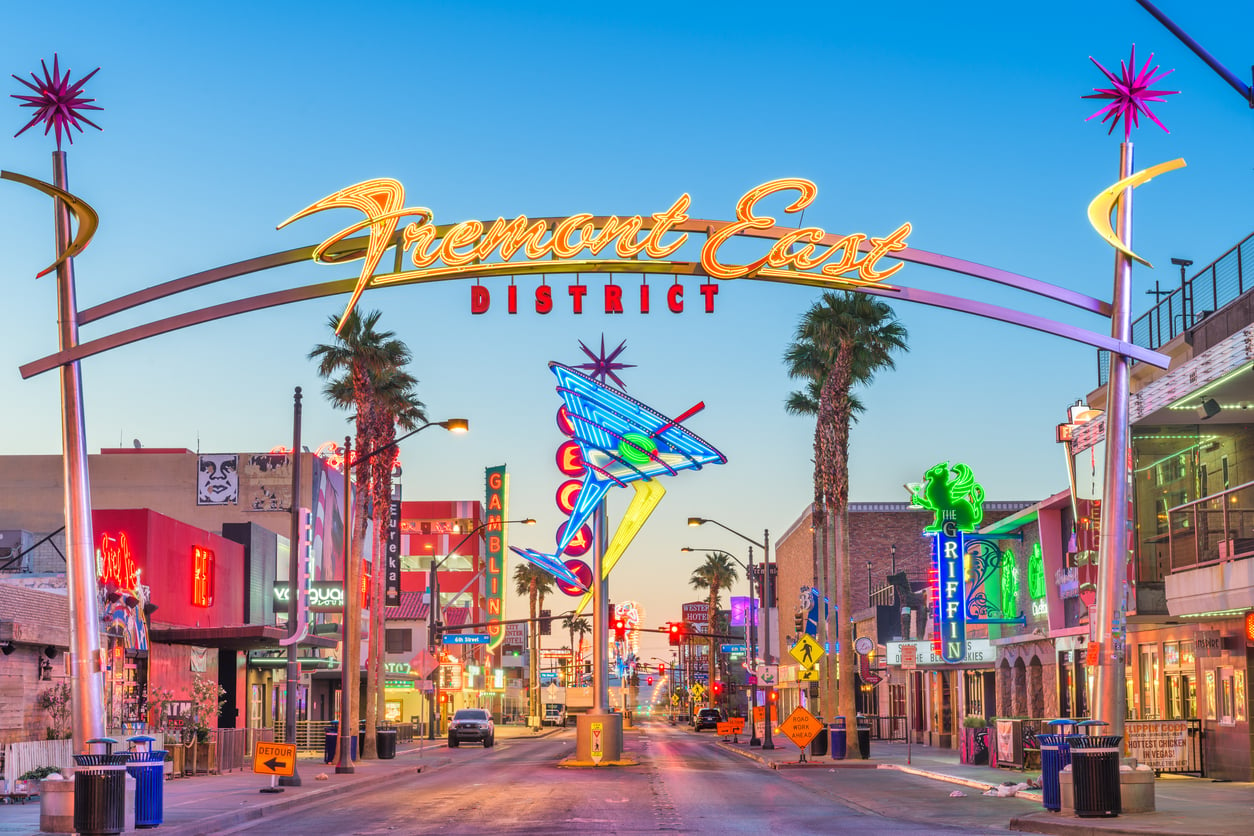
The Strip may dominate modern Las Vegas advertising, but the city’s tourism story began downtown. Fremont Street became Las Vegas’ first paved road in 1925, while the railroad land auction that helped establish the city took place in 1905. The first themed resort on what would become the Strip, El Rancho Vegas, did not arrive until 1941. That makes downtown more than an inexpensive alternative to Strip nightlife; it is where travelers can still see pieces of an older generation of Las Vegas.
Sign up for our newsletter
A Downtown Casino Still Has Las Vegas’ First Telephone
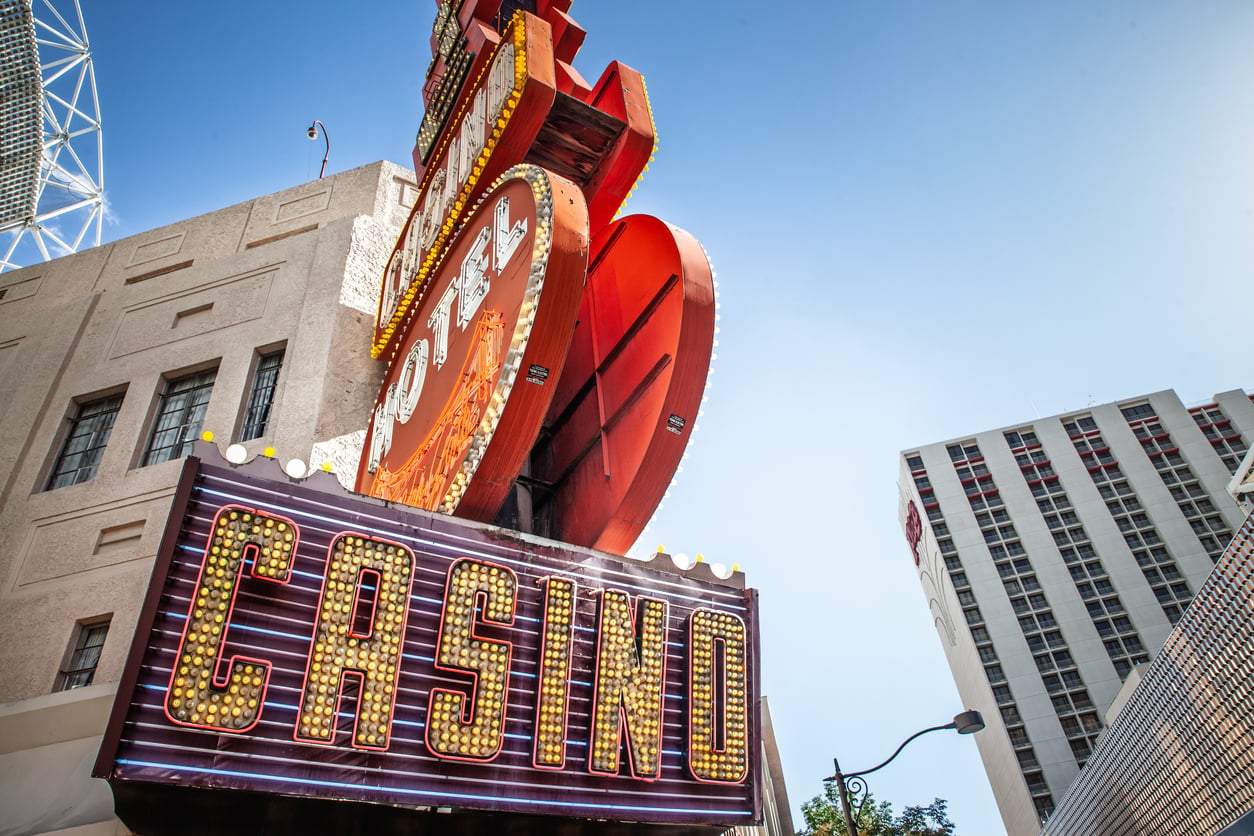
One of Vegas’ quirkiest historic artifacts is hiding inside a place better known for gambling. According to the City of Las Vegas, the Golden Gate Hotel & Casino is still home to the city’s first telephone, installed in 1907. The property traces its roots to Hotel Nevada, which opened on Fremont Street during the city’s earliest years. It is an easy detail to miss amid downtown’s neon and slot machines, but it connects today’s entertainment district with a Las Vegas that barely resembled the resort city travelers know now.
Las Vegas Had a Settlement Long Before Its Casinos
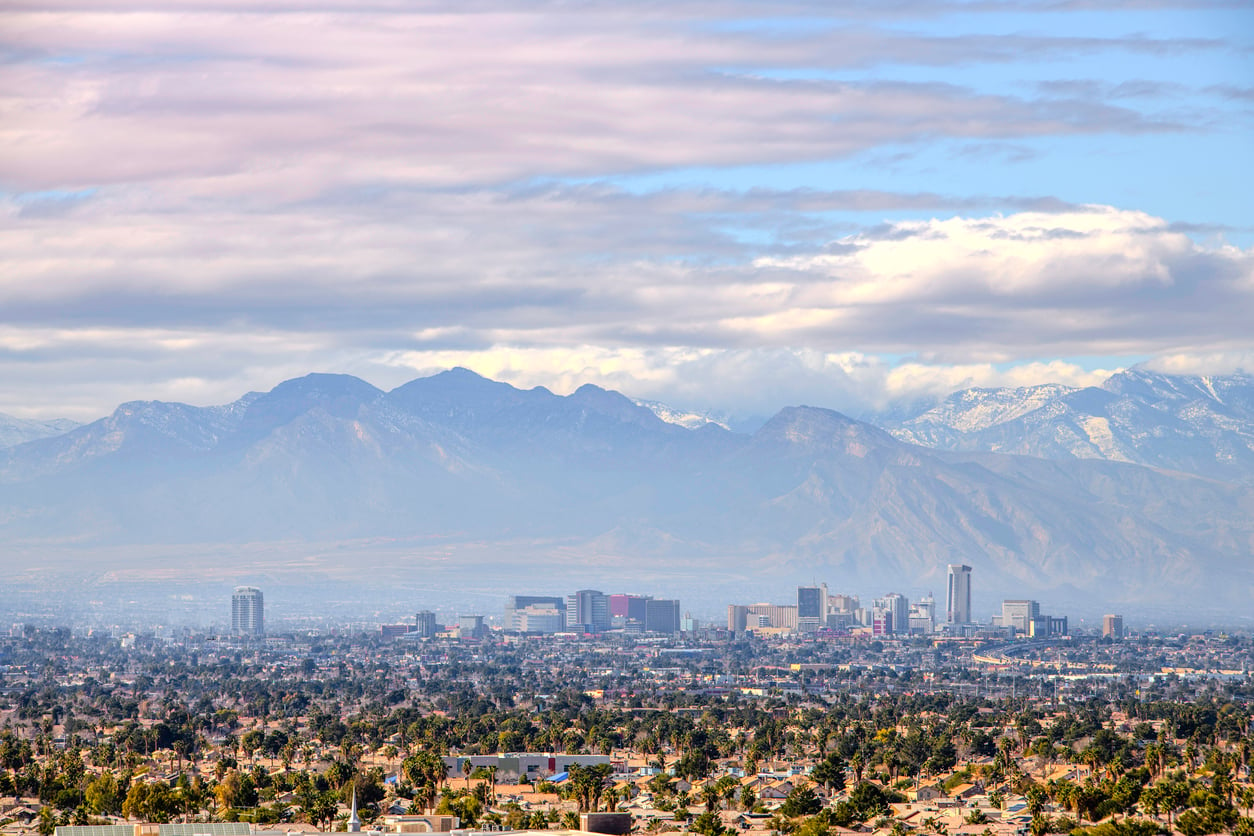
Casino history is only a small part of the Las Vegas timeline. In 1855, Mormon missionaries established what Nevada State Parks describes as the Las Vegas Valley’s first permanent non-native settlement beside a spring-fed creek. Remnants survive at Old Las Vegas Mormon Fort State Historic Park, close to downtown. For budget-conscious history buffs, it is a particularly inexpensive diversion: admission is currently $3, though the park is closed Sundays and Mondays, so it pays to check the schedule before making the trip.
The Monorail Has Only Seven Stations and Doesn’t Reach Downtown
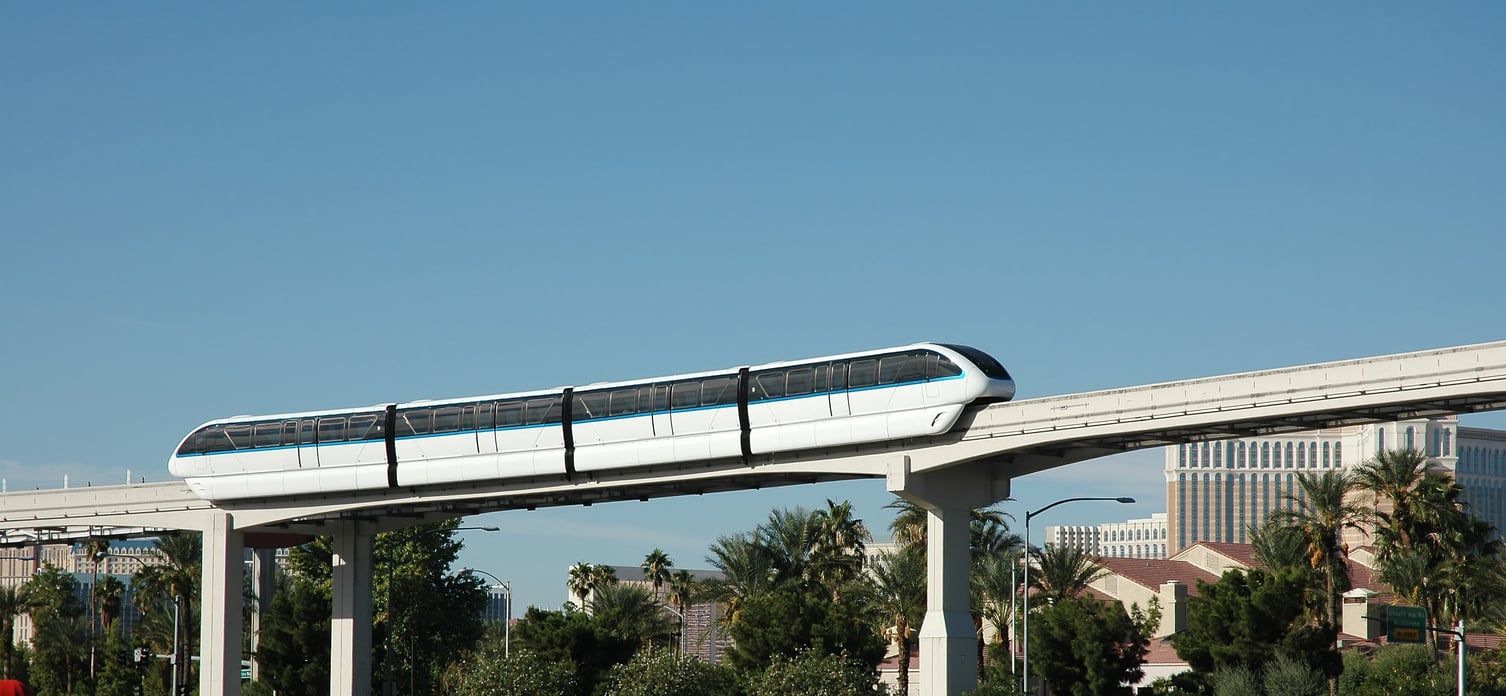
The Las Vegas Monorail can save tired feet, but its reach is more limited than first-time visitors sometimes expect. The 3.9-mile elevated line has only seven stations and runs along the east side of the resort corridor. The full trip takes about 15 minutes once aboard, but the system does not continue to Fremont Street or downtown. As of August 2026, a single ride costs $6 at full fare or $5.50 as an e-ticket, making passes worth comparing if you expect to ride repeatedly.
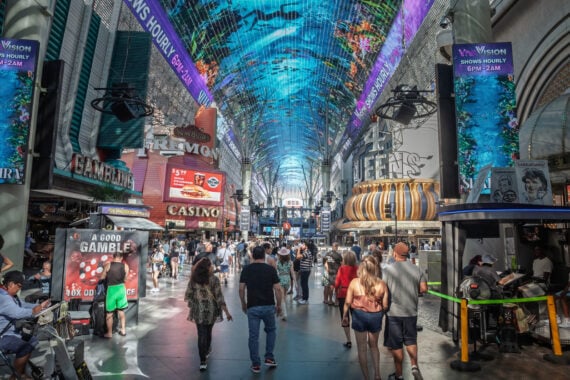
The Fremont Street Canopy Is 1,375 Feet Long
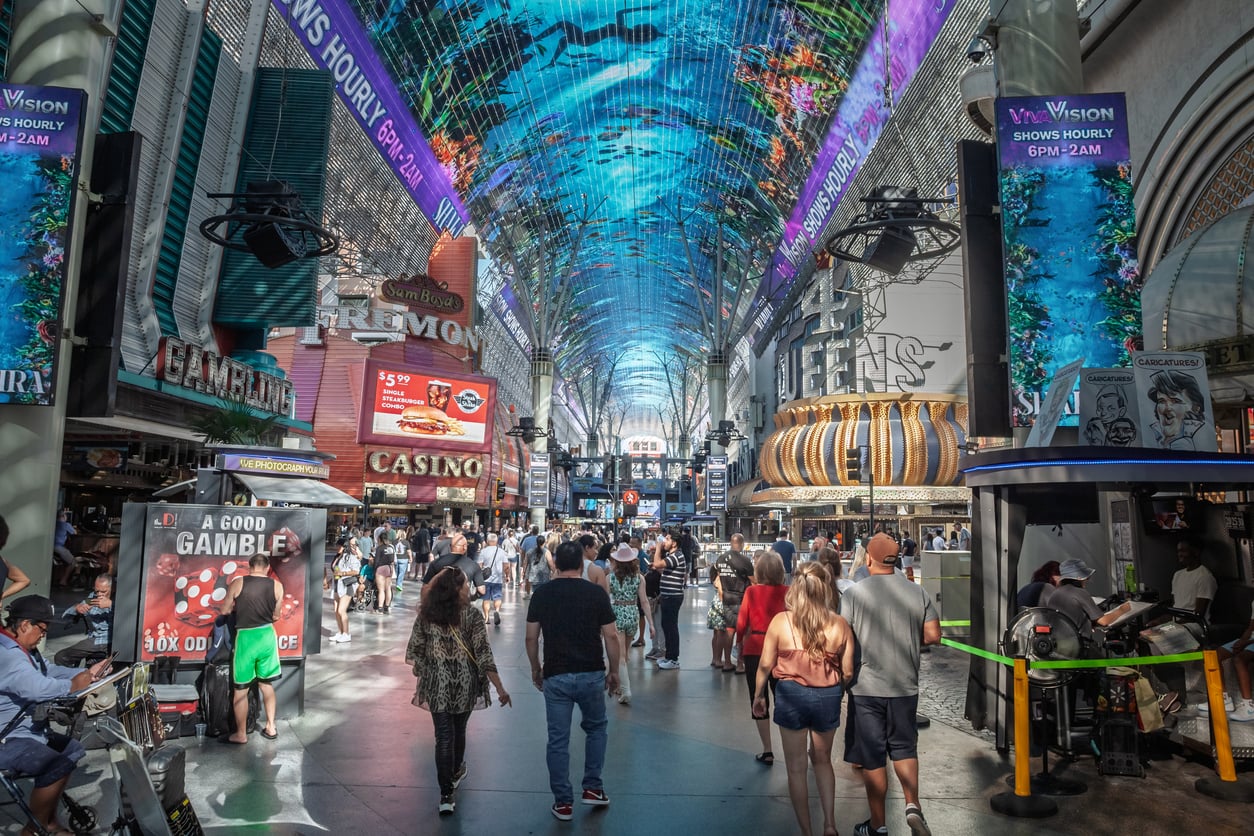
Even travelers who have seen photos of Fremont Street may underestimate just how enormous the roof overhead is. The Fremont Street Experience says its LED canopy stretches 1,375 feet above the pedestrian mall. Current music-and-light presentations run at the top of the hour from 6 p.m. to 2 a.m., seven days a week. Unlike plenty of Vegas spectacles that require a pricey ticket, simply standing beneath the canopy and watching the visuals costs nothing, making it an unusually easy piece of nighttime entertainment for travelers watching their spending.