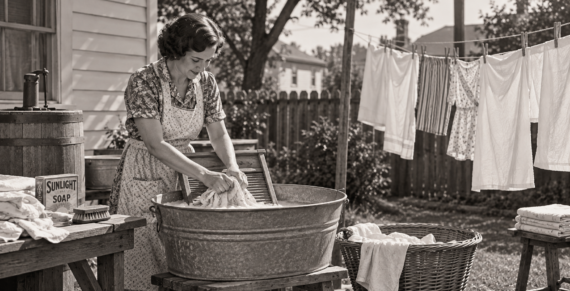
The time to replace a household item comes when it no longer works as it should, repair costs are nearly as high as buying a new one, or a more convenient version with additional features has hit the market. However, that doesn’t mean every appliance needs to be replaced at the first sign of trouble. We’ll reveal the household items people tend to replace too soon!
Non-stick Pans

People often decide to replace their non-stick pans when food starts sticking, the surface looks dull, or the pan doesn’t look as new as it once did. These household items accumulate grease and cooking residue, which can make them look worn out, even though the coating may still be functional. Clean the pan gently and avoid using metal utensils; you should only replace it when the coating is peeling or has deep scratches.
Bath Towels
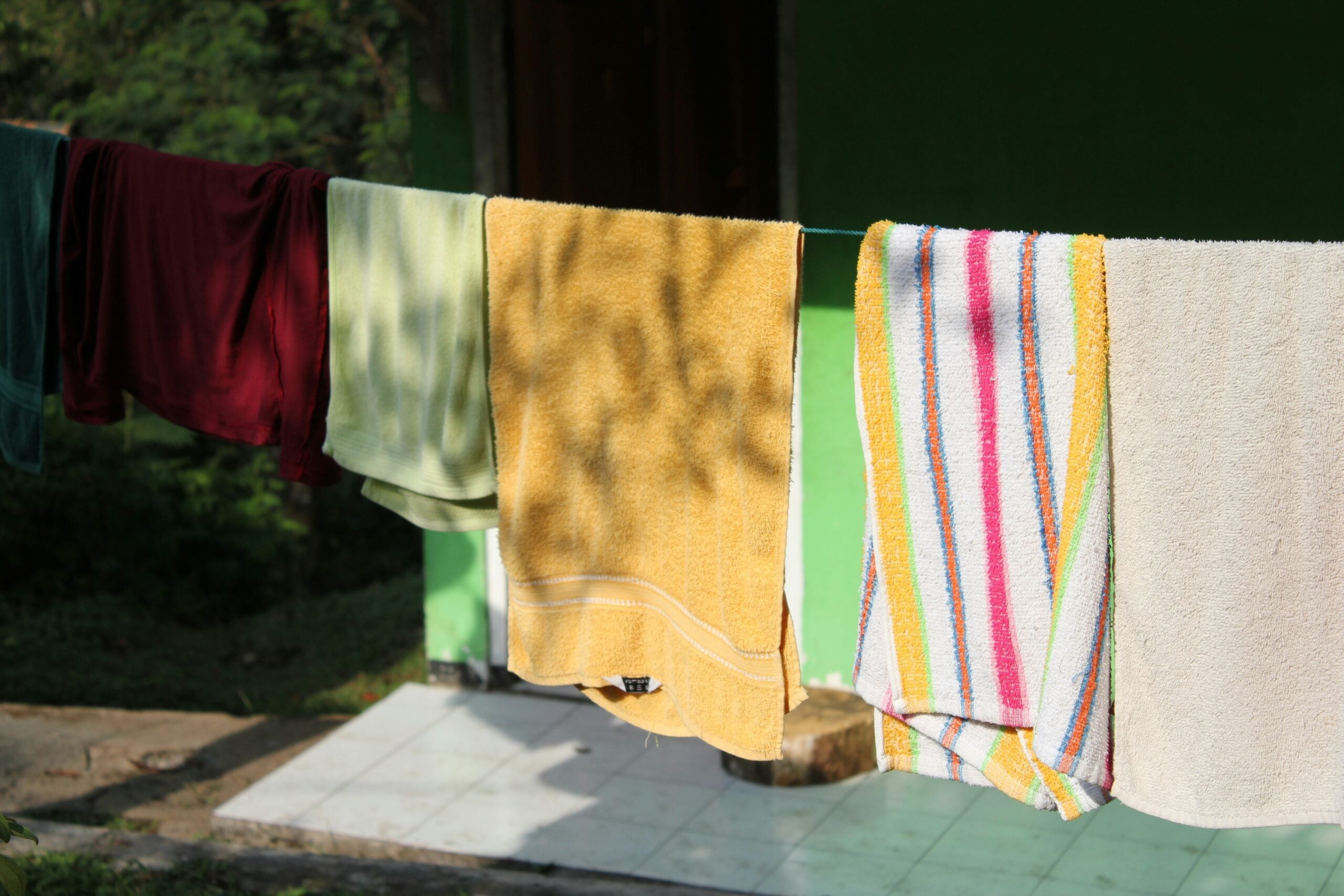
Bath towels should be replaced when they retain a persistent odor, the fabric is thinning, or they are fraying. Many people replace household items like towels as soon as they feel rough, smell musty, or stop absorbing well, but doing so is a bit premature. Be careful when washing them, as excess detergent and fabric softener can coat the fibers and reduce absorbency.
Pillows
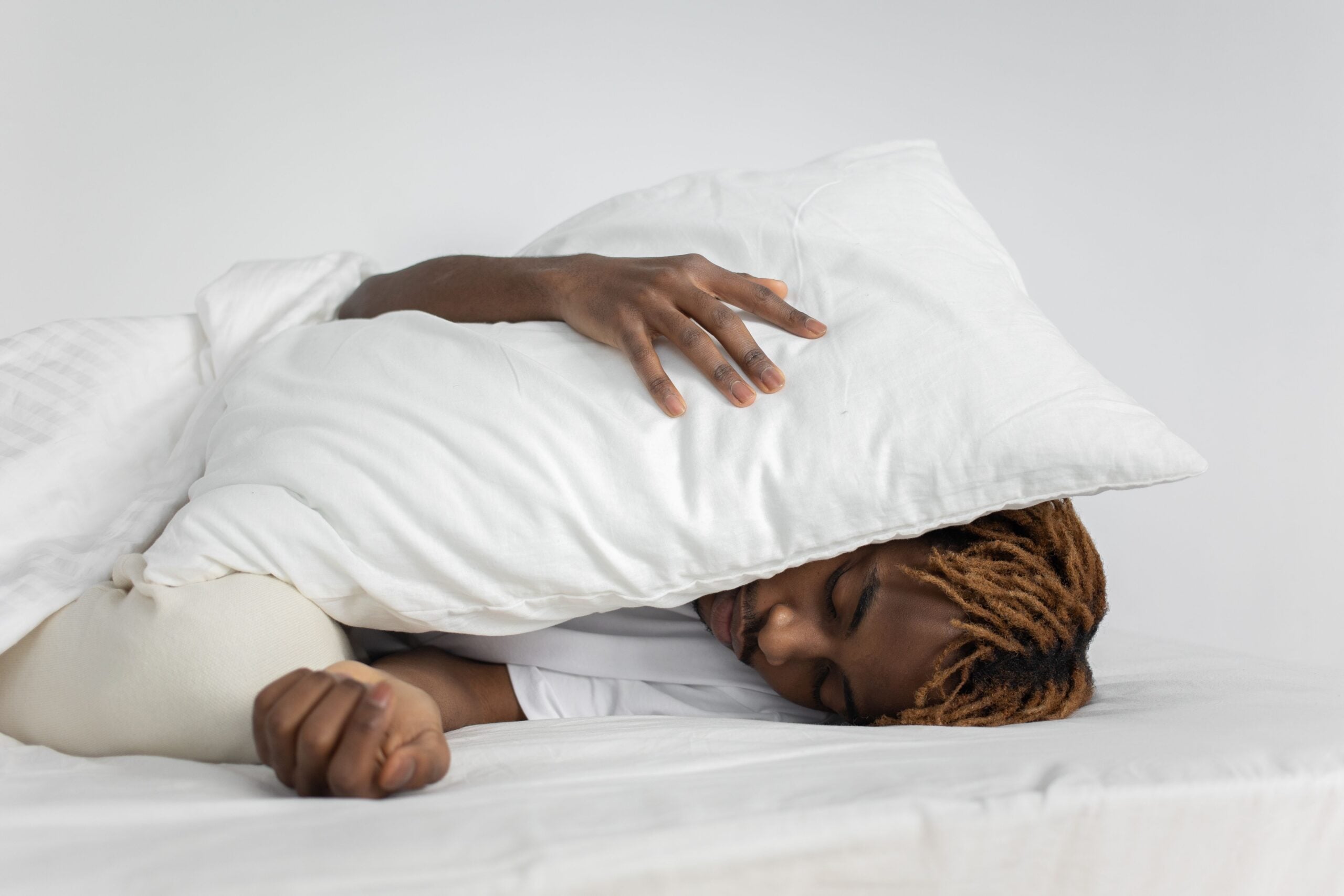
Pillows should be comfortable for sleeping, but the fact that one has flattened or lacks support doesn’t necessarily mean it needs to be thrown away. To address these issues, try fluffing or repositioning the pillow, if appropriate and always wash it according to the attached care label. Like other household items, a pillow should be replaced when it no longer springs back or you consistently feel uncomfortable using it.
Vacuum Cleaners
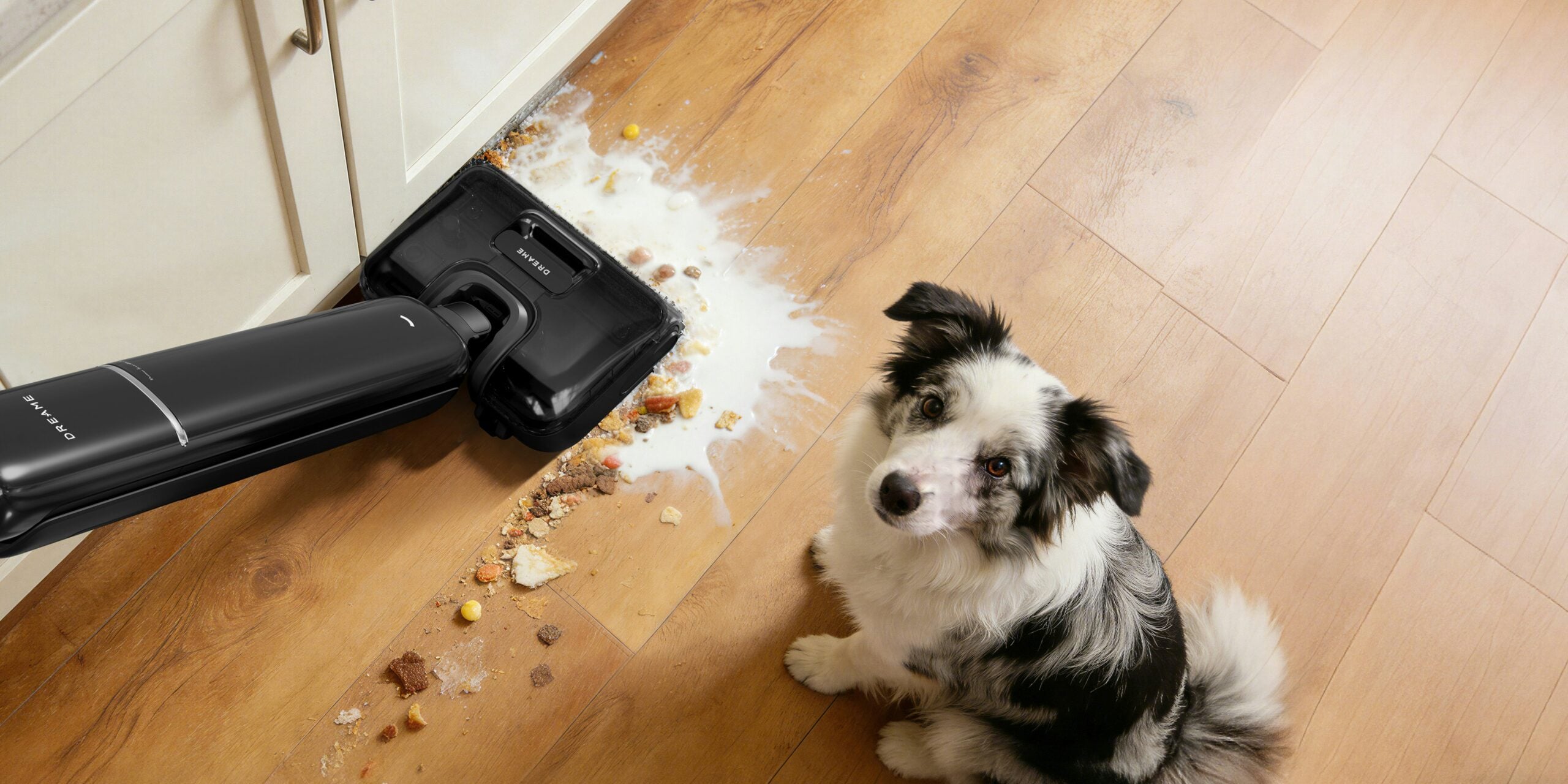
You should keep your vacuum cleaner’s brushes clean, replace the filters, and inspect the belts before deciding to buy a new one. Common issues include weak suction or a change in the machine’s sound. However, these can often be resolved by fixing clogged hoses, dirty filters, or tangled brushes rather than replacing the unit. Performing this maintenance is much cheaper than buying a new vacuum and can extend the life of your household items.
Wooden Cutting Boards

Wooden cutting boards may dry out, lose color, or show shallow knife marks, but these are not reasons to buy a new one. You should check whether the boards need sanding and recondition them with food-safe mineral oil. Keep these household items dry and oil them periodically to extend their lifespan, and do not soak them in water. You should only replace them if they develop deep cracks or splits that trap moisture and debris.
Trending on Cheapism

Cast-Iron Skillets

Cast-iron skillets should only be replaced when they are completely ruined, as a good-quality pan can actually last for generations. Rust or a loss of seasoning isn’t a reason to get rid of household items like these. Surface rust can be fixed with just an afternoon of scrubbing and drying. You may restore the pan instead of assuming rust means it is ruined.
Sofas

With use, sofas may start to show sagging cushions, worn-out fabric, or reduced comfort, but you shouldn’t buy a new one simply because of these issues. Consider replacing household items like sofas when there is structural damage, such as broken springs or a failed frame. To save money, check the condition of the cushions and refill them instead of replacing the entire sofa.
Mattresses
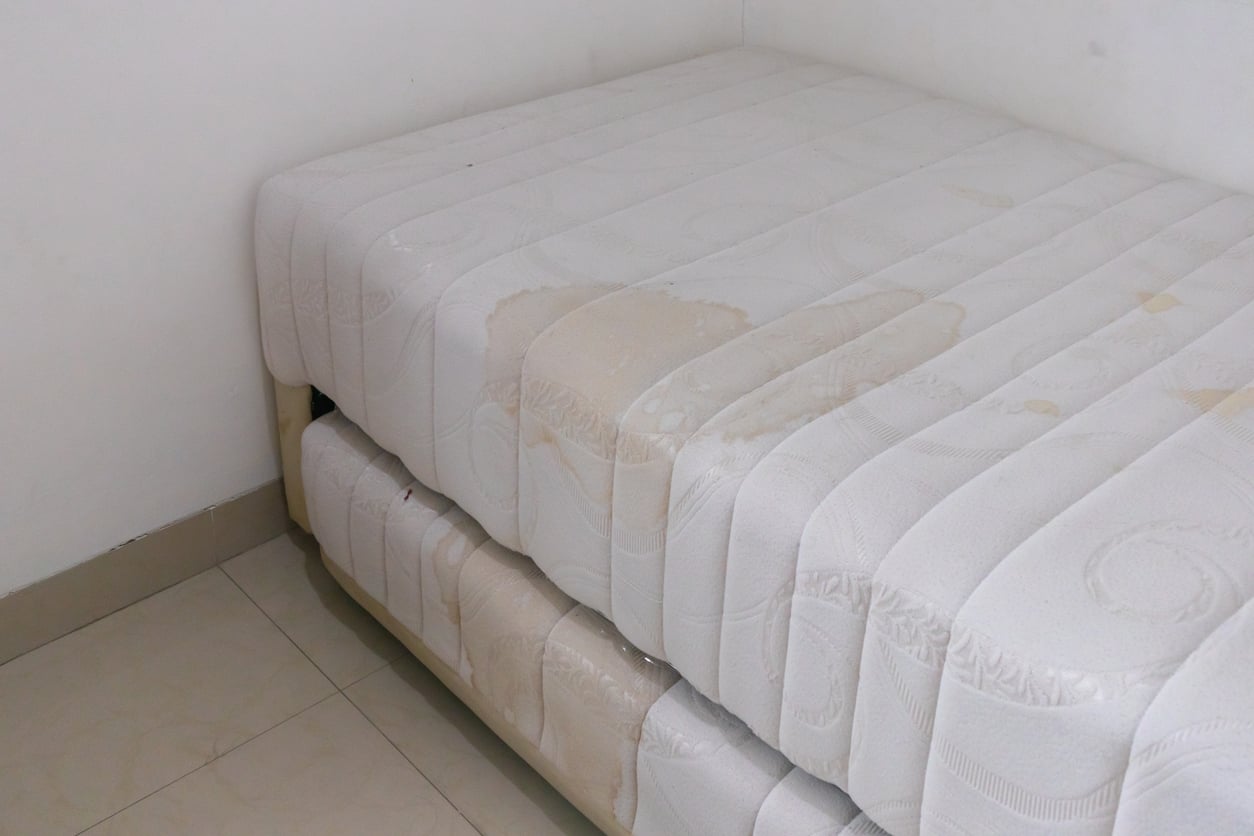
Just because a mattress has been in use for several decades doesn’t mean it no longer serves its purpose. You should pay attention to it, rotate it if the design allows, and inspect the underlying support to ensure everything is in order. You might consider replacing household items such as mattresses if there is persistent sagging, visible damage, or recurring discomfort.
Sign up for our newsletter
Washing Machines
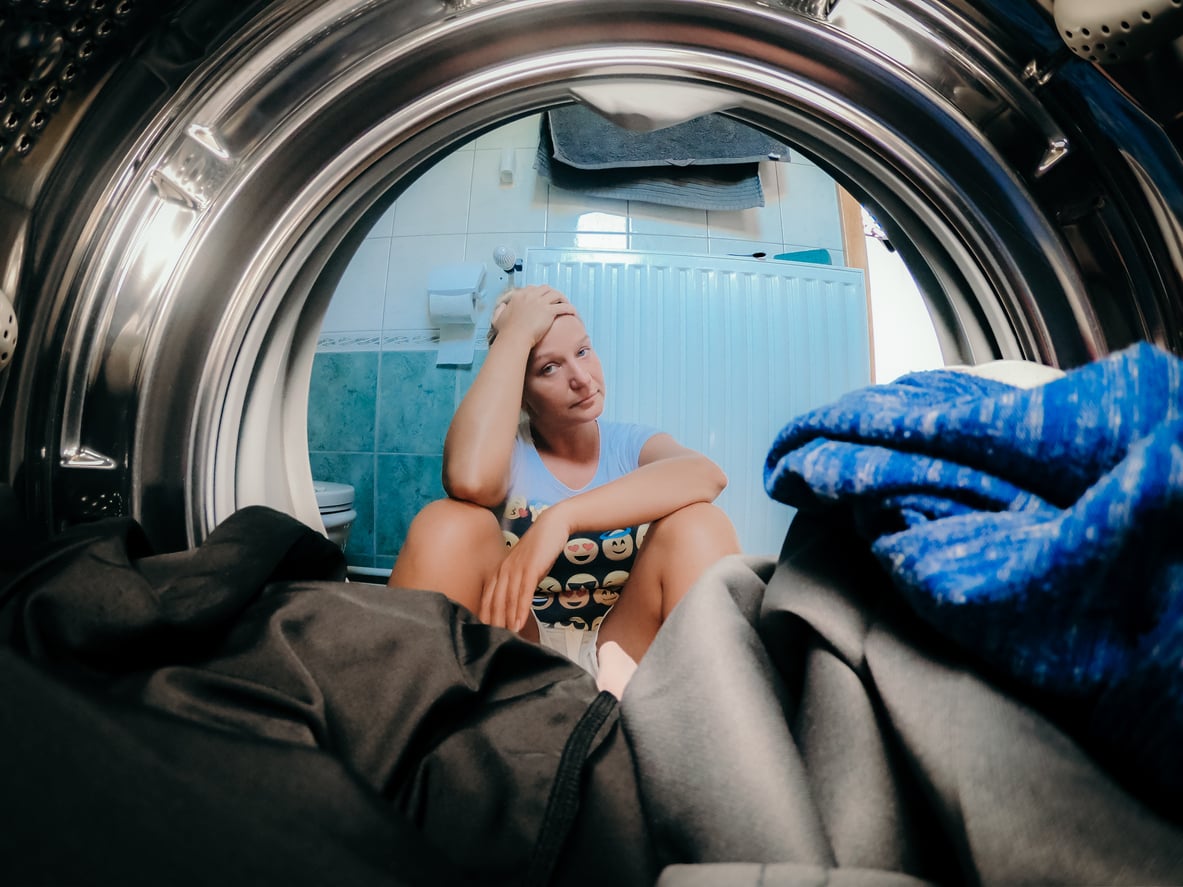
Washing machines tend to become noisy and stop cleaning effectively after a few years, but you can fix this by balancing your loads, clearing clogged filters, replacing worn hoses, and cleaning out any problematic buildup. These repairs could cost far less than buying a new machine. You might consider replacing household items like washing machines if major repairs are needed repeatedly or if the drum or transmission begins to fail.
Kitchen Knives
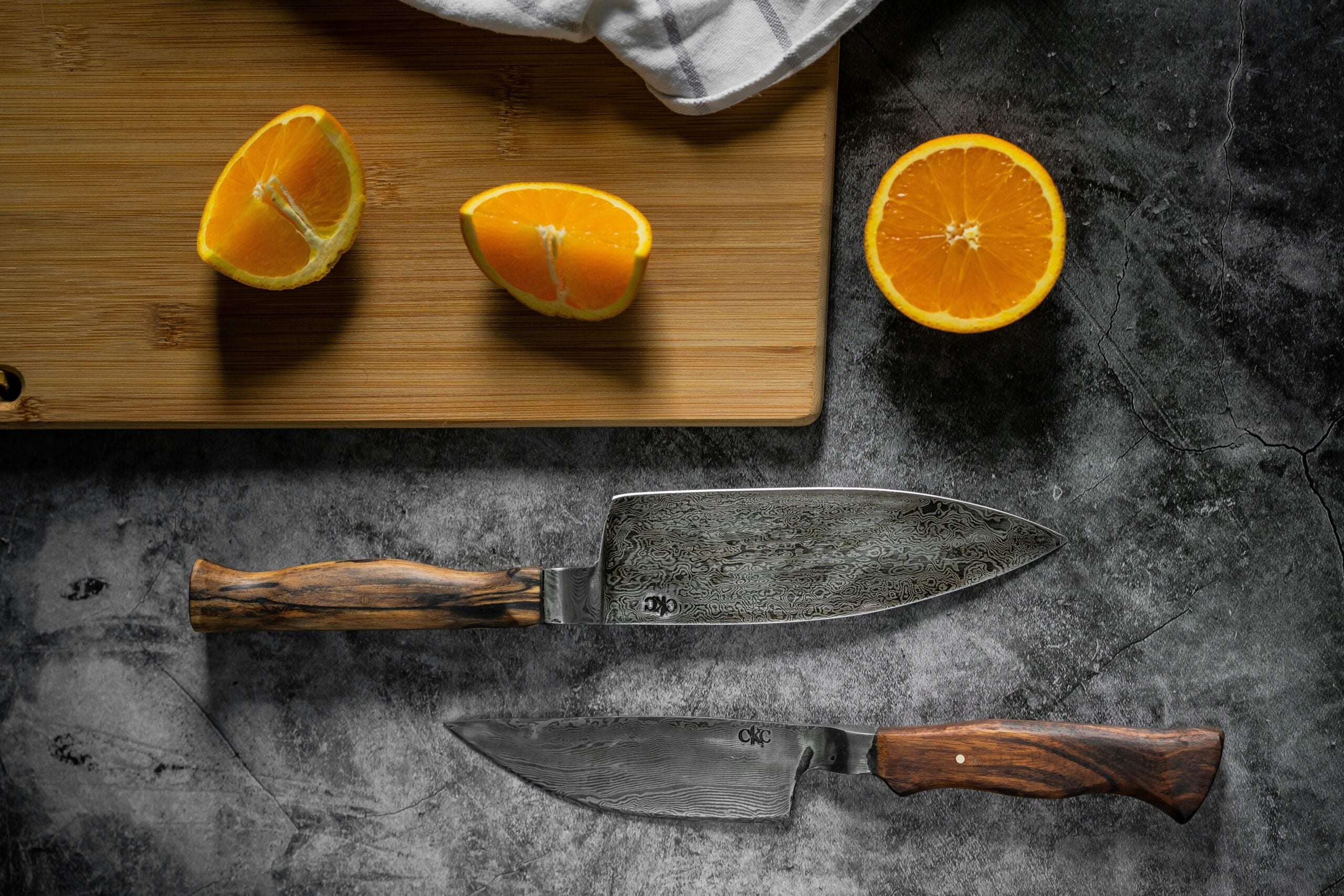
You might consider buying a new knife if yours has serious chips, cracks, or a damaged handle. However, we do not recommend doing so simply because the knife feels dull or no longer cuts food cleanly. Many knives can be sharpened rather than replaced, helping your household items last much longer. You could also learn to use a proper sharpener, and your knives will last much longer.
Area Rugs
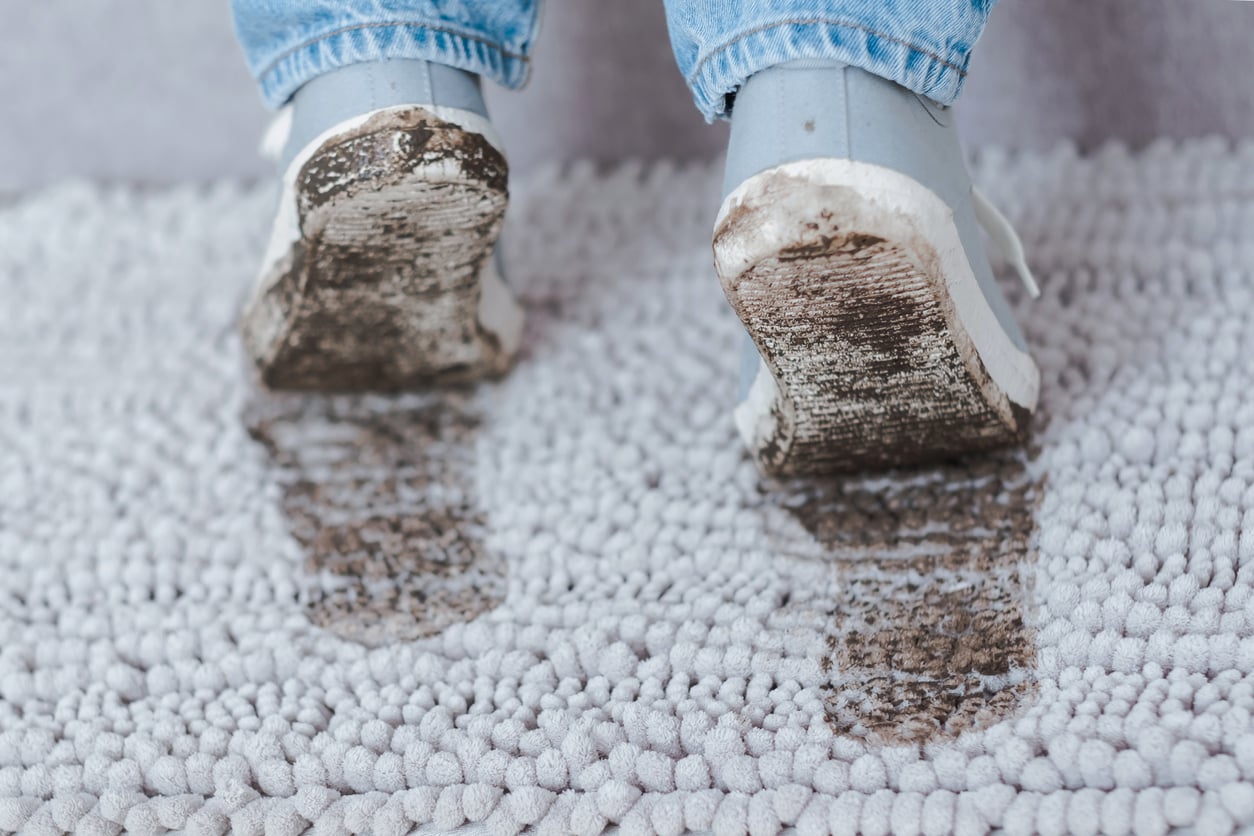
Area rugs can start to look dingy or flattened after a while due to heavy foot traffic. A deep cleaning can remove years of accumulated dirt, restoring the color to something close to its original state. You can rotate the rugs as they show signs of wear, only considering a replacement if there is severe fraying, the material has become brittle, or the rug has sustained significant damage.
Lamp and Light Fixtures
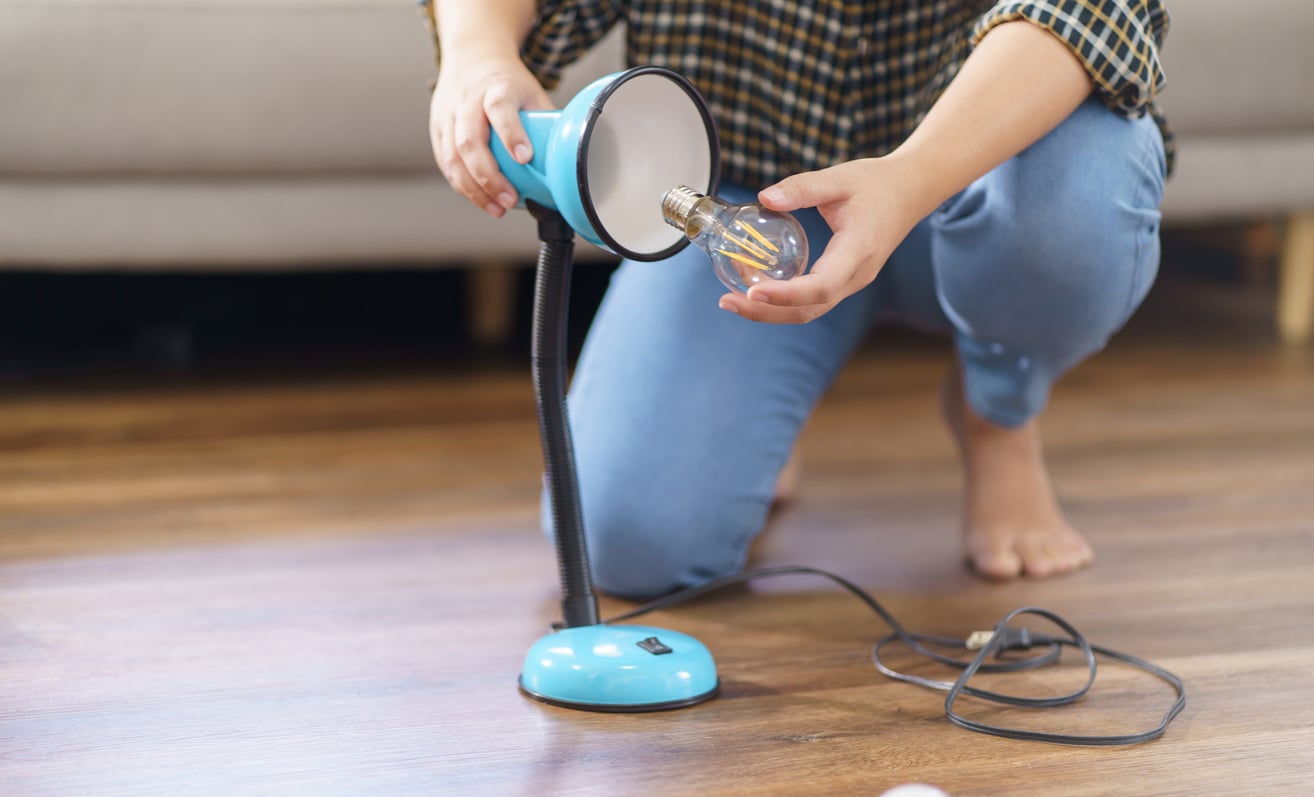
Flickering is one of the issues that can signal a lamp or light fixture is starting to fail or look dated. Before replacing it with a new one, you might want to check the bulb, socket, cord, switch, and shade, as repairing them is often cheaper than buying a new unit. It may be worth keeping older lamps, as they often feature sturdy well-made bases.
Conclusion

Just because these household items are showing signs of wear and tear doesn’t mean they have stopped working. You can save a lot of money, even when these items start to fail, some of them can be repaired so that they work again. Carefully consider whether it is worth spending so much money to replace these household items, especially since many issues can be fixed.