

Retirement changes more than where you spend your weekdays. It can also completely change which purchases are actually worth your money.
Expenses that made perfect sense while you were working — a second car for commuting, a closet full of office clothes, or paying someone else to handle household chores — may become harder to justify once your schedule looks different. At the same time, other categories, including healthcare, travel, and hobbies, may start taking a bigger share of your budget.
That doesn’t mean retirees should stop spending money or give up conveniences they enjoy. Retirement looks different for everyone, and plenty of these purchases can still be worthwhile depending on your lifestyle. But if you’re looking for places to redirect your money, here are 12 purchases to reconsider in retirement.
A Brand-New Car
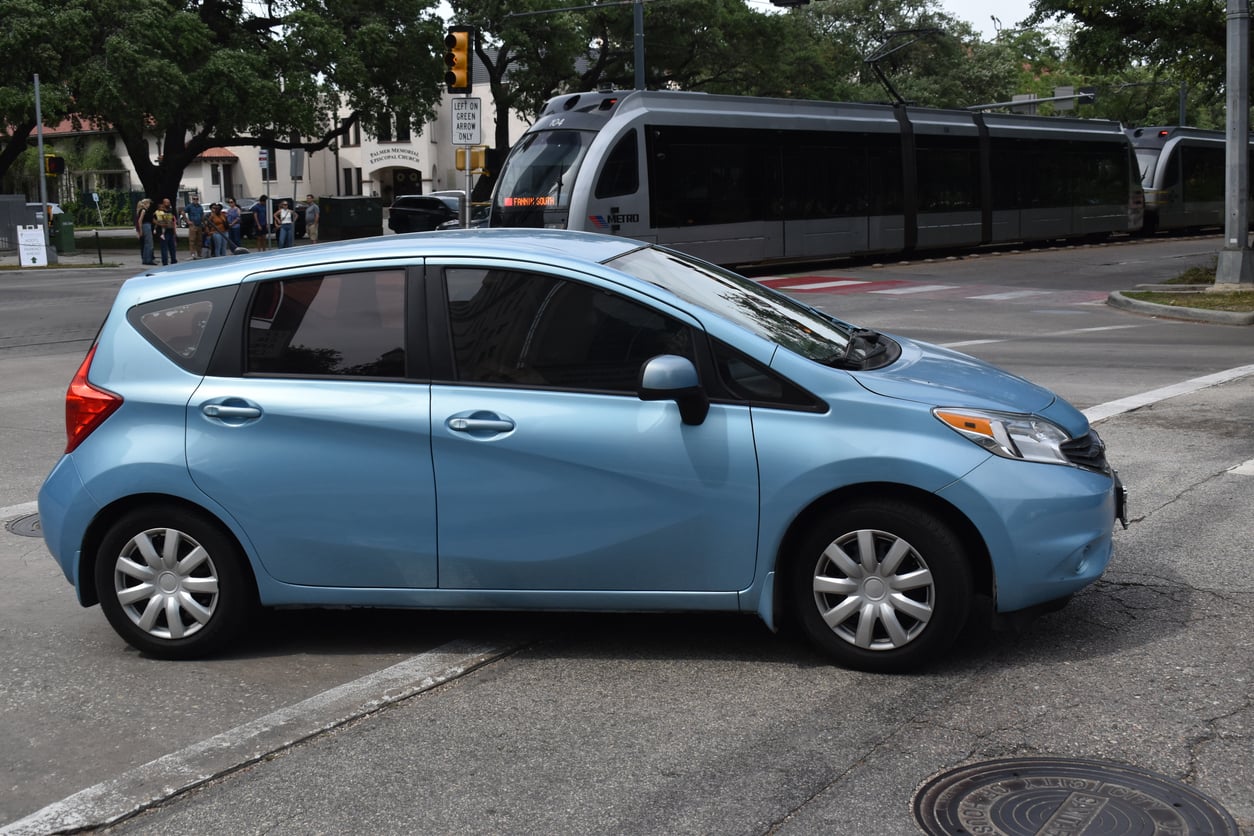
A shiny new car can be tempting at any age, but retirement may be a particularly good time to question whether you really need one. Without a five-day-a-week commute, you could find yourself putting far fewer miles on your vehicle than you did while working.
And new cars aren’t cheap to own even after you drive them off the lot. AAA estimates that the average cost of owning and operating a new vehicle reached $12,863 annually in 2026 when expenses such as depreciation, financing, insurance, fuel, maintenance, and fees are included.
If your current car is reliable, keeping it a little longer — or considering a lightly used vehicle when it’s eventually time to replace it — could leave considerably more money in your retirement budget.
A Second Household Vehicle
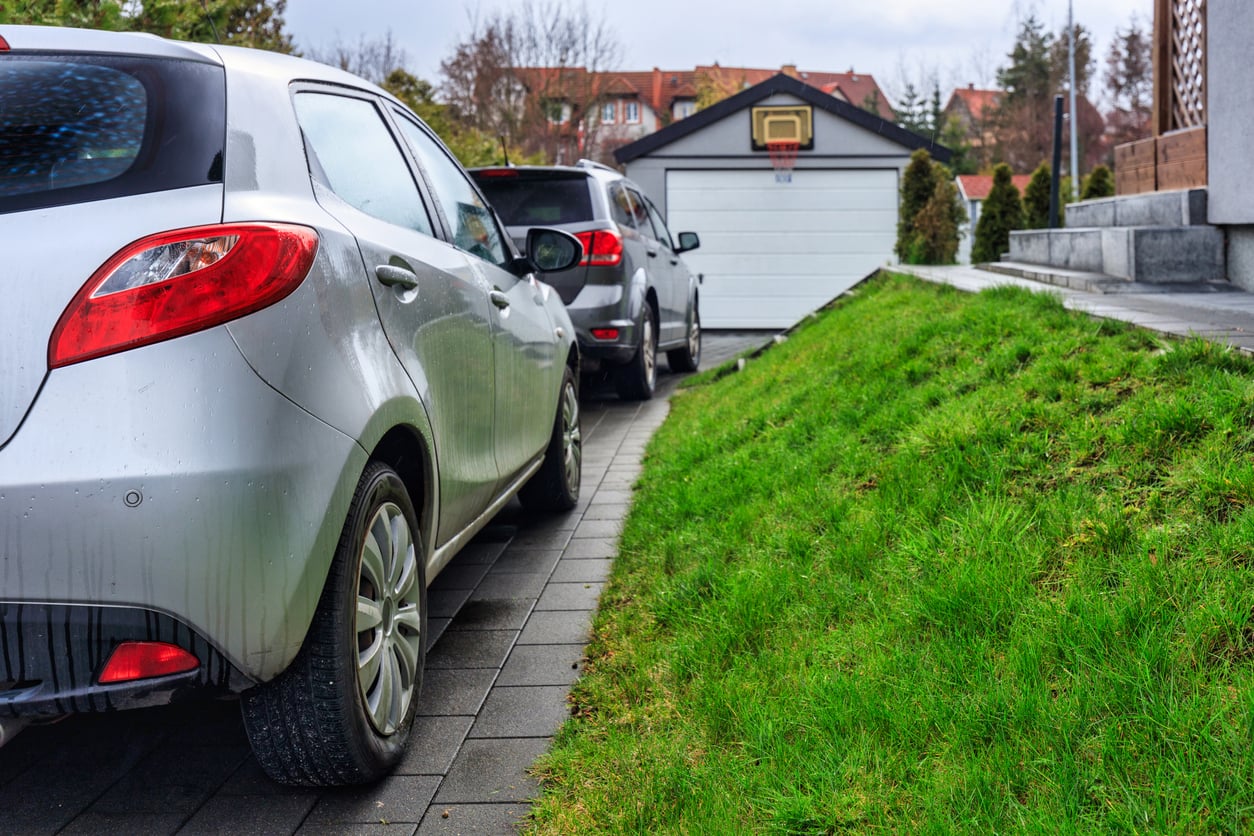
Two cars can feel nonnegotiable when two adults need to commute to different workplaces every morning. Once both people are retired, however, that second vehicle might spend most of its time sitting in the driveway.
Unfortunately, a parked car isn’t a free car. You’re still potentially paying for insurance, registration, maintenance, depreciation, and financing even if it rarely leaves home.
Before automatically replacing a second vehicle, keep track of how often you actually need both cars at the same time. Depending on your lifestyle, occasional rideshares or rental cars could make more financial sense than maintaining another vehicle year-round.
A Bigger Professional Wardrobe

Retirement doesn’t mean you suddenly stop needing nice clothes. Weddings, dinners, volunteer work, religious services, and other events can still require something dressier than sweatpants.
What you probably don’t need, however, is the same volume of office clothing you once did. Suits, dress shoes, work bags, and regular dry-cleaning bills can lose much of their purpose when there’s no workplace dress code to follow.
Rather than continuing to refresh your professional wardrobe out of habit, consider keeping a smaller collection of versatile pieces you actually wear.
Warehouse-Club Memberships Just for Bulk Groceries
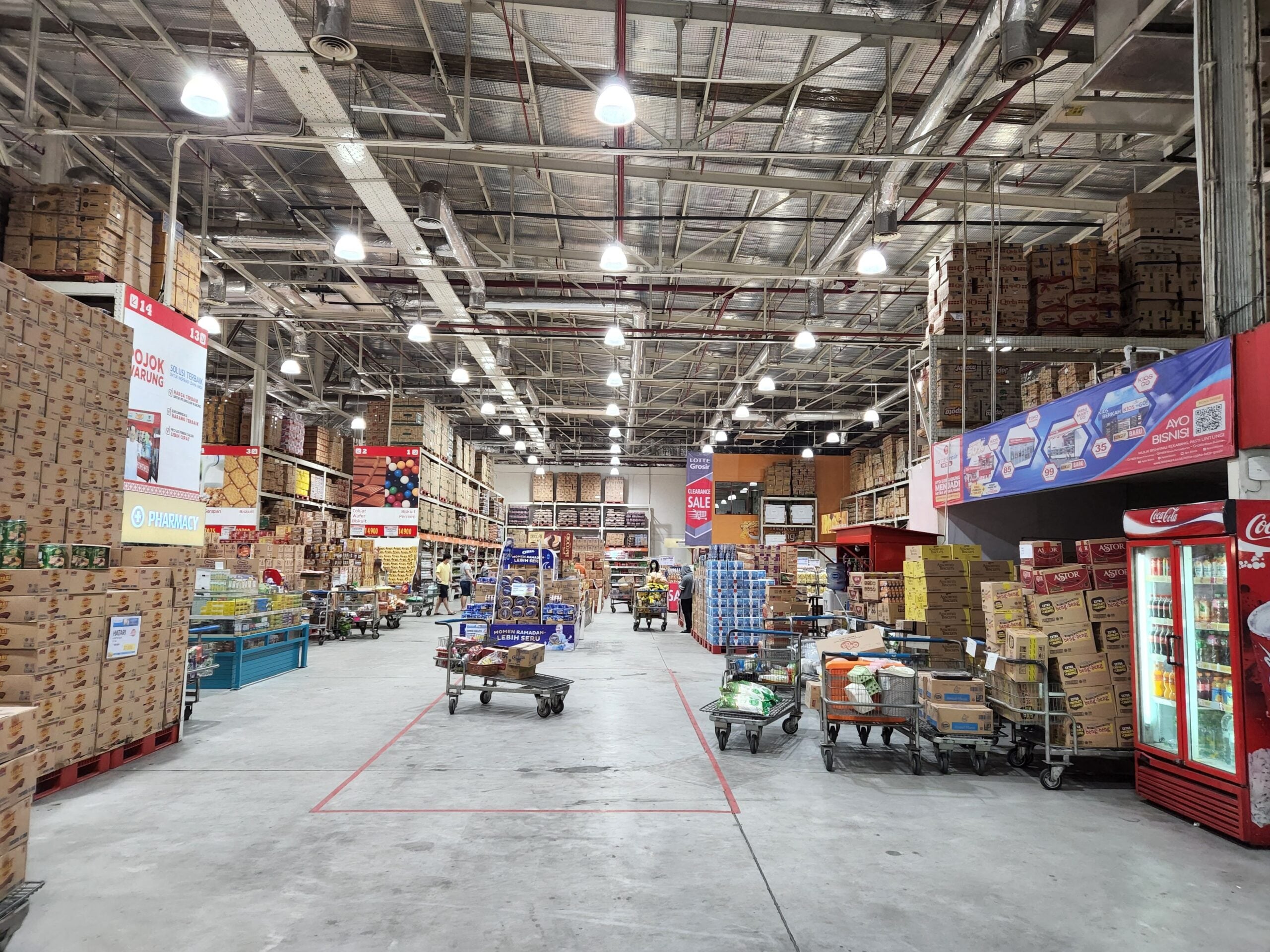
Buying 24 rolls of paper towels or an enormous package of chicken breasts can be a great deal when you’re feeding a house full of people. The calculation may change considerably when the household shrinks to one or two.
A low unit price doesn’t save much money if half an oversized package eventually gets thrown away. That’s especially true with produce, baked goods, dairy, and other perishables.
That doesn’t mean you should immediately cancel Costco or Sam’s Club. Warehouse memberships can still pay off through gasoline, prescriptions, travel, optical services, and nonperishable staples. Instead, look at what you’re actually saving over the course of a year and decide whether those savings exceed the membership fee.
Peak-Season Vacations

One of retirement’s biggest financial advantages can be something surprisingly simple: You don’t necessarily have to travel when everyone else does.
Workers and families are often tied to school calendars, holidays, and limited vacation days. Retirees may have considerably more flexibility, making it easier to visit the same destination just before or after its busiest season.
Traveling during shoulder season can sometimes mean lower airfare and hotel prices, along with fewer crowds and better availability. If your calendar is finally flexible, paying a premium to vacation during the busiest weeks of the year may no longer make much sense.
Trending on Cheapism


Expensive Books and Magazine Subscriptions
Having more time to read doesn’t necessarily mean you need to buy more books.
Your local library may offer considerably more than the physical books sitting on its shelves. Depending on the library system, a card can provide access to ebooks, audiobooks, newspapers, magazines, and digital borrowing platforms such as Libby or Hoopla.
There will always be books you want to own, especially favorites you expect to reread. But frequent readers could save by borrowing most titles and reserving purchases for the ones they genuinely want to keep.
An Automatic Gym Membership
Staying active can be an important part of retirement, but don’t automatically assume you need to pay the full sticker price for a gym membership.
Medicare notes that Original Medicare doesn’t cover gym memberships or fitness programs. However, some Medicare Advantage and other Medicare health plans may offer fitness memberships or discounts as an additional benefit.
Before signing up independently, check your health plan along with senior centers, community recreation programs, and local fitness options. You may already have access to a cheaper way to stay active.
Expensive Equipment for a Brand-New Hobby

Retirement can finally give you enough time to try photography, golf, cycling, woodworking, painting, or the hobby you’ve been talking about for the past 15 years.
Just don’t confuse being excited about a new hobby with needing the best equipment available on day one.
Premium cameras, golf clubs, bicycles, tools, and other hobby gear can quickly become expensive, particularly if you discover six months later that the activity isn’t really for you. Renting, borrowing, buying used, or starting with entry-level equipment gives you time to figure out whether a hobby will stick before making a major investment.
Sign up for our newsletter
More Collectibles Just Because You’ve Always Collected Them

A collection can bring enormous enjoyment, and retirement doesn’t mean you need to stop collecting something you love. But it can be a useful moment to ask whether you’re still buying because each new piece makes you happy — or simply because buying has become part of the routine.
After decades of collecting records, figurines, coins, antiques, sports memorabilia, or anything else, storage can also become an issue. That’s especially relevant if you’re thinking about downsizing.
Instead of automatically adding more, retirement can be an opportunity to curate what you already own, display your favorites, and sell or donate pieces that no longer mean much to you.
Paying for Adult Children’s Cellphone Plans Indefinitely

Putting everyone on one cellphone plan often makes sense when your children are teenagers. The arrangement can become so routine, however, that you’re still paying the bill years after those children have become financially independent adults.
A relatively small monthly expense can turn into hundreds of dollars a year, and cellphone service may not be the only lingering expense. Streaming subscriptions, insurance, memberships, and other recurring bills can quietly remain attached to parents long after the child-raising years are over.
There’s no need to cut anyone off without warning. But retirement is a reasonable time to review those arrangements and, when appropriate, give adult children time to take over their own bills.
Routine Workday Takeout Out of Habit

Buying lunch five days a week can make sense when you’ve got meetings stacked back-to-back and only 30 minutes to eat. Once you retire, the time pressure that created the habit may disappear even if the spending doesn’t.
That doesn’t mean restaurant meals suddenly become a waste of money. Going out for lunch with friends or grabbing your favorite takeout can be one of the pleasures of having more free time.
The expense worth reconsidering is the automatic workday routine. If you’re still buying convenience meals simply because that’s what you’ve always done, preparing more meals at home could free up money for restaurant outings you actually look forward to.
Paying for Every Household Chore You Used to Outsource
During your working years, hiring someone to clean the house, mow the lawn, wash the car, or handle other chores may have been less about avoiding work and more about buying back precious free time.
Retirement can change that calculation. If you’re physically able and don’t mind doing certain jobs yourself, you might decide that some previously outsourced tasks are no longer worth paying for.
But this isn’t a reason to turn retirement into an endless list of chores — and saving money certainly isn’t worth risking an injury. Heavy lifting, ladders, complicated repairs, snow removal, and other physically demanding work may still be best left to professionals. The goal is simply to decide which conveniences are still worth paying for now that your time is structured differently.
Retirement Changes What Is Worth Paying For

Saving money in retirement doesn’t have to mean stripping all the fun or convenience out of your life. In many cases, it’s simply about recognizing that some expenses were built around a lifestyle you no longer have.
A second commuter car, professional wardrobe, or peak-season vacation may have made perfect sense while you were working or raising a family. Once those circumstances change, the money going toward them might be more useful somewhere else.
And that’s ultimately the point: Spend less on the parts of your old routine you no longer need so there’s more room in the budget for travel, hobbies, family, healthcare, and whatever else you want retirement to look like.