Remember when recess was the best part of the school day? For kids growing up in the 1980s, those precious minutes between classes meant racing outside, claiming a spot on the playground, and squeezing in as much fun as possible before the bell rang. There were no smartphones to check or elaborate activities to organize. All you needed was a rubber ball, a jump rope, or a few friends willing to make up the rules as they went along.
Of course, recess wasn’t always peaceful. There were arguments over four square rules, fierce competitions at the tetherball pole, and the occasional playground rivalry that lasted for weeks. But those everyday moments were also how kids learned to negotiate, cooperate, and entertain themselves without much adult intervention.
While plenty of these games are still around today, changing playground designs, safety standards, and school routines have made some of them less familiar. From metal merry-go-rounds to sidewalk games passed down through generations, here are 12 nostalgic 1980s recess games that might bring back a few memories.
Playing Four Square With a Giant Red Rubber Ball
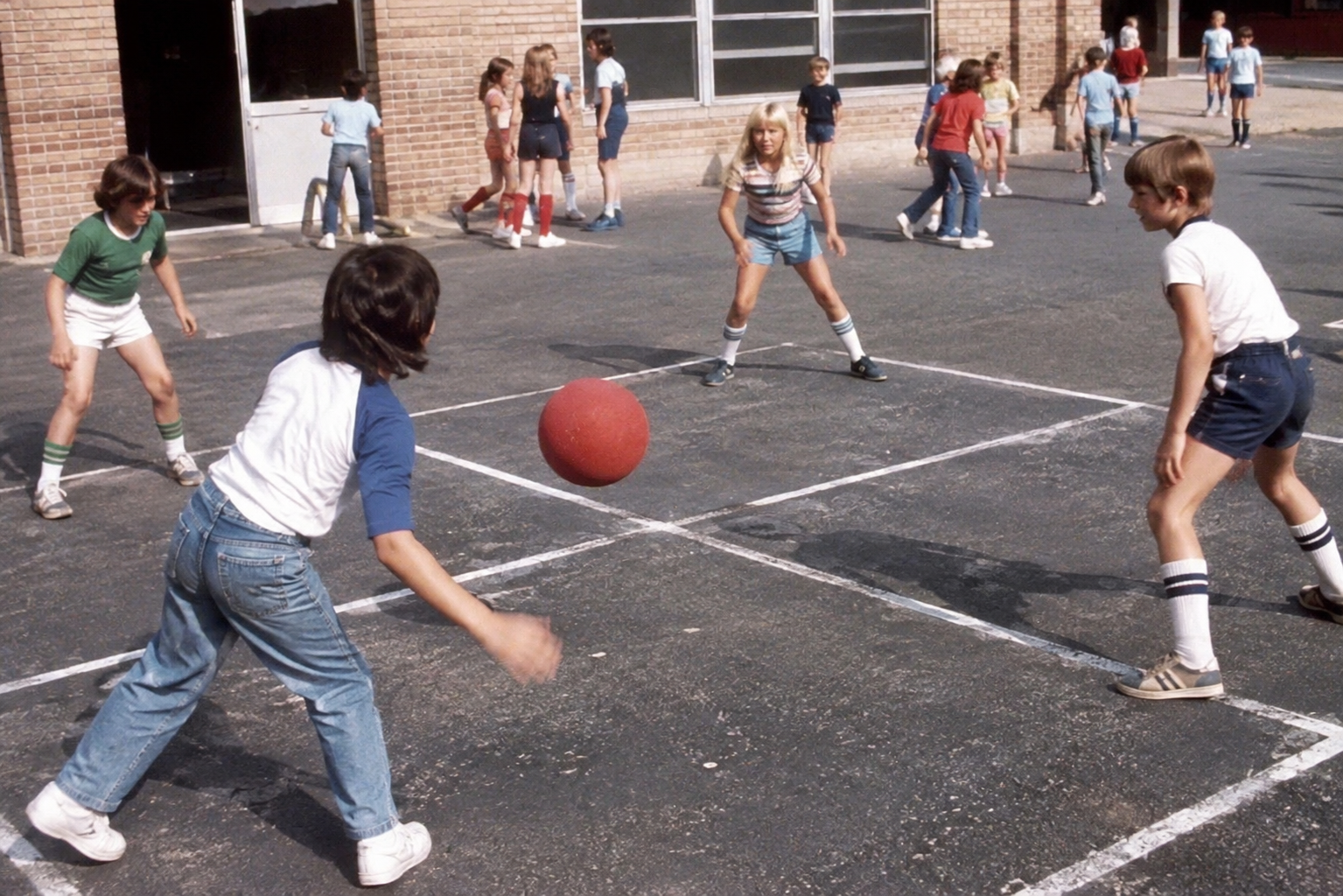
Before recess involved complicated equipment, all you needed for a competitive afternoon was a giant red rubber ball and four squares painted on the blacktop. Four square was serious business in the 1980s, with kids bouncing the ball between squares and trying to eliminate opponents without breaking the rules. Of course, those rules seemed to change depending on who was playing.
The real goal wasn’t just to stay in the game. It was to make your way into the coveted top square and defend your position against everyone else. And who could forget that unmistakable hollow thump of a rubber ball hitting the pavement?
Trying to Wrap the Tetherball Around the Pole
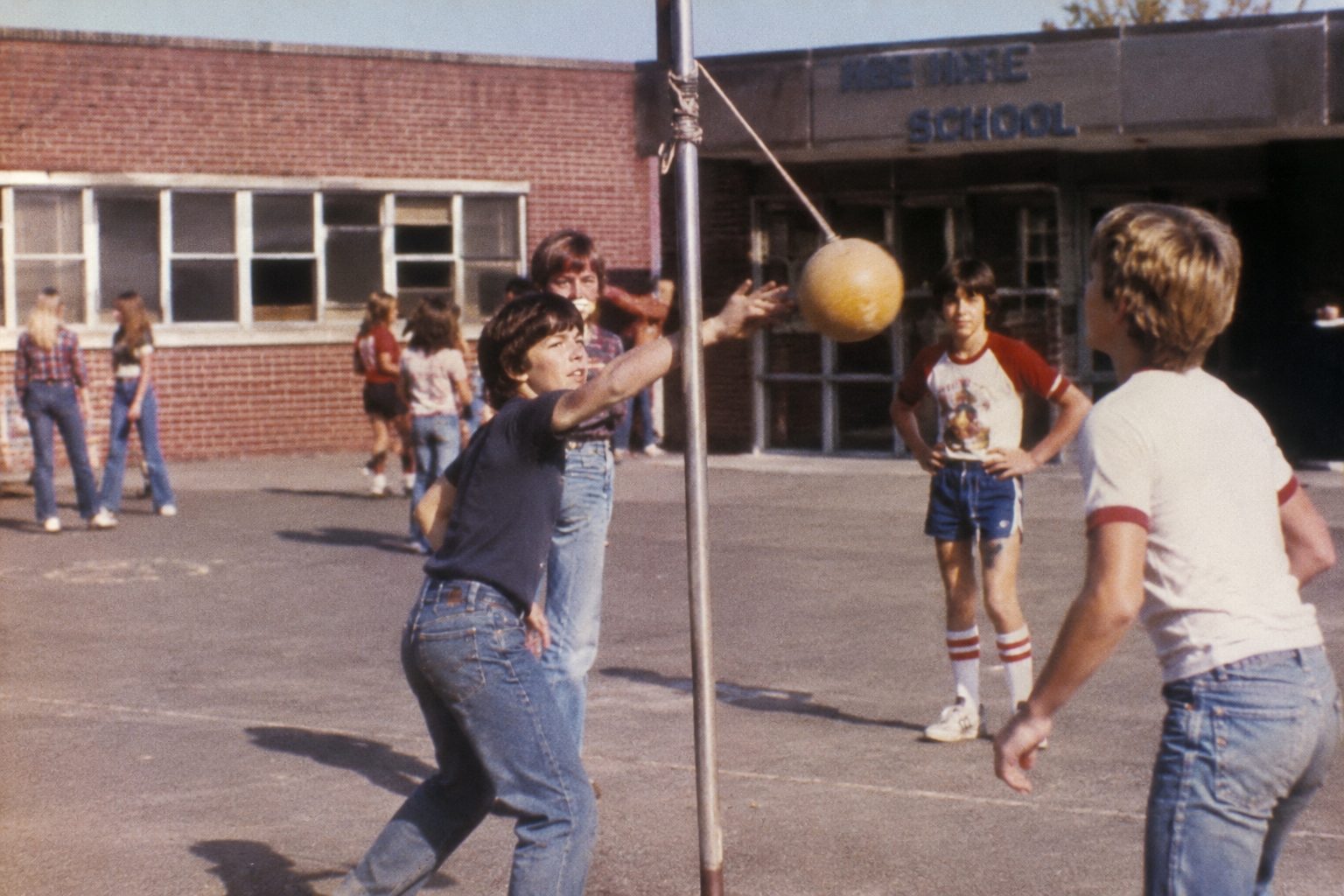
If your elementary school had a tetherball pole, you probably remember how quickly a line formed around it. The rules were simple enough: Two players hit the suspended ball in opposite directions, each trying to wrap the rope completely around the pole. But actually winning required quick reflexes, good timing, and a little strategy.
Naturally, there were plenty of arguments about whether someone had grabbed the rope, crossed an imaginary boundary, or hit the ball illegally. Some kids even raced outside as soon as the recess bell rang just to claim the pole before anyone else.
Playing Jacks on the Sidewalk
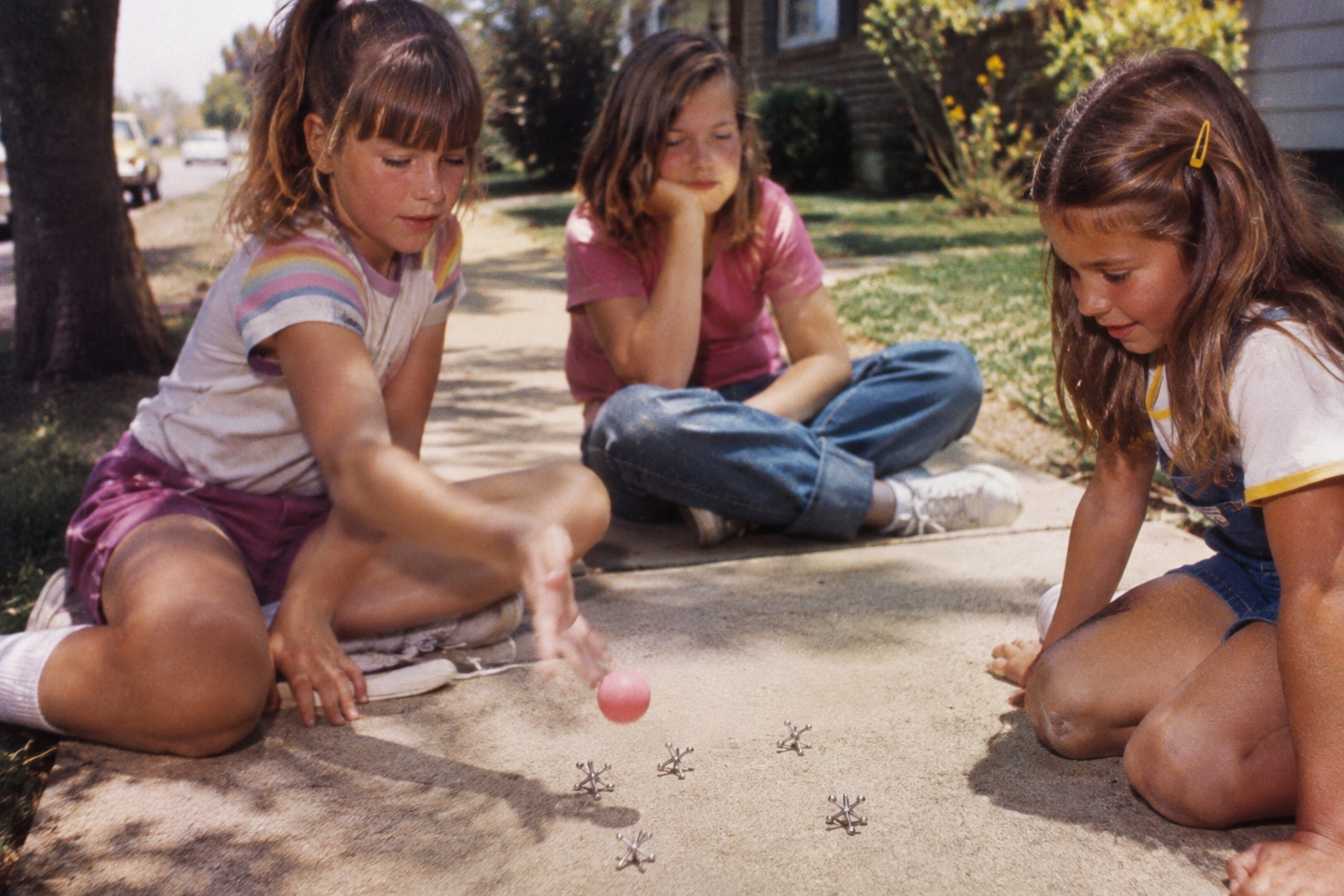
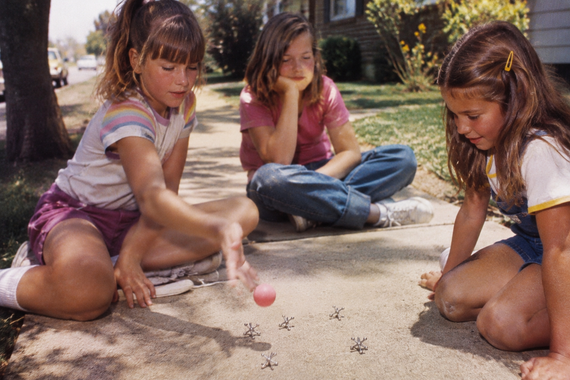
Long before handheld gaming devices became a common playground distraction, a handful of metal jacks and a tiny rubber ball could keep kids entertained for an entire recess. The challenge was to bounce the ball, scoop up the scattered jacks, and catch the ball before it bounced again. Sounds easy, right? Not when you were trying to collect several jacks at once.
The best part was that the whole game could fit inside a pocket, making it easy to bring to school. And if you were particularly good at jacks, you could count on attracting a small audience of classmates eager to see whether you’d make it through the next round.
Jumping Double Dutch With Friends Turning the Ropes
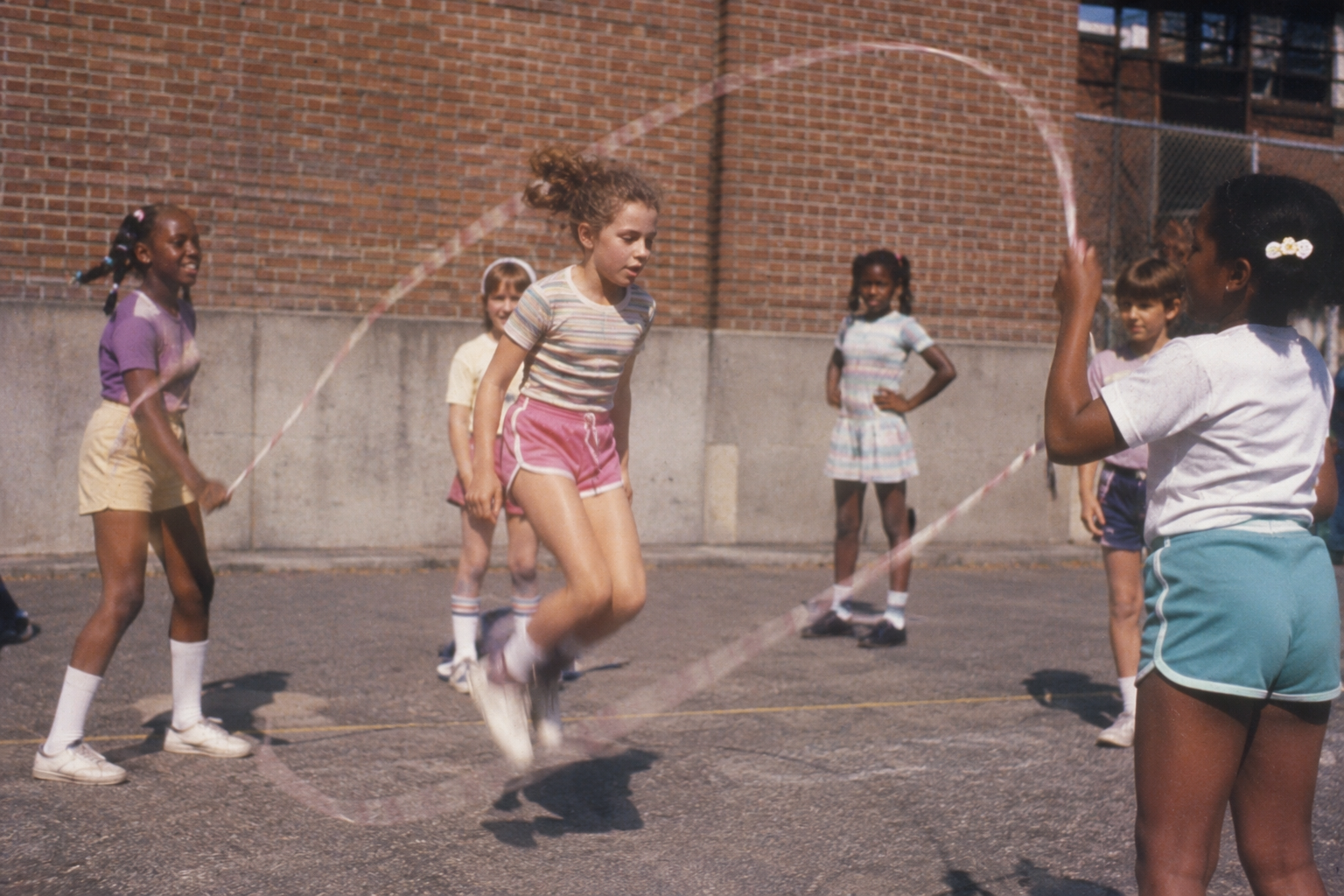
For some ’80s kids, recess wasn’t complete without a game of Double Dutch. Two children turned long jump ropes in opposite directions while another jumped between them, sometimes adding complicated footwork, spins, or rhythmic chants. The really talented jumpers could step into the moving ropes without missing a beat, making it look almost effortless.
Of course, learning Double Dutch took practice, especially when you were trying to keep up with older kids who seemed to know every trick. Many of the chants and techniques were passed down from one group of students to another, turning an ordinary playground activity into a tradition.
Competing in Dodgeball Games With Rubber Playground Balls
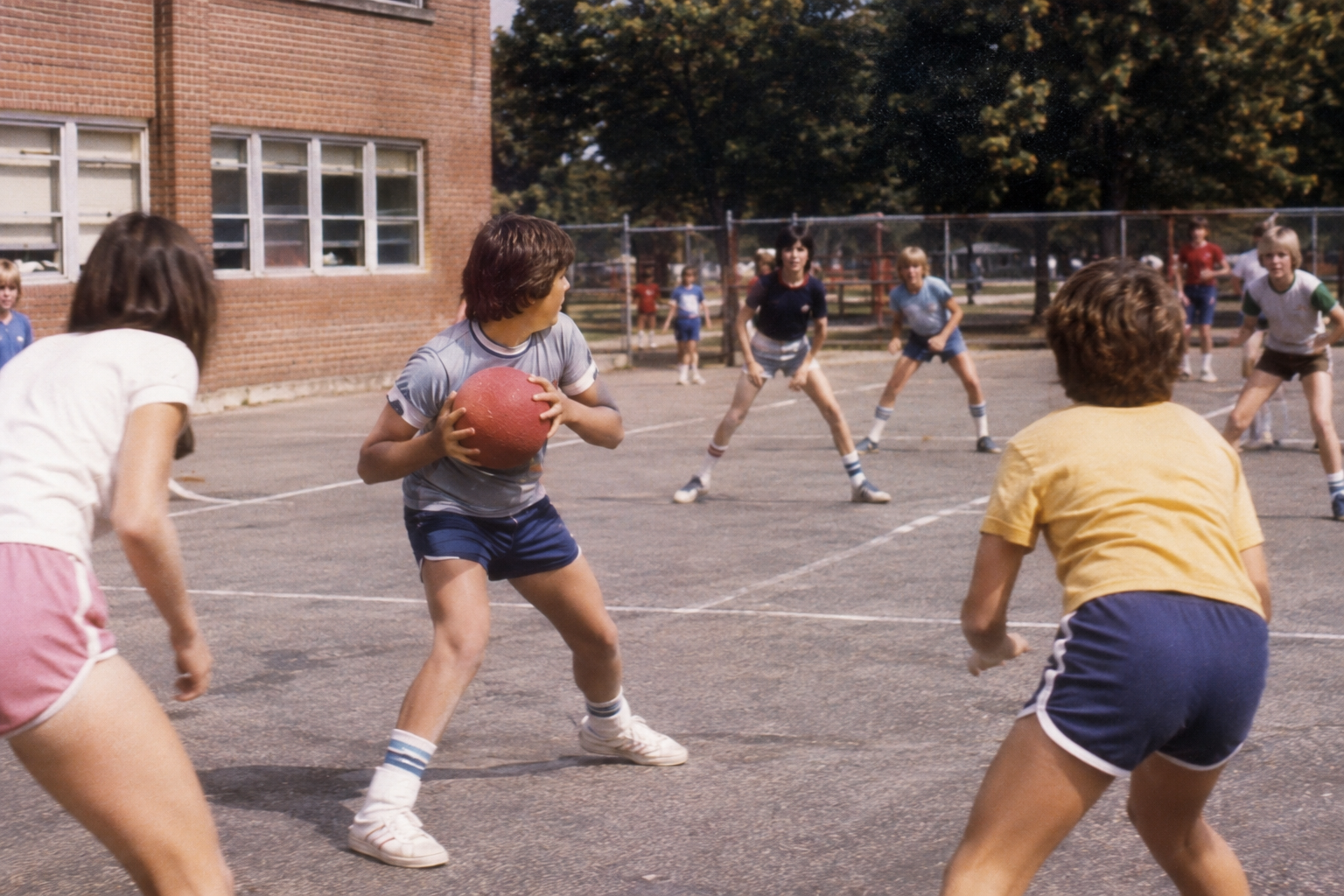
Few playground games could turn an ordinary recess into an all-out competition quite like dodgeball. Armed with those familiar red rubber balls, kids divided into teams and tried to eliminate their opponents while avoiding getting hit themselves. Depending on the school, the rules might involve catching a ball to bring someone back into the game or simply waiting on the sidelines until the next round.
And if you were one of the unlucky kids eliminated in the first few seconds? Well, you probably spent more time watching than playing. Dodgeball hasn’t disappeared, but concerns about rough play and exclusion have led some schools to rethink traditional versions of the game.
Trending on Cheapism


Playing Hand-Clapping Games With Complicated Rhymes
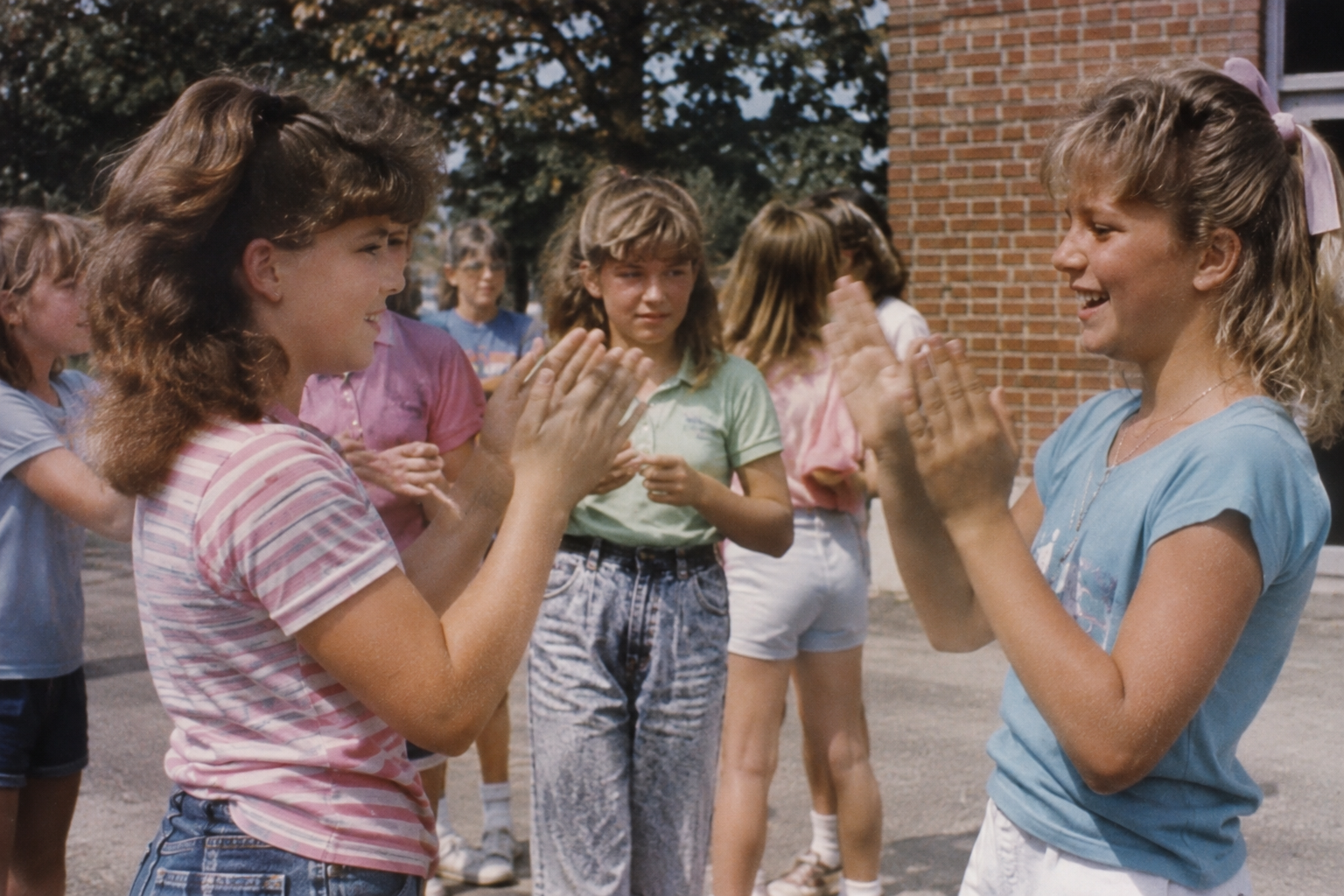
You didn’t need a ball, a jump rope, or even much space to have fun during recess. Sometimes, all it took was a friend who knew the words to “Miss Mary Mack” or “Down Down Baby.” These hand-clapping games involved increasingly complicated movements, catchy rhymes, and the occasional mistake that sent everyone into fits of laughter.
The funny thing was that nobody seemed to learn these games from a teacher. Instead, kids picked them up from older siblings, classmates, or neighborhood friends, often discovering that the words were slightly different depending on who taught them.
Spinning on Old-Fashioned Metal Merry-Go-Rounds
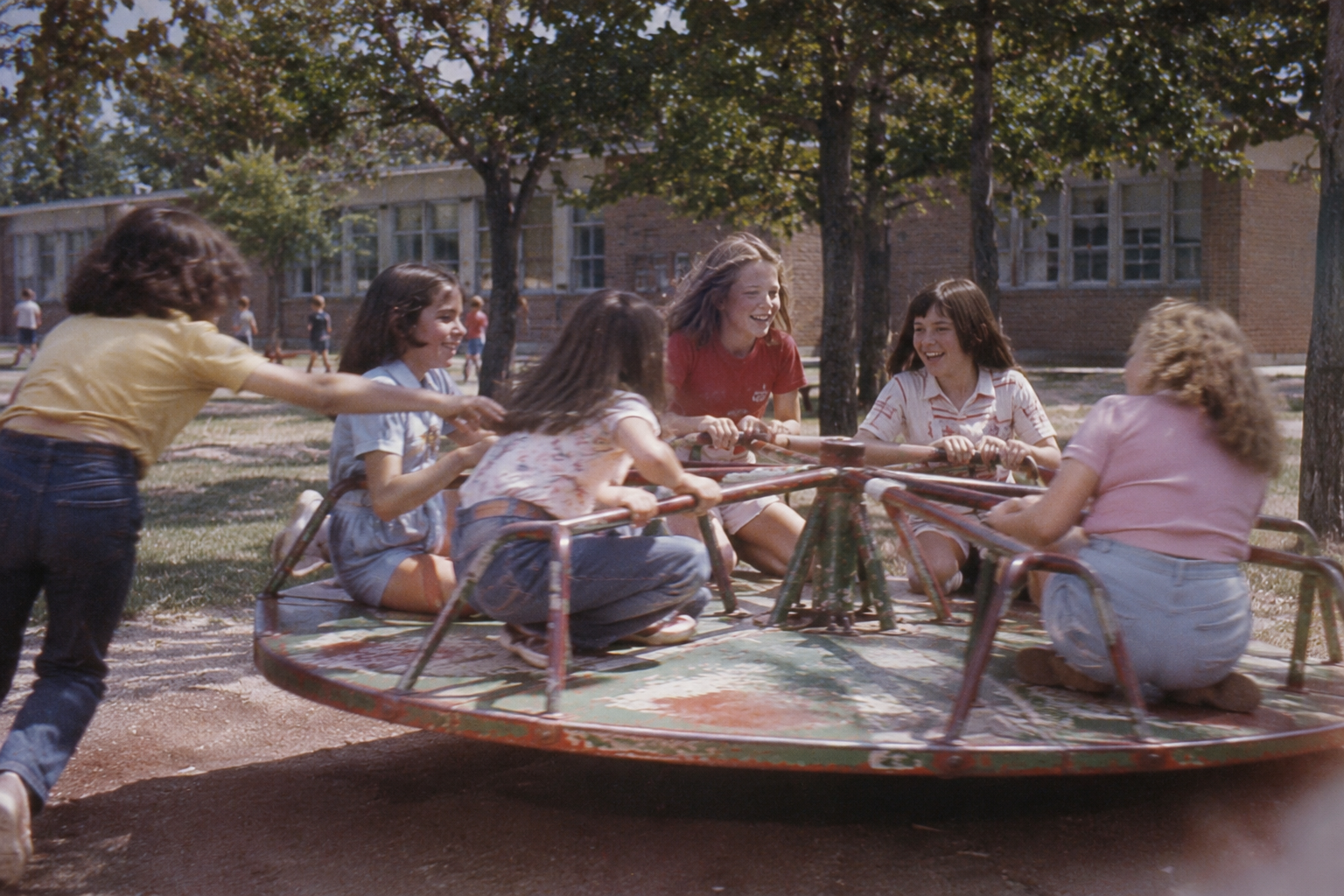
If you grew up with one of those old-fashioned metal merry-go-rounds, you probably remember the thrill of spinning faster and faster while desperately holding on to the bars. A few kids would push from the outside, building up speed before jumping aboard, while everyone else shouted for them to go faster.
Naturally, there was always someone who wanted to spin at full speed and someone else who immediately regretted getting on. These older playground fixtures could be a lot of fun, but their design also raised safety concerns. Modern playground standards have influenced how spinning equipment is built, making some of those old metal models less common.
Playing Kickball Without a Teacher Organizing Teams
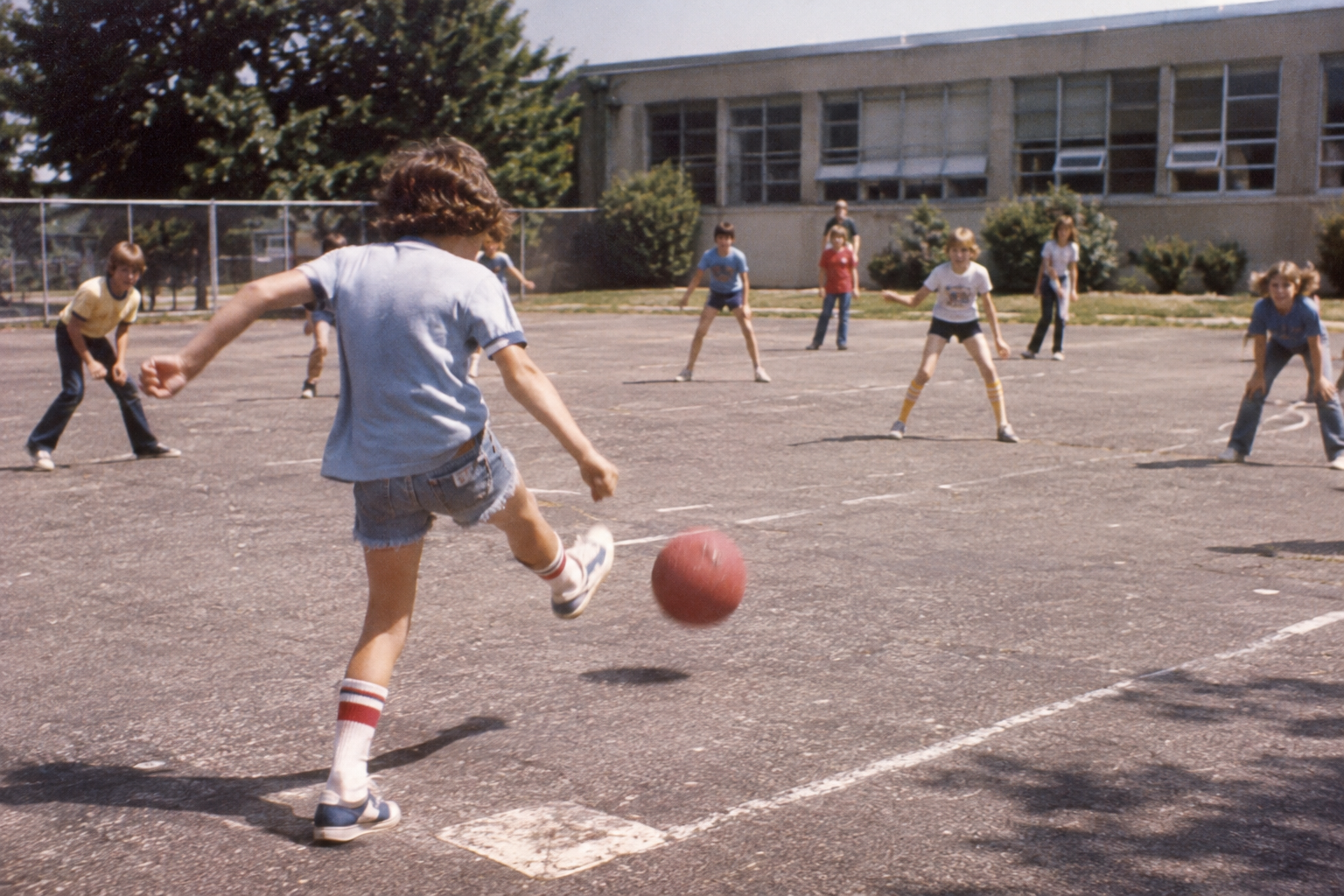
Before every playground activity needed a designated organizer, kids could put together an entire kickball game in a matter of minutes. Someone grabbed a rubber ball, a few classmates volunteered to be team captains, and suddenly the blacktop became a makeshift baseball diamond. Bases might be marked with painted lines, playground landmarks, or whatever happened to be available.
Of course, things rarely went smoothly. There were arguments about whether someone was safe, complaints about uneven teams, and endless debates over the score. But somehow, everyone usually managed to squeeze in a few more kicks before the bell rang.
Sign up for our newsletter
Drawing Hopscotch Squares With Sidewalk Chalk
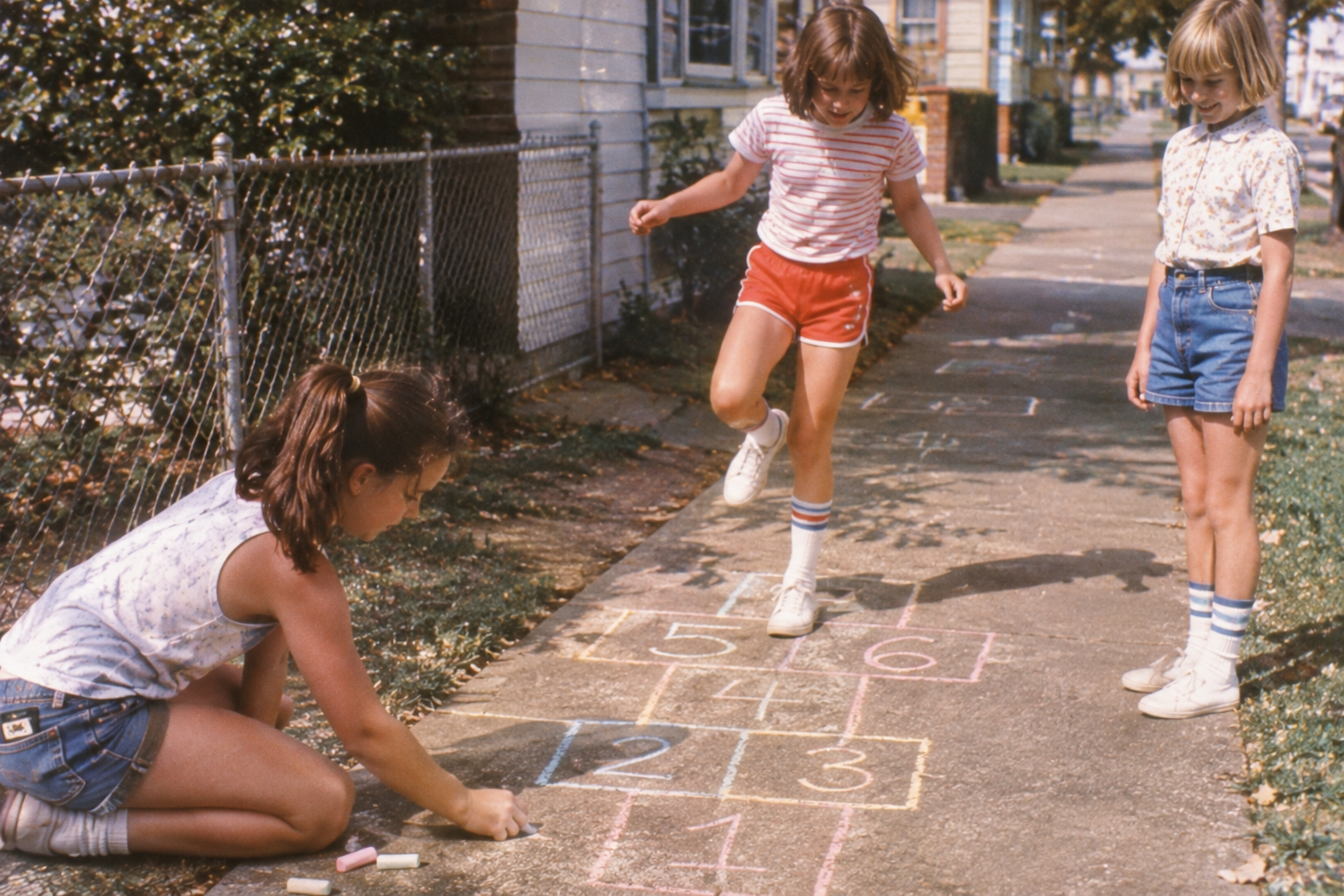
A piece of sidewalk chalk could transform an ordinary patch of pavement into a playground attraction. Kids drew numbered squares on the ground, tossed a small stone or marker into one of them, and hopped through the pattern while trying not to lose their balance or step on a line.
The rules varied from playground to playground, and some children invented increasingly difficult layouts to challenge their friends. If you were lucky, your carefully drawn hopscotch grid survived several days of recess before the rain washed it away. Otherwise, you simply started over.
Trading Marbles and Inventing Playground Rules
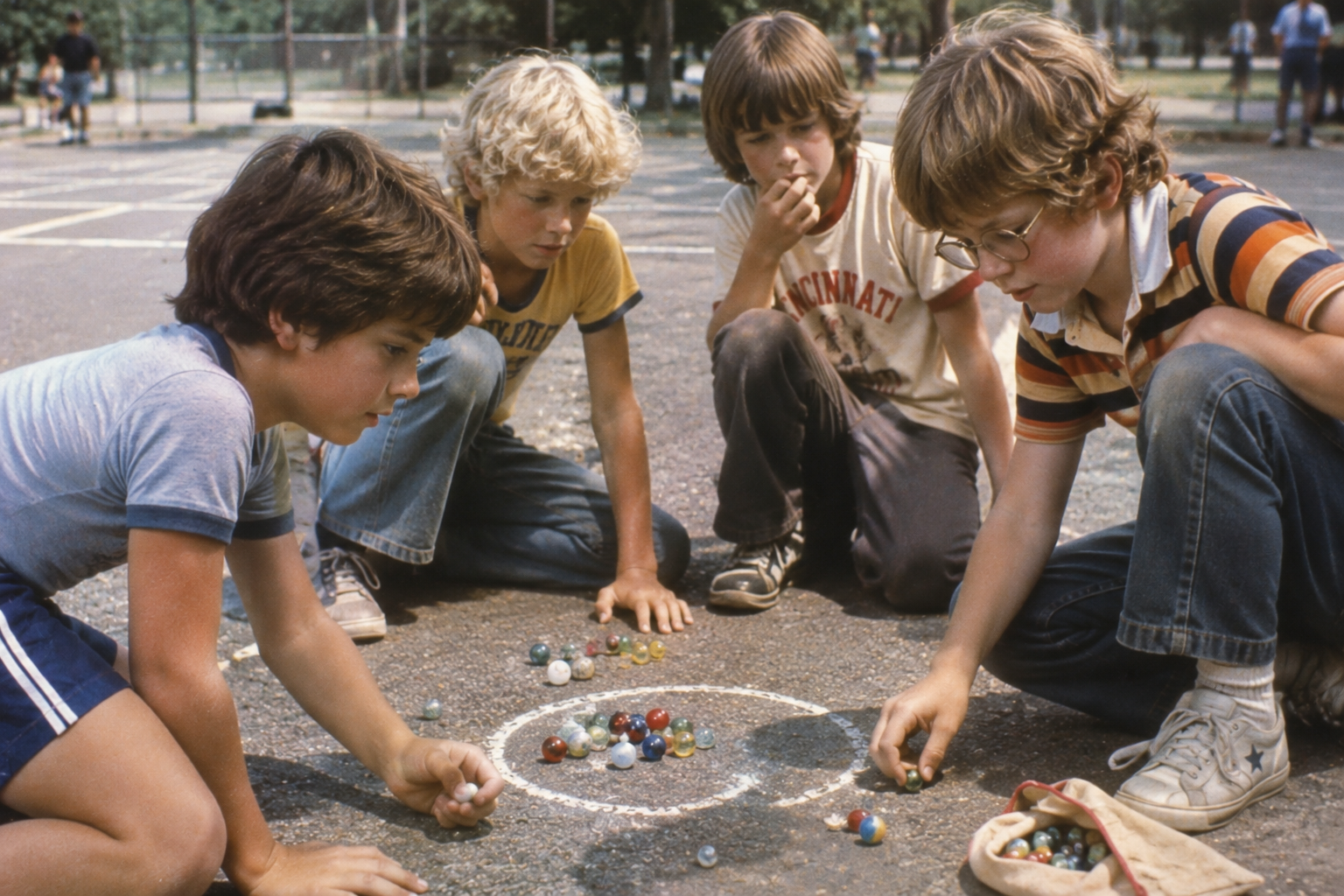
Although marbles had been a childhood favorite for generations, some kids were still bringing their collections to school in the 1980s. There were colorful swirls, transparent glass marbles, and oversized shooters that seemed especially impressive when you were little. Depending on the playground, children might compete to knock marbles out of a circle or simply compare their collections.
And then there was the trading. A particularly beautiful marble could become the most desirable object on the playground, inspiring elaborate negotiations between classmates. Some games were played for keeps, while others had strict rules about returning everything afterward. Either way, losing your favorite marble could feel like a genuine tragedy.
Playing Freeze Tag With Rules Everybody Argued About
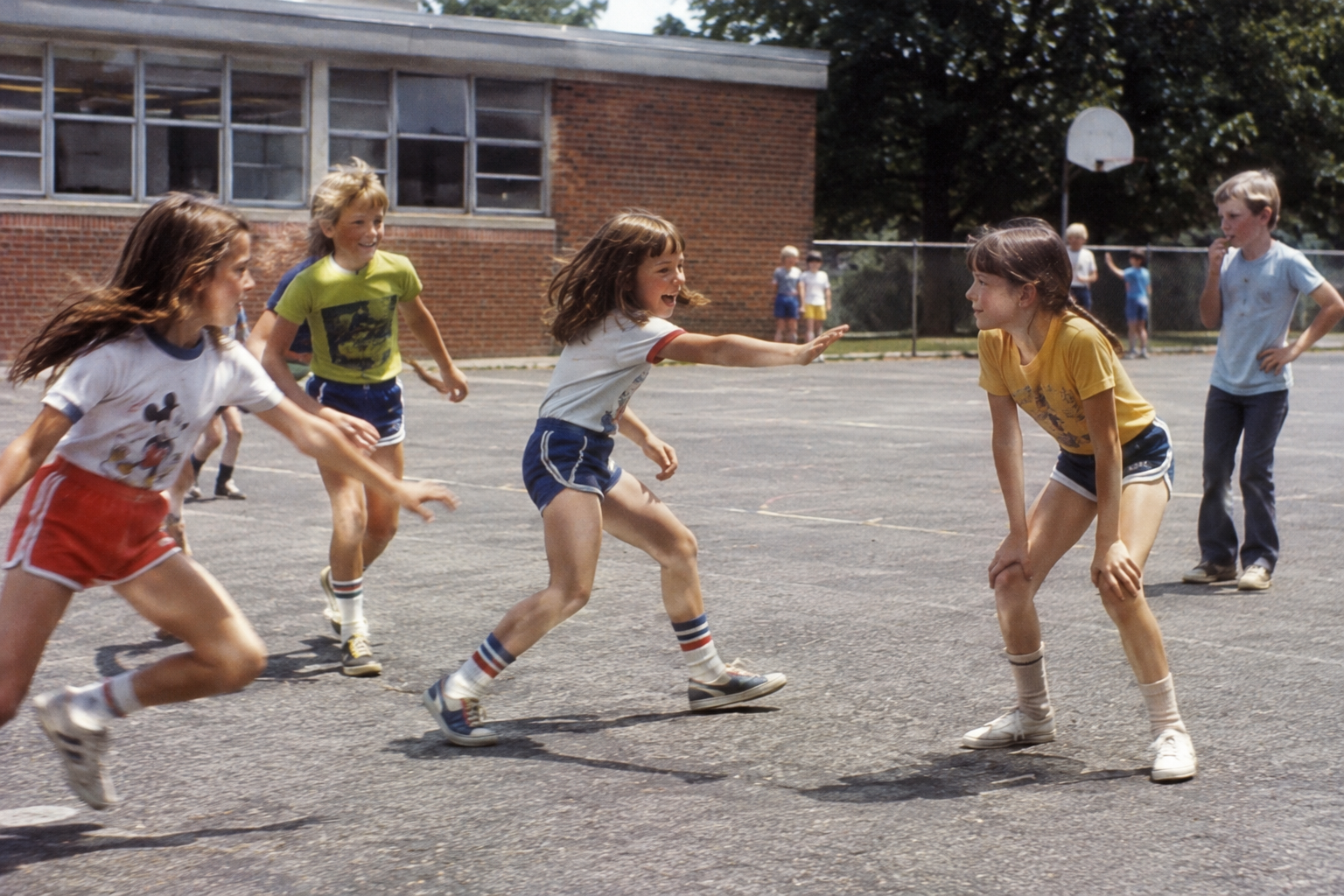
Few games were as easy to organize as freeze tag. All you needed was a group of friends, some open space, and someone willing to be “it.” Once tagged, players had to freeze in place until another child came to rescue them. At least, that was the basic idea.
The problem was that every group seemed to have its own rules. Could you hide near the fence? Was the slide a safe zone? How many times could someone be unfrozen? These questions could spark surprisingly heated debates, sometimes taking up half of recess before everyone finally agreed to start running again.
Using the Seesaw as a Test of Bravery
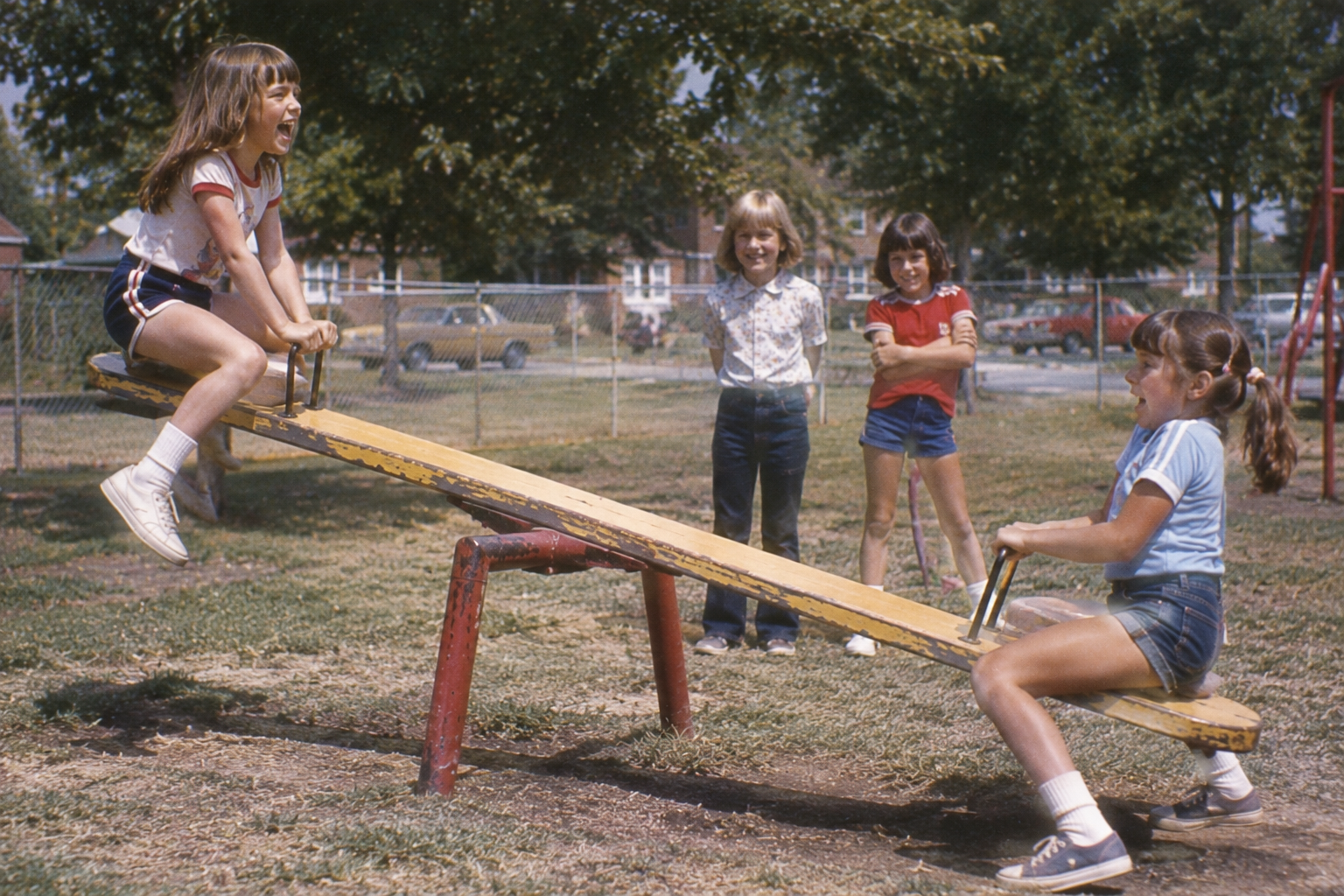
Remember when getting on a seesaw felt like putting your trust entirely in another kid? Those traditional playground fixtures seemed simple enough: Two children sat on opposite ends of a long board and pushed off the ground to send each other up and down. But the experience depended heavily on who was sitting across from you.
If your partner was much heavier, you might find yourself stranded in the air. And if they decided to bounce a little too enthusiastically, the ride could become much more exciting than expected. Traditional seesaws haven’t vanished completely, but newer playground designs often incorporate different mechanisms and safety features that make those old-fashioned versions less familiar.
When Recess Was All About Making Your Own Fun
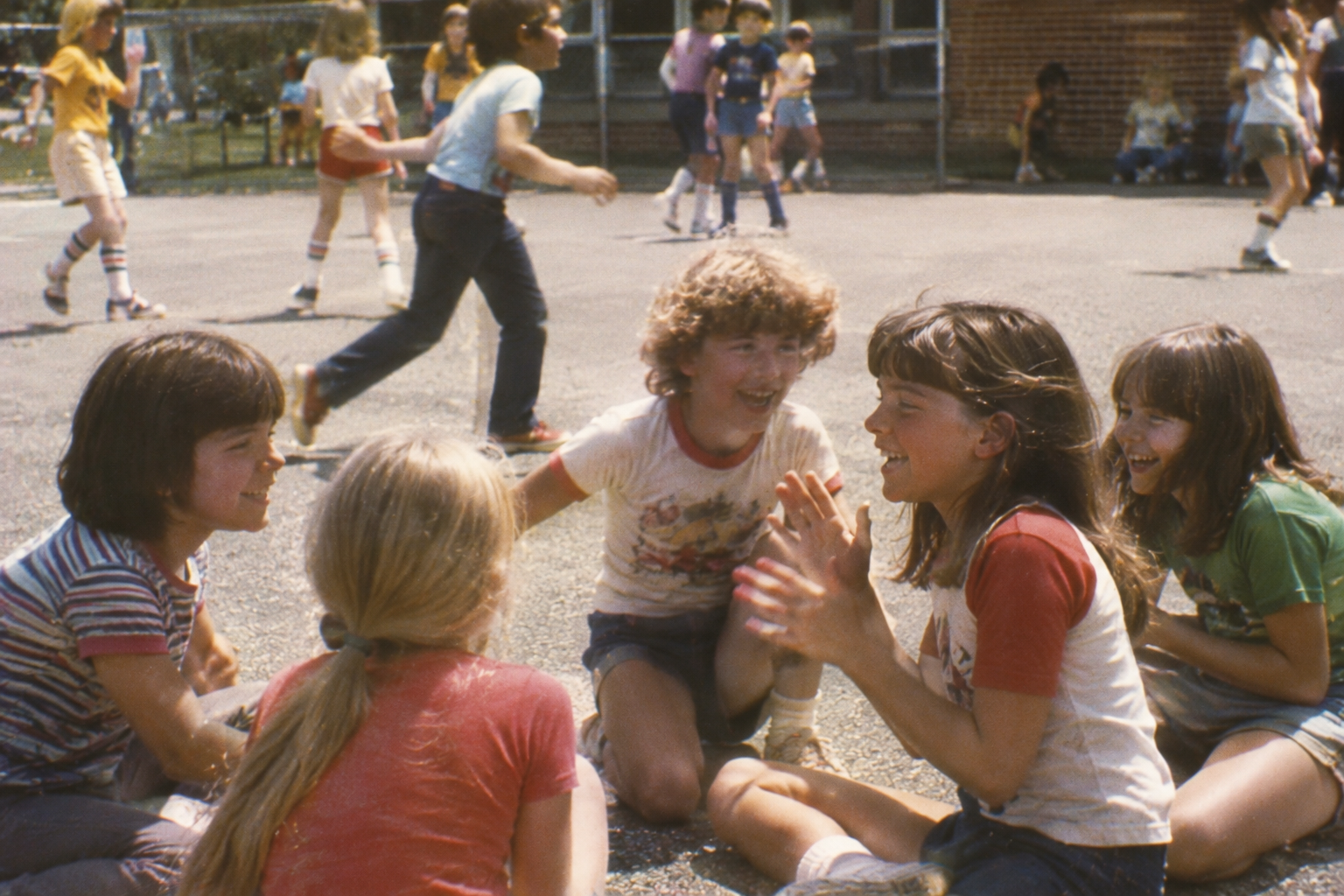
Looking back, some of the best parts of recess in the 1980s had very little to do with fancy playground equipment. A rubber ball, a handful of marbles, or a piece of sidewalk chalk could provide endless entertainment, especially when a group of friends started inventing their own rules.
Of course, plenty of these games are still played today, and modern playgrounds offer their own opportunities for creativity and adventure. But for those who grew up in the ’80s, there’s something especially nostalgic about remembering a time when the biggest decision of the school day was whether to head for the tetherball pole, join a game of kickball, or spend the entire recess arguing about who was supposed to be “it.”