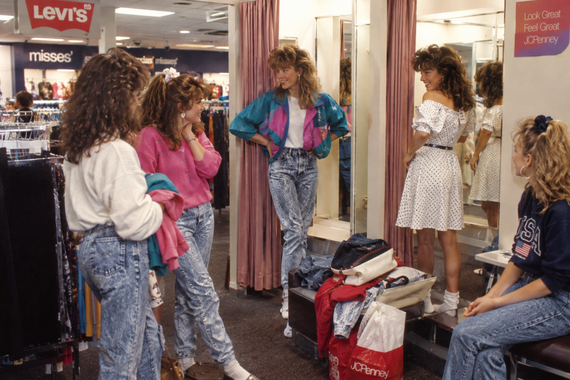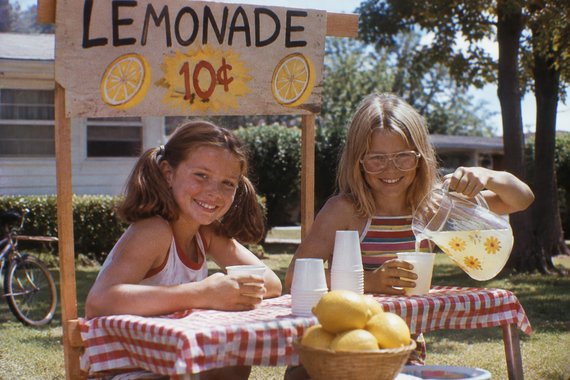
Remember when summer vacation meant waking up without an alarm, throwing on your sneakers, and heading outside without having the slightest idea what the day would bring? Summer vacation in the 1980s wasn’t necessarily filled with carefully planned activities, expensive camps, or family vacations. For many kids, it meant riding bikes around the neighborhood, spending entire afternoons at the public pool, and finding creative ways to entertain themselves until it was time for dinner.
Of course, this was long before smartphones, streaming services, and group chats made it possible to stay connected and entertained around the clock. If you wanted to see your friends, you usually had to knock on their doors. And if you got bored, well, you had to figure out something to do about it yourself.
While not every childhood was quite so carefree, there was something special about those long, seemingly endless summer days. From backyard sprinkler games to family road trips with paper maps, here are 12 ways summer vacation in the 1980s felt completely different from the way many kids experience it today.
Kids Could Spend Entire Days Outside Without a Detailed Schedule
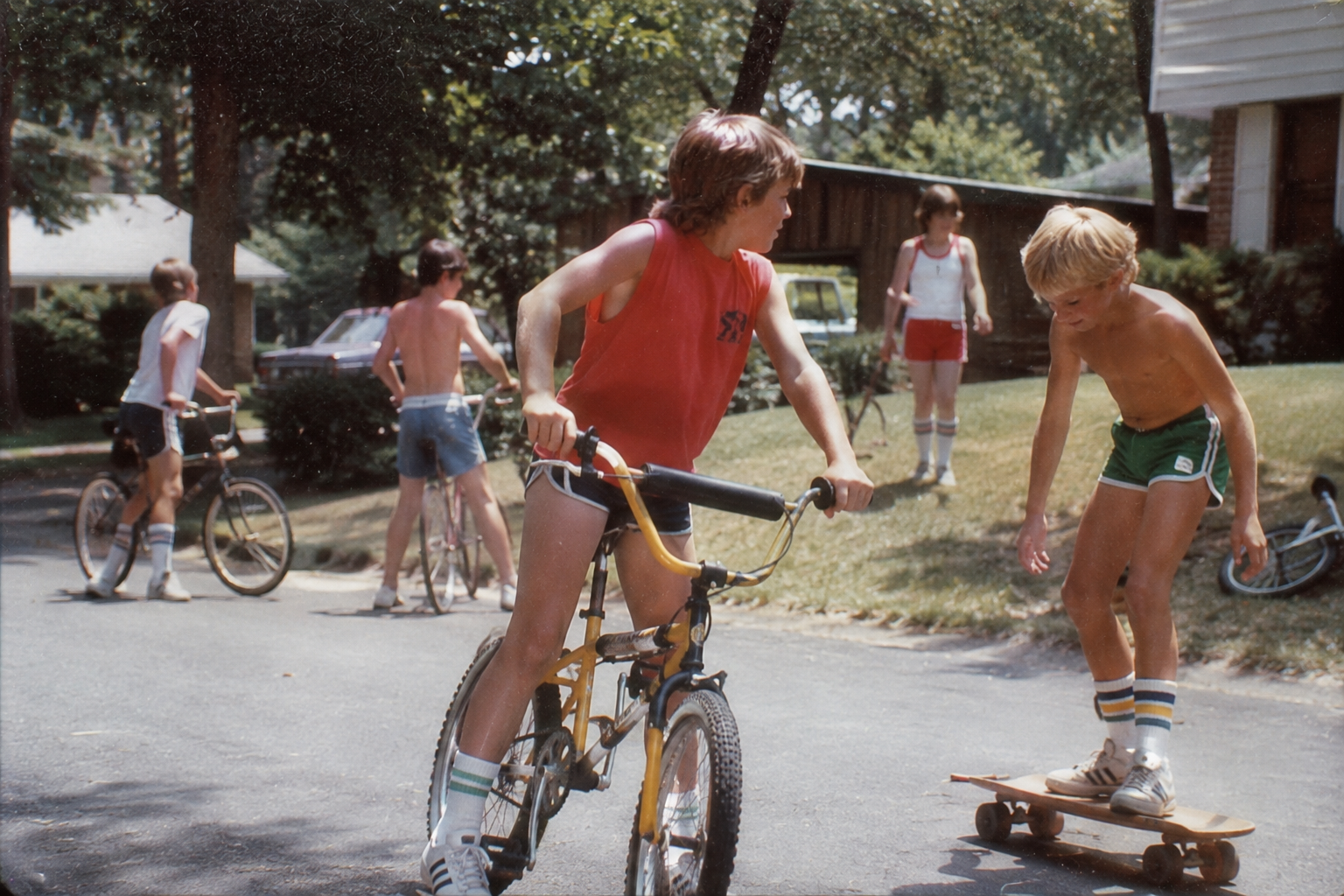
For many kids growing up in the 1980s, summer mornings started with a quick breakfast and a simple question: “Can I go outside?” Once you got permission, the rest of the day was yours to figure out. You might ride your bike around the neighborhood, play hide-and-seek with friends, or spend hours exploring the woods behind someone’s house.
And unlike many of today’s carefully scheduled summer activities, there wasn’t always a specific plan. Parents might expect you home for lunch or dinner, but everything in between was often left up to you. In fact, research comparing children’s time use in 1981 and 1997 found that American kids gradually spent more time in structured activities and less time enjoying unstructured play. For those who remember that freedom, it was one of the best parts of summer.
Finding Friends Meant Knocking on Their Doors
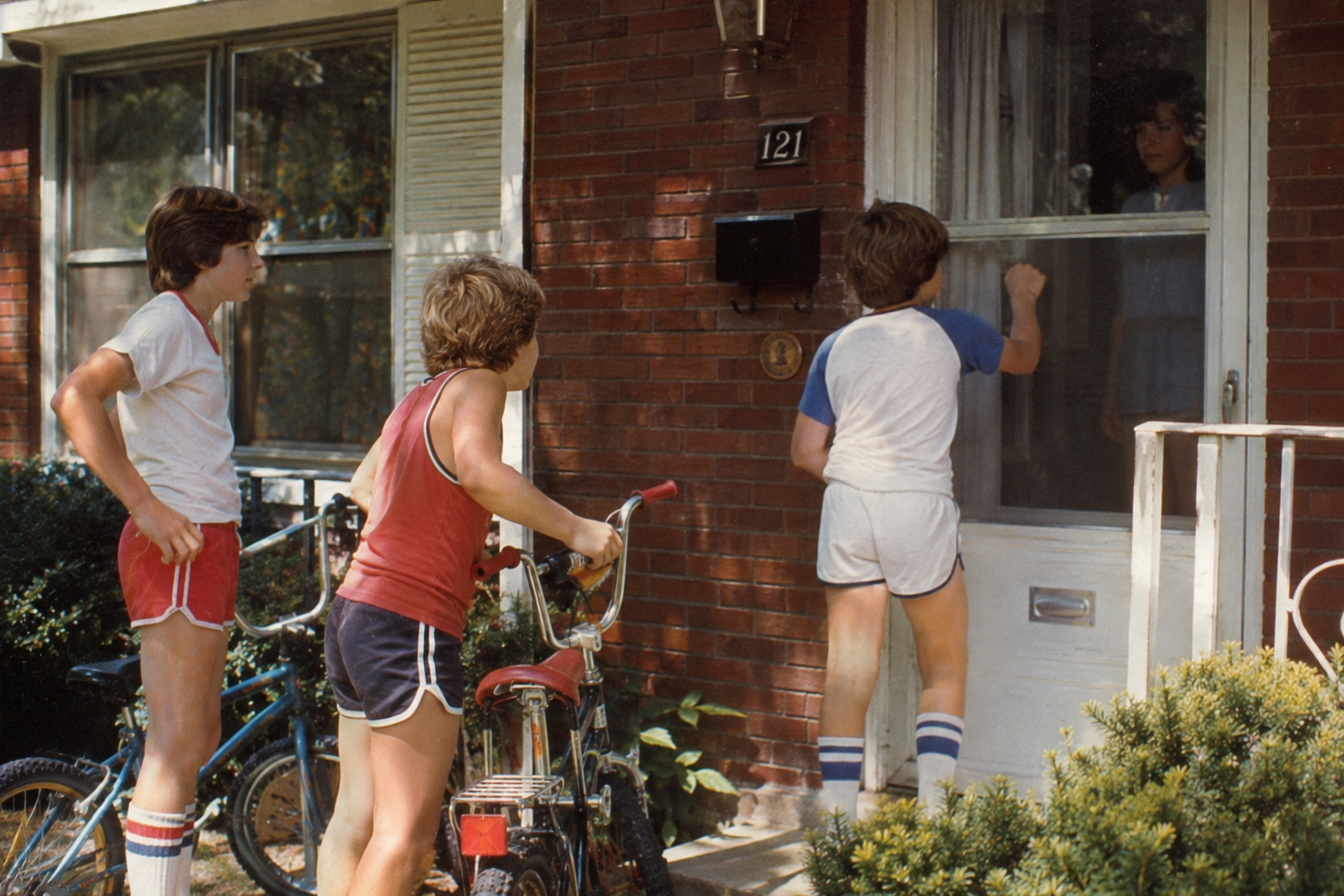
Before cellphones and group chats, finding someone to play with required a little more effort. You couldn’t simply send a text asking whether your friends wanted to hang out. Instead, you grabbed your bike, rode to their houses, and knocked on the front door, hoping someone was home.
Sometimes, you’d end up gathering an entire group of neighborhood kids as you went from house to house. Other times, you’d discover that everyone was already playing somewhere else and have to figure out where they’d gone. A collection of bicycles parked in someone’s driveway was usually a pretty good clue. And if nobody was around, you just kept riding until you found something interesting to do.
The Neighborhood Swimming Pool Was a Major Destination
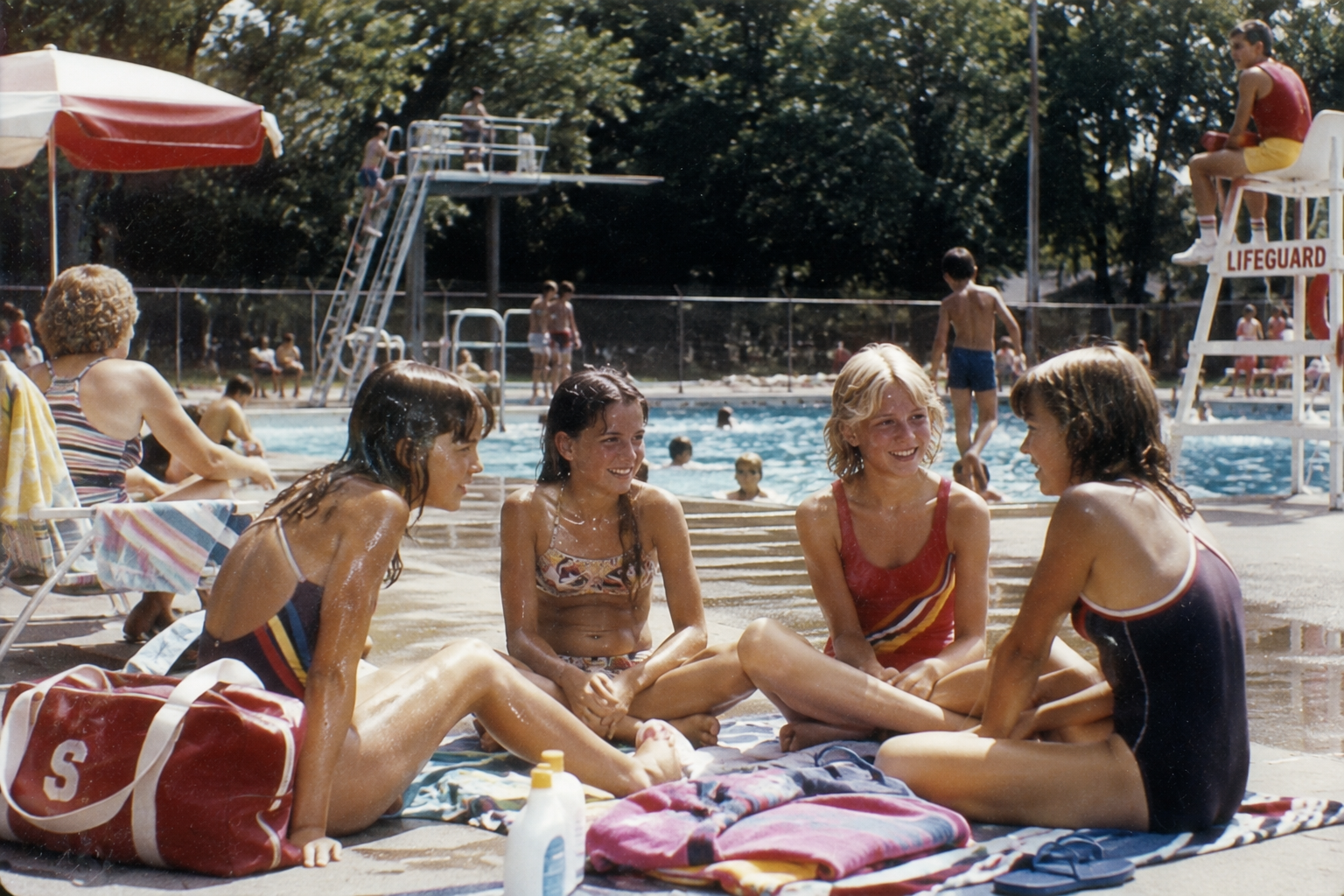
Nothing said summer in the 1980s quite like spending an entire afternoon at the neighborhood swimming pool. For kids who didn’t have a pool in their backyard, community pools were often the next best thing, offering hours of entertainment without the expense of a major family outing.
You’d show up with a towel, some sunscreen, and maybe a couple of dollars for the snack stand, then spend the next several hours jumping off the diving board, racing friends across the pool, and playing games in the water. There were swimming lessons, lifeguards blowing whistles, and the familiar smell of chlorine that seemed to follow you home. By the time your parents picked you up, you were usually exhausted, starving, and already planning to come back the next day.
Road Trips Meant Paper Maps and Asking for Directions
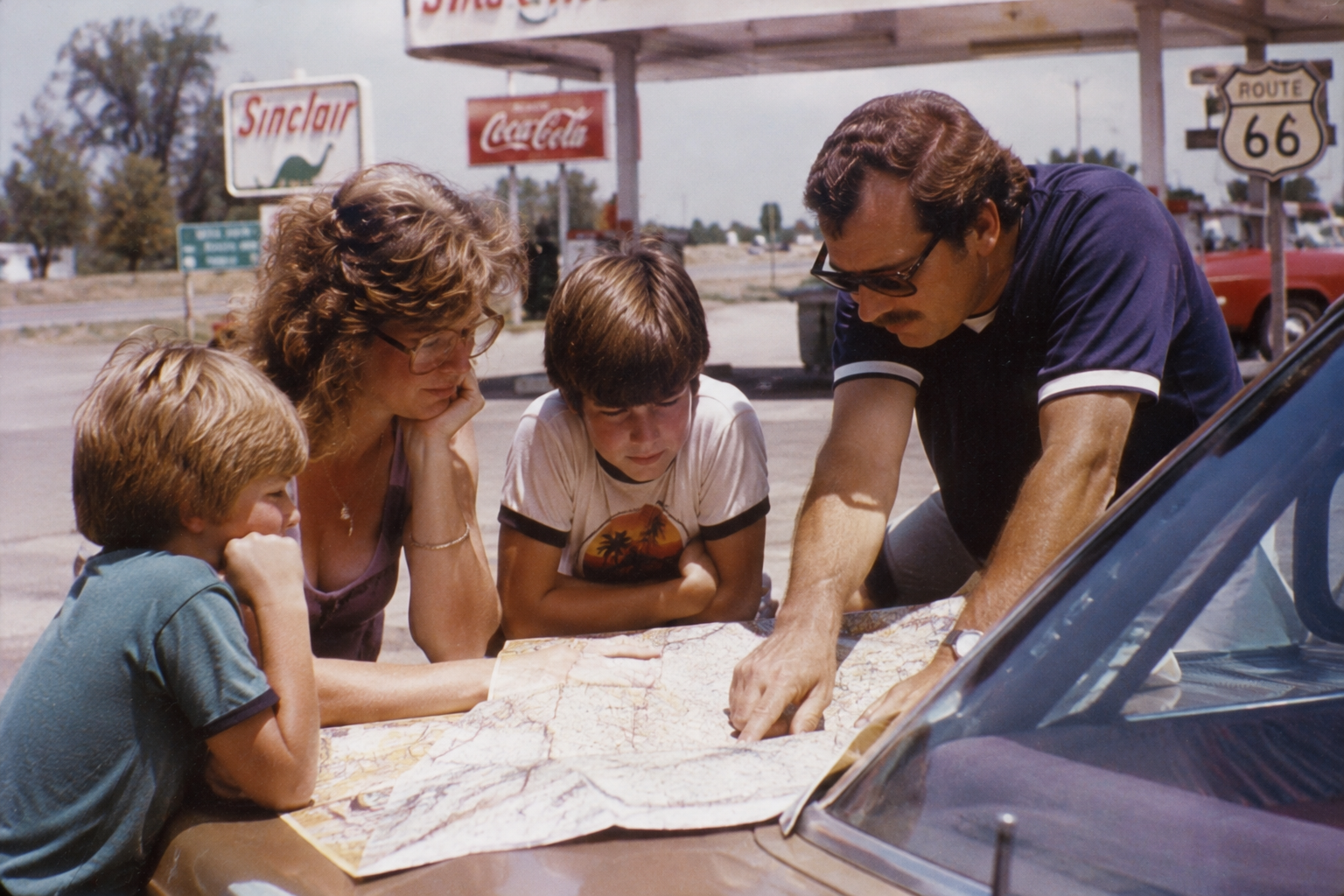
Family road trips in the 1980s required a little more preparation than typing a destination into your phone. Before GPS navigation became commonplace, parents relied on folded paper maps, road atlases, and handwritten directions to figure out where they were going.
And if someone missed an exit? Well, that could mean pulling into a gas station to ask for directions or spending the next half hour trying to find a way back to the highway. Kids sometimes helped navigate by watching road signs and searching for landmarks, although most were probably more interested in asking how much longer the drive would take. Interestingly, AAA introduced its North American Road Atlas in 1984, giving travelers another handy tool for navigating the country’s highways.
Summer Reading Programs Were a Big Deal
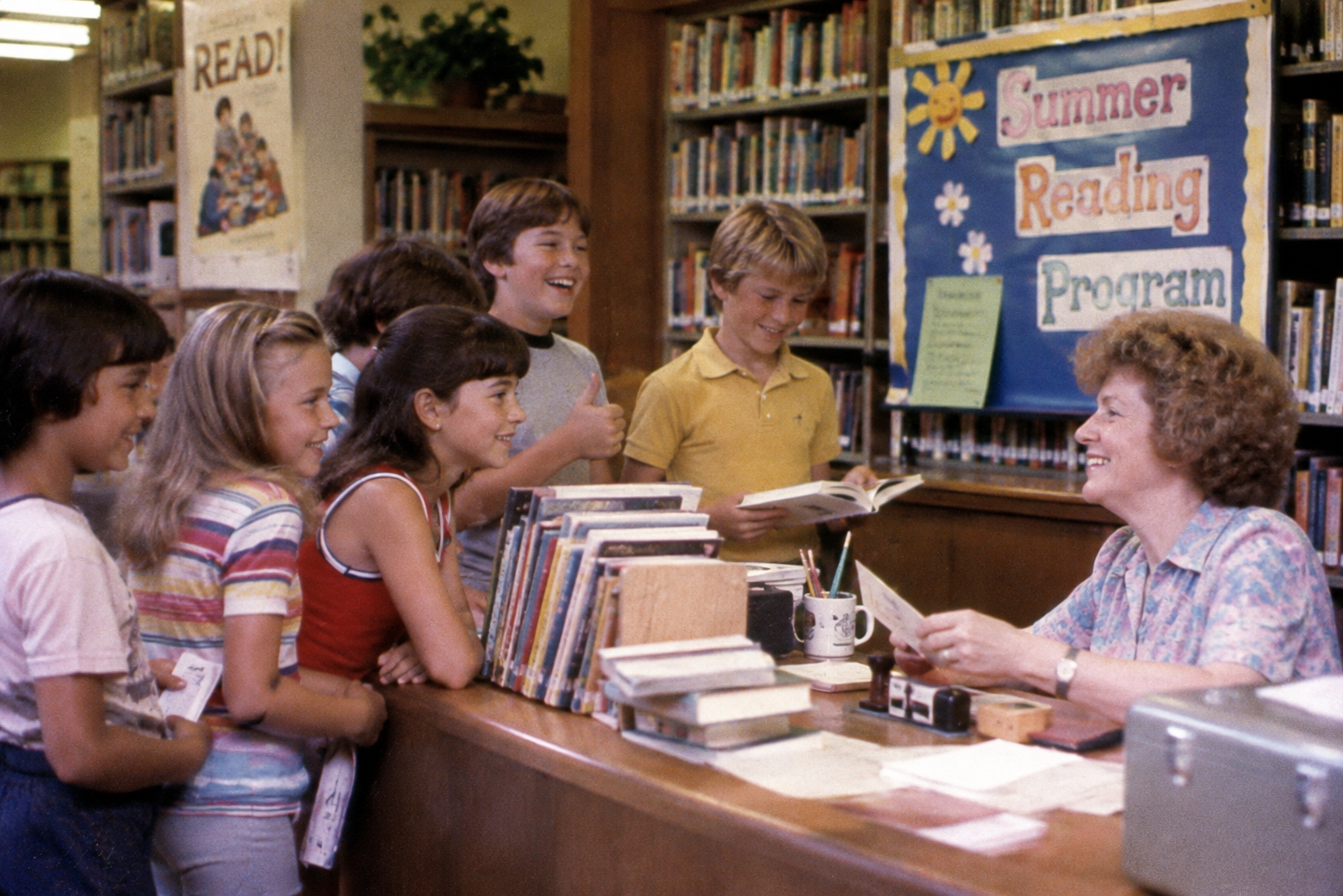
For kids who loved books, summer vacation often meant regular trips to the local public library. Long before digital reading challenges and online book trackers, libraries organized summer reading programs where children could keep track of the books they finished and earn small rewards along the way.
There were paper reading logs, colorful stamps, certificates, and sometimes even prizes for reaching certain milestones. Libraries also organized themed activities to keep children interested throughout the summer. In Wisconsin, for example, documented summer reading themes included “All Creatures Great and Small” in 1980 and “Summer Splash” in 1988. And for some kids, the best part wasn’t even earning a prize. It was getting to spend an afternoon browsing the shelves and choosing a stack of books to bring home.
Trending on Cheapism


A Backyard Sprinkler Could Entertain Everyone for Hours
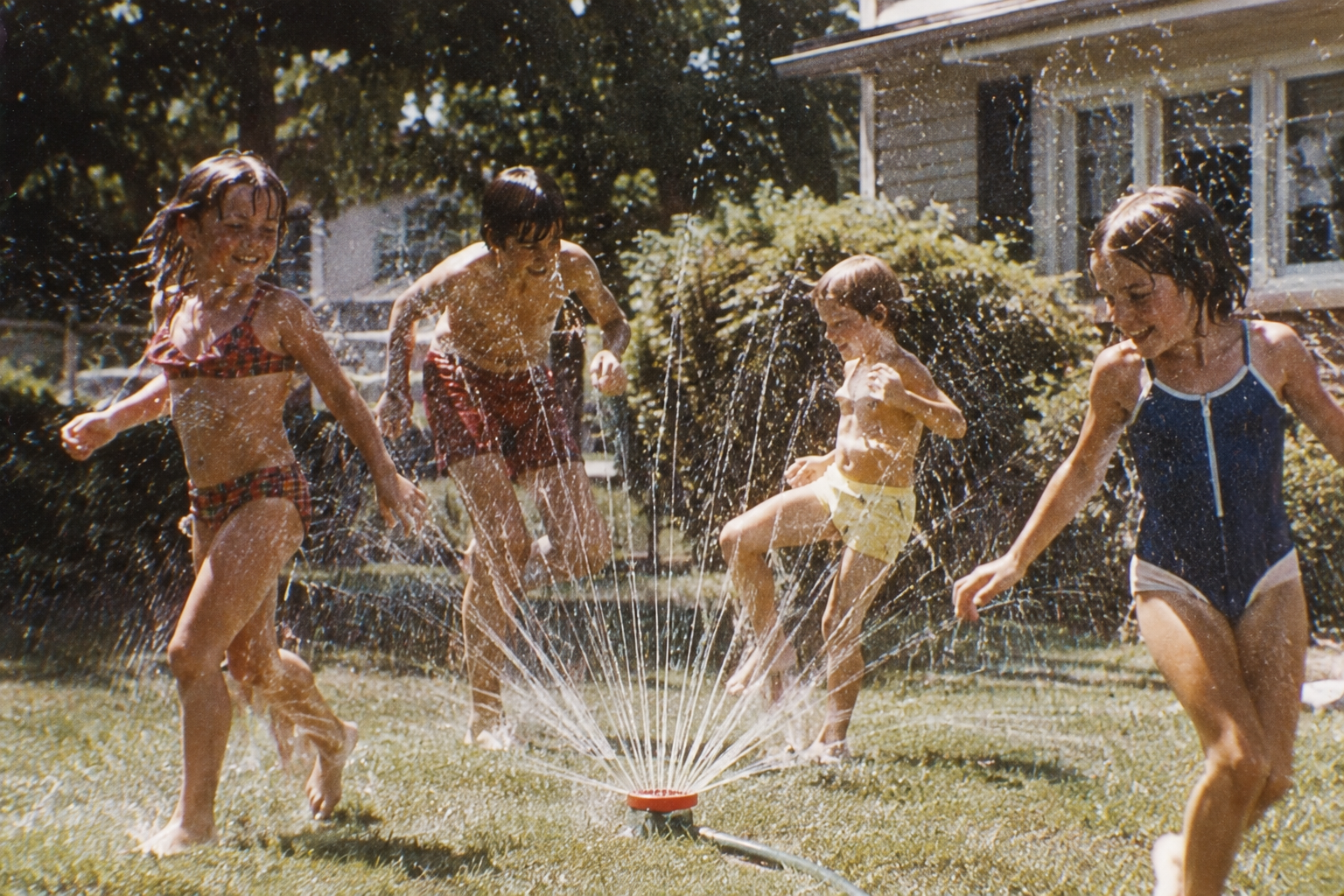
Who needed an expensive water park when you had a garden hose and a lawn sprinkler? On particularly hot summer afternoons, running through the sprinkler was one of the easiest ways to cool off, especially if your family didn’t have a swimming pool.
Kids would take turns jumping over the spray, inventing obstacle courses, or daring each other to run through the cold water without screaming. Sometimes, the entire neighborhood seemed to end up in someone’s backyard, soaking wet and laughing over absolutely nothing. By the end of the afternoon, the grass was muddy, everyone’s towels were scattered across the lawn, and nobody wanted to go inside.
Kids Organized Their Own Baseball and Kickball Games
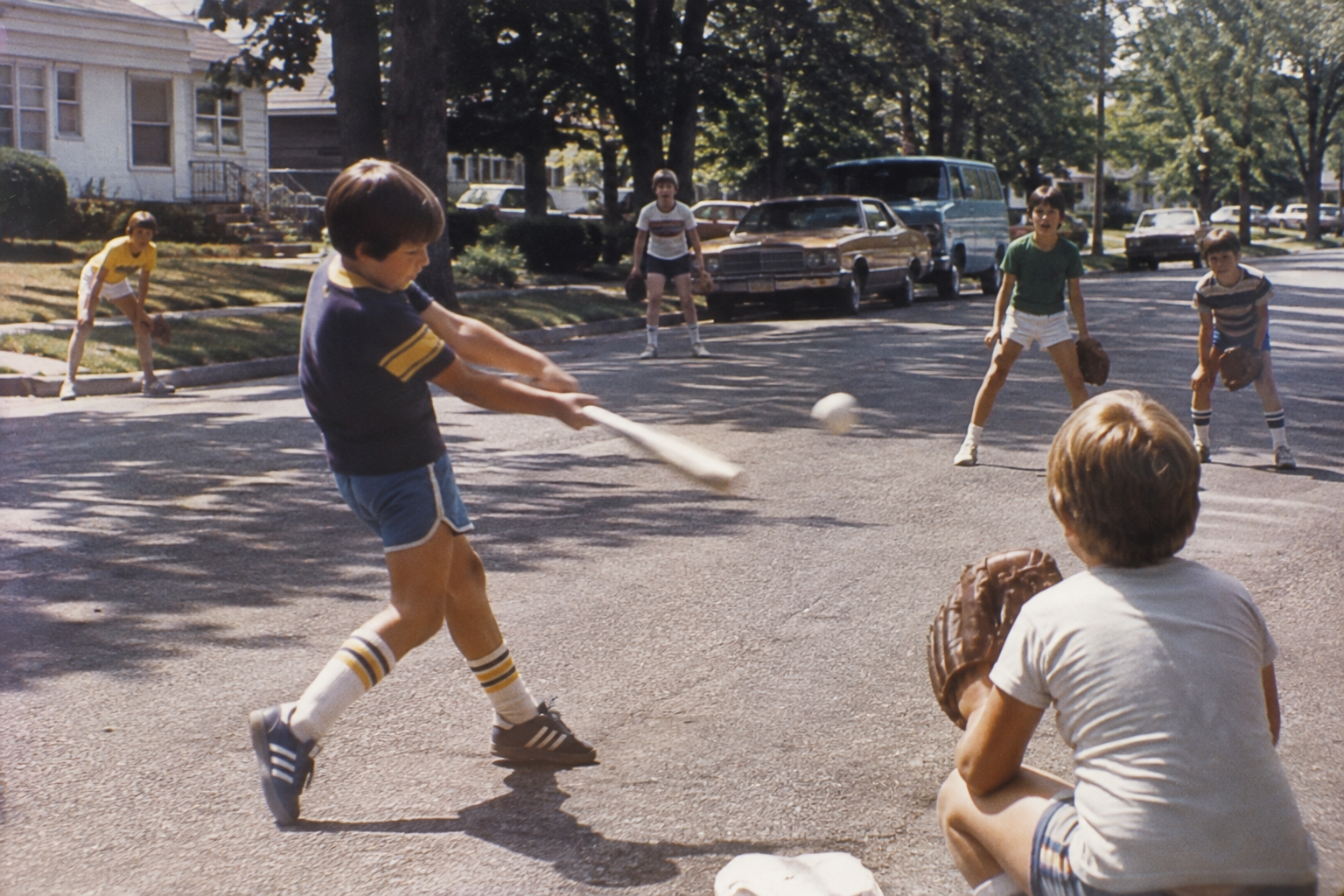
In the 1980s, you didn’t always need a coach, matching uniforms, or a carefully organized sports league to play a game of baseball. Sometimes, all it took was a few neighborhood kids, a ball, and an empty patch of grass.
Children would gather in someone’s backyard, a nearby park, or even a quiet residential street to play baseball, kickball, basketball, or whatever else they could come up with. Teams were chosen on the spot, rules were negotiated as the game went along, and a tree or mailbox might serve as a makeshift base. Of course, there were always arguments about whether someone was actually out, but figuring out how to settle those disagreements was part of the experience.
Summer Road Trips Required Inventing Your Own Car Entertainment
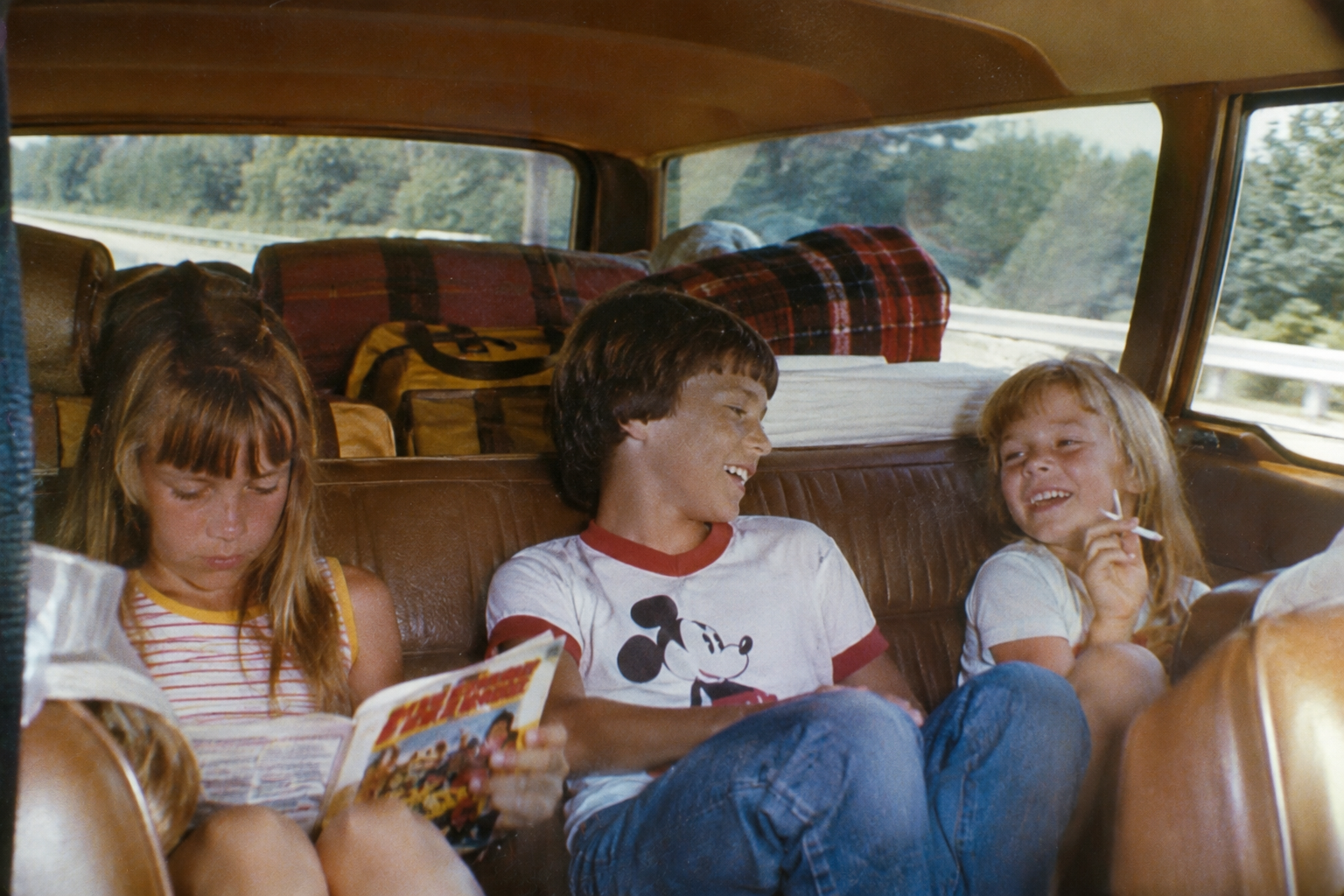
Before tablets, portable DVD players, and streaming services, surviving a long family road trip meant getting creative. Parents might pack coloring books, comic books, cassette tapes, and a few snacks, but eventually, kids had to find their own ways to pass the time.
That’s where classic car games came in. Families played the license plate game, counted certain types of vehicles, or challenged each other to spot specific road signs. And when those activities got boring, there was always the option of staring out the window or arguing with your siblings over who was taking up too much space in the back seat. Naturally, someone would eventually ask, “Are we there yet?” Usually about 20 minutes after leaving home.
Sign up for our newsletter
Renting a Movie Could Be the Highlight of a Summer Evening
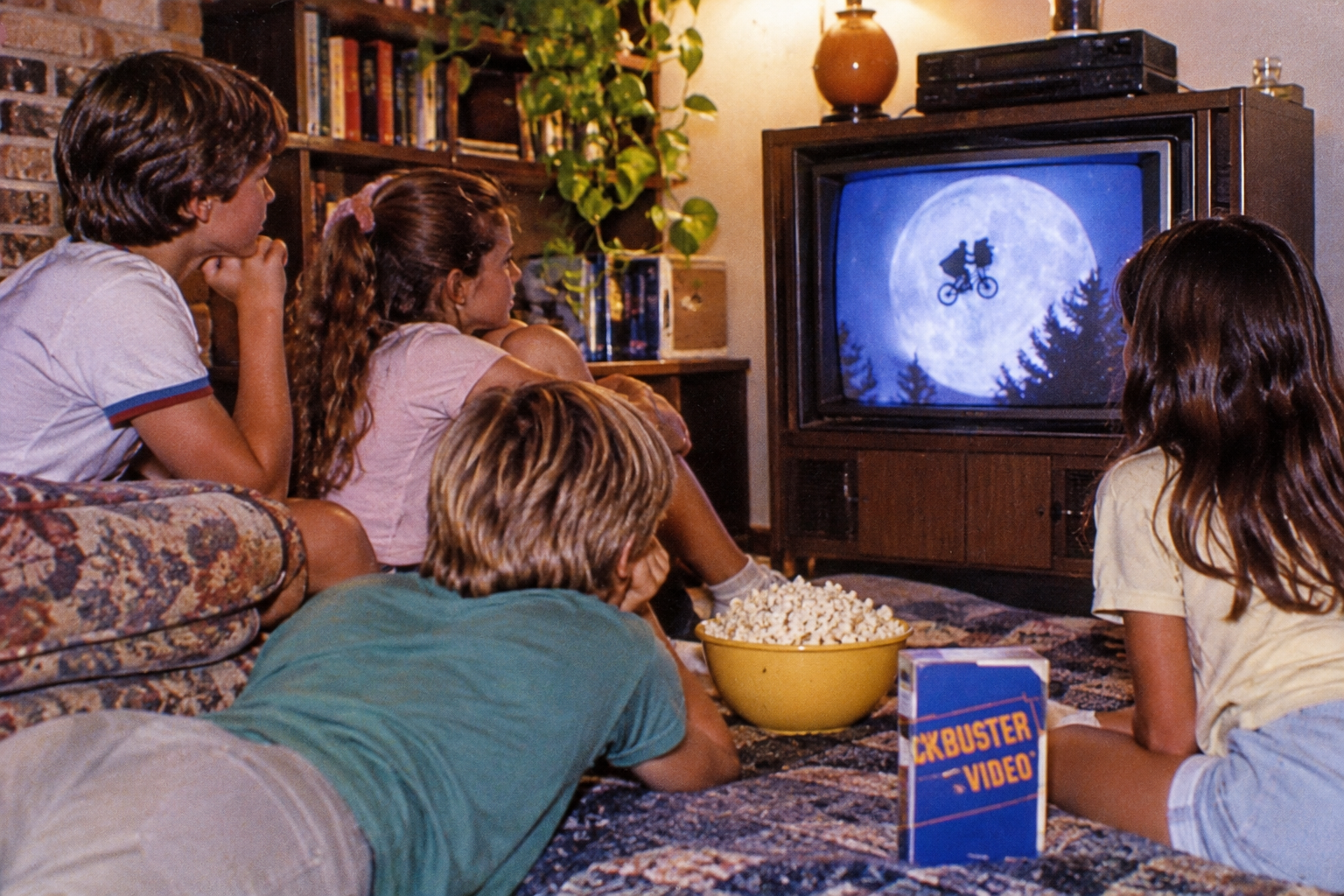
These days, choosing a movie usually means scrolling through a streaming service until everyone agrees on something to watch. But in the 1980s, as VCRs became increasingly common in American homes, renting a movie could be an entire family activity.
You’d head to the neighborhood video store, wander through rows of VHS tapes, and carefully examine the covers before deciding what to bring home. Sometimes, the movie you really wanted was already rented, forcing you to settle for your second or third choice. But once everyone agreed, you’d pick up some popcorn or candy, head home, and gather around the television. For many families, that simple ritual was one of the highlights of a summer evening.
Boredom Was an Ordinary Part of the Summer
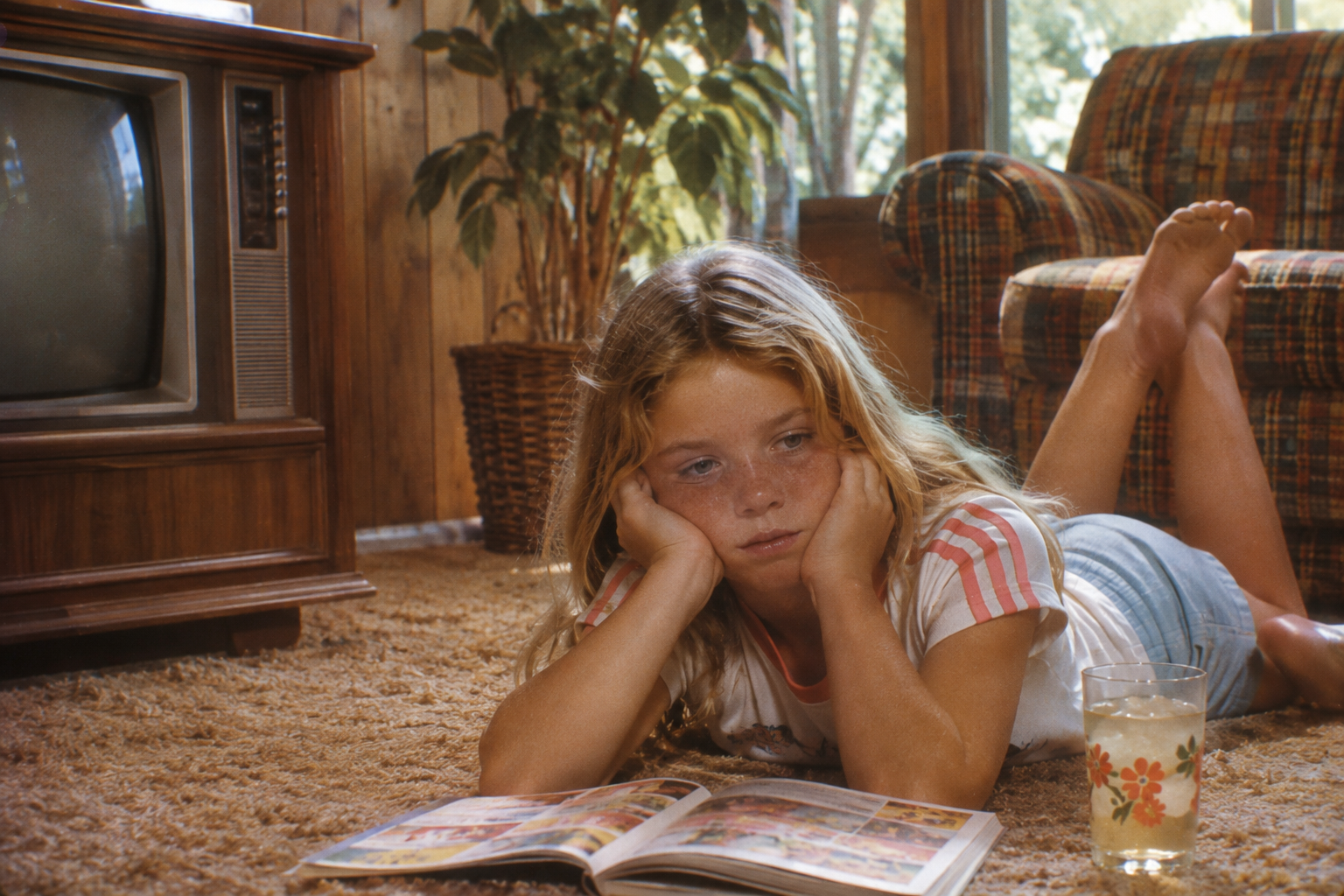
Here’s something that might sound strange to kids growing up with smartphones and endless entertainment options: In the 1980s, being bored was simply part of summer vacation. There were afternoons when your friends weren’t available, nothing interesting was on television, and you couldn’t think of a single thing to do.
Of course, telling your parents you were bored wasn’t always a great idea. There was a pretty good chance they’d suggest cleaning your room, washing the dishes, or helping with yard work. So instead, you might end up drawing, building something out of cardboard boxes, inventing a game, or wandering outside to see what was happening. Sometimes, the most memorable summer adventures started because there was absolutely nothing else to do.
Making a Little Spending Money Was Part of the Fun
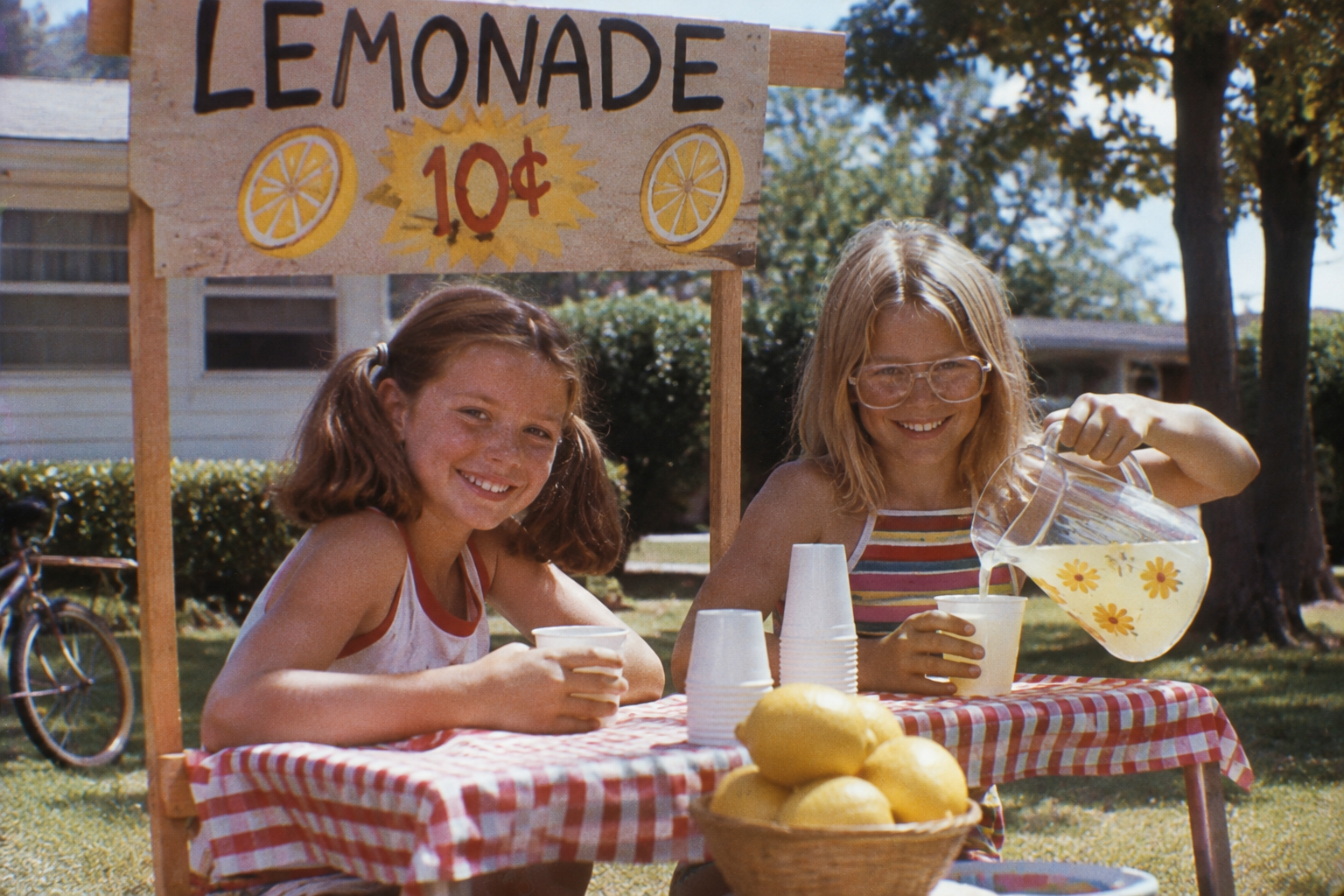
For some kids in the 1980s, summer vacation was also an opportunity to earn a little extra money. Whether it was mowing a neighbor’s lawn, washing cars, delivering newspapers, or babysitting, there were plenty of small jobs that could help put a few dollars in your pocket.
And while the earnings weren’t exactly impressive, they could go a surprisingly long way toward buying the things kids actually wanted. A few dollars might cover an ice cream cone, a handful of arcade games, or a pack of baseball cards. There was also something satisfying about spending money you’d earned yourself, even if you ended up blowing the entire amount on candy before the afternoon was over.
The End of Summer Felt Like a Major Event
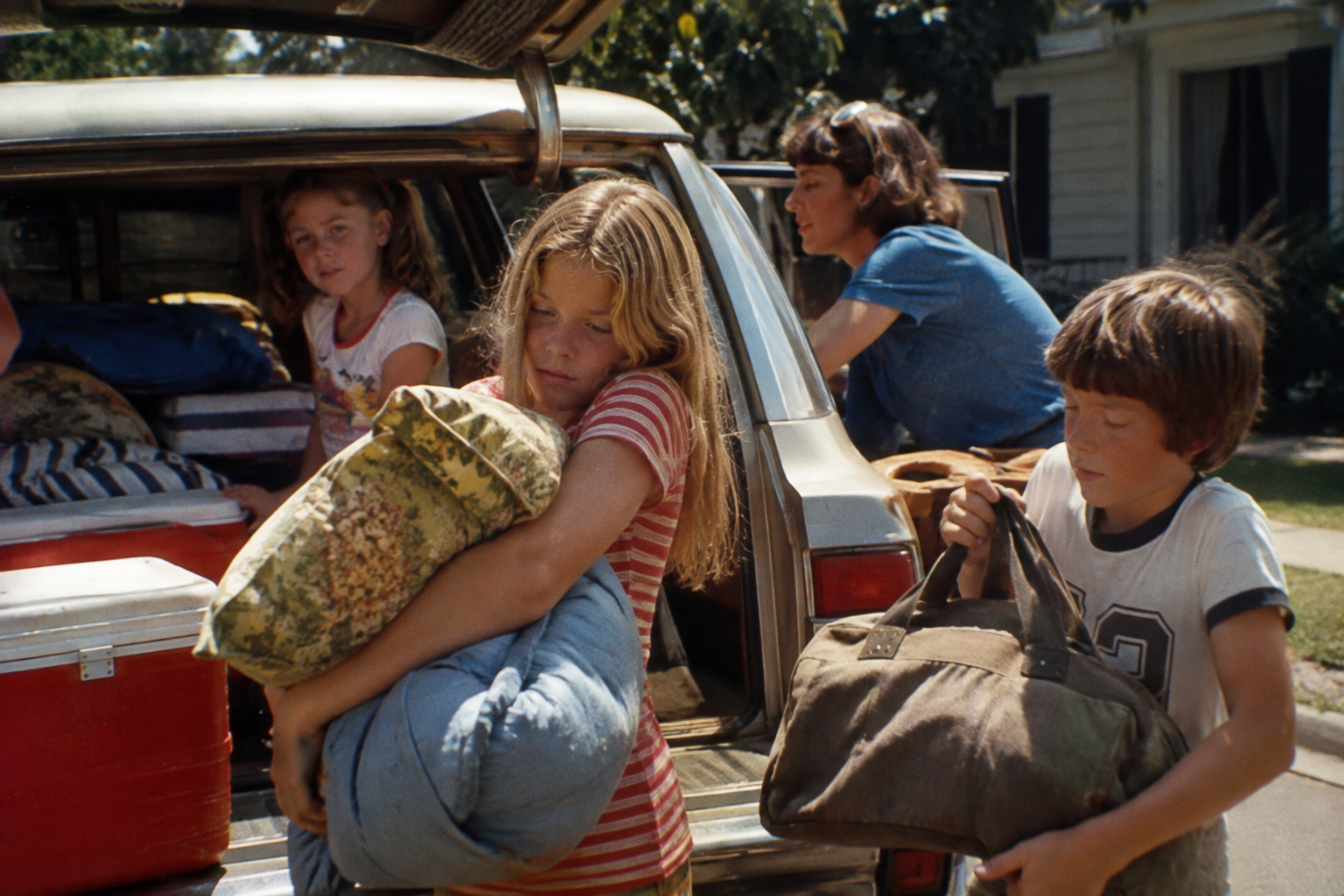
As August came to an end, summer vacation started to feel a little different. Suddenly, there were back-to-school shopping trips, new sneakers to break in, and the realization that those endless afternoons outside were almost over.
But returning to school also meant something exciting: seeing classmates you might not have spoken to all summer. Without social media or group chats keeping everyone constantly updated, there were stories to exchange, vacations to describe, and new hairstyles to show off. You never knew who might have grown several inches, gotten braces, or come back looking completely different. And while nobody was particularly thrilled about homework returning, the first day of school always felt like the beginning of something new.
When Summer Vacation Was About the Little Things
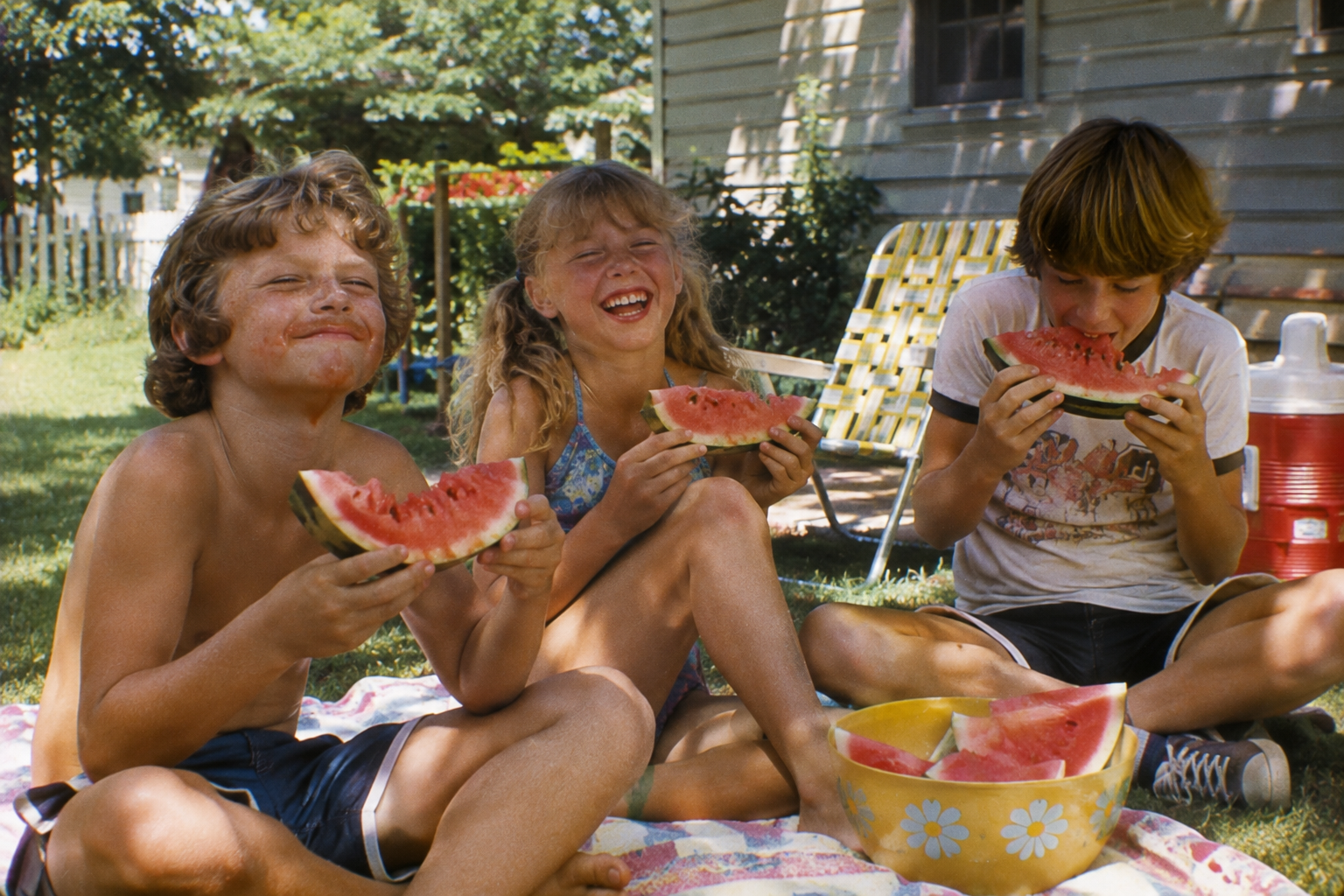
Summer vacation in the 1980s wasn’t necessarily filled with expensive trips, elaborate activities, or perfectly planned family outings. For many kids, the best memories came from ordinary afternoons spent riding bikes, playing with friends, running through sprinklers, or staying up late to watch a rented movie.
Of course, children today can still enjoy many of those same activities. But without smartphones, streaming services, and constant digital communication, summer break often unfolded at a different pace. And for those who grew up during the decade, it’s hard not to feel a little nostalgic for a time when having absolutely nothing planned could turn out to be the best part of the day.