Date night in the 1960s didn’t have to mean reservations at a fancy restaurant or tickets to an expensive show. For plenty of young couples, cheap date ideas in the 1960s were all about getting out of the house, finding somewhere affordable to hang out, and stretching a few dollars into an entire evening.
That might mean splitting a milkshake at a diner, catching a movie at the drive-in, cruising around with the radio on, or heading to a school dance. Cars and music were a huge part of dating culture, but parks, bowling alleys, ice cream stands, and neighborhood theaters also gave couples inexpensive places to spend time together.
Of course, dating experiences varied considerably depending on where you lived and who you were, particularly during a decade still shaped by segregation and other social barriers. But for many American teens and young adults, these 12 cheap date ideas were familiar ways to have fun without spending a fortune.
Going to the Drive-In
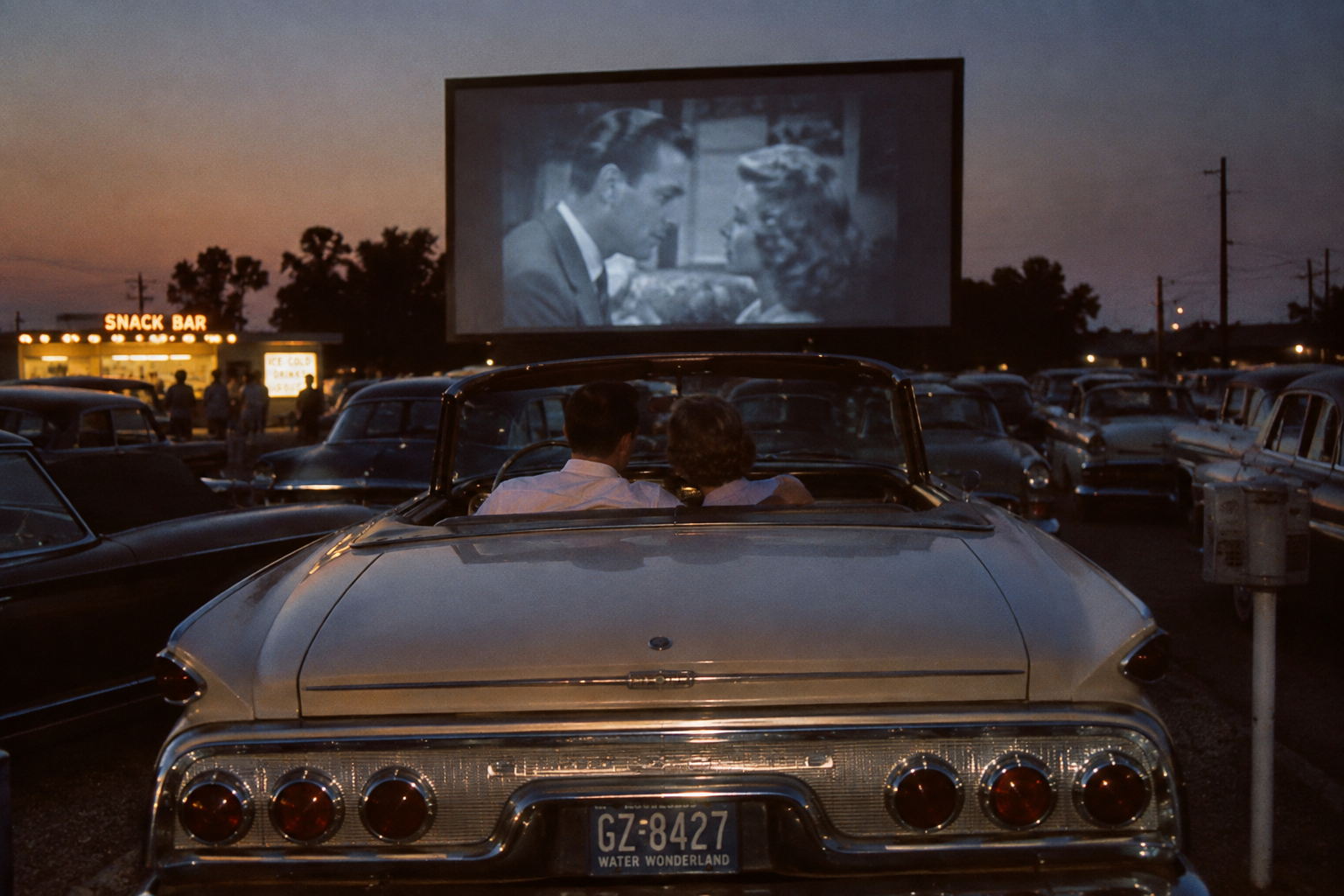
A drive-in could turn the price of a movie ticket into an entire evening out. Couples could bring snacks from home, skip the concession stand if money was tight, and enjoy a little more privacy than they’d get sitting in a traditional theater. Drive-ins were still enormously popular during the 1960s, with rows of cars parked beneath the giant screen and individual speakers clipped onto windows. For young couples lucky enough to have access to a car, it was practically tailor-made for date night.
Splitting a Milkshake at a Diner
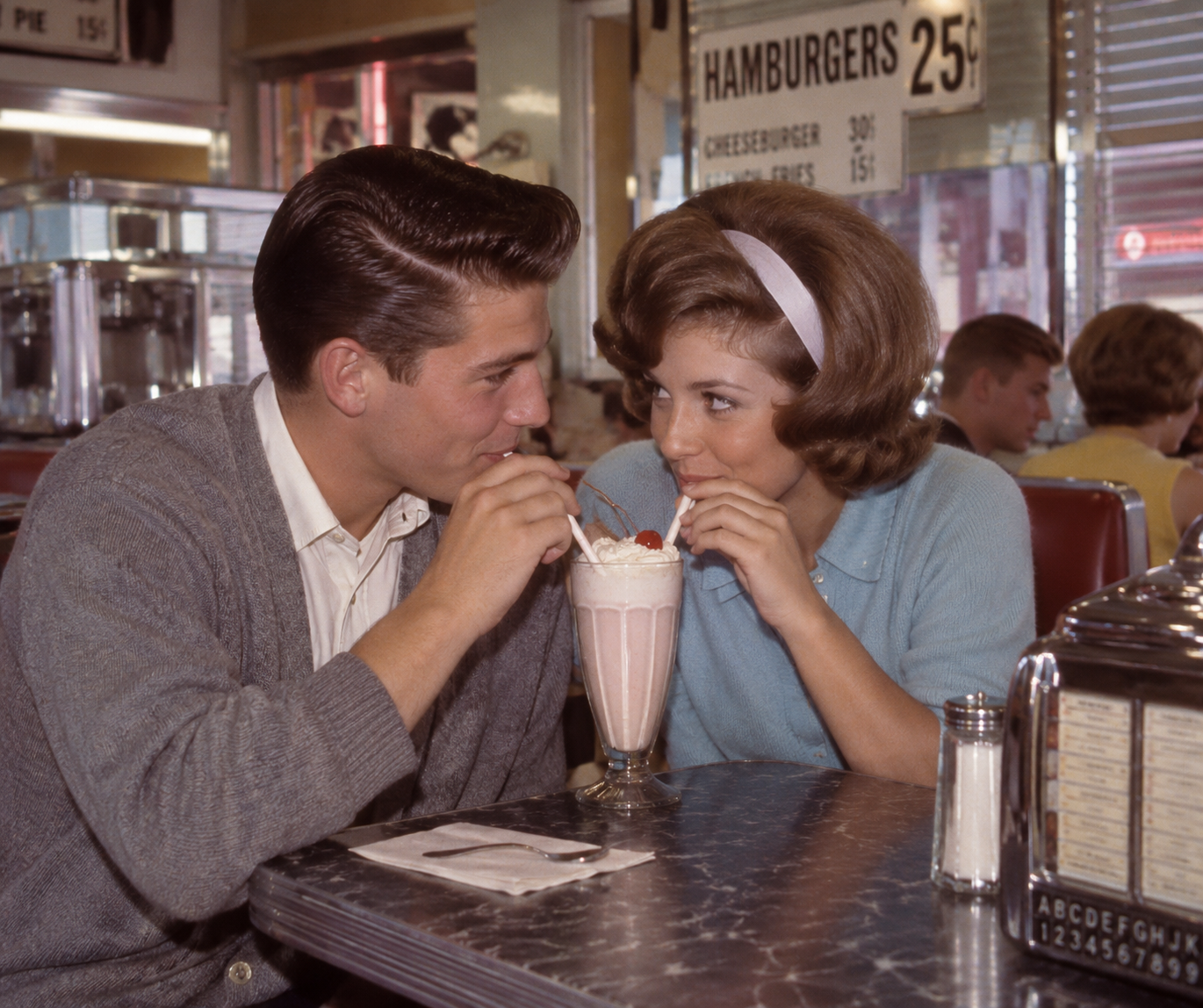
You didn’t necessarily need to order dinner to make a diner into a date. A milkshake, a basket of fries, or a couple of sodas could buy an excuse to settle into a booth and talk for an hour or two. Diners, soda fountains, and coffee shops offered young couples an inexpensive place to linger, often with a jukebox providing the soundtrack. And while sharing one milkshake with two straws might seem like a movie cliché now, there’s a reason the image became shorthand for old-fashioned romance.
Going for a Long Drive
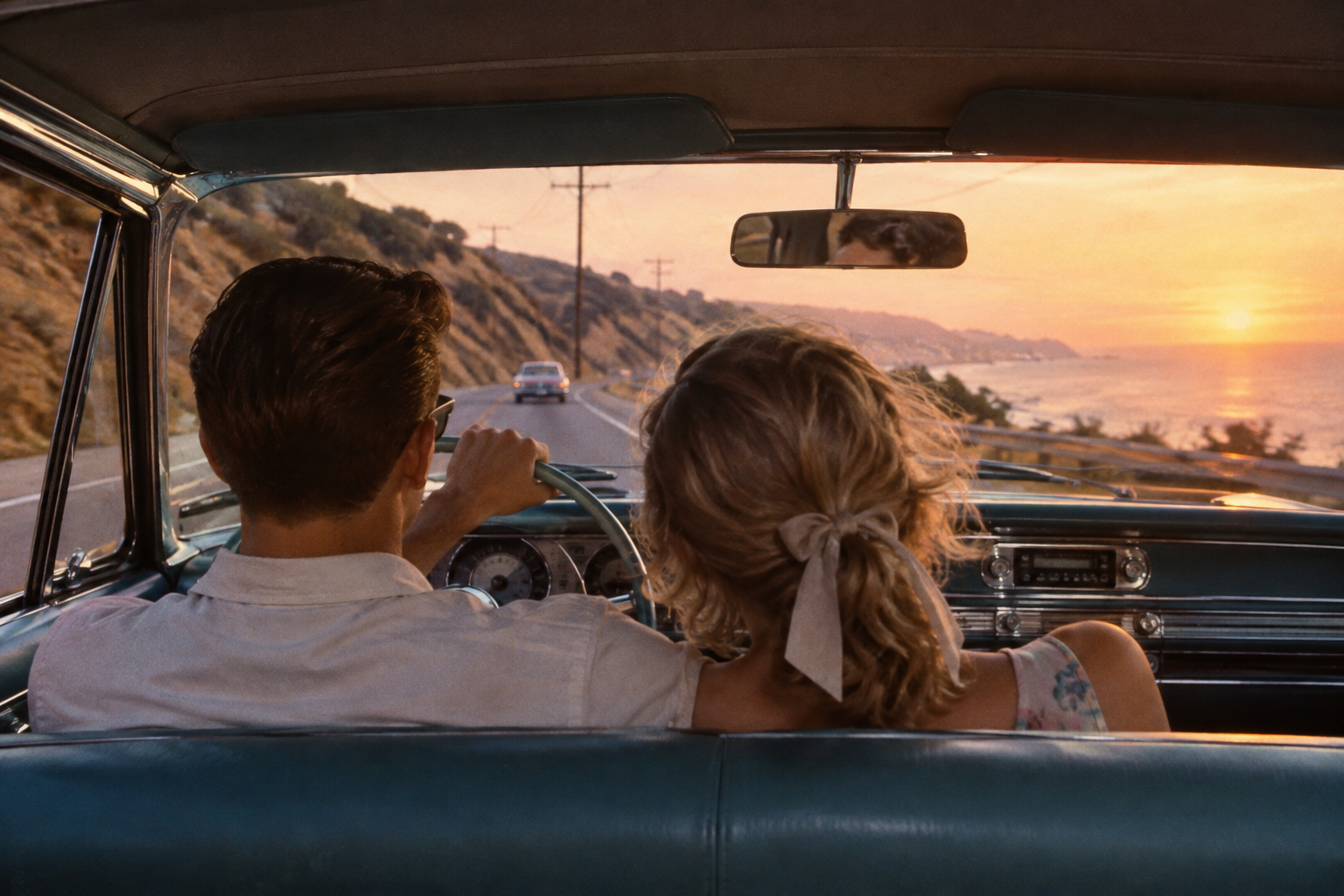
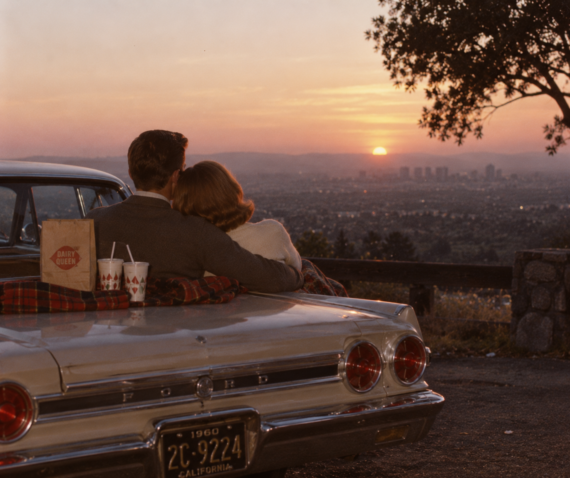
Sometimes the car wasn’t transportation to the date — it was the date. Couples could cruise the main strip, listen to AM radio, stop at a drive-in restaurant, or head somewhere with a view and park for a while. America’s already-strong car culture remained central to youth life in the 1960s, and simply having access to a set of wheels could offer a level of independence that was hard to find elsewhere. Aside from gas and perhaps a snack along the way, the evening didn’t have to cost much.
Listening to Records at Home
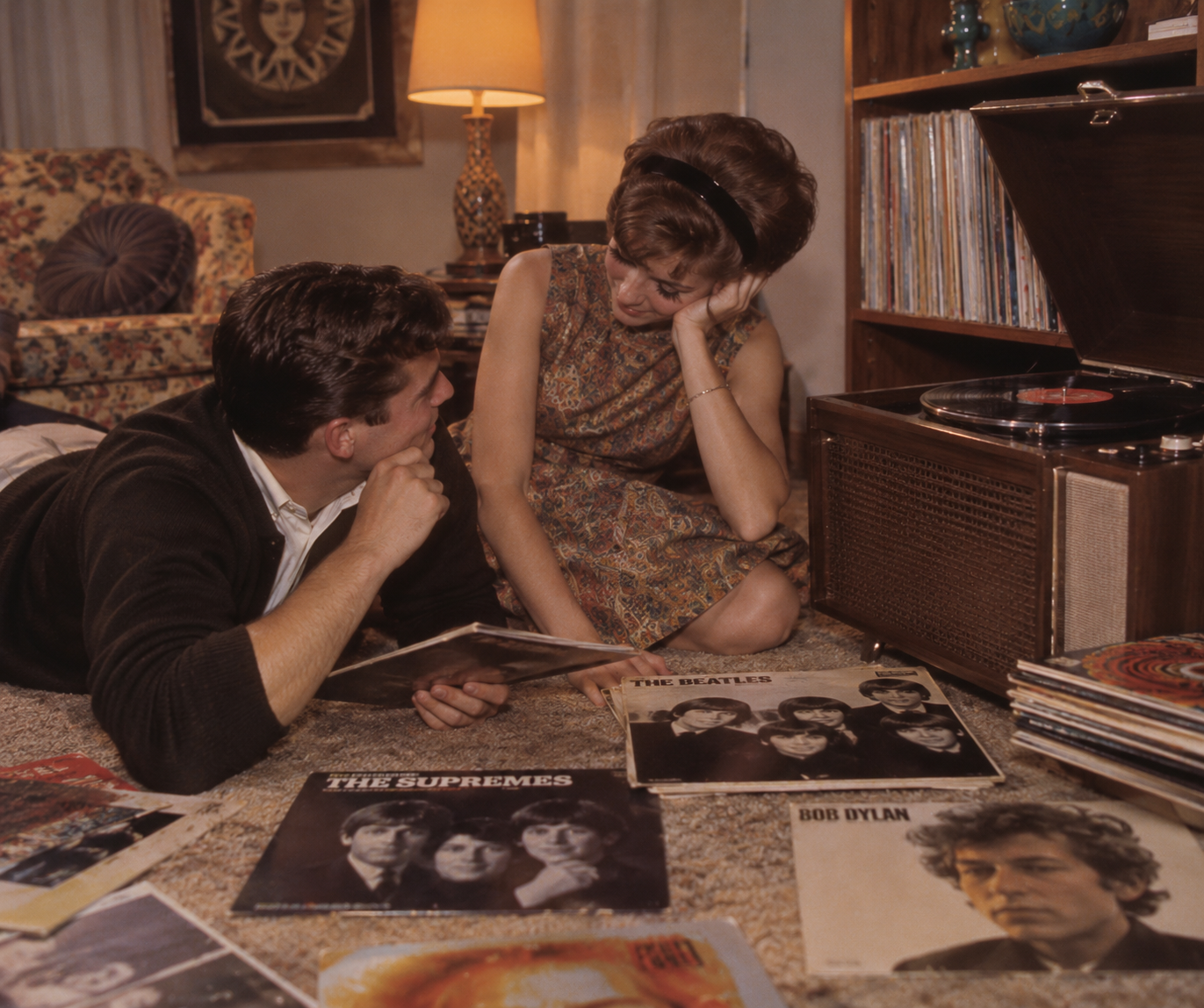
A stack of records could provide hours of entertainment without anyone buying a ticket or leaving the house. Couples might put on LPs or 45s and spend the evening listening to the Beatles, the Supremes, the Beach Boys, or whatever else happened to be in the collection. With rock, soul, Motown, and folk all helping define the decade, music became an increasingly important part of youth culture. The only challenge was finding a living room, basement, or bedroom where parents wouldn’t hover too closely.
Going to a Local Dance
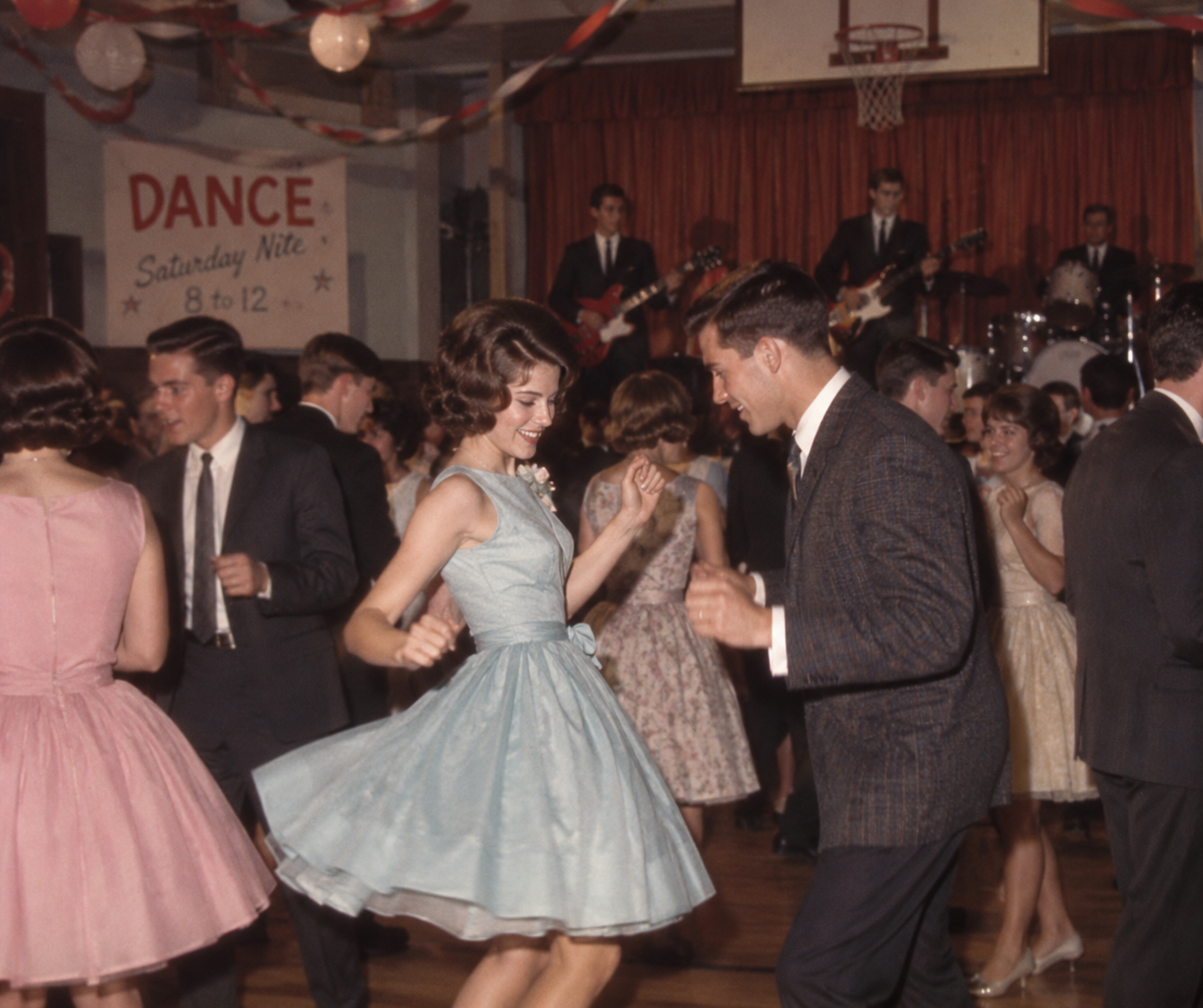
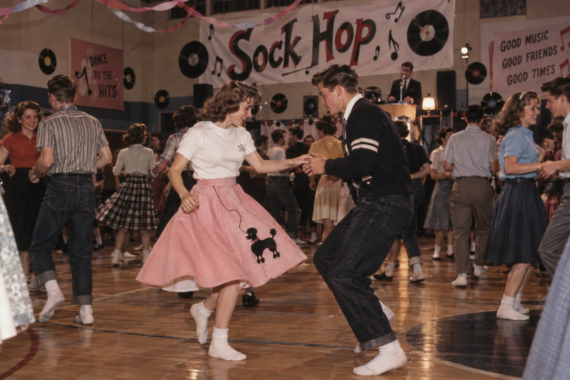
Before paying a small fortune to see a major artist became a standard night out, couples could find music much closer to home. School dances, church socials, community centers, and teen clubs offered inexpensive places to dance for hours, sometimes to records and sometimes to a local band. The early ’60s also brought dance crazes such as the Twist, which famously didn’t even require a partner. A few dollars at the door could be enough to cover most of the night’s entertainment.
Trending on Cheapism

Bowling
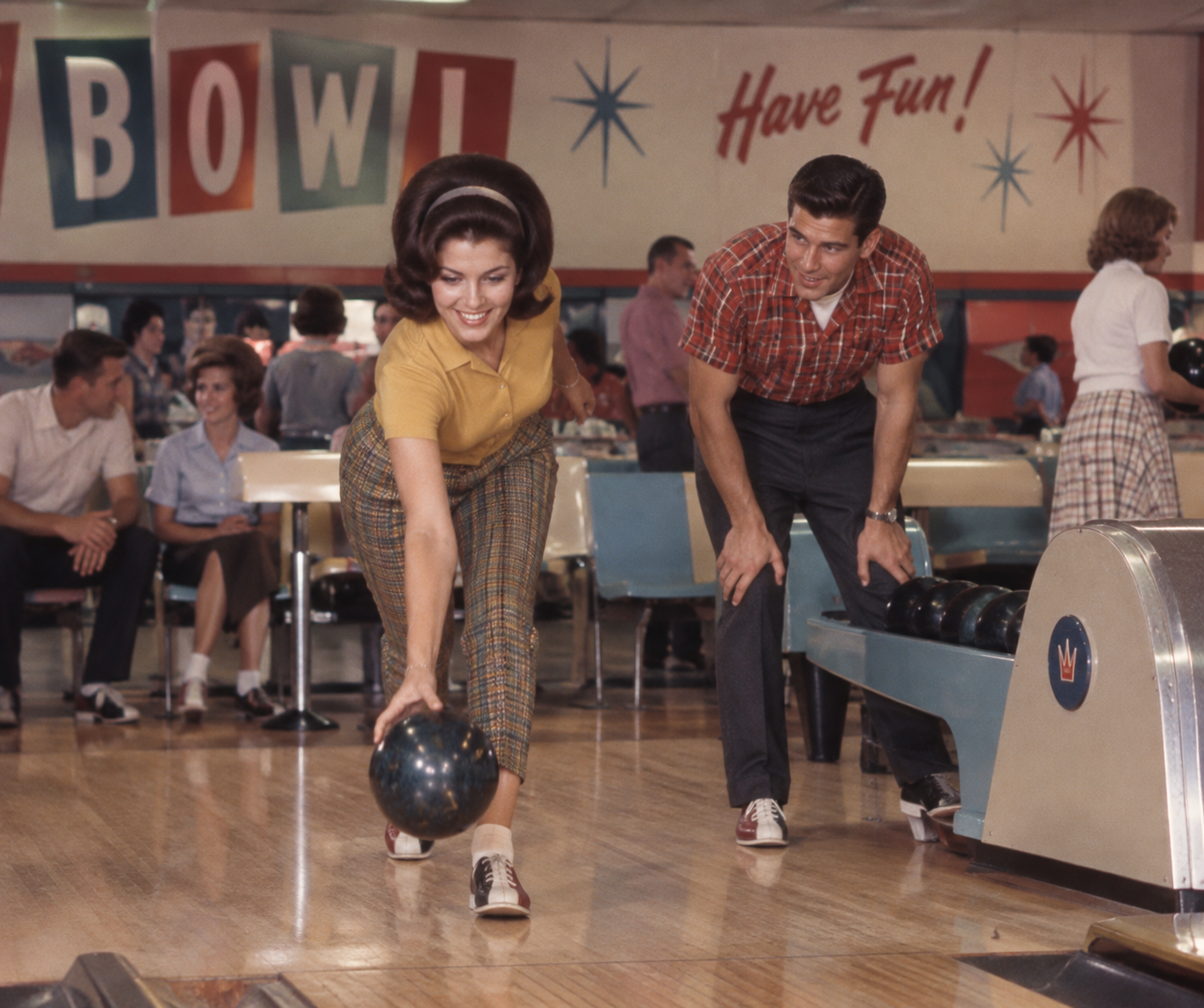
Bowling had nearly everything you could want from a budget date: an activity, snacks, plenty of time to talk, and something to focus on when the conversation stalled. A couple could rent shoes, play a game or two, and make an evening of it without the expense of a fancy dinner. Bowling alleys were major social gathering spots in mid-century America, and scorekeeping wasn’t always automated, either. Keeping track with a pencil and score sheet was just another part of the experience.
Walking Around Downtown
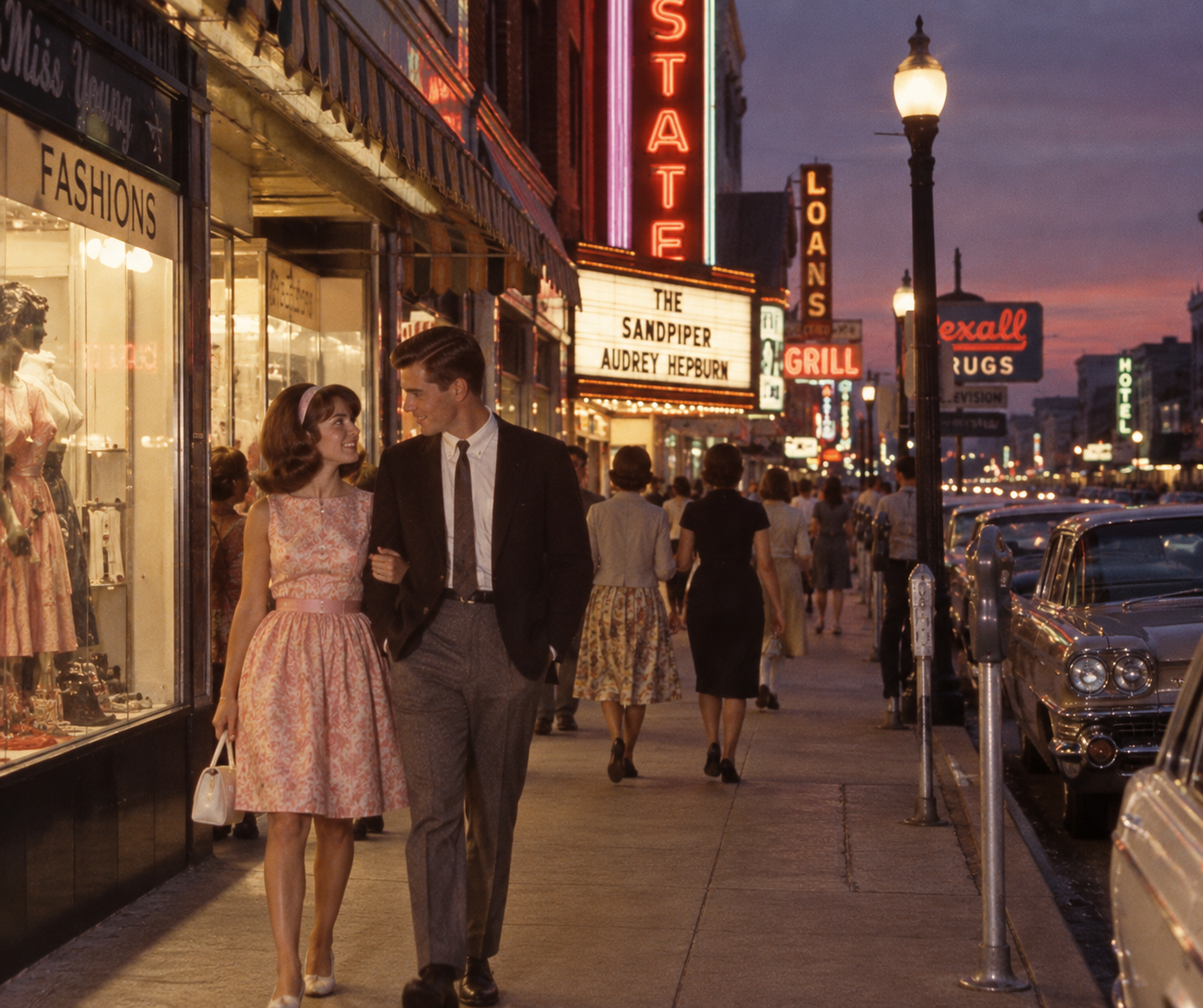
Not every date needed an official itinerary. In smaller towns and walkable city neighborhoods, couples could spend an evening strolling past department-store windows, checking movie marquees, browsing local shops, and deciding whether they had enough change left for a soda. Downtown commercial districts offered plenty to look at without requiring anyone to actually buy something. With glowing neon signs and busy storefronts, even an aimless walk could feel like going somewhere.
Going to a Public Park
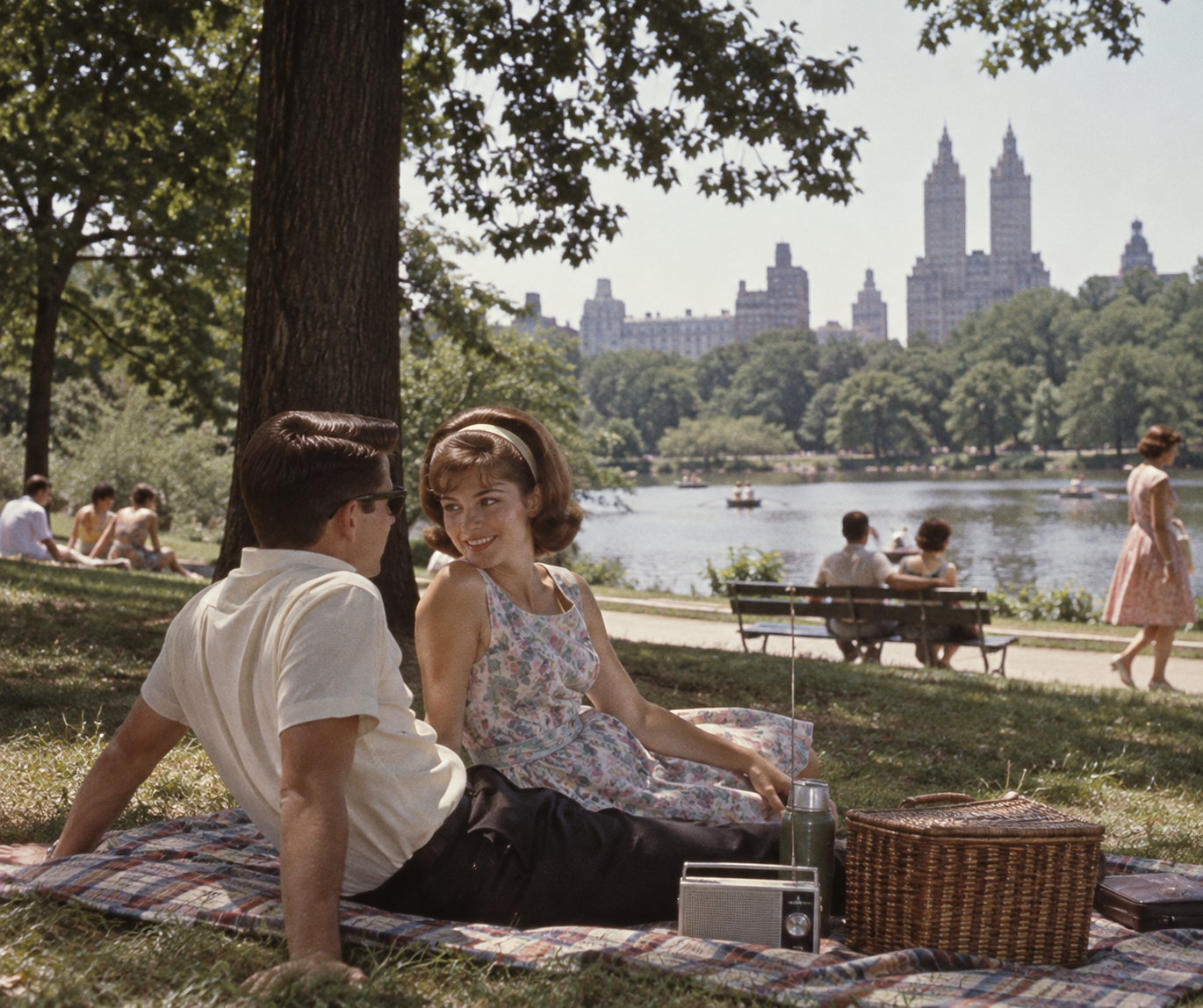
When the budget was close to zero, a public park was hard to beat. Couples could take a walk, find a bench, bring a transistor radio, or spread out a blanket and talk without having to keep ordering something to justify staying. Some parks also hosted concerts, festivals, and community events that provided free or inexpensive entertainment. It wasn’t glamorous, but that was part of the appeal: Spending time together was the activity, and admission was free.
Sign up for our newsletter
Getting Ice Cream
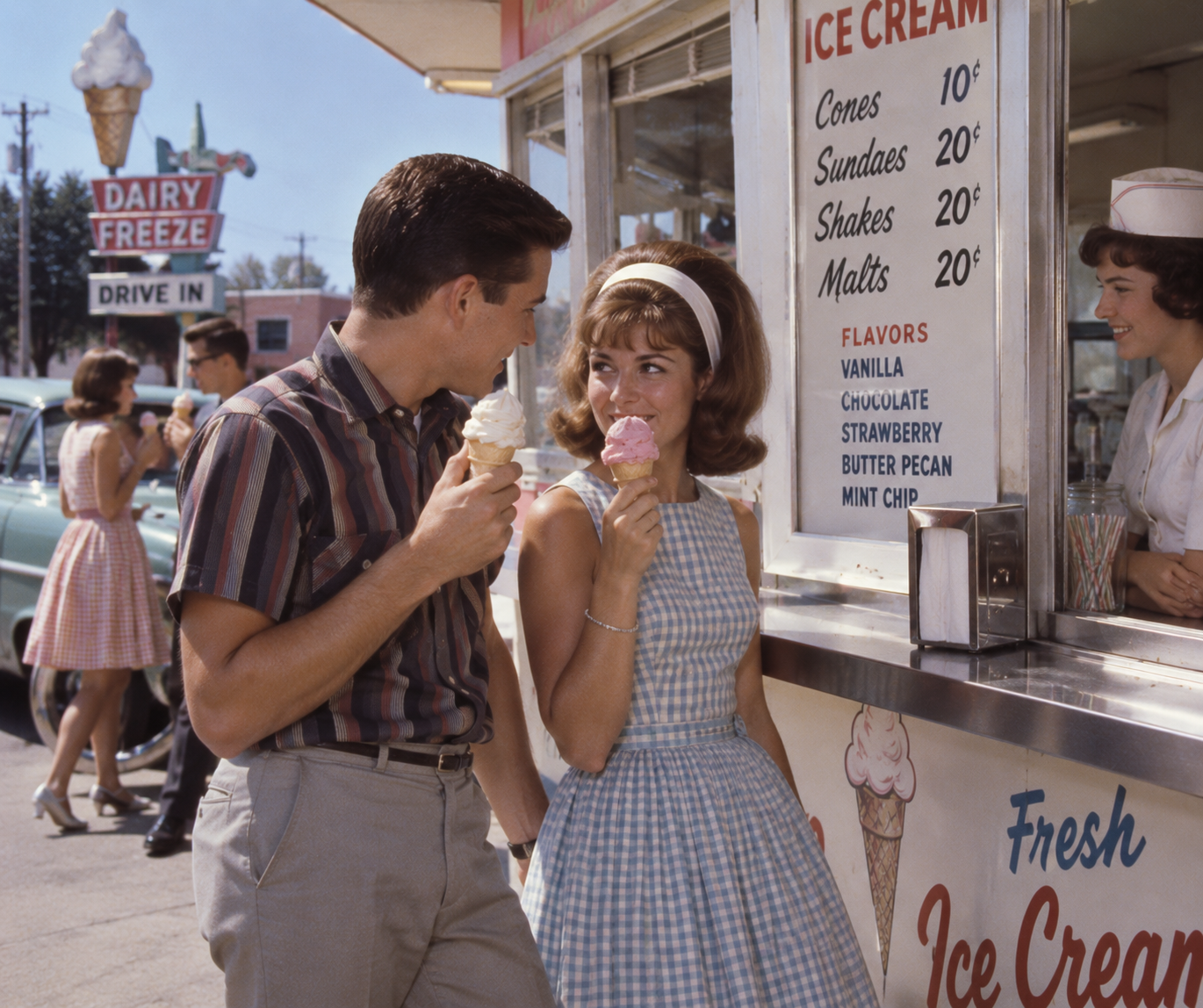
A full restaurant meal might strain a young couple’s budget, but an ice cream cone was a much easier sell. Ice cream parlors, roadside stands, and walk-up windows made it possible to grab a sundae, soft-serve cone, or banana split without committing to dinner prices. It also worked perfectly as an add-on to another inexpensive date. After a movie, game, or long drive, stopping for ice cream could keep the night going a little longer without emptying anyone’s wallet.
Going to a High School or College Game
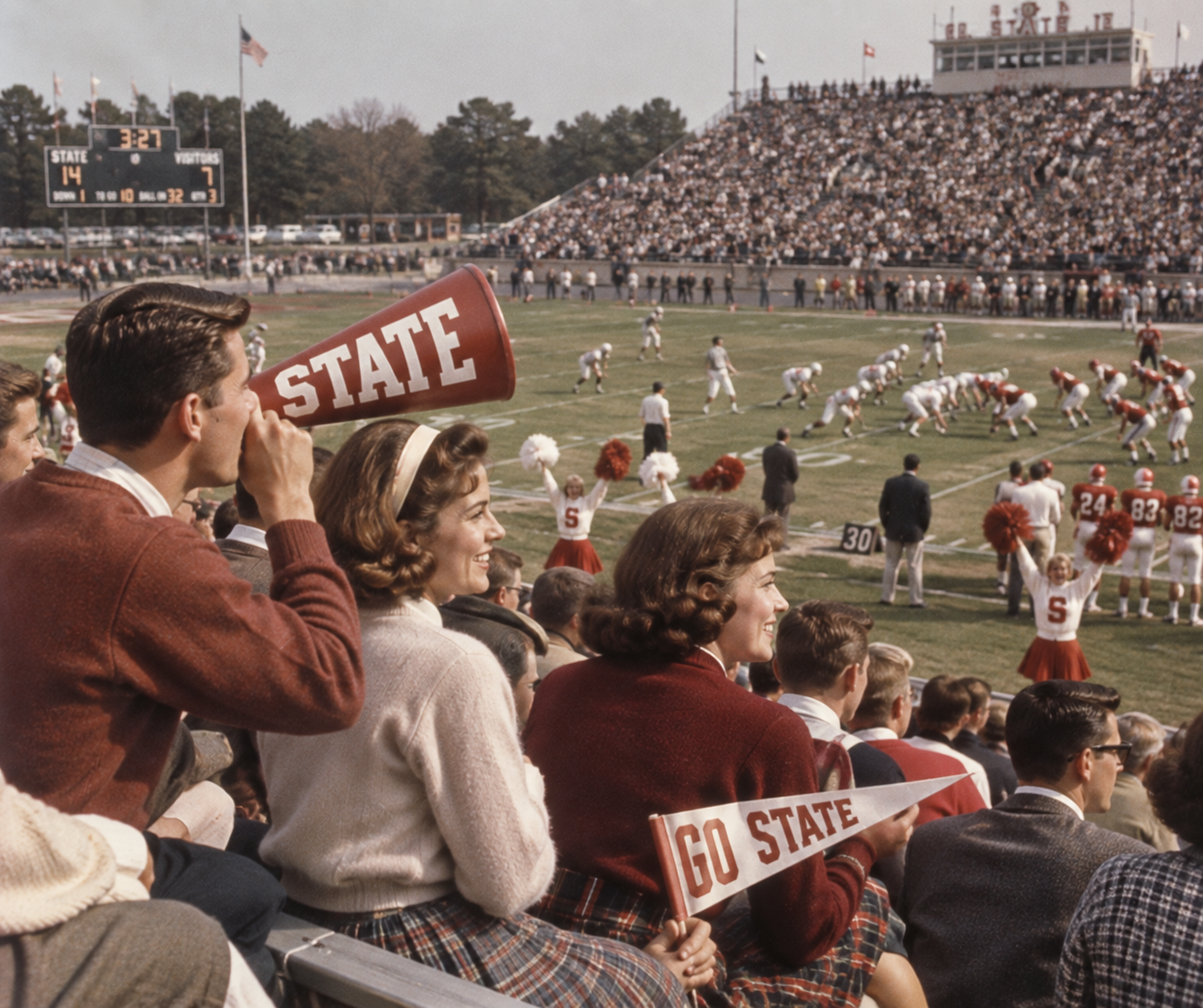
Friday night football wasn’t only about football. Local high school and college games were social events where couples could sit in the bleachers, grab something inexpensive from the concession stand, listen to the marching band, and inevitably run into people they knew. Tickets were generally far more approachable than admission to a professional sporting event, making local games a natural date-night option. Half the fun was often watching what was happening in the stands rather than on the field.
Taking a Picnic Somewhere Scenic
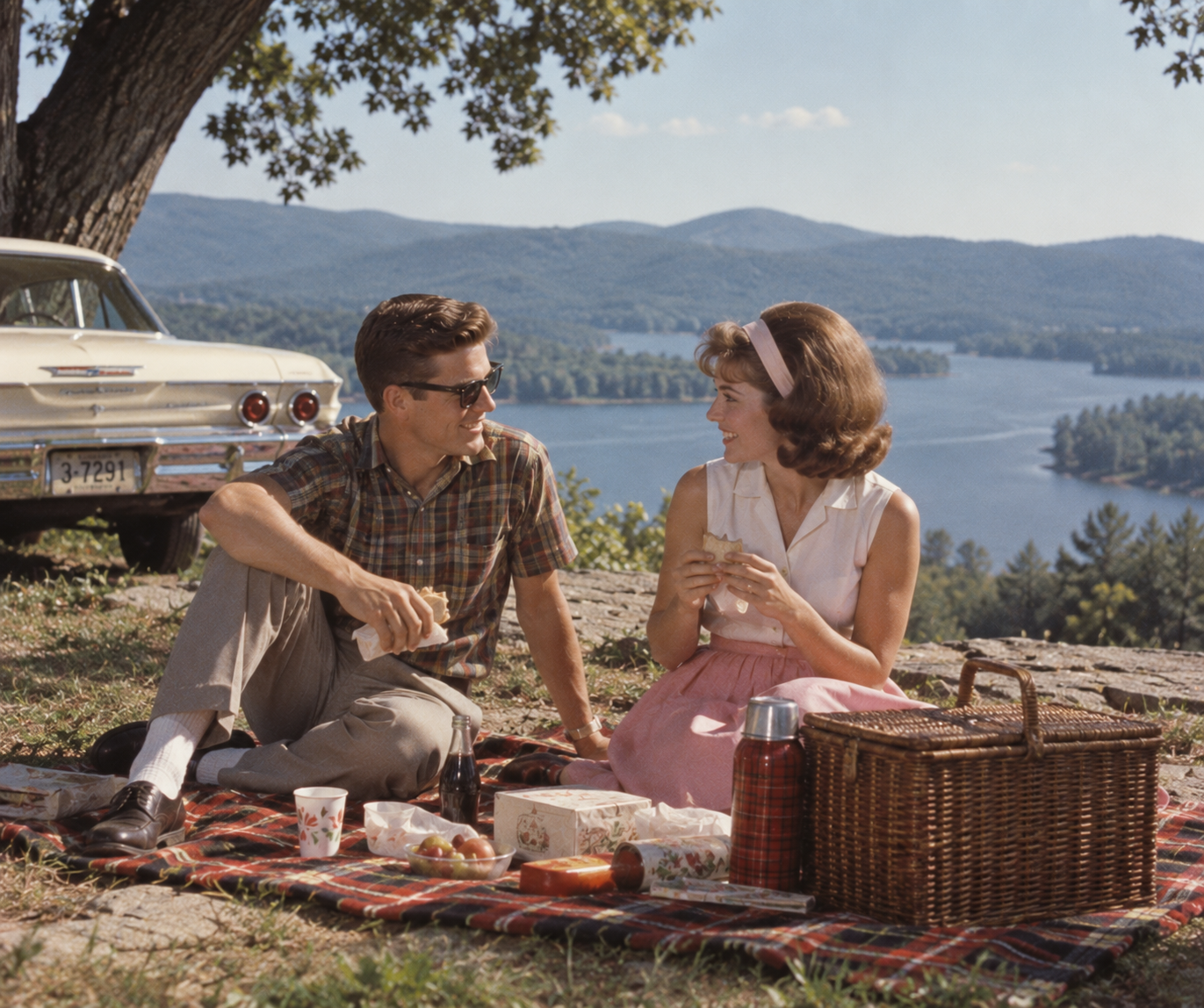
Why pay restaurant prices when you could pack your own dinner? A few sandwiches, chips, sodas, and a blanket were enough to turn a park, beach, lake, or scenic overlook into a date spot. Couples with access to a car had even more options, since they could pack a picnic and drive somewhere outside town. Add a thermos and a transistor radio, and you had most of what you needed for an afternoon or evening together — without leaving a tip afterward.
Going to a Second-Run Movie Theater
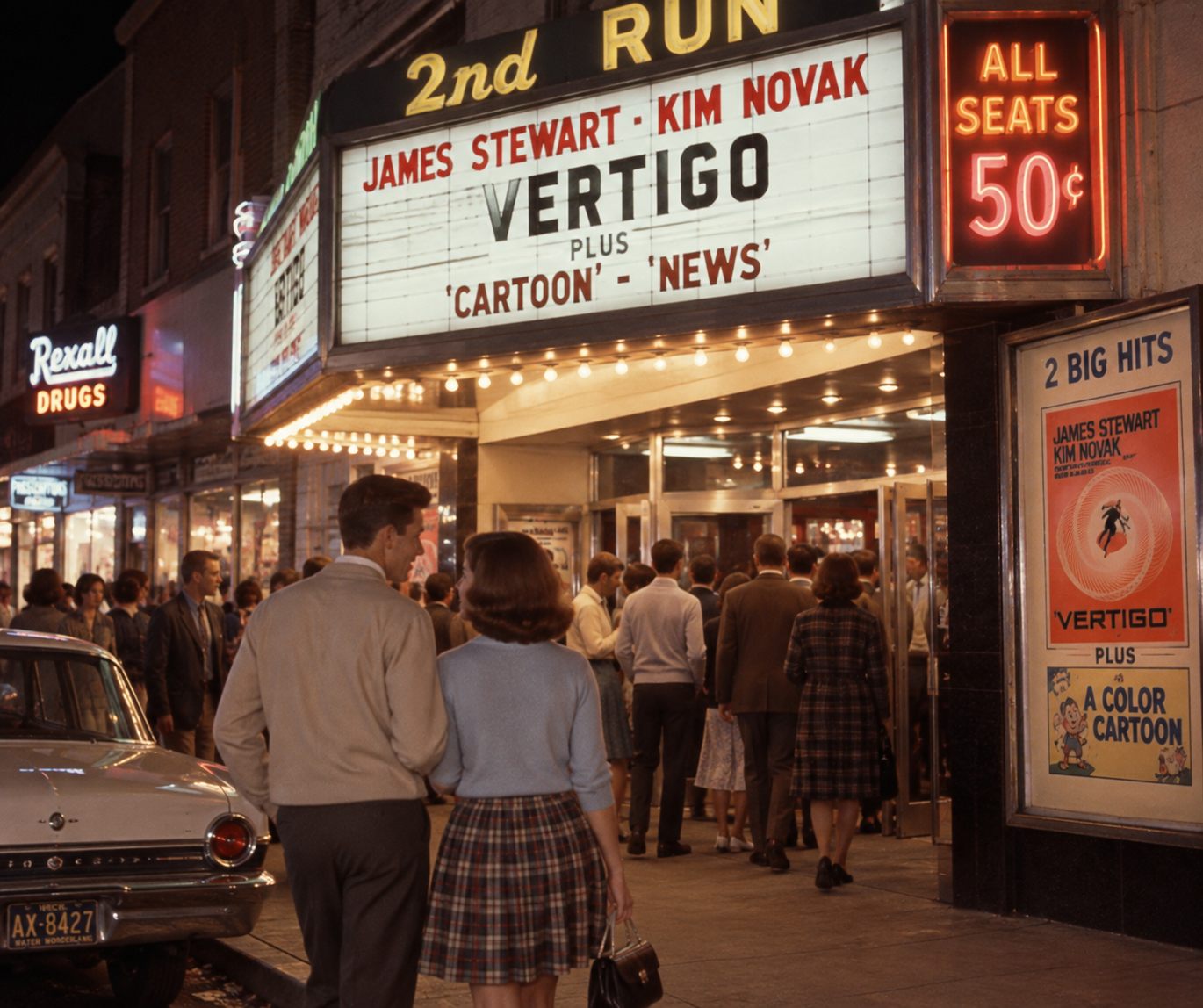
Drive-ins weren’t the only way couples could catch an inexpensive movie. Neighborhood theaters often screened older films, rereleases, or double features at prices that could be cheaper than seeing the newest release at a first-run theater. Before multiplexes came to dominate American moviegoing, single-screen neighborhood theaters were still fixtures in many communities. For a couple trying to stretch a limited dating budget, a double bill meant several hours of entertainment for the price of admission.
Date Night Didn’t Have to Cost Much
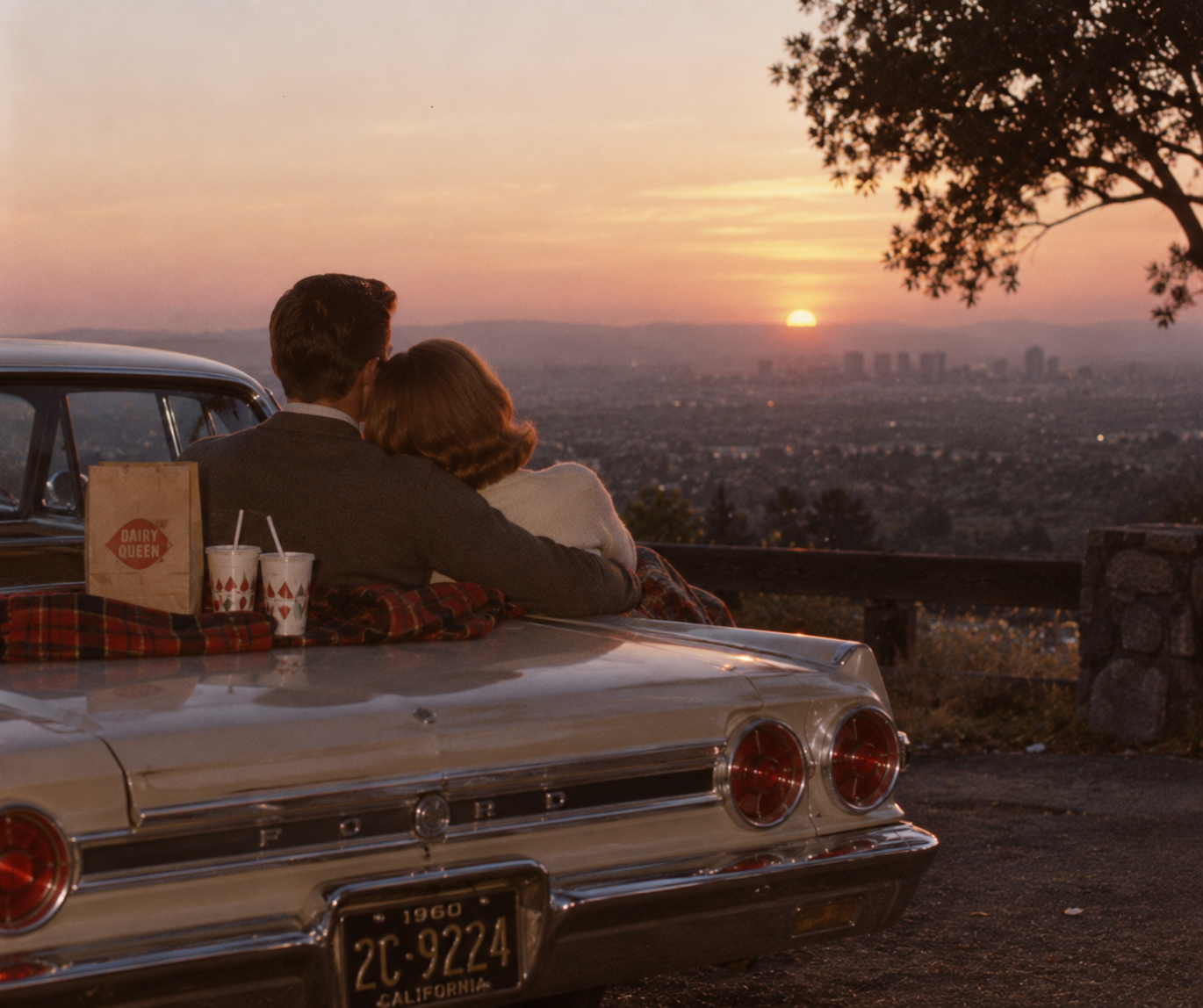
Cheap dates in the 1960s weren’t necessarily elaborate, and that was often the point. A car ride, a record player, a bowling lane, or a diner booth could fill an entire evening as long as you had someone you wanted to spend it with.
Cars and music played an especially big role in the decade’s dating culture, while parks, school events, downtowns, and other community spaces offered places to go without spending much. Plenty of these date ideas still work today, too. The biggest difference might be how little planning they required: You could simply go for a drive, grab an ice cream, put on a record, or head downtown and see where the night took you.