Before smartphones could light up an entire room with a single tap, a power outage meant suddenly finding yourself in the dark with no idea how long it would last. The television went silent, the kitchen appliances stopped humming, and someone inevitably shouted for a flashlight that nobody could remember putting away. If you were lucky, the batteries still worked. If not, it was time to start digging through drawers for candles and matches, the first step before getting creative with family activities during power outages.
For families growing up in the 1960s, 1970s, and 1980s, losing electricity could turn an otherwise ordinary evening into an unexpected adventure. Without streaming services, smartphones, or portable chargers to keep everyone entertained, families had to get creative. Board games came out of closets, transistor radios became the main source of news, and neighbors suddenly had a reason to gather outside and talk.
Of course, blackouts weren’t always fun, especially during severe weather or freezing temperatures. But for many kids, those candlelit evenings and improvised family activities became surprisingly memorable. Here are 12 things families did when the power went out before everyone had a flashlight in their pocket.
Sending Someone to Find the Family Flashlight
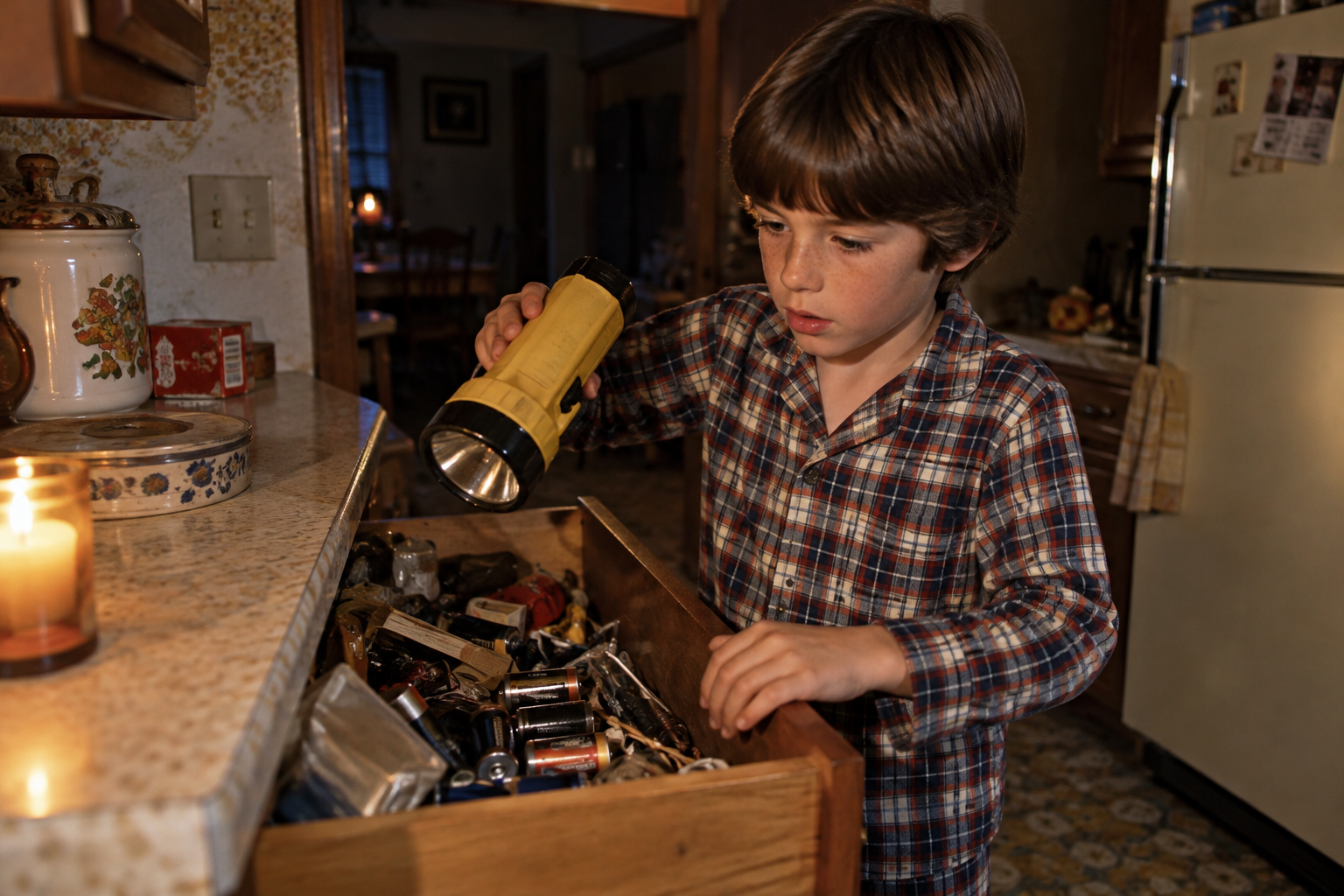
The moment the lights went out, someone was usually sent to find the family flashlight. It might have been buried in a kitchen junk drawer, tucked away in the garage, or sitting on a shelf in the basement. Those chunky metal or plastic flashlights often required several C- or D-cell batteries, and there was always the possibility that they hadn’t been replaced in years. Sometimes the flashlight flickered weakly before giving up entirely, sending everyone on another hunt for spare batteries. Finding a working flashlight could feel like the first major accomplishment of the evening, especially if the outage happened after sunset.
Lighting Candles Around the House
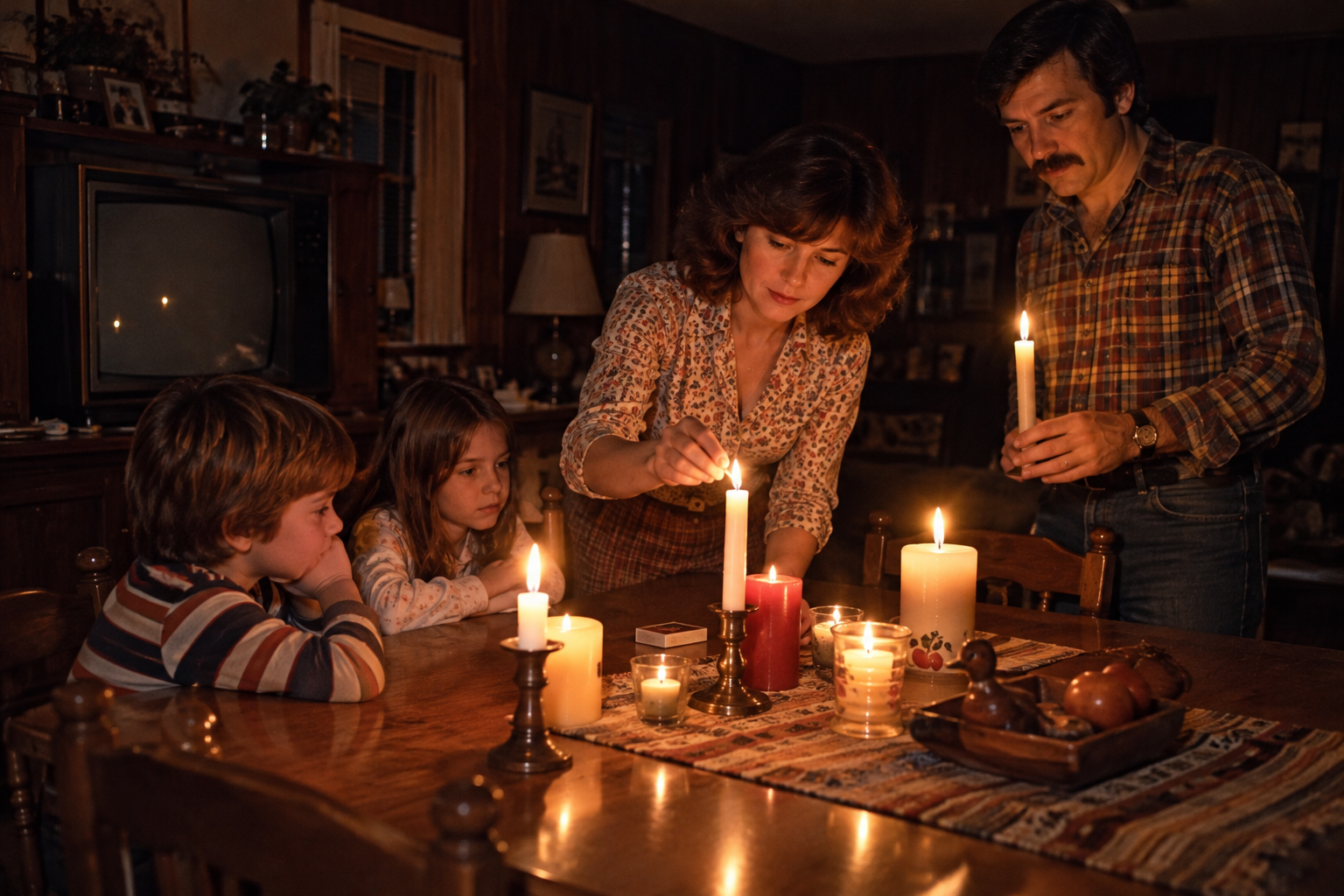
Before battery-powered LED lanterns became inexpensive and widely available, candles were a familiar backup lighting option in many households. Parents might place them on the kitchen table, a mantel, or another convenient surface, transforming familiar rooms into spaces filled with flickering shadows. For kids, the atmosphere could feel almost magical, especially when the whole family gathered around the dining table. Of course, candles also created serious fire hazards, particularly around children, pets, and curtains. Today’s National Weather Service recommends using battery-powered flashlights or lanterns instead, but candlelit blackouts remain a nostalgic memory for many people.
Gathering Around a Battery-Powered Transistor Radio
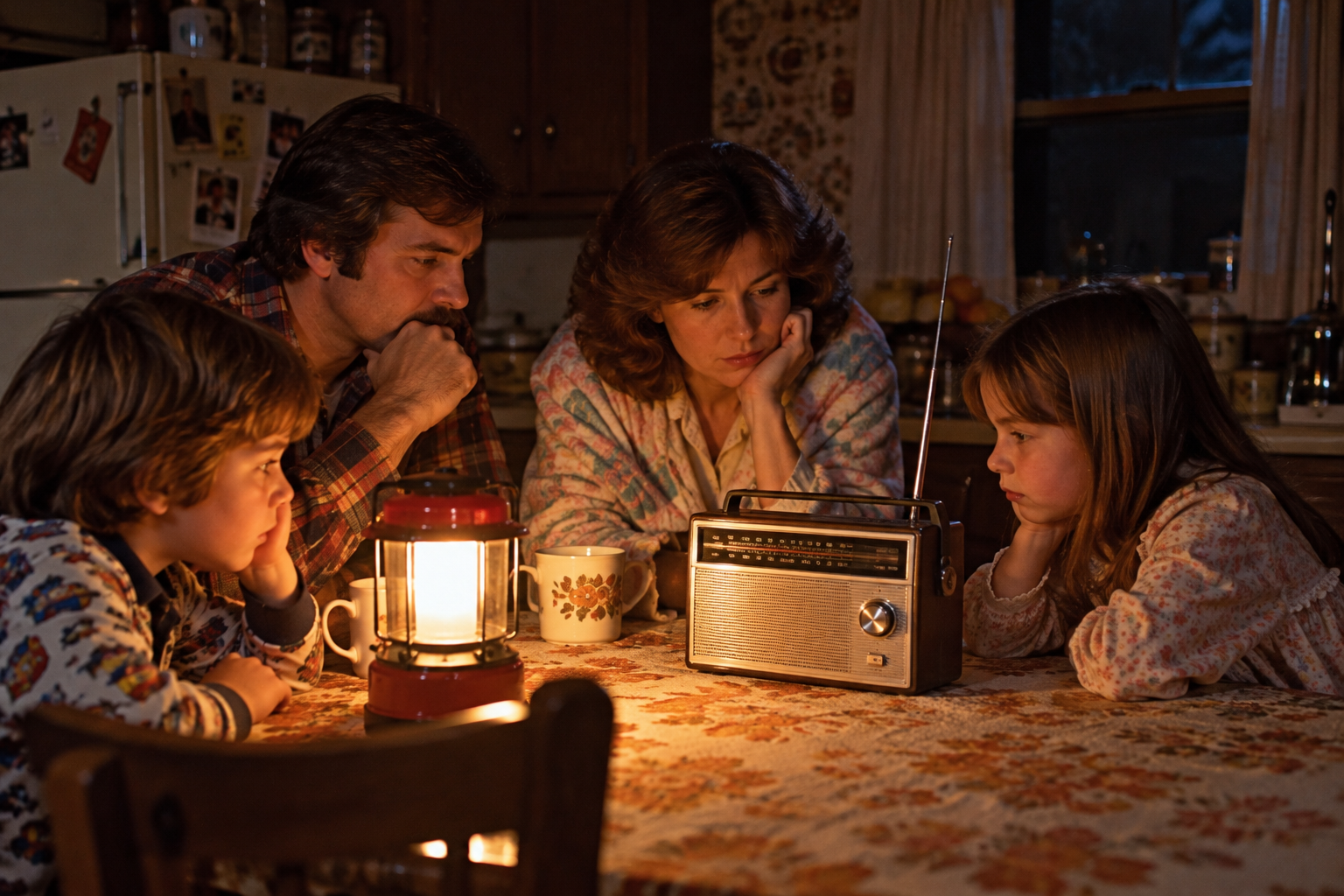
When the television stopped working, the family radio suddenly became one of the most important things in the house. A small battery-powered transistor radio could provide weather updates, storm warnings, and news about whatever might have caused the outage. Parents might adjust the dial, searching through static for a local station, while everyone else listened for information about when the electricity might return. Transistor radios had been commercially available since the 1950s, and their portability made them particularly useful during emergencies. Unlike the television or a radio that needed to be plugged into the wall, a working battery-powered model could keep the household connected to the outside world.
Dragging Out Monopoly, Checkers, or a Deck of Cards
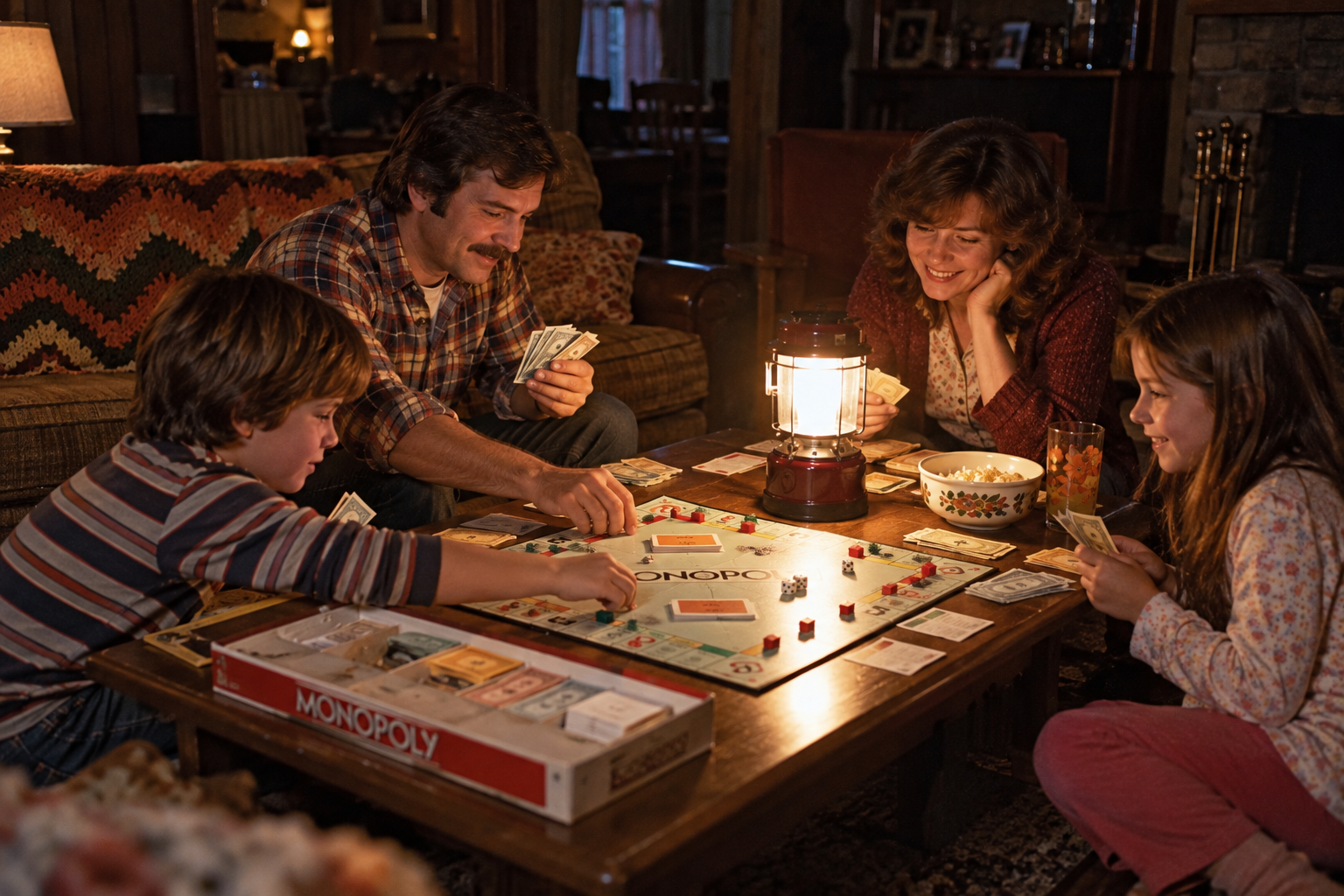
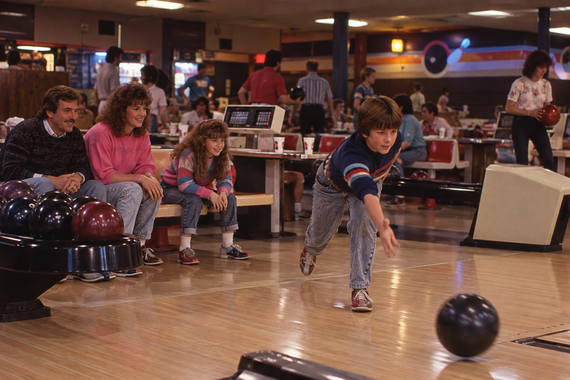
A blackout could accomplish something that parents sometimes struggled to manage on an ordinary evening: getting everyone away from the television and around the same table. Out came Monopoly, checkers, dominoes, or a battered deck of playing cards that had been sitting in a drawer for months. Someone might suggest a quick game, only for it to turn into an hours-long competition filled with arguments over rules and accusations of cheating. For children, the best part was sometimes having their parents join in instead of watching the evening news or finishing household chores. As long as there was enough light to see the board, the entertainment could continue for hours.
Standing at the Window to See Whether the Neighbors Had Power
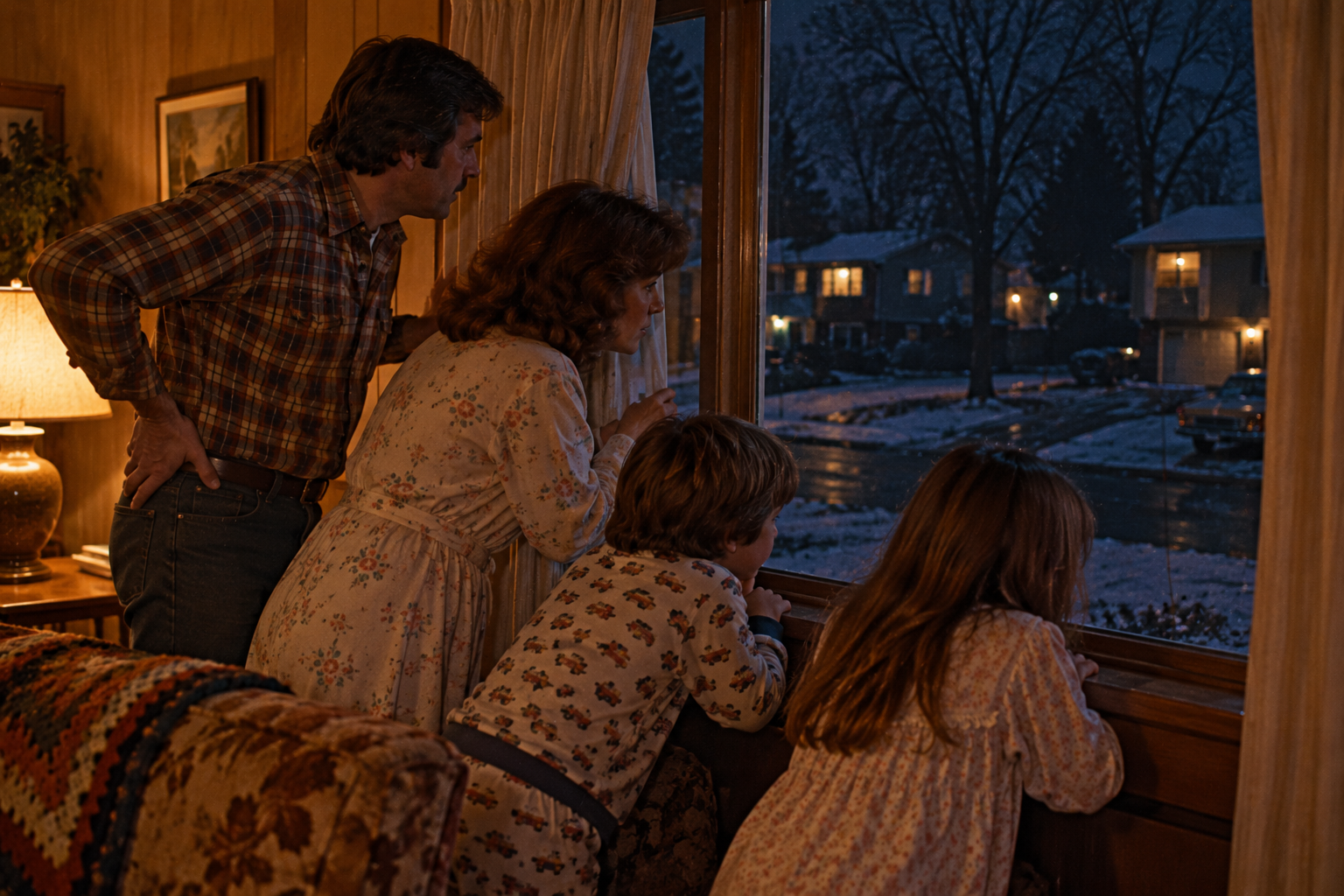
One of the first questions after the electricity disappeared was whether the entire neighborhood had gone dark or the problem was limited to your house. Naturally, everyone headed toward the windows to investigate. Kids might press their faces against the glass, searching for illuminated windows, glowing porch lights, or working streetlights. If the houses across the street still had electricity, a parent might head toward the fuse box or circuit breaker panel to see whether something had tripped. If the entire block was dark, there wasn’t much to do except wait and speculate about what had happened. A few minutes of looking outside could turn into a neighborhood-wide investigation.
Trending on Cheapism


Using the Old Landline Telephone to Call Someone
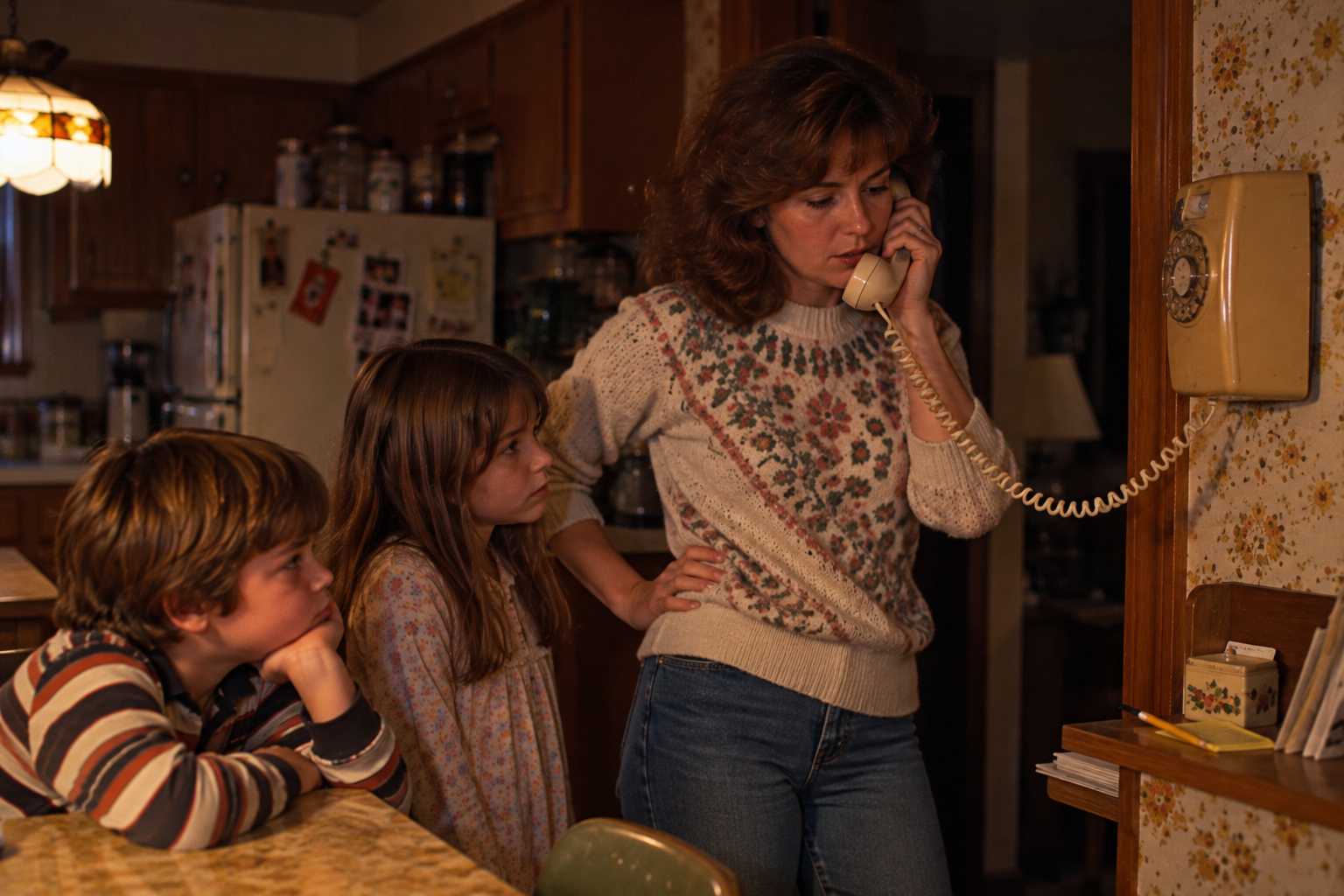
Unlike modern cordless phones, traditional corded landline telephones often continued working during power outages because they received electricity through the telephone network rather than a household outlet. That meant families could sometimes pick up their rotary-dial or push-button telephone and call a neighbor, relative, or utility company to find out what was happening. Of course, the phone lines themselves could still be damaged during severe storms, and there was no guarantee anyone would have useful information. But being able to make a call while the rest of the house was without electricity was a major convenience. For kids accustomed to today’s smartphones, the idea of a telephone working without being plugged into an electrical outlet might seem downright strange.
Telling Ghost Stories With a Flashlight Under Your Chin
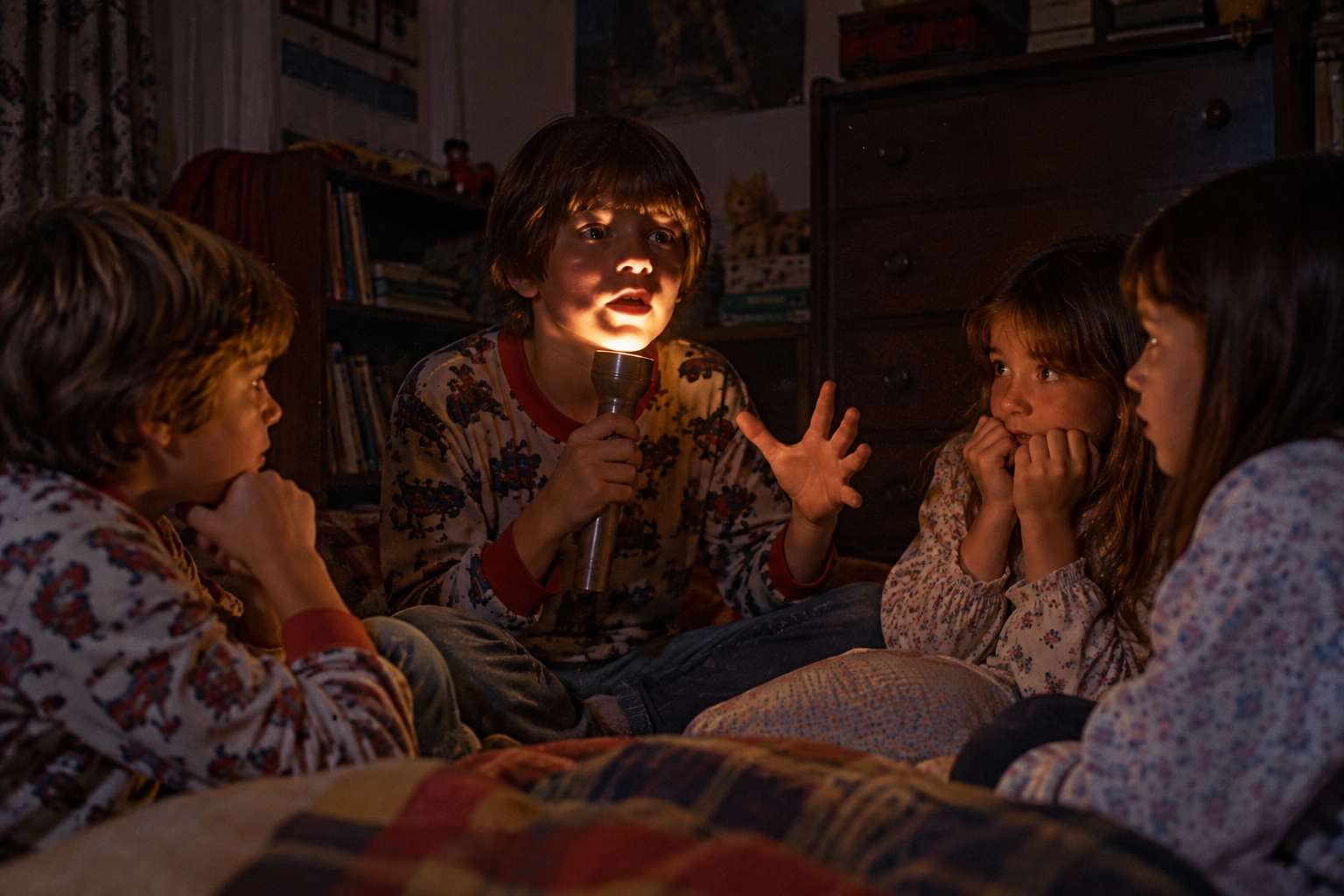
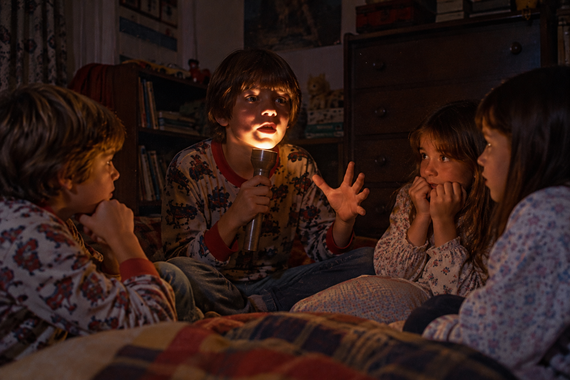
Once the initial excitement of the blackout wore off, someone inevitably suggested telling ghost stories. All it took was a working flashlight, a dark room, and a little imagination. Holding the flashlight beneath your chin created dramatic shadows across your face, making even the least convincing scary story seem considerably more frightening. Siblings might take turns inventing tales about haunted houses, mysterious footsteps, or monsters lurking in the basement. Naturally, the youngest child usually ended up terrified, while everyone else thought it was hilarious. And when the flashlight finally had to be switched off to conserve batteries, the darkness made the stories even scarier.
Guarding the Refrigerator Like It Contained Treasure
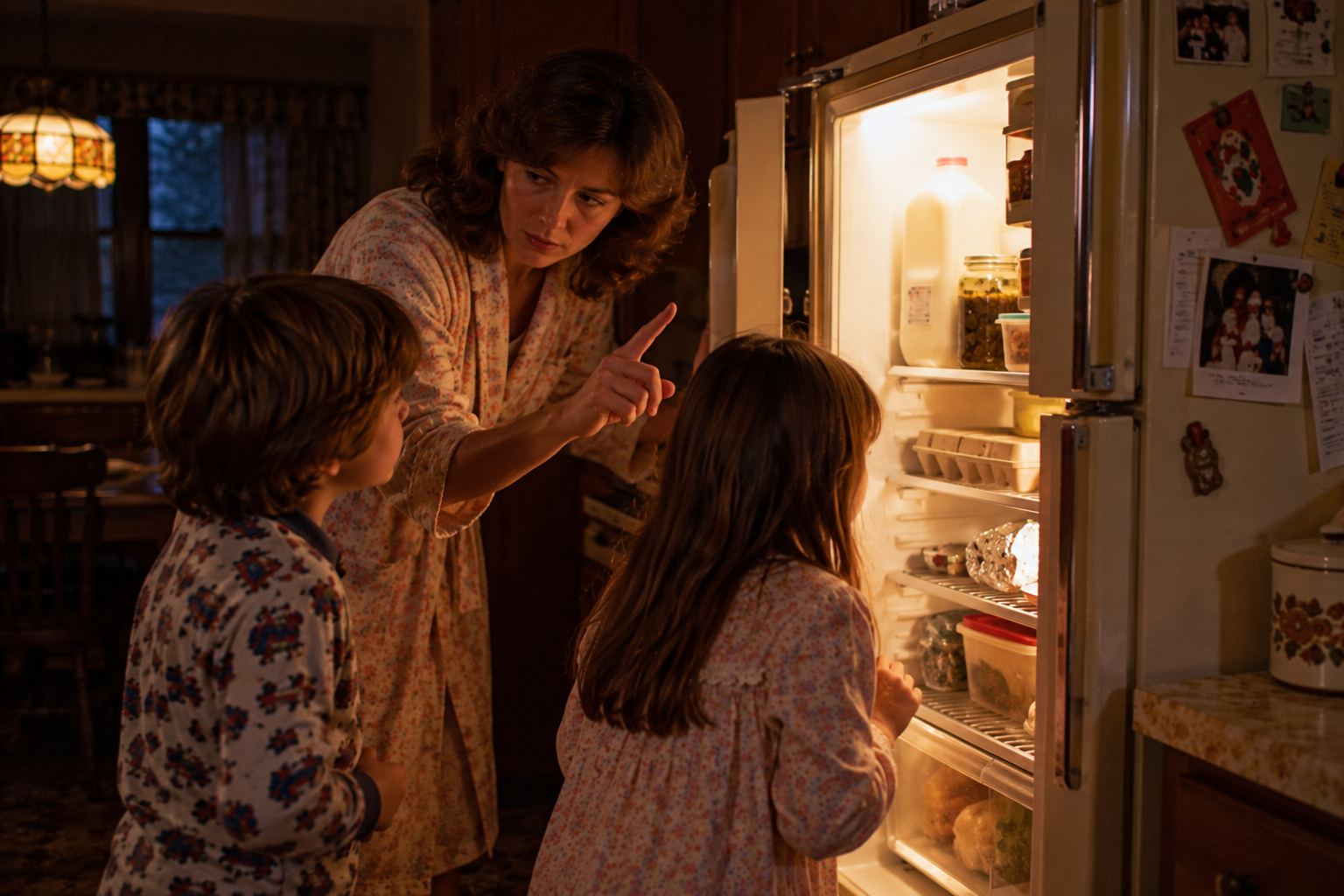
If there was one household rule during a blackout, it was that nobody was supposed to open the refrigerator. Parents knew that keeping the door shut helped preserve the cold air inside, and children were frequently reminded that checking on the ice cream every few minutes wasn’t going to make the electricity return any faster. The refrigerator suddenly became something that had to be protected, particularly if the outage stretched into the evening. That advice still holds up today: According to the CDC, an unopened refrigerator can keep food safe for up to four hours, while a full, unopened freezer can maintain safe temperatures for approximately 48 hours. Back then, though, most kids were simply worried about whether their favorite frozen treats would survive.
Sign up for our newsletter
Eating Peanut Butter Sandwiches and Whatever Was in the Pantry
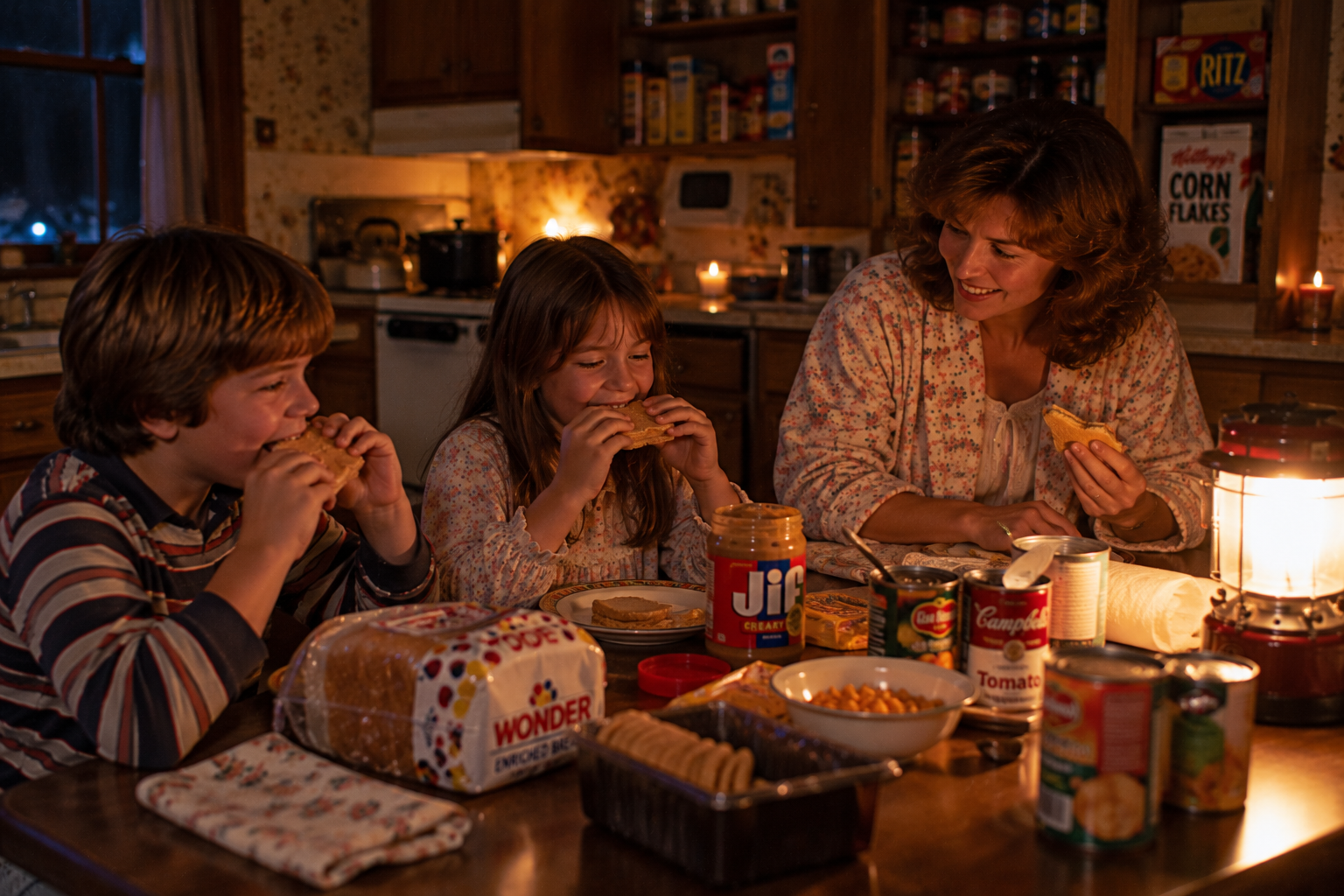
When the power went out around dinnertime, the evening meal sometimes became a matter of figuring out what could be eaten without using the stove or microwave. Peanut butter sandwiches, crackers, canned fruit, and whatever else happened to be in the pantry could quickly replace whatever dinner had originally been planned. For kids, eating sandwiches by flashlight or candlelight might feel like an indoor camping trip rather than an inconvenience. Parents, meanwhile, were probably more concerned about keeping everyone fed and avoiding unnecessary trips into the refrigerator. These improvised meals weren’t necessarily exciting, but they could become part of the fun, especially when the entire family ended up eating together in the dark.
Checking on the Neighbors and Talking on the Porch
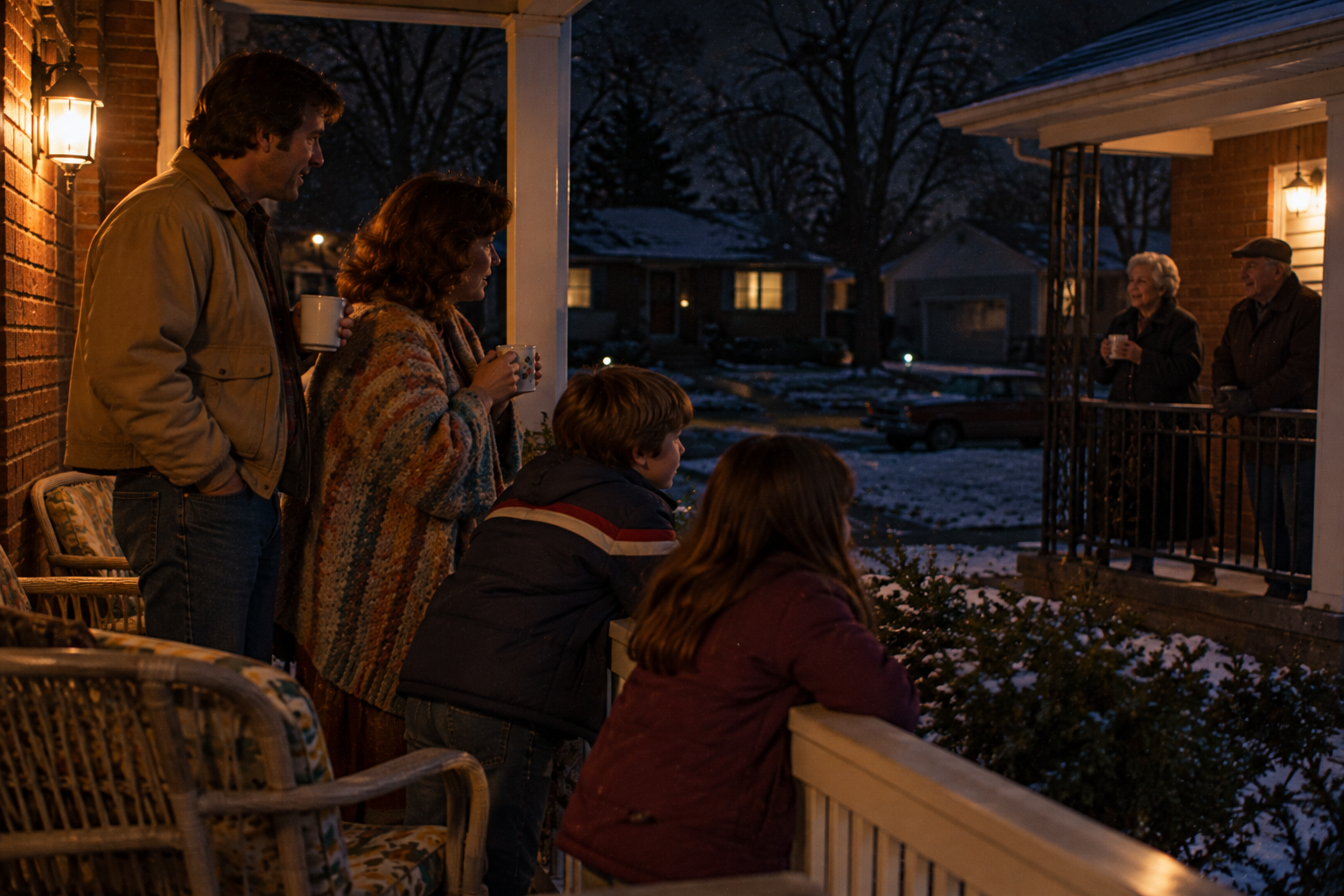
A neighborhood blackout sometimes brought people outside who might otherwise have spent the evening watching television behind closed doors. Families gathered on front porches, compared notes about when the lights had gone out, and speculated about whether a storm or a blown transformer was responsible. Someone might walk next door to check on an older neighbor, while children took advantage of the unusual excitement to spend a little more time outside. Without television or other electronic distractions, an ordinary street could suddenly feel surprisingly social. Of course, these gatherings depended on the neighborhood and weather, but for some families, talking with neighbors became one of the most memorable parts of an unexpected outage.
Reading Books or Magazines by Flashlight
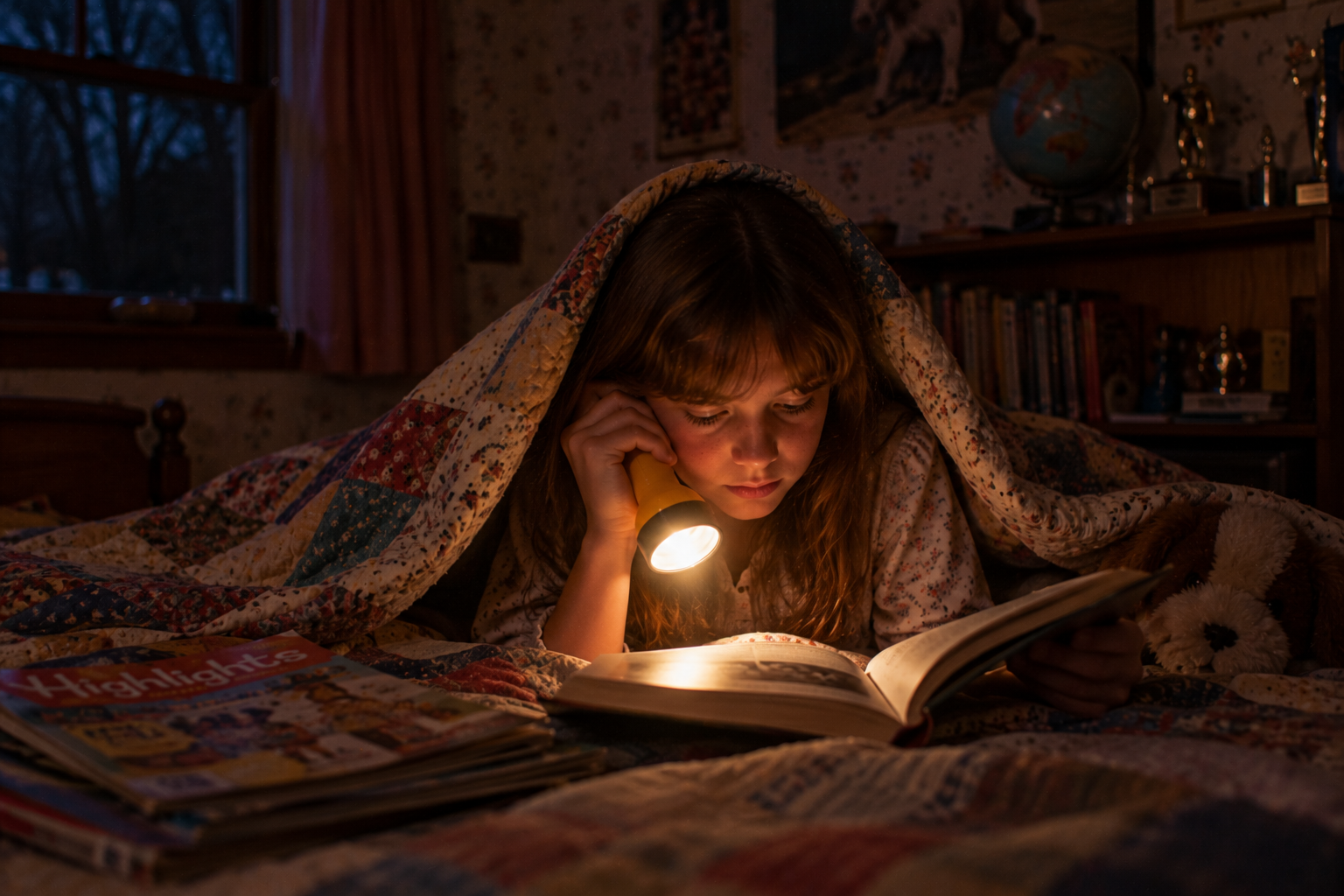
For children who weren’t interested in board games or ghost stories, a blackout could provide an excuse to disappear into a good book. Comic books, paperback novels, and magazines were all perfectly good entertainment, provided there was enough light to read. Some kids curled up on the couch with a flashlight, while others retreated to their bedrooms and read beneath the blankets. There was something particularly exciting about reading by flashlight after bedtime, even if the only reason was that the electricity had gone out. And unlike television shows or video games, books didn’t suddenly stop working when the power disappeared. The biggest problem was convincing your parents that reading was worth using up the flashlight batteries.
Going to Bed Early Because There Was Literally Nothing Else to Do
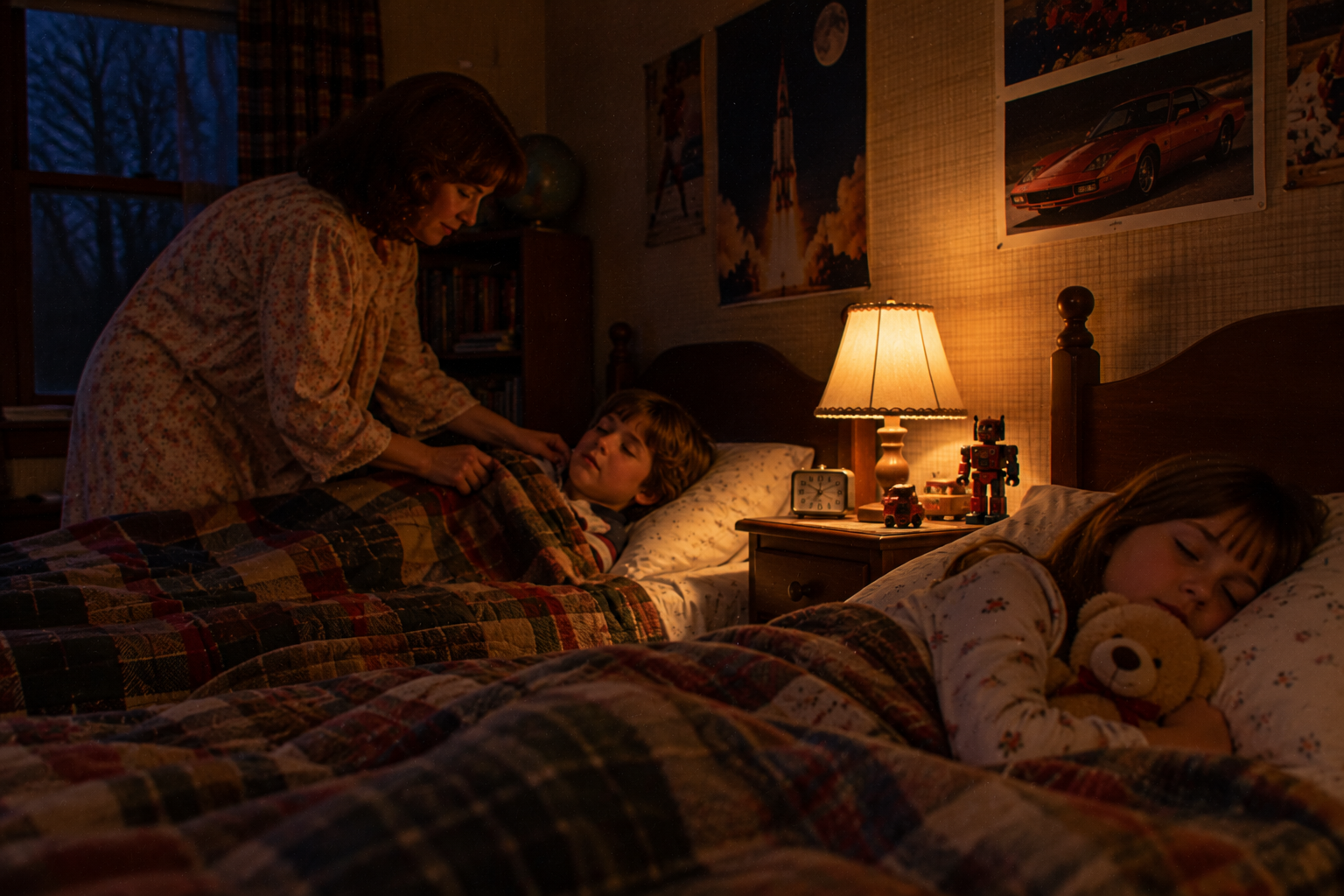
Eventually, even the most entertaining blackout could lose its charm. The board games had been put away, the flashlight batteries were running low, and there was still no sign that the electricity would return anytime soon. For some families, the simplest solution was to call it a night earlier than usual. During winter outages, that might mean piling on extra blankets or gathering in one room to stay warm, especially if the heating system depended on electricity. Children might protest that they weren’t tired, but without television, music, or much light to do anything else, bedtime became a surprisingly reasonable option. Sometimes the biggest excitement came the next morning, when everyone woke up to discover that the clocks were blinking and the power had finally returned.
When a Blackout Became an Unexpected Family Night
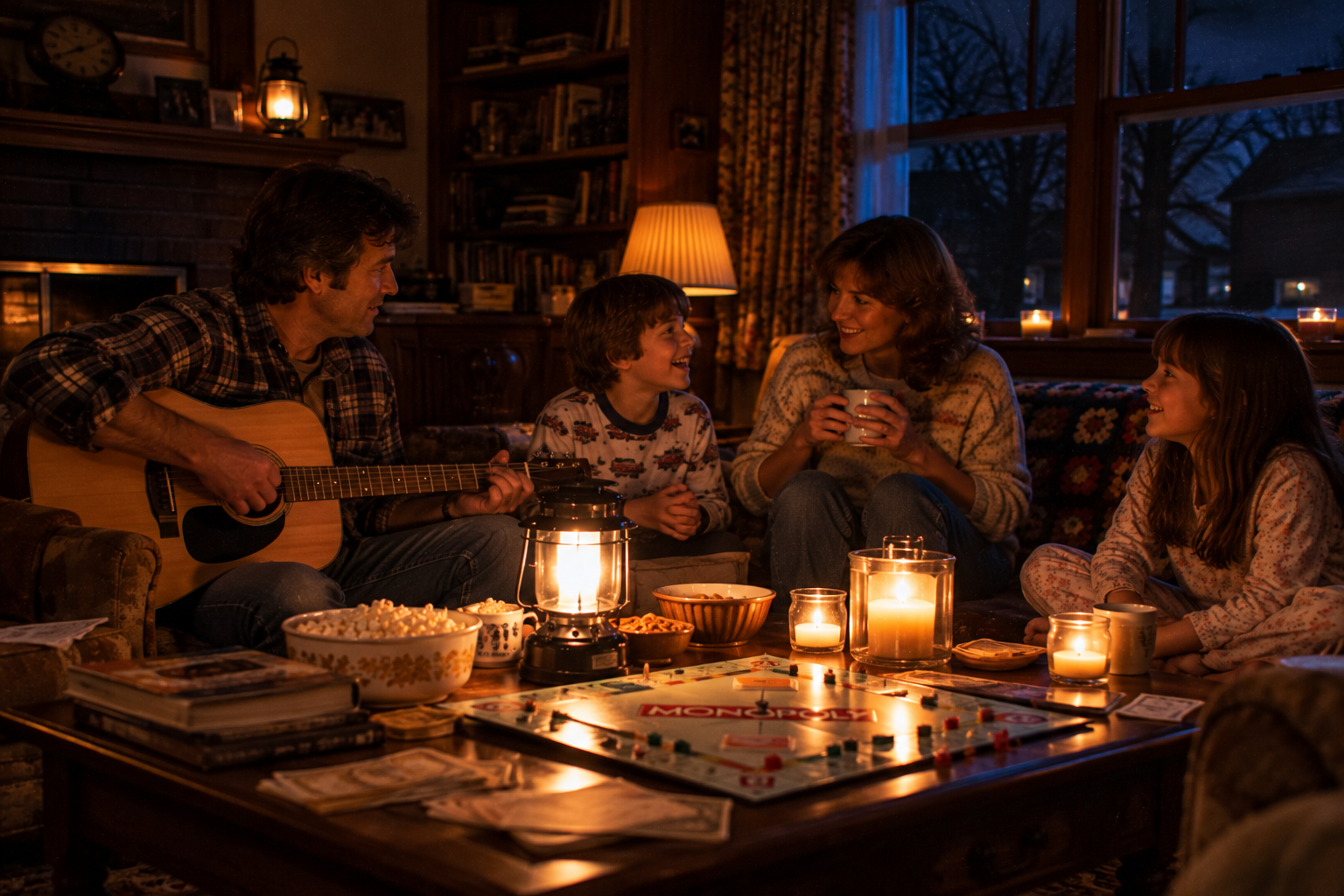
Before smartphones, portable charging banks, and inexpensive LED lights, losing electricity could disrupt just about every part of an ordinary evening. Families relied on flashlights, transistor radios, playing cards, and whatever food they could find without opening the refrigerator. What started as an inconvenience sometimes turned into an unexpected opportunity to spend time together, whether that meant playing Monopoly, telling ghost stories, or chatting with neighbors on the porch.
That doesn’t mean blackouts were better back then. Modern emergency supplies and safer lighting options have made power outages much easier to manage. But there’s something undeniably nostalgic about remembering a time when the television going dark meant the whole family suddenly had to figure out how to entertain itself.