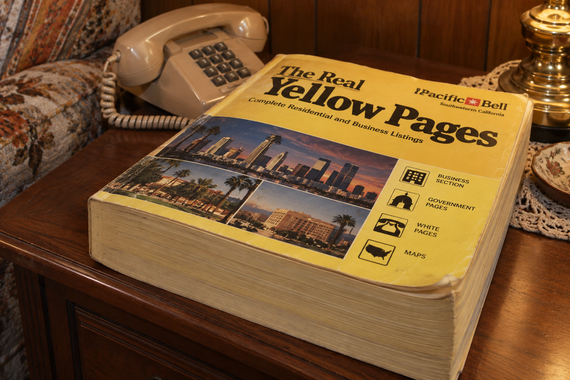
A typical American home in the 1980s was filled with objects that would look strangely unnecessary today. There were phone books thick enough to prop open a door, answering machines sitting beside landlines, cassette racks taking up valuable shelf space, and encyclopedias that could occupy an entire bookcase.
Some of these items disappeared because technology found a faster or more convenient way to do the same job. Others faded because of changing safety standards, environmental concerns, or simply different everyday habits. And while most haven’t vanished completely, they went from being ordinary household fixtures to things you’re more likely to spot at a thrift store or in someone’s attic.
From rotary phones to rabbit-ear antennas, here are 14 household items that disappeared after the ’80s.
The Rotary-Dial Telephone
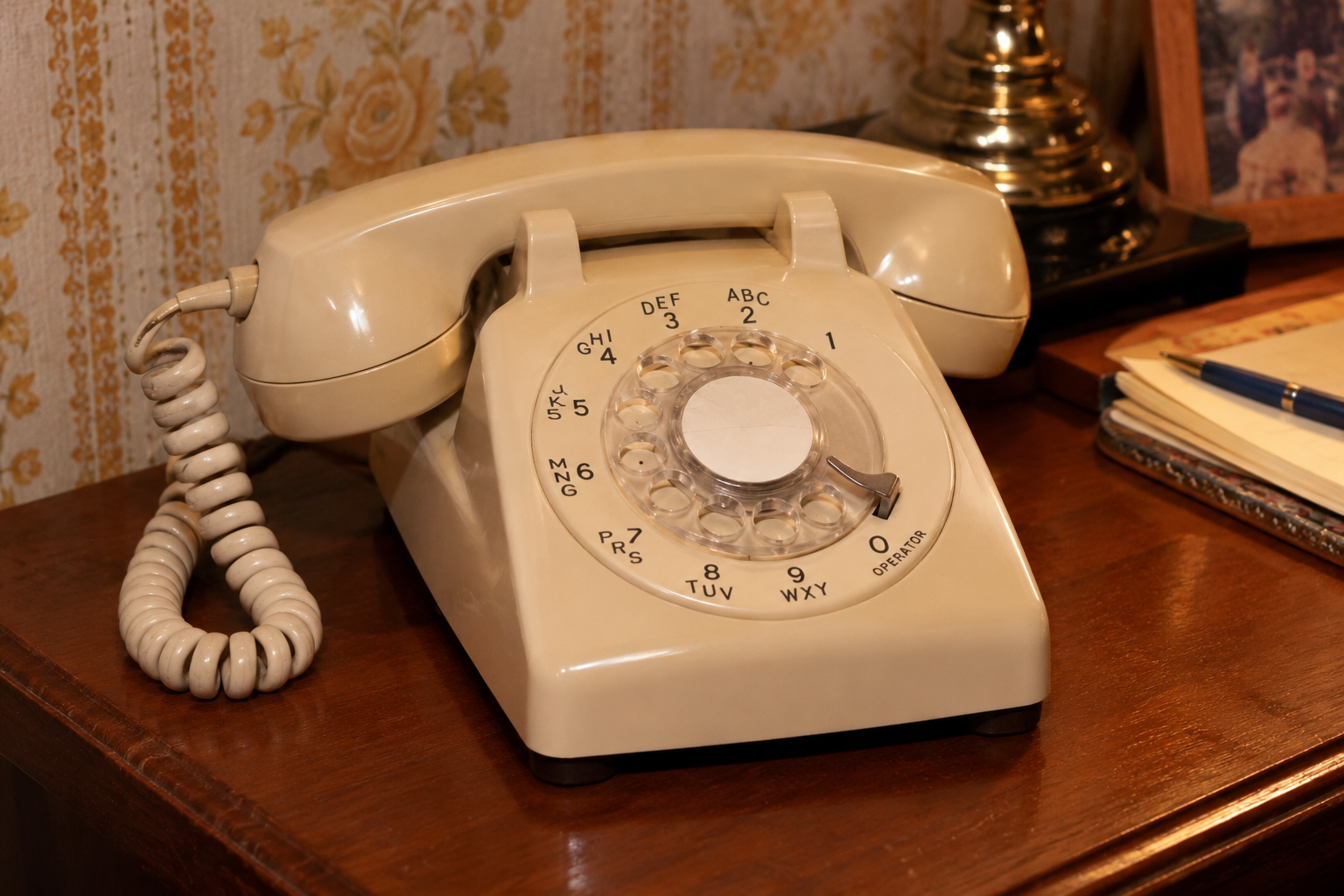
Rotary phones were already on their way out during the 1980s, but plenty of families still had one hanging on a kitchen wall or sitting on a side table. Making a call meant sticking your finger into the appropriate number, rotating the dial, and waiting for it to click all the way back before entering the next digit. Touch-tone phones made that process much faster, and cordless phones eventually freed people from standing beside the phone altogether. Then cellphones began making the household landline itself unnecessary. As recently as 2001, 97% of U.S. households still had a landline, according to Pew Research Center. By 2010, that figure had dropped to 74%.
The Giant Printed Phone Book
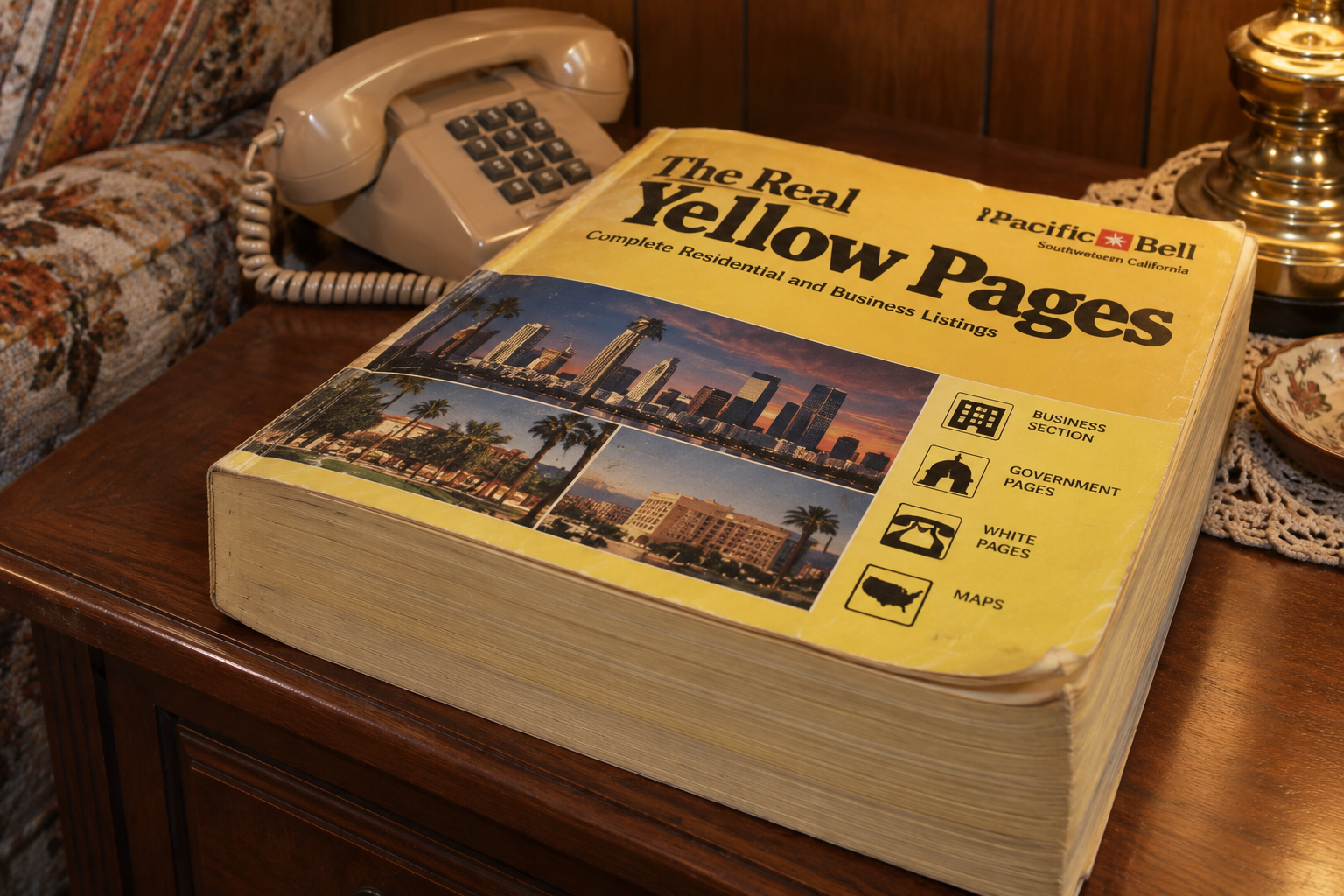
There was a time when an enormous telephone directory appearing on the doorstep was completely ordinary. The White Pages helped you track down someone’s home number, while the Yellow Pages were where you looked for everything from plumbers and pizza restaurants to doctors and appliance repair companies. The concept goes all the way back to 1878, when the first known telephone directory appeared in New Haven, Connecticut. Those earliest directories didn’t even need to list phone numbers because subscribers asked operators to connect their calls. Search engines, smartphones, online business listings, and digital contacts eventually turned the annually printed phone book into an enormous pile of paper most households no longer needed.
The Standalone Answering Machine
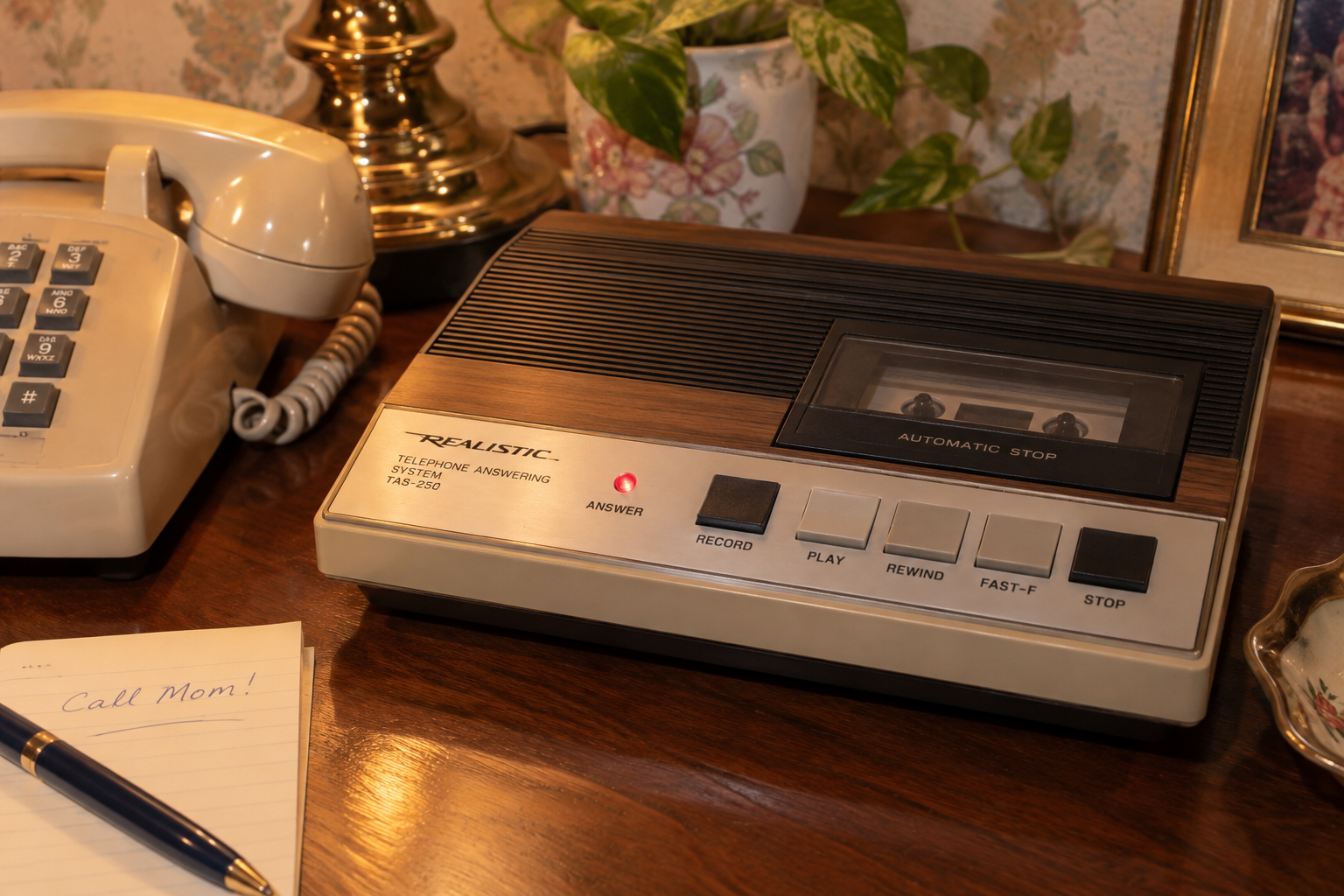
Before voicemail followed you around in your pocket, missed calls were handled by a separate machine sitting beside the household telephone. Older answering machines often used two cassette tapes: one containing the family’s outgoing greeting and another recording incoming messages. Coming home and spotting a blinking message light could immediately send everyone toward the phone. There was also the art of call screening — letting the answering machine pick up and listening to the caller start talking before deciding whether they were worth answering. Telephone-company voicemail eventually eliminated the need for another appliance beside the phone, and cellphone voicemail helped make both the answering machine and the traditional home phone increasingly uncommon.
The VCR
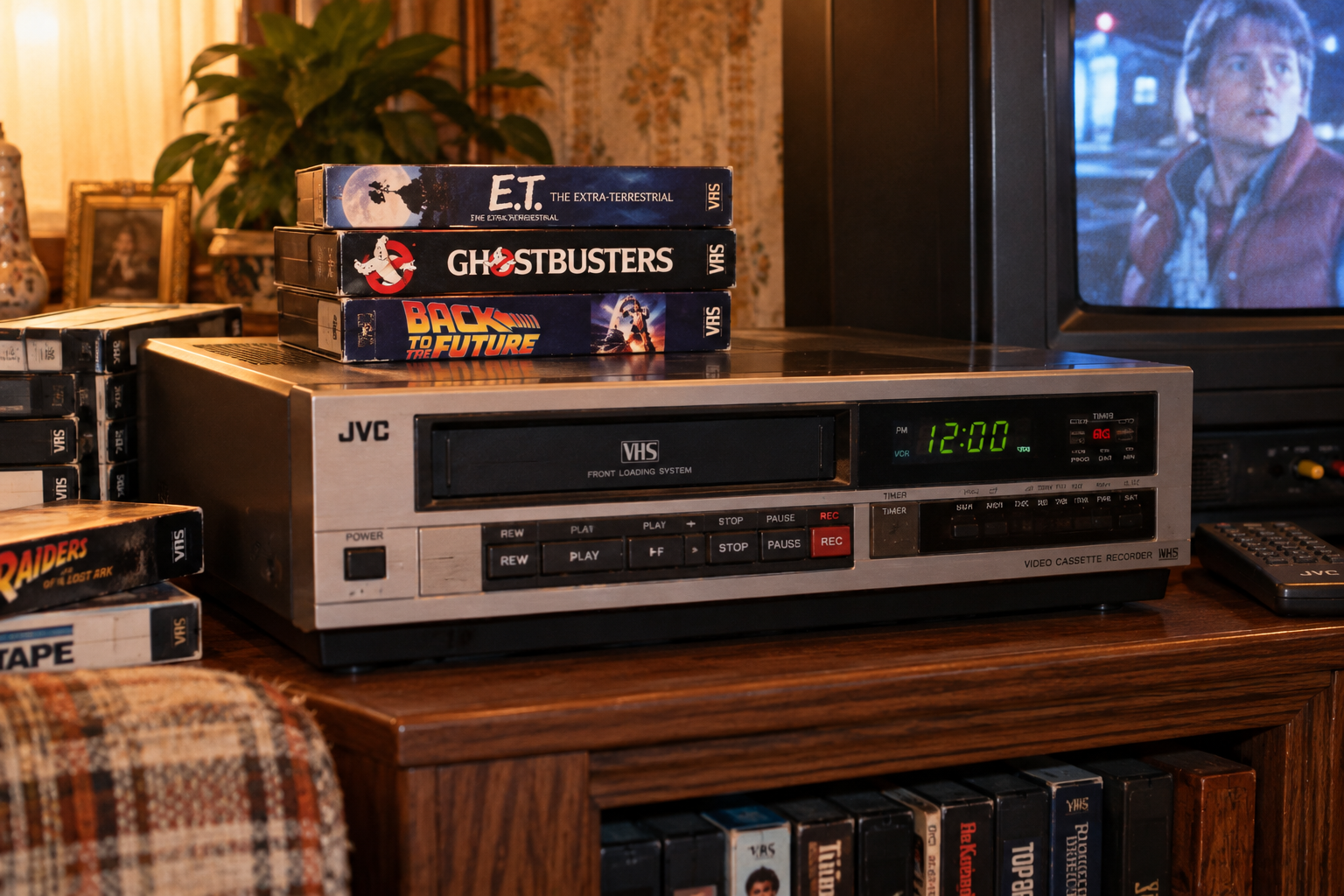
Few pieces of living-room technology changed home entertainment in the 1980s quite like the VCR. Families could rent movies to watch at home and, perhaps even more importantly, record television programs to watch later instead of arranging their evening around a broadcast schedule. VHS emerged victorious over Betamax, controlling about 60% of the market by 1980. Of course, VCR ownership also came with its own rituals: figuring out how to program a recording, staring at a perpetually blinking clock, and remembering to “Be Kind, Rewind” before returning a rental. DVDs eventually overtook analog video, followed by DVRs, Blu-ray, on-demand television, and streaming. The final VCR was manufactured in 2016.
The VHS Tape Rewinder
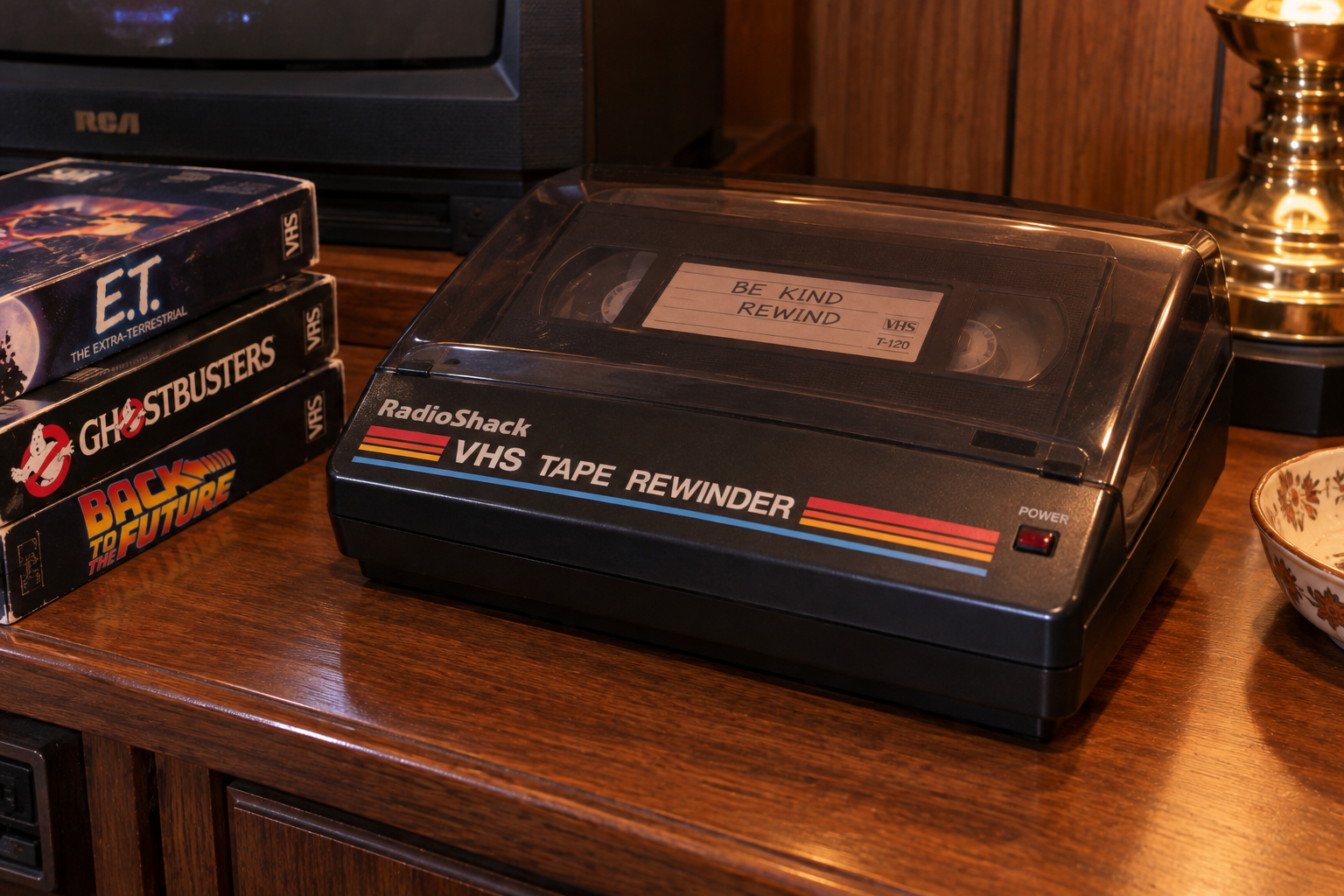
Some household gadgets had incredibly specific jobs, and the VHS rewinder might be the perfect example. Instead of using the VCR itself to rewind a movie, heavy VHS users could pop the tape into a separate machine and let it do the work. Rewinders were marketed partly as a way to reduce wear on expensive VCRs, and some manufacturers apparently decided a boring black box wasn’t exciting enough — novelty versions came shaped like sports cars and other elaborate designs. They were especially useful when video stores expected customers to return rentals already rewound. Once VHS tapes disappeared from everyday life, however, a machine designed exclusively to rewind them had absolutely nothing left to do.
Trending on Cheapism

The Huge Cassette-Tape Storage Rack
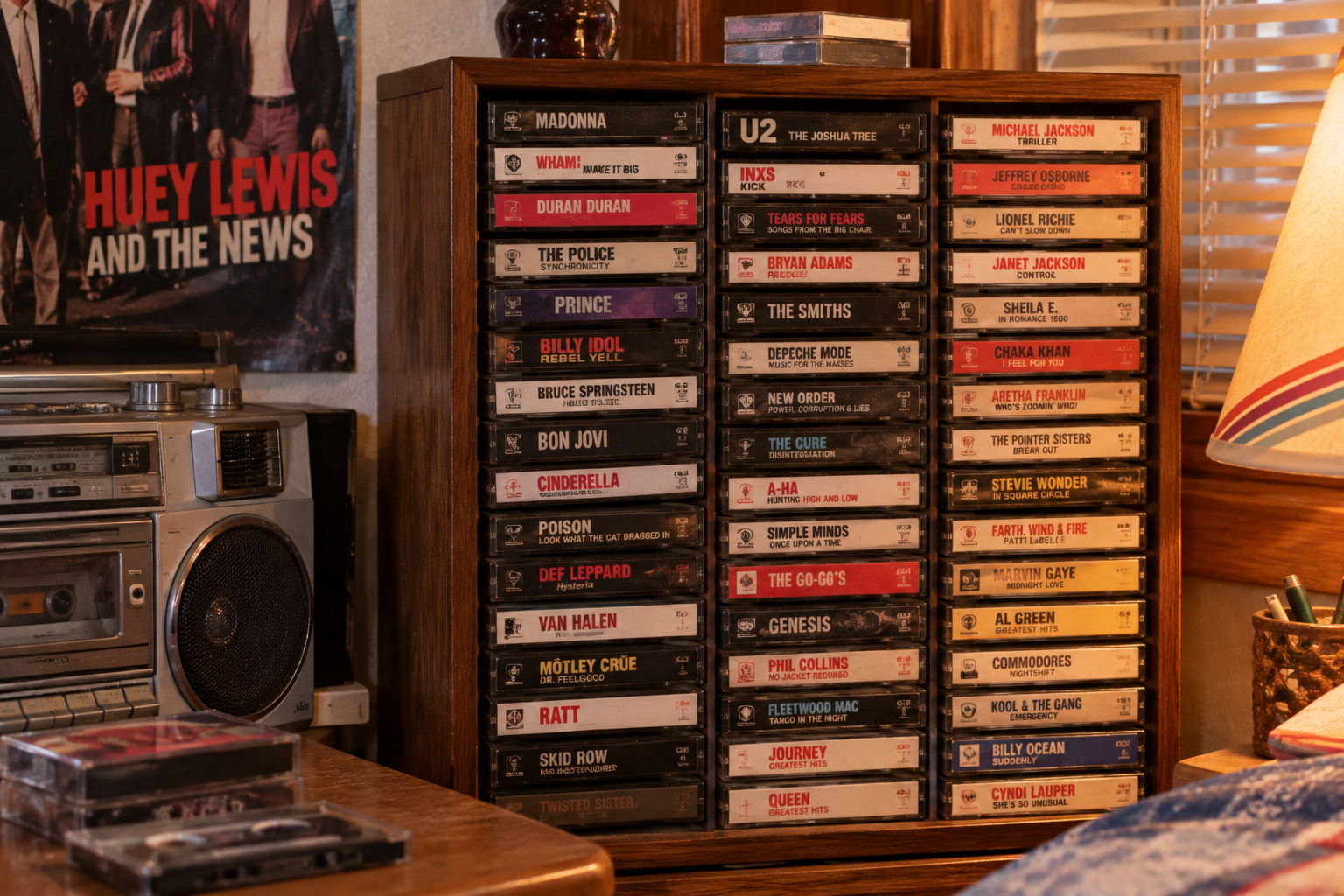
A sizable music collection once required actual furniture. Cassette tapes piled up quickly, so homes and bedrooms often had plastic racks, wooden towers, carrying cases, or drawers dedicated to keeping them organized. Cassettes became so popular that they surpassed vinyl record sales in 1983. And unlike a perfectly organized streaming library, these collections could be extremely personal: homemade mixtapes might have handwritten track lists, decorated inserts, and labels carefully squeezed onto tiny cassette cases. Double-cassette decks even made it possible to copy tapes at home. CDs eventually took over much of the cassette market, and MP3 players and streaming later eliminated the need to devote an entire corner of a room to storing a music collection.
The Boombox
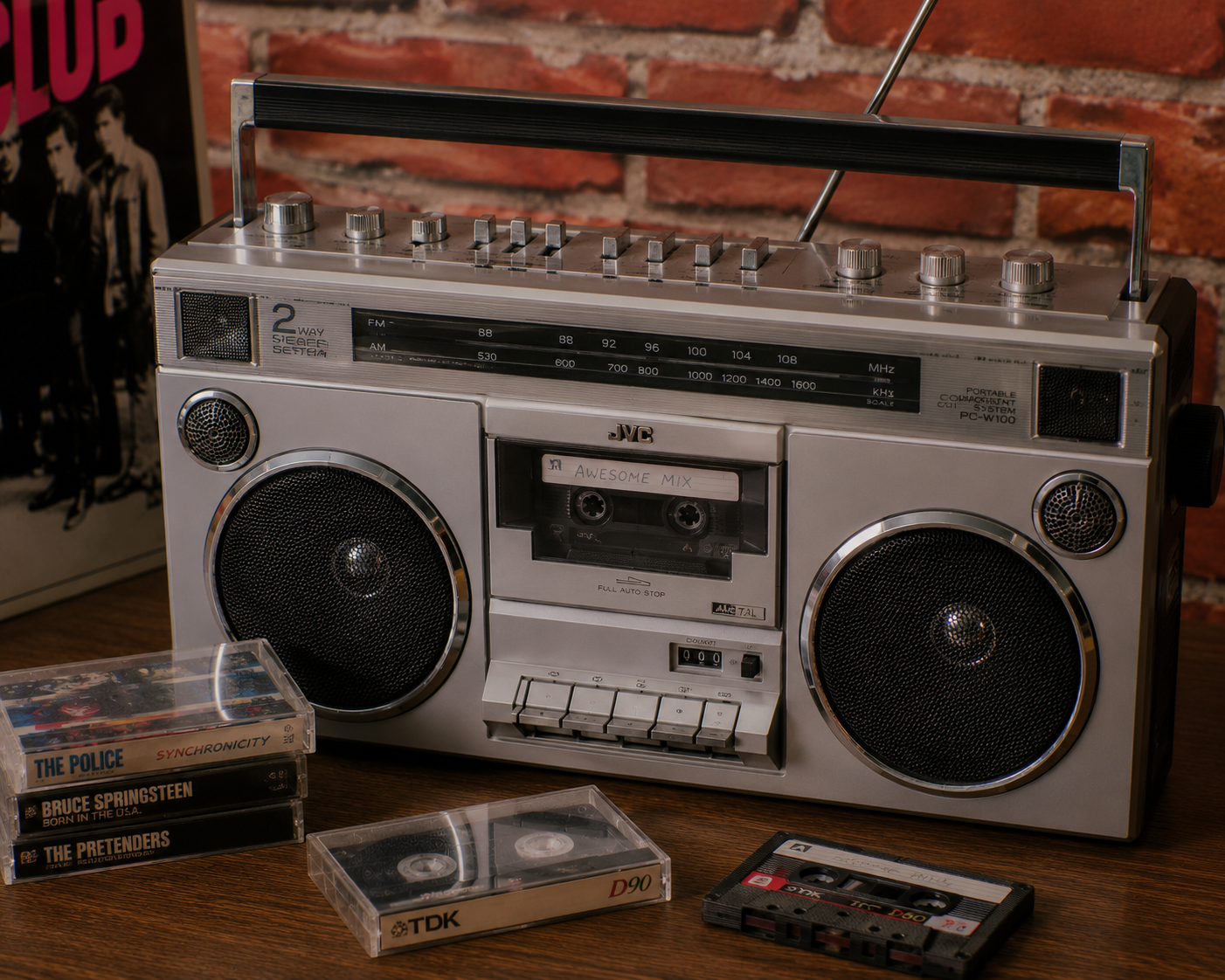
Boomboxes weren’t limited to sidewalks and movie scenes. Plenty sat in bedrooms, garages, kitchens, and basements, combining a radio, cassette player, and speakers into one impressively large package. During the 1980s, manufacturers kept adding features, including dual cassette decks, microphones, bigger speakers, and increasingly elaborate controls. Some models required a startling number of large batteries when you wanted to take them somewhere without an outlet. Dual decks also made creating homemade mixtapes considerably easier. Eventually, the boombox’s various jobs were divided among smaller devices: personal stereos, portable CD players, MP3 players, smartphones, and Bluetooth speakers. Today, carrying something that enormous just to listen to music feels almost comically inefficient.
The Printed Encyclopedia Set
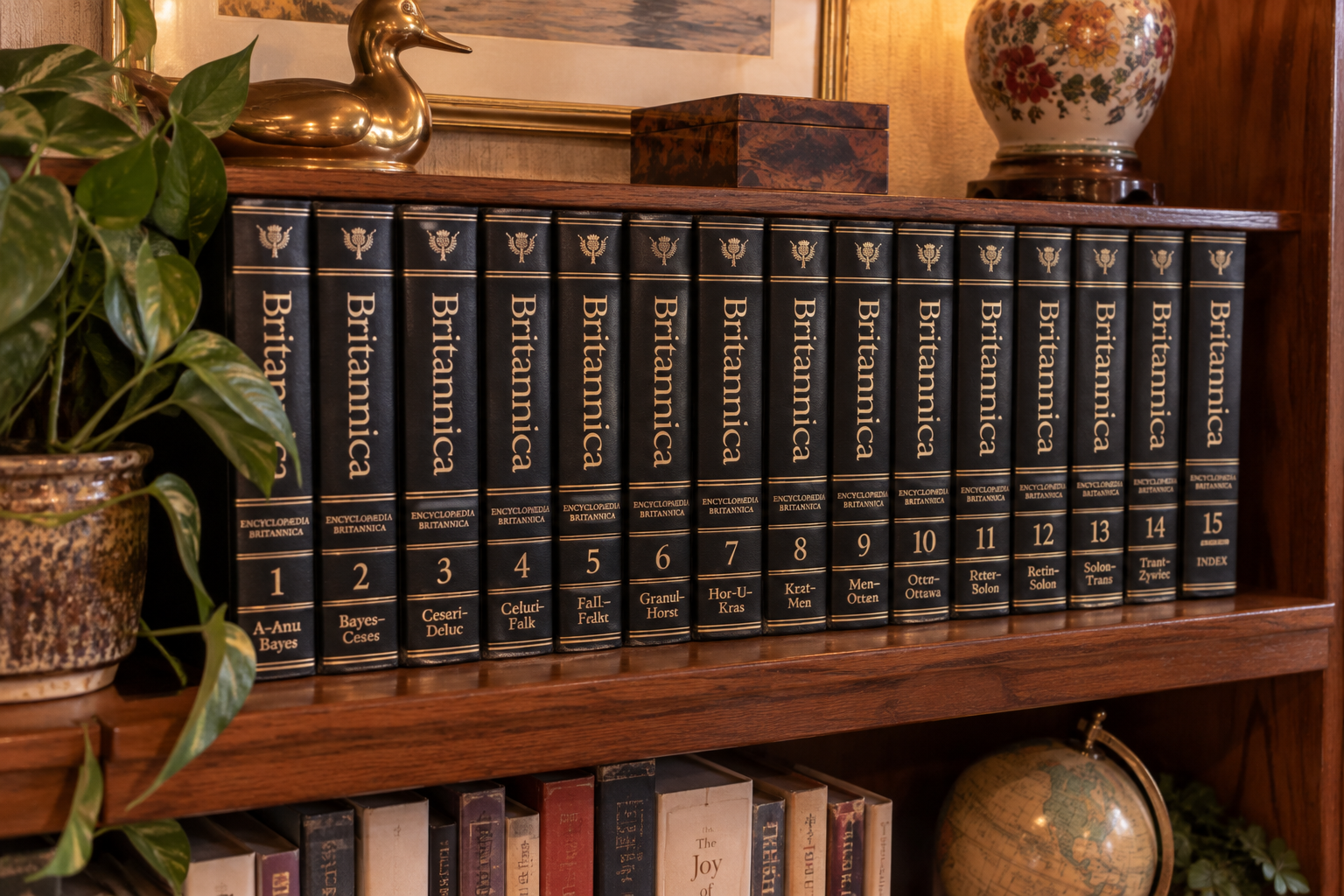
Before you could settle a question in seconds with a phone, the answer might have been sitting somewhere between volumes A and Z. Encyclopedia sets from Britannica, World Book, Funk & Wagnalls, and other publishers were serious household reference tools, particularly when a student had a research project due. Some sets were sold door-to-door and represented a sizable investment for families. The obvious problem was that expensive printed information could start becoming outdated almost as soon as it arrived. CD-ROM encyclopedias offered an early digital alternative, and the internet ultimately made enormous printed reference collections increasingly difficult to justify. What was once an invaluable homework resource became a row of very heavy books occupying a lot of shelf space.
Sign up for our newsletter
The Typewriter
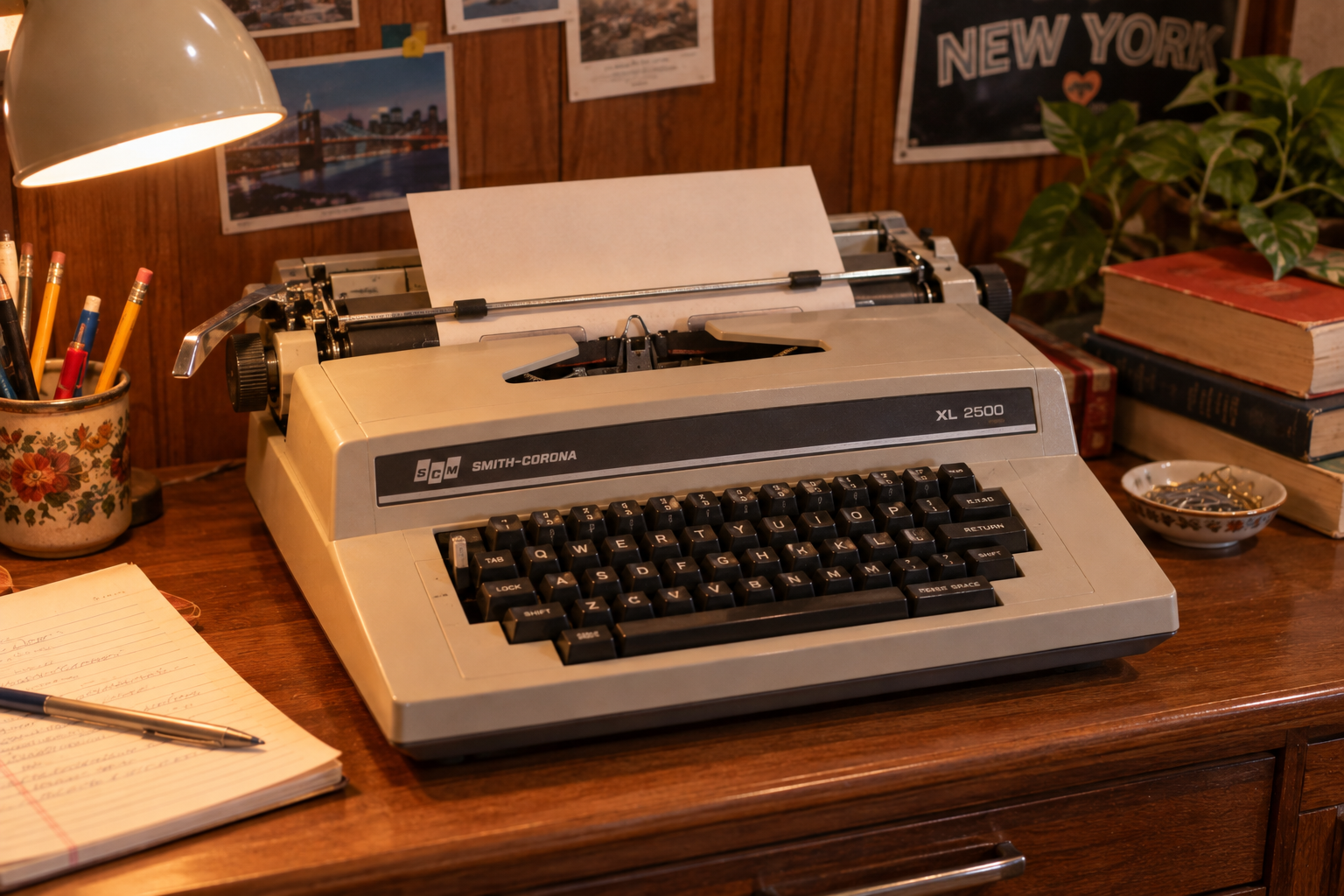
Personal computers were making their way into homes during the 1980s, but typewriters still had plenty of work to do. School papers, letters, forms, labels, and other documents could all be hammered out one key at a time. The downside became painfully obvious whenever you made a mistake. There was no backspace key that magically erased an entire sentence and let you start over. Depending on the machine, fixing an error could involve correction fluid, correction tape, a correction ribbon, or simply retyping the page. Electric typewriters helped bridge the gap between traditional manual machines and computers, but word-processing software ultimately offered something a typewriter couldn’t compete with: the ability to edit, copy, save, rearrange, and print text without starting from scratch.
Rabbit-Ear TV Antennas
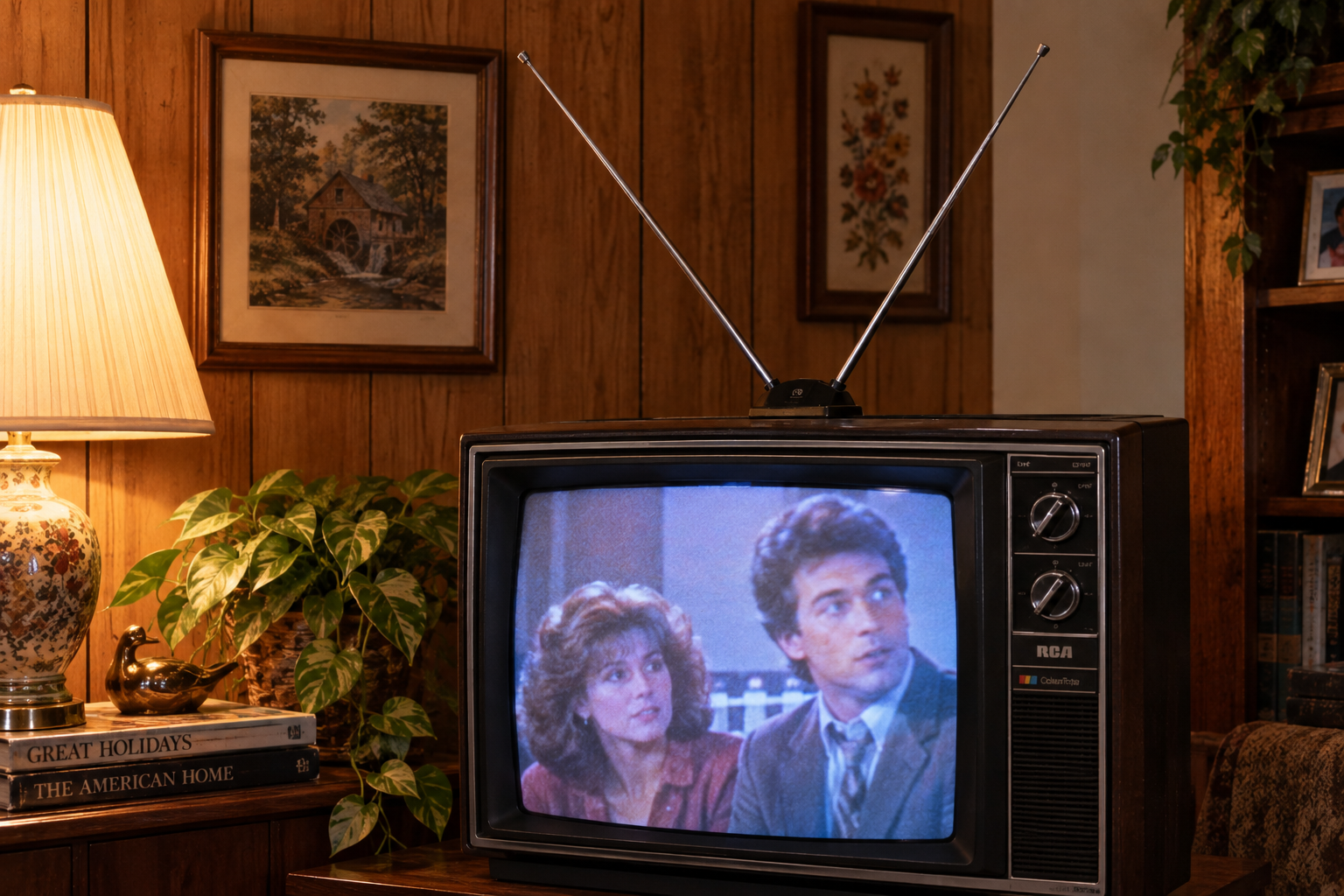
Getting a clear television picture once required a surprising amount of physical effort. Rabbit-ear antennas perched on top of TVs in many homes, and improving reception might mean extending one metal rod farther than the other, rotating the entire antenna, or moving it around until the static finally disappeared. Wrapping aluminum foil around the antenna became another familiar improvised trick. Cable adoption surged during the 1980s, with roughly 60% of American television owners having cable by the end of the decade, according to HISTORY. Satellite TV, digital broadcasting, and eventually streaming further changed how households watched television. Modern digital antennas still exist, but the classic pair of telescoping rabbit ears balanced on top of the family TV is considerably harder to find.
The Glass Mercury Fever Thermometer
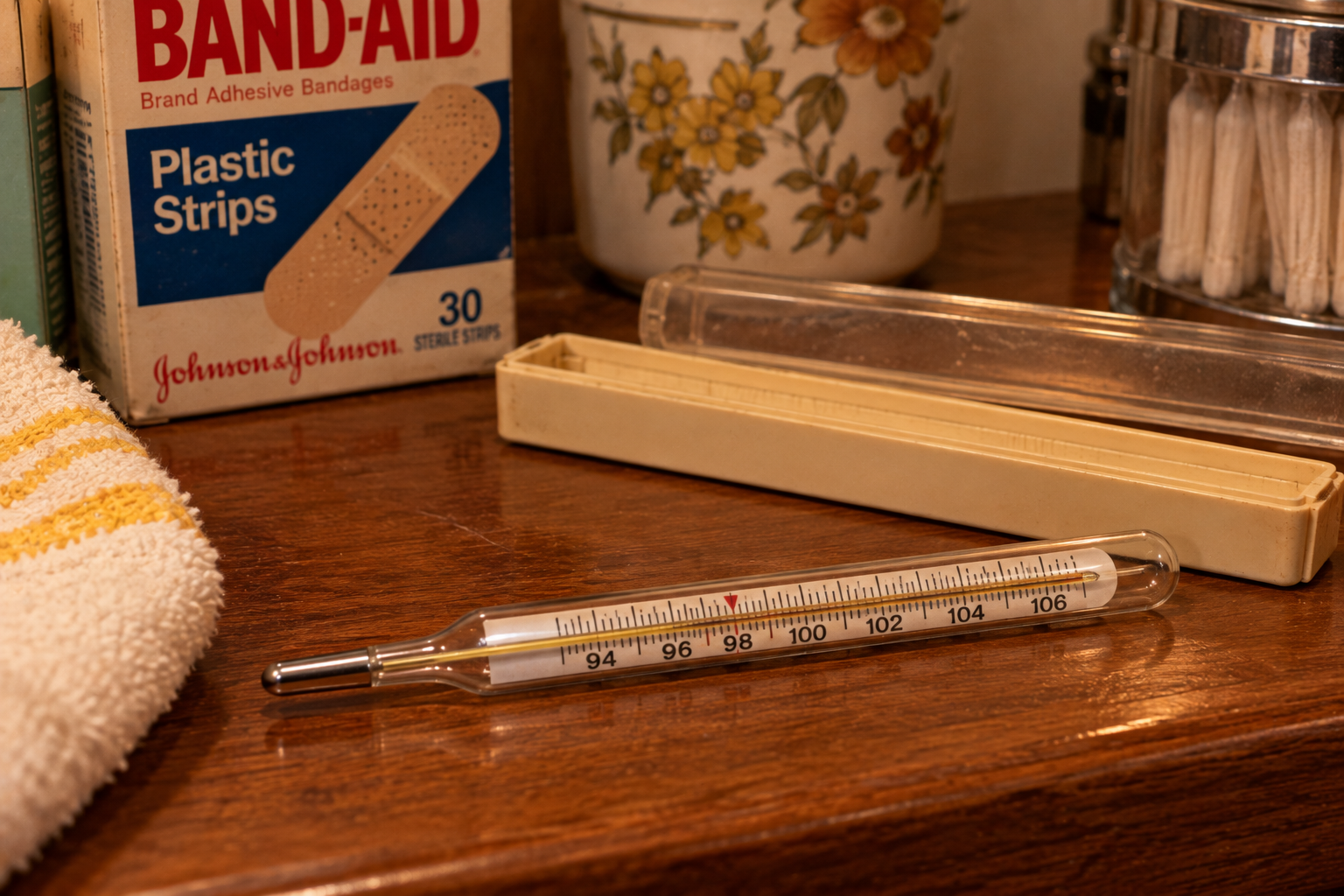
For generations, checking someone’s temperature involved a fragile glass tube, a tiny column of mercury, and several minutes of careful waiting. Mercury thermometers were common enough to have a permanent spot in many medicine cabinets, but they came with one fairly significant drawback: breaking one could release mercury, which requires special handling because its vapor can be hazardous. Digital thermometers offered a safer and easier-to-read alternative, while concerns over mercury exposure led governments to restrict the older versions. According to the EPA, at least 13 states enacted restrictions on the manufacture, sale, or distribution of mercury fever thermometers. The glass version that once seemed like a medicine-cabinet essential is now an increasingly unfamiliar sight.
Ashtrays in Nearly Every Room
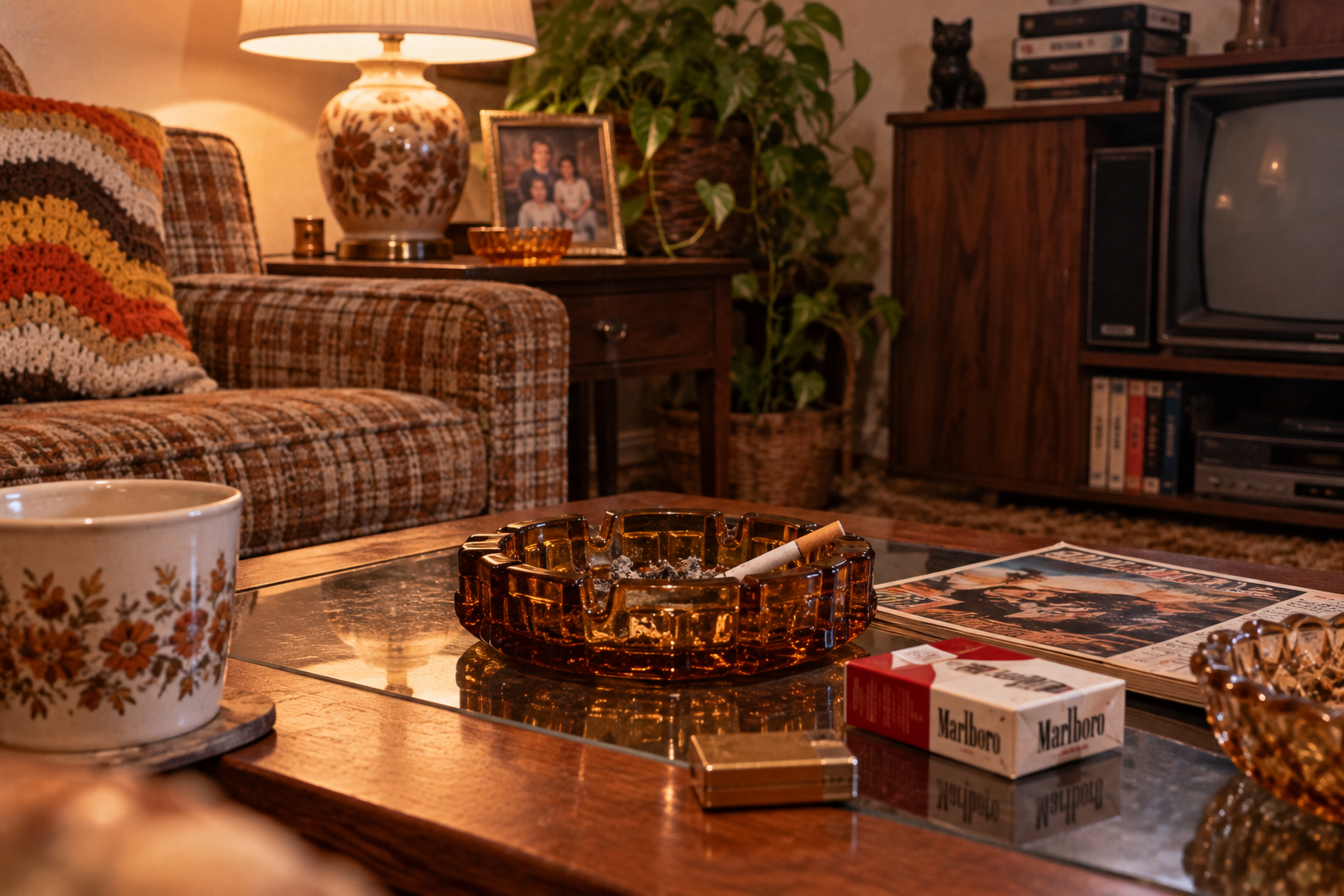
Look through enough photographs of American homes from decades past and one detail can feel particularly strange today: ashtrays seemed to be everywhere. There were ceramic ashtrays on coffee tables, standing versions beside chairs, decorative ones brought home as souvenirs, and extras kept around for guests. Their ubiquity made sense in an era when smoking indoors was far more normalized. About 28% of American adults were classified as current smokers in 1988, according to CDC data cited in the guide. As cigarette smoking declined and awareness of secondhand smoke grew, smoking inside the home became less common — and households no longer needed ashtrays scattered from room to room. The objects haven’t vanished completely, but they’re no longer the standard piece of decor they once were.
Metal-Tipped Lawn Darts

A set of lawn darts could once sit alongside badminton rackets and other backyard games in the garage. The difference was that traditional lawn darts involved throwing large, weighted darts with sharp metal points through the air toward plastic target rings on the ground. Eventually, the danger became impossible to ignore. The Consumer Product Safety Commission banned the sale of pointed lawn darts in the United States effective December 19, 1988, after the game had been associated with deaths and thousands of injuries. The agency recorded three child deaths before the ban and estimated roughly 700 emergency-room-treated injuries annually when the prohibition was finalized. Modern lawn-dart games use safer blunt or rounded ends, making the metal-tipped originals one ’80s household item that’s better left in the past.
The Rolodex or Household Address File
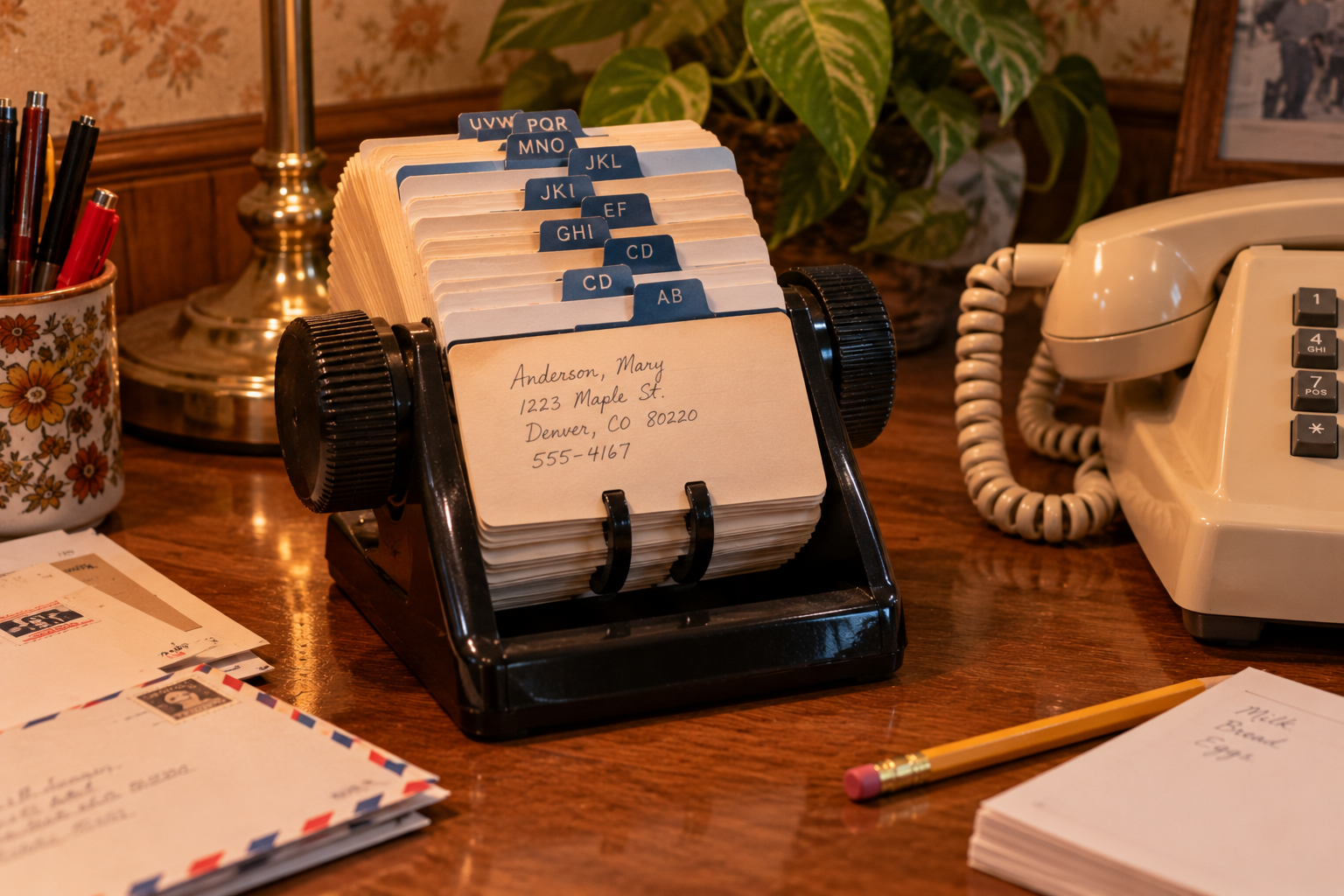
Remembering everyone’s contact information used to require a physical system. Families might keep handwritten address books, index-card boxes, or rotating Rolodex-style files filled with names, phone numbers, and addresses. When somebody moved, you crossed out the old address. When they changed their number, you erased it or replaced the card. And the numbers you called most often had a tendency to become permanently lodged in your memory. Computers and smartphones gradually turned all that paper into searchable digital contact lists capable of storing phone numbers, email addresses, birthdays, and far more. Old address books sometimes survive as accidental family archives, filled with crossed-out addresses and people you haven’t thought about in decades, but few households still depend on one to make a phone call.
An Entire House Worth of Jobs Now Fits in Your Pocket
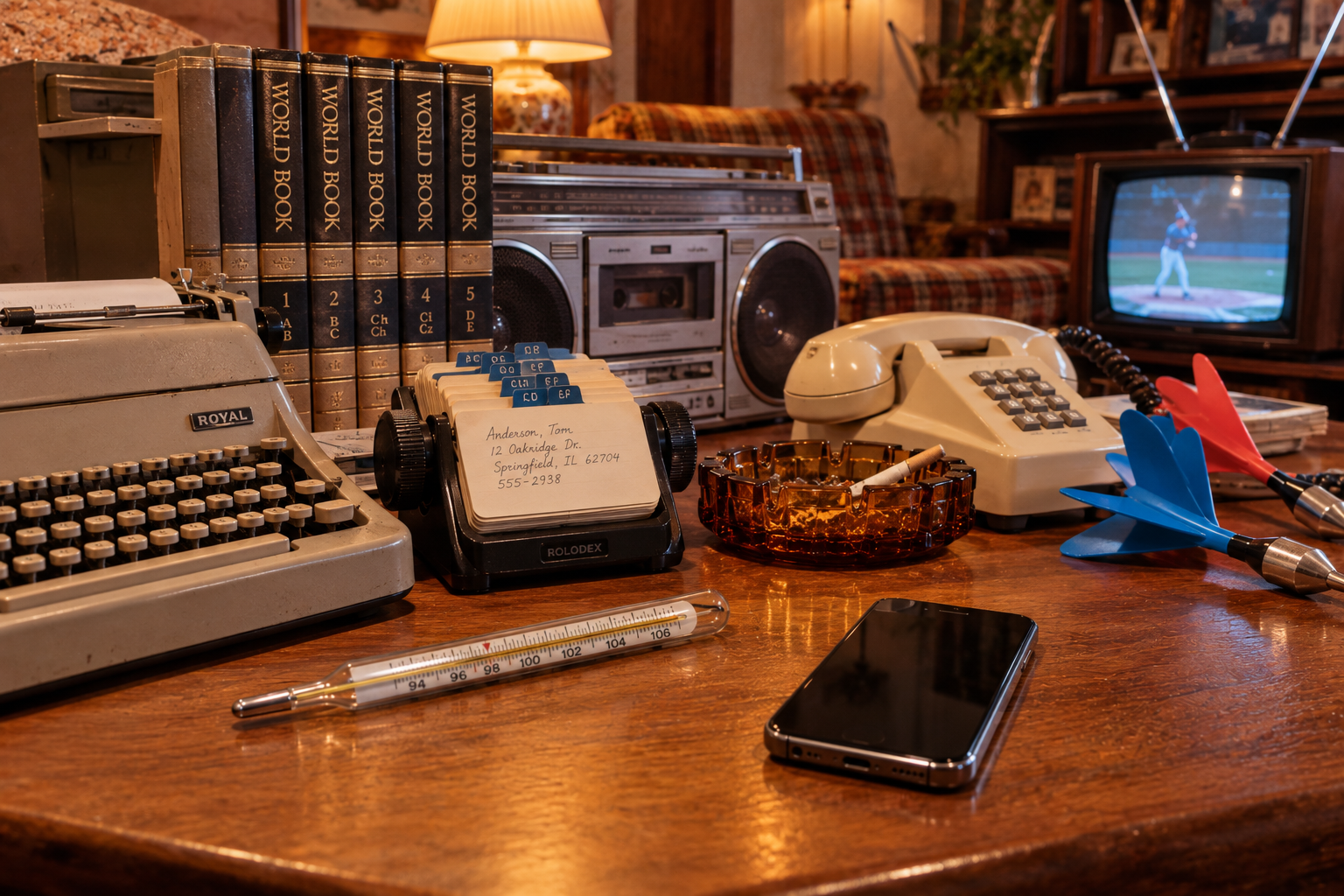
What disappeared after the ’80s wasn’t always the activity itself. People still listen to music, look up phone numbers, watch movies, write documents, save contact information, and search for answers. What’s largely gone is the collection of single-purpose objects once required to do all those things.
Phones, computers, streaming services, and digital storage gradually absorbed jobs that once required separate machines, books, tapes, racks, and other household gear. Put them all together today, and a surprising amount of perfectly ordinary ’80s household equipment would look more like a vintage technology collection than the contents of an average home.