Walk into many American homes in the 80s and the decade was easy to spot: a bulky television in the living room, a corded phone on the wall, stacks of VHS tapes, and family photos tucked into thick albums. It was also a major transition period, as newer technology like VCRs and microwaves became more common while older habits still held on. The U.S. Census Bureau shows just how widespread some of these household technologies had become by the late 1980s.
A Giant Console Television
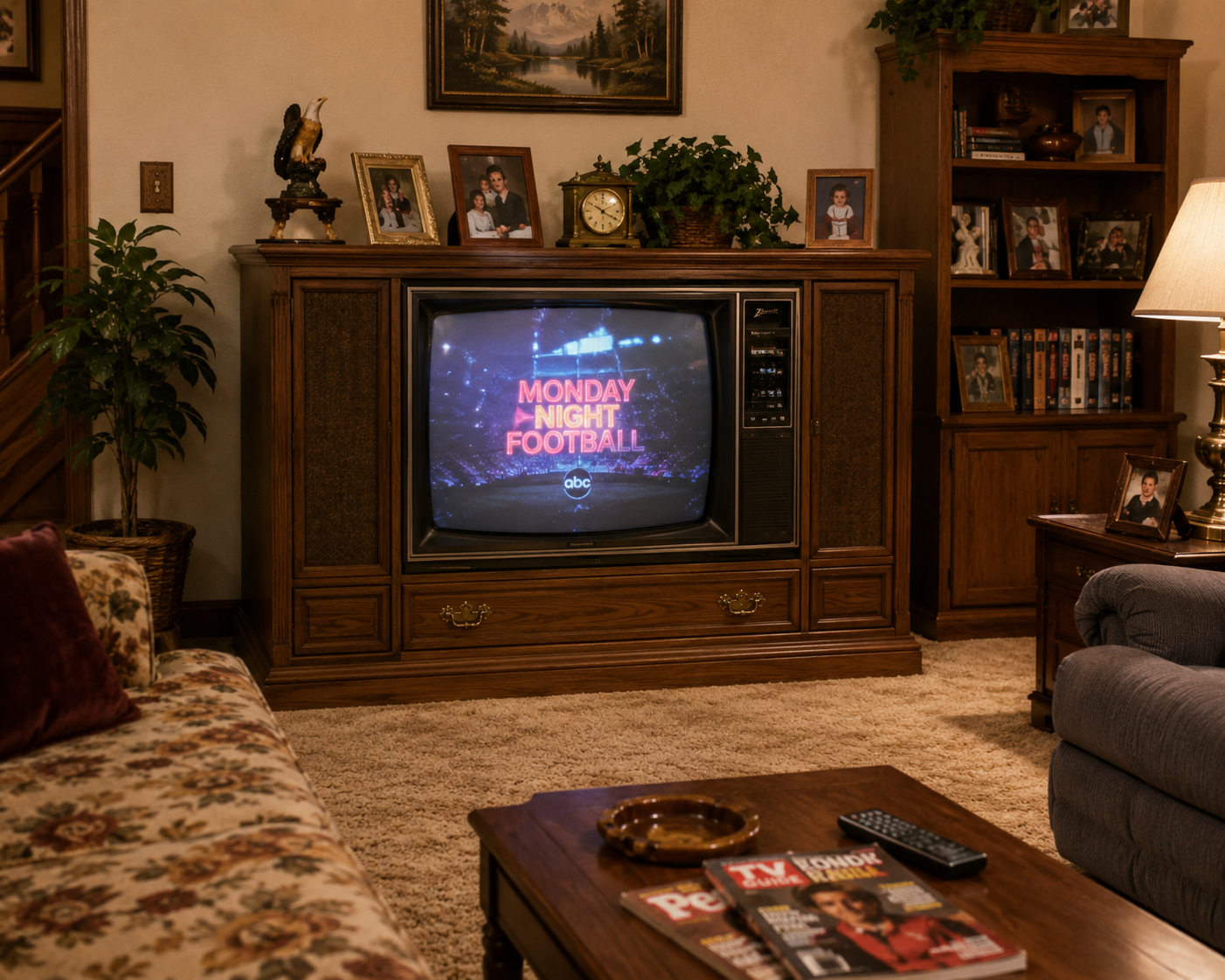
Long before flat screens disappeared into the wall, the television itself could take up a serious chunk of the living room. Many sets came inside wood or faux-wood cabinets and sat directly on the floor, with family photos, figurines, or a plant parked on top. By the late 1980s, color TV had become a standard part of American home life. The downside was obvious whenever one had to be moved: CRT televisions were deep, bulky, and extremely heavy.
A VCR That Nobody Quite Knew How to Program
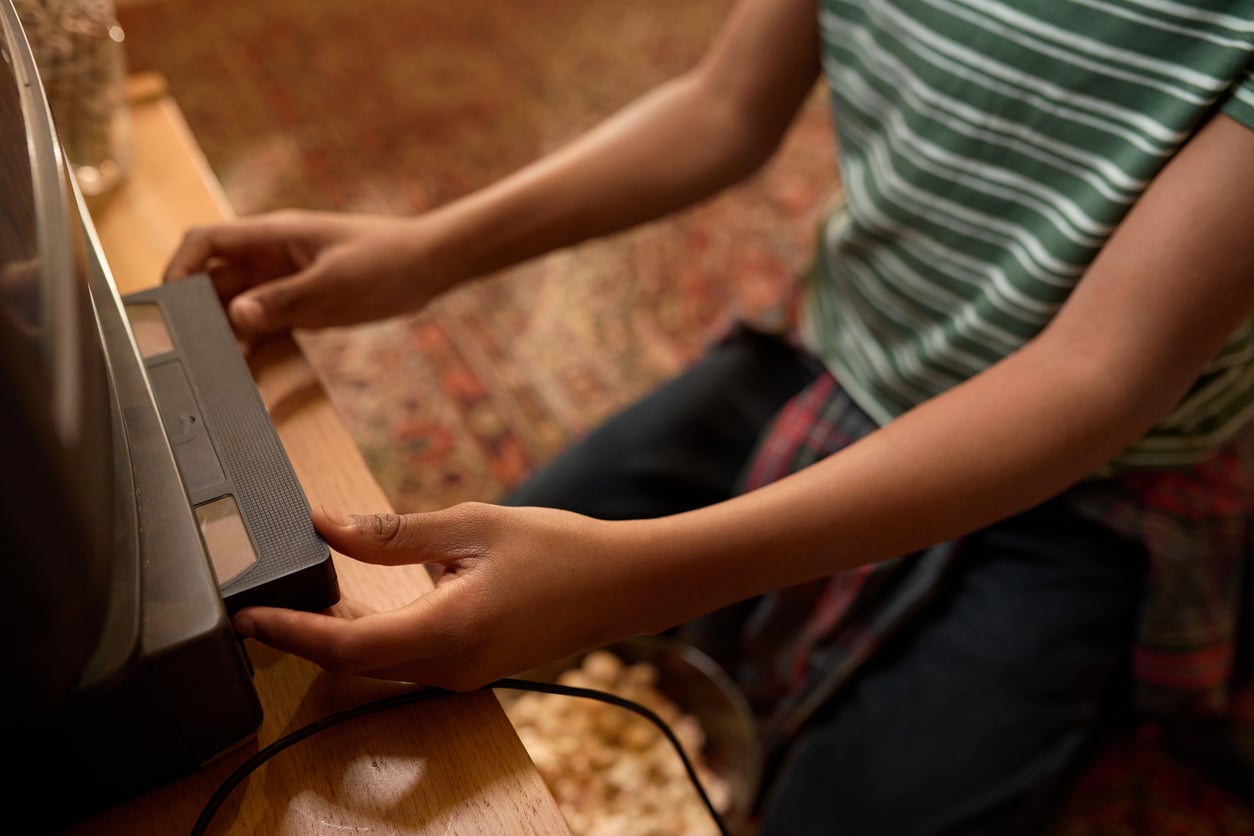
The VCR gave families something that once felt almost magical: the ability to record a show and watch it later. It also opened the door to weekend movie rentals and shelves full of videotapes. VHS eventually beat Sony’s Betamax in the format war, helped by wider availability and lower costs. By the end of the decade, VHS had clearly won. The less glamorous part was programming the timer, which helped turn the endlessly blinking “12:00” display into an enduring joke.
A Stack of VHS Tapes
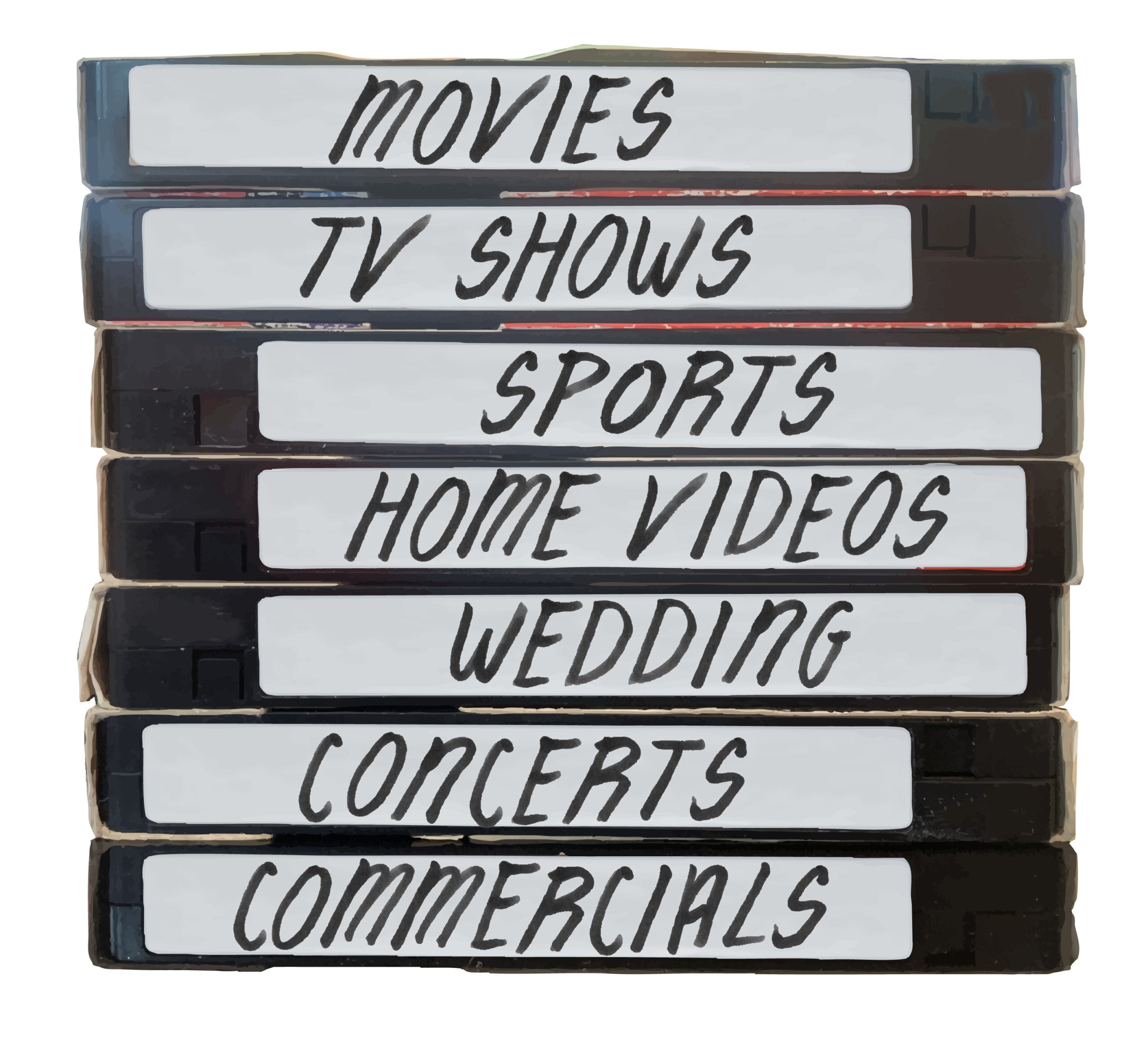
Once a VCR entered the house, tapes seemed to multiply. Some were purchased movies, some came home from the video store, and plenty were blank tapes with labels like “Christmas 1986” or “DO NOT ERASE.” One cassette might contain a movie, a sitcom, and half of the evening news because somebody simply kept recording. Unlike today’s streaming libraries, the collection took up real shelf space, and finding a specific recording sometimes meant popping in several tapes and fast-forwarding until something looked familiar.
A Corded Landline Phone
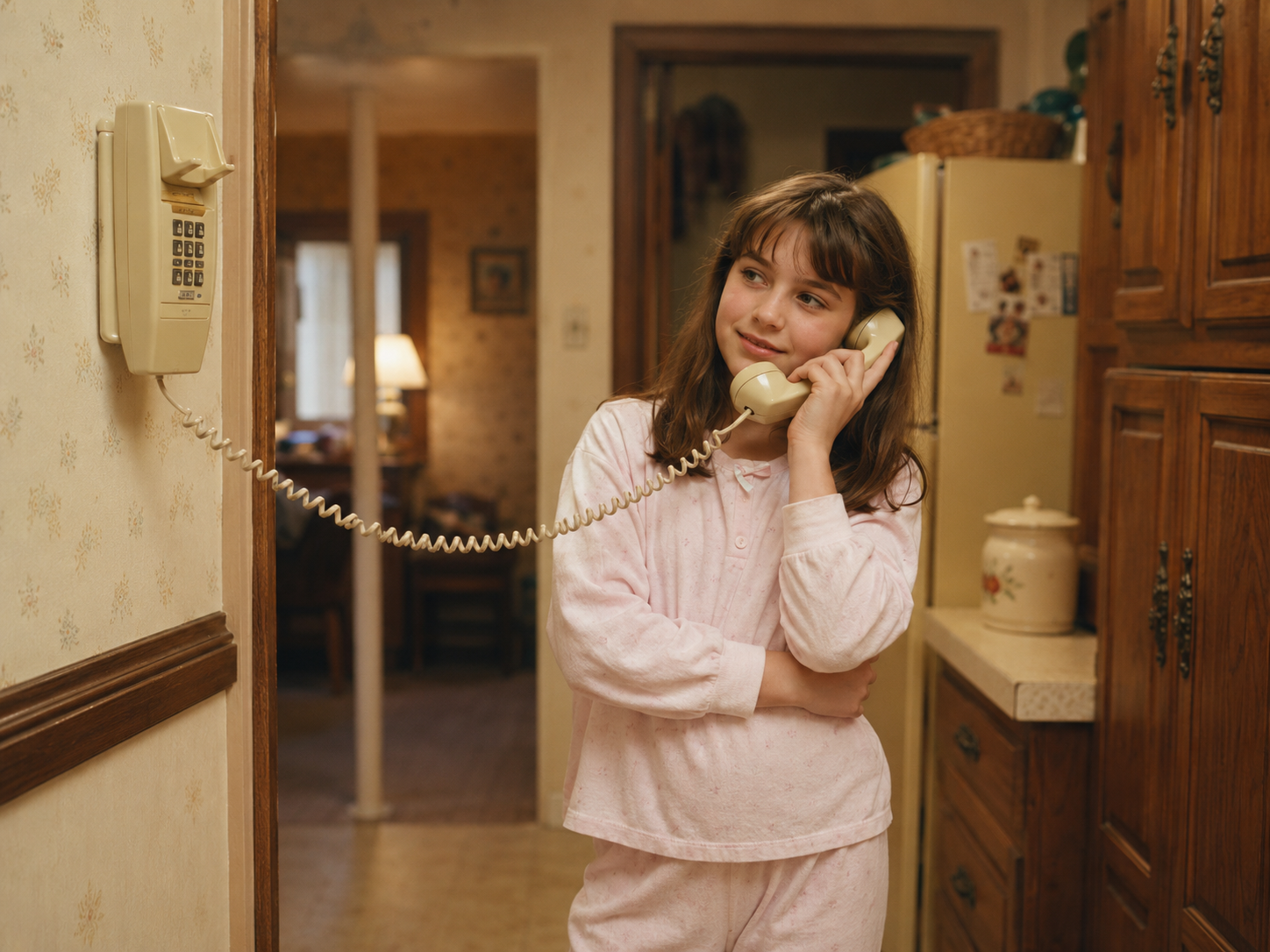
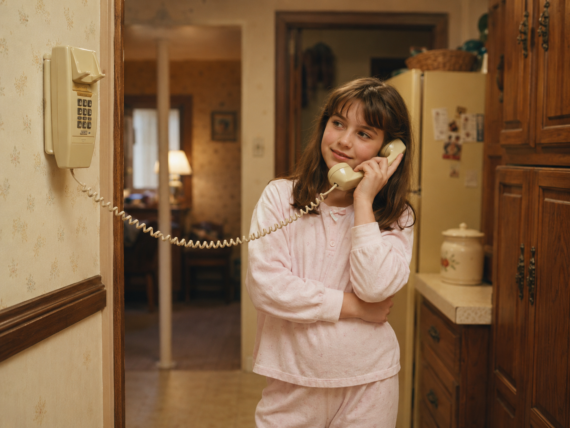
For most families, the telephone belonged to the house rather than to a person. A phone might hang on the kitchen wall or sit on a hallway table, connected by a coiled cord that somehow always ended up twisted. Teenagers prized extra-long cords because they offered at least a little privacy. There was no wondering where someone had left their phone because it physically could not leave the room. If another family member was using the line, everybody else simply had to wait.
A Wall-Sized Entertainment Center
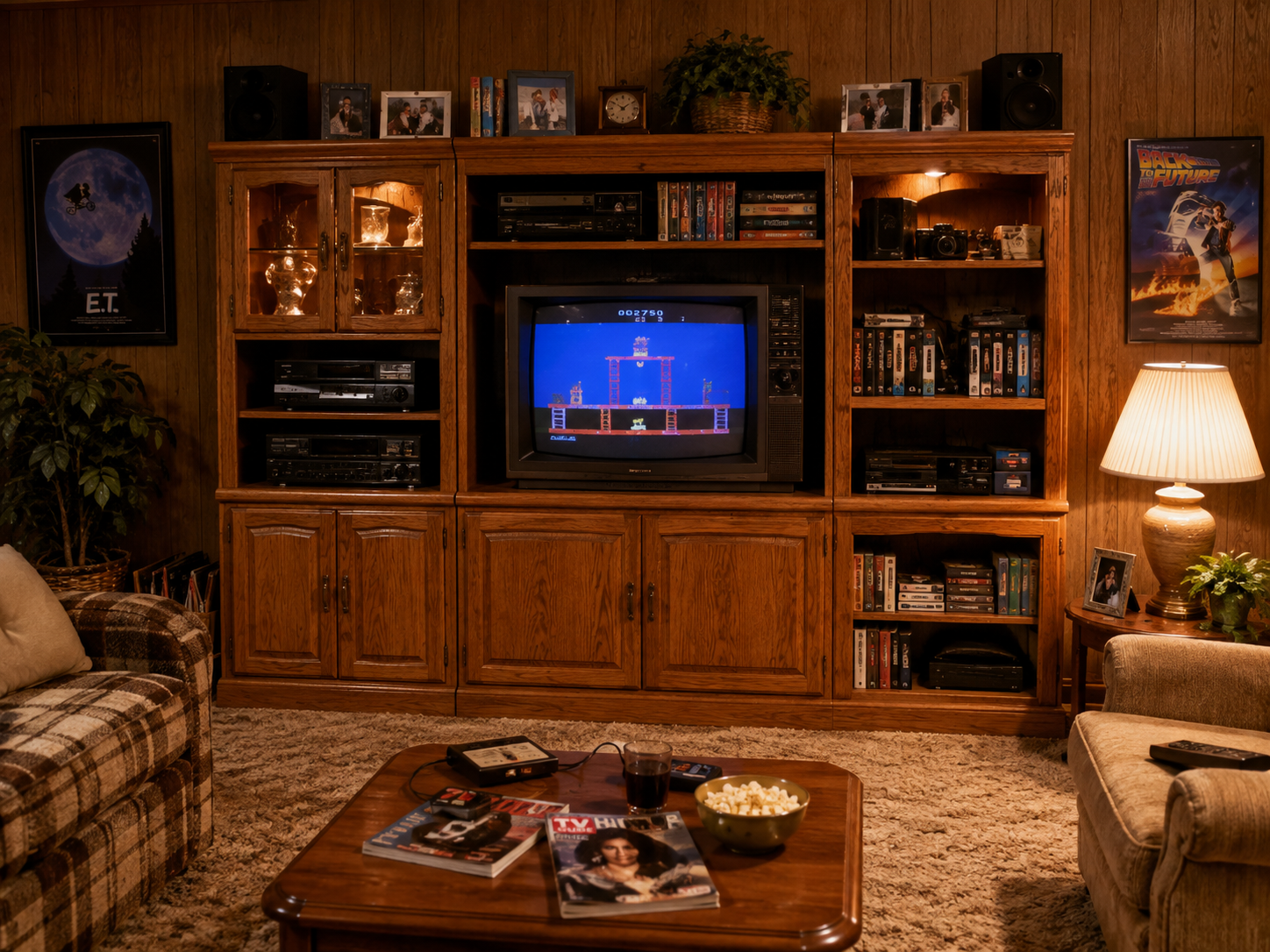
As TVs, VCRs, stereo equipment, tapes, and game systems piled up, furniture manufacturers started building enormous cabinets to contain all of it. A 1985 report from the Southern Furniture Market noted that VCRs were directly influencing furniture design, with manufacturers rushing to offer entertainment centers that could hide the growing tangle of electronics. By 1987, the category was booming. They were useful, but they could swallow an entire wall and collect an impressive amount of dust.
Trending on Cheapism

A Set of Encyclopedias
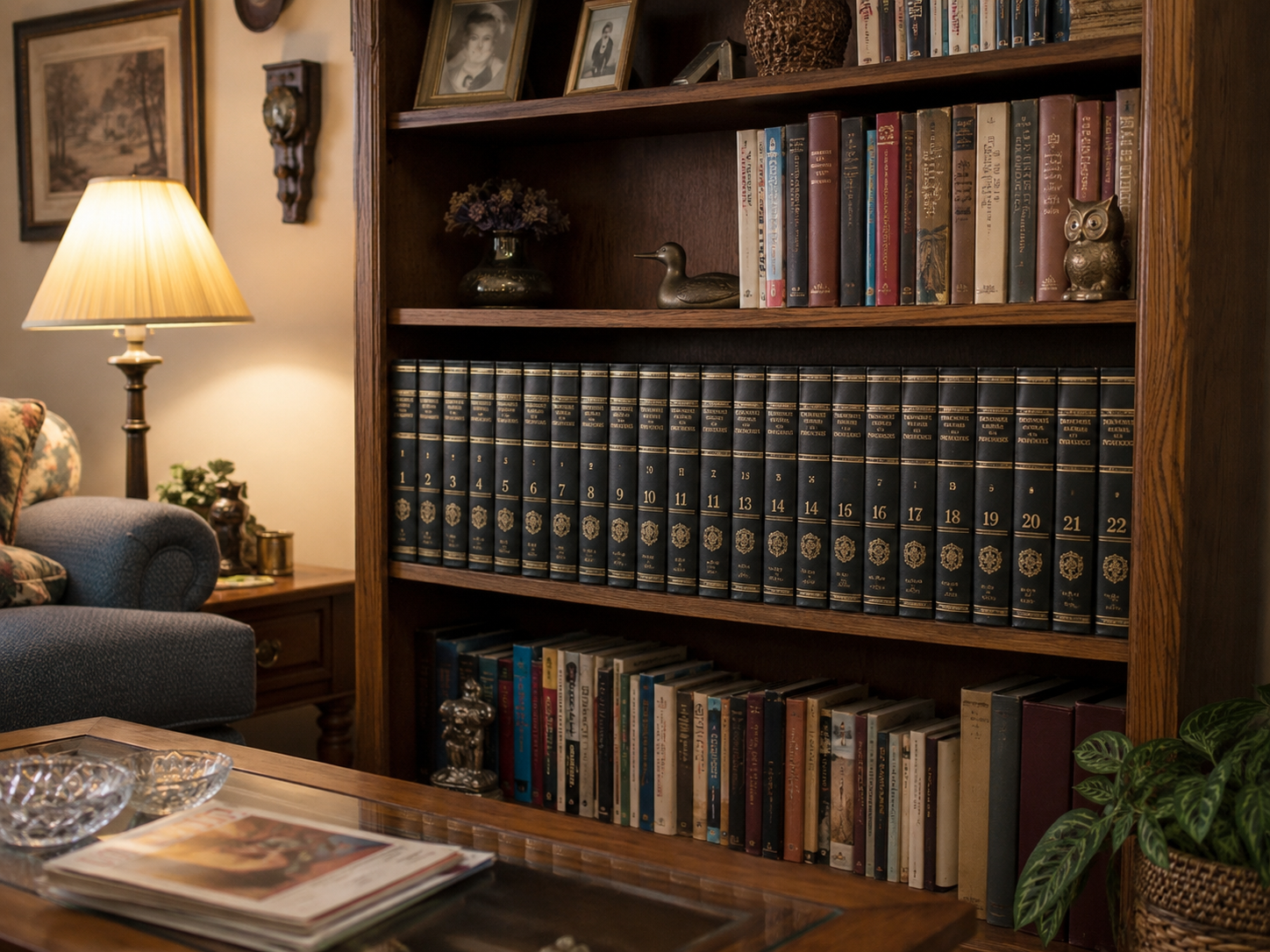
Before a child could pull out a phone and search for the capital of Kosovo, there was a shelf full of encyclopedias. World Book and Encyclopaedia Britannica sets often sat prominently in living rooms, dens, or bedrooms and were heavily used for school reports. The ritual was simple: find the volume containing the right letter, read the entry, and take notes by hand. The drawback was that printed sets aged quickly. Still, World Book’s continued publication of print encyclopedias shows just how durable the format has been.
A Stereo With a Turntable and Cassette Deck
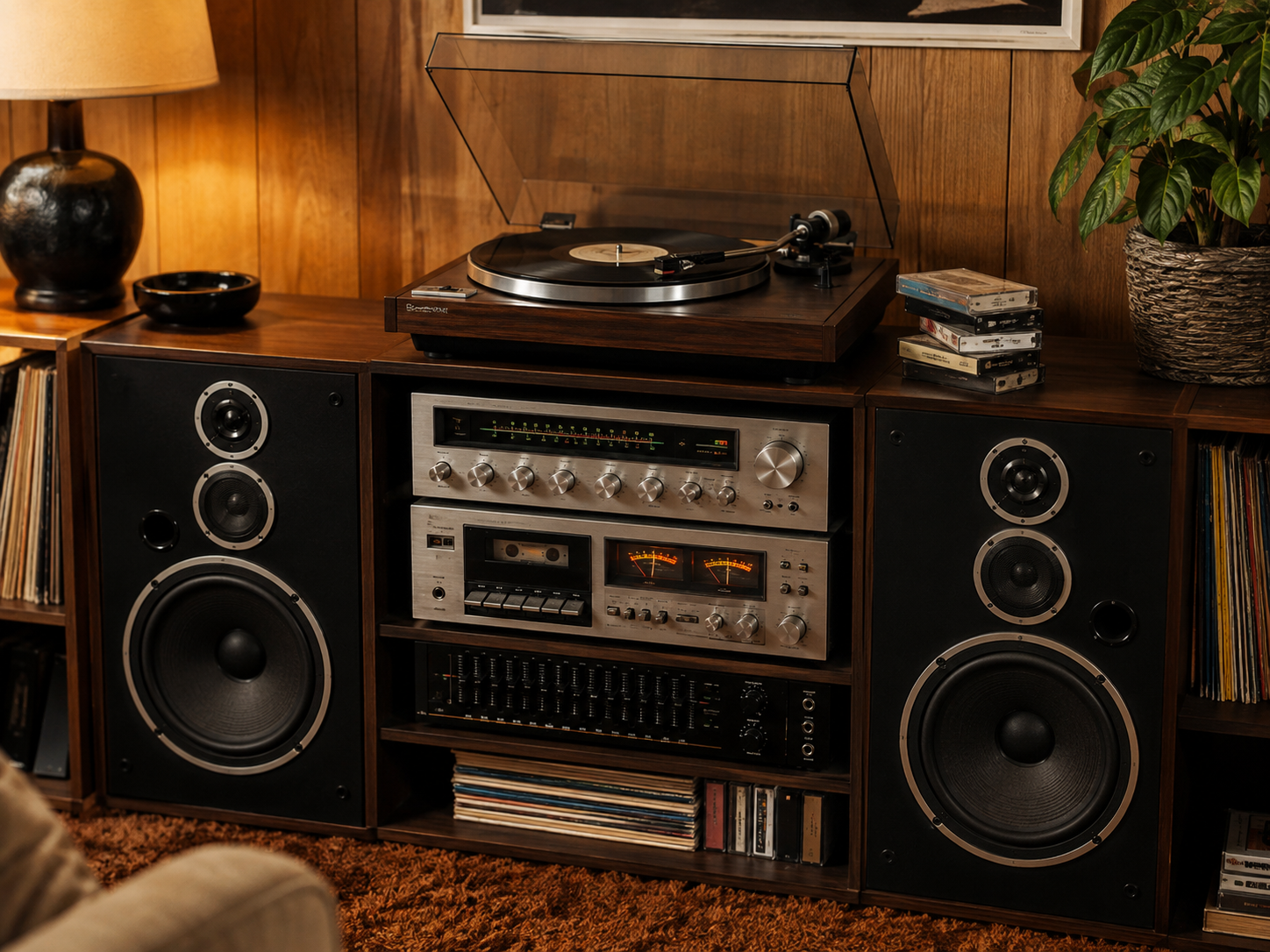
Listening to music could involve an entire piece of furniture. A home stereo setup might have a receiver, turntable, cassette deck, equalizer, and two large speakers, all connected with a mess of wires behind the cabinet. Records remained important throughout the decade even as cassettes became increasingly convenient. Families and teenagers also recorded songs off the radio or made mixtapes for friends. The process took effort, but that was part of the fun. You actually had to sit there and make the tape.
Wall-to-Wall Carpet
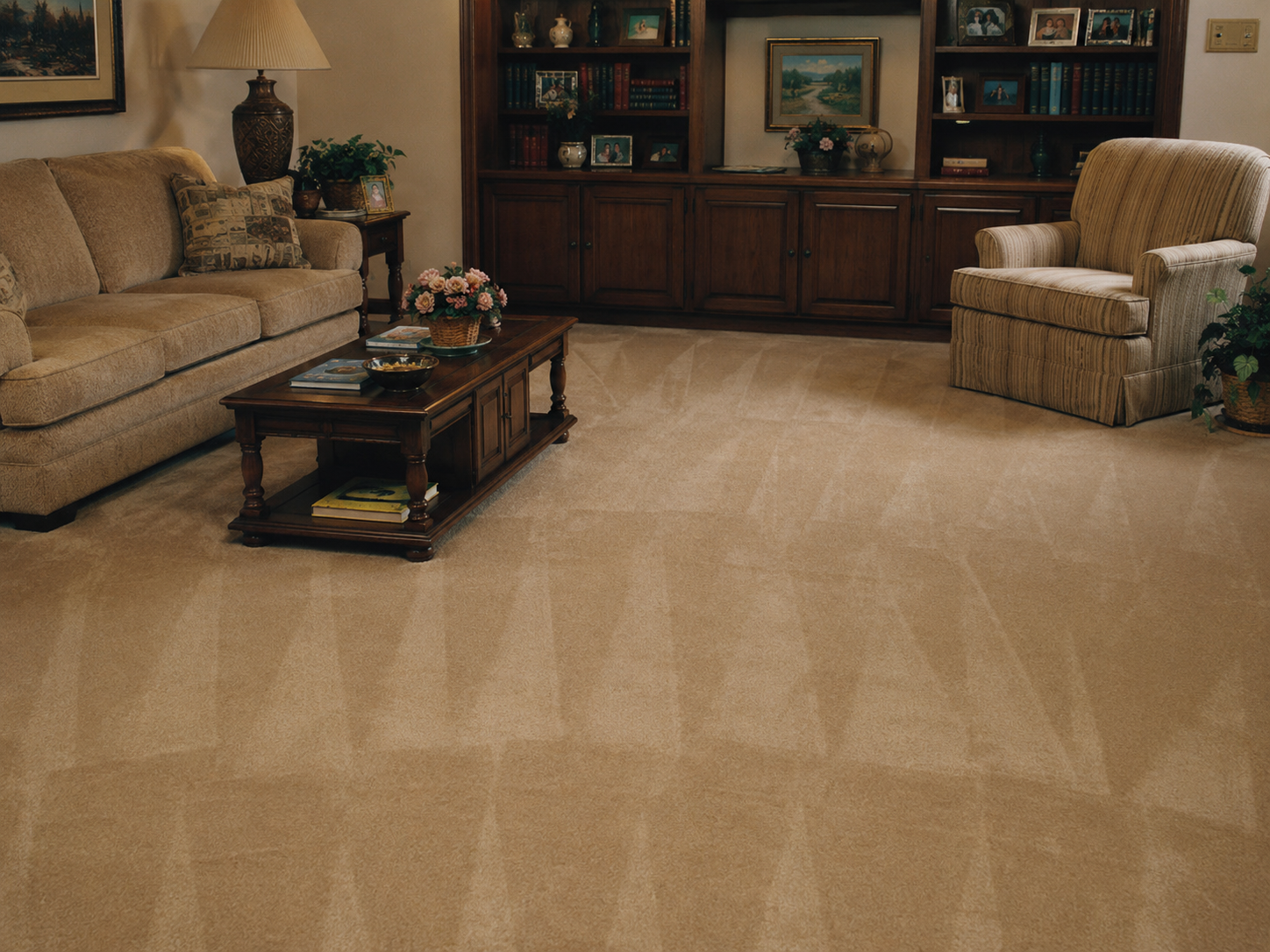
Carpet was not just for bedrooms. Plenty of 1980s homes had it running through living rooms, hallways, basements, and even, in some cases, bathrooms. Wall-to-wall carpeting had been popular since the postwar era, helped by synthetic fibers that made it more affordable. By the 1980s, shorter piles and softer neutrals increasingly replaced some of the dramatic shag styles of the previous decade. The tradeoff was maintenance: stains, static shocks, furniture dents, and vacuum tracks were part of the experience.
Sign up for our newsletter
A Microwave That Still Felt High-Tech
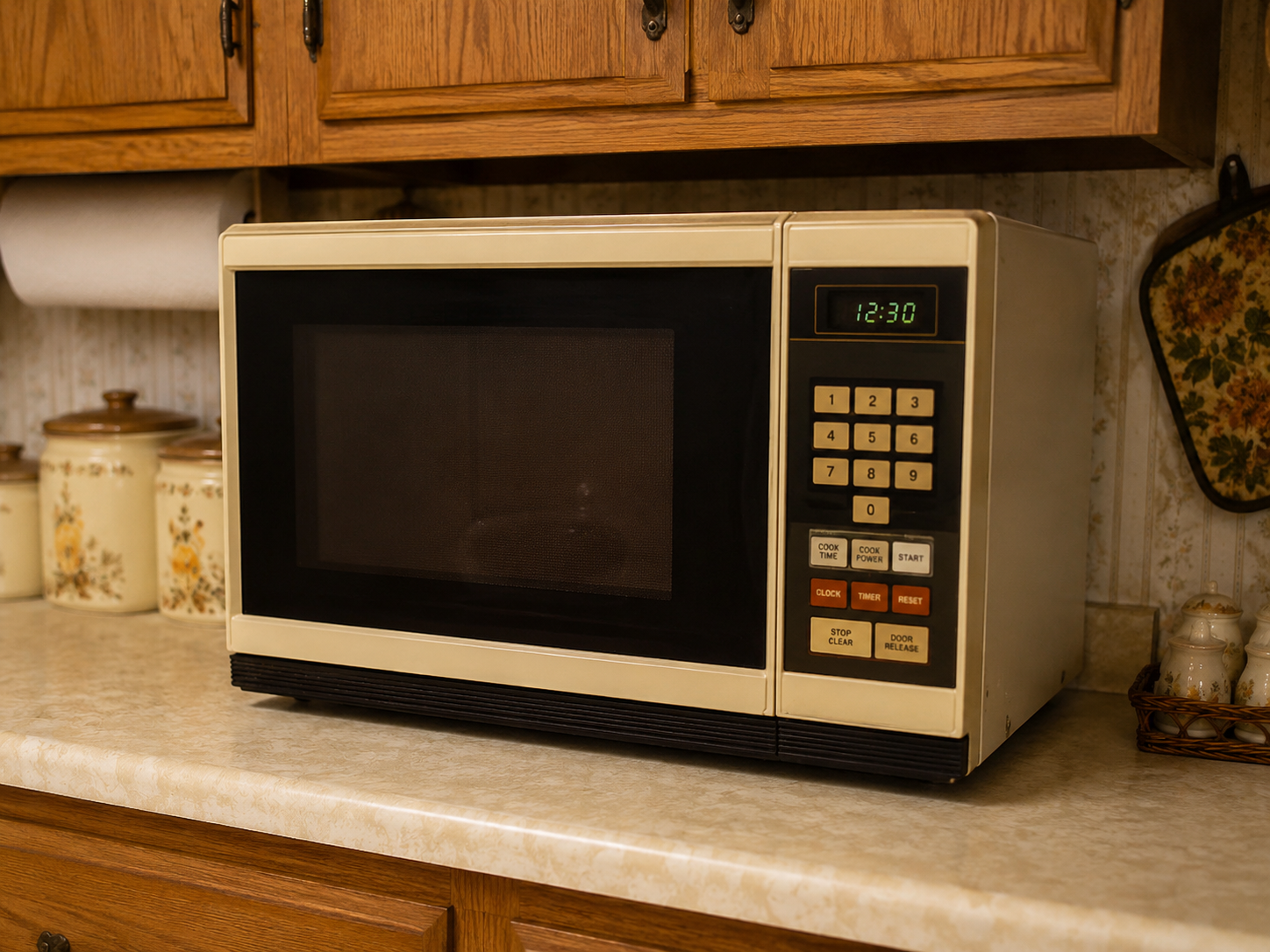
Microwaves became one of the decade’s big kitchen success stories. Earlier models had been expensive novelties, but ownership rose rapidly as prices fell and families discovered how convenient it was to reheat leftovers without turning on the oven. Federal historical data note that microwave ovens were still relatively new household technology at the time. They also created new rituals: microwave popcorn, frozen dinners, watching food spin through the little window, and repeatedly warning children not to put anything metal inside.
A Family Photo Album With Sticky Pages
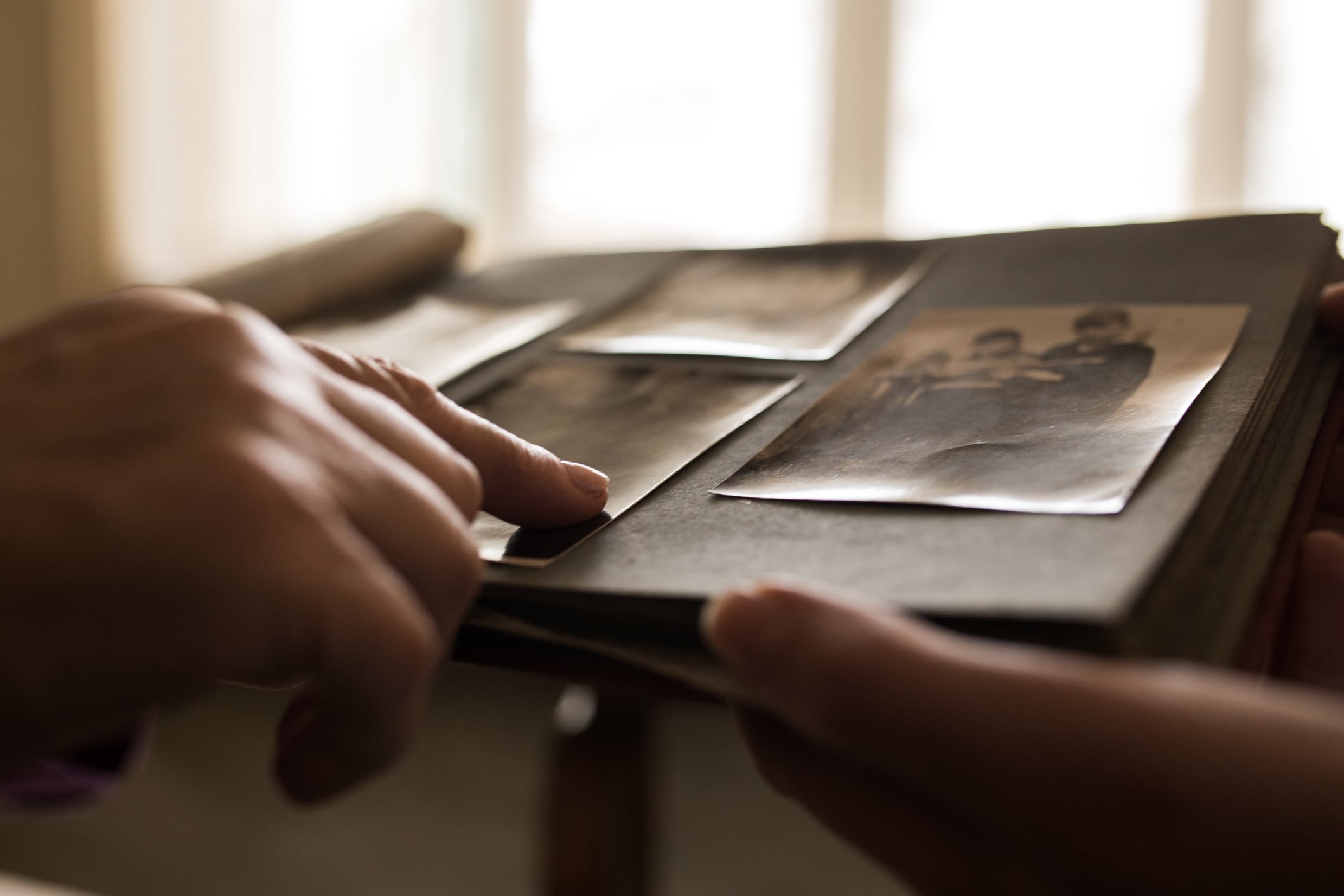
Family pictures had weight in the 1980s. Vacations, birthday parties, Christmas mornings, school plays, and slightly blurry backyard photos were developed on film and tucked into thick albums. One especially familiar style used tacky pages covered by peel-back clear plastic that crackled as it lifted. There was usually only one physical copy unless duplicates had been ordered, so looking at photos meant sitting together and passing the album around. Today, thousands of pictures can disappear into a phone. Back then, a few hundred might fill an entire shelf.
A Stack of Magazines and Catalogs
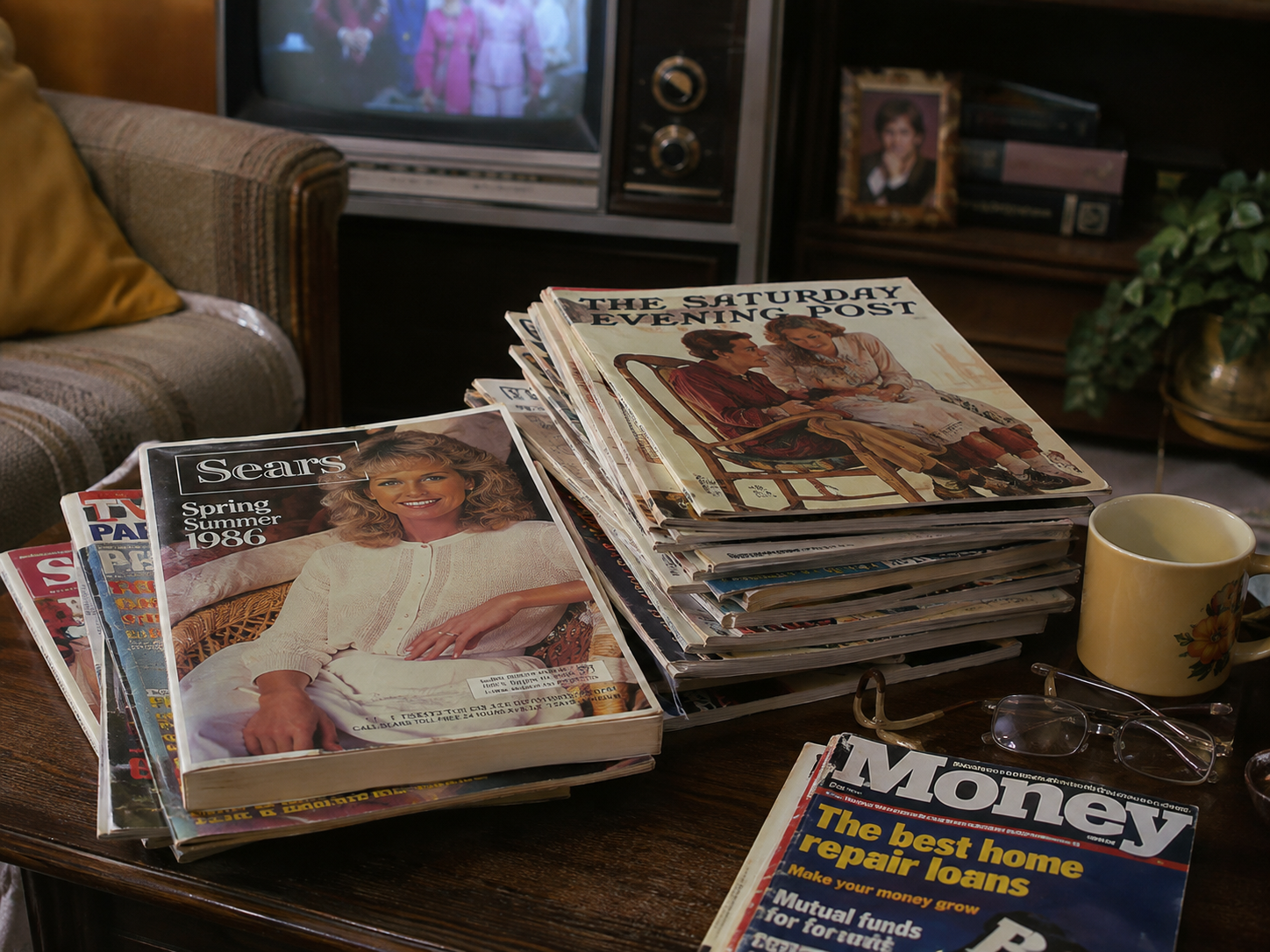
Printed material had a way of accumulating everywhere: coffee tables, bathroom racks, kitchen counters, and piles beside the sofa. Sears, JCPenney, and other catalogs were browsed for clothes, appliances, furniture, and Christmas gifts. Sears had been producing its famous Christmas Wish Book since 1933. TV Guide was another familiar sight. Its circulation was still more than 16 million in late 1988, making it one of the country’s biggest weekly publications. Kids circled what they wanted. Adults dog-eared pages. Nobody needed a password.
A Junk Drawer Full of Everything
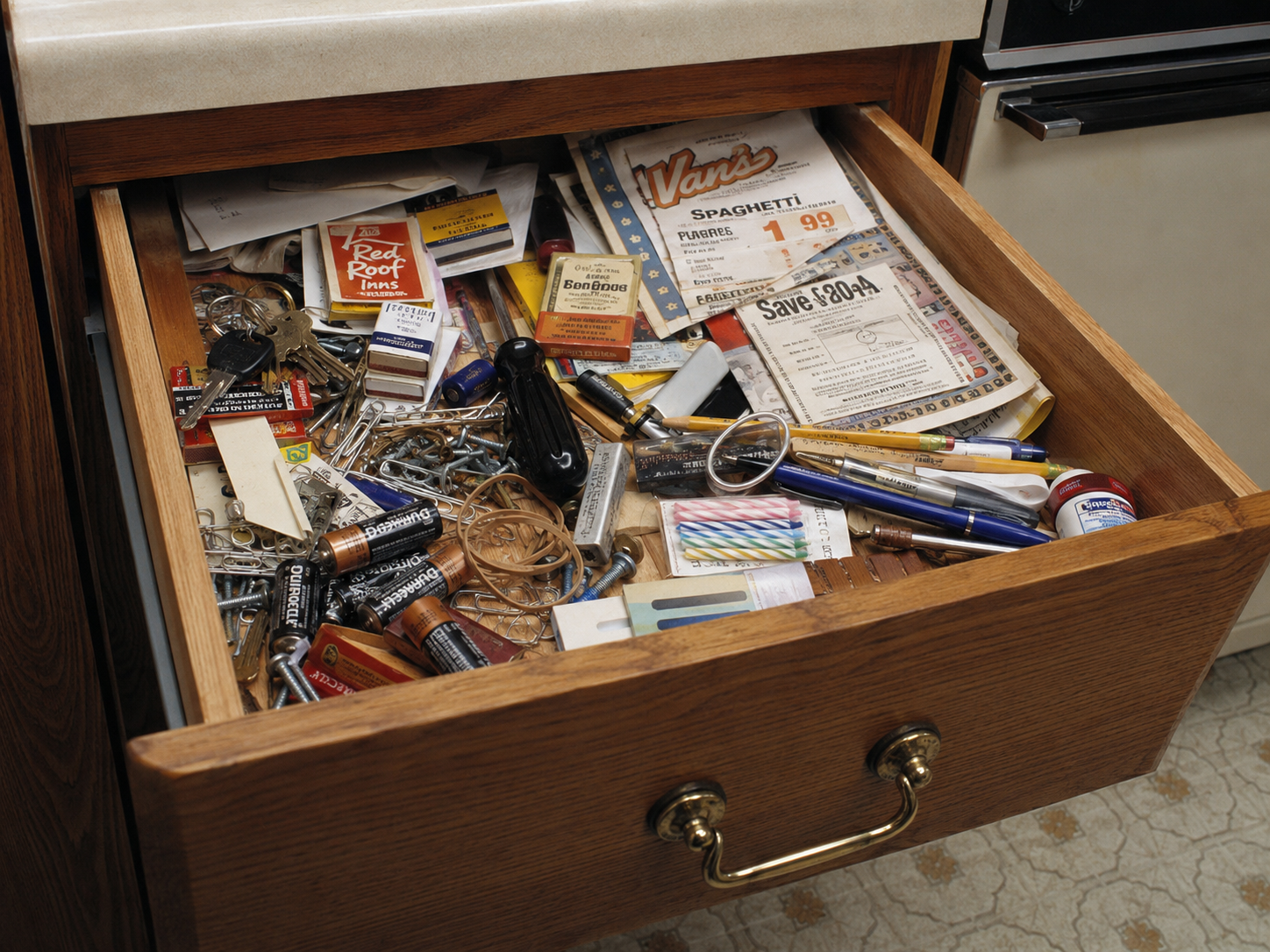
This one may be the least scientific entry on the list, but it is probably one of the easiest to picture. Batteries, rubber bands, spare keys, coupons, birthday candles, matchbooks, screws, pencils, takeout menus, and at least a few pens that no longer worked all ended up together. The junk drawer has not disappeared, but its contents have changed. Today’s version may contain charging cables and old USB drives. In the 1980s, paper, loose change, mystery hardware, and household odds and ends did most of the heavy lifting.
Tupperware Containers With Mismatched Lids
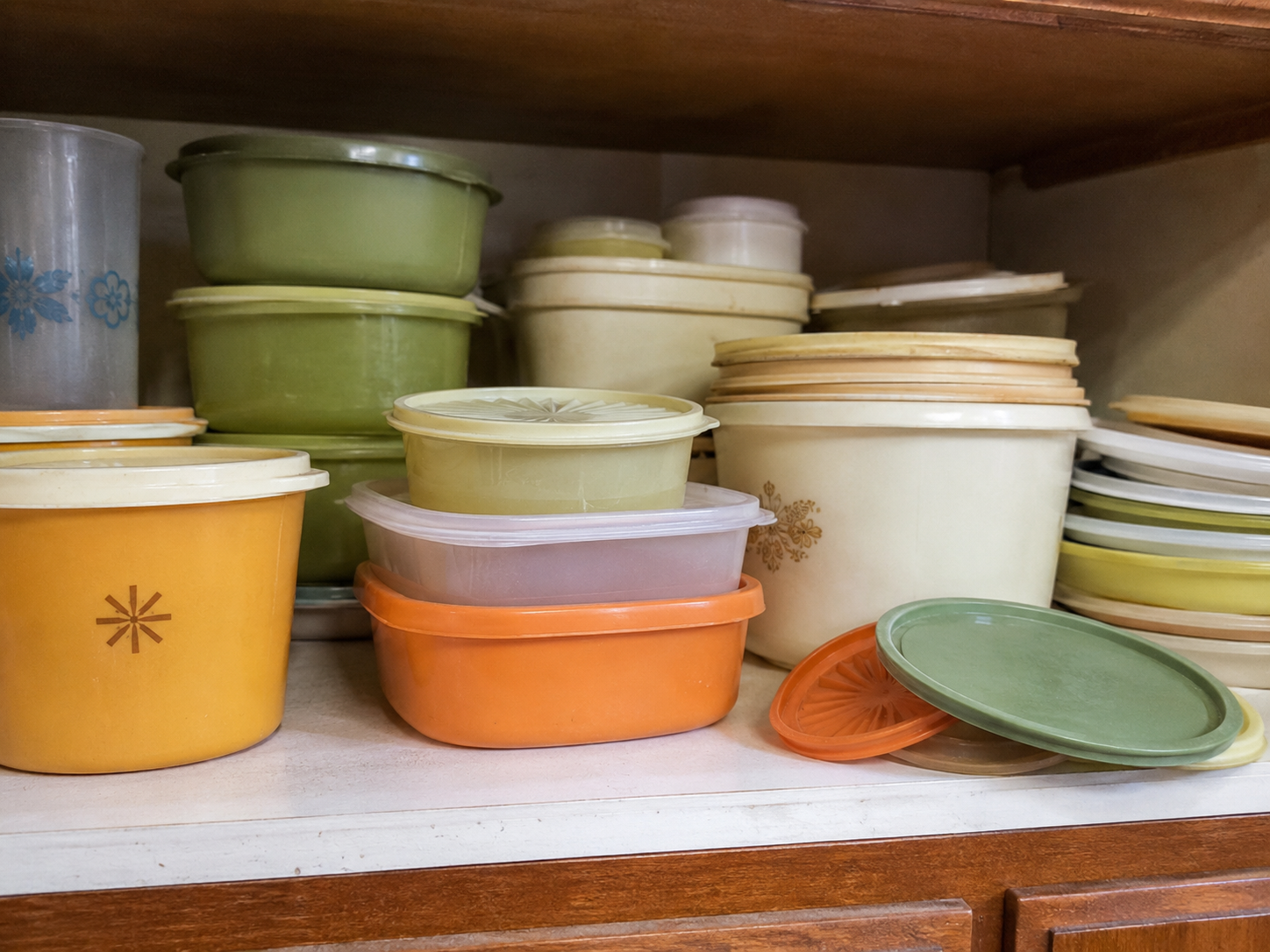
Opening a kitchen cabinet often revealed a colorful stack of plastic containers and an equally chaotic pile of lids. Tupperware had already become deeply embedded in American household life by the 1980s. The Smithsonian describes it as a staple of American kitchens, helped by its airtight seal and famous home-party sales model. The containers were practical and reusable, though finding the right lid could turn leftovers into a small puzzle. Plenty of pieces lasted so long that they were eventually handed down.
A Closet Full of Board Games
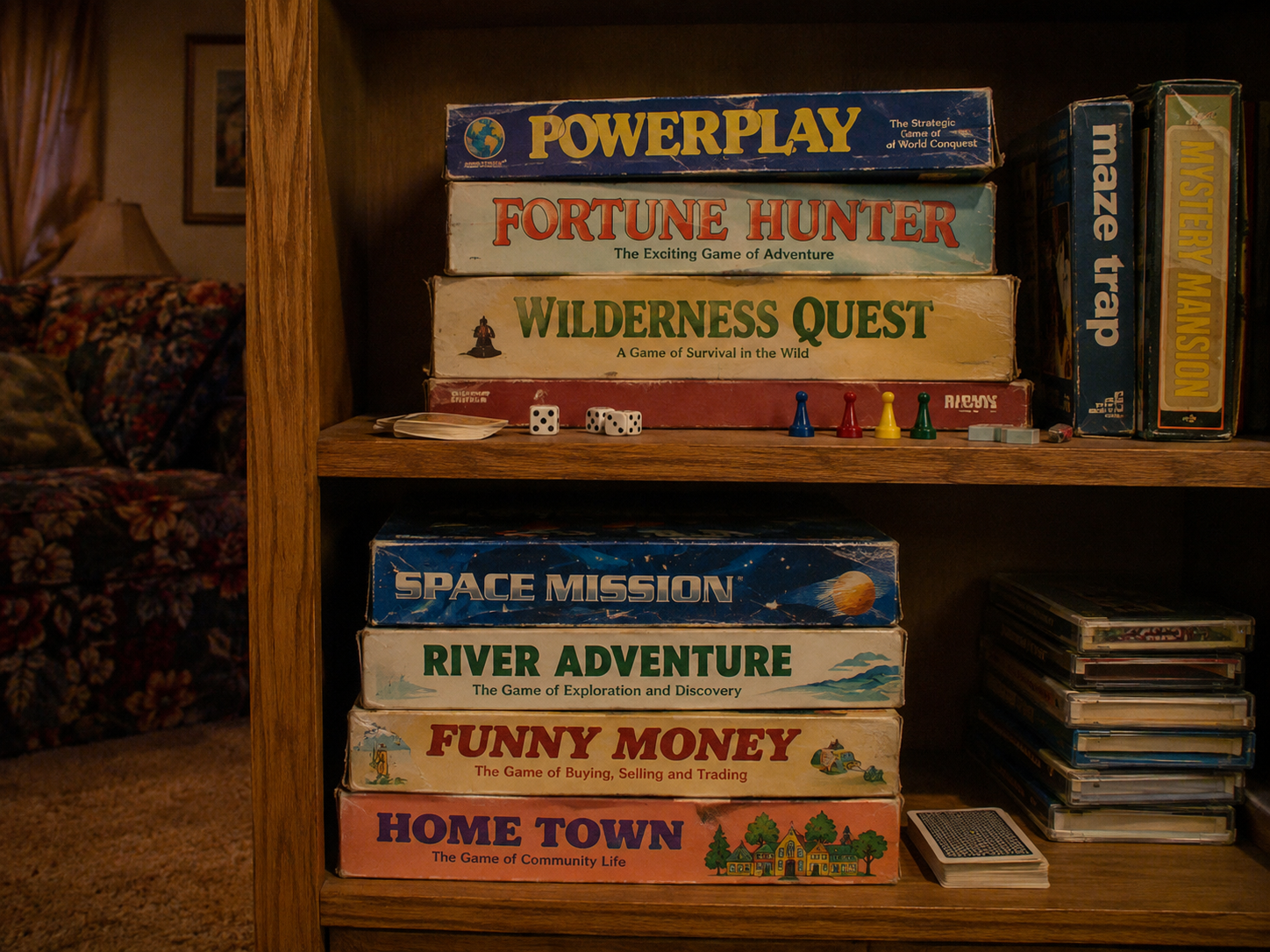
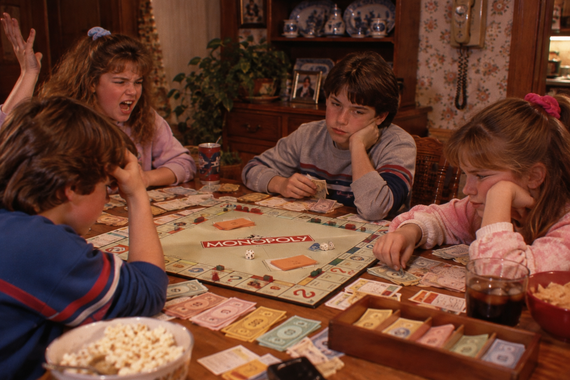
A rainy weekend could mean pulling Monopoly, Scrabble, Clue, Sorry!, Risk, or another battered game box from a closet. Board games were inexpensive entertainment that could be played over and over, and many popular titles had already been family staples for decades. Trivial Pursuit became the defining new hit of the early 1980s, selling millions of copies and inspiring countless overly competitive family nights. The boxes rarely stayed perfect for long. Missing dice, bent cards, and homemade replacement pieces were practically part of the experience.
A Thick Phone Book
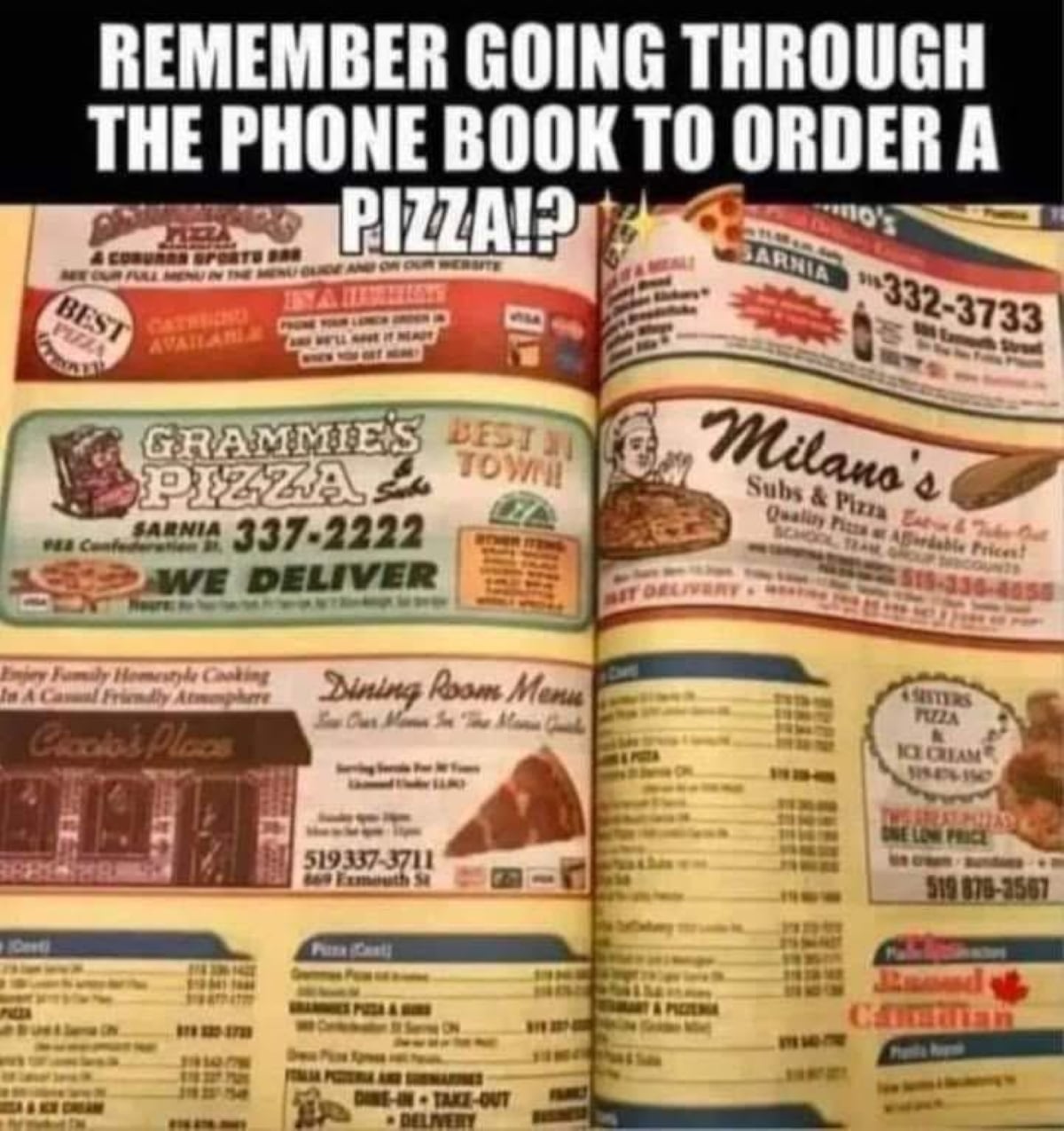
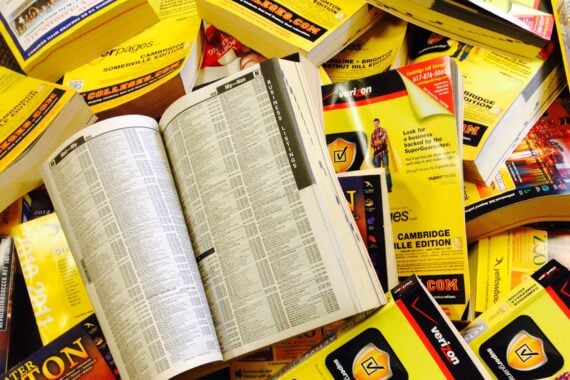
Before search engines, there was a phone book. White Pages helped families find residential numbers, while Yellow Pages handled plumbers, pizza shops, doctors, repair businesses, and just about anything else somebody needed locally. The books could be enormous in larger cities and were often kept near the landline, sometimes with numbers and notes scribbled in the margins. The Library of Congress maintains thousands of historic U.S. telephone directories, including editions from throughout the 1980s. They were bulky, but they worked without batteries, Wi-Fi, or a subscription.