Younger generations have smartwatches, tablets, and home automation systems, devices whose workings some Baby Boomers might not understand. Yet, Baby Boomers have also used various gadgets that younger generations didn’t even know existed. We reveal these clever little tools that any Baby Boomer would recognize!
An Automatic Jar Opener
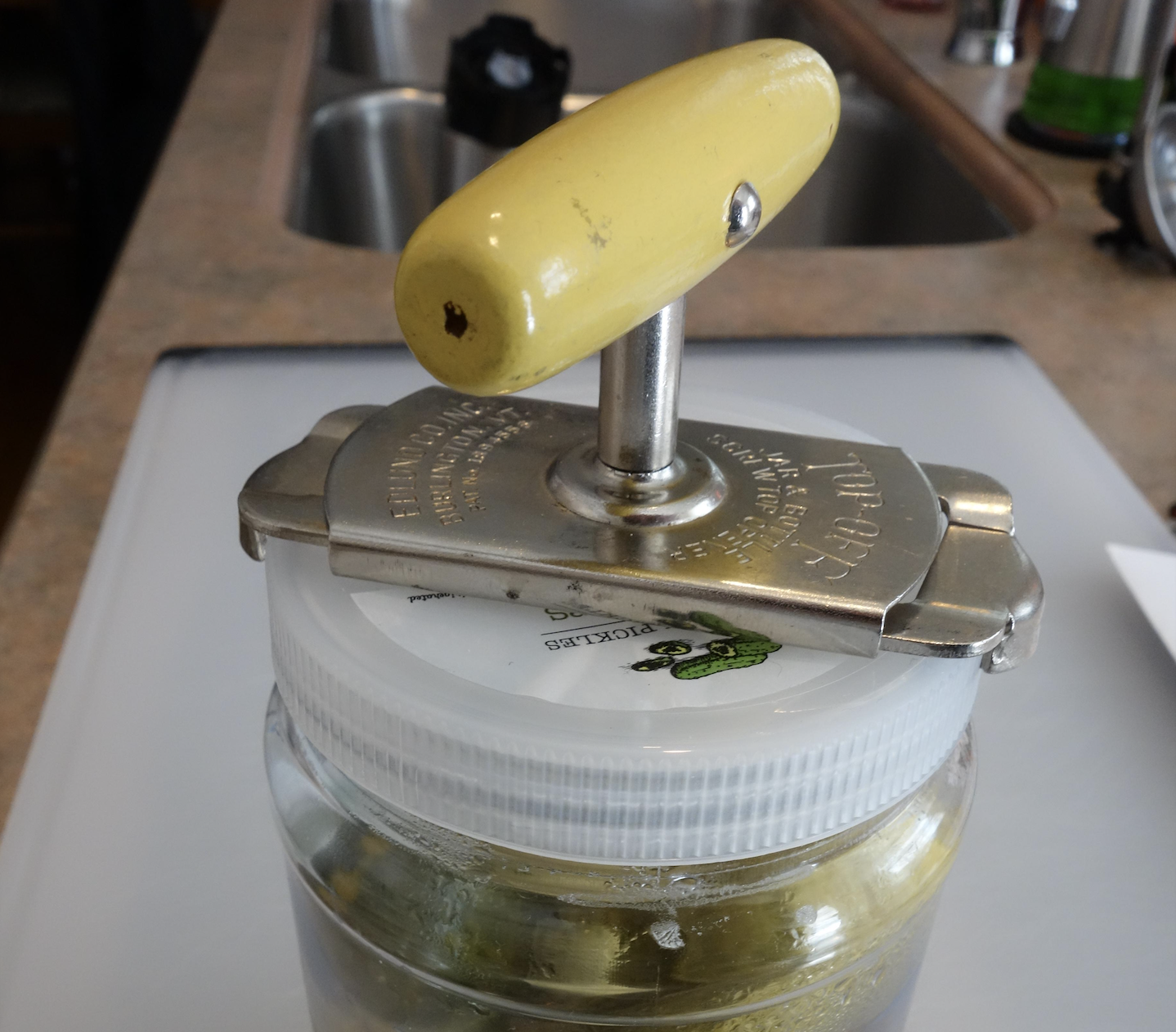
An automatic jar opener was a device that attached to the jar and lid to mechanically twist the lid open. It saved Baby Boomers the effort of squeezing and twisting required when using a traditional rubber jar gripper. Since jars are vacuum-sealed, opening them requires much more force than is needed once the seal is broken. Moreover, they were simple for Baby Boomers to understand because they usually worked at the push of a single button, and their batteries were easy to replace.
A Sock Aid

A sock aid was a small chute that held the sock open, while two long straps allowed the user to slide their foot all the way in. The idea was to spare the person from having to bend and stoop while getting dressed. Some Baby Boomers use compression socks that may require a different rigid donning aid, and the handle length can matter as much as the shape of the device.
A Button Hook and Zipper Pull
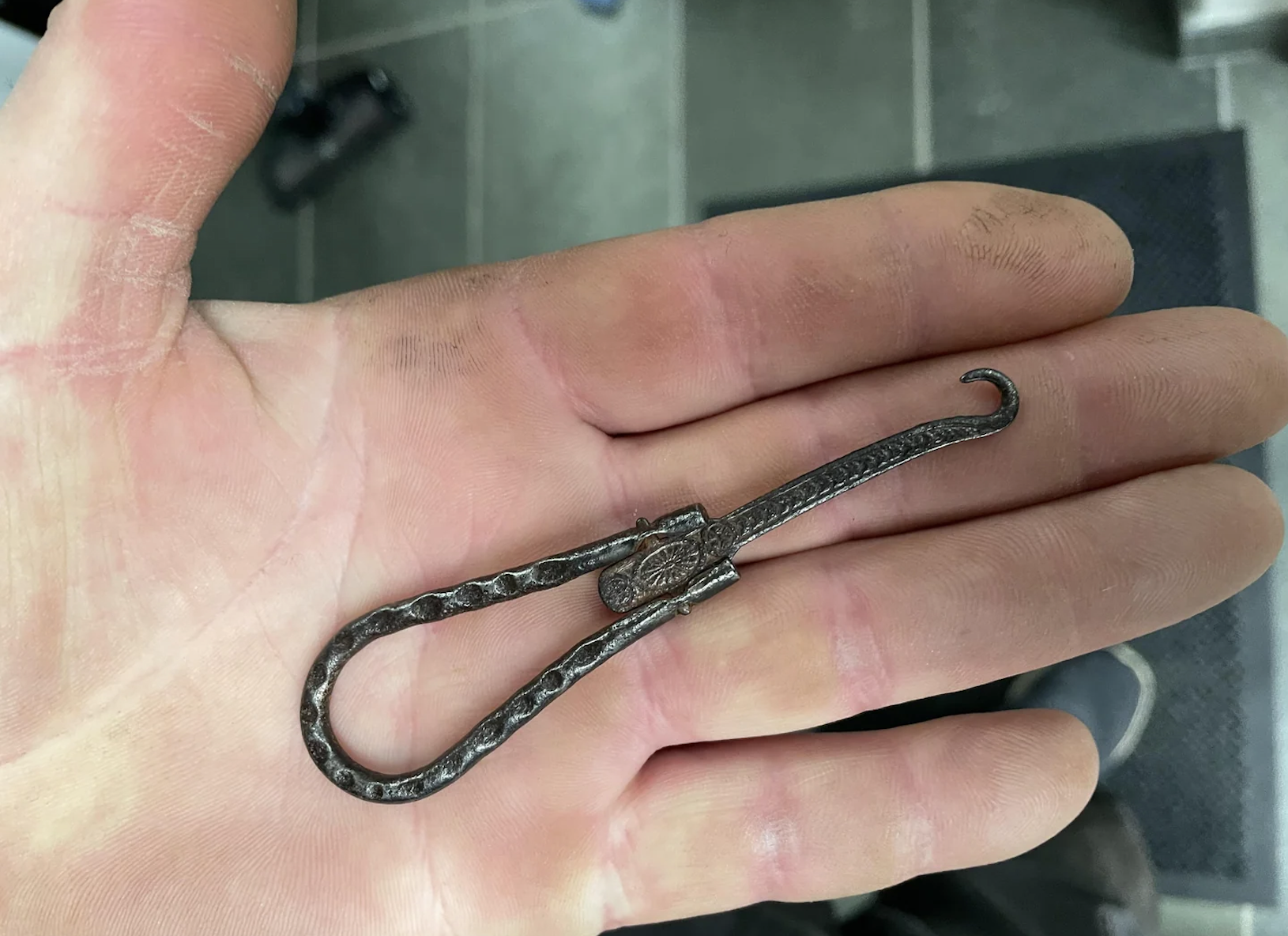
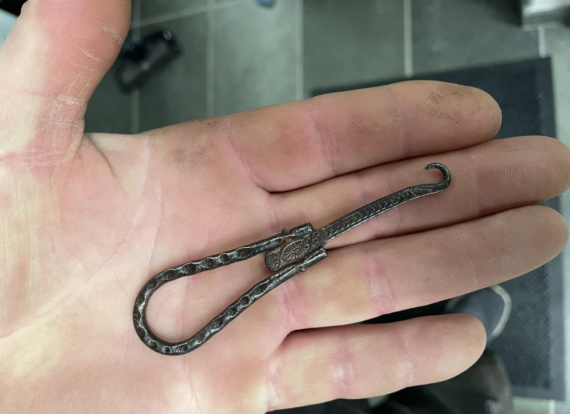
Both the button hook and the zipper pull were accessories designed to simplify the task of buttoning a shirt or zipping up a coat. The button hook consisted of a simple handle with a wire loop at the end used to pull a button through the buttonhole, while the zipper pull attached to the zipper to provide a larger, more secure grip. It makes sense that Baby Boomers still use these tools today, as the fine motor skills and precision required to handle such small items can diminish with age.
A Key Turner
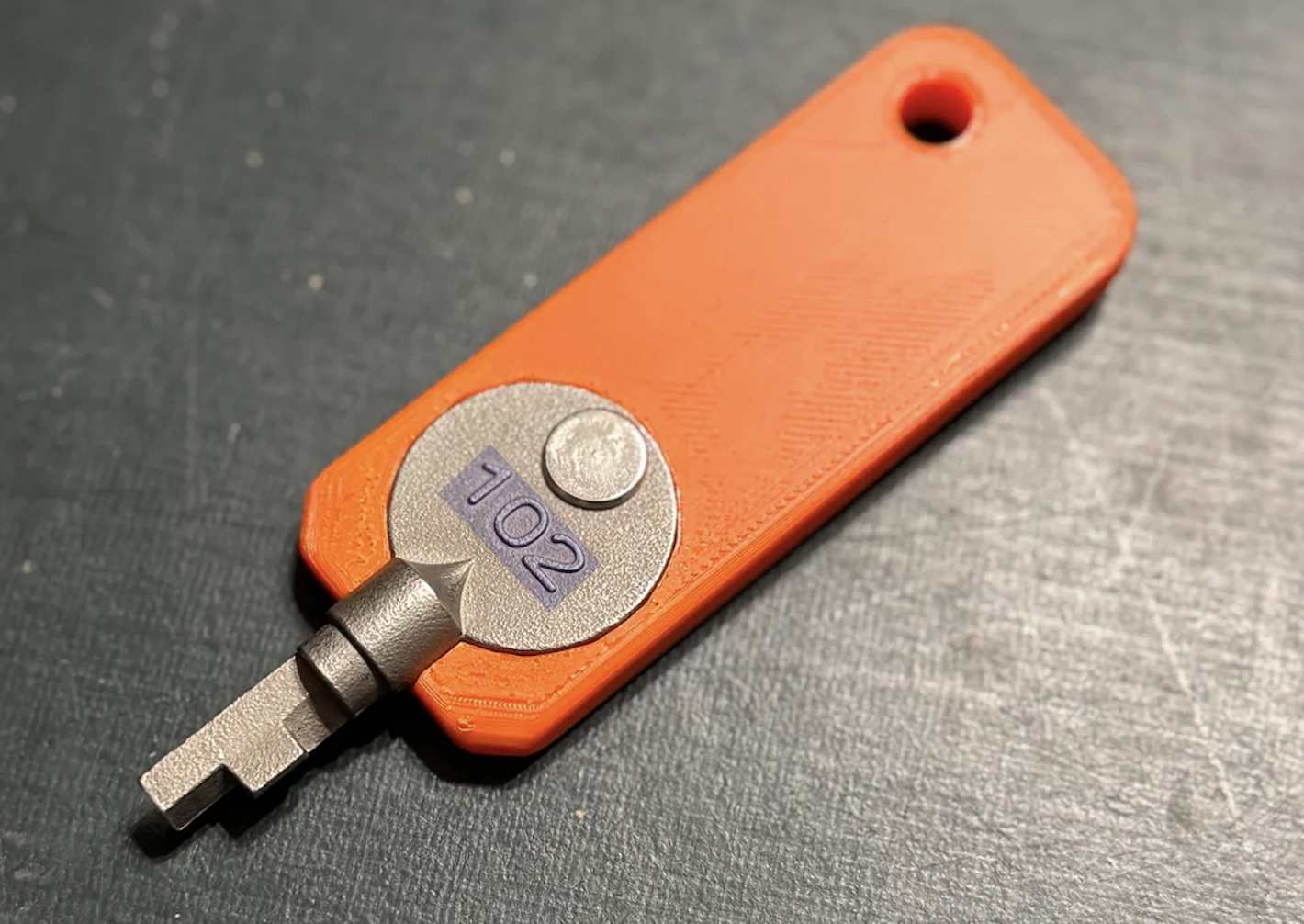
A key turner was another tool that aided fine motor skills, as it featured an oversized handle designed to hold several standard house keys and provide a larger grip instead, often in various bright colors to prevent them from getting lost. The device allowed Baby Boomers to gain greater leverage while exerting less pressure with their fingers.
A Reachable Grabber with a Magnetic Tip
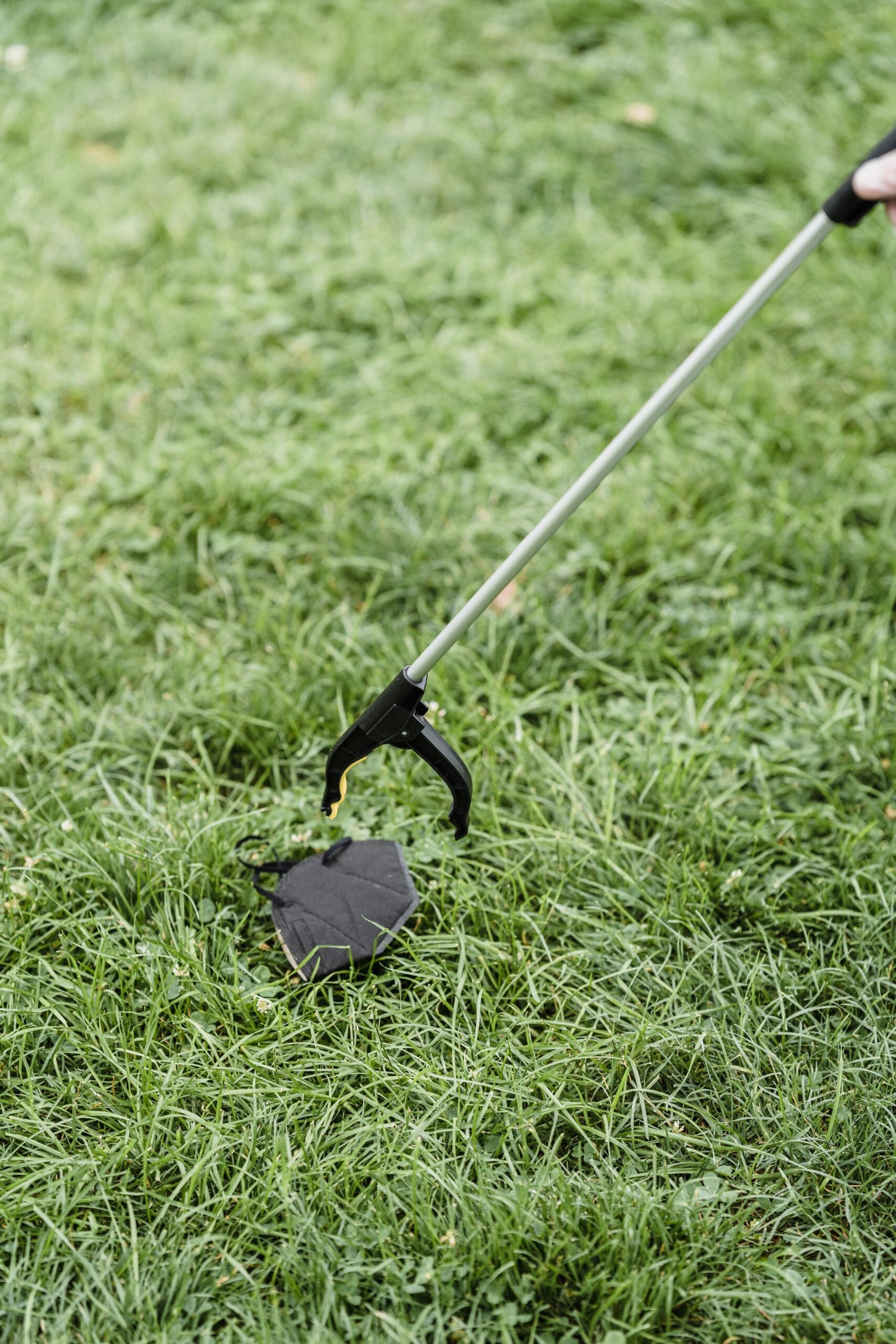
The reacher-grabber resembles a toy gun in the minds of many younger generations, but in reality, it consisted of a metal shaft with a claw at the end, designed to pick up items from the floor or retrieve things out of arm’s reach without much effort. Whether you dropped something behind the sofa or inside the dishwasher, or needed to reach items on high pantry shelves, this grabber got the job done for Baby Boomers.
Trending on Cheapism

A 30-Inch Shoehorn

Shoehorns are very easy-to-use tools that eliminate the need to bend down or sit when putting on a shoe. Although some are only six inches long, shoehorns can also be much longer, and they allow you to slip on a shoe while standing. They belong to the same category of aids as reachers and sock aids, designed to simplify the task of getting dressed for Baby Boomers.
A One-Touch Electric Can Opener
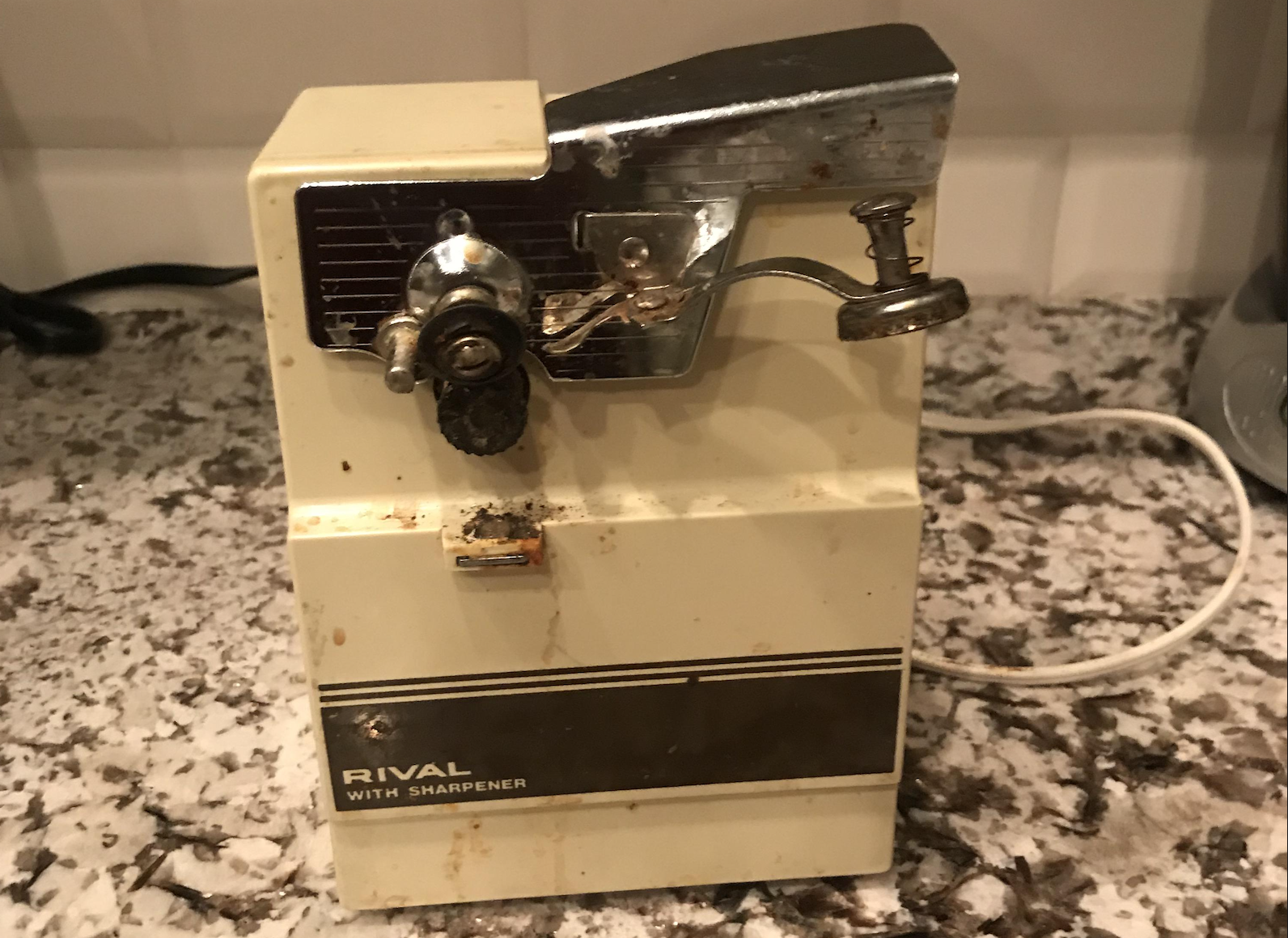
Unlike an automatic can opener, a jar opener sits on top of the jar, grips both the container and the lid, and mechanically twists the lid open. It does not cut; instead, it rotates the lid. This eliminates the need for Baby Boomers to exert force by squeezing and twisting. The device rotates around the rim, without having to clamp or crank a conventional opener.
A Mattress Lifter
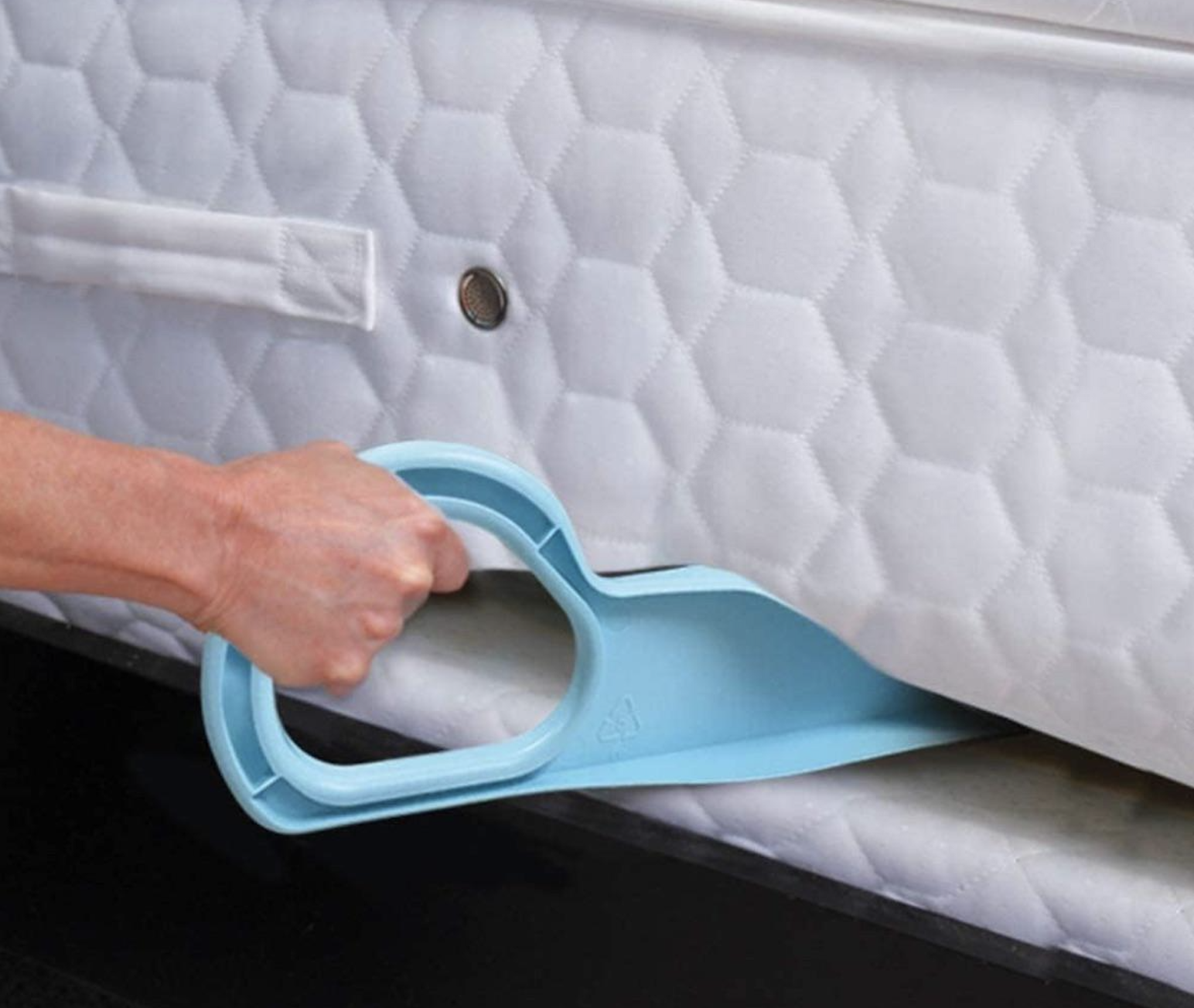
A mattress lifter is a wedge-shaped tool designed to fit between the mattress and the box spring or bed frame; it is used to lift the section of the mattress so that sheets can be tucked underneath without requiring much physical effort. A young person, in fact, wouldn’t know what that triangular object was for if they stumbled upon it in a Baby Boomers’s room.
Sign up for our newsletter
A Swivel Car Seat Cushion
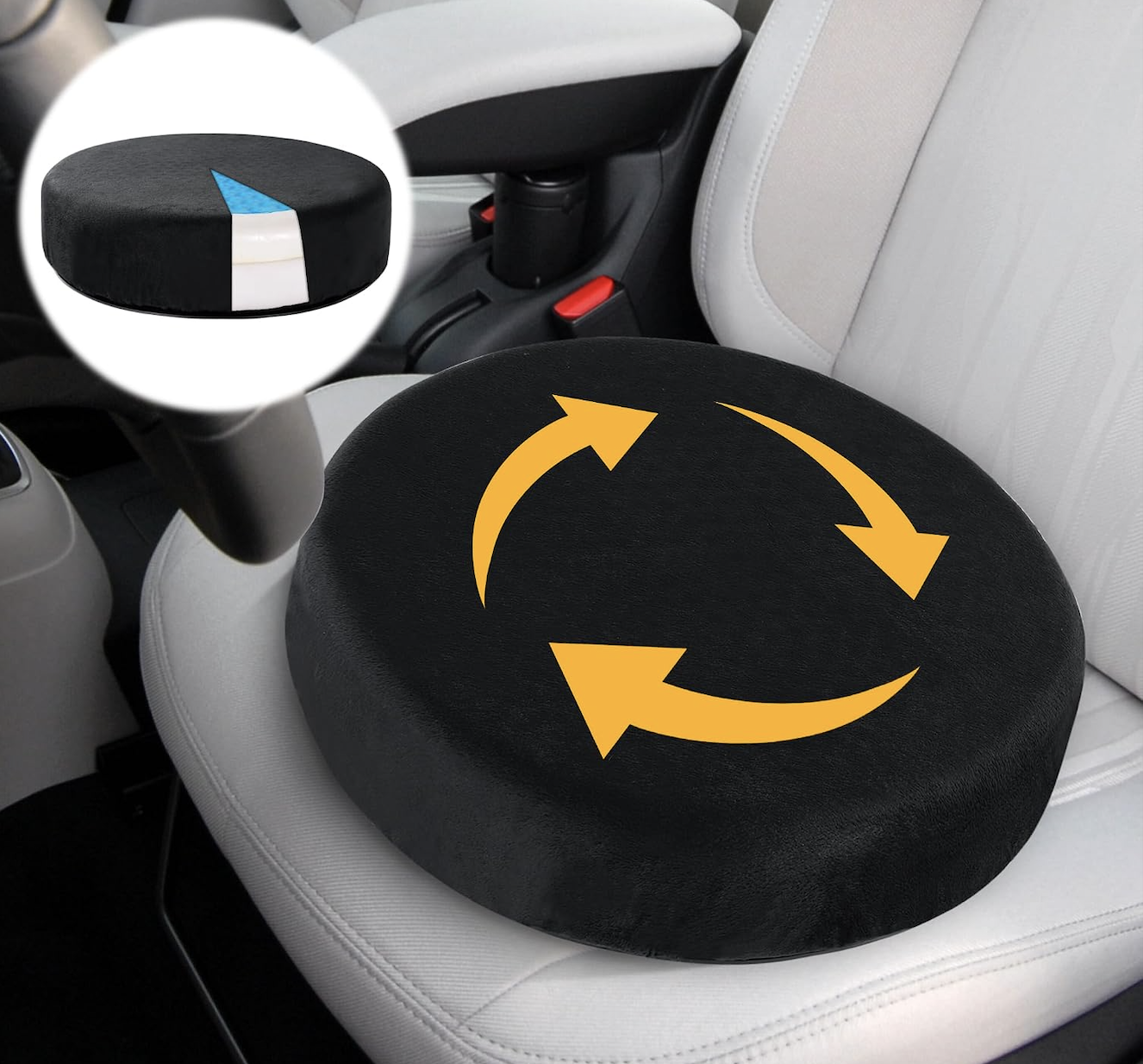
If you get into a car and see a cushion on the seat, it is likely a rotating model designed to help the person turn toward the door, or, upon entering, to sit down and then swivel to face forward. This feature was later adapted for dining chairs and other fixed seating, not just for automobiles. Baby Boomers needed to consider the cushion’s diameter to ensure it fits the intended spot, as well as the seat height.
A Car Door Assist Handle
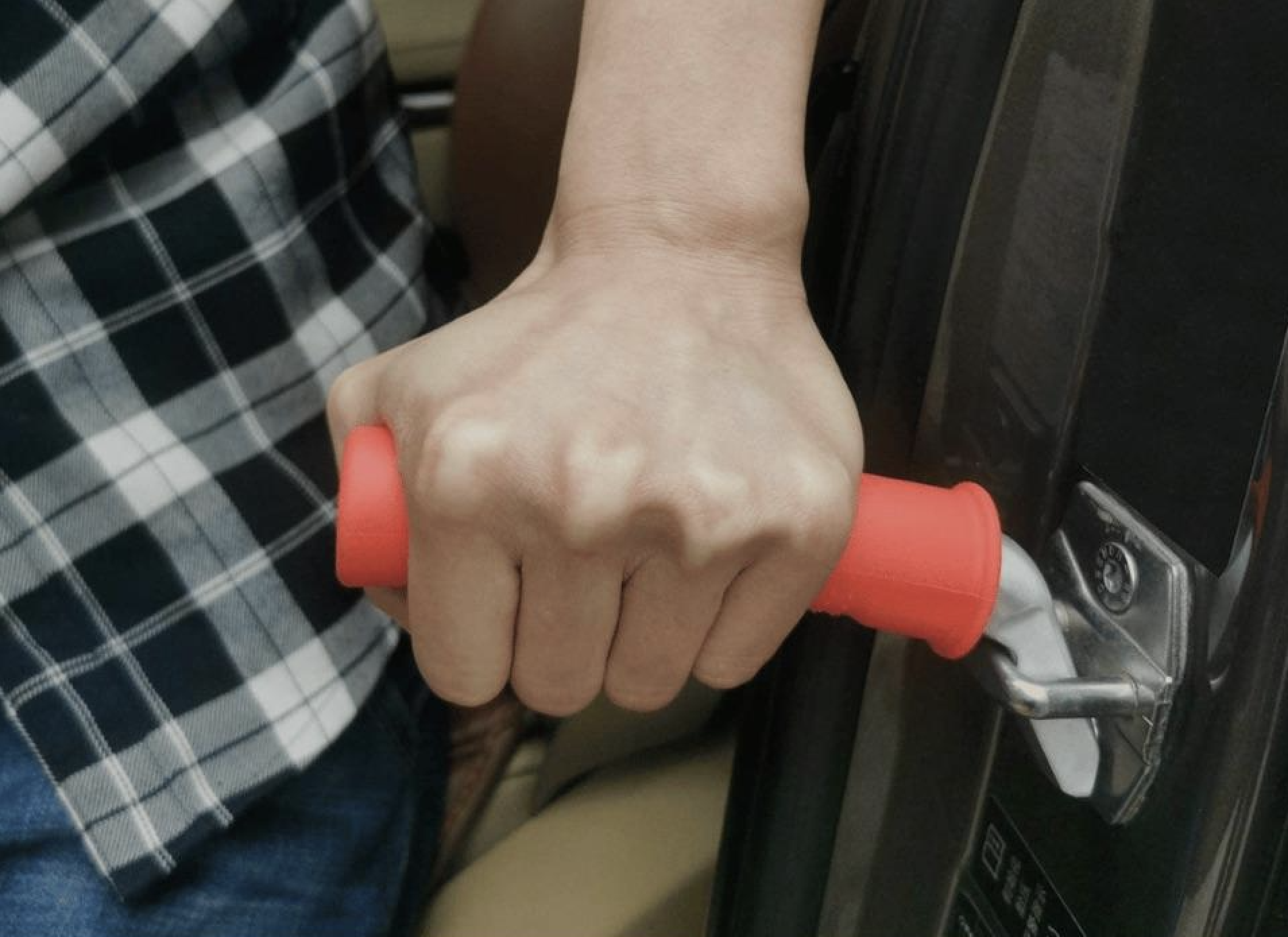
To a young person, a car door assist handle might look like a strange sort of knife, but it is actually designed to help you get out of a vehicle. This compact metal bar fits into the door striker, a component found in most cars, and serves as a temporary handle you can lean on to make exiting the vehicle easier. Furthermore, installing it requires no modifications to your car, as it simply hooks onto the existing hardware.
A No-Tip Pouring Kettle
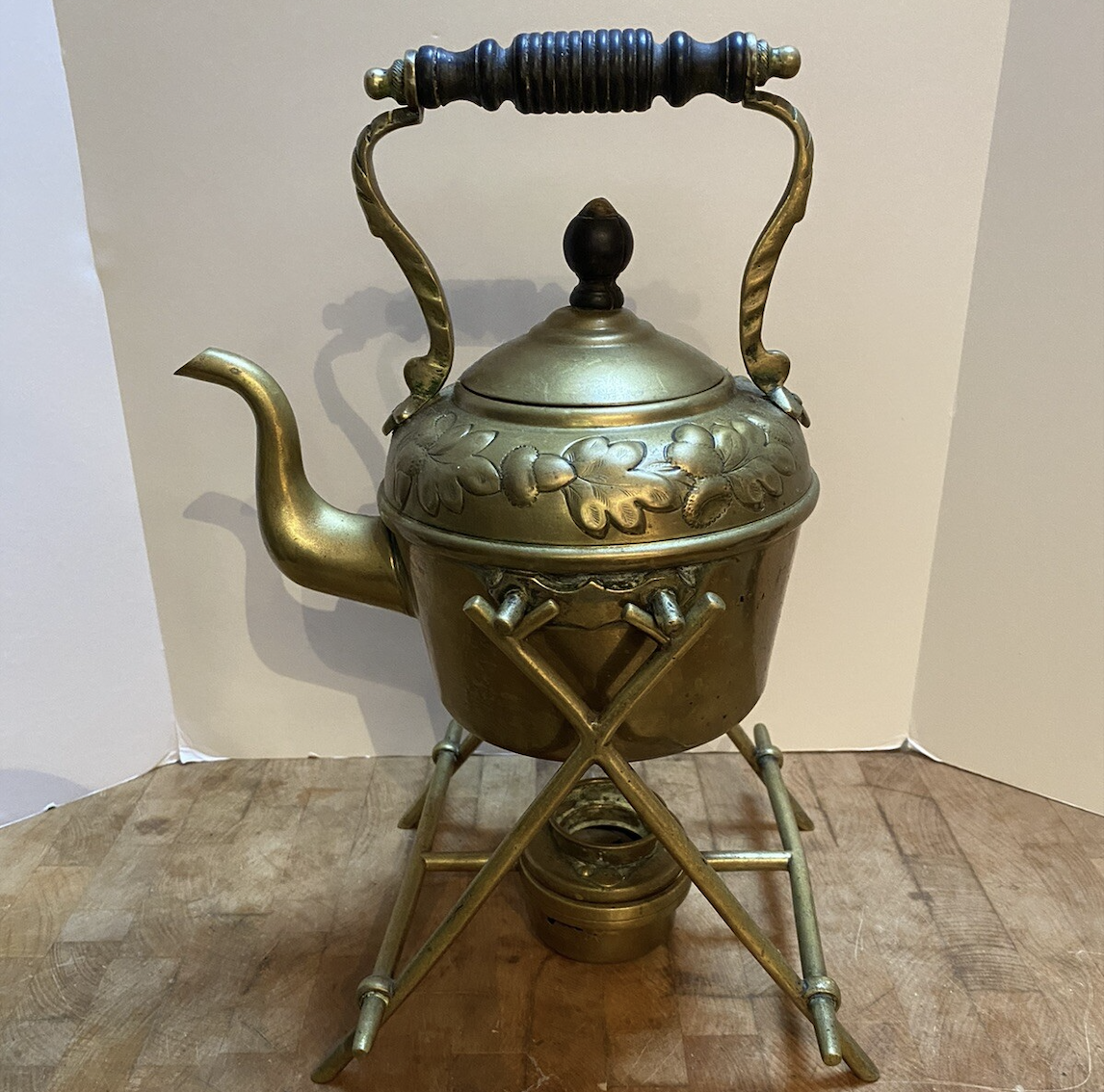
Another appliance used by Baby Boomers was the “no-tip” pouring kettle. These units pivoted and tilted to pour the water while heating it, setting them apart from modern kettles, which must be lifted off their base to be used. A cradle supports the weight of the device, which can be quite heavy. Newer versions of kettles are an example of redesigning a familiar appliance around a completely different version.
Remote-Controlled Electrical Outlets
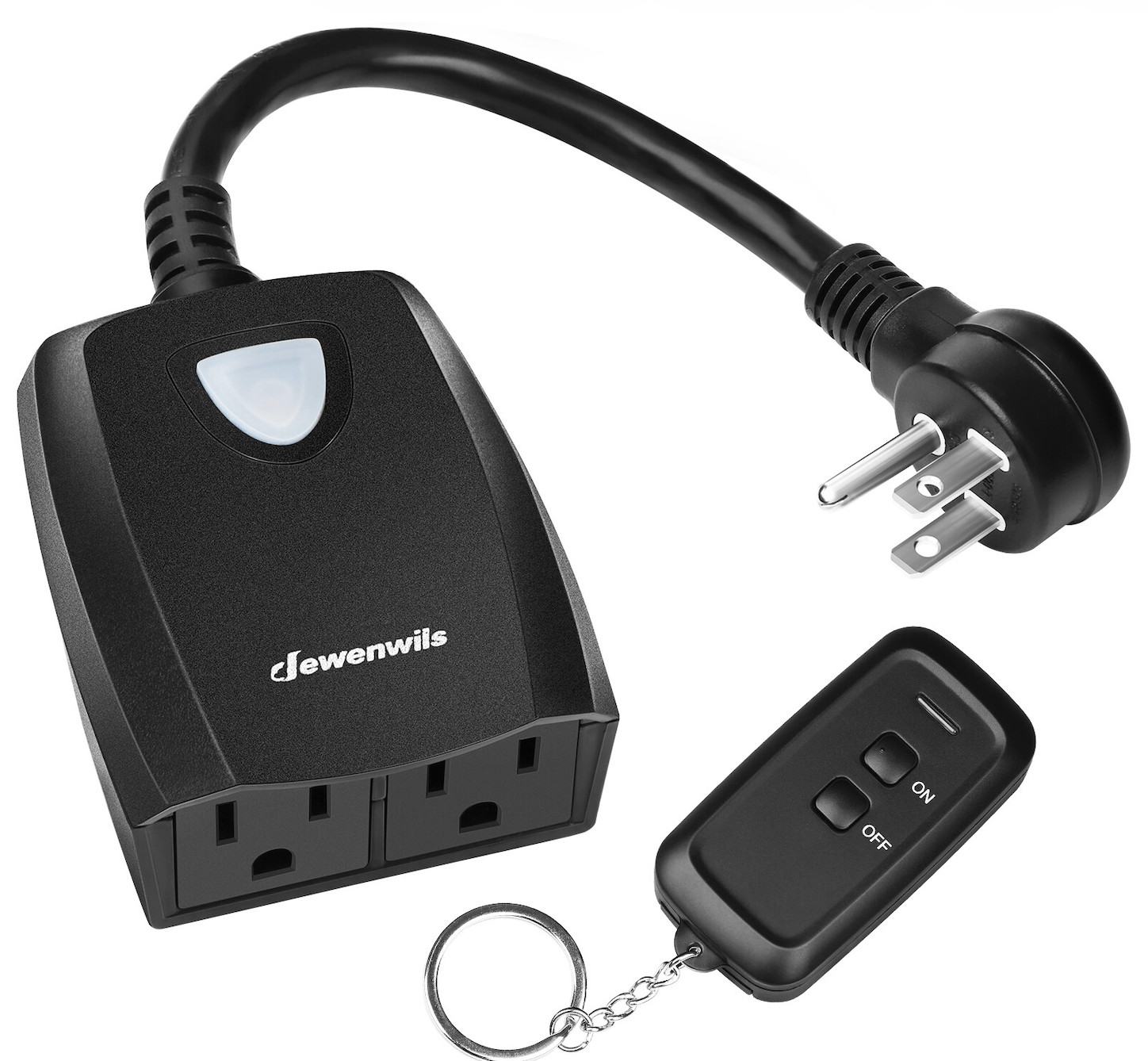
Much like how smartphones or even voice assistants control various devices today, the closest equivalent decades ago was the remote-controlled electrical outlet. These inexpensive adapters plugged into a standard wall outlet, where you would connect a lamp or appliance and came with a handheld remote to turn the outlet on or off from a distance.
Motion-Sensor Plug-In Night Lights
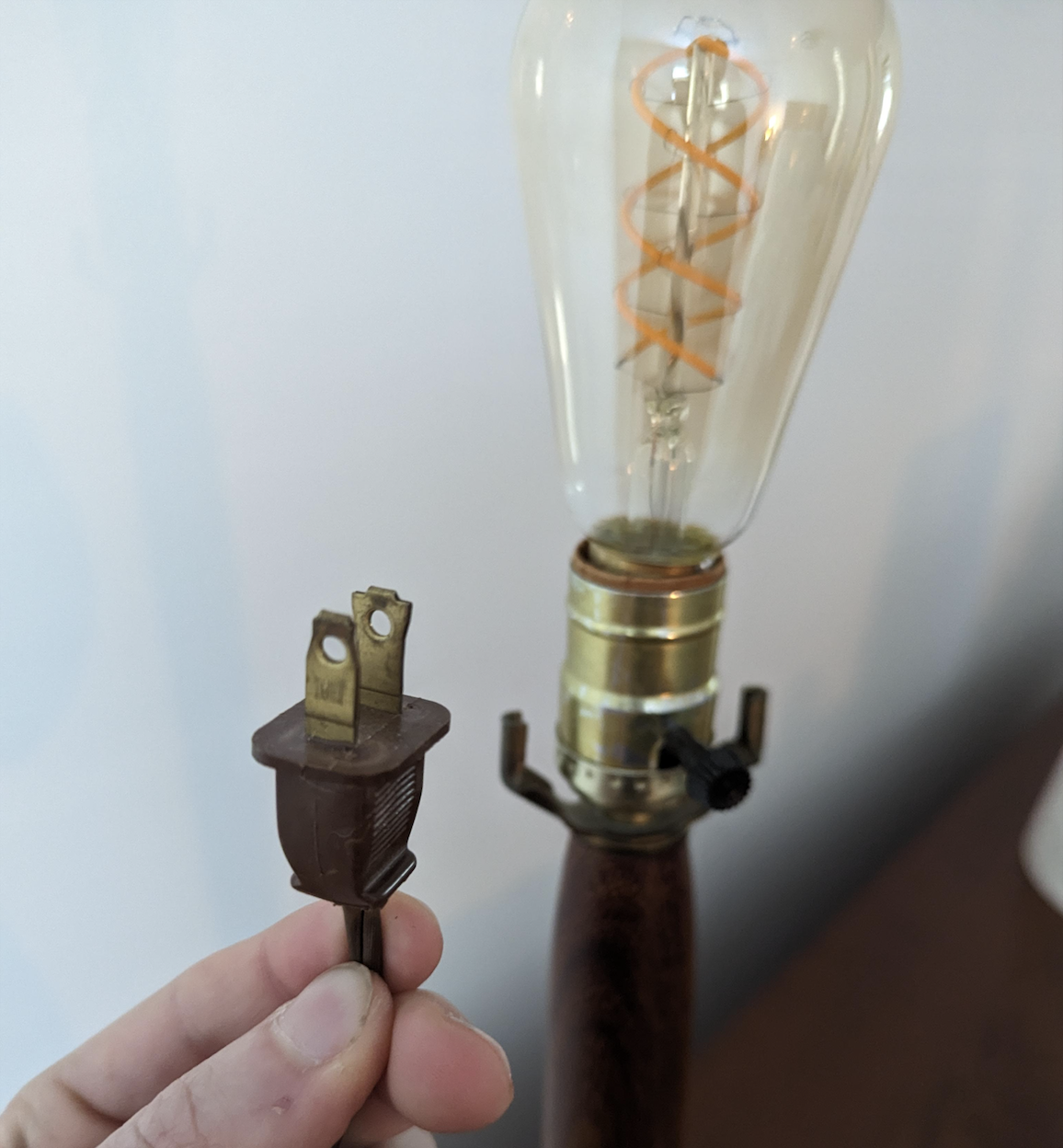
Plug-in motion-sensor nightlights are far better than leaving the hallway light on, as they only illuminate when you enter the area, such as a bathroom or stairwell. Nowadays, there are LED models that activate automatically at night, though that represents quite advanced technology. With those older devices, however, you didn’t have to fumble for a light switch or leave a light burning all night long.
Magnetic Jewelry Clasps
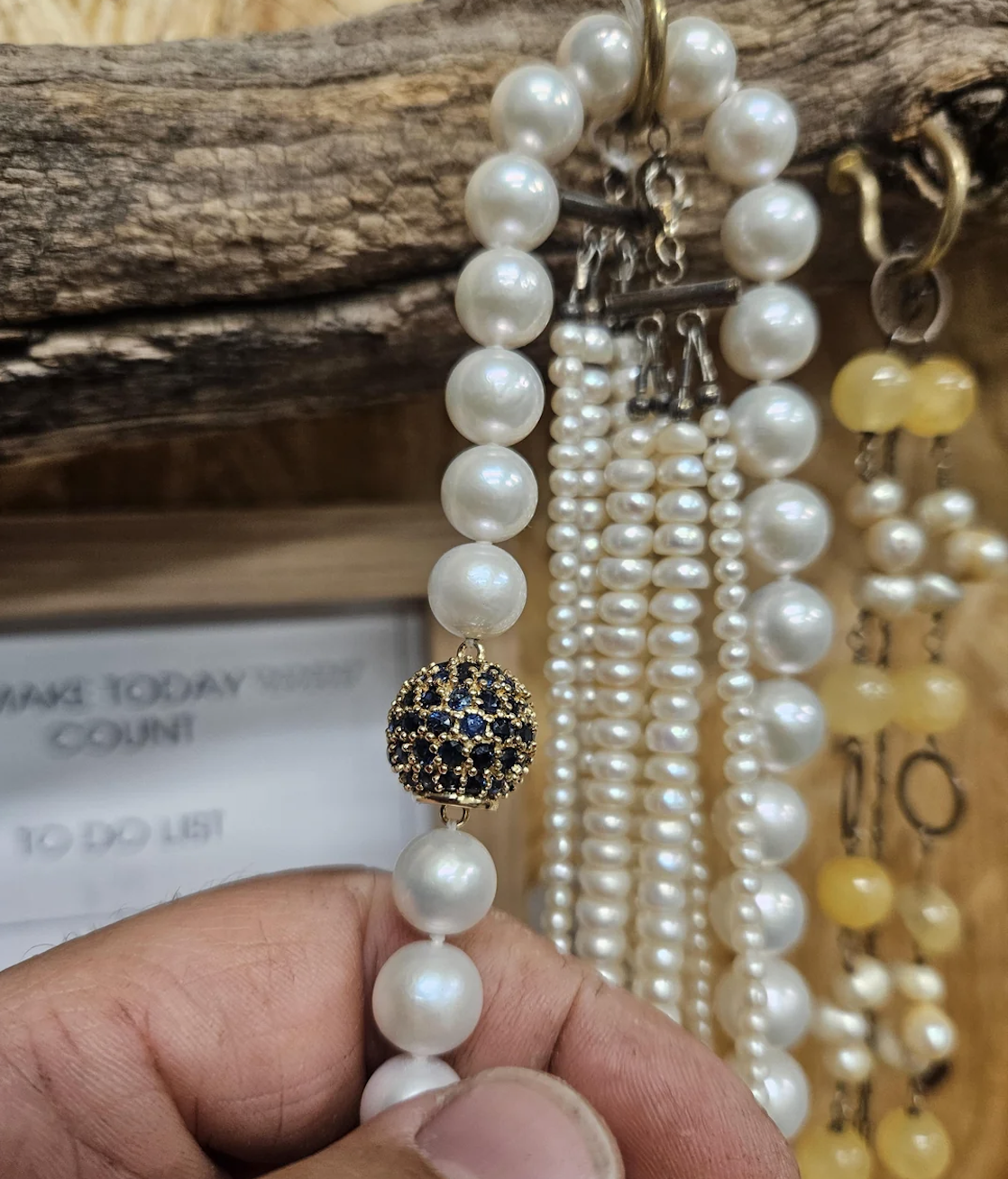
Magnetic jewelry clasps allow the ends of necklaces or bracelets to join together magnetically. This accessory saves you from having to fumble with tiny lobster or spring-ring clasps; you simply need to bring the two magnetic halves close together. It is a helpful tool for anyone, not just older adults, and remains readily available today.
A Door Knob Grip Extender
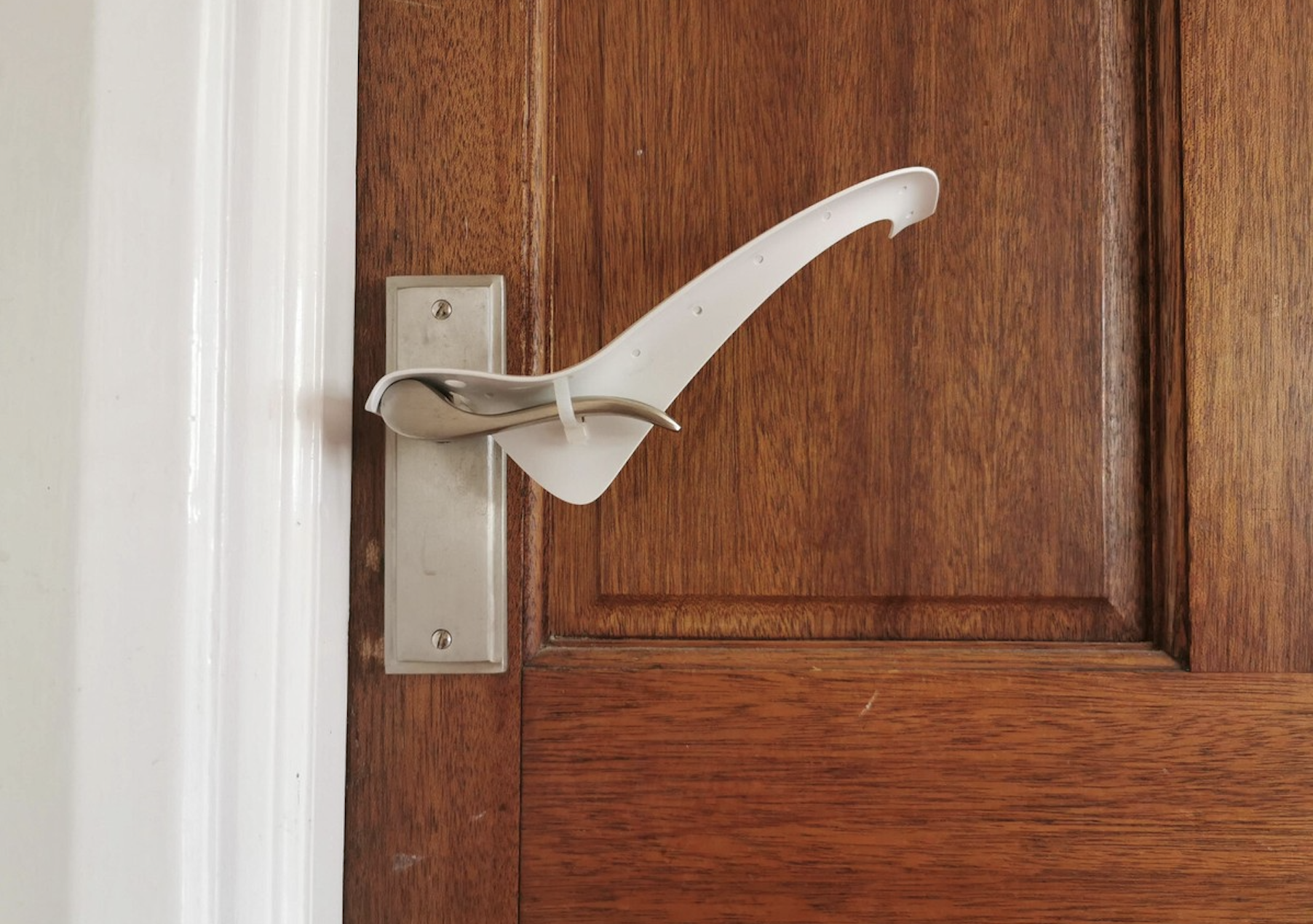
The rubber or plastic attachments of the door knob grip extender easily fit onto standard door knobs, creating extra space to grip the lever or wing-shaped surface. This allows for a firmer grip on the door handle and a more comfortable movement. You could replace every door knob or lever handle in your home, but that would be much more expensive. A young person would likely not even know what they were.
Conclusion

Some of the gadgets we’ve looked at are curious; if you were to come across them in a home, younger people likely wouldn’t even know what they were. On the other hand, the vast majority of them, such as remote-controlled electrical outlets and automatic jar openers, have been replaced by modern appliances that perform the same tasks more easily. The upside is that if one of the new appliances breaks down in your home, buying one of these older tools may be cheaper.